

 Team Out of Town
Discover Moroccan Cuisine Through Traditional Dishes And Regional Specialties
Moroccan cuisine reflects centuries of cultural exchange, blending Berber, Arab, Mediterranean, and African influences into a richly layered culinary tradition. It is distinguished by its bold, aromatic use of spices such as cumin, coriander, saffron, and cinnamon, along with slow-cooked tagines and delicately steamed couscous. Moroccan dishes often balance sweet and savory elements—like dried fruits with spiced meats or honey with warm spices—resulting in meals that are as memorable for their depth of flavor as for their comforting warmth.

Moroccan Cuisine
Moroccan flavors combine aromatic spices like cumin, saffron, and cinnamon with fresh ingredients such as olive oil, herbs, and preserved lemons to create dishes that are both complex and comforting. You’ll find that cooking methods such as slow braising in tagines and steaming couscous have been passed down through generations. These techniques help develop deep flavors that define Moroccan meals.
When you explore Moroccan cuisine, you discover more than just recipes. You’ll learn about signature dishes, essential ingredients, regional specialties, and the hospitality that makes sharing food central to Moroccan culture. From busy market stalls to home kitchens, the food tells the story of Morocco’s diverse heritage.
The Rich Heritage and Cultural Influences of Moroccan Cuisine
Moroccan gastronomy draws from centuries of cultural exchange, blending Berber foundations with Arab, Andalusian, Jewish, and French influences. Each group brought distinct ingredients, cooking methods, and recipes that shaped the diverse flavors you taste in Moroccan culinary traditions today.
Berber Traditions and Origins
The Berbers are Morocco’s indigenous people, and their cooking forms the foundation of Moroccan cuisine. They developed practical cooking methods suited to North Africa’s climate and geography. The tagine, a clay pot used for slow-cooking stews, originated in Berber culture.
Berber influences include staple ingredients like barley, wheat, and olive oil. They introduced preserved foods such as smen (aged butter) and traditional bread-baking techniques. Couscous, now central to Moroccan culture, originated with Berber communities who hand-rolled semolina wheat.
You’ll find Berber cooking techniques still used in mountain villages. These include pit-roasting meats and preparing simple stews with seasonal vegetables. Their emphasis on communal eating and hospitality remains a core part of the Moroccan culinary experience.
Arab and Andalusian Impact
Arab traders and settlers brought new spices and cooking styles to Morocco in the 7th century. They introduced complex spice blends, dried fruits, and nuts into savory dishes. Cinnamon, ginger, saffron, and cumin became essential to Moroccan culinary traditions.

Andalusian refugees from Spain added refined techniques in the 15th and 16th centuries. They brought sophisticated pastry-making skills and sweet-savory flavor combinations. B’stilla, a layered pie with meat and sugar, reflects this Andalusian influence.
Key Arab and Andalusian contributions:
- Advanced spice blending techniques
- Use of dried fruits in meat dishes
- Delicate pastries and confections
- Elaborate presentation styles
Jewish and French Contributions
Moroccan Jews developed unique variations of traditional dishes and preserved distinct culinary practices. They created special Sabbath meals and holiday foods that influenced wider Moroccan gastronomy. Jewish cooks introduced techniques for preserving lemons and preparing fish dishes.
The French colonial period (1912-1956) left lasting marks on Moroccan cuisine. French baking methods transformed bread and pastry production. You’ll find French-style cafes and patisseries throughout Moroccan cities today.
French influence appears in restaurant culture and presentation styles. Moroccan chefs adopted French culinary terms and plating techniques. However, traditional Moroccan cooking methods and flavors remained dominant in homes and local eateries.
Iconic Moroccan Dishes and Popular Meals

Couscous: The Pillar of Moroccan Meals
Couscous stands as Morocco’s national dish and appears on tables every Friday for family meals. You’ll find these tiny steamed semolina grains served beneath a pyramid of vegetables, meat, and aromatic broth.
The traditional preparation involves steaming couscous multiple times in a special pot called a couscoussier. The bottom section holds a rich stew of meat and vegetables, while steam rises to cook the grains above. This method creates light, fluffy couscous that absorbs the flavors below.
Common couscous variations include:
- Seven-vegetable couscous with chickpeas and seasonal produce
- Lamb or chicken couscous with caramelized onions and raisins
- Fish couscous is popular in coastal regions
- Tfaya couscous topped with sweet onions, cinnamon, and almonds
You can prepare couscous with beef, lamb, chicken, or keep it vegetarian. The spices typically include ginger, turmeric, and black pepper, creating a warming flavor profile.

Tagine and Tagine Cooking
Tagine refers to both the dish and the cone-shaped earthenware pot used to make it. The tagine pot’s unique design traps steam inside, where it condenses and drips back onto the food, keeping everything moist during slow cooking.
You’ll encounter numerous tagine varieties across Morocco. Lamb tagine with prunes and almonds offers a classic sweet-savory combination. Chicken tagine with preserved lemons and olives delivers bright, tangy flavors. Beef tagine with vegetables provides a heartier option.
The slow-cooked tagine method allows meat to become tender while spices meld together over low heat. Most recipes start by browning meat with onions, then adding spices like cumin, paprika, and saffron. The dish simmers for one to three hours.
Popular tagine combinations:
- Kefta tagine with meatballs and eggs
- Fish tagine with tomatoes and peppers
- Vegetable tagine with dried fruits
You don’t need a traditional tagine pot to make these Moroccan food recipes. A heavy-bottomed pot with a tight lid works as a substitute.

Pastilla: Sweet and Savory Delight
Pastilla (also spelled bastilla) represents one of Morocco’s most complex dishes. This flaky pie combines shredded meat, typically pigeon or chicken, with almonds, eggs, and spices, all wrapped in thin pastry sheets called warqa.
The dish surprises you with powdered sugar and cinnamon dusted over the savory filling. This contrast defines Moroccan cooking’s approach to balancing flavors. The preparation requires skill, as each layer of warqa must be brushed with butter and arranged carefully.
You’ll often find pastilla served at weddings and special celebrations. The traditional version uses pigeon, but chicken pastilla has become more common. Some modern variations include seafood or vegetarian options with vegetables and cheese.

Other Traditional Delicacies
Harira soup is often the first course in Moroccan meals, especially during Ramadan. This thick soup combines tomatoes, lentils, chickpeas, and meat with fresh herbs and lemon juice.
Moroccan ingredients like preserved lemons, olives, and argan oil appear across multiple dishes. You’ll taste these in zaalouk (eggplant salad), taktouka (pepper-and-tomato salad), and mechoui (slow-roasted lamb). Rfissa features shredded msemen bread layered with chicken and a fenugreek-spiced sauce.
Bread accompanies every meal, with khobz (round flatbread) serving as the primary utensil for scooping food. Street food options include maakouda (potato fritters), bocadillo sandwiches, and snail soup served from large copper pots in the medina.
Culinary Experiences in Morocco
Street Food and Food Markets
Moroccan street food gives you direct access to authentic flavors at affordable prices. Jemaa el-Fnaa in Marrakech stands as the country’s most famous food square, where vendors set up smoke-filled stalls each evening. You’ll find grilled meats, snail soup, and fresh-squeezed orange juice.
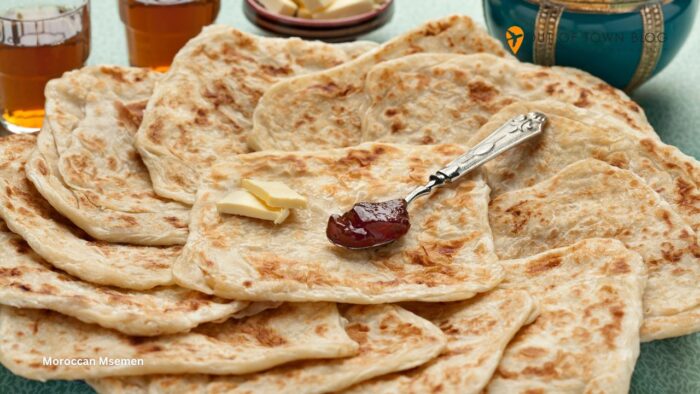
The medina areas in major cities host daily food markets where locals shop for ingredients. You can sample foods like msemen (flaky flatbread), bissara (fava bean soup), and maakouda (potato fritters). Markets also sell dried fruits, nuts, olives, and fresh bread.
Street vendors often specialize in single items they’ve perfected over the years. Look for carts selling bocadillo (Moroccan sandwiches) filled with spiced meats or fried fish. These quick meals show you how Moroccans eat daily, not just for special occasions.

Regional Cuisine: Marrakech, Fez, and Essaouira
Regional variations across Morocco create different food experiences in each city. Marrakech food features bold spices and grilled meats, with tangia (slow-cooked meat in a clay pot) as a local specialty. A Marrakech food tour takes you through spice markets and traditional bakeries.
Fes (or Fez) is home to the most refined Moroccan cooking traditions. The city is known for pastilla, a sweet-and-savory pie filled with pigeon or chicken. Fes cooks use more subtle spice combinations than those in other regions.
Essaouira, located on the Atlantic coast, centers its cuisine on seafood. You’ll eat grilled sardines, calamari, and fresh fish at harbor-side grills. The coastal climate produces different vegetables than inland cities.
Exploring Moroccan Restaurants
Moroccan restaurants range from casual neighborhood spots to upscale dining rooms in restored riads. Traditional restaurants serve multi-course meals that start with salads and end with mint tea. You eat tagines and couscous in decorated dining rooms with low seating.
Al Fassia in Marrakech represents high-quality Moroccan restaurants run by local families. These establishments maintain cooking methods passed through generations. Many Moroccan restaurants now offer tasting menus that showcase regional dishes.
Tourist areas have more Moroccan restaurants with English menus and set prices. Local restaurants in residential neighborhoods give you authentic experiences where you might be the only visitor. Both serve authentic Moroccan cuisine, but the atmosphere and pricing differ significantly.
Moroccan Sweets, Beverages, and Hospitality

Moroccan Mint Tea and Atay Ritual
Moroccan mint tea, known as atay, is the country’s national drink. You’ll find it served throughout the day in homes, cafes, and markets.
The tea combines green tea, fresh mint leaves, and sugar. Hosts prepare it by steeping the ingredients together and pouring from a height to create foam. This pouring technique aerates the tea and enhances its flavor.
The atay ritual involves serving tea in small glasses for at least three rounds. Each round tastes slightly different as the tea steeps longer. Refusing tea can be seen as impolite, as the ceremony represents friendship and respect between host and guest.
Famous Moroccan Desserts
Moroccan desserts feature honey, almonds, and orange blossom water as main ingredients. Chebakia is a sesame cookie fried and coated in honey, typically served during Ramadan. Kaab el ghazal, meaning “gazelle horns,” are crescent-shaped cookies filled with almond paste.
Briouats are triangular pastries filled with almonds and honey or cheese. Baklava in Morocco is made with phyllo dough, layered with nuts, and drizzled with honey syrup. You’ll also find msemen, a flaky flatbread often served with honey or jam for breakfast or as a sweet snack.
Sfenj are Moroccan doughnuts sold by street vendors, best eaten fresh and warm. These treats appear at celebrations and with mint tea throughout the day.
The Importance of Hospitality
Hospitality defines Moroccan culture and daily interactions. When you visit a Moroccan home, you’ll receive food and tea regardless of the time of day.
Hosts prepare their best dishes for guests as a sign of respect and generosity. Refusing food or drink can offend your host, as sharing meals strengthens social bonds. Moroccan hospitality extends beyond family to include strangers and travelers.
Sweet treats and tea form the foundation of a warm welcome. This tradition has been passed down through generations and remains central to Moroccan identity.
Fundamental Flavors and Signature Ingredients
Moroccan cuisine builds its distinctive taste profile on a foundation of warm spices, aromatic herbs, and carefully preserved ingredients. The combination of cumin, saffron, and preserved lemons creates layers of flavor that define this North African culinary tradition.
Essential Moroccan Spices
Cumin is a key ingredient in many Moroccan dishes, with its earthy, warm flavor. You’ll find it in tagines, couscous, and grilled meat preparations. Cinnamon adds subtle sweetness to both savory stews and pastries, creating the unique sweet-savory balance for which Moroccan cooking is known.
Saffron threads add a golden hue and delicate floral notes to rice dishes and special-occasion meals. While expensive, you only need a small pinch to transform a dish. Ginger appears in both fresh and dried forms, adding sharp warmth and depth.
Ras el hanout is Morocco’s signature spice blend. This complex mixture may contain 10 to 30 spices, including cardamom, nutmeg, and rose petals. Each spice merchant creates their own version, making every batch unique.
Turmeric and coriander round out the essential spices. Turmeric provides earthy bitterness and bright yellow color, while coriander adds citrusy, slightly sweet notes to vegetable dishes and soups.
Key Ingredients in Everyday Cooking
Preserved lemons are among Morocco’s most distinctive ingredients. These salt-cured lemons develop an intense, complex flavor that brightens tagines and salads. You can find them whole or chopped in most Moroccan dishes, where they add tangy depth without the sourness of fresh lemon juice.
Olive oil is the primary cooking fat in Morocco. The country produces high-quality olive oil used for everything from sautéing vegetables to finishing couscous. You’ll drizzle it over bread, use it in marinades, and incorporate it into almost every meal.
Argan oil, produced from trees native to Morocco, adds nutty richness to dishes. Unlike olive oil, argan oil is typically used as a finishing oil rather than for cooking. It appears in amlou (a spread made with almonds and honey) and is drizzled over couscous or salads.
Onions, garlic, and tomatoes form the aromatic base for most Moroccan sauces and stews. These ingredients cook down slowly to create rich, flavorful foundations for tagines and other traditional dishes.
The Role of Herbs and Fresh Produce
Fresh herbs are used abundantly throughout Moroccan cooking. Cilantro and parsley are used interchangeably in many dishes, though each brings its own character. You’ll find them chopped fresh over finished dishes, stirred into chermoula sauce, or mixed into salads.
Spearmint plays a special role beyond the famous mint tea. Fresh spearmint leaves add brightness to salads, get tucked into sandwiches, and flavor certain tagines. The herb’s sweet, cooling quality balances the warm spices used in heavier dishes.
Fresh produce varies by season, but certain vegetables appear year-round. Carrots, eggplant, zucchini, and bell peppers feature prominently in vegetable tagines. Markets overflow with seasonal ingredients that home cooks incorporate into daily meals, ensuring freshness remains central to Moroccan cooking.
The Art of Moroccan Cooking and Home Traditions
Moroccan Cooking Methods and Techniques
Moroccan cooking methods focus on slow, patient preparation that builds deep flavors. The tagine, a cone-shaped clay pot, is the most important cooking vessel in Moroccan kitchens. It traps steam inside, which keeps meat tender and vegetables moist during long cooking times.
Key Moroccan cooking techniques include:
- Slow braising in tagines over low heat for 2-3 hours
- Steaming couscous in a couscoussier (special pot with two levels)
- Grilling meat over charcoal for kebabs and kefta
- Preserving lemons in salt and spices for several weeks
Moroccan cooks layer spices at different stages of cooking. They might start with onions and oil, add dried spices such as cumin and paprika, then finish with fresh herbs. This builds complex taste without overpowering any single ingredient.
Most recipes don’t use exact measurements. Cooks learn by watching, tasting, and adjusting as they go.
Moroccan Cooking Classes and Education
Moroccan cooking classes have become popular ways to learn traditional recipes and techniques. Many classes take place in home kitchens or riads, where you shop for ingredients at local markets before cooking.
Classes typically last 3-4 hours and cover one or two main dishes. You learn to make tagines, bread, or pastries while instructors explain the purpose of each spice and technique. Some classes include multiple generations of family cooks who share their personal variations on classic recipes.
Online cooking courses now offer Moroccan culinary instruction as well. These programs teach you to recreate authentic dishes in your own kitchen. They often include ingredient-substitution guides for items that are difficult to find outside Morocco.
Home Cooking and Family Meals
Moroccan home cooking brings families together daily around shared dishes. Women traditionally handle most cooking duties, though men often prepare tea and grill meat for special occasions.
Meals are communal, with everyone eating from the same tagine or platter. You use bread to scoop up food rather than individual utensils. This creates a sense of closeness and sharing.
Family recipes pass from mother to daughter through observation and practice. Young girls start helping in the kitchen around age 8 or 9, learning to roll couscous by hand or shape bread. These skills become part of their identity and connection to their heritage.
Friday couscous is a weekly tradition in most Moroccan homes. Families spend the morning preparing vegetables, meat, and hand-rolled couscous grains for the afternoon meal after prayers.
Frequently Asked Questions
What are the essential spices and herbs used in traditional Moroccan cooking?
Traditional Moroccan cooking relies on a distinctive array of spices and herbs that create its signature warm and aromatic flavor profile. The foundation includes cumin, coriander, cinnamon, ginger, paprika, turmeric, and saffron, which together create complex layers of flavor in tagines, couscous, and meat dishes.
Black pepper and cayenne add varying degrees of heat, while sweet spices like cinnamon bridge the gap between savory and sweet preparations. Fresh herbs are equally crucial: cilantro and flat-leaf parsley are used generously throughout Moroccan dishes, both as key ingredients and finishing garnishes, while fresh mint appears in salads, tea, and various preparations.
The crown jewel of Moroccan spice blends is ras el hanout. This complex mixture can include 20 or more spices, such as cardamom, nutmeg, cloves, and allspice, with recipes varying from family to family and region to region.
These spices and herbs don’t merely season Moroccan food—they define it, creating the fragrant, warming, and intricately balanced flavors that make the cuisine so memorable and beloved around the world.
How does Moroccan cuisine reflect the cultural influences of the region?
Moroccan cuisine is a vibrant tapestry that reflects centuries of cultural exchange and the diverse influences that have shaped North Africa. The cuisine bears the imprint of the indigenous Berber population, whose traditional cooking methods, such as slow-cooking in clay tagines and preparing couscous by hand, remain foundational to Moroccan cuisine today.
Arab influences arrived with the Islamic conquest in the seventh century, bringing sophisticated spice combinations, dried fruits, nuts, and the sweet-savory flavor profiles that characterize many Moroccan dishes.
The Moorish period introduced techniques and ingredients from Andalusia, including olives, olive oil, and citrus fruits, while also refining the art of pastry-making, evident in dishes such as pastilla. French colonial presence in the twentieth century left its mark through the introduction of café culture, certain vegetables, and the integration of French bread alongside traditional Moroccan breads.
Jewish communities contributed their own culinary traditions, particularly in preserved foods and certain pastries, while Sub-Saharan African trade routes brought spices and cooking techniques from the south. Mediterranean proximity influenced the use of seafood in coastal regions, while proximity to the Sahara shaped the cuisine of southern Morocco.
This remarkable convergence of Berber, Arab, Moorish, Mediterranean, African, and European influences has created a cuisine that is distinctly Moroccan yet celebrates the region’s position as a historical crossroads of cultures and trade.
What are some of the most popular dishes to try for an authentic Moroccan culinary experience?
For an authentic Moroccan culinary experience, several iconic dishes are absolutely essential to try.
Tagine is perhaps the most famous, a slow-cooked stew named after the conical clay pot in which it’s prepared, with popular variations including chicken with preserved lemons and olives, lamb with prunes and almonds, or beef with vegetables and aromatic spices.
Couscous, traditionally served on Fridays, features fluffy steamed semolina grains topped with vegetables, meat, and a flavorful broth, representing the heart of Moroccan family dining.
Pastilla (or b’stilla) is an extraordinary sweet-savory pie traditionally made with pigeon or chicken, almonds, eggs, and spices, all wrapped in delicate layers of phyllo pastry and dusted with cinnamon and powdered sugar.
Harira is a hearty, aromatic soup made with tomatoes, lentils, chickpeas, and meat, traditionally eaten to break the fast during Ramadan but enjoyed year-round.
Mechoui showcases whole roasted lamb, slow-cooked until incredibly tender and often reserved for special occasions.
Zaalouk is a popular eggplant-and-tomato salad served as part of a mezze spread, while taktouka offers a similar experience with peppers and tomatoes.
Rfissa features shredded msemen (Moroccan flatbread) with chicken, lentils, and fenugreek in a rich sauce, often served to new mothers. Finally, no Moroccan meal is complete without fresh. Moroccan mint tea, the sweet, ceremonial beverage that symbolizes hospitality and is poured from a height to create a frothy top, serves as both a welcome drink and the perfect ending to any meal.
What role does couscous play in Moroccan meals, and how is it traditionally prepared?
Couscous holds a profoundly significant place in Moroccan culture, serving as both a staple food and a symbol of family, hospitality, and tradition, with Friday being the customary day for families to gather and share this beloved dish.
Traditionally, couscous is prepared by hand from semolina wheat flour, sprinkled with salted water and rolled into tiny granules, then dried before cooking—a labor-intensive process passed down through generations of Moroccan women. The preparation involves steaming the couscous multiple times in a special two-tiered pot called a couscoussier, where the bottom pot holds a simmering stew of meat and vegetables.
At the same time, the perforated top steamer allows the couscous grains to cook in the aromatic vapors rising from below. Between steams, the couscous is transferred to a large platter, broken up by hand to prevent clumping, sometimes moistened with water or broth, and often enriched with butter or oil to achieve a light, fluffy texture with individual grains that don’t stick together.
The final presentation is a work of art: the couscous is mounded on a large communal platter, topped with the tender meat and colorful vegetables arranged attractively, and the flavorful broth is served alongside for diners to add as they wish.
This communal dish embodies Moroccan values of sharing and generosity, as everyone gathers around the same platter to eat together, often traditionally using their hands, making couscous not just a meal but a cherished ritual that strengthens family bonds and celebrates Moroccan culinary heritage.
Can you describe the typical characteristics and ingredients of a Moroccan tagine?
A Moroccan tagine is both a distinctive cooking vessel and the slow-cooked stew prepared within it, characterized by its unique conical earthenware lid that traps steam and returns moisture to the dish, creating incredibly tender meat and deeply concentrated flavors through hours of gentle simmering.
The base of most tagines begins with olive oil, onions, and garlic, followed by meat—typically lamb, chicken, or beef—that is browned and then layered with a carefully balanced blend of spices such as cumin, coriander, ginger, turmeric, cinnamon, and saffron, along with fresh herbs like cilantro and parsley.
What distinguishes Moroccan tagines from other stews is the masterful interplay of sweet and savory elements, achieved by incorporating dried fruits like apricots, prunes, dates, or raisins alongside savory ingredients. At the same time, nuts such as almonds provide textural contrast and richness.
Preserved lemons, a quintessentially Moroccan ingredient with their intense, salty-sour flavor and soft texture, appear in many variations, particularly the classic chicken tagine with olives. Vegetables such as carrots, tomatoes, zucchini, and potatoes add substance and absorb the aromatic sauce, while some versions include chickpeas or other legumes for added heartiness.
The cooking process is deliberately slow and requires minimal liquid because the tagine’s design naturally recirculates moisture, allowing all the ingredients to meld into a harmonious, fragrant dish where the meat falls off the bone, and the sauce becomes thick and glossy.
Tagines are traditionally served family-style, directly from the cooking vessel, placed in the center of the table with Moroccan bread for scooping up the tender meat, vegetables, and sauce, embodying Moroccan principles of communal dining, slow cooking, and the artful balance of complex flavors.
How are sweet and savory flavors balanced in Moroccan desserts and pastries?
Moroccan desserts and pastries showcase a sophisticated approach to balancing sweet and savory elements, leaning toward sweetness while incorporating subtle spicy notes that add depth and complexity.
Many traditional pastries feature layers of phyllo dough or almond paste, enriched with butter and sometimes a hint of salt, providing a delicate, savory foundation that prevents the sweetness from becoming cloying.
Chebakia, the iconic sesame cookies fried and soaked in honey, incorporate warm spices such as anise and cinnamon, and sesame seeds that add aromatic complexity to their intense sweetness.
Kaab el ghazal (gazelle horns), crescent-shaped cookies filled with almond paste, rely on orange flower water and a touch of cinnamon to balance the sweetness of the filling with floral and spicy notes.
Briouats, triangular pastries filled with almond paste or nuts, are fried until crispy and then dipped in honey, with the buttery, slightly salty pastry providing contrast to the sweet coating.
Sellou, a no-bake mixture of toasted flour, almonds, sesame seeds, and spices bound with honey and butter, exemplifies this balance with its nutty, earthy flavors tempered by sweetness and enriched with warming spices.
Many Moroccan sweets incorporate ingredients such as orange flower water, rose water, almonds, sesame, and spices like cinnamon and anise, and occasionally saffron, which add aromatic, slightly savory notes that elevate simple sweetness into something more nuanced.
Serving these intensely sweet pastries alongside unsweetened or lightly sweetened Moroccan mint tea adds another layer of balance: the tea’s slight bitterness and refreshing quality cut through the desserts’ richness, cleansing the palate between bites and making even the sweetest treats more enjoyable and less overwhelming.
Marrakesh Travel Tour Packages You Should Try
Follow and subscribe to OutofTownBlog.com on Facebook , Twitter, Instagram, Pinterest, and YouTube for more Travel-related updates.
Read:
- Moroccan Adventure: Marrakech And Casablanca
- Things To Do In Casablanca, Morocco
- Top 15 Best Things to Do in Morocco
- Moroccan Pavilion Putrajaya: A Cultural Oasis in the Heart of Malaysia
- Kasbah Boracay: A Slice of Morocco in Boracay
- 5 Amazing Hill Stations In India