

 Team Out of Town
The Complete Marrakech Travel Guide
The first thing you notice in Marrakesh is the color. Not just the famous red-ochre walls that earned it the nickname “The Red City,” but the kaleidoscope of daily life: saffron-yellow spices piled high in souks, cobalt-blue tiles glinting in riads, emerald mint leaves floating in tea glasses, and the orange glow of lanterns flickering as dusk settles over Jemaa el-Fna. Marrakesh doesn’t gently introduce itself—it sweeps you into its rhythm with the call to prayer echoing over rooftops, the hum of bargaining voices, and the intoxicating scent of cumin, leather, and orange blossoms.

Marrakesh Travel Guide
This is a city of contrasts. Behind unassuming wooden doors lie serene courtyards with fountains and birdsong. A chaotic maze of alleyways suddenly opens into peaceful gardens that once hosted sultans. Ancient traditions coexist with contemporary art galleries, concept stores, and rooftop cocktail bars. Marrakesh can feel overwhelming at first—but that’s part of its magic. Once you learn how to navigate it, the city rewards you with unforgettable experiences, deep cultural encounters, and some of the warmest hospitality you’ll find anywhere in the world.
Whether you’re a first-time traveler to Africa, a culture lover, a foodie, or a photographer chasing light and texture, Marrakesh offers layers upon layers of discovery. This guide is designed to help you peel them back—confidently, respectfully, and with a few local secrets along the way.
1. Destination Overview
Why Visit Marrakesh
Marrakech is one of North Africa’s most vibrant cultural hubs, where historic tradition meets lively modern energy. At its heart lies a UNESCO-listed medina, a maze of narrow alleys lined with palaces, riads, mosques, serene courtyards, and lush gardens.
Its colorful souks overflow with spices, textiles, leather goods, and handcrafted decor, creating an immersive sensory experience. The city also serves as a convenient base for exploring Morocco’s diverse landscapes, from the rugged Atlas Mountains and Berber villages to the Sahara Desert and the windswept Atlantic coast.
Despite its growing popularity, Marrakech still offers relatively affordable luxury compared with many European and Middle Eastern destinations, with boutique hotels, elegant riads, gourmet restaurants, and traditional hammams providing high-end comfort at accessible prices.
Best Time to Visit Marrakesh
Marrakesh is a beautiful Moroccan city with distinct seasons. Here’s when to visit:
Ideal Times: October-November & February-March
These shoulder seasons offer the perfect balance:
- Comfortable temperatures (15-25°C / 59-77°F)
- Lower humidity and less rainfall
- Fewer crowds than peak season
- Pleasant for exploring the medina, souks, and gardens
Peak Season: December-January
- Warm, sunny days (15-20°C / 59-68°F)
- Very crowded and expensive
- Ideal if you enjoy a festive atmosphere and don’t mind crowds
- Book accommodations well in advance
Summer: June-September
- Extremely hot (35-40°C / 95-104°F)
- Low humidity but intense heat
- Fewer tourists
- Many locals close shops and travel; some attractions have reduced hours
- Only choose this if you can handle intense heat
Spring: April-May
- Warm but manageable (20-28°C / 68-82°F)
- Occasional rain possible
- Good time to visit, though getting warmer
Things to Consider
- Ramadan (varies yearly) affects restaurant hours and atmosphere
- Water scarcity in summer
- Allergies: High pollen in spring (February-April)
- Major festivals: Marrakesh Biennale (typically September-November)
Bottom line: October-November is often considered the absolute best time for most visitors. Would you like specific recommendations for activities or accommodations?
Insider Tip: April and October strike the perfect balance between weather and crowd levels.
Travel Difficulty & Duration
- Difficulty: Moderate (navigation and sensory overload can be challenging at first)
- Recommended Stay:
- Minimum: 3 days
- Ideal: 5–7 days
- With side trips: 7–10 days
2. Essential Travel Information
Visa Requirements
- Filipino Passport Holders: Visa-free entry for up to 90 days
- Many Nationalities (EU, UK, US, Canada, Australia): Visa-free up to 90 days
- Others: May require an advance visa from a Moroccan embassy
Entry Requirements:
- Passport valid for at least 6 months
- Onward or return ticket
- Proof of accommodation (occasionally requested)
Currency & Budget Expectations
- Currency: Moroccan Dirham (MAD)
- Exchange Rate (approx.): 1 USD 9.8–10.2 MAD
- Cash is king in souks and taxis; cards are accepted in hotels and upscale restaurants
Daily Budget Estimates (per person):
- Budget traveler: $40–60
- Mid-range: $80–150
- Luxury: $250+
Typical Costs:
- Street food meal: $2–4
- Restaurant meal: $8–20
- Hammam spa: $15–40 (local), $80–150 (luxury)
- Taxi within city: $1.50–4
Language Basics
- Official Languages: Arabic & Amazigh (Berber)
- Widely Spoken: French
- Tourism Areas: English is increasingly common
Useful Phrases:
- Salam alaikum – Hello
- Shukran – Thank you
- La shukran – No, thank you
- B’shhal? – How much?
Transportation
Getting There
Here are the main ways to reach Marrakesh, Morocco:
By Air
- Marrakesh Menara Airport (RAK) is the main airport, located about 6 km southwest of the city center.
- Direct flights are available from many European cities (London, Paris, Madrid, etc.)
- International connections through major hubs
- From the airport to the city center: taxis, buses, or private transfers (15-20 minutes)
By Train
- Morocco has a good rail network operated by ONCF
- Direct trains from:
- Casablanca (~3 hours)
- Rabat (~4 hours)
- Tangier (~5-6 hours)
- The train station is located near the city center
By Bus
- CTM and Supratours are the leading bus companies
- Connections from most major Moroccan cities
- More economical but slower than trains
- Buses arrive at the central bus station (Gare Routière)
By Car
- Well-connected by highways to other Moroccan cities
- Can rent a car at the airport or in major cities
- Drive from Casablanca: ~2.5-3 hours
- Road conditions are generally good on main routes
Within the City
Once in Marrakesh, you can get around by:
- Walking (especially in the medina)
- Taxis (petit taxis for short distances)
- Calèches (horse-drawn carriages)
- Buses
Would you like more specific information about traveling from a particular location?
Getting Around
Here are the main transportation options for navigating Marrakesh:
Walking
- Best for the Medina (old city) – many areas are pedestrian-only
- The medina can be confusing with narrow, winding streets
- Jemaa el-Fna square is the central landmark for orientation
- Comfortable shoes are recommended due to uneven surfaces
Petit Taxis (Small Taxis)
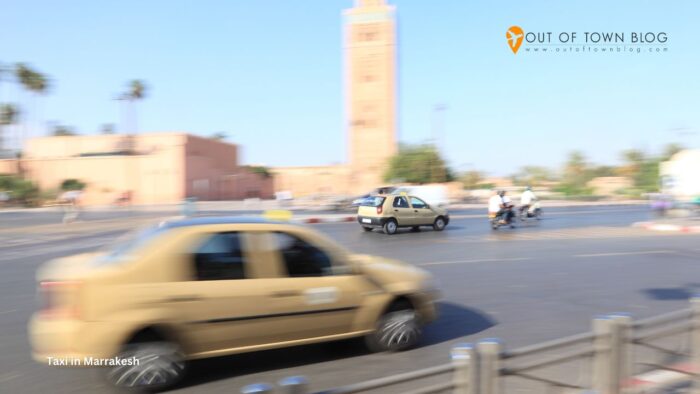
- Small, usually beige-colored cars for up to 3 passengers
- Only operate within city limits
- Should use meters, but negotiate price before getting in if they refuse
- Relatively inexpensive (20-50 MAD for most trips)
- Can hail them on the street
Grand Taxis (Large Taxis)
- Larger vehicles for longer distances or multiple passengers
- Used for travel outside the city or to the airport
- Always negotiate the price in advance
Calèches (Horse-Drawn Carriages)
- Traditional and touristy way to see the city
- Found near major squares and hotels
- Negotiate price before starting (usually 100-200 MAD for an hour)
- Good for touring the Ville Nouvelle (new city)
Buses
- Public buses are cheap but can be crowded
- Routes are not always clear for tourists
- Limited service to the main tourist areas
Bicycles & Scooters
- Some rental options are available
- It can be challenging due to traffic and narrow Medina streets
- Better for the Ville Nouvelle
Tips
- Get a local SIM card or use maps offline
- The medina is maze-like – getting “lost” is part of the experience
- Hire an official guide for first-time Medina exploration
- Avoid unofficial “guides” who approach you on the street
Would you like specific advice about getting to any particular attractions?
3. Top Attractions & Experiences
Must-See Landmarks
Jemaa el-Fna
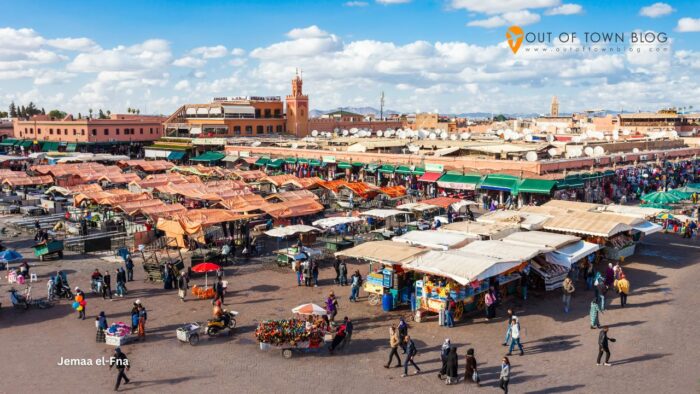
Jemaa el-Fna is Marrakesh’s vibrant main square and the beating heart of the medina. By day, it bustles with orange juice vendors, snake charmers, and henna artists. As evening falls, it transforms into an open-air spectacle, with storytellers, musicians, and acrobats, and dozens of food stalls filling the air with the aroma of grilled meats and traditional Moroccan dishes.
The surrounding souks (markets) branch off in all directions. This UNESCO-recognized cultural space offers an intoxicating sensory overload of sights, sounds, and smells—chaotic yet captivating, it’s an essential Marrakesh experience that has remained largely unchanged for centuries.
Bahia Palace
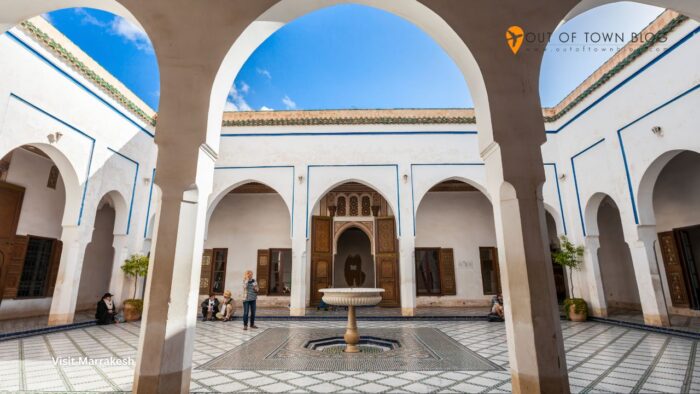
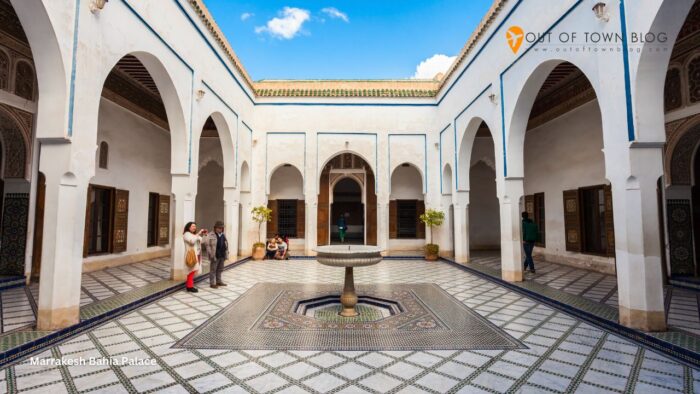
The Bahia Palace is a stunning 19th-century palace showcasing the finest Moroccan architecture and craftsmanship. Built in the late 1800s for Si Moussa, Grand Vizier to the Sultan, its name means “brilliance” in Arabic. The palace features over 150 rooms arranged around tranquil courtyards and lush gardens filled with orange and cypress trees.
Visitors marvel at the intricate zellige tilework, carved cedar ceilings, painted stucco, and colorful stained-glass windows—each room displaying exceptional artisanal detail. Highlights include the Grand Courtyard with its marble fountain, the harem quarters, and the private apartments with elaborate decorations.
Despite losing much original furniture over time, the Bahia Palace remains one of Marrakesh’s most beautiful monuments, offering a glimpse into the opulent lifestyle of Moroccan nobility during its golden age.
Koutoubia Mosque
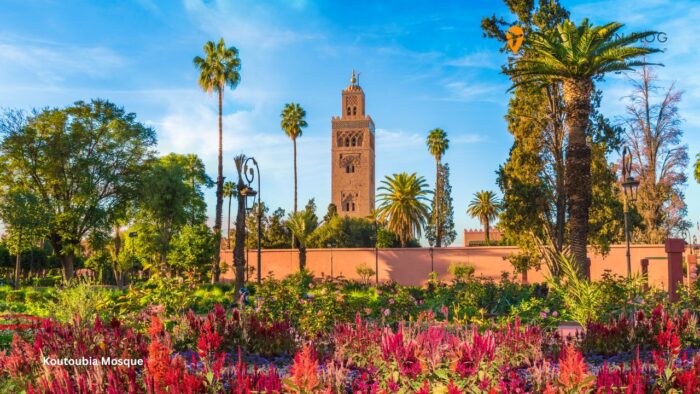
The Koutoubia Mosque is Marrakesh’s largest and most iconic mosque, dominating the city’s skyline since the 12th century. Its magnificent 77-meter minaret, adorned with intricate geometric patterns and topped with copper spheres, serves as the city’s most recognizable landmark and has inspired other structures, such as Seville’s Giralda Tower.
Built during the Almohad dynasty, the mosque is named after the “al-Koutoubiyyin,” meaning “booksellers,” a reference to the manuscript market once held nearby. The prayer hall can accommodate 20,000 worshippers, though non-Muslims are not permitted to enter.
However, visitors can admire the exterior architecture and stroll through the surrounding gardens with their rose bushes, palms, and fountains. The minaret’s call to prayer echoes across Marrakesh five times daily, serving as a spiritual anchor for the city and a stunning backdrop for photographs, especially at sunset.
Saadian Tombs
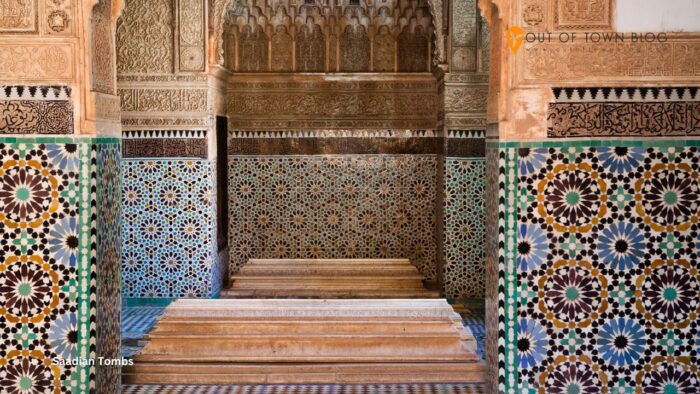
The Saadian Tombs are a hidden necropolis dating from the late 16th century, containing the elaborate mausoleums of the Saadian dynasty rulers and their families. Sultan Ahmad al-Mansour built these ornate tombs, which were sealed and forgotten after the Alaouite dynasty came to power, only to be rediscovered in 1917.
The complex features two main mausoleums with three rooms, showcasing some of Morocco’s finest architectural decoration. The centerpiece is the Hall of Twelve Columns, featuring a stunning honeycomb muqarnas ceiling, intricate marble work, and cedar wood carvings.

Medina of Marrakesh
The Medina of Marrakesh is the ancient walled city center and a UNESCO World Heritage Site, representing one of North Africa’s most vibrant and best-preserved historic quarters. Founded in the 11th century, this labyrinthine maze of narrow alleyways, bustling souks, and hidden riads offers an immersive experience of authentic Moroccan culture.
What makes it a must-visit is its sensory richness and living history. The souks are organized by craft—leather workers, metalworkers, spice merchants, and carpet sellers—each district offering unique treasures and opportunities for haggling. Architectural gems such as ornate mosques, madrasas, and palaces are hidden behind unassuming walls. Street food vendors serve traditional dishes while calls to prayer echo overhead.
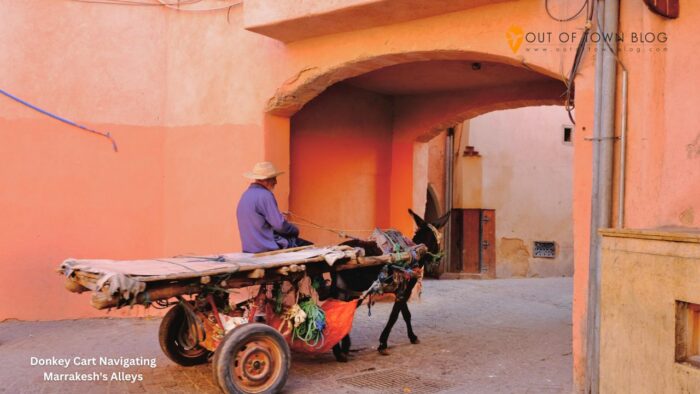
The medina pulses with daily life unchanged for centuries: donkeys hauling goods through narrow passages, artisans practicing ancient crafts, locals shopping at traditional markets. It’s chaotic, colorful, and sometimes overwhelming, but this authentic cultural experience—where past and present collide—creates unforgettable memories and captures the essence of Morocco like no other place.
Hidden Gems & Local Favorites
Le Jardin Secret
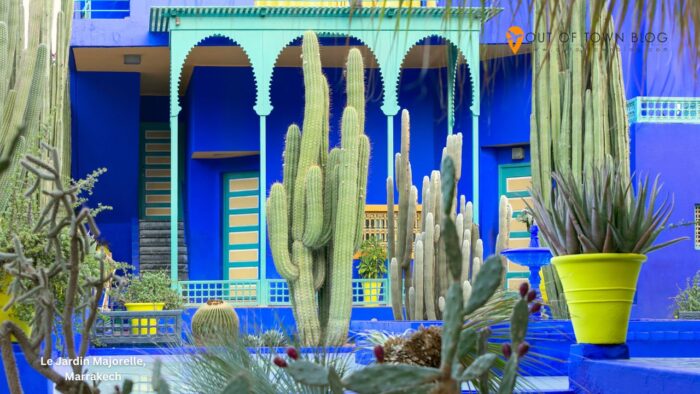
Le Jardin Secret is a stunning historic garden oasis in Marrakesh’s medina, dating back over four hundred years. This beautifully restored riad features two distinct gardens: an exotic garden with plants from around the world and an Islamic garden showcasing traditional Moroccan landscaping with geometric water channels and native flora.
The complex features original irrigation systems, tranquil pavilions, and a tower offering panoramic views of the medina. Intricate zellige tilework and carved cedar wood adorn the buildings. Once a private residence for influential Moroccan families, it now serves as a serene retreat where visitors can escape the bustling souks and experience traditional Moroccan garden architecture.
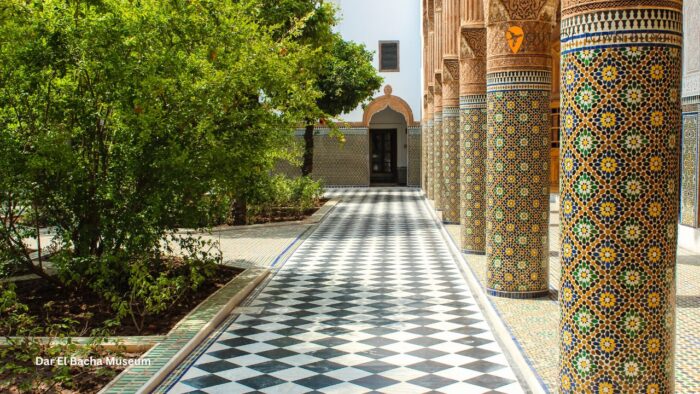
Dar El Bacha – Musée des Confluences
Dar El Bacha, also known as the Musée des Confluences, is a magnificent early 20th-century palace in Marrakesh that once served as the residence of Thami El Glaoui, the powerful Pasha of Marrakesh. Built in 1910, this architectural masterpiece showcases exceptional Moroccan craftsmanship, including ornate stucco work, colorful zellige mosaics, painted cedar ceilings, and elegant courtyards with marble fountains.
Recently transformed into a museum, it celebrates cultural confluences and exchange between Morocco and the world. The exhibitions highlight traditional Moroccan arts, including textiles, jewelry, ceramics, and everyday objects, showcasing the region’s rich cultural heritage and artistic traditions. The palace itself is the main attraction, with its lavishly decorated rooms, including a stunning hammam with intricate tilework.
Visitors can explore the grand salons, intimate chambers, and peaceful patios while enjoying mint tea in the traditional café. It offers an authentic glimpse into the opulent lifestyle of Moroccan nobility during the French Protectorate era.
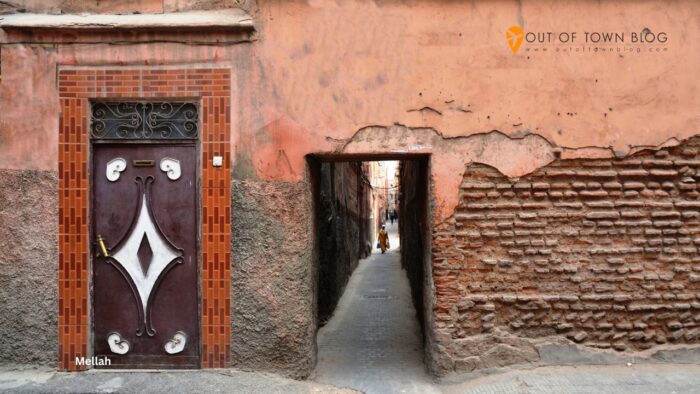
Mellah (Jewish Quarter)
The Mellah is Marrakesh’s historic Jewish Quarter, established in the 16th century near the Royal Palace. It represents centuries of Jewish-Muslim coexistence in Morocco and features distinctive architecture, with taller buildings, balconied windows, and narrow alleyways that stand in contrast to the surrounding medina. The quarter was once a thriving community hub with synagogues, kosher butchers, and Jewish schools.
Today, visitors can explore the atmospheric streets, visit the restored Lazama Synagogue with its beautiful blue-tiled interior, and see the old Jewish cemetery with its whitewashed tombs. The bustling spice market at Place des Ferblantiers marks the quarter’s edge. Although most Jewish families have emigrated, the Mellah remains an important cultural landmark, preserving Morocco’s multicultural heritage and the Jewish community’s significant contributions to Marrakesh’s history and identity.
Unique Experiences
Traditional Hammam
Traditional hammams in Marrakesh are authentic Moroccan bathhouses that have served as essential social and cleansing spaces for centuries. These steamy sanctuaries feature a series of heated rooms with varying temperatures, from warm to intensely hot, where locals gather for ritualistic bathing and community bonding.
The traditional hammam experience involves sitting on heated marble slabs, allowing the steam to open pores, then being vigorously scrubbed with a kessa glove by an attendant to remove dead skin. This is followed by applications of black soap made from olive oil and eucalyptus, then rinsing with buckets of water. The process concludes with optional ghassoul clay masks.
Beyond cleansing, hammams are social hubs where neighbors chat and families relax. Popular local hammams include Hammam Dar el-Bacha and Hammam Mouassine, offering authentic experiences at modest prices in atmospheric historic settings.
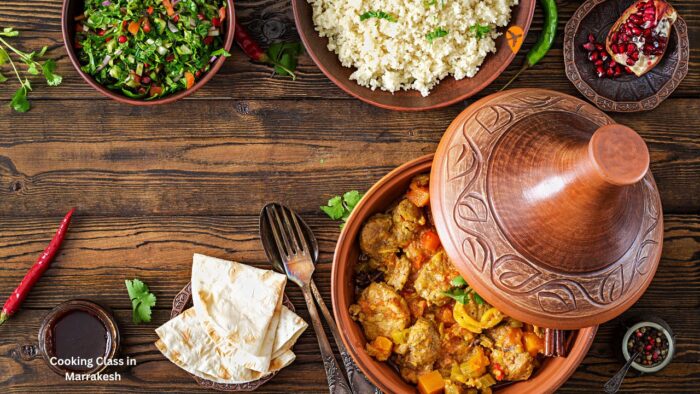
Cooking Class with Market Visit
A cooking class with a market visit in Marrakesh offers an immersive culinary journey into Moroccan cuisine and culture. The experience typically begins early in the morning at vibrant local souks, where participants shop alongside their chef-instructor for fresh ingredients—aromatic spices, seasonal vegetables, herbs, olives, and traditional staples like preserved lemons and argan oil.
After navigating the bustling market stalls, participants head to a traditional riad or cooking school to prepare authentic Moroccan dishes. Typical dishes include tagines, couscous, harira soup, and pastries such as msemen and briouats. Instructors share cooking techniques, spice-blending secrets, and cultural stories while guiding students through each step.
The hands-on class concludes with a communal feast where everyone enjoys their creations together, often on a rooftop terrace. These classes provide practical skills, insider market knowledge, and edible souvenirs of recipes to recreate at home.

Sunset Rooftop Tea
A sunset rooftop tea experience in Marrakesh is a magical way to end the day, offering panoramic views of the medina’s terracotta rooftops, minarets, and the distant Atlas Mountains. As the sun sets, casting golden hues across the city, visitors gather on traditional rooftop terraces to sip freshly brewed mint tea, served in ornate glasses, with Moroccan pastries or almond cookies.
The atmosphere is serene as the evening call to prayer echoes across the skyline. Popular spots include riads, cafés near Jemaa el-Fna, and boutique hotels with terraces. This quintessentially Moroccan ritual combines stunning vistas, cultural tradition, and peaceful relaxation, providing the perfect moment to reflect on Marrakesh’s timeless beauty.
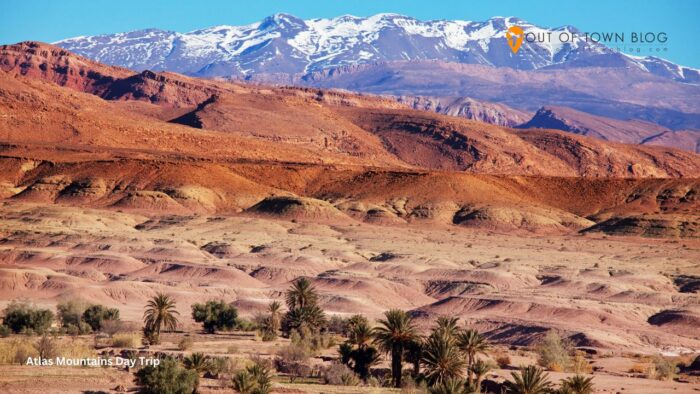
Atlas Mountains Day Trip
An Atlas Mountains day trip from Marrakesh offers a breathtaking escape into Morocco’s dramatic highland landscapes. The journey winds through the foothills of the High Atlas, passing traditional Berber villages clinging to mountainsides, terraced farms, and valleys dotted with walnut and fruit trees.
Popular routes lead to Imlil village, gateway to Mount Toubkal, North Africa’s highest peak, or the scenic Ourika Valley with its waterfalls and riverside cafés. Visitors can hike mountain trails, meet local Berber families, and enjoy traditional mint tea with homemade bread in authentic guesthouses.
The experience includes stunning photo opportunities of snow-capped peaks (in winter), ancient kasbahs, and winding mountain roads. Many tours incorporate visits to argan oil cooperatives or weekly souks. The cool mountain air and spectacular scenery provide a refreshing contrast to Marrakesh’s heat, showcasing Morocco’s diverse geography within just an hour’s drive.
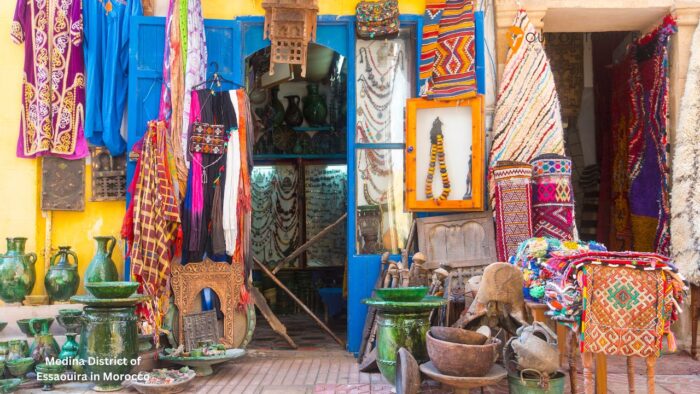
Marrakech Essaouira UNESCO Site Full-Day Tour
The Marrakech to Essaouira UNESCO Site Full-Day Tour offers an enchanting coastal escape from bustling Marrakech. This excursion takes you through scenic Moroccan landscapes, including argan tree forests where goats famously climb branches.
Upon arriving in Essaouira, you’ll explore the UNESCO-protected medina with its distinctive blue-and-white Portuguese architecture, ancient ramparts, and bustling harbor filled with colorful fishing boats. Wander through narrow streets lined with art galleries, craft workshops, and spice-scented souks.
The tour typically includes visits to the historic Skala de la Ville fortifications, which offer views of the Atlantic Ocean, and time to sample fresh seafood at the harbor. You’ll experience the relaxed, bohemian atmosphere that has attracted artists for decades. The day concludes with a scenic return journey to Marrakech, typically arriving in the evening.
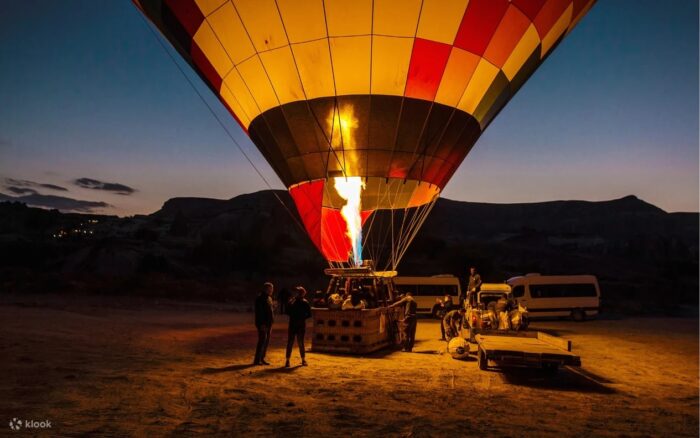
Hot Air Balloon Ride over Marrakech with Breakfast
The Hot Air Balloon Ride over Marrakech offers an unforgettable dawn adventure, floating above Morocco’s stunning landscapes. Your experience begins with pre-dawn pickup, arriving at the launch site as the balloon inflates against the awakening sky. Ascend peacefully into the air, drifting over the Palmeraie oasis, traditional Berber villages, desert plains, and the dramatic backdrop of the Atlas Mountains.
The serene one-hour flight provides breathtaking panoramic views and exceptional photo opportunities as sunrise illuminates the landscape below. After landing, celebrate with a traditional Berber breakfast in a tent or local setting, typically featuring Moroccan mint tea, fresh bread, pastries, and regional delicacies.
You’ll receive a flight certificate commemorating your journey upon your return to your accommodation. This magical experience combines adventure, natural beauty, and authentic Moroccan hospitality in one memorable morning.
Photography Hotspots
- Jemaa el-Fna at sunset
- Bahia Palace courtyards
- Ben Youssef Madrasa
- Rooftops of Café des Épices & Nomad
Pro Tip: Ask permission before photographing people—especially performers.
4. Accommodation Recommendations
Budget ($50–100/night)
- Riad Dia – Cozy, central medina
- Hotel Zaitoune – Simple, clean, great value
Mid-Range ($100–250/night)
- Riad Kniza – Authentic luxury, excellent service
- Riad Yasmine – Instagram-famous courtyard pool
Luxury ($250+/night)
- La Mamounia – Legendary palace hotel
- Royal Mansour – Ultra-luxury private riads
Alternatives
- Hostels: Equity Point, Kasbah Red Castle ($10–20 dorms)
- Airbnb: Best in Gueliz or Hivernage for easier navigation
Sustainable Stay Tip: Choose riads that employ local staff and source locally.
5. Food & Dining Guide
Must-Try Dishes
- Tagine: Slow-cooked stew ($5–12)
- Couscous: Traditionally Fridays
- Pastilla: Sweet-savory pigeon or chicken pie
- Tanjia: Marrakesh specialty, slow-baked meat
- Mint Tea: National drink ($1–3)
Restaurant Recommendations
- Local: Al Fassia (women-run, excellent tagines) – $15–25
- Mid-range: Nomad, Café des Épices – $10–20
- Fine Dining: Dar Yacout, Comptoir Darna – $35–60
Street Food Safety
- Eat where locals eat
- Choose busy stalls
- Try: grilled kebabs, msemen pancakes, snail soup
Dietary Needs
- Vegetarian options are widely available
- Vegan-friendly restaurants increasing
- Halal food standards everywhere
Local Secret: Skip hotel breakfasts once—try a neighborhood bakery for fresh khobz and pastries under $2.
6. Local Culture & Etiquette
Cultural Norms
- Dress Modestly: Morocco is a Muslim country. Cover shoulders and knees, especially when visiting mosques or traditional areas. Women should avoid revealing clothing; men should wear long pants in religious sites.
- Ramadan Respect: During the holy month, avoid eating, drinking, or smoking publicly during daylight hours out of respect for those fasting.
- Mosque Etiquette: Non-Muslims are not permitted to enter most mosques in Morocco. Remove shoes when entering homes or religious spaces.
- Photography: Always ask permission before photographing people, especially women. Some may expect a small payment for photos.
- Bargaining: Haggling is expected in souks and markets. It’s part of the cultural experience, so negotiate politely and with good humor.
- Greetings: A handshake is common among men. Wait for the woman to extend their hand first. “Salam alaikum” (peace be upon you) is a respectful greeting.
- Right Hand: Use your right hand for eating, giving, and receiving, as the left is considered unclean.
- Public Affection: Avoid excessive public displays of affection between couples.
- Shoes Off: Remove footwear when entering homes and some traditional restaurants with floor seating.
- Hospitality: Accepting tea when offered is polite and shows respect for Moroccan hospitality traditions.
Dos & Don’ts
DOS:
- Do dress modestly – Cover shoulders, chest, and knees to respect local customs and blend in comfortably.
- Do bargain respectfully – Haggling is expected in souks; start at 50% of the asking price and negotiate with a smile.
- Do learn basic Arabic/French phrases – “Shukran” (thank you) and “Salam” go a long way in showing respect.
- Do stay hydrated – Carry bottled water, especially in summer when temperatures soar.
- Do tip appropriately – 10-15% in restaurants; small amounts for guides and helpful locals.
- Do try street food – Sample local delicacies from busy stalls where turnover is high.
- Do negotiate taxi fares beforehand – Agree on prices before entering to avoid disputes.
- Respect prayer times. Be patient when shops close briefly for prayers.
DON’TS:
- Don’t drink tap water; stick to bottled water to avoid stomach issues.
- Don’t photograph people without permission – Especially women and children; some may demand payment.
- Don’t display excessive affection publicly – Keep romantic gestures private.
- Don’t enter mosques as a non-Muslim – Most are closed to non-Muslims except for specific historic sites.
- Don’t use your left hand for eating; it’s considered impolite.
- Don’t accept unsolicited guides – Politely decline persistent offers to avoid scams.
- Don’t wear shoes indoors – Remove them when entering homes or traditional venues.
Tipping
- Restaurants: 5–10%
- Guides: $10–20/day
- Porters: $1–2
Festivals
- The Marrakech International Film Festival (November/December) is a prestigious cinema event that attracts international stars, filmmakers, and industry professionals. Features red carpet premieres, tributes, and screenings across the city.
- Marrakech Popular Arts Festival (July) A vibrant celebration of Moroccan folklore held in El Badi Palace. Features traditional music, dance performances, acrobats, and storytellers from across Morocco and beyond.
- Marrakech Biennale (February-May, biannually): a Contemporary art, literature, and film festival showcasing international and Moroccan artists. Installations are present throughout the medina and in modern venues.
- National Festival of Popular Arts (July) Week-long cultural extravaganza featuring Berber dancers, Gnawa musicians, fantasia horse riders, and traditional crafts demonstrations.
- The Marrakech Marathon (January) is an International running event that attracts thousands of participants. The scenic route passes through the Palmeraie and historic landmarks.
- Essaouira Gnawa Festival (June). In nearby Essaouira, many visitors combine this with trips to Marrakesh. Celebrates Gnawa spiritual music with performances and workshops.
- Ramadan & Eid Celebrations (Dates vary) The holy month brings special evening festivities, food markets, and a spiritual atmosphere. Eid al-Fitr and Eid al-Adha are major holidays with celebrations.
- Oasis Festival (September) is an Electronic music festival held just outside Marrakesh, blending international DJs with Moroccan culture.
7. Practical Tips & Safety
Health & Safety
- Generally safe; watch for pickpocketing
- Drink bottled water
- Travel insurance recommended
What to Pack
- Light, breathable clothing
- Scarf/shawl
- Comfortable walking shoes
- Small backpack with anti-theft features
Money-Saving Tips
- Bargain politely (start at 50%)
- Eat where locals eat
- Book day trips locally, not online
Emergency Info
- Police: 19 (landline) / 112 (mobile)
- Ambulance: 15
Pro Tip: If lost in the medina, step into a shop or café—locals are often happy to help.
8. Suggested Itineraries
3-Day Express
Day 1: Medina, Jemaa el-Fna, souks
Day 2: Bahia Palace, Saadian Tombs, Hammam
Day 3: Majorelle Garden, Gueliz, rooftop dinner
7-Day Comprehensive
- Add Atlas Mountains day trip
- Essaouira coastal excursion
- Cooking class & hammam
- Slow exploration of neighborhoods
Off-the-Beaten-Path
- Ourika Valley villages
- Amizmiz Berber market (Tuesday)
- Agafay Desert overnight camp ($80–150)
Let Marrakesh Surprise You
Marrakesh is not a city you simply “see”—it’s a place you feel. It challenges your senses, rewards your curiosity, and stays with you long after you’ve left its rose-colored walls behind. There will be moments of confusion, moments of wonder, and moments when you’ll pause on a rooftop at sunset, mint tea in hand, thinking: I’m so glad I came.
Travel slowly. Shop consciously. Learn a few words of Arabic. Smile often. And allow Marrakesh to unfold at its own pace. If you do, the Red City won’t just be a destination—it will become a story you’ll tell for the rest of your life.
Marrakesh Travel Tour Packages You Should Try
Follow and subscribe to OutofTownBlog.com on Facebook , Twitter, Instagram, Pinterest, and YouTube for more Travel-related updates.
Read:
- Top 15 Best Things to Do in Marrakesh, Morocco
- Review: Marrakesh Resort Boracay
- 10 Exotic Travel Destinations To Go As A Couple
- Moroccan adventure: Marrakech and Casablanca
- Visiting Convento San Jose in Medina del Campo