Melo Villareal
Volunteer Opportunities in the Philippines: Where to Find Meaningful Volunteer Work
Looking for volunteer jobs in the Philippines? Whether you are a student, professional, traveler, digital nomad, retiree, or foreign visitor, you can contribute your time, skills, and experience to local communities in many ways.
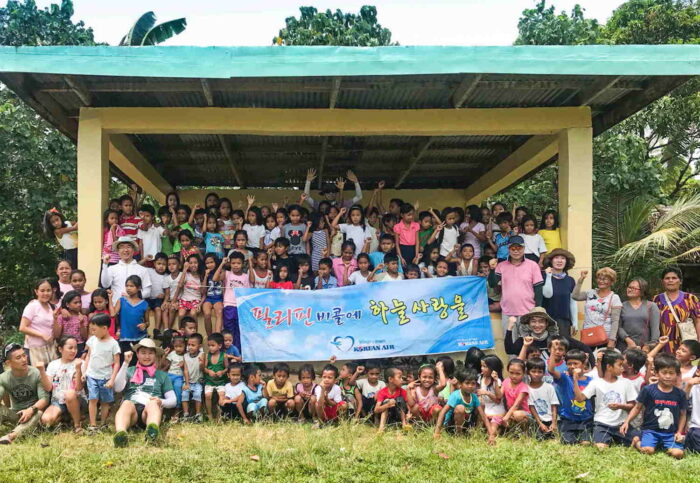
Korean Air Volunteers Build Homes in Bicol, Philippines
Volunteer work in the Philippines covers a wide range of activities. You can participate in environmental conservation, disaster relief, education, healthcare, community development, animal welfare, tourism, and cultural preservation. Opportunities are available in major cities, provincial communities, remote islands, and rural destinations.
Some volunteer opportunities require only a few hours or days. Others involve long-term commitments, specialized skills, and structured assignments. Depending on the organization, volunteers may receive meals, accommodation, transportation assistance, training, insurance, or stipends. However, most traditional volunteer positions are unpaid.
The Philippine National Volunteer Service Coordinating Agency (PNVSCA) offers a strong starting point for finding legitimate opportunities. Its Be A Volunteer platform connects individuals with volunteer programs and organizations that participate.
This comprehensive guide explains where to find volunteer jobs in the Philippines, which organizations to consider, how to apply, what requirements to prepare, and how to volunteer responsibly.
What Are Volunteer Jobs in the Philippines?
Volunteer jobs are activities in which individuals contribute time, labor, professional expertise, or other resources to support communities, organizations, or causes. Unlike regular employment, volunteering is generally motivated by public service rather than financial compensation.
Volunteer work can be informal, such as helping organize a barangay cleanup, or structured, such as joining an international development program with defined responsibilities, training, and supervision.
In the Philippines, Republic Act No. 9418, also known as the Volunteer Act of 2007, recognizes volunteerism. The law promotes volunteer participation in public and civic affairs and encourages government agencies, local government units, and nonprofit organizations to develop volunteer programs.
Volunteer Jobs vs. Paid Employment
Not every opportunity advertised as a volunteer job is unpaid. Some programs provide allowances or benefits to help volunteers cover participation costs.
| Type of opportunity | Compensation or benefits |
|---|---|
| Traditional volunteer work | Usually unpaid |
| Stipend-based volunteering | May provide a modest allowance |
| Benefits-supported volunteering | May include meals, lodging, or transportation |
| Skills-based volunteering | Usually unpaid, but may provide professional experience |
| Volunteer internship | May be unpaid or offer limited support |
| Paid humanitarian or development work | Salary or contract-based compensation |
Important: If a position promises a salary, clarify whether it is employment, a stipend-based volunteer assignment, or an internship. Don’t assume all volunteer jobs provide compensation.
Where to Find Volunteer Jobs in the Philippines
The best way to find volunteer opportunities is to start with government agencies, established NGOs, community organizations, and official volunteer platforms.
1. Philippine National Volunteer Service Coordinating Agency (PNVSCA)
The Philippine National Volunteer Service Coordinating Agency is one of the most useful resources for people looking for volunteer opportunities nationwide.
PNVSCA promotes volunteerism and coordinates programs involving government agencies, local government units, educational institutions, and nonprofit organizations.
Its Be A Volunteer Portal allows individuals to discover opportunities and connect with organizations.
The agency also coordinates the Bayanihang Bayan Program, which encourages private-sector participation in government programs and projects. Volunteer activities may include community service, house-building, cleanup drives, relief distribution, medical missions, teaching, and other public service initiatives.
How to get started:
- Visit the official PNVSCA website.
- Explore the Be A Volunteer portal.
- Create a volunteer profile or register your interest.
- Review opportunities and participating organizations.
- Follow the organizer’s instructions.
2. Department of Social Welfare and Development (DSWD)
The Department of Social Welfare and Development offers volunteer opportunities related to disaster response, humanitarian assistance, community welfare, and social development.
Depending on the program and location, volunteers may help with:
- Repacking relief goods
- Warehousing and inventory
- Relief distribution
- Community outreach
- Disaster preparedness
- Camp management support
- Psychosocial support activities
- Administrative assistance
DSWD has a volunteer management system where individuals can register for available activities.
Check the specific regional office for requirements, schedules, age restrictions, and available assignments.
3. Philippine Red Cross
The Philippine Red Cross is an established humanitarian organization offering volunteer opportunities in community service, disaster preparedness, health-related programs, and emergency response.
Its RC 143 program encourages community members to volunteer and help prepare for and respond to emergencies.
Potential volunteer activities include:
- Community disaster preparedness
- First aid and safety support
- Blood donation campaigns
- Community health activities
- Emergency preparedness
- Humanitarian assistance
- Administrative and event support
Applicants generally need to complete the volunteer application process, attend the required orientation, and meet applicable membership and documentation requirements.
How to apply:
- Visit the Philippine Red Cross volunteer service page.
- Complete the volunteer application.
- Wait for instructions from the organization.
- Attend the required orientation.
- Ask your local Red Cross chapter about training and assignments.
4. Habitat for Humanity Philippines
Habitat for Humanity Philippines focuses on housing and community development. Volunteers can support projects that help Filipino families access decent homes and stronger communities.
Depending on the project, volunteer activities may include:
- Construction-related assistance
- Community engagement
- Housing advocacy
- Fundraising
- Project support
- Corporate volunteer activities
Best for: Students, corporate teams, professionals, community groups, and individuals interested in housing and development.
5. Gawad Kalinga
Gawad Kalinga is a community development organization that works to address poverty and strengthen communities.
Volunteer opportunities may involve community-building activities, mentoring, organizing, advocacy, fundraising, and support for community projects.
Best for: Community development, social entrepreneurship, youth leadership, and people interested in long-term community engagement.
6. Save the Children Philippines
Save the Children Philippines works to improve children’s health, education, protection, and well-being.
Volunteer opportunities may support programs and events through administrative work, fundraising, campaign activities, communications, and other assignments.
Best for: Professionals, students, communications specialists, and people interested in children’s rights and welfare.
7. Haribon Foundation
Haribon Foundation is a Philippine environmental organization focused on biodiversity conservation and protecting the country’s natural heritage.
Its volunteer engagement activities include:
- Tree planting
- Native tree nursery activities
- Species monitoring
- Coastal cleanups
- Conservation advocacy
- Environmental research support
- Campaigns and events
Best for: Nature lovers, environmental advocates, students, photographers, and people interested in conservation.
8. Save Philippine Seas
Save Philippine Seas is an environmental organization focused on marine conservation, education, and advocacy.
Volunteer work may be especially suitable for people with communications, research, writing, photography, graphic design, illustration, and digital media skills.
The organization has described output-based volunteer roles and encourages interested individuals to submit a CV and relevant work samples.
Best for: Environmental advocates, content creators, designers, researchers, and digital nomads interested in remote or project-based volunteer work.
9. WWF-Philippines
WWF-Philippines supports conservation, biodiversity protection, sustainable development, and environmental education.
Its careers and opportunities page includes sections for internships and volunteer opportunities. Availability can change, so applicants should check the official page rather than assume that a particular role is currently accepting applications.
Potential areas of interest include:
- Environmental education
- Conservation campaigns
- Communications
- Research support
- Sustainability projects
- Fundraising and advocacy
Best for: Students, conservation enthusiasts, environmental science graduates, and professionals with relevant skills.
10. Local Government Units and Barangay Volunteer Programs
Local government units offer some of the most accessible volunteer opportunities in the Philippines.
You do not always need to join a large NGO to volunteer. Your city, municipality, or barangay may organize community activities year-round.
Possible opportunities include:
- Barangay cleanup drives
- Tree planting
- Community feeding programs
- Disaster preparedness
- Relief operations
- Senior citizen assistance
- Youth programs
- Local tourism promotion
- Cultural and heritage events
- Community health campaigns
Contact your barangay office, city hall, municipal social welfare office, or local disaster risk reduction and management office.
Volunteer Opportunities by Category
The Philippines has a wide variety of volunteer programs. Choosing a field that matches your interests and skills can help you find a more meaningful experience.
Environmental Conservation and Wildlife Protection
Environmental volunteering is popular among students, travelers, nature lovers, and sustainability advocates.
Activities may include:
- Mangrove planting
- Native tree planting
- Coastal cleanups
- Marine conservation
- Wildlife monitoring
- Environmental education
- Biodiversity research support
- Community waste management
Organizations such as Haribon Foundation, WWF-Philippines, and Save Philippine Seas are useful starting points.
Responsible volunteering tip: Choose programs that use native species, follow ecological guidance, and have a clear conservation objective. Avoid activities that disturb wildlife or damage fragile ecosystems for photographs.
Community Development and Social Work
Community development volunteering involves helping communities improve access to services, education, livelihood opportunities, and resources.
Volunteer activities may include:
- Community outreach
- Livelihood training support
- Donation drives
- Community surveys
- Youth programs
- Administrative assistance
- Social welfare activities
- Local development projects
These opportunities are often available through NGOs, DSWD, LGUs, and community-based organizations.
Volunteers should follow community guidelines and respect local leadership. Long-term community work is often more useful than short visits that do not contribute to an ongoing project.
Teaching and Education
Education-related volunteering is suitable for students, teachers, professionals, and people who enjoy working with children and communities.
Potential activities include:
- Reading and literacy programs
- English conversation practice
- Tutorial sessions
- School supply distribution
- Educational workshops
- Digital literacy
- Career guidance
- Skills training
Some programs require teaching experience, background checks, or specific qualifications.
Important: Volunteers working with children must comply with safeguarding policies, supervision rules, and background screening requirements. Avoid unsupervised contact with children or sharing identifiable photographs without appropriate permission.
Healthcare and Medical Missions
Hospitals, clinics, community health programs, NGOs, and medical missions may offer healthcare volunteer opportunities.
Possible assignments include:
- Medical mission logistics
- Registration and patient coordination
- Health education
- Administrative support
- Community health outreach
- Medical supply preparation
Licensed healthcare professionals may qualify for clinical assignments, subject to credential verification and authorization.
People without medical qualifications should not perform clinical duties, provide medical advice, administer medication, or handle patient care independently.
Disaster Relief and Humanitarian Work
The Philippines regularly experiences typhoons, floods, earthquakes, and other emergencies. Disaster-related volunteering is an important part of community resilience.
Volunteer activities may include:
- Relief goods repacking
- Warehouse assistance
- Logistics
- Donation sorting
- Community preparedness
- Recovery activities
- Administrative support
DSWD and the Philippine Red Cross are important organizations to contact for structured humanitarian volunteering.
Safety reminder: Do not travel independently into disaster-affected areas without authorization. Follow instructions from trained responders and local authorities.
Animal Welfare and Rescue
Animal welfare organizations may need volunteers for:
- Shelter cleaning
- Animal feeding
- Adoption events
- Animal transport
- Fundraising
- Photography
- Administrative work
- Community education
Before volunteering, ask about animal handling, vaccination, safety protocols, and supervision.
Don’t assume every rescue organization can accommodate walk-in volunteers. Some require scheduled visits, orientation, or prior experience.
Tourism, Heritage, and Cultural Preservation
Volunteer opportunities in tourism and heritage can include:
- Heritage documentation
- Cultural event support
- Museum assistance
- Tourism information activities
- Local festival coordination
- Community-based tourism
- Sustainable tourism education
- Destination research
These roles may appeal to tourism students, travel writers, photographers, researchers, and professionals.
Always seek permission before documenting local traditions, sacred spaces, or community activities. Let the community guide cultural preservation rather than outside assumptions about what needs to be preserved.
Church and Faith-Based Volunteering
Religious organizations, churches, and faith-based NGOs may organize:
- Community feeding
- Outreach programs
- Education support
- Disaster relief
- Livelihood initiatives
- Youth activities
- Medical missions
Foreign missionaries and religious volunteers should confirm the appropriate immigration requirements before entering the Philippines for service.
Skills-Based and Corporate Volunteering
Professional skills can contribute valuable support to nonprofit organizations.
Volunteer opportunities may include:
- Website development
- Digital marketing
- Graphic design
- Photography
- Accounting
- Legal research
- Project management
- Data analysis
- Fundraising
- Communications
- Business mentoring
- Social media management
Some assignments can be completed remotely.
Skills-based volunteering is especially suitable for professionals and digital nomads who want to contribute without committing to daily on-site work.
Volunteer Jobs in the Philippines for Different Types of Applicants
Volunteer Opportunities for Students
Students can volunteer to gain experience, develop leadership skills, and support causes they care about.
Suitable opportunities include:
- Community cleanups
- Environmental campaigns
- Education programs
- Youth leadership initiatives
- NGO administrative work
- Fundraising
- Disaster preparedness
- School-based volunteer projects
Some organizations accept minors, but age restrictions and parental consent requirements vary.
Students should prioritize supervised programs and avoid assignments involving hazardous work.
Volunteer Opportunities for Fresh Graduates
Fresh graduates can use volunteer work to build experience while contributing to social causes.
Look for opportunities involving:
- Communications
- Project coordination
- Research
- Community outreach
- Event management
- Digital marketing
- Education
- Environmental programs
Volunteer experience may help develop transferable skills, but it does not guarantee employment.
Before accepting a role, ask whether the organization provides a certificate, reference letter, training, or documented project experience.
Volunteer Opportunities for Professionals
Professionals can contribute specialized knowledge to nonprofit organizations and community projects.
| Professional background | Potential volunteer work |
|---|---|
| Marketing | Campaigns and fundraising |
| IT and programming | Website development and digital systems |
| Finance | Budgeting and financial literacy |
| Human resources | Volunteer recruitment and training |
| Education | Teaching and mentorship |
| Healthcare | Authorized health services |
| Law | Legal education or supervised assistance |
| Architecture and engineering | Community infrastructure support |
| Photography and media | Documentation and communications |
| Project management | Program coordination |
Professional volunteering can be flexible. Some organizations need occasional consultations, while others require ongoing project support.
Volunteer Opportunities for Retirees
Retirees can contribute experience, mentorship, and practical knowledge to communities.
Potential opportunities include:
- Teaching and tutoring
- Community leadership
- Livelihood training
- Mentorship
- Administrative support
- Cultural preservation
- Environmental activities
Before committing, review the physical demands, transportation requirements, and schedule.
Volunteer Opportunities for Digital Nomads
Digital nomads and remote workers may prefer flexible or skills-based assignments.
Examples include:
- Remote writing
- Graphic design
- Website development
- Social media support
- Online tutoring
- Research
- Translation
- Digital fundraising
- Content strategy
However, foreign digital nomads should not assume that remote volunteering is automatically permitted under their tourist status. The legality of an activity depends on its nature, sponsor, and immigration classification. Confirm the requirements with the Philippine Bureau of Immigration and the host organization before participating.
Volunteer Opportunities in Different Regions of the Philippines
Volunteer opportunities are not limited to Metro Manila. Rural communities, provincial organizations, and regional government agencies may offer meaningful assignments.
Metro Manila
Metro Manila offers opportunities in:
- Disaster relief
- Community outreach
- Education
- Healthcare
- Environmental campaigns
- NGO administration
- Social welfare
- Urban sustainability
Organizations with national headquarters often coordinate activities in the capital, although some assignments may take place outside the region.
Central Luzon and CALABARZON
Volunteer opportunities may include:
- Community development
- Environmental conservation
- Disaster preparedness
- Housing programs
- Education
- Coastal cleanups
- Rural livelihood projects
Check provincial government websites and local NGO announcements for specific activities.
Bicol Region
The Bicol Region offers opportunities related to disaster preparedness, environmental protection, community development, and rural education.
Because the region faces typhoons and volcanic hazards, volunteers should work with established organizations and follow local safety guidance.
Visayas
Volunteer programs across the Visayas may involve:
- Marine conservation
- Coastal cleanups
- Community tourism
- Disaster recovery
- Education
- Rural development
- Environmental awareness
Island-based assignments may require additional planning for transportation, accommodation, and emergency access.
Mindanao
Mindanao has volunteer opportunities in community development, education, humanitarian assistance, environmental conservation, and social welfare.
Organizations working in remote or conflict-affected areas may require additional screening, security briefings, and specialized training.
Do not travel to an assignment location until the host organization confirms the arrangements and safety conditions.
Remote and Rural Communities
Rural volunteer programs can provide valuable opportunities to support communities outside major cities.
However, volunteering in rural areas requires more than enthusiasm.
Before accepting an assignment, ask:
- Is there a local project coordinator?
- Does the community want the proposed activity?
- What is the expected duration?
- Are accommodations available?
- Is transportation provided?
- What happens if weather disrupts the program?
- Are emergency services accessible?
- Does the assignment require specific skills?
Long-term, community-led programs are generally preferable to short-term activities without a clear continuation plan.
How to Apply for Volunteer Jobs in the Philippines
Applying for volunteer work is often straightforward, but some organizations require screening, training, and formal documentation.
Step 1: Identify Your Volunteer Interests
Start by identifying the cause you want to support.
Ask yourself:
- Do I prefer working with people, animals, or the environment?
- Am I interested in education or community development?
- Do I want an onsite or remote assignment?
- Can I commit for a day, a week, or several months?
- Do I have specialized skills?
- Am I willing to travel to a provincial or rural location?
Choosing a specific cause makes it easier to identify suitable organizations.
Step 2: Search for Legitimate Organizations
Start with PNVSCA, DSWD, the Philippine Red Cross, established NGOs, and official local government channels.
Check the organization’s:
- Official website
- Registration or accreditation information
- Contact details
- Volunteer policies
- Program history
- Social media accounts
- Project locations
- Application process
Don’t rely solely on advertisements, social media posts, or online testimonials.
Step 3: Read the Volunteer Job Description
Before applying, understand the role.
A legitimate volunteer opportunity should explain:
- Responsibilities
- Required qualifications
- Location
- Duration
- Schedule
- Training
- Supervision
- Expenses
- Safety procedures
- Application requirements
Ask for clarification if the description is vague.
Step 4: Prepare Your Volunteer Resume
A volunteer resume does not need to be as detailed as a professional employment resume.
Include:
- Full name and contact information
- Education
- Work experience
- Relevant skills
- Previous volunteer activities
- Certifications
- Languages spoken
- Availability
- Motivation for volunteering
Highlight skills relevant to the assignment.
For example, a graphic designer applying to an environmental NGO can emphasize campaign design, social media graphics, and visual storytelling.
Step 5: Write a Volunteer Application Letter
Your application letter should explain why you want to volunteer and what you can contribute.
A simple structure includes:
- Introduce yourself.
- Identify the volunteer opportunity.
- Explain your interest in the organization’s mission.
- Describe your relevant skills and experience.
- State your availability.
- Ask about the next steps.
Avoid generic applications that could be sent to any organization.
Step 6: Submit the Application
Follow the organization’s instructions.
Some accept applications through online forms. Others require email submissions, registration, or in-person orientation.
Attach only the documents requested.
Never send sensitive personal information to an unverified organization.
Step 7: Attend the Interview or Orientation
Some volunteer programs conduct interviews to assess applicants’ motivation, skills, availability, and suitability.
Be prepared to answer questions such as:
- Why do you want to volunteer?
- What skills can you contribute?
- How much time can you commit?
- Have you volunteered before?
- How do you handle difficult situations?
- Are you comfortable following supervision and safety rules?
Orientation may cover organizational policies, community expectations, safeguarding, confidentiality, and emergency procedures.
Step 8: Confirm Your Volunteer Assignment
Before starting, confirm:
- Assignment date and time
- Location
- Contact person
- Transportation arrangements
- Required clothing or equipment
- Meals and accommodation
- Insurance or safety coverage
- Emergency contact information
Do not travel until the organization confirms your assignment.
Volunteer Application Requirements in the Philippines
Requirements vary by organization, program, and assignment.
Common requirements include:
| Requirement | Purpose |
|---|---|
| Volunteer application form | Collects applicant information |
| Valid ID | Verifies identity |
| Resume or CV | Shows qualifications and experience |
| Letter of intent | Explains motivation |
| Character references | Supports applicant credibility |
| Parental consent | Required for some minors |
| Medical clearance | May be needed for physically demanding work |
| Background check | May be required for sensitive assignments |
| Training certificate | Needed for specialized roles |
| Waiver | Explains responsibilities and risks |
Some DSWD regional volunteer programs may require a letter of intent, identification, character references, waiver, and volunteer work plan. Requirements differ by region and assignment.
Always check the official program requirements before preparing documents.
Paid Volunteer Jobs in the Philippines: Are They Available?
Many people search for paid volunteer jobs in the Philippines to contribute to a cause while covering their expenses.
Traditional volunteer work is usually unpaid. However, some programs offer financial or practical assistance.
Types of Volunteer Compensation
| Compensation type | What it may cover |
|---|---|
| Stipend | Small allowance for participation |
| Transportation allowance | Travel to and from the project |
| Meals | Food during activities |
| Accommodation | Lodging during the assignment |
| Insurance | Coverage under specific program terms |
| Training | Workshops or professional development |
| Living allowance | Support for longer assignments |
The Volunteer Act of 2007 encourages agencies and organizations to provide recognition and incentives, which may include allowances, insurance, and training. This does not mean every volunteer receives these benefits.
Where to Look for Stipend-Based Volunteer Programs
Consider:
- International volunteer service programs
- Government-supported assignments
- NGO projects funded by donors
- Long-term development programs
- Structured humanitarian programs
- Skills-based community development assignments
Check whether the opportunity is actually volunteering or a paid job with a contract.
Beware of Volunteer Job Scams
Be cautious if an organization:
- Requires large upfront fees without clear documentation
- Guarantees a paid position without an interview
- Requests payment through personal accounts
- Refuses to provide an official address
- Cannot explain how funds are used
- Promises unrealistic salaries
- Offers accommodation without explaining conditions
- Requests passport details before confirming legitimacy
Some legitimate programs charge participants for accommodation, meals, training, or program expenses. These fees are not automatically fraudulent, but they should be transparent, reasonable, documented, and explained before payment.
Do not confuse a program fee with a salary or stipend.
Volunteer Jobs for Foreigners in the Philippines
The Philippines attracts international travelers, students, researchers, professionals, and digital nomads interested in volunteering.
Foreign volunteers may participate in education, environmental conservation, community development, humanitarian assistance, and other activities. However, international volunteers must consider immigration rules, program registration, and the legal nature of their assignments.
Do Foreign Volunteers Need a Special Visa?
Foreign nationals should not assume that a tourist visa automatically authorizes volunteer work.
The Philippine National Volunteer Service Coordinating Agency coordinates international volunteer service programs involving foreign volunteers and Philippine host organizations.
Under Republic Act No. 9418, foreign volunteers approved for assignment by PNVSCA may be eligible for privileges associated with a Section 47(a)(2) visa. The appropriate visa and approval depend on the program and circumstances.
The Philippine Department of Justice also publishes requirements for Section 47(a)(2) visa applications involving volunteers sponsored by recognized educational, scientific, cultural, relief, and charitable organizations.
Visa Considerations for International Volunteers
Before arriving in the Philippines:
- Contact the host organization.
- Confirm whether the organization is authorized to accept international volunteers.
- Ask whether PNVSCA registration or coordination is required.
- Determine the appropriate visa category.
- Obtain written instructions from the organization.
- Confirm the process with the Philippine Bureau of Immigration or the Philippine embassy or consulate.
- Do not begin volunteer activities until your legal status and authorization are confirmed.
What About Foreign Volunteers Already in the Philippines?
Foreign nationals already in the Philippines should not assume that they can simply join an organization while holding a temporary visitor status.
Ask the organization to verify the requirements before accepting the assignment.
Cultural Awareness for Foreign Volunteers
International volunteers should approach community work with respect and humility.
Keep these principles in mind:
- Learn basic Filipino expressions and local greetings.
- Respect regional languages and cultural traditions.
- Follow community leadership.
- Ask permission before taking photographs.
- Avoid treating communities as tourist attractions.
- Do not make promises that you cannot fulfill.
- Respect religious practices and local customs.
- Avoid imposing outside solutions without consultation.
The goal should be to support local initiatives, not to take control of them.
Responsible and Ethical Volunteering in the Philippines
Volunteering should benefit communities, not create additional problems.
A responsible volunteer considers an assignment’s long-term impact and respects the needs, rights, and priorities of the people involved.
Choose Community-Led Programs
Look for organizations that involve local residents in planning, implementation, and evaluation.
Community-led projects are more likely to reflect actual needs and provide continuity after volunteers leave.
Avoid Harmful Short-Term Volunteering
Short-term volunteering can be useful when it supports a structured project.
However, activities that focus mainly on visitors’ experiences may create unnecessary disruption.
Avoid programs that:
- Encourage unsupervised interaction with vulnerable children
- Use children as tourist attractions
- Promote wildlife handling for entertainment
- Ignore local community priorities
- Provide unqualified medical services
- Encourage volunteers to make unrealistic promises
Protect Children and Vulnerable Communities
Volunteers working with children should follow strict safeguarding requirements.
Do not:
- Photograph children without appropriate permission
- Share identifying information online
- Arrange unsupervised private meetings
- Disregard background checks
- Ignore reporting procedures for safeguarding concerns
Organizations should provide clear policies, training, and supervision.
Practice Responsible Environmental Volunteering
Environmental volunteering should follow professional conservation guidance.
For example:
- Plant native trees appropriate to the site.
- Avoid damaging mangroves during cleanup activities.
- Do not disturb wildlife for photographs.
- Follow waste segregation procedures.
- Respect protected areas.
- Avoid unauthorized wildlife handling.
- Follow instructions from conservation specialists.
Responsible environmental work prioritizes ecological outcomes over social media content.
Safety Tips for Volunteer Work in the Philippines
Volunteer safety is important, especially when assignments involve rural areas, disaster response, construction, remote islands, or unfamiliar communities.
Before Your Assignment
- Research the organization and project.
- Confirm your assigned supervisor.
- Check transportation and accommodation.
- Review emergency procedures.
- Prepare appropriate clothing and equipment.
- Share your itinerary with someone you trust.
- Confirm available communication channels.
- Ask whether insurance is provided.
During Your Assignment
- Follow the organization’s safety policies.
- Use required protective equipment.
- Avoid unauthorized activities.
- Stay with your assigned team.
- Respect local instructions.
- Report hazards immediately.
- Do not perform tasks beyond your qualifications.
Disaster Response Safety
Disaster response volunteering requires special care.
Do not enter disaster zones, damaged buildings, floodwaters, or restricted areas independently.
Wait for deployment instructions from trained responders and authorized organizations.
Volunteers should never obstruct emergency personnel or distribute relief goods without coordination.
Transportation and Accommodation
If volunteering outside your home city:
- Confirm accommodation arrangements in advance.
- Ask about transport schedules.
- Keep emergency contact numbers accessible.
- Check weather forecasts.
- Inform your coordinator of travel delays.
- Avoid unverified accommodation offers.
For remote assignments, ask whether the organization has contingency plans for transportation disruptions, medical emergencies, and severe weather.
How to Make the Most of Your Volunteer Experience
Volunteering can provide valuable personal and professional development.
To make the experience worthwhile:
- Set realistic expectations.
- Be punctual.
- Communicate clearly.
- Respect supervisors and community leaders.
- Ask questions when instructions are unclear.
- Learn from local residents.
- Keep track of your contributions.
- Request feedback.
- Reflect on what you learned.
- Maintain contact with the organization if appropriate.
If you need documentation for school, employment, or professional development, ask whether the organization can issue a certificate of participation or volunteer service.
Do not assume certificates are automatically provided. Some organizations require a minimum number of hours or completion of training.
Final Thoughts: Find Volunteer Jobs in the Philippines That Make a Difference
Volunteer jobs in the Philippines offer opportunities to support communities, protect the environment, assist vulnerable groups, and develop new skills.
Whether you are a student seeking experience, a professional looking to contribute expertise, a traveler interested in responsible community engagement, or a foreign volunteer exploring the Philippines, there are many ways to get involved.
Start by identifying your interests, checking established organizations, and choosing an assignment that matches your skills and availability. PNVSCA, DSWD, the Philippine Red Cross, Habitat for Humanity Philippines, Gawad Kalinga, and environmental organizations are useful places to begin your search.
The most meaningful volunteer work is not necessarily the longest or most demanding assignment. It is the work that responds to genuine community needs, respects local leadership, and contributes to lasting positive change.
Frequently Asked Questions About Volunteer Jobs in the Philippines
1. How can I find volunteer jobs in the Philippines?
Start by visiting the PNVSCA Be A Volunteer Portal, which connects volunteers with participating organizations and community programs. You can also contact DSWD, the Philippine Red Cross, local government units, established NGOs, environmental organizations, and community-based groups. Check their official websites and social media accounts for application instructions. Before joining, verify the organization, understand the assignment, and confirm whether it requires training, screening, or a specific time commitment.
2. Are there free volunteer opportunities in the Philippines?
Yes. Many traditional volunteer programs do not charge participation fees. Government volunteer programs, community cleanups, local outreach activities, and some NGO assignments may be free to join. However, volunteers may need to cover transportation, meals, or accommodation. Some international volunteer programs charge fees for lodging, training, or program administration. Always request an expense breakdown before paying anything, and verify that the organization is legitimate.
3. Are there paid volunteer jobs in the Philippines?
Some volunteer programs provide stipends, allowances, accommodation, meals, transportation support, or other benefits. However, most traditional volunteer work is unpaid. If an organization advertises a paid volunteer job, clarify whether the compensation is a stipend or salary and whether the position involves an employment contract. Review the responsibilities, payment schedule, eligibility requirements, and benefits before accepting. Never assume that a volunteer assignment guarantees income.
4. Can students volunteer in the Philippines?
Yes. Students can participate in environmental campaigns, education programs, community outreach, disaster preparedness, fundraising, and other activities. Some organizations accept minors, while others require applicants to be at least 18 years old. Students under 18 may need parental consent, adult supervision, and restrictions on hazardous assignments. Before applying, check the organization’s age requirements and whether it provides training, certificates, or school-related documentation.
5. Can foreigners volunteer in the Philippines?
Yes, foreign nationals may be able to volunteer through approved organizations and programs. However, they must comply with Philippine immigration requirements. Foreign volunteers may need coordination with PNVSCA and an appropriate visa, depending on their assignment and circumstances. Do not assume that a tourist visa automatically permits volunteer work. Contact the host organization, the Philippine Bureau of Immigration, and the relevant embassy or consulate before starting an assignment.
6. Do foreigners need a special visa to volunteer in the Philippines?
Some international volunteer assignments may require a special visa or immigration authorization. The Philippine government recognizes specific visa arrangements for eligible foreign volunteers approved through PNVSCA. Exact requirements depend on the program, sponsoring organization, and the applicant’s circumstances. Ask your host organization to coordinate with the appropriate government agencies. Confirm the visa requirements before traveling and do not begin volunteer activities until your immigration status is appropriate.
7. What qualifications do I need to become a volunteer?
Qualifications depend on the assignment. Many community programs accept beginners who are willing to learn, follow instructions, and contribute time. Specialized assignments may require professional qualifications, relevant experience, training certificates, medical clearance, or background checks. Healthcare volunteers must meet applicable professional requirements, while disaster response volunteers may need safety training. Read the volunteer job description carefully and be honest about your experience and limitations.
8. Can I volunteer without experience?
Yes. Many volunteer opportunities do not require previous experience. Community cleanups, repacking relief goods, fundraising, administrative assistance, and some environmental activities may suit beginners. Organizations usually provide instructions or orientation before volunteers start. However, assignments involving healthcare, emergency response, children, wildlife, or specialized technical work may require qualifications or training. Choose a beginner-friendly role and ask about supervision before participating.
9. Can I volunteer in rural communities or remote islands?
Yes. Volunteer opportunities may be available in rural communities, remote islands, and provincial destinations throughout the Philippines. These assignments can involve education, conservation, livelihood development, community tourism, and humanitarian assistance. However, remote assignments require additional planning for transportation, accommodation, communication, medical access, and weather disruptions. Work with an established organization that has local partners and a clear project plan rather than traveling independently to an unfamiliar community.
10. Can digital nomads volunteer while working remotely in the Philippines?
Digital nomads may find remote volunteer assignments involving writing, design, programming, digital marketing, research, translation, and online tutoring. These roles can provide flexibility while supporting nonprofit organizations. However, foreign digital nomads must verify immigration rules before volunteering. Remote work and volunteer activities may have different legal considerations depending on the arrangement. Ask the host organization and Philippine immigration authorities whether your planned activities are permitted under your current visa or status.
11. Do volunteer organizations provide accommodation and meals?
Some volunteer programs provide accommodation, meals, transportation, or other practical support, particularly for longer assignments or projects in remote areas. Others expect volunteers to arrange and pay for their own expenses. Ask whether benefits are included, whether accommodation is shared, and whether meals are provided every day. Confirm the location, facilities, and safety arrangements before committing. If the program charges fees, request a written breakdown of the costs.
12. Can volunteering help me find a job in the Philippines?
Volunteer work can build transferable skills, expand your professional network, and show initiative. It may provide experience in project management, communications, teamwork, leadership, community engagement, and problem-solving. However, volunteering does not guarantee employment. Choose assignments related to your career interests and document your contributions. Ask the organization whether it can provide a reference or certificate after you complete the assignment successfully. Be careful not to accept unpaid work that is presented as a guaranteed job opportunity.
13. How long do volunteer programs in the Philippines last?
Volunteer programs may last a few hours, one day, several weeks, or several months. Some community activities involve one-time assignments, such as cleanups and relief operations. Others require ongoing participation in education, environmental conservation, or community development. PNVSCA’s Bayanihang Bayan Program recognizes one-shot, short-term, and long-term volunteer activities. Choose a duration that matches your availability and the organization’s needs.
14. How can I avoid volunteer job scams in the Philippines?
Verify the organization through official websites, government records, and reliable contact details. Be cautious of unrealistic compensation promises, pressure to pay immediately, personal bank transfers, and vague job descriptions. Ask for written confirmation of the assignment, responsibilities, benefits, and expenses. Never send passport information or sensitive personal documents to unverified contacts. If a government volunteer program is supposed to be free, confirm the details directly with the agency before paying any requested fee.
15. What is the best organization for volunteering in the Philippines?
There is no single best volunteer organization because the right choice depends on your interests, skills, location, and availability. PNVSCA is a useful starting point for finding opportunities across different organizations. DSWD and the Philippine Red Cross are suitable for humanitarian and disaster-related work. Habitat for Humanity Philippines and Gawad Kalinga focus on community development, while Haribon Foundation, WWF-Philippines, and Save Philippine Seas offer environmental and conservation-related opportunities. Compare the organizations’ missions, requirements, supervision, and current openings before deciding.
Follow and subscribe to OutofTownBlog.com on Facebook, Twitter, Instagram, Pinterest, and YouTube for more Travel-related updates.
Read:
- Strawberry Picking in La Trinidad Benguet
- BAGUIO CITY TRAVEL GUIDE: Best Attractions, Hotels, Food & Local Tips for the Philippines’ Summer Capital
- 15 Best Restaurants in Baguio City: Where to Eat for Every Budget
- NLEX-C5 Northlink Guide: Route, New Section, Travel Time, and Toll Updates