

 Team Out of Town
Baguio City Travel Guide: The Ultimate Insider’s Handbook to the Philippines’ Summer Capital
Perched 1,540 meters above sea level in the Cordillera Mountains of Northern Luzon, Baguio City feels like a different world from the tropical heat of most of the Philippines. The moment you step off the bus, the crisp, pine-scented air greets you like an old friend, instantly refreshing and comforting. Locals affectionately call it the “Summer Capital of the Philippines”—and for good reason.
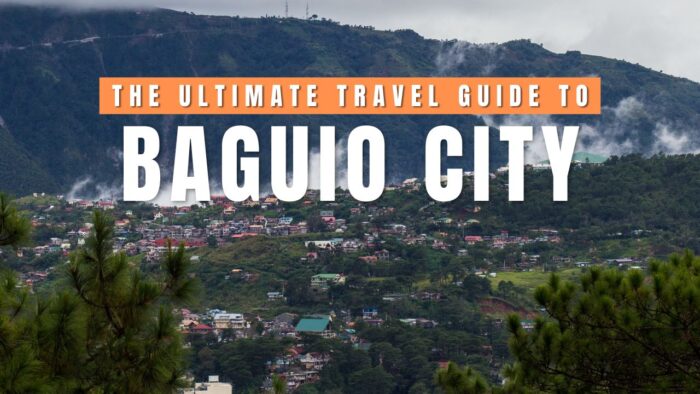
Baguio City Travel Guide
Baguio is more than just cool weather. It’s a melting pot of indigenous Cordilleran heritage, American colonial influences, and a thriving arts and café culture. Expect winding roads lined with towering pine trees, misty mornings, cozy coffee shops, colorful markets, and friendly locals who are proud of their roots.
It’s a place to sip locally grown coffee while watching clouds drift across the mountains, explore vibrant art scenes, feast on strawberries and warm bowls of soup, and wander through historic parks that whisper stories from the past. Whether you’re a digital nomad seeking inspiration, a couple on a romantic escape, or a family craving a relaxed mountain retreat, Baguio has a way of making you feel at home.
This guide is your go-to resource—packed with insider tips, cultural insights, and practical details—so you can experience Baguio not as a tourist, but as a temporary local.
1. Destination Overview
Baguio City, known as the “Summer Capital of the Philippines,” is a mountain city in the Cordillera region of Northern Luzon. The Americans established it in the early 1900s as a hill station and health resort, offering a cool escape from the lowland heat. The city’s name derives from the Ibaloi word “bagiw,” meaning “moss,” reflecting its once-lush natural environment. Baguio later became an important center for education, governance, and military history.
Today, Baguio is popular for its cool climate, pine-lined roads, creative culture, and relaxed pace. Visitors enjoy its public parks, viewpoints, museums, and thriving café scene. The city is also known for its festivals, especially Panagbenga, its annual flower festival. What makes Baguio special is its blend of indigenous Cordilleran traditions, colonial heritage, and modern urban life, offering travelers a refreshing mix of nature, culture, and comfort for families, couples, backpackers, and weekend travelers alike today.
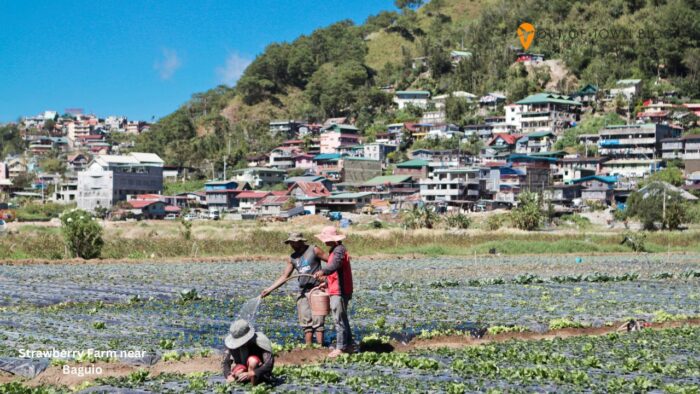
Why Visit Baguio?
- Cool mountain climate (average 15–23°C / 59–73°F)
- Pine forests and scenic views
- Rich Cordilleran culture
- Thriving café and art scene
- Easy escape from Manila
Best Time to Visit
The best time to visit Baguio City is during the dry season, from November to May, when the weather is cooler, skies are clearer, and outdoor activities are more enjoyable.
Here’s a quick breakdown:
Best Overall: December to February
- Coolest months (can go down to 10–15°C / 50–59°F)
- Festive atmosphere (Christmas season)
- Great for sightseeing and food trips
- Downside: Crowded and higher hotel prices
Festival Season: February
- Panagbenga (Flower Festival)
- Parades, street dancing, and floral floats
- Most colorful time to visit
- Book accommodations early
Less Crowds, Good Weather: March to May
- Warmer but still cooler than Manila
- Ideal for hiking, cafés, and sightseeing
- Fewer tourists after Holy Week
Rainy Season: June to October (Not ideal)
- Frequent rain, fog, and possible landslides
- Outdoor plans may get canceled
- Some views may be obscured
Best balance of weather + fewer crowds: January and early March
If you want, I can tailor the best time based on your travel style—festival lover, foodie, budget traveler, or nature tripper.
Pro Tip #1: Visit in January or early March for pleasant weather without festival crowds.
Travel Difficulty Level
Easy to Moderate – Well-developed tourism infrastructure, but steep roads and chilly weather may surprise first-timers.
Recommended Duration
3–5 days to fully enjoy the city and nearby attractions.

2. Essential Travel Information
Visa Requirements & Entry Procedures
For Foreign Nationals:
- Visa-free entry for up to 30 days (for many nationalities)
- Passport valid for at least 6 months
- Return or onward ticket
Currency & Budget
- Currency: Philippine Peso (PHP)
- ATMs widely available
- Credit cards are accepted in malls and hotels
Estimated Daily Budget (USD):
- Budget: $30–50
- Mid-range: $60–120
- Luxury: $150+
Language & Communication
- Primary languages: Filipino, English, Ilocano
- English is widely spoken
Useful Phrases:
- Hello: Kumusta
- Thank you: Salamat
- How much?: Magkano?
Getting There
Here’s a step-by-step guide on how to get to Baguio City, starting from Manila—the most common route. If you’re coming from somewhere else, I can customize it.
Step-by-Step: Manila to Baguio by Bus (Easiest Option)
Step 1: Choose a Bus Company
Go with any of these:
- Victory Liner (most frequent)
- JoyBus (premium, non-stop)
- Genesis / Solid North
Step 2: Go to the Nearest Terminal
Common terminals:
- Cubao (Quezon City)
- Pasay
- Caloocan
- Sampaloc (Manila)
Step 3: Buy Your Ticket
- Walk-in or online booking
- Fare: P500–P1,000 ($9–$18)
- Choose:
- Regular – cheaper, more stops
- Deluxe/Premium – fewer stops, more legroom
Step 4: Travel to Baguio
- Travel time: 4–6 hours
- Route: NLEX -> SCTEX -> TPLEX -> Marcos Highway/Kennon Road
Step 5: Arrive at Baguio Terminal
Main terminals:
- Victory Liner Terminal (Gov. Pack Road)
- Genesis Terminal
From here:
- Taxi to hotel: P80–P200
- Jeepney: P12–P20
Step-by-Step: Manila to Baguio by Car
Step 1: Enter NLEX
Start from Metro Manila.
Step 2: Connect to SCTEX
Follow signs to the Subic-Clark-Tarlac Expressway.
Step 3: Enter TPLEX
This is the fastest stretch.
Step 4: Choose Your Mountain Exit
Options:
- Marcos Highway (safest, most recommended)
- Kennon Road (scenic but sometimes closed)
- Naguilian Road (wider, commercial)
Step 5: Follow Signs to Baguio City Center
You’ll arrive near Session Road.
From Clark Airport (CRK) to Baguio
Option 1: Private Transfer or Taxi
- 3–4 hours
- P5,000–P7,000
Option 2: Bus Route
- Clark to Dau Bus Terminal
- Dau to Baguio (Victory Liner or Genesis)
Pro Tips
- Travel early morning or late at night to avoid traffic
- Bring a jacket—the temperature drops fast
- Sit on the right side of the bus for better mountain views
- Download offline maps—signal can be weak in some areas
Getting Around
- Jeepneys (color-coded routes) – $0.30–0.50
- Taxis – $2–5 per ride
- Walking (central areas)
- Ride-hailing apps limited
Pro Tip #2: Use taxis when tired—fares are affordable and regulated.
3. Top Attractions & Experiences
Must-See Landmarks
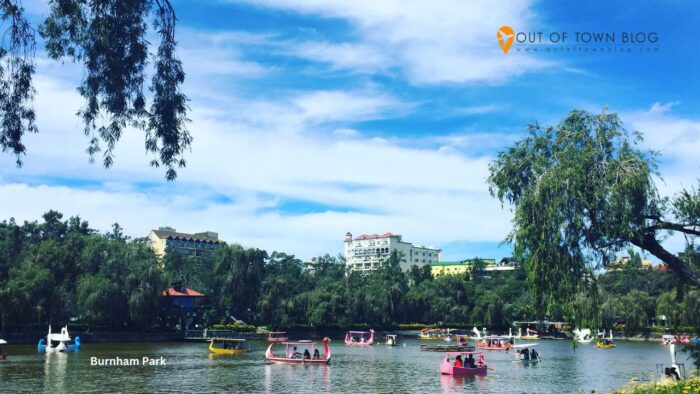
Burnham Park
Burnham Park is the heart of Baguio City, a large, tree-lined public park where locals and tourists gather to relax. Designed by American architect Daniel Burnham, it features an artificial lake, open lawns, and wide walkways. Visitors can enjoy boating, bike rentals, jogging, picnics, and people-watching, while food stalls sell local snacks and street food.
The park is especially lively in the late afternoon and evenings. Burnham Park is centrally located and easily accessible by taxi, jeepney, or on foot from Session Road, making it one of the city’s most convenient and popular attractions.

The Mansion
The Mansion in Baguio is the official summer residence of the President of the Philippines and one of the city’s most iconic landmarks. Built in 1908 during the American colonial period, it features a stately, European-inspired design, manicured gardens, and a grand wrought-iron gate that makes for a popular photo spot.
While the interior is not open to the public, visitors can stroll around the grounds, take photos, and enjoy the cool atmosphere. The Mansion is located along Leonard Wood Road and is easily accessible by taxi or jeepney, or by a short walk from Wright Park.

Mines View Park
Mines View Park is one of Baguio City’s most popular viewpoints, offering a sweeping panorama of the Benguet mountains and the old mining town of Itogon below. From its viewing deck, visitors can enjoy cool breezes, misty landscapes, and dramatic sunrise or late-afternoon views.
Things to do include taking photos, trying on traditional Cordilleran attire for souvenir photos, browsing souvenir stalls, and sampling local snacks such as strawberry taho and peanut brittle. To get there, take a taxi from the city center (about 15–20 minutes) or ride a jeepney bound for Mines View from Session Road.
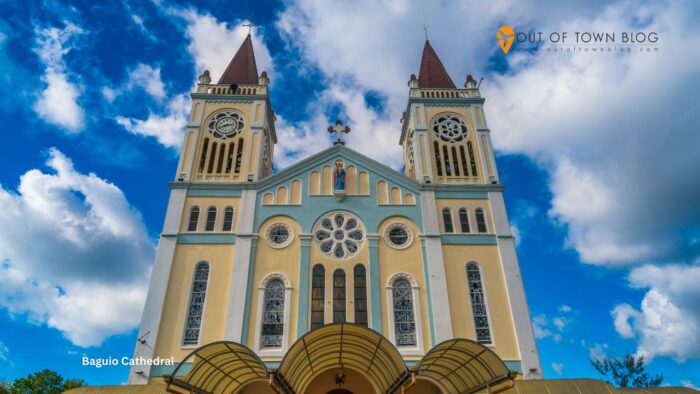
Baguio Cathedral
Officially known as Our Lady of the Atonement Cathedral, Baguio Cathedral is one of the city’s most iconic landmarks, recognizable by its pink façade, twin spires, and hilltop location. Built in 1921, it blends neo-Gothic and Romanesque influences and serves as a spiritual center for locals and visitors.
Things to do here include attending Mass, admiring its stained-glass windows, enjoying panoramic city views, and taking photos of the grand staircase. The cathedral sits along Session Road and is easily reached by taxi or jeepney, or with a short uphill walk from Burnham Park.

Camp John Hay
Camp John Hay is a former American military base converted into an eco-tourism and leisure complex in Baguio City, known for its pine forests, cool climate, and wide-open spaces. Visitors can enjoy nature walks along forest trails, picnic in scenic gardens, visit cafés and restaurants, play golf, or relax at nearby hotels and spas.
The area is also popular for photography, jogging, and quiet retreats away from the city center. Camp John Hay is about 10–15 minutes from downtown Baguio and is easily reached by taxi, jeepney, or private car via Loakan Road.
Hidden Gems

Tam-awan Village
Tam-awan Village is a reconstructed Cordilleran cultural village in Baguio that showcases traditional huts, indigenous art, and mountain living. Built by local artists, it offers a quiet, scenic space to learn about highland culture through exhibits, guided tours, and workshops.
Visitors can explore the hillside pathways, view contemporary and tribal artworks, join sketching or painting sessions, and relax at the café overlooking forested views. The village is also known for its peaceful atmosphere and photography spots. To get there, take a taxi from the city center (about 10–15 minutes) or ride a jeepney bound for Pinsao Proper, then walk uphill.
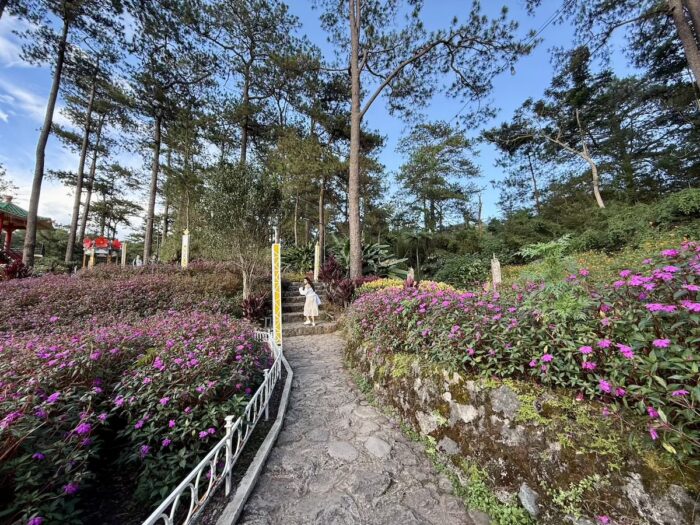
Botanical Garden
The Baguio Botanical Garden is a peaceful green space showcasing the city’s diverse plant life and cultural heritage. Located along Leonard Wood Road, it features themed gardens, traditional Cordilleran huts, and colorful floral displays. Visitors can stroll along shaded pathways, take photos in native costume, explore small souvenir stalls, and relax in the cool mountain air.
It’s also a great place to learn about indigenous culture through murals and exhibits. To get there, take a taxi from the city center for about P80–P150, or ride a jeepney bound for Pacdal or Mines View and ask the driver to drop you off at the Botanical Garden entrance.

Bencab Museum
BenCab Museum is a contemporary art museum in Baguio City founded by National Artist Benedicto Cabrera. Set on a hillside overlooking the Asin Valley, it showcases modern Filipino art alongside indigenous Cordilleran artifacts and installations.
Visitors can explore multiple galleries, stroll through landscaped gardens, and enjoy scenic mountain views from the café. It’s a peaceful spot for art lovers and those seeking a quiet escape from the city center. To get there, take a jeepney or taxi to Asin Road from downtown Baguio; the ride takes about 20–30 minutes, depending on traffic.
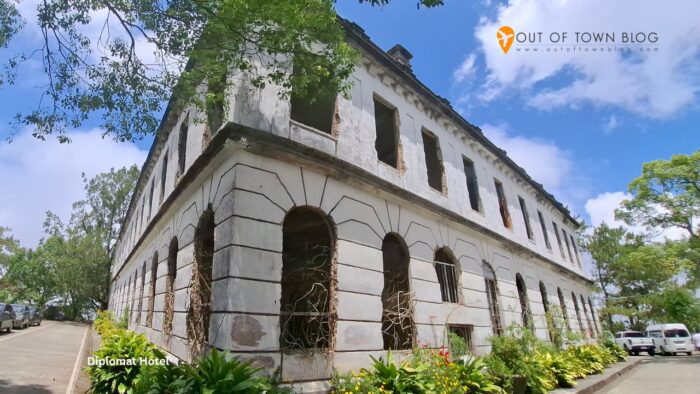
Diplomat Hotel Ruins
The Diplomat Hotel Ruins in Baguio City is an eerie, historic site perched on the slopes of Dominican Hill, known for its striking architecture and haunting atmosphere. Originally built in the early 20th century as a seminary and later converted into a luxury hotel, the structure was abandoned after World War II and now stands partially restored, with grand stone staircases, archways, and empty corridors that spark curiosity and imagination.
Visitors often explore its grounds for atmospheric photography, enjoy panoramic views of the city below, and learn about its layered past through interpretive signage. To get there, take a jeepney or taxi from Baguio’s city center to Dominican Hill or Lourdes Village; it’s a short uphill walk from the drop-off point. Early visits are best for quieter exploration.

Igorot Stone Kingdom
Igorot Stone Kingdom is a popular cultural attraction in Baguio City known for its dramatic stone terraces, stairways, tunnels, and sculptures inspired by Cordilleran legends and architecture. Designed as a tribute to Igorot heritage, the site features panoramic viewpoints, tribal-themed structures, and photo-friendly corners that evoke an ancient mountain fortress.
Visitors can explore stone paths, climb lookout decks, visit small souvenir stalls, and enjoy performances during peak seasons. It’s especially popular for sunset views and casual sightseeing. To get there, take a taxi from the city center (about 10–15 minutes), or ride a jeepney to Long Long or Pinsao, then walk uphill for a few minutes.
Pro Tip #3: Visit the Bencab Museum early in the morning to avoid the crowds.
For more exciting activities and places to visit in Baguio, read our Top 15 Things to do in Baguio City.
Unique Experiences
- Strawberry picking in La Trinidad
- Forest bathing in Camp John Hay
- Ukay-ukay (thrift shopping)
- Coffee hopping
- Artist studio visits
Instagrammable Spots
- Mines View
- Mirador Hill
- Wright Park
- Igorot Stone Kingdom
- Bell Church
4. Accommodation Recommendations
Luxury & Scenic Retreats ($250+/night)

The Manor Hotel Baguio
Address: Ordonio Dr, Camp John Hay, Baguio, 2600 Benguet, Philippines Phone: +639399864120
Nestled deep within pine forests, this classic Baguio icon is arguably one of the city’s most romantic and scenic stays. The Manor blends mountain lodge charm with contemporary comforts—expect large, cozy rooms with natural wood finishes and garden views that open onto misty highland mornings.
Facilities include a full-service spa offering massages and aromatherapy, a golf course, a gym, and Le Chef restaurant, which serves international cuisine with garden views. This property is ideal for couples, families, and anyone seeking the “retreat in the woods” experience without sacrificing quality service.
Why stay here: Gorgeous natural setting, spa indulgence, and excellent service with a peaceful ambience.

John Hay Hotels Forest Wing
Address: JHSEZ, Loakan Rd, Camp John Hay, Baguio, 2600 Benguet, Philippines. Phone: +63746374720
Just steps from The Manor, this lodge offers a quieter, more intimate experience with a rustic-inspired setting in Camp John Hay. Rooms range from Superior to One-Bedroom Suites, many with sweeping views of the surrounding forest.
Guests appreciate the spacious layouts and tranquil atmosphere—ideal for couples, groups, or anyone seeking to feel truly nestled in nature. Ideal for those who want luxury without the busier resort feel.
Best for: Nature lovers who enjoy peaceful gardens, forest walks, and a slower pace.

Grand Sierra Pines Baguio
Address: 43 North Outlook Drive, Baguio, 2600 Benguet, Philippines. Phone: +63742453923
A favorite among families and couples alike, this property offers warm, pine-themed interiors and excellent service. The hotel is slightly uphill, offering panoramic views of Baguio’s rolling terrain.
It’s particularly known for its friendly staff, tranquil environment, and delicious breakfast (often praised by guests). An on-site spa completes the relaxation experience, making it a superb choice if comfort and quiet luxury are your priority.
Best for: Families, romantic getaways, and longer stays focused on comfort.
Mid-Range Comforts ($100–$250/night)

Azalea Hotels & Residences Baguio
Address: 7 Leonard Wood Loop, Brgy. Baguio, 2600 Benguet, Philippines. Phone: +639178611641
Stylish and modern, Azalea stands out for its apartment-style rooms with kitchenettes—ideal for travelers who prefer the flexibility to cook some meals or prepare snacks. Elegant interiors blend classic and contemporary design, while large windows let in natural light and offer city views. The central location makes it easy to walk to Session Road and other key attractions. Guests often highlight the spacious suites and comfortable beds as major perks.
Best for: Extended stays, families, digital nomads, or groups wanting space and flexibility.

Microtel by Wyndham Baguio
Address: Upper Session Rd, Baguio, 2600 Benguet, Philippines. Phone: +63746193333
Perfectly suited for travelers who value reliable comfort and a central location. Microtel offers crisp, clean rooms, helpful service, and free Wi-Fi and parking—ideal if you plan to get around town by car or taxi. Breakfast is often included or available on-site, making mornings smooth and hassle-free. It’s within walking distance of popular eats and shops on Session Road.
Best for: Families and business travelers seeking convenient access to downtown Baguio.
Budget-Friendly & Local Favorites ($50–$100/night)
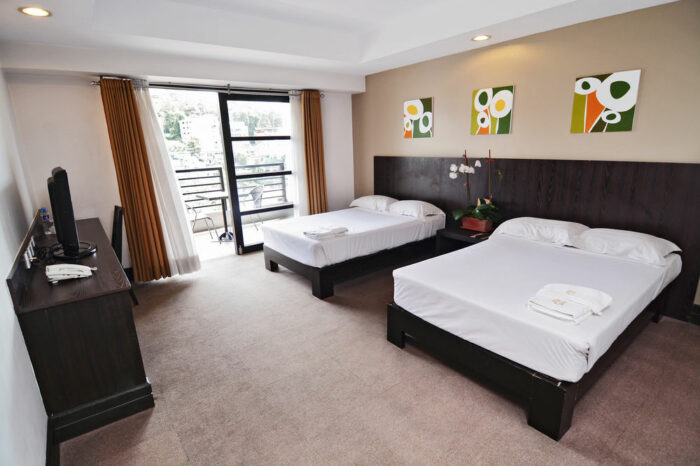
Citylight Hotel
Address: 245 Gen. Luna Rd, Baguio, 2600 Benguet, Philippines. Phone: +63744428080
A go-to budget pick for many seasoned Baguio visitors, Citylight stands out for its unbeatable location near Burnham Park and Session Road. Rooms are simple, clean, and comfortable, and the on-site buffet restaurant makes breakfast easy. Guests often choose it for its short-stay convenience, walker-friendly location, and value for money.
Best for: First-time visitors on a budget who want to stay in the heart of the city.
Alternative & Local Stay Options
Beyond traditional hotels, Baguio has some great alternative stays:
- Hostels & Boutique Inns: Ideal for solo travelers or backpackers seeking cozy, social stays.
- Airbnbs & Condos: Especially popular for longer stays—many with views and kitchens.
- Homestays & Cabins in Camp John Hay: Offer a cottage-living feel among pine trees, ideal for families or groups seeking privacy.
Insider Tip: Many independent cabins near Camp John Hay book up quickly during peak periods such as Panagbenga (Feb–Mar) and the December holidays, so reserve early!
For more accommodation options in Baguio City, read our Top 15 Best Hotels in Baguio City.
Where Each Stay Fits
| Hotel | Best For | Vibe |
|---|---|---|
| The Manor | Romance, Luxury | Forest retreat |
| Forest Lodge | Nature lovers, Peace seekers | Intimate, quiet |
| Grand Sierra Pines | Families, Relaxation | Cozy, scenic |
| Azalea | Long stays, Families | Stylish comfort |
| Microtel | Convenience & location | Practical, comfy |
| Citylight | Budget travelers | Central & accessible |
5. Food & Dining Guide
Must-Try Dishes

Strawberry Taho
Strawberry taho is a Baguio twist on the classic Filipino snack made from soft silken tofu, sweet syrup, and sago pearls. Instead of the usual brown sugar syrup, this version uses strawberry syrup made from locally grown berries, giving it a fruity, slightly tangy sweetness that balances the creamy, melt-in-your-mouth tofu.
The flavor is light, refreshing, and not overly sweet, making it perfect for the cool mountain weather. You can find strawberry taho at Burnham Park, Mines View Park, Session Road, and near tourist spots, usually sold by roaming vendors early in the morning and late afternoon.

Pinikpikan
Pinikpikan is a traditional Cordilleran chicken dish with a smoky, earthy flavor and a rich, comforting broth. The chicken is lightly charred over an open flame, then simmered with ginger, onions, and native herbs, giving it a slightly bitter, savory taste that warms you from the inside—perfect for Baguio’s cool weather.
Try authentic Pinikpikan at Farmer’s Daughter Restaurant, Cafe by the Ruins, and Ili-Likha Artists’ Village for modern interpretations.

Fresh Strawberry Jam
Fresh strawberry jam in Baguio is known for its bright red color, chunky texture, and naturally sweet-tart flavor made from locally grown strawberries. Unlike commercial jams, it often includes whole fruit pieces and tastes fresher and less sugary, with a slight tang.
It pairs well with bread, pancakes, and pastries. You can find the best versions at Good Shepherd Convent, Baguio Public Market, and stalls along La Trinidad Strawberry Farm, where many local producers make them at home.

Ube Jam
Fresh Ube Jam in Baguio is a sweet, creamy spread made from purple yams—rich, velvety, and naturally vibrant in color. It has a smooth texture with a subtly earthy sweetness and hints of vanilla, making it perfect on bread, pancakes, or as a dessert topping.
You can find it at Good Shepherd Convent stores, Baguio Public Market stalls, and local souvenir shops throughout the city. It’s a beloved take-home treat that captures Baguio’s unique flavors.
Restaurant Picks
Local Favorites:
- Good Taste Restaurant – Big servings, cheap
- Cafe by the Ruins – Cultural fusion
- Hill Station – European comfort food
Cafés:
- Arca’s Yard – Vegetarian-friendly
- Foam Coffee
- Hatch Coffee
Pro Tip #4: Order half portions at Good Taste—they’re huge!
6. Local Culture & Etiquette
Baguio City’s culture is shaped by its indigenous Cordilleran roots, American colonial history, and modern urban lifestyle. Many locals belong to ethnic groups such as the Ibaloi, Kankanaey, and Ifugao, and traditions emphasizing respect, community, and humility remain strong.
Important Cultural Norms
- Respect for elders is highly valued. Use polite language and gestures.
- Locals are generally soft-spoken and reserved.
- Public behavior is calm and orderly compared to big cities.
Dos and Don’ts
Do:
- Ask permission before photographing people, especially those in traditional attire.
- Greet shop owners and drivers politely.
- Support local artisans and small businesses.
Don’t:
- Touch sacred objects or cultural displays without permission.
- Be loud or disruptive in public spaces.
- Litter—Baguio is serious about cleanliness.
Tipping Practices
Tipping is not required but appreciated. Leaving 5–10% in restaurants or rounding up taxi fares is common.
![The Panagbenga Festival is one of the most popular and well-loved festivals in the country. [Image Credit: Panagbenga Festival]](https://outoftownblog.com/wp-content/uploads/2018/01/Panagbenga-Festival-700x467.jpg)
Festivals & Events
- Panagbenga (February): Flower Festival
- Ibaloi Day (November)
- Christmas Season: Long and festive
7. Practical Tips & Safety
- Bring a jacket—always
- Wear comfy walking shoes
- Rain gear in the wet season
- Drink bottled or filtered water
Emergency Numbers
- Police: 911
- Baguio General Hospital
Pro Tip #5: Bring cash for jeepneys and markets.
8. Souvenir Shopping
What to Buy
- Handwoven textiles
- Strawberry wine
- Woodcarvings
- Coffee beans
Where to Shop
- Baguio Public Market
- Good Shepherd Convent
- Night Market (Harrison Road)
9. Suggested Itineraries
3-Day Express
Day 1: Burnham Park, Cathedral, Session Road
Day 2: Mines View, The Mansion, Wright Park
Day 3: Bencab Museum, Camp John Hay
Off-the-Beaten-Path
- Tam-awan Village
- Mt. Kalugong
- Yellow Trail
- Art café hopping
How to Be a Responsible Traveler in Baguio City
Baguio City welcomes millions of visitors each year, drawn by its cool climate, pine trees, cultural attractions, food scene, and mountain landscapes. As tourism grows, travelers can help protect the city by making thoughtful choices on every visit.
Start by respecting Baguio’s environment. Don’t leave trash in parks, on streets, or at tourist attractions. Bring a reusable water bottle and minimize single-use plastics whenever possible. Stay on designated paths, especially in gardens and natural areas, and avoid picking flowers, plants, or other natural materials.
Support local businesses by eating at locally owned restaurants, shopping from community vendors, and purchasing authentic Cordillera crafts. Choose products made by local artisans rather than mass-produced souvenirs. Your spending can directly support residents’ livelihoods.
Respect Baguio’s culture and communities. Ask permission before photographing people, especially vendors, artisans, and members of indigenous communities. Follow local rules at cultural sites and learn about Cordillera traditions before visiting heritage attractions.
Responsible travel also means being considerate of other visitors and residents. Keep noise levels low, especially in residential areas, and dispose of waste properly. When possible, walk, use public transportation, or share rides to help reduce traffic and emissions.
Finally, travel with patience. Baguio’s roads can become congested during busy periods, while heavy rain can affect travel conditions. Give yourself extra time and avoid rushing.
A responsible trip to Baguio is about enjoying the destination while helping preserve its environment, culture, and local communities for future generations.
Final Thoughts: Why Baguio Will Steal Your Heart
Baguio City offers far more than just cool weather. It combines history, culture, food, nature, and a relaxed mountain atmosphere into a place that’s easy to explore and rewarding to revisit. Whether you’re here for a quick weekend escape or a longer stay, good planning will make a huge difference in how much you enjoy the city. Choosing the right area to stay, visiting attractions early to avoid crowds, and knowing where locals actually eat can turn a simple trip into a memorable one.
This guide is designed to help you travel smarter—showing you not only the popular sights but also the quieter corners, better-value restaurants, and lesser-known experiences that many visitors miss. From navigating public transportation and finding affordable accommodations to understanding local customs and seasonal events, each section helps you avoid common mistakes and make confident decisions while traveling.
Baguio also benefits greatly from responsible tourism. Supporting local businesses, respecting indigenous culture, minimizing waste, and being mindful of environmental impact help preserve what makes the city special. Simple actions—such as bringing a reusable bottle, buying from local artisans, and following trail rules—go a long way toward protecting its natural beauty.
Whether it’s your first visit or your fifth, Baguio always has something new to offer. New cafés open, art spaces evolve, and hidden trails await discovery. Use this guide as your foundation, then build your own experiences from there. With the right balance of planning and spontaneity, Baguio can be more than just a getaway—it can become a place you genuinely look forward to returning to.
Baguio City Travel Tour Packages You Should Try
Follow and subscribe to OutofTownBlog.com on Facebook, Twitter, Instagram, Pinterest, and YouTube for more Travel-related updates.
Read: Strawberry Picking in La Trinidad Benguet


