

 Melo Villareal
An Ancient Technique: Lambaklad Fishing in Tibiao, Antique
Lambaklad Fishing in Tibiao, Antique, is a unique and traditional way of catching fish that has been passed down through generations in the province. It is a type of fishing that involves the use of a large bamboo raft and a net that is lowered into the water to catch fish. The technique is not only effective but also sustainable, as it does not harm the environment or the fish population.

Antique Old Way of Fishing by Flord Nicson J. Calawag
Tibiao, a municipality in Antique’s province, is known for its beautiful landscapes, hot springs, and traditional crafts. However, one of the most unique experiences that the town has to offer is Lambaklad Fishing. This ancient fishing technique has been practiced in the area for centuries and has become an important part of the local culture. It is not only a way of catching food but also a way of preserving the traditions and heritage of the community.
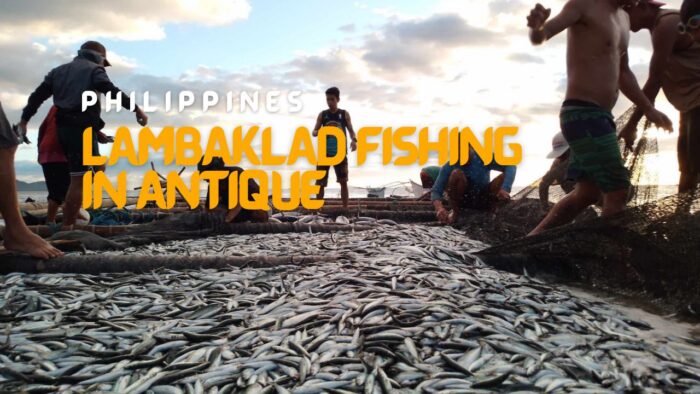
Lambaklad Fishing involves a group of fishermen who use a large bamboo raft to lower a net into the water. The net is designed to trap fish as they swim towards the shore. Once the net is full, the fishermen pull it up and collect the fish. The process is effective and sustainable, as it does not harm the environment or the fish population. Lambaklad Fishing is a unique and memorable experience that visitors to Tibiao should not miss.

History and Origin of Lambaklad Fishing
Traditional Fishing Techniques in Antique
Antique is a province in the Western Visayas region of the Philippines. The province is known for its diverse marine life, which has been a source of livelihood for the locals for centuries. One of the traditional fishing techniques in Antique is lambaklad fishing, which involves using a huge stationary fish trap.
The lambaklad is derived from the Filipino words “lambat” (meaning “net”) and “baklad” (meaning “corral”). The technique is believed to have been introduced by the early Austronesian settlers in the region. The fish trap is made of bamboo and rattan, and is set up along the “tuna highway,” which is the migratory path of various fish species.
Influence of Migratory Patterns on Lambaklad
The migratory patterns of fish species have a significant influence on the effectiveness of lambaklad fishing. The fish traps are set up in areas where the fish are known to pass through during their migration. The traps are designed to be large enough to capture a significant number of fish, but small enough to prevent escape.
Lambaklad fishing is a sustainable fishing technique that has been practiced for generations in Antique. The use of traditional fishing methods promotes the preservation of the marine ecosystem and the livelihood of the local fishing communities.

Lambaklad Fishing Method
Lambaklad fishing involves using a fish trap made of bamboo and nets. The method is designed to catch various fish species, including tuna, mackerel, and barracuda.
Design and Construction of Lambaklad
The Lambaklad fish trap is constructed using bamboo and nets. The trap design allows fish to enter but makes it difficult to escape. The trap comprises two layers of bamboo rafts, with the top layer used as a platform for the fishermen to stand on while they operate the trap. The bottom layer is where the fish are caught. The trap is anchored to the sea floor using ropes and weights, ensuring it stays in place and does not drift away.
The Role of the Tuna Highway in Lambaklad
The Tuna Highway is a migration route used by tuna and other large pelagic fish. The route passes through the waters of Antique, making it an ideal location for Lambaklad fishing. The fishermen of Tibiao take advantage of this migration route by setting their traps in the path of the Tuna Highway. This increases their chances of catching large tuna and other pelagic fish.

Economic Impact
Contribution to Local Economy
Lambaklad fishing has been a significant source of livelihood for the people of Tibiao, Antique in the Philippines. With the increasing demand for this unique fishing experience, it has also become an essential contributor to the local economy. The catch from these fishing activities has helped provide income for the fishermen and their families, as well as other businesses that support the tourism industry.
According to a report by the Provincial Agriculture Office (PAO) and Bureau of Fisheries and Aquatic Resources (BFAR), the Lambaklad projects in the coastal municipalities of Antique, including Tibiao, have reported a significant increase in fish production. As of October 2023, the projects have reported a total of 57.53 metric tons of fish production, which is a notable contribution to the local economy.
Supporting Sustainable Fishing Practices
Aside from its economic impact, Lambaklad fishing also supports sustainable fishing practices. The method used in this type of fishing does not harm the marine ecosystem and ensures that only mature fish are caught. The Lambaklad traps are made of bamboo and other natural materials, which makes them biodegradable and eco-friendly.
Moreover, the Lambaklad fishing method is a traditional practice that has been passed down from generation to generation. By supporting this type of fishing, tourists can help preserve the local culture and heritage of Tibiao, Antique. It also encourages the younger generation to continue this tradition and promote sustainable fishing practices.
Ecotourism and Lambaklad Fishing
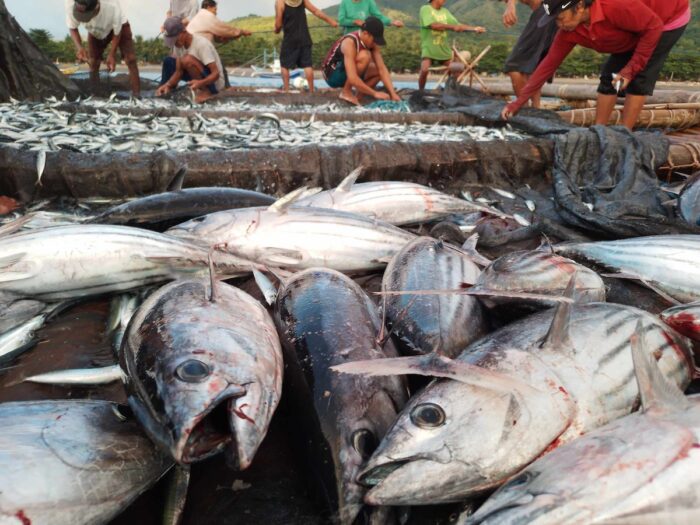
Lambaklad fishing is not only a means of livelihood for the fisherfolks of Barangay Malabor in Tibiao, Antique, but it has also become one of the most sought-after experiences for tourists visiting the area. The unique fishing technique involves laying down a huge stationary fish trap to collect migratory fish such as tuna, mackerel, moonfish, barracuda, and manta rays passing through the area.
Lambaklad Fishing as an Attraction
Lambaklad fishing has become a popular ecotourism attraction in Tibiao, Antique. Tourists can witness the fisherfolks at work and even participate in the process. For example, Katahum Tours offers a Lambaklad Fishing Tour that includes a demonstration of the fishing technique and a chance to try it out for themselves.
Aside from the fishing activity, tourists can also enjoy other local activities such as a fish spa, kawa hot bath, and kayaking. Flord Nicson Calawag, a local entrepreneur, has established a fish spa that uses the Garra Rufa fish to exfoliate and massage the feet of tourists. On the other hand, the kawa hot bath involves soaking in a large cauldron filled with hot water and medicinal herbs. Kayaking is also available in the Tibiao River, which offers a scenic view of the surrounding mountains and rice paddies.
Integrating Lambaklad with Other Local Activities
To further enhance Tibiao’s tourism potential, efforts have been to integrate Lambaklad fishing with other local activities. For example, Katahum Tours offers a package that includes visiting the Lambaklad fishing area, a fish spa, a kawa hot bath, and kayaking. This integration allows tourists to experience various local activities in one go.
Lambaklad fishing has become an excellent ecotourism attraction in Tibiao, Antique. Tourists can witness the unique fishing technique, participate in the process, and enjoy other local activities such as a fish spa, kawa hot bath, and kayaking. Integrating these activities offers a more immersive experience for tourists and helps promote the local tourism industry.
Species Harvested Through Lambaklad
Common Fish Varieties Caught

The most common fish varieties caught through lambaklad fishing in Tibiao include moonfish, malasugi, tangigue, and scads. Moonfish, also known as opah, is a popular game fish prized for its firm, flavorful meat. Malasugi, also known as swordfish, is a large predatory fish highly valued for its meat and oil. Tangigue, also known as Spanish mackerel, is a fast-swimming fish popular in Filipino cuisine. Scads, also known as round scads or galunggong, are small, silvery fish that are a staple in the Filipino diet.

Seasonal Variations and Species
The species of fish caught through lambaklad fishing in Tibiao can vary depending on the season and the location. During summer, moonfish and malasugi are more commonly caught, while scads are more abundant during the rainy season. Tangigue can be caught year-round but is more commonly caught during the winter months.

Cultural Significance
Lambaklad in the Lives of Local Communities
Lambaklad fishing has been an integral part of the lives of local communities in Tibiao, Antique, Philippines. The fishing method is a traditional practice passed down from generation to generation. It is an important source of livelihood for the fisherfolks of Barangay Malabor, where the cove is located. The fishing method is a testament to the ingenuity and resourcefulness of the people of Tibiao in utilizing their natural resources to sustain their way of life.

Festivals and Traditions Related to Lambaklad
Lambaklad fishing has also become an important cultural tradition in Tibiao, Antique. The annual Lambaklad Festival is celebrated every June to showcase the unique fishing method and to honor the patron saint of fishermen, St. Peter. The festival features a street dance competition, a cooking contest, and a showcase of the different products made from bamboo, which is also an important material used in the construction of the lambaklad fishing gear.
Aside from the Lambaklad Festival, there are also other cultural traditions related to lambaklad fishing. The “Pandan-Pandan” ritual is performed by the fisherfolks before they set out to sea. It is a prayer for safety and a bountiful catch. The ritual involves using pandan leaves, which are believed to have protective and purifying properties.
Logistics and Accessibility
Traveling to Tibiao, Antique
Tibiao is a small town in Antique, a province in the Western Visayas region of the Philippines. The nearest airport is in Iloilo City, about 3 to 4 hours away from Tibiao by land. Another option is to fly to Kalibo, Aklan, approximately 2 to 3 hours away from Tibiao.
One can take a bus bound for San Jose de Buenavista or Culasi from Iloilo City and get off at Tibiao town proper. From there, one can hire a tricycle or habal-habal to reach the fishing sites.
Accommodations and Facilities Near Fishing Sites
For those who wish to stay near the fishing sites, several accommodations are available in Tibiao. Visitors can choose from homestays, lodges, and resorts. Some popular options include Kayak Inn, Kayak Lodge, Bugtong Bato Falls, and Spring Resort.
Several facilities, such as restrooms, shower rooms, and changing areas, are near the fishing sites. Visitors should wear comfortable clothes and footwear and bring towels and toiletries.
Frequently Asked Questions
What are the techniques involved in Lambaklad fishing?
Lambaklad fishing is a traditional fishing method that involves the use of a large fishing net that is spread out on the sea floor. The net is then lifted by a group of fishermen using ropes, and the fish are caught in the net. The technique requires a lot of coordination and teamwork among the fishermen.
How can tourists participate in Lambaklad fishing activities?
Tourists can participate in Lambaklad fishing activities by booking a tour with a local tour operator or by visiting the fishing village and arranging a trip with the local fishermen. Visitors can experience the thrill of catching fish using traditional methods and learn about the local culture and way of life.
What is the best time of year to experience Lambaklad fishing in Tibiao?
The best time to experience Lambaklad fishing in Tibiao is during the months of October to May when the waters are calmer and the fish are more abundant. However, Lambaklad fishing can be done year-round, depending on weather conditions.
Are there any cultural significances associated with Lambaklad fishing?
Lambaklad fishing is an important part of the local culture in Tibiao and has been practiced for generations. The fishing method is not only a means of livelihood for the local fishermen but also a way of preserving their traditional way of life and passing it on to future generations.
What are the costs involved in experiencing Lambaklad fishing for visitors?
The costs of experiencing Lambaklad fishing for visitors vary depending on the tour operator and the duration of the trip. Visitors can expect to pay around PHP 1,500 to PHP 2,000 per person for a half-day tour, which includes the use of fishing equipment and the services of a local guide.
What should visitors bring or prepare when going for a Lambaklad fishing adventure?
Visitors should bring comfortable clothes and footwear that can get wet, as well as sunscreen, a hat, and sunglasses to protect themselves from the sun. It is also recommended to bring a change of clothes and a towel. Visitors should also be prepared for rough seas and should take motion sickness medication if necessary.
Follow the Out of Town Travel Blog on Facebook, Twitter, Instagram, and Pinterest if you want more travel and food-related updates.
Read:
- Top 15 Best Tibiao Tourist Spots + Things to do
- Antique Travel Guide: Budget and DIY Itinerary, Things to do + More
- Experience Kawa Hot Bath in Tibiao Antique
- The Treasures of Antique Heritage Tour: Kruhay Antique!


