

 Melo Villareal
Filipino Christmas Dishes: Traditional and Festive Cuisine
Filipino Christmas Dishes are a unique blend of traditional Filipino cuisine and festive holiday flavors. Christmas is a time for family gatherings, and in the Philippines, it is also a time for indulging in delicious food. Filipinos celebrate Christmas with a feast called “Noche Buena,” a Spanish term meaning “Good Night.” It is a time for families to come together and enjoy dishes prepared especially for this special occasion.

Filipino Noche Buena
Some of the most popular Filipino Christmas Dishes include Lechon, a whole roasted pig, and Bibingka, a rice cake traditionally cooked in clay pots and served with butter, sugar, and grated coconut. Other popular dishes include Morcon, a beef roll stuffed with vegetables and sausage, and Lumpiang Shanghai, a spring roll filled with ground pork and vegetables. Filipino-style spaghetti is also a must-have during Noche Buena, a sweet-and-savory take on the classic Italian dish.
Filipino Christmas Dishes are not only delicious but also reflect the country’s rich cultural heritage. The unique blend of flavors and ingredients used in these dishes has been passed down from generation to generation, making them an essential part of Filipino tradition and culture. Whether it is a traditional dish or a modern take on a classic recipe, Filipino Christmas Dishes are sure to delight the taste buds and bring joy to any holiday celebration.
The Significance of Christmas in Filipino Culture
Christmas is the most significant and celebrated holiday in the Philippines. The Christmas season in the Philippines starts as early as September and lasts until the first week of January. It is a time of joy, happiness, and togetherness for Filipinos all over the world.
One of the most significant traditions of the Christmas season in the Philippines is Simbang Gabi, also known as Misa de Aguinaldo. It is a nine-day series of dawn masses that runs from December 16th to Christmas Eve. Filipinos attend these masses to prepare themselves spiritually for the birth of Jesus Christ.
Another important aspect of Christmas in the Philippines is the Noche Buena feast. It is a grand feast on Christmas Eve, where families gather to share a meal. The feast usually includes traditional Filipino Christmas dishes such as lechon (roasted pig), Hamon (ham), bibingka (rice cake), puto bumbong (purple rice cake), and many more.
The Christmas season in the Philippines is also a time of giving and sharing. Filipinos are known for their generosity; during this time, they share their blessings with their loved ones, friends, and even strangers. It is a time of spreading love, joy, and happiness.
In addition to Christmas’s religious and cultural significance in the Philippines, it is also a time for Filipinos to reconnect with their families and loved ones. Many Filipinos who work abroad come home during Christmas to celebrate with their families. It is a time of reunion and bonding.
Traditional Filipino Christmas Dishes
Filipino Christmas dishes combine Spanish, Chinese, and indigenous influences. These dishes are known for their unique flavors and are essential to the Filipino Christmas celebration. Here are some of the traditional Filipino Christmas dishes that are commonly served during the holidays:

Lechon
Lechon is a whole roasted pig and a beloved cornerstone of Filipino celebrations. This culinary masterpiece is often the crowning glory of the Christmas feast, drawing family and friends around the table in joyous anticipation. The skin of the lechon transforms into a crackling, golden-brown crust, offering a delightful crunch that contrasts beautifully with the tender, succulent meat beneath.
Each slice reveals juicy, flavorful layers that are sure to tantalize the taste buds. Served with an array of delectable dipping sauces, lechon is not merely a dish; it’s an experience steeped in cultural tradition, making it an absolute must-try for anyone visiting the Philippines during the festive holiday season.

Christmas Ham
Filipino Christmas Ham, affectionately known as “hamon,” is a cherished culinary centerpiece that graces holiday tables across the Philippines. This delectable dish is crafted by expertly curing a fully cooked bone-in ham, then lovingly immersing it in a luscious blend of pineapple juice, brown sugar, and aromatic spices. The ham is then lovingly glazed with a glossy mixture of sweet pineapple and brown sugar, resulting in a delightful caramelized exterior that is both vibrant and inviting.
Homemade hamon has become a beloved tradition among Filipinos during the festive season, celebrated for its mouthwatering flavor and the warmth of being prepared with care. Not only does it capture the spirit of Christmas, but it also offers a cost-effective alternative to store-bought hams, making it an accessible option for families. The sweet-and-savory profile of this dish, along with its striking presentation, ensures it remains a highlight of holiday feasts, evoking cherished memories and fostering togetherness during this joyous time of year.

Lumpia
Lumpia Shanghai is a Filipino-style spring roll filled with ground pork, chicken, or beef and wrapped in thin crepes called lumpia wrappers. The meat-stuffed wrappers are rolled into thin cylinders, cut into bite-sized pieces, and deep-fried to golden perfection.
The basic filling comprises ground pork, minced onions, carrots, and seasonings such as salt and ground black pepper. Lumpiang Shanghai is also called lumpia Shanghai, or lumpia for short.
It is a version of Filipino spring rolls with a moist, meaty filling of ground pork, garlic, onions, carrots, and soy sauce, and an extra-fried outer layer.

Morcon
Morcon is a popular dish commonly served during holidays and special occasions in the Philippines. It is a Filipino-style beef roulade made from thinly sliced beef, rolled around choice fillings such as cheese, eggs, carrots, pickles, bacon, and sausages.
The beef roulade is then braised in a tomato-based sauce until tender and flavorful. Morcon is often considered a festive dish typically served during Christmas and New Year’s Eve.

Lechon Manok
Lechon Manok is a popular Filipino dish that is similar to roasted chicken. It is made by marinating a whole chicken in a mixture of spices, herbs, and other flavorings such as lemongrass, garlic, and soy sauce. The chicken is then roasted on a spit until the skin is crispy and the meat is tender and juicy. Lechon Manok is often served with a dipping sauce made from vinegar, soy sauce, and other seasonings.
Another way to cook Lechon Manok is to use a turbo broiler, a countertop appliance that circulates hot air around the chicken, resulting in a crispy skin and juicy meat. Lechon Manok is a popular street food in the Philippines, often served with rice and a side of sliced tomatoes and onions.

Paella
Filipino-style paella is a dish influenced by Spanish cuisine and popular in the Philippines. It is a rice dish cooked with various meats, such as chicken, pork, and seafood, and vegetables, including bell peppers, green peas, and onions. The rice is flavored with saffron, garlic, and other seasonings, giving it its distinct yellow color and aromatic flavor.
The Filipino version of paella is often served during special occasions and celebrations, such as Christmas and fiestas. Filipino-style paella is similar to the Spanish version but features local ingredients and flavors, making it a unique and delicious dish.

Queso de Bola
Queso de Bola is a popular cheese in the Philippines, especially during the Christmas season. It is a spherical-shaped cheese coated with red wax, giving it a festive appearance. Queso de Bola is Edam cheese, a Dutch cheese variety traditionally produced in a distinctive round or ball shape.
It has a mild, nutty flavor and a semi-hard texture, perfect for slicing or grating. In the Philippines, Queso de Bola is often served as part of the Noche Buena feast, a traditional Christmas Eve meal featuring various dishes and desserts. It is also a popular gift during the holiday season.
Rellenong Bangus
Rellenong Bangus is a Filipino dish that is made by stuffing a deboned milkfish with a mixture of ground pork, onions, garlic, carrots, green peas, raisins, and other seasonings. The fish is then sewn or toothpicked to keep the stuffing inside and then fried until crispy and golden brown.
Rellenong Bangus is a popular dish in the Philippines, often served on special occasions and during fiestas, such as Christmas. The dish is known for its complex flavor and texture, with the savory stuffing complementing the delicate, flaky fish. Rellenong Bangus is best served with steamed rice and a side of atchara, a sweet and tangy pickled papaya relish.

Pork Barbecue
Filipino Pork Barbecue is a popular street food in the Philippines, made by skewering thin slices of pork and grilling them over charcoal. The pork is marinated in a sweet-and-savory sauce made with soy sauce, vinegar, brown sugar, garlic, and other seasonings.
Filipino Pork Barbeque is often served with rice and a dipping sauce made from vinegar, soy sauce, and chili peppers. It is a staple at Filipino parties and celebrations, including birthdays, fiestas, and other special occasions. Filipino Pork Barbeque is easy to prepare and a crowd-pleaser, making it a favorite among Filipinos in the Philippines and abroad.

Grilled Liempo
Grilled Liempo is a Filipino dish that is made by grilling thinly sliced pork belly over charcoal until crispy and golden brown. The pork belly is marinated in soy sauce, calamansi juice, garlic, sugar, and other seasonings to add flavor and tenderize the meat.
Grilled Liempo is often served with rice and a dipping sauce made from vinegar, soy sauce, and chili peppers. It is a popular dish in the Philippines, often served at family gatherings, picnics, and other outdoor events. Grilled Liempo is easy to prepare and a crowd-pleaser, making it a favorite among Filipinos in the Philippines and abroad.

Crispy Pata
Crispy Pata is a popular Filipino dish made from a whole pork leg, simmered until tender and then deep-fried until crispy and golden brown. The pork leg is often marinated in soy sauce, vinegar, garlic, and other seasonings to add flavor and tenderize the meat. Crispy Pata is usually served with a dipping sauce made from vinegar, soy sauce, chili peppers, and steamed rice.
It is a popular dish in the Philippines, often served during special occasions and celebrations, such as birthdays, fiestas, and other festivities. Crispy Pata is a rich and indulgent dish best enjoyed by family and friends.

Kaldereta
Kaldereta is a famous Filipino stew made with goat meat or beef, tomatoes, potatoes, bell peppers, and liver spread. The meat is usually browned in oil with garlic and onions, then simmered in a tomato-based sauce with the other ingredients. The dish is seasoned with a blend of bay leaves, peppercorns, and chili peppers and is often served with steamed rice.
Kaldereta is a hearty and flavorful dish often served during special occasions and celebrations in the Philippines, such as weddings, fiestas, and Christmas. The dish has Spanish origins and is believed to have been introduced to the Philippines during the Spanish colonial period.

Pork Embutido
Pork Embutido is a famous Filipino meatloaf made with ground pork, vegetables, cheese, raisins, and seasonings. The mixture is then wrapped in aluminum foil or banana leaves and steamed until cooked. Unlike traditional meatloaf, which is baked in the oven, Embutido is steamed.
Pork Embutido is a versatile dish that can be served as a main course or snack. It is often served during special occasions and celebrations in the Philippines, such as Christmas, fiestas, and weddings. Pork Embutido is known for its savory and slightly sweet flavor, and adding raisins and cheese gives it a unique texture and taste. It is often served with a side of ketchup or sweet chili sauce.
Popular Filipino Christmas Desserts
Filipino cuisine is known for its sweet and delicious desserts, and Christmas is the perfect time to indulge in them. Here are some popular Filipino Christmas desserts that are sure to satisfy anyone’s sweet tooth:

Bibingka
Bibingka is a Filipino rice cake that is traditionally made with galapong (rice flour), coconut milk, sugar, and eggs. The mixture is then baked in a clay pot lined with banana leaves, giving it a distinct aroma and flavor. Bibingka is often served during the Christmas season in the Philippines and is usually sold by street vendors or at church stalls after the Simbang Gabi (dawn mass) celebrations.
It is typically served with grated coconut and salted duck eggs, and is often enjoyed with a cup of hot chocolate or coffee. Bibingka can also be made with other ingredients such as cheese, butter, and even salted egg yolks to add more flavor and texture.

Leche Flan
Leche Flan is a popular Filipino dessert that is similar to caramel custard or crème caramel. It is made from a mixture of egg yolks, condensed milk, evaporated milk, and sugar, then cooked until thick and creamy. The mixture is then poured into a mold and steamed until set.
Leche Flan is known for its rich and creamy texture and its caramelized syrup that forms on top of the custard when it is inverted onto a plate. It is often served during special occasions and celebrations in the Philippines, such as Christmas, fiestas, and weddings. Leche Flan is a versatile dessert that can be enjoyed on its own or as a topping for other desserts, such as halo-halo or shaved ice.
Buko Salad
Buko Salad is a Filipino dessert that is made with young coconut meat, fruit cocktail, cream, and condensed milk. The ingredients are mixed together and chilled until ready to serve. Buko Salad is often served during special occasions and celebrations in the Philippines, such as Christmas, fiestas, and birthdays.
It is a refreshing and sweet dessert that is perfect for hot weather or after a heavy meal. Buko Salad can also be customized with additional ingredients, such as nata de coco, kaong (sugar palm fruit), and tapioca pearls, to add more texture and flavor.

Puto Bumbong
Treat your taste buds to the sweet, nutty flavors of Puto Bumbong — a popular Filipino rice cake and a beloved Christmas tradition in the Philippines. Made with glutinous rice (pirurutong) soaked overnight, ground, and steamed in bamboo tubes called bumbong, Puto Bumbong is known for its distinct purple color and sweet, nutty flavor.
It is then served on a banana leaf, topped with butter or margarine, grated coconut, and muscovado sugar. After the Simbang Gabi (dawn mass) celebrations, Puto Bumbong is sold by street vendors and at church stalls, bringing joy and comfort to families across the country. Enjoy this sweet and nutty treat and experience the spirit of the Filipino holiday season!
Buko Pandan
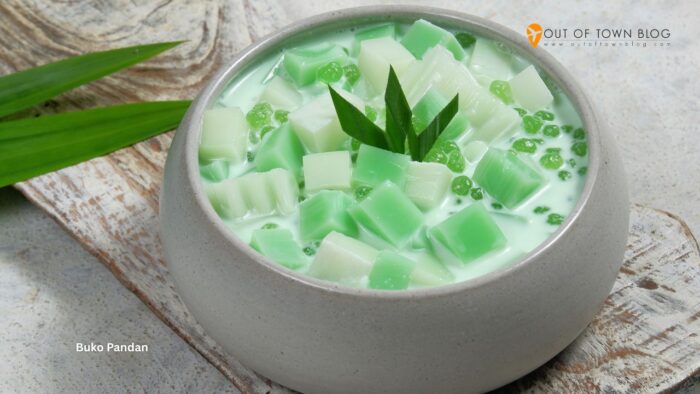
Buko Pandan is a beloved Filipino dessert that is sure to delight your taste buds! This sweet treat is made with young coconut meat, pandan-flavored gelatin, cream, and condensed milk. The coconut meat is shredded and mixed with pandan-flavored gelatin, cream, and condensed milk to create a creamy and refreshing dessert.
Buko Pandan is a popular choice for special occasions and celebrations in the Philippines, such as Christmas, fiestas, and birthdays. The unique pandan flavor of this dessert makes it a favorite among Filipino families. You can customize this dessert with other ingredients, such as nata de coco, kaong (sugar palm fruit), and tapioca pearls, to add more texture and flavor. Enjoy a delicious and festive Buko Pandan this holiday season!

Macaroni Salad
Macaroni Salad is a delicious, unique side dish for any special occasion. This sweet and tangy salad is made with elbow macaroni, mayonnaise, condensed milk, and various fruits such as pineapple, cherries, and grapes. To add more flavor and texture, it can be customized with ingredients such as boiled eggs, cheese, ham, carrots, celery, and onions.
Macaroni Salad is a popular Filipino dish often served during Christmas, fiestas, and picnics. Its refreshing and filling taste makes it the perfect accompaniment to outdoor gatherings and potlucks. With its easy preparation and customizable ingredients, Macaroni Salad will surely be a hit at any celebration!

Maja Blanca
Maja Blanca is a beloved Filipino dessert that will tantalize your taste buds! It is made with a delightful combination of coconut milk, cornstarch, sugar, and sweet corn kernels. After being cooked on the stove until thickened, it is poured into a mold to set.
Once chilled, it is cut into squares and topped with grated coconut or latik (coconut curds) to enhance its flavor and texture. Maja Blanca is known for its creamy sweetness and silky texture, making it the perfect treat for special occasions and celebrations such as Christmas, fiestas, and birthdays.

Fruit Salad
Fruit Salad is a dessert made with various fresh fruits, such as bananas, apples, mangoes, and pineapples, mixed with cream, condensed milk, and sometimes cheese. Other ingredients, such as nata de coco, kaong (sugar palm fruit), and tapioca pearls, can also be added to add more texture and flavor to the salad.
Fruit Salad is often served during special occasions and celebrations in the Philippines, such as Christmas, fiestas, and birthdays. It is a refreshing, sweet dessert, perfect for hot weather or after a heavy meal. Fruit Salad can be customized with different fruits and toppings to suit different tastes and preferences.

Castañas
Chestnuts, also known as castañas, are a type of nut popular in many parts of the world, including Europe, Asia, and North America. They are a good source of carbohydrates, fiber, and vitamins, and are often used in cooking and baking.
In the Philippines, castañas are often roasted and sold by street vendors during the Christmas season. They are also used as an ingredient in various dishes and desserts, such as Castañas con Leche (chestnuts in milk) and Castañas Cake (chestnut cake). Castañas are a versatile ingredient that can be enjoyed on their own or used to add flavor and texture to other dishes.
Unique Filipino Christmas Foods
Filipino cuisine is known for its unique blend of flavors and ingredients, especially during the Christmas season. Traditional Filipino Christmas foods are a mix of Spanish, Chinese, and native Filipino dishes, resulting in a rich and diverse culinary experience.
One of the most unique Filipino Christmas dishes is bibingka, a rice cake made with coconut milk and topped with salted egg, cheese, and butter. It is traditionally cooked in a clay pot lined with banana leaves and heated with charcoal, giving it a distinct smoky flavor. Another popular rice cake is puto bumbong, made with purple glutinous rice and steamed in bamboo tubes. It is often served with grated coconut and muscovado sugar.
Another must-try Filipino Christmas food is lechon, a whole roasted pig that is crispy on the outside and tender on the inside. It is often the centerpiece of a Filipino Christmas feast and is a symbol of wealth and abundance. Another meat dish commonly served during Christmas is morcon, a beef roll stuffed with vegetables, sausage, and eggs.
For those with a sweet tooth, ube halaya is a popular dessert made with purple yams, coconut milk, and condensed milk. It is creamy and rich, with a slightly nutty flavor. Another dessert commonly served during Christmas is fruit salad, made with canned fruit, cocktail, cream, and condensed milk.
Filipino-style Pasta Dishes for Christmas
Filipinos love their pasta dishes, and it’s no exception during Christmas time. Two popular pasta dishes that are often served during Christmas in the Philippines are Filipino-style spaghetti and macaroni salad.
Filipino-style spaghetti is a sweet and savory dish that differs distinctly from its Italian counterpart. It’s made with a tomato-based sauce sweetened with banana ketchup and sugar, and with hot dogs or ground pork. It’s then topped with grated cheese and served with garlic bread. This dish is a favorite among children and adults alike.
Another pasta dish that Filipinos love to serve during Christmas is macaroni salad. It’s a sweet, creamy salad made with elbow macaroni, mayonnaise, condensed milk, and a variety of fruits and vegetables. It’s often served as a side dish or as a dessert.
For those looking for a more elevated pasta dish, Filipino-style pasta carbonara is a must-try. This dish is a fusion of Italian and Filipino flavors. It’s made with spaghetti noodles, bacon, cream, and cheese. What sets it apart from the Italian version of carbonara is the addition of evaporated milk, which gives it a creamier and richer taste. Pinoy-style carbonara, on the other hand, uses condensed milk instead of evaporated milk, resulting in a sweeter taste.

Frequently Asked Questions
What are some traditional Filipino Christmas dishes?
Traditional Filipino Christmas dishes are a vibrant mix of savory and sweet treats centered on Noche Buena (Christmas Eve dinner). Popular main dishes include lechon (roasted pig), ham with pineapple glaze, and various meat dishes like embutido (Filipino meatloaf) and morcon (stuffed beef rolls). The table is also filled with pancit (noodles symbolizing long life), lumpia (spring rolls), and rellenong manok (stuffed chicken).
For desserts and sweet treats, Filipinos enjoy bibingka (rice cake), puto bumbong (purple rice cake), leche flan (custard), fruit salad with cream and condensed milk, and queso de bola (Edam cheese) paired with bread. These dishes bring families together and create a festive atmosphere filled with warmth, joy, and the spirit of sharing that defines Filipino Christmas celebrations.
What are some popular Filipino Christmas appetizers?
Popular Filipino Christmas appetizers include lumpia (spring rolls), which come in both fresh and fried varieties and are often served with a sweet-and-tangy dipping sauce. Embutido, a Filipino-style meatloaf made with ground pork, vegetables, and sometimes hard-boiled eggs, is sliced and served as an appetizer or side dish. Cheese balls made with cream cheese, often coated in nuts, are another favorite party starter. Ukoy (shrimp and vegetable fritters) provides a crispy, savory option. At the same time, lumpiang sariwa (fresh spring rolls) offers a lighter alternative filled with vegetables and sometimes shrimp or pork, topped with a sweet peanut or garlic sauce. Skewered items like chicken or pork barbecue are also common, along with various kakanin (rice cakes) that can serve double duty as both appetizers and desserts. These finger foods and starter dishes help set the festive mood before the main Noche Buena feast begins.
What are some common Filipino side dishes served during Christmas?
Common Filipino side dishes served during Christmas include pancit (noodles), which is considered essential for celebrations as it symbolizes long life and good health. Macaroni salad, made with elbow macaroni, mayonnaise, vegetables, and sometimes pineapple or cheese, is another staple that appears on nearly every Noche Buena table. Filipino-style spaghetti, which is sweeter than Italian versions and often includes hot dogs and is topped with cheese, is especially popular with children. Rice dishes like arroz caldo (rice porridge) or plain steamed rice accompany the heavier meat dishes. Vegetable dishes such as chopsuey (mixed vegetables in sauce) or pinakbet (mixed vegetables with shrimp paste) provide balance to the rich meats. Bread rolls or pandesal are served alongside ham and queso de bola (Edam cheese), allowing guests to make their own sandwiches. Pickled vegetables and achara (pickled papaya) also make appearances as palate cleansers to cut through the richness of the main courses. These side dishes complement the elaborate centerpiece meats and help create the abundant, family-style feast that defines Filipino Christmas celebrations.
What are some recommended Filipino beef recipes for Christmas?
Recommended Filipino beef recipes for Christmas include Beef Caldereta, a rich and hearty stew made with tender beef chunks simmered in a tomato-based sauce with liver spread, bell peppers, potatoes, carrots, and olives, creating a thick, flavorful gravy that’s perfect for the holiday table. Mechado is another popular choice, featuring beef slow-cooked in a savory tomato-soy sauce, creating a comforting, festive dish that brings warmth to any Noche Buena gathering. Morcon, a special occasion dish, consists of beef rolls stuffed with hard-boiled eggs, sausage, carrots, and pickles, then braised in a rich tomato sauce until tender. Beef Kare-Kare is a standout dish with its distinctive peanut sauce, oxtail or beef chunks, and vegetables such as eggplant and bok choy, traditionally served with bagoong (shrimp paste) on the side. For something more modern and party-friendly, Beef Tapa Empanadas offer a creative twist, wrapping marinated beef tapa in pastry pockets that are perfect as appetizers or snacks during Christmas gatherings. These beef dishes are crowd-pleasers that showcase the bold, savory flavors Filipino cuisine is known for during the festive season.
What are some must-try Filipino Christmas street foods?
Filipino Christmas street foods bring festive flavors to the bustling holiday season with unique treats you’ll find from vendors and street stalls. Bibingka, a soft rice cake cooked in clay pots lined with banana leaves and topped with butter, sugar, cheese, and salted eggs, is perhaps the most iconic Christmas street food, often sold outside churches after Simbang Gabi (dawn masses). Puto bumbong, made from purple sticky rice, steamed in bamboo tubes and topped with butter, sugar, and grated coconut, is another essential Christmas street delicacy, known for its distinctive purple color and sweet, buttery flavor. Taho, the warm silken tofu treat with arnibal (brown sugar syrup) and sago pearls, is a comforting street food perfect for cool December mornings. Balut (fertilized duck egg) and kwek-kwek (battered and deep-fried quail eggs) remain popular year-round but see increased sales during the Christmas rush. Fish balls, squid balls, and kikiam skewered on sticks and served with sweet or spicy sauce are ubiquitous street snacks during holiday shopping trips. Turon (banana spring rolls with jackfruit) provides a lovely, crispy treat, while freshly grilled corn on the cob and isaw (grilled chicken or pork intestines) offer savory options for hungry shoppers navigating the festive street markets and night bazaars.
What are some appropriate dishes to bring to a Filipino Christmas party?
When attending a Filipino Christmas party, bringing dishes that travel well and feed a crowd is key to being a gracious guest. Pancit (noodles) is always a safe and welcome choice, as it symbolizes long life and is a staple at every Filipino celebration—whether you make pancit canton, bihon, or palabok, it’s sure to be appreciated. Lumpia (spring rolls), whether fried or fresh, make perfect party contributions because they’re easy to transport, can be served at room temperature, and are universally loved by guests of all ages. Macaroni salad or fruit salad is an excellent cold side dish that complements main courses and can be prepared ahead of time. For dessert contributions, leche flan travels beautifully and is always a hit, as are Filipino pastries like cassava cake, biko (sweet sticky rice), or ube halaya. If you want to bring a main dish, consider Beef Caldereta or Chicken Adobo, which actually taste better when made ahead and reheated, making them ideal potluck dishes. Kakanin (rice cakes), such as sapin-sapin or puto, are thoughtful traditional treats that reflect cultural appreciation. Sweet breads like ensaymada or pandesal, paired with a wheel of queso de bola, also make festive and practical contributions. The key is choosing dishes that are easy to transport, don’t require last-minute preparation, and can be enjoyed by a large group at various temperatures.
Manila Travel Tour Packages You Should Try
Follow and subscribe to OutofTownBlog.com on Facebook, Twitter, Instagram, Pinterest, and YouTube for more Travel-related updates.
Read:
- Understanding Why It’s More Fun in The Philippines: 10 Reasons to Go This Season
- Cebu Island Travel Guide
- FILIPINO FOOD: 42 Tasty Dishes You Should Be Eating Now
- 9 Reasons to Visit Cebu