
 Melo Villareal
Ultimate Cebu Travel Guide: Best Places to Visit, Hidden Gems, and Travel Tips
Cebu is one of the Philippines’ most diverse travel destinations, offering a remarkable combination of historical landmarks, white-sand beaches, spectacular waterfalls, marine sanctuaries, mountain landscapes, island communities, and exciting food experiences. Located in Central Visayas, Cebu attracts travelers looking for relaxing beach holidays, outdoor adventures, cultural discoveries, and memorable island escapes.

Cebu City
Often associated with Cebu City, the province extends far beyond its bustling urban center. Northern Cebu is home to beautiful island destinations such as Bantayan and Malapascua, while southern Cebu attracts adventure seekers with its waterfalls, canyoneering routes, diving sites, and coastal communities. The Camotes Islands offer another side of Cebu, with freshwater lakes, caves, beaches, and quieter island experiences.
Cebu also has an important place in Philippine history. Its heritage sites tell stories of precolonial trade, Spanish colonization, the arrival of Christianity, and local communities’ resistance. Visitors can explore centuries-old churches, ancestral houses, historic streets, and monuments while experiencing the province’s distinctive Cebuano culture.
Food is another reason to visit. Cebu is famous for its lechon, dried seafood, traditional rice cakes, fresh seafood dishes, and local delicacies. Its dining scene ranges from traditional eateries and public markets to modern restaurants, cafes, and upscale dining establishments.
This Cebu Travel Guide covers the province’s major destinations and lesser-known attractions, including beaches, waterfalls, heritage sites, island adventures, outdoor activities, festivals, local food, accommodation areas, transportation, and practical travel information.
Whether you are visiting Cebu for the first time or returning to explore beyond the popular tourist spots, this guide will help you understand what the province offers and how to plan your trip.
Understanding Cebu: Geography and Major Destinations
Cebu is an elongated island province in Central Visayas, surrounded by the Visayan Sea, Camotes Sea, and Bohol Sea. Its geography includes a mountainous interior, coastal communities, smaller islands, and numerous beaches and marine sanctuaries.
The province has 51 cities and municipalities. Its tourism offerings range from historic urban attractions to remote coastal communities and island destinations.
For easier travel planning, Cebu’s attractions can be divided into five major geographical areas.
1. Cebu City and Metro Cebu
Cebu City is the province’s principal urban gateway and a convenient starting point for exploring the region. It is known for historical landmarks, religious sites, shopping centers, restaurants, nightlife, and mountain viewpoints.
Nearby destinations include Mandaue City, Talisay City, Consolacion, and Lapu-Lapu City.
2. Mactan Island
Mactan is home to Mactan-Cebu International Airport, beach resorts, marine activities, historical landmarks, and coastal communities. Lapu-Lapu City is also an important destination for visitors interested in the Battle of Mactan and local history.
3. Northern Cebu
Northern Cebu offers island escapes, white-sand beaches, diving destinations, and quieter coastal towns. Popular destinations include Bantayan Island, Malapascua Island, and the municipalities of San Remigio, Medellin, and Daanbantayan.
4. Southern Cebu
Southern Cebu is famous for waterfalls, canyoneering, mountain adventures, heritage towns, marine sanctuaries, and spectacular coastal scenery.
Popular destinations include Moalboal, Badian, Oslob, Dalaguete, Samboan, Alegria, and Carcar.
5. Nearby Islands and Island Communities
The Camotes Islands, Bantayan Island, Malapascua Island, and Sumilon Island offer distinct island experiences. Travelers can enjoy beaches, snorkeling, diving, cave exploration, boating, and quiet coastal retreats.
These destinations are spread across a large area, so factor in travel time when planning excursions. Visiting several places on opposite sides of Cebu in one day can be tiring and impractical.
Best Places to Visit in Cebu: 30+ Tourist Spots and Attractions
Cebu offers far more than its famous beaches and waterfalls. From historical landmarks in Cebu City to remote northern islands and southern adventure destinations, visitors have plenty of places to explore.
The following attractions are organized geographically to help travelers discover destinations within the same area.
A. Cebu City and Metro Cebu Tourist Attractions
Cebu City is an excellent starting point for understanding the province’s history, culture, and contemporary lifestyle. Its historic district contains some of the Philippines’ most recognizable heritage landmarks, while its mountain communities offer scenic viewpoints and recreational attractions.
1. Basilica Minore del Santo Niño
The Basilica Minore del Santo Niño is among the most important religious landmarks in the Philippines. It houses the image of the Santo Niño de Cebu, a religious icon closely associated with the introduction and development of Christianity in the country.
The church is a major pilgrimage destination, drawing devotees year-round, especially during the annual Sinulog Festival in January.
Visitors can appreciate its religious architecture, historical significance, and connection to Cebu’s cultural identity. Dress respectfully, observe church regulations, and avoid disturbing worshippers during religious services.
2. Magellan’s Cross
Located near the Basilica Minore del Santo Niño, Magellan’s Cross is one of Cebu’s most recognizable historical attractions.
The landmark commemorates the arrival of Ferdinand Magellan’s expedition in Cebu in 1521 and the introduction of Christianity to the island. The cross is housed inside a pavilion near the basilica.
Its central location makes it easy to include in a walking tour of Cebu City’s historic district. Visitors can also explore nearby heritage buildings and public plazas.
3. Fort San Pedro

Fort San Pedro is a historic military structure dating back to the Spanish colonial period. Located near Plaza Independencia, it is a recognized heritage landmark in Cebu City.
The triangular fort features stone walls, historical displays, and a courtyard that offers a glimpse into Cebu’s colonial past.
History enthusiasts can explore its grounds and learn about the fort’s military and administrative role during different periods of Philippine history.
4. Colon Street
Colon Street is widely recognized as the oldest street in the Philippines. It remains an important commercial and historical district in Cebu City.
The area features older commercial buildings, retail shops, markets, and establishments that reflect the city’s development through the decades.
Walking along Colon Street provides a different perspective of Cebu beyond its modern shopping malls and business districts. Visitors should remain aware of their belongings and surroundings, particularly in crowded areas.
5. Yap-San Diego Ancestral House

The Yap-San Diego Ancestral House is a historic residential property in Cebu City’s Parian district.
The ancestral house offers visitors an opportunity to see traditional furniture, household objects, artwork, and architectural features associated with an earlier period of Cebuano life.
It is an interesting stop for travelers who want to understand the domestic history and lifestyle of prominent families during the Spanish colonial period.
6. Heritage of Cebu Monument

The Heritage of Cebu Monument is an impressive sculptural installation that depicts key events and personalities in Cebu’s history.
Located in the historic Parian district, the monument depicts historical milestones, religious figures, and cultural traditions.
It provides a visual introduction to Cebu’s past and makes a convenient stop when exploring the nearby ancestral houses and heritage streets.
7. Casa Gorordo Museum
Casa Gorordo Museum is a restored ancestral residence that offers a closer look at traditional Cebuano domestic life.
The museum displays period furniture, household items, photographs, and historical artifacts. Its architecture and interiors illustrate how affluent Filipino families lived during the Spanish colonial era.
It is particularly worthwhile for travelers interested in architecture, heritage conservation, and local history.
8. Temple of Leah
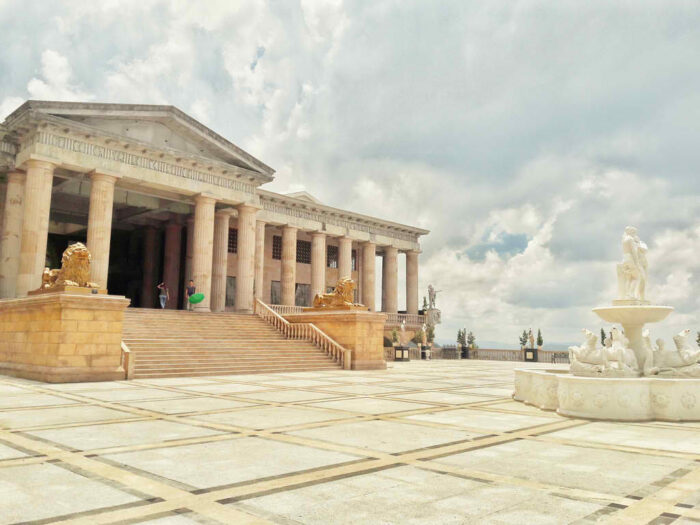
Temple of Leah is one of Cebu City’s most recognizable modern architectural attractions.
Built as a monument of love, the structure features grand staircases, classical columns, statues, and Roman-inspired architectural details. Its elevated location in Busay also offers panoramic views of Cebu City and the surrounding landscape.
The temple is a popular photography destination, particularly for visitors who enjoy architectural landmarks and scenic viewpoints.
9. Taoist Temple

The Cebu Taoist Temple is a religious and cultural landmark located in the Beverly Hills subdivision.
Its colorful architecture, dragon sculptures, traditional decorations, and elevated setting make it an interesting attraction.
The temple offers an opportunity to learn about Cebu’s Taoist community. Visitors should remember that it remains a place of worship and should follow posted rules regarding photography, clothing, and access to restricted areas.
10. Sirao Flower Garden
Sirao Flower Garden is a popular mountain attraction known for its colorful flower displays, especially celosia flowers.
Often nicknamed Little Amsterdam, the garden offers picturesque views of landscaped flower beds and the surrounding highlands.
The attraction is particularly appealing to photography enthusiasts and travelers looking for a scenic break from the city center. Flower availability and garden conditions vary by season.
11. TOPS Cebu
TOPS Cebu is a mountain viewpoint offering sweeping views of Metro Cebu, Mactan Island, and the surrounding coastal landscape.
It is particularly popular at sunset and at night, when the city lights become visible across the metropolitan area.
Visitors can enjoy the elevated atmosphere, dining establishments, and panoramic scenery. Check transportation arrangements before visiting, especially if you plan to return to the city late in the evening.
12. Cebu Safari and Adventure Park
Located in Carmen, north of Cebu City, Cebu Safari and Adventure Park is a major wildlife and nature attraction.
The park features animal exhibits, landscaped gardens, open spaces, and adventure experiences. It is particularly suitable for families and visitors interested in wildlife and outdoor recreation.
Because the attraction is outside Metro Cebu, travelers should allocate sufficient time for transportation and exploring the property.
B. Mactan Island Tourist Attractions
Mactan Island combines historical attractions, beach resorts, marine activities, and convenient access to international flights. It is an excellent destination for travelers who want to combine relaxation with sightseeing.
13. Mactan Shrine
The Mactan Shrine commemorates the 1521 Battle of Mactan, when local forces led by Lapu-Lapu fought Ferdinand Magellan’s expedition.
The historical complex includes monuments honoring Lapu-Lapu and Magellan, reflecting two important perspectives of the same historical encounter.
It is an essential stop for travelers interested in Philippine history and Mactan’s role in the country’s resistance to foreign conquest.
14. Mactan Island Hopping
Island hopping is one of the most popular activities around Mactan.
Visitors can arrange boat excursions to nearby islands and marine destinations, where they can enjoy snorkeling, swimming, and coastal sightseeing.
Popular stops in the surrounding waters include Hilutungan Island, Nalusuan Island, and the waters around Olango Island. Boat routes and access depend on weather, sea conditions, and local regulations.
15. Olango Island Wildlife Sanctuary
Olango Island is known for its coastal wetlands and migratory bird habitat.
The wildlife sanctuary is an important destination for birdwatching and nature appreciation, particularly during migratory seasons when different bird species use the island as a resting and feeding area.
Visitors can explore the natural environment while learning about wetland conservation and the importance of protecting coastal ecosystems.
16. Hilutungan Island Marine Sanctuary
Hilutungan Island is a well-known marine sanctuary near Mactan.
Its surrounding waters are popular for snorkeling and diving, with coral reefs and tropical fish attracting underwater enthusiasts.
Visitors should follow marine sanctuary regulations, avoid touching corals, and never collect marine organisms. Responsible snorkeling helps preserve the underwater environment for future visitors and local communities.
C. Northern Cebu Tourist Spots
Northern Cebu is an excellent choice for travelers looking for island escapes, quiet beaches, diving adventures, and less urbanized coastal destinations.
17. Bantayan Island
Bantayan Island is one of northern Cebu’s most popular beach destinations.
The island is known for its white-sand beaches, clear waters, relaxed atmosphere, seafood, and scenic coastal communities. Santa Fe is particularly popular with tourists for its beaches and accommodation options.
Travelers can enjoy swimming, island hopping, cycling, coastal sightseeing, and local food experiences.
Bantayan is also known for its religious traditions and Holy Week celebrations, which attract visitors from across the Philippines.
18. Kota Beach
Kota Beach is among the most photographed beaches in Bantayan Island.
It is known for its powdery sand, shallow waters, and picturesque sandbar formations that change with the tide.
The beach is suitable for swimming, photography, and relaxing by the shore. Visitors should check tide conditions because the sandbar’s appearance changes throughout the day.
19. Omagieca Obo-ob Mangrove Garden
The Omagieca Obo-ob Mangrove Garden is a community-based ecotourism attraction featuring mangrove forests and wooden walkways.
Visitors can explore the mangrove ecosystem, learn about coastal conservation, and enjoy views of the surrounding waters.
It offers a quieter alternative to Bantayan’s beaches and highlights the importance of protecting coastal habitats.
20. Malapascua Island
Malapascua Island is internationally recognized as a diving destination, particularly for its thresher shark encounters around Monad Shoal.
Beyond diving, the island offers white-sand beaches, snorkeling, coastal walks, and a relaxed atmosphere.
Bounty Beach is a popular spot, with beachfront establishments and diving centers.
Divers should choose accredited operators, follow responsible wildlife observation practices, and ensure they have the appropriate certification and experience for their planned dives.
21. Monad Shoal
Monad Shoal is one of the best-known underwater sites associated with Malapascua Island.
It is famous for its thresher shark sightings, attracting experienced divers from around the world.
Diving conditions, visibility, and wildlife sightings vary, so encounters are never guaranteed. Visitors should follow professional dive operators’ guidance and respect marine wildlife.
22. Camotes Islands
The Camotes Islands are an appealing destination for travelers who prefer quieter island experiences.
The island group includes Pacijan, Poro, Ponson, and Tulang. It offers beaches, caves, lakes, coastal communities, and scenic landscapes.
Popular activities include swimming, cave exploration, cycling, island hopping, and visiting local villages.
Camotes is particularly attractive to travelers who want to explore a less commercialized side of Cebu.
23. Lake Danao
Lake Danao is a freshwater lake located on Pacijan Island in the Camotes group.
Surrounded by greenery, the lake offers a peaceful setting for sightseeing and outdoor recreation.
Visitors can enjoy the scenery, explore the surrounding area, and experience a different landscape from Cebu’s beaches and coastal attractions.
24. Santiago Bay
Santiago Bay is a popular beach destination in the Camotes Islands.
It is known for its broad shoreline, shallow coastal waters, and relaxed atmosphere.
The beach is suitable for swimming, beach walks, and family outings. Its surrounding community also offers opportunities to sample local seafood and experience island life.
25. San Remigio Beaches
San Remigio is a northern Cebu municipality known for its long coastline, beach properties, and marine activities.
It is also an important gateway for travelers heading to Bantayan Island through Hagnaya Port.
The municipality offers an alternative to the busier beaches of Santa Fe, especially for travelers seeking a quieter coastal escape.
26. Tabuelan Coastal Attractions
Tabuelan is a relatively quiet municipality on Cebu’s northwestern coast.
It is known for its beaches, rivers, rural landscapes, and relaxed coastal atmosphere.
Travelers looking for camping, swimming, and a less commercialized beach experience may find Tabuelan worth exploring.
The municipality also offers a chance to experience Cebu beyond its established tourist centers.
D. Southern Cebu Tourist Attractions
Southern Cebu is among the province’s most exciting destinations for nature lovers and adventure travelers.
The area features waterfalls, limestone formations, marine sanctuaries, diving destinations, heritage towns, and spectacular mountain landscapes.
27. Moalboal
Moalboal is one of Cebu’s most famous marine destinations.
It is best known for its sardine run, a spectacular underwater phenomenon where large schools of sardines move together in coordinated formations near the coast.
The municipality is also popular for snorkeling, scuba diving, freediving, and sea turtle encounters.
Panagsama Beach is the main tourism area, with dive shops, restaurants, accommodations, and access to marine activities. White Beach, locally known as Basdaku, offers a different atmosphere for beachgoers.
28. Pescador Island
Pescador Island is a popular diving and snorkeling destination off the coast of Moalboal.
Its underwater environment features coral formations, reef fish, and diverse marine life.
The island is commonly included in boat excursions from Moalboal. Underwater visibility and marine conditions depend on weather and sea conditions.
29. Kawasan Falls
Kawasan Falls is one of Cebu’s most iconic natural attractions.
Located in Badian, the waterfall is famous for its striking turquoise pools surrounded by tropical vegetation and limestone formations.
Visitors can enjoy sightseeing, swimming where permitted, and guided canyoneering experiences.
Canyoneering is one of the region’s signature adventure activities, involving river trekking, swimming, climbing, and optional jumps at designated locations. Only undertake it with qualified guides and appropriate safety equipment.
Cebu has provincial ordinances specifically addressing Kawasan Falls management and canyoneering guidelines. Visitors should check current regulations and use authorized operators.
30. Osmeña Peak
Osmeña Peak is one of Cebu’s most recognizable mountain destinations.
Located in Dalaguete, the peak offers panoramic views of jagged limestone hills, rolling landscapes, and the surrounding coastline.
The hike is relatively short compared with many mountain treks, although conditions can become slippery during rainy weather.
Visitors often arrive early to enjoy cooler temperatures and clearer views. Bring suitable footwear, water, and weather protection.
31. Tumalog Falls
Tumalog Falls is a scenic waterfall in Oslob known for its curtain-like cascades and lush surroundings.
Unlike powerful waterfalls with a single large drop, Tumalog features water flowing over a broad rock face, creating an attractive natural setting.
It is a popular stop for visitors exploring southern Cebu, although access and swimming conditions can change depending on weather and local management.
32. Oslob Whale Shark Watching
Oslob is widely known for whale shark tourism.
Visitors can observe whale sharks, locally called butanding, in designated coastal waters under local tourism arrangements.
The activity has generated livelihood opportunities but also raised questions about wildlife management, provisioning, and animal welfare. Travelers should research these issues before participating and avoid touching, chasing, or obstructing the animals.
For a responsible wildlife experience, consider whether the activity aligns with your conservation priorities and follow all official instructions.
33. Sumilon Island
Sumilon Island is a beautiful island destination near Oslob.
It is particularly famous for its shifting white-sand sandbar, clear waters, and surrounding marine environment.
Visitors can enjoy swimming, snorkeling, photography, and coastal sightseeing, subject to access arrangements and weather conditions.
The island is an appealing addition to a southern Cebu trip, especially for travelers who want to combine marine activities with beach relaxation.
34. Inambakan Falls
Inambakan Falls is one of the natural attractions worth discovering in southern Cebu.
Located in Ginatilan, the waterfall is surrounded by lush vegetation and features a scenic cascade that flows into a natural pool.
It offers a quieter alternative to some of Cebu’s more heavily visited waterfalls.
Visitors should check access conditions and local requirements before making the trip, particularly during periods of heavy rain.
35. Dao Falls
Dao Falls is a picturesque waterfall in Samboan, known for its tall cascade and limestone surroundings.
Reaching the waterfall involves a nature walk through a scenic environment, making the journey part of the attraction.
It is a good destination for travelers interested in waterfall exploration and outdoor activities.
36. Aguinid Falls
Aguinid Falls is another well-known waterfall attraction in Samboan.
Its multi-level cascades and limestone formations make it an interesting destination for guided waterfall trekking.
Depending on prevailing conditions and local regulations, visitors may be able to explore different levels of the waterfall.
Always use local guides where required and avoid climbing slippery rocks without proper safety equipment.
37. Lambug Beach
Lambug Beach is an attractive coastal destination in Badian.
It offers a laid-back beach atmosphere, relatively clear waters, and a shoreline suitable for relaxing and swimming when conditions allow.
Compared with more commercialized tourist areas, Lambug offers a quieter beach experience.
38. Tingko Beach
Tingko Beach is a popular coastal attraction in Alcoy.
Its white sand and clear waters make it a convenient beach destination for travelers exploring southeastern Cebu.
It is particularly appealing to visitors who want to enjoy a beach stop while exploring the southern coastal highway.
39. Carcar Heritage Town
Carcar is one of Cebu’s most interesting heritage destinations.
The city is known for its ancestral houses, historic church, old municipal buildings, and traditional food culture.
It is also famous for Cebuano delicacies, including chicharon and local pastries.
Travelers can explore its heritage district, visit local shops, and sample traditional snacks before continuing their journey south.
40. Boljoon Heritage Complex
Boljoon is a historic coastal town known for its well-preserved Spanish-era heritage structures.
Its church complex and surrounding historic buildings provide a glimpse into the religious and architectural history of southern Cebu.
The town is a worthwhile stop for heritage travelers exploring the southeastern coastal route.
41. Argao Heritage Town
Argao is known for its cultural heritage, traditional crafts, architecture, and local food.
The town is particularly associated with torta, tablea, tuba, and hablon weaving.
Visitors can explore its historic church and heritage structures, sample traditional delicacies, and learn about local craftsmanship.
42. Bojo River
Bojo River is a community-based ecotourism attraction in Aloguinsan.
The river passes through mangrove forests and scenic natural surroundings before reaching the sea.
Visitors can experience guided river tours and learn about local conservation initiatives.
It is particularly appealing to travelers interested in sustainable tourism and community-led environmental protection.
43. Kandungaw Peak
Kandungaw Peak is a mountain attraction in southern Cebu that offers scenic views of the surrounding highlands.
It appeals to hikers looking for alternatives to the more popular Osmeña Peak.
The area features rugged terrain and impressive landscapes, making it suitable for outdoor enthusiasts with appropriate preparation and local guidance.
Best Things to Do in Cebu
Beyond sightseeing, Cebu offers plenty of activities for travelers who want to experience its natural attractions, marine environment, local culture, and outdoor adventures.
1. Go Island Hopping Around Cebu
Island hopping is among the best things to do in Cebu. Its surrounding waters feature coral reefs, small islands, sandbars, and marine sanctuaries.
Some of the most popular island-hopping destinations include:
- Mactan and its surrounding marine sanctuaries.
- Bantayan Island and its neighboring coastal attractions.
- Sumilon Island near Oslob.
- Camotes Islands and their coastal communities.
Choose a boat excursion based on your preferred activities. Some tours focus on snorkeling and marine life, while others emphasize swimming, beach stops, and photography.
Always confirm the itinerary, environmental fees, boat capacity, safety equipment, and weather conditions before departure.
2. Experience Cebu’s Famous Sardine Run
The sardine run in Moalboal is one of Cebu’s most recognizable marine attractions.
Large schools of sardines move together in impressive formations near the coastline, creating a spectacular underwater experience.
Snorkeling and freediving are popular ways to observe the sardines. Scuba divers can also explore the surrounding reefs and underwater environment.
You don’t need advanced diving experience to appreciate the sardine run, but you should be comfortable in the water and follow your local guide’s instructions.
3. Go Scuba Diving in Malapascua
Malapascua is one of the Philippines’ best-known diving destinations, particularly for thresher shark encounters.
Divers can explore Monad Shoal and other nearby underwater sites, depending on their certification, experience, and prevailing conditions.
The island also attracts underwater photographers, marine enthusiasts, and travelers interested in longer diving holidays.
Book with established dive centers, check equipment standards, and follow responsible wildlife observation practices.
4. Try Canyoneering in Badian
Canyoneering in Badian is one of Cebu’s signature adventure experiences.
The activity typically involves navigating river systems, swimming through natural pools, walking over rocks, and jumping from designated locations.
The experience usually culminates at Kawasan Falls, although specific routes and operating arrangements may change.
Canyoneering requires physical preparation and an understanding of water safety. Choose authorized operators, wear the required safety equipment, and never attempt jumps that make you uncomfortable.
5. Chase Waterfalls in Southern Cebu
Southern Cebu is a wonderful destination for waterfall enthusiasts.
Some of the waterfalls worth including in your exploration are:
- Kawasan Falls in Badian.
- Inambakan Falls in Ginatilan.
- Dao Falls in Samboan.
- Aguinid Falls in Samboan.
- Tumalog Falls in Oslob.
Each waterfall has different access conditions and physical requirements. Some involve relatively easy walks, while others require guided trekking or navigating slippery terrain.
Check local advisories before visiting, especially during heavy rainfall.
6. Hike Cebu’s Mountain Trails
Cebu’s mountainous interior offers an alternative to its beaches and coastal attractions.
Osmeña Peak is the most recognizable hiking destination, but other mountain viewpoints, including Kandungaw Peak and Casino Peak, are also worth exploring.
Mountain excursions are best scheduled early in the morning when temperatures are cooler and visibility is often better.
Bring drinking water, appropriate footwear, sun protection, and a light jacket. Hire local guides when required and respect private property and designated trails.
7. Go Snorkeling and Discover Cebu’s Marine Sanctuaries
Cebu’s surrounding waters are home to coral reefs, reef fish, sea turtles, and other marine life.
Popular snorkeling destinations include Moalboal, Mactan, Hilutungan, Pescador Island, and selected areas around Bantayan and Camotes.
Marine sanctuaries are especially important because they protect underwater ecosystems and support local livelihoods.
Avoid standing on corals, touching marine animals, feeding fish, or collecting shells and other marine organisms.
8. Explore Cebu’s Historical and Religious Landmarks
Cebu is an excellent destination for travelers interested in Philippine history.
The historic district of Cebu City contains several important landmarks within relatively short distances of one another.
Consider visiting:
- Basilica Minore del Santo Niño.
- Magellan’s Cross.
- Fort San Pedro.
- Colon Street.
- Heritage of Cebu Monument.
- Yap-San Diego Ancestral House.
- Casa Gorordo Museum.
Beyond Cebu City, the historic churches and heritage districts of Carcar, Argao, and Boljoon offer more opportunities to explore Cebuano history.
9. Experience Local Festivals
Festivals are an important part of Cebuano identity.
They celebrate religious devotion, local history, agricultural traditions, fishing communities, and cultural heritage.
Travelers who plan their visits around local celebrations can experience a different side of Cebu beyond its tourist attractions.
Popular festivals include:
-
Sinulog Festival in Cebu City.
-
Kadaugan sa Mactan in Lapu-Lapu City.
-
Palawod Festival in Bantayan.
-
Haladaya Festival in Daanbantayan.
-
Banig Festival in Badian.
-
Toslob Festival in Oslob.
-
Panagbagat Festival in Camotes.
Festival schedules and activities can change, so confirm dates with local tourism offices before making travel arrangements.
10. Enjoy Cebu’s Nightlife and Entertainment
Cebu City has an active nightlife scene with bars, restaurants, entertainment venues, and live music establishments.
Popular nightlife areas include IT Park, Cebu Business Park, and parts of the city center.
Mactan also offers beachfront dining and resort entertainment, while Moalboal has a more relaxed international backpacker and diving community atmosphere.
For travelers who prefer quieter evenings, Cebu’s mountain viewpoints, beachfront restaurants, and resort lounges provide alternatives to the city’s nightlife districts.
11. Go Shopping for Local Products and Souvenirs
Cebu has several shopping destinations where visitors can purchase local products, souvenirs, and specialty food items.
Consider bringing home:
-
Cebu dried mangoes.
-
Chicharon from Carcar.
-
Danggit and other dried seafood.
-
Otap and rosquillos.
-
Local tablea and chocolates.
-
Cebu-made guitars.
-
Handwoven products and handicrafts.
-
Locally produced souvenirs.
For food products, check packaging and airline baggage restrictions, particularly when carrying seafood, meat products, or liquids on international flights.
Cebu Food Guide: Must-Try Cebuano Dishes and Local Delicacies
Cebuano cuisine is another major attraction for visitors. Its food culture blends traditional Filipino cooking with fresh seafood, roasted meats, rice-based delicacies, and local ingredients.
Here are some must-try dishes and food products.
1. Lechon Cebu
Lechon is arguably Cebu’s most famous culinary specialty. The whole pig is traditionally roasted over charcoal until the skin becomes crispy and the meat develops a flavorful combination of herbs and seasonings.
Cebu lechon is often served with little or no additional sauce because of its distinctive seasoning.
2. Puso
Puso is rice wrapped in woven coconut leaves and boiled until cooked. It is commonly served with grilled meat, barbecue, and other Filipino dishes.
It is a familiar sight in Cebuano eateries and street food establishments.
3. Ngohiong
Cebu-style ngohiong is a deep-fried snack made with a savory filling wrapped in a thin pastry wrapper.
It is commonly served with a flavorful dipping sauce and is popular as an affordable snack or appetizer.
4. Danggit
Danggit is dried rabbitfish, usually fried until crispy.
It is a popular breakfast item, commonly served with garlic rice, eggs, and vinegar. Packaged danggit is also one of Cebu’s most popular pasalubong products.
5. Pochero
Cebuano pochero is a comforting beef soup featuring tender meat and vegetables in a flavorful broth.
It is particularly popular as a family meal and is a good choice for travelers who want to sample traditional Cebuano cooking.
6. Sutukil
Sutukil refers to three seafood cooking methods: sugba (grilled), tuwa (stewed), and kilaw (raw or cured using vinegar and seasonings).
It is a popular way to enjoy fresh seafood in coastal communities.
7. Otap
Otap is a thin, crispy, oval-shaped puff pastry coated with sugar.
It is one of Cebu’s well-known food souvenirs and is commonly available in bakeries and pasalubong shops.
8. Rosquillos
Rosquillos are ring-shaped cookies traditionally associated with Cebu.
Known for their crunchy texture and mildly sweet flavor, they are often purchased as souvenirs.
9. Torta Argao
Torta is a traditional sponge cake associated with Argao. It is typically rich and soft, made with local ingredients and traditional baking techniques.
10. Cebu Dried Mangoes
Cebu dried mangoes are among the Philippines’ most recognizable food products.
They are convenient to bring home and are popular among both local and international travelers.
Where to Stay in Cebu: Best Areas for Different Travelers
Cebu offers accommodations ranging from luxury resorts and international hotels to boutique properties, guesthouses, hostels, and budget beach accommodations.
The best area to stay depends on your travel plans and the attractions you intend to visit.
Cebu City
Cebu City is a practical base for travelers interested in heritage sightseeing, shopping, restaurants, nightlife, and access to transportation terminals.
It is also convenient for visitors who plan to explore Metro Cebu and arrange day trips to nearby destinations.
Mactan Island
Mactan is ideal for beach holidays, resort stays, marine activities, and travelers who prefer accommodation close to the airport.
It is particularly convenient for visitors with short stopovers or international flights.
Bantayan Island
Bantayan offers beachfront resorts, small hotels, guesthouses, and island accommodations.
Santa Fe is particularly convenient for beachgoers, with tourism facilities and access to popular beaches.
Malapascua Island
Malapascua suits diving holidays and travelers who prefer a slower island lifestyle.
Accommodation options are concentrated around the island’s beaches and diving areas.
Moalboal
Moalboal is a popular base for divers, freedivers, backpackers, and adventure travelers.
Panagsama Beach is convenient for marine activities, while other parts of the municipality offer quieter coastal accommodation.
Southern Cebu
Travelers planning extended excursions to waterfalls, mountains, and coastal destinations may consider staying in towns such as Badian, Oslob, Dalaguete, or Samboan.
Choosing accommodation near your main attractions can reduce travel time and make outdoor activities easier to manage.
Camotes Islands
The Camotes Islands offer beach resorts, small hotels, guesthouses, and locally operated accommodations.
It is an appealing choice for travelers seeking a quieter island getaway.
How to Get to Cebu
Cebu is one of the Philippines’ major transportation gateways. You can reach it by air from Manila and other Philippine cities, as well as by international flights from selected destinations in Asia and beyond.
Travelers can also reach Cebu by ferry from neighboring islands and provinces.
1. By Air: Flights to Cebu
The main gateway is Mactan-Cebu International Airport, located on Mactan Island.
The airport serves domestic and international flights and provides connections to Cebu City, Mactan resorts, and other destinations throughout the province.
Domestic flights to Cebu
Travelers from Manila can take direct flights to Cebu operated by Philippine Airlines and low-cost carriers.
Direct flights are also available from selected destinations such as:
-
Davao.
-
Iloilo.
-
Bacolod.
-
Cagayan de Oro.
-
Puerto Princesa.
-
Siargao.
-
Tacloban.
-
Bohol, depending on current flight schedules and available connections.
International flights to Cebu
Cebu has international air connections to selected Asian destinations, including major cities in East and Southeast Asia.
Depending on the season and airline network, international services may include routes from Japan, South Korea, Hong Kong, Singapore, and other regional gateways.
Flight schedules and routes change, so check directly with airlines before booking.
2. By Ferry: Traveling to Cebu by Sea
Cebu is connected to several neighboring islands through passenger ferries and roll-on/roll-off services.
Sea travel is especially useful for visitors coming from Bohol, Negros, Leyte, and other Visayas destinations.
Common ferry connections include:
-
Bohol to Cebu.
-
Ormoc to Cebu.
-
Dumaguete to Cebu.
-
Tagbilaran to Cebu.
-
Bantayan Island to mainland Cebu.
-
Camotes Islands to mainland Cebu.
-
Negros to Cebu through selected ports and routes.
For Bantayan Island, travelers typically take a bus or private vehicle from Cebu City to Hagnaya Port in San Remigio, then board a ferry to Santa Fe.
For Camotes, ferry connections generally operate through mainland ports serving the island group.
Always check departure schedules, terminal assignments, ticket availability, weather advisories, and baggage policies. Ferry schedules can change, especially during bad weather.
Getting Around Cebu: Transportation Guide
Getting around Cebu requires some planning because its attractions are spread across a large geographical area.
Public transportation is available in major towns and cities, while private vehicles and organized tours are more convenient for reaching remote waterfalls, beaches, and mountain destinations.
1. Taxis
Taxis are widely available in Cebu City and Mactan.
They are useful for airport transfers, hotel transportation, shopping trips, and moving between major commercial districts.
Before boarding, confirm that the driver will use the meter unless a different arrangement is permitted.
2. Ride-Hailing Services
Ride-hailing applications can be convenient for travelers who prefer cashless bookings and fare estimates.
Availability varies by location, particularly outside Metro Cebu.
Arrange alternative transportation when visiting remote coastal towns or islands.
3. Jeepneys
Jeepneys are among the most affordable ways to travel around Cebu City and nearby urban communities.
They operate along established routes and are commonly used by residents.
However, first-time visitors may find routes confusing. Ask local residents or transportation personnel for assistance and confirm the destination before boarding.
4. Provincial Buses
Provincial buses are useful for reaching northern and southern Cebu.
Travelers heading south generally use the Cebu South Bus Terminal, while northern destinations are served through northern bus services.
Popular bus destinations include:
-
Moalboal.
-
Badian.
-
Oslob.
-
Dalaguete.
-
Carcar.
-
Daanbantayan.
-
Hagnaya Port.
-
San Remigio.
Check the bus destination board and ask the conductor where to get off. Some routes have limited schedules, and traffic and road conditions can affect travel times.
5. Tricycles and Local Motorized Transport
Tricycles and other locally operated vehicles are common in smaller towns and coastal communities.
They are useful for short distances, especially when traveling between bus stops, town centers, beaches, and accommodations.
Agree on the fare before starting the journey if the vehicle does not operate on a meter.
6. Motorcycle Rentals and Motorcycle Taxis
Motorcycles are popular in many Cebu destinations, especially among independent travelers.
They offer flexibility for exploring coastal roads and attractions not easily reached by public transportation.
However, riders should have the appropriate driving license, wear helmets, check insurance coverage, and understand local road conditions.
Motorcycle taxis are also available in some areas, although coverage varies.
7. Car Rentals and Private Transfers
Renting a car or hiring a private vehicle is one of the most convenient ways to explore multiple attractions.
This is particularly useful for families, groups, and travelers visiting several destinations in southern Cebu.
Private transportation also makes it easier to combine nearby attractions, such as Carcar, Moalboal, Badian, and Oslob, depending on your trip length.
Remember that Cebu’s roads can be narrow in rural areas, and travel times are often longer than the distance on a map suggests.
8. Boats and Island Transfers
Boats are essential for reaching many of Cebu’s island destinations.
Depending on the destination, travelers may use public passenger boats, scheduled ferries, or privately arranged island-hopping excursions.
Popular boat connections include:
-
Hagnaya to Santa Fe, Bantayan Island.
-
Maya Port to Malapascua Island.
-
Mainland Cebu ports to Camotes Islands.
-
Mactan to nearby marine sanctuaries.
-
Oslob to Sumilon Island through authorized local arrangements.
Always use authorized boats and follow passenger capacity and safety regulations.
Best Time to Visit Cebu
Cebu has a tropical maritime climate with warm temperatures, humidity, and rainfall year-round.
The Philippines generally experiences a dry season from December to May and a rainy season from June to November. These are broad national patterns, however, and local weather conditions can differ across Cebu’s coastal and mountainous areas.
December to February: Cooler Dry Season
These months are generally attractive for sightseeing, island hopping, and outdoor adventures.
Temperatures are relatively comfortable, making them suitable for exploring Cebu City, visiting heritage towns, and enjoying the beaches.
January is particularly busy because of the Sinulog Festival.
March to May: Hot Dry Season
March, April, and May are generally warmer months.
This period is popular for beach holidays, swimming, diving, and island hopping.
Travelers should prepare for high temperatures, strong sunshine, and increased demand during school holidays and Holy Week.
June to November: Rainy Season
The rainy season can bring occasional heavy showers, thunderstorms, and rough sea conditions.
Travel is still possible during these months, but visitors should remain flexible with their schedules.
Heavy rainfall and weather advisories may affect waterfall activities, canyoneering, mountain trekking, and island hopping.
Best Months for Specific Cebu Activities
| Travel experience | Suggested period |
|---|---|
| Beach holidays | December to May |
| Island hopping | Generally December to May |
| Canyoneering | Drier weather periods, subject to local advisories |
| Mountain hiking | Clear-weather days, preferably early mornings |
| Scuba diving | Depends on the dive site and sea conditions |
| Heritage sightseeing | Year-round |
| Festival experiences | According to local festival calendars |
| Wildlife and birdwatching | Depends on species and seasonal migration |
Important: There is no completely guaranteed dry-weather period. Always check PAGASA forecasts and local sea and safety advisories before outdoor activities.
How Much Does a Cebu Trip Cost?
The cost of visiting Cebu depends on your accommodation, transportation, dining preferences, and activities.
Travelers can explore Cebu on a relatively modest budget using public buses, local eateries, and affordable accommodations. Those seeking private transfers, luxury resorts, diving excursions, and premium dining experiences should prepare a larger budget.
The following are broad planning estimates, not official or fixed prices.
| Expense category | Budget-conscious traveler | Midrange traveler |
|---|---|---|
| Accommodation per night | PHP 700–1,500 | PHP 2,000–4,500 |
| Meals per day | PHP 300–600 | PHP 700–1,500 |
| Local transportation per day | PHP 150–400 | PHP 500–1,500 |
| Sightseeing and activities per day | PHP 300–800 | PHP 800–2,000 |
| Miscellaneous expenses | PHP 200–400 | PHP 400–800 |
Illustrative estimates in PHP. Actual costs vary by destination, season, operator, and booking conditions. Flights, inter-island transportation, and premium tours are not included.
Tips for Saving Money in Cebu
-
Book flights and accommodations early, especially during Sinulog and Holy Week.
-
Use provincial buses when traveling between major towns.
-
Choose accommodations near your planned attractions.
-
Eat at local carinderias and traditional eateries.
-
Travel with companions when sharing private transportation or boat excursions.
-
Compare island-hopping packages and confirm what fees are included.
-
Avoid booking activities without checking operator credentials and safety arrangements.
Cebu Travel Tips: What Every Visitor Should Know
A successful Cebu holiday involves more than choosing tourist attractions. Understanding local customs, weather conditions, transportation, and safety considerations can make your experience more convenient.
1. Bring Appropriate Clothing
Cebu is generally warm and humid, so lightweight clothing suits most sightseeing activities.
Bring comfortable walking shoes, swimwear, sun protection, and a light rain jacket.
Visitors planning to explore churches and religious landmarks should bring modest clothing.
2. Carry Cash
Although major commercial establishments increasingly accept cashless payments, smaller towns and island communities may rely heavily on cash.
Bring enough Philippine pesos for transportation, local food, entrance fees, small purchases, and incidental expenses.
ATMs may be limited on smaller islands.
3. Purchase Travel Insurance
Travel insurance is especially important for visitors planning to dive, canyoneer, trek, or do other outdoor activities.
Review the policy carefully to confirm whether your planned activities are covered.
Some policies exclude specific adventure sports or require additional coverage.
4. Check Weather and Sea Conditions
Cebu’s island-hopping activities and outdoor attractions depend on weather and sea conditions.
Before traveling, check official weather advisories, local government announcements, and operator updates.
Never insist on proceeding with a boat trip when authorities or operators have suspended maritime activities.
5. Respect Marine Life
Cebu’s marine environment is among its most important tourism assets.
Do not touch corals, chase turtles, feed marine animals, or collect shells from protected areas.
Use reef-safe practices, dispose of waste properly, and follow local sanctuary regulations.
6. Observe Church and Cultural Etiquette
Cebu has a strong religious and cultural identity.
Dress appropriately when visiting churches, avoid disruptive photography during services, and respect local traditions.
Ask permission before photographing people, particularly during religious or community celebrations.
7. Plan Around Traffic and Travel Time
Traffic in Metro Cebu can be heavy, particularly during rush hours and major events.
Long-distance journeys between Cebu City, northern Cebu, and southern Cebu can take several hours.
Avoid scheduling flights immediately after long road journeys or ferry transfers without allowing sufficient buffer time.
8. Use Reliable Tour Operators
For activities such as canyoneering, diving, whale shark encounters, and island hopping, choose legitimate operators who follow local requirements.
Check equipment, safety procedures, guide qualifications, insurance arrangements, and cancellation policies before booking.
9. Keep Digital Copies of Important Documents
Keep digital copies of your passport, identification, flight details, ferry tickets, accommodation confirmations, and travel insurance documents.
This is particularly useful when traveling between islands where mobile connectivity may be inconsistent.
10. Support Local Communities
Choose locally operated tours, purchase products from community businesses, and respect local livelihoods.
Community-based tourism can help distribute tourism income while encouraging the protection of Cebu’s natural and cultural heritage.
Travel Requirements for Visiting Cebu
Cebu welcomes both domestic and international visitors. However, travel requirements vary by nationality, point of origin, and length of stay.
For Filipino Travelers
Filipino citizens traveling domestically to Cebu generally need a valid government-issued ID or another form of identification accepted by their airline or transportation provider.
Passengers should also have their flight or ferry booking confirmation ready.
Minors traveling without both parents may need additional documentation, depending on the circumstances and applicable regulations.
For International Travelers
International visitors must comply with Philippine immigration and entry requirements.
Depending on nationality, travelers may need:
-
A valid passport.
-
An appropriate Philippine visa, when required.
-
A return or onward travel ticket, where applicable.
-
Evidence of sufficient funds, if requested.
-
Compliance with applicable immigration conditions.
-
Required electronic travel declarations.
Visa exemptions and permitted lengths of stay depend on nationality and the applicable Philippine immigration rules. Do not assume that all international visitors receive the same visa-free period.
The Philippine Bureau of Immigration provides information about temporary visitor admission and visa extensions.
eTravel Registration
International passengers arriving in the Philippines should check the current eTravel registration requirements before departure.
The official eTravel system is used for passenger information and border-related declarations. Registration is free through the official government website.
Be wary of unofficial websites that charge registration fees. The Philippine government identifies etravel.gov.ph as the official platform.
Official website: etravel.gov.ph
Travel Documents for Island Transfers
When traveling between Cebu and neighboring islands, carry your identification, ferry tickets, and booking confirmations.
Some boat operators may require passenger information before boarding.
Always confirm current requirements with the relevant ferry company or port operator.
Festivals and Cultural Celebrations in Cebu
Cebu’s festivals offer a chance to experience the province’s traditions, religious devotion, local craftsmanship, and community celebrations.
The Sinulog Festival is the most internationally recognized celebration, but many towns and municipalities organize their own festivals throughout the year.
Here are some festivals worth knowing when planning a Cebu holiday.
| Festival | Location | General celebration |
|---|---|---|
| Sinulog Festival | Cebu City | January |
| Panuhug Festival | Santa Fe, Bantayan | January |
| Panagbagat Festival | Camotes | January |
| Kumbira Festival | Compostela | January |
| Kadaugan sa Mactan | Lapu-Lapu City | April |
| Banig Festival | Badian | Varies |
| Palawod Festival | Bantayan | Varies |
| Haladaya Festival | Daanbantayan | Varies |
| Toslob Festival | Oslob | December |
| Sugat Festival | Minglanilla | Holy Week |
Festival schedules can change annually. Check local government announcements before booking flights and accommodation.
Shopping and Pasalubong: What to Buy in Cebu
Shopping in Cebu is an opportunity to discover locally produced food, traditional crafts, and souvenirs that reflect the province’s identity.
Here are some popular pasalubong ideas:
-
Dried mangoes: One of Cebu’s most recognizable food products.
-
Danggit: Dried rabbitfish commonly served for breakfast.
-
Chicharon: Crispy pork cracklings associated with Carcar.
-
Otap: Traditional crispy puff pastry.
-
Rosquillos: Ring-shaped Cebuano cookies.
-
Torta: Traditional sponge cake associated with Argao.
-
Cebu guitars: Locally crafted musical instruments, particularly associated with the Lapu-Lapu and Mactan area.
-
Handicrafts: Locally produced woven products and decorative souvenirs.
When buying food products, check packaging, expiration dates, and storage instructions. International travelers should also check their destination country’s customs restrictions before bringing food home.
Frequently Asked Questions About Traveling to Cebu
1. What is Cebu best known for?
Cebu is best known for its historical landmarks, beautiful beaches, waterfalls, diving destinations, island-hopping experiences, and distinctive Cebuano cuisine. It is also recognized for the Sinulog Festival, Cebu lechon, and important historical sites associated with the arrival of Christianity in the Philippines. Popular attractions include Magellan’s Cross, Kawasan Falls, Moalboal’s sardine run, Bantayan Island, Malapascua Island, and Osmeña Peak. The province offers a combination of urban experiences, cultural attractions, adventure tourism, and relaxing island holidays.
2. How many days do you need to explore Cebu?
The ideal length of a Cebu vacation depends on the destinations you want to visit. Three days may be sufficient for Cebu City, Mactan, and selected nearby attractions, but it is not enough to explore the entire province. Five to seven days offers more flexibility to visit southern Cebu or add a northern island destination. Travelers interested in Bantayan, Malapascua, Camotes, and southern Cebu’s waterfalls should consider a longer stay. Remember that transportation between destinations can take several hours.
3. What are the best tourist spots in Cebu?
Some of the most popular tourist attractions in Cebu include Kawasan Falls, Moalboal’s sardine run, Osmeña Peak, Oslob, Sumilon Island, Bantayan Island, Malapascua Island, and the Camotes Islands. Cebu City also has several historical attractions, including Magellan’s Cross, Fort San Pedro, the Basilica Minore del Santo Niño, and the Heritage of Cebu Monument. Visitors interested in lesser-known destinations can explore Bojo River, Inambakan Falls, Tabuelan, and the heritage towns of Argao and Boljoon.
4. When is the best time to visit Cebu?
The generally preferred time to visit Cebu is December to May, when the Philippines is in its broader dry season. These months are often suitable for beach holidays, island hopping, snorkeling, sightseeing, and outdoor adventures. March, April, and May are particularly warm, while December to February generally offers more comfortable temperatures. The rainy season usually runs from June to November, although travel remains possible. Weather conditions vary, and occasional storms can affect ferry operations, diving schedules, and outdoor activities year-round.
5. How do you get to Cebu from Manila?
The most convenient way to get to Cebu from Manila is to take a direct flight to Mactan-Cebu International Airport. Several airlines operate flights between the two destinations, and schedules vary by season and airline. The flight generally takes about 1 hour 20 minutes to 1 hour 40 minutes, depending on the aircraft and operating conditions. Travelers can also consider sea travel, although it takes considerably longer. After arriving, taxis, ride-hailing services, private transfers, and other transportation options are available.
6. Is Cebu suitable for first-time visitors to the Philippines?
Yes. Cebu is an excellent destination for first-time visitors because it offers a variety of experiences within one province. International travelers can explore historic landmarks, enjoy tropical beaches, discover Filipino food, and participate in outdoor adventures. Cebu City also provides modern shopping centers, restaurants, hotels, and transportation connections. Visitors can begin with the city’s heritage attractions and gradually explore nearby destinations such as Mactan, Moalboal, and southern Cebu. However, travelers should plan their transportation carefully because many of the province’s best attractions are several hours apart.
7. What are the best beaches in Cebu?
Some of Cebu’s best-known beaches include Kota Beach in Bantayan Island, Lambug Beach in Badian, Tingko Beach in Alcoy, Santiago Bay in Camotes, and the beaches around Malapascua Island. Mactan also has several beachfront resorts and marine attractions. Each destination offers a different experience, ranging from white-sand beaches and shallow swimming areas to diving destinations and quieter coastal communities. Beach conditions can change with tides, weather, and seasonal conditions, so visitors should check local advisories before swimming or booking boat excursions.
8. Is Cebu expensive for tourists?
Cebu can accommodate different travel budgets. Budget-conscious travelers can use public buses, local transportation, affordable guesthouses, and traditional eateries to manage expenses. Midrange visitors can choose comfortable hotels, organized island-hopping tours, and a combination of public and private transportation. Luxury travelers can enjoy premium beachfront resorts, private transfers, upscale dining, and specialized diving excursions. The biggest expenses usually involve flights, accommodations, inter-island transportation, and organized activities. Booking in advance and grouping nearby attractions can help reduce unnecessary transportation expenses.
9. What food should you try in Cebu?
Visitors should not leave Cebu without trying lechon, one of the province’s most famous culinary specialties. Other dishes and snacks worth sampling include puso, ngohiong, Cebuano pochero, sutukil seafood, danggit, otap, rosquillos, and torta from Argao. Cebu is also known for dried mangoes, a popular pasalubong. Travelers interested in local food culture should explore traditional eateries, public markets, and community food establishments. Seafood is particularly popular in coastal destinations, where freshly prepared fish and shellfish are common menu items.
10. Is Cebu safe for tourists?
Cebu is a popular tourism destination, but visitors should observe ordinary travel safety precautions. Keep valuables secure, use reputable transportation services, and remain aware of your surroundings in crowded commercial districts and public markets. For outdoor activities, choose qualified guides and authorized operators, especially for diving, canyoneering, and island hopping. Always follow local weather and maritime advisories. Travelers should also avoid swimming in dangerous conditions, respect marine sanctuary regulations, and keep emergency contact information available. Appropriate travel insurance is recommended, particularly for adventure activities.
11. Can you explore Cebu without renting a car?
Yes. Travelers can explore many Cebu destinations using public transportation, including jeepneys, provincial buses, taxis, tricycles, and ferries. Cebu City and Mactan are relatively easy to reach through several transportation options. Provincial buses are useful for reaching major southern and northern towns, though you may need additional local transportation to reach specific attractions. Renting a car is more convenient for travelers visiting several remote destinations in one day. Independent travelers should allow extra time for transfers, check terminal locations, and confirm bus or ferry schedules before departure.
12. Is island hopping worth doing in Cebu?
Island hopping is one of Cebu’s most worthwhile activities because the province is surrounded by beautiful islands, marine sanctuaries, and coastal attractions. Visitors can arrange excursions around Mactan, visit Sumilon Island near Oslob, explore the waters around Bantayan, or discover the Camotes Islands. Depending on the destination, activities may include snorkeling, swimming, beach visits, and underwater sightseeing. Before booking, confirm the boat operator’s credentials, environmental fees, itinerary, and safety arrangements. Always check weather conditions because rough seas can result in cancellations.
13. What should you pack for a Cebu vacation?
Pack lightweight clothing for warm, humid weather, comfortable walking shoes, swimwear, sunscreen, sunglasses, and a reusable water bottle. Travelers visiting waterfalls and mountain destinations should bring suitable footwear, quick-drying clothes, and rain protection. A waterproof bag can be useful during island hopping and boat transfers. International visitors should carry their passports, travel documents, and appropriate electrical adapters. Bring some Philippine pesos because smaller establishments and rural communities may not accept cards or electronic payments. Travelers planning diving activities should also check equipment and personal gear requirements.
14. Are there international flights to Cebu?
Yes. Mactan-Cebu International Airport serves international passengers and has connections to selected destinations in Asia and other international markets. Available routes and frequencies depend on airline schedules, travel demand, and seasonal adjustments. International travelers can use Cebu as an entry point for exploring the Visayas and other parts of the Philippines. Before booking, check whether your preferred destination has a direct flight or requires a connecting service. Also review Philippine immigration requirements, passport validity, visa eligibility, and the applicable eTravel registration rules before departure.
15. Is Cebu worth visiting for a luxury vacation?
Cebu is an excellent choice for travelers seeking a luxury island holiday because it combines beachfront resorts, marine activities, private excursions, upscale dining, and scenic natural attractions. Mactan is particularly convenient for resort vacations and airport access, while destinations such as Bantayan, Malapascua, and Camotes offer different island experiences. Luxury travelers can arrange private transportation, guided excursions, diving experiences, and customized island-hopping activities. Cebu also offers opportunities to combine a relaxing resort stay with heritage sightseeing and outdoor adventures, making it suitable for longer premium holidays.
Final Thoughts: Why Cebu Should Be on Your Philippine Travel Bucket List
Cebu deserves a place on every traveler’s Philippine itinerary. Its appeal goes beyond its famous beaches and waterfalls. The province offers an interesting mix of history, culture, nature, adventure, and modern conveniences, making it suitable for different types of travelers.
History enthusiasts can explore Cebu City’s heritage landmarks and the centuries-old churches of southern Cebu. Beach lovers can discover Bantayan Island, Malapascua, and the Camotes Islands. Adventure seekers can canyoneer in Badian, hike Osmeña Peak, and explore southern Cebu’s waterfalls. Marine enthusiasts can discover the sardine run in Moalboal and the diving sites around Malapascua.
Food lovers will also find plenty of reasons to visit, from Cebu’s famous lechon and fresh seafood to its traditional pastries and local delicacies.
What makes Cebu particularly appealing is the diversity of experiences available across its different communities. A trip can combine historical sightseeing, mountain adventures, island hopping, culinary discoveries, and relaxing resort stays.
Whether you are planning a short city break, a weeklong island holiday, or an extended exploration of the province, Cebu offers plenty of destinations worth discovering.
Start with its famous attractions, explore its lesser-known communities, and take time to appreciate the culture and natural environment that make Cebu one of the Philippines’ most compelling travel destinations.
Follow the Out of Town Travel Blog on Facebook, Twitter, Instagram, and Pinterest for more travel- and food-related updates.
Read: