
 Melo Villareal
Support Local and Savor the Best Philippine Coffee Beans
Philippine coffee beans are increasingly earning acclaim on the international scene, celebrated for their distinctive flavors and exceptional quality. The country’s diverse archipelago cultivates a wide array of coffee varieties, each showcasing unique taste profiles that appeal to a broad spectrum of coffee lovers. From the rich, full-bodied brews of the highland regions to the smooth, sweet notes found in beans grown in the lower elevations, the Philippines offers a vibrant and rich selection that caters to all sorts of preferences, making it a promising destination for coffee connoisseurs around the world.

Freshly Roasted Coffee Beans from Baguio Public Market
Every region boasts its own unique flavor profile, showcasing the robust and earthy notes inherent in Robusta beans, contrasted with the mild and sweet undertones found in Arabica varieties. Local farmers and producers pour their heart and soul into their craft, meticulously tending to the coffee plants and ensuring that each bean is harvested at the peak of ripeness. The roasting process is executed with precision, elevating the natural flavors to create a coffee experience that is not only genuine but also deeply satisfying, inviting you to savor every sip.

For consumers eager to savor the finest Philippine coffee, a myriad of delightful options awaits, each offering a unique glimpse into the country’s rich coffee heritage. Whether one seeks the comforting embrace of a smooth and aromatic cup brewed at home or wishes to uplift local businesses, a treasure trove of top-quality Philippine coffee beans is readily accessible.
Specialty coffee shops gleam with the promise of freshly roasted selections, while online retailers provide the convenience of exploring various flavors from the comfort of your home. Local markets bustle with energy, showcasing an array of freshly sourced beans that capture the essence of the Philippine landscape.
These platforms cater to diverse preferences, allowing coffee lovers to discover their ideal roast profile—be it the bright notes of a light roast, the balanced flavors of a medium roast, or the deep richness of a dark roast. This thoughtful approach not only enhances the overall coffee experience but also ensures that each cup becomes a personal and gratifying journey into the heart of Philippine coffee culture.

History of Philippine Coffee
The history of Philippine coffee is as rich as its flavor, evolving from its introduction to the country to becoming a key player in the local economy and culture. The journey of Filipino coffee encompasses a period of thriving growth, followed by struggles, and ultimately leading to modern advancements that position the Philippines as a notable coffee-producing country.
Early Beginnings
Coffee was not native to the Philippine archipelago. It was first introduced in 1740 by Spanish Franciscan friars who brought Liberica beans to the region.
They planted the first coffee seeds in Batangas, which has ideal conditions for coffee cultivation due to its high altitude and volcanic soil. This province eventually earned the reputation as the coffee capital of the country.
The Coffee Boom Era
By the 19th century, the Philippines experienced a “coffee boom.” The country became a significant coffee supplier when coffee rust hit Brazil, Africa, and Java, which were the leading coffee producers of that time.
During this era, Batangas and the surrounding regions flourished, and Filipino coffee became a major export. However, the boom period came to a halt when coffee rust reached the Philippines at the end of the 19th century, decimating many plantations.
Contemporary Developments
Modern developments in the Philippine coffee industry have showcased resilience and innovation. Efforts to revive and improve coffee production have led to the cultivation of various coffee types, namely Arabica, Robusta, Liberica (locally known as Barako), and Excelsa.
Today’s local farmers and organizations are focusing on sustainable practices and quality improvement. The coffee culture in the Philippines continues to thrive with a growing interest in specialty coffee and locally-sourced beans, seeing coffee’s role both in everyday Filipino life and the potential it has on the international stage.
Types of Philippine Coffee Beans

The Philippines is renowned for producing a diverse array of coffee beans, each with a distinct taste and aroma. The country’s fertile soil and ideal climate conditions contribute to the unique flavor profiles of its coffee varieties.
Arabica Varieties
The Arabica coffee from the Philippines is known for its smooth, aromatic, and less bitter taste.
These beans are often grown in the highland areas, which contributes to their sweet and fruity flavor notes, with hints of caramel and a sometimes tart finish.
Robusta Varieties
Philippine Robusta beans are celebrated for their robust flavor and strong aroma. They contain a higher caffeine content than Arabica beans and have a flavor profile that includes earthy, nutty, and sometimes caramel notes.
Robusta is often used in blends and is particularly favored for making a strong espresso.
Liberica (Barako) Varieties
Liberica beans, or Barako, hold a special place in the Filipino coffee culture. They produce a bold and intense coffee, with a distinctive woody, smoky taste that can also carry hints of fruity and floral notes. The Liberica variety is less common globally, making it a unique offering from the Philippines.
Excelsa Varieties
Excelsa coffee, which is technically a species of Liberica, grows on tall trees and is known for its tart and fruity character.
The beans contribute a complex flavor profile that is layered with a mixture of fruity and forest-like notes, offering a distinct twist to the coffee experience.
Top Coffee Producing Regions in the Philippines
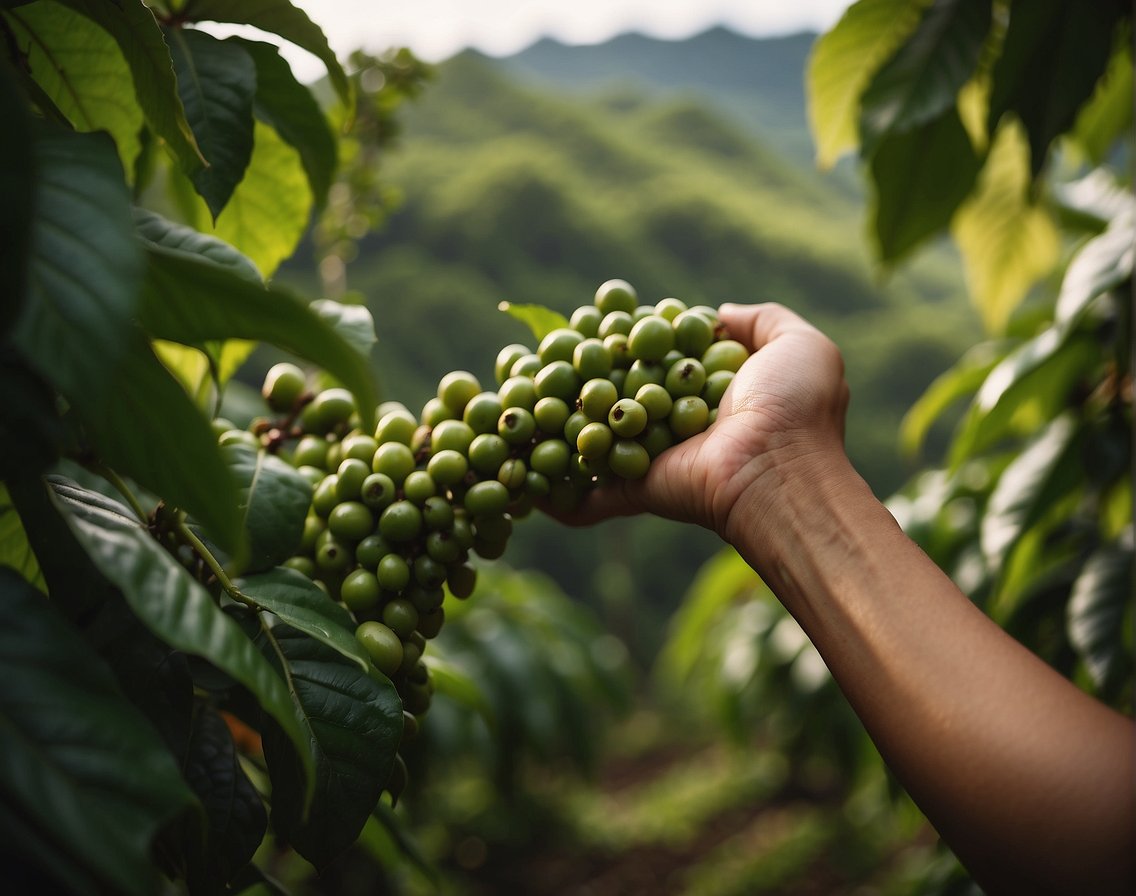
The Philippines is renowned for its diverse coffee-producing regions, each offering unique beans with distinct flavors. The top regions contribute significantly to the country’s reputation for quality coffee.
Cordillera Mountain Range
In the Cordillera Mountain Range, high altitude and rich soil create an ideal environment for growing Arabica coffee.
Benguet coffee, often characterized by its sweet and fruity notes, is cultivated in this cool climate. Another notable area, Sagada, is recognized for Arabica beans with a chocolatey taste, owing much to the traditional, shade-grown cultivation methods used by local farmers.
Southern Luzon
Southern Luzon boasts a legacy of coffee farming with Batangas and Cavite being central figures in the history of Philippine coffee.
Batangas is famous for its strong and distinct “Barako” coffee, which is actually the Liberica variety known for its pungent aroma. Cavite, meanwhile, offers a variety of beans but is especially noted for its Robusta, which thrives in its slightly cooler climate.
Mindanao Region
The vast landscapes of Mindanao support a burgeoning coffee industry with areas like Bukidnon and the Mount Apo region standing out.
Mt. Matutum is another key area, producing quality Arabica beans. Kalinga coffee, grown in these regions, is often robust with a bold flavor profile, favored by those who prefer a stronger cup. Mindanao’s coffee plantations contribute significantly to the overall output, ensuring the Philippines’ place as a contender in the global coffee market.
Finding Quality Coffee Beans

Discerning coffee lovers in the Philippines have a rich palette of local coffee options to consider.
One may explore the robust taste of a Barako blend or the subtle flavors of a Benguet blend, but the pursuit always begins with understanding how to find and choose quality coffee beans.
Purchasing Locally Grown Beans
Philippine coffee aficionados are increasingly turning towards locally grown beans for the freshest and most authentic experience.
Beans such as the aromatic 100% Arabica coffee from the highlands of Benguet, which are renowned for their quality, offer a direct connection to the source.
When buying local, look for signs of single-origin coffee, which ensures the beans are sourced from a single producer, crop, or region in the Philippines.
- Benguet Blend: Popular for its aromatic and floral notes.
- Barako Blend: A traditional favorited with a strong, bold flavor.
Choosing Coffee for Your Palate
Selecting the right coffee involves understanding one’s personal taste preferences.
For those who prefer a more mild and aromatic cup, an Arabica blend would be suitable, while those seeking a stronger kick might opt for a Barako blend.
Coffee should not only resonate with the drinker’s flavor preferences but also align with their ethical and local support values.
- 100% Arabica Coffee: Known for its smooth and less bitter taste.
- Single-Origin Coffee: Offers a unique flavor profile from its specific growth area.
Coffee Bean Preparation and Brewing Methods

To experience the rich flavors of Philippine coffee beans, one must consider the impact of roasting profiles and grinding methods, as well as familiarize oneself with the various brewing techniques suited for each bean type.
Roasting Profiles
Roasting unlocks the aroma and flavor trapped within the coffee beans.
Dark roast beans are known for their bold, smoky flavor, typically used in strong espresso shots.
Medium roast offers a balance of flavor, aroma, and acidity, making them versatile for both drip coffee and cold brew methods.
Grinding for Optimal Extraction
The right grind size is crucial for the best coffee extraction.
Fine grinds are ideal for espresso where the extraction time is short.
In contrast, drip coffee methods and French press require coarser grinds to prevent over-extraction and bitterness.
Consistently sized grounds, which can be achieved with high-quality coffee equipment, ensure balanced flavors.
Popular Brewing Techniques
Every brewing technique highlights different aspects of the coffee.
The drip method is one of the most popular and convenient, suited for a milder cup.
For those seeking a robust flavor, French press maintains the natural oils and delivers a full-bodied taste.
Meanwhile, cold brew takes a longer steeping process, resulting in a smoother and less acidic beverage.
Hand-picking and meticulously processing beans by coffee farmers ensure that only the best quality beans make it to these brewing processes.
Coffee Shops and Roasters in the Philippines

The Philippines is home to an array of specialty coffee shops and local roasters, each offering a distinct experience and flavor profile that caters to the diverse preferences of coffee enthusiasts. Within this vibrant scene, coffee lovers can discover unique blends and single-origin beans rooted in rich Filipino coffee culture.
Specialty Coffee Shops
- Commune: Situated in the bustling heart of Makati, Commune is more than just a coffee shop—it’s a community hub that serves up locally sourced coffee. Their commitment to promoting Philippine coffee makes it a must-visit for those looking to explore the depth of local flavors.
- Yardstick Coffee: A pioneer in specialty coffee, Yardstick Coffee has established itself with a reputation for its exceptional quality and educational approach to coffee. They not only sell meticulously crafted brews but also offer workshops for enthusiasts keen to learn more.
Renowned Local Roasters
- Original Grounds Coffee Co.: This roastery takes pride in their craft, offering a curated selection of beans that are roasted to highlight their natural characteristics. They have become a staple for those seeking consistently superb coffee.
- Everyday Coffee Roasters: As the name suggests, they focus on bringing the coffee shop experience into everyday life with their online store. Their selection includes beans from various Philippine regions, each with its unique tasting notes.
- Sinag Coffee Roastery: They are quickly making a name for themselves with their artisanal approach to coffee roasting. Sinag Coffee Roastery emphasizes the origin and story behind each bean, providing a coffee experience that is both authentic and enlightening for Filipino coffee drinkers.
Sustainable Practices and Ethical Considerations
In the Philippine coffee industry, sustainable practices and ethical considerations are paramount to ensuring the production of high-quality beans while supporting the livelihood of Filipino farmers and minimizing environmental impact.
Supporting Filipino Farmers
The initiative to ethically source coffee beans directly benefits Filipino farmers by providing fair payment and contributing to the stability of their livelihoods. Purchasing beans from organizations that engage in direct trade results in a higher percentage of the profits going straight to the producers. This approach not only enhances the local economy but also ensures that farmers are empowered to maintain high-quality beans through sustainable methods.
Environmental Impact of Coffee Farming
Sustainable practices in coffee farming involve a commitment to organic methods that preserve the ecosystem. Techniques such as regenerative agriculture are gaining traction, shifting paradigms in how coffee farming is viewed in terms of its environmental impact. By focusing on the health of the soil and employing practices that reduce chemical inputs, the coffee industry in the Philippines is actively working to reduce its environmental footprint. Moreover, these practices often lead to a more flavorful and aromatic cup, further elevating the status of Philippine coffee beans on the global stage.
Packaging and Storage for Freshness
Proper packaging and storage are critical for preserving the freshness of Philippine coffee beans. It is essential to understand and employ the best methods to guarantee exceptional coffee aroma and taste.
Protecting Coffee Aroma and Taste
To maintain the integrity of a fresh batch of Philippine coffee, one must consider materials that prevent exposure to air, light, and moisture. Flavored coffee, in particular, requires airtight containers to lock in the complex and delicate profiles. High-quality sealable bags with one-way valves offer a practical solution, letting gas out without letting air in, and are commonly found from reputable suppliers.
- Materials: Opt for containers made from materials that do not react with coffee, such as glass or ceramic.
- Location: Store containers in a cool, dry place away from direct sunlight and heat.
Best Practices for Coffee Storage
When it comes to storage, coffee experts agree that certain practices can significantly extend the shelf life and freshness of coffee beans. Less acidic coffee profiles, known for their smoother and more stomach-friendly character, benefit greatly from proper storage as it helps maintain their quality.
- Immediate Transfer: After purchase, transfer beans from their original packaging to an airtight container.
- Batch Size: Purchase coffee in quantities you will use within 1 to 2 weeks to enjoy high caffeine content and robust flavors.
Connecting with the Philippine Coffee Community
The Philippine coffee community is vibrant and active, engaging in various events and celebrations centered around their love for coffee. This community not only shares a passion for the unique flavors of Philippine coffee beans but also for the rich coffee culture that thrives within the country.
Events and Festivals
The Philippines hosts several coffee festivals throughout the year, where aficionados gather to celebrate and learn more about their beloved brew. One such event is the Kape Pilipino Green Coffee Quality Competition, which showcases the finest local coffee beans and honors the farmers who produce them. Another event, Philippine Coffee Expo, brings together producers, traders, and enthusiasts to foster stronger ties within the coffee community and elevate the status of Philippine coffee on the global stage.
Online Forums and Groups
Aside from physical gatherings, the Philippine coffee community thrives online. Forums and social media groups, such as the Philippine Coffee Board and Coffee Tasting Philippines, serve as platforms for discussion, education, and collaboration among growers, baristas, and consumers. On these platforms, members share brewing techniques, discuss the best Philippine coffee beans, and raise awareness of sustainable practices in the industry.

Frequently Asked Questions
Philippine coffee beans have gained recognition for their quality and unique flavor profiles. This section addresses common inquiries about sourcing, varieties, regions, and characteristics of Philippine coffee.
Where can one purchase high-quality Philippine coffee beans?
Consumers looking for high-quality Philippine coffee beans can find a selection at local specialty stores or on online platforms, including Curated, which provides a guide to Philippine coffee beans.
Which coffee varieties are considered the best in the Philippines?
The best coffee varieties in the Philippines include Arabica, Robusta, and Liberica (Barako). Arabica is praised for its smooth, flavorful profile; Robusta offers a stronger taste; and Liberica, with its distinct, bold flavor, is a local favorite.
What are the renowned coffee-producing regions in the Philippines?
Renowned coffee-producing regions in the Philippines comprise areas like Benguet, Sagada, and Cavite. These regions are known for their ideal climates and rich soil, which contribute to the coffee’s quality.
Can you recommend the top coffee beans for espresso from the Philippines?
Top coffee beans from the Philippines suitable for espresso include medium-dark roast Arabica and Robusta. Brands such as Bo’s Coffee source beans from Benguet and Cavite and are well-suited for a rich espresso with notes of dark chocolate and caramel.
What are the characteristics of Philippine coffee beans that are native to the country?
Philippine coffee beans, such as Kapeng Barako, are characterized by a strong aroma and a bold taste. The diverse climate and terrain across the Philippine archipelago also lend these local beans a wide range of flavor notes.
Which are the most popular coffee shops in the Philippines to experience local coffee flavors?
To experience local coffee flavors, one can visit popular coffee shops such as Bo’s Coffee. Other independent cafes also highlight Philippine-grown beans. These shops often serve as a platform for showcasing the richness of Philippine coffee culture.
Follow the Out of Town Travel Blog on Facebook, Twitter, Instagram, and Pinterest if you want more travel and food-related updates.
Read: