

 Melo Villareal
Balabac Palawan Travel Guide: The Ultimate Island Hopping Adventure in the Philippines’ Last Frontier
Some destinations capture the spotlight briefly, gaining fame for a fleeting season, while others possess enduring charm that quietly endures, largely because they are difficult to access. Balabac, Palawan, belongs to this latter category; its allure is shrouded in mystery and exclusivity, offering an untouched paradise for those willing to venture off the beaten path.

Balabac Travel Guide
When travelers search for “hidden paradise Philippines” or “unspoiled beaches Palawan,” they often end up in Balabac. And for good reason. This remote municipality in southern Palawan is home to powdery white sandbars that stretch endlessly into shallow turquoise waters, pink-tinged beaches that rival famous island destinations, and some of the clearest seas in Southeast Asia.
Unlike El Nido or Coron, the Balabac Islands remain largely undeveloped. There are no massive resorts, no crowded beachfront bars, and no long lines for boat tours. What you’ll find instead are traditional fishing villages, Muslim and Christian coastal communities, floating nipa cottages, and island-hopping routes where you may be the only boat on the horizon.
If you’re searching for a complete Balabac travel guide, wondering how to plan a Balabac itinerary, or comparing Balabac tour package prices, this comprehensive resource will walk you through everything: how to go to Balabac, costs, accommodations, safety, must-see islands, food, and responsible travel practices.
This is not a luxury destination. It is an adventure. And that is exactly its charm.
1. Destination Overview
Balabac is the southernmost municipality of Palawan, consisting of over 30 islands scattered between mainland Palawan and Sabah, Malaysia. When travelers search “Balabac Palawan Philippines,” they are usually referring to this island cluster known for raw beauty and minimal development.
Why Visit Balabac?
- Untouched sandbars like Punta Sebaring
- Shallow turquoise lagoons in Onok Island
- Pink sand beaches in Camiaran Island
- Affordable island hopping compared to more commercial Palawan destinations
- Authentic local experiences with fishing communities
If you’re looking for “remote islands Philippines” or “off-the-beaten-path Philippines,” Balabac consistently ranks among the top results.
Best Time to Visit Balabac
If you’re researching “best time to visit Balabac” or “Balabac weather,” here’s what you need to know:
Dry Season – Best Time (December to May)
Peak optimal months: March, April, May
- These months have sunny, dry weather and calmer seas — perfect for island-hopping, snorkeling, swimming, boat transfers, and beach activities.
- March to May is peak season, with the hottest and sunniest weather of the year and the most reliable sea conditions.
- December to February are also good — slightly cooler and generally dry, though winds can occasionally be stronger.
Rainy Season – Less Ideal (June to November)
- June to November is the wet season, with higher rainfall, choppier seas, and stronger winds. Boat transfers can be rough or delayed, and some tours may scale back operations.
- If you prefer fewer crowds and lower costs, shoulder months such as late October or late November can still work—but expect mixed weather.
General Tips
- The climate is tropical and unpredictable, so occasional showers are possible even during the dry months.
- Always check weather forecasts before and during your trip, as sea conditions directly affect travel between islands.
The best time to visit Balabac (a remote island group in southernmost Palawan, Philippines) depends on weather and sea conditions; overall, the dry season is ideal. For the most reliable sunshine and calm seas, plan your Balabac trip between December and May, especially March to May.
Best months overall: February–April.
Travel Difficulty Level
When travelers search “Is Balabac worth visiting?” or “Balabac travel difficulty,” the answer depends on your comfort level.
Travel difficulty: Moderate to challenging.
- 4–5-hour van ride from Puerto Princesa
- Boat schedules depend on tides
- Limited electricity on remote islands
- Minimal mobile signal
This is not a plug-and-play vacation. It requires planning.
Recommended Duration
Minimum stay: 3 Days
Ideal stay: 4–5 Days
Many visitors book a Balabac 3-day, 2-night package or a Balabac 4D3N itinerary for a complete island-hopping circuit.

2. Essential Travel Information
Visa & Entry Requirements
If you’re searching “Balabac visa requirements” or “Balabac travel for foreigners,” here’s the breakdown:
For Filipinos
- No visa required
- Valid government ID is sufficient
For Foreign Nationals
- Visa-free entry for 30 days (US, EU, UK, Canada, Australia, ASEAN countries)
- Passport valid for at least 6 months
- Return/onward ticket required
Entry gateway: Puerto Princesa via Puerto Princesa International Airport.
Currency & Budget Expectations
Currency: Philippine Peso (PHP)
ATMs: Available in Puerto Princesa only
If you’re searching “How much does a Balabac trip cost?” here’s a realistic breakdown:
Backpacker Budget: $40–70/day
Mid-range: $80–150/day
Balabac tour package price (3D2N all-inclusive): $120–250
Private Balabac tour: $300–600 per group
Island hopping (DIY boat rental): $25–40 per day
Meals in town: $3–8
Pro Tip #1: Withdraw cash before leaving Puerto Princesa. There are no reliable ATMs on the islands.
Language & Communication
Primary languages: Filipino, Cuyonon, Tausug
English: Widely spoken in tourism
Mobile Data:
The signal is inconsistent. Globe and Smart work intermittently.
If you’re researching “Balabac travel tips,” assume limited connectivity.
Getting There (How to Go to Balabac)
One of the most searched phrases is “How to go to Balabac.”
Balabac is located in the southernmost part of Palawan, Philippines. Getting there takes time and planning, but the journey is part of the adventure.
Step 1: Fly to Puerto Princesa
The main gateway to Balabac is Puerto Princesa.
- Fly from Manila or Cebu
- Flight time: ~1 to 1.5 hours
- Puerto Princesa International Airport (PPS)
Step 2: Travel to Buliluyan Port
From Puerto Princesa, travel south to Buliluyan Port in Bataraza, Palawan (the jump-off point for Balabac).
By Van (most common option):
- Travel time: 4–5 hours
- Usually arranged by tour operators
- Early morning departure (around 3–5 AM is common)
By Bus:
- Take a bus bound for Rio Tuba
- Then transfer to Buliluyan Port
- Slower but cheaper option
Step 3: Boat to Balabac Islands
From Buliluyan Port:
- Boat ride: 1.5–4 hours (depending on sea conditions and island destination)
- Sea conditions can affect departure times
- Most travelers go via organized island-hopping tours
Common island stops include:
- Onok Island
- Punta Sebaring
- Candaraman Island
Important Travel Tips
- Book a 3–4-day organized tour (recommended for first-time visitors).
- Bring cash — there are no ATMs on the islands.
- Expect basic accommodations (some islands have no electricity).
- Always check weather conditions before departure.
- Travel insurance is advisable due to the remote location and sea travel.
Summary Route
Manila/Cebu to Puerto Princesa (flight)
Puerto Princesa to Buliluyan Port (4–5 hrs land travel)
Buliluyan to Balabac Islands (boat transfer)
Many travelers choose a Balabac tour package that includes transfers for convenience.
Getting Around
There are no regular ferries between the islands, so you’ll need to join an organized island-hopping tour or charter boats.
- Pump boats for island hopping
- Habal-habal (motorcycle taxis) on the mainland
- Walking on smaller islands
Island Hopping in Balabac
Easiest Option: Many travelers now book Balabac tour packages that include transfers from Puerto Princesa to Buliluyan to Balabac, plus island-hopping tours. This saves time and hassle, as logistics can be complex.
3. Top Attractions & Experiences
If you’re searching for “things to do in Balabac, Palawan,” these are the highlights.

1. Onok Island
Often appearing under searches like “Balabac Onok Island” or “Balabac sandbar tour,” Onok Island is famous for its shallow turquoise lagoons and floating cottages.
Onok Island, also known as Onuk Island, is a secluded paradise in Balabac, Palawan, famous for its powdery white sandbars and crystal-clear turquoise waters. Surrounded by shallow lagoons and vibrant coral reefs, it offers excellent snorkeling with colorful fish and occasional sea turtles.
The island has a small stilt house and limited facilities, preserving its untouched charm. With dramatic sand formations that shift with the tides, Onok feels like a private tropical escape at the edge of the Philippines.
Entrance: $10–15
Best visited during low tide
The sand feels like sifted flour beneath your feet, and the water remains waist-deep for hundreds of meters.
2. Punta Sebaring (Patawan Island)
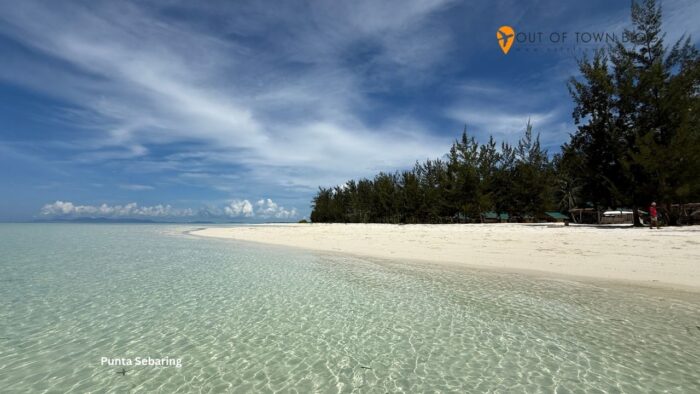
When travelers search “pink beach Balabac” or “Balabac sandbar,” Punta Sebaring often appears. It features a long stretch of powder-white sand and crystal-clear waters comparable to Boracay—but without the crowds.
Punta Sebaring in Balabac, Palawan, is known for its long stretch of powdery white sand. The beach extends for nearly three kilometers, lined with coconut trees and facing clear turquoise waters.
Its shallow shoreline creates beautiful sandbars during low tide, perfect for swimming and beach walks. The atmosphere is peaceful and remote, with very few structures. Punta Sebaring is ideal for camping, watching the sunset, and experiencing raw, untouched island beauty.

3. Camiaran Island
Camiaran Island, often called the “Pink Island” of Balabac, is known for its soft, blush-tinted sand, formed from crushed red-pigmented coral mixed with white sand. Surrounded by clear turquoise waters and vibrant reefs, the island offers excellent snorkeling and a peaceful, untouched atmosphere.
It remains largely undeveloped, with minimal structures and limited shade, giving it a raw, castaway charm. During low tide, wide sandbars emerge, enhancing its pastel glow. Camiaran is typically visited on island-hopping tours and is best enjoyed in calm, sunny weather.
Unlike more visited stops, Camiaran offers a raw, untouched atmosphere with minimal structures and limited facilities. Visitors typically join island-hopping tours, enjoying peaceful beach time, camping setups, and spectacular sunsets over the calm Sulu Sea.
4. Candaraman Island
Popular among those searching for “camping in Balabac.” Known for snorkeling reefs and quiet overnight stays. Candaraman Island in Balabac, southern Palawan, is a long stretch of powdery white sand lined with coconut trees and surrounded by clear turquoise waters. Its wide beachfront offers ample space for tents, privacy, and peaceful sunrise views.
The island is less crowded than other stops, making it ideal for campers seeking tranquility and stargazing at night. Calm, shallow waters make swimming safe and relaxing. With its raw beauty, open shoreline, and simple facilities, Candaraman offers the perfect remote island camping experience.

5. Mansalangan Sandbar
This one-kilometer-long sandbar is one of the longest in the Philippines, standing out alongside the renowned Manjuyod in Negros and the Panampangan islands in Tawi-Tawi. Its sand appears to have a delicate pink hue, a result of red coral sediments scattered across its surface, which becomes especially visible during low tide.
As part of the remote Balabac Island Group, access is typically gained through organized boat tours, often combined with excursions to nearby islands that remain largely pristine.
Hidden Gems
If you’re searching for “underrated islands in Palawan”:

Canimeran Island
Canimeran Island is a peaceful, lesser-visited island in Balabac known for its powdery white sand and clear, shallow waters. Fringed with coconut trees and untouched coastal scenery, it offers a quiet escape away from busier island stops.
The shoreline is ideal for swimming and relaxing, while the surrounding reefs offer good snorkeling. Its raw, unspoiled atmosphere makes it perfect for travelers seeking serenity and natural beauty.

Sicsican Island
Sicsican Island is a secluded island in Balabac known for its long stretch of powdery white sand and calm, crystal-clear waters. Fringed with coconut trees and backed by simple fishing villages, it offers a peaceful, untouched atmosphere. The shallow shoreline is ideal for swimming and relaxing, while its raw, natural beauty makes it a quiet alternative to the more-visited Balabac islands.
Canibungan Island
Canibungan Island in Balabac features powdery white sand and calm, crystal-clear waters ideal for swimming and snorkeling. Visitors can explore vibrant coral reefs, relax under coconut trees, enjoy fresh seafood, and witness stunning sunsets. Its peaceful, uncrowded atmosphere makes it perfect for day trips and island-hopping adventures.
Nasubata Reef
Nasubata Reef in Balabac is a vibrant marine sanctuary known for crystal-clear waters, colorful corals, and abundant reef fish. Visitors can snorkel over thriving coral gardens, spot sea turtles, swim in calm lagoons, and enjoy peaceful boat stops amid untouched tropical seascapes.

Patawan Island
Patawan Island is a quiet, palm-fringed island in Balabac known for powdery white sand and clear turquoise waters. Visitors can swim, snorkel over vibrant reefs, relax under coconut trees, explore nearby sandbars, enjoy fresh seafood, and capture stunning sunrise and sunset views.

Patonggong Island
Patonggong Island in Balabac features powdery white sand, turquoise waters, and swaying coconut trees. Visitors can swim, snorkel vibrant reefs, relax in hammocks, and enjoy fresh seafood. It’s ideal for beach camping, sunset watching, island-hopping adventures, and experiencing serene, untouched tropical island life.
Snorkel at Pulau Bato
If you’re one for adventure and beautiful underwater views, the Nasubata Reef and Sicilian Island are two places where you can go snorkeling and enjoy their rich marine life.
Shop for pasalubong at Marabon
Marabon is a floating village in Balabac. Because of its proximity to Sabah, Malaysia, many products sold here are manufactured there. Instant Mee Goreng? Check! Malaysian Chocolates? Check! Pasalubong for Marites? Check!
Pro Tip #2: Always ask your boatman about tide schedules before planning a Balabac sandbar tour.
Unique Experiences
- Sleeping in floating nipa huts
- Freshly grilled seafood on the beach
- Night sky photography (minimal light pollution)
- Community-based eco tours
Photography Tips & Instagram-Worthy Spots
Balabac is known for powdery white sandbars, crystal-clear waters, and dramatic skies — perfect for tropical photography.
Most Instagram-Worthy Spots
- Onok Island – Iconic sandbar with shallow turquoise lagoons and overwater cottages. Best for drone shots and sunrise reflections.
- Mansalangan Sandbar – A wide sandbar ideal for minimalist shots, sunset silhouettes, and night-sky photography.
- Punta Sebaring – Known for its pinkish sand hue and calm shoreline. Great for soft golden-hour portraits.
- Candaraman Island – Rustic island vibe with coconut trees and raw coastal landscapes.
Photography Tips
1. Shoot During Golden Hour
Sunrise (5:30–6:30 AM) offers calm waters and fewer people. Sunset creates warm tones and dramatic skies.
2. Bring a Drone (Inform your tour guide/operator in advance)
Balabac’s sandbars are best appreciated from above. Always check local regulations and respect privacy.
3. Use Polarizing Filters
Enhances sky contrast and reduces glare from water, resulting in clearer turquoise tones.
4. Protect Your Gear
Bring dry bags and waterproof cases — boat transfers can get splashy.
5. Capture Scale & Simplicity
Wide-angle shots that emphasize empty beaches and tiny human figures highlight Balabac’s untouched beauty.
6. Night Photography
Remote islands mean minimal light pollution — perfect for the Milky Way and long-exposure shots.
Balabac’s charm lies in its raw, untouched landscapes — focus on natural light, clean compositions, and vibrant blues for truly stunning photos.
Best sunrise shots: Punta Sebaring
Best lagoon shots: Onok Island
Best sunset hues: Camiaran Island
Bring ND filters for harsh midday light.
4. Accommodation Recommendations
When travelers search “Where to stay in Balabac,” options are rustic but memorable.
Budget ($50–100)
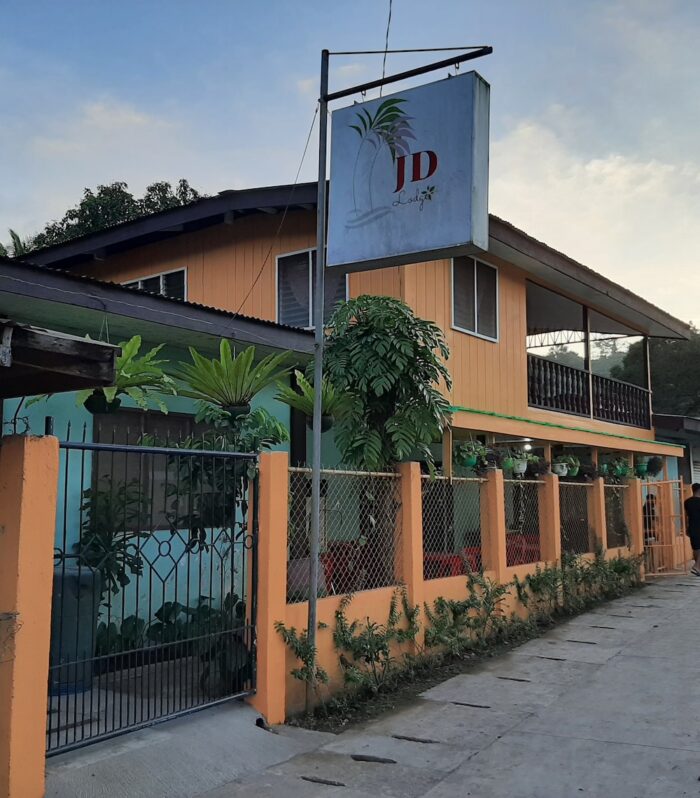
JD Lodge (Balabac mainland)
JD Lodging offers two lodging options. You may choose their basic fan room or upgrade to an air-conditioned room for 1,000 PHP.
Contact info: 0917 596 1991
Villa Camao (Patawan Island)
Beachfront bamboo huts, shared bathrooms, incredible sunrise views.
Mid-Range ($100–250)
Onok Island Cottages
Floating wooden huts over shallow turquoise water. Full-board meals included. Electricity is limited to evenings.

Tatak Balabac Beach Camp
Tatak Balabac Beach Camp is a laid-back beachfront property located in Barangay Bancalaan, Balabac, Palawan, set along a stretch of fine white sand facing clear turquoise waters. Its location offers peaceful surroundings and direct beach access, ideal for swimming and watching sunsets. The camp provides native-style cottages, fan rooms, and tent spaces for budget travelers and campers.
Amenities include a beachfront dining area, common lounge spaces, basic Wi-Fi, shared bathrooms, and organized island-hopping tours. Guests can also arrange boat transfers and local activities, making it a convenient and comfortable base for exploring Balabac’s remote islands.
Alternative Stays
- Tent camping ($10–20)
- Homestays in fishing communities
Pro Tip #3: Electricity often runs only from 6 PM to midnight. Bring power banks.
5. Food & Dining Guide
When travelers search “Balabac food” or “Balabac seafood,” expect simplicity and freshness.
Must-Try Dishes

Grilled Lapu-Lapu
Freshly caught grouper grilled over charcoal, served with soy-calamansi dipping sauce.

Kinilaw
Filipino ceviche is made with raw fish cured in a mixture of vinegar, ginger, onions, and chili.

Adobong Pusit
Squid braised in soy sauce and vinegar, rich and savory.

Sea Urchin
Creamy and briny, eaten fresh from the shell.
Meals typically cost $5–10.
Street food is minimal but safe when freshly cooked.
Vegetarians should inform hosts in advance.
6. Local Culture & Etiquette
Balabac is home to a mix of cultures, including Muslim and Christian communities, as well as the indigenous Molbog people. Life here is simple, community-oriented, and deeply connected to the sea.
Respect Local Traditions
- Dress modestly, especially in villages (avoid very revealing swimwear outside resort areas).
- Ask permission before taking photos of locals, homes, or boats.
- Be mindful when visiting predominantly Muslim communities — avoid public drinking and loud behavior.
Practice Environmental Respect
- Do not litter; bring reusable water bottles and eco-bags.
- Avoid stepping on corals or disturbing marine life.
- Follow Leave No Trace principles, especially when camping.
Social Etiquette
- Greet locals politely; a smile goes a long way.
- Use respectful language such as “po” and “opo” when speaking Filipino.
- Support local livelihoods by buying local products or hiring community guides.
Balabac remains relatively untouched and remote, so respectful, responsible tourism helps preserve both its culture and natural beauty.
Tipping boat crews $5–10 is appreciated.
Pro Tip #4: Buy supplies locally when possible to support community livelihoods.
7. Practical Tips & Safety
If you’re searching “Is Balabac safe?” — yes, generally very safe.
Health Tips:
- Bring reef-safe sunscreen
- Carry medications
- Stay hydrated
Pack:
- Dry bags
- Cash
- Power bank
Wi-fi and Internet access
You can bring your own mobile Wi-Fi to Balabac for internet access. Buy a SIM at the airport ($5–10). Expect limited coverage. However, the internet connection in Balabac is intermittent, so maintaining a reliable connection will be difficult most of the time. Call and text functions are also available, but most islands in Balabac don’t always have reliable signal.
Emergency number: 911
8. Souvenir Shopping
Popular souvenirs:
- Dried fish
- Seaweed snacks
- Handwoven mats
Best bought in the Balabac town market.
No formal night markets are available.

9. Suggested Itineraries
Sample Balabac Travel Itinerary and Trip Budget
To help you organize your trip, we created a sample Balabac Itinerary and travel budget:
5-day Balabac itinerary
Day 1
- 8am — Arrival at Puerto Princesa Airport
- Transfer from Puerto Princesa Airport to San Jose Terminal via tricycle
- Bus / Van Ride from San Jose Terminal to Rio Tuba
- Arrival in Rio Tuba and Hotel Check-in
- Overnight in Rio Tuba
Day 2
- 7am — Tricycle to Rio Tuba pier
- Balabac island hopping
- (Tour B) Visit Patawan Island, Mansalangan Island, and Punta Sebaring Beach on Bugsuk Island.
- You can also visit Patongong Island and Anjela Sandbar
- Back to the hotel
Day 3
- 7am — Balabac island-hopping the Second Day
- (Tour A) Canabungan Island, Sicsican Island (Snorkeling site, Candaramann Island, and Sandbar.
- You can also visit Secam Island and Camiaran Pink Sand Island
Day 4
- 7am — Balabac Island land tour on the third day
- (Tour C) Melville Lighthouse, Nasubata Reef / Pulau Bato, and Pink Island.
- Onuk Island, a.k.a Roughton Island
- Arrival in Poblacion, Balabac Island
- Check in at Balacac accommodation
- Rest in Poblacion, Balabac, Palawan
Day 5
- Travel Back to Puerto Princesa
Balabac Budget and Expenses Breakdown
- Puerto Princesa Airport to San Jose Terminal tricycle — PHP100
- Puerto Princesa to Rio Tuba Fare per person – PHP450
- The boat ride from Balabac to Rio Tuba (One Way)- PHP350
Money-saving tips for your Balabac trip
Here are some money-saving tips for your trip to Balabac, Palawan:
-
Plan a DIY Itinerary: Instead of booking expensive tour packages, consider planning your own itinerary. Research the best places to visit and create a schedule that lets you explore independently.
-
Bring Cash: There are no ATMs in Balabac, so it’s essential to bring enough cash for your entire trip. This will help you avoid unexpected expenses that arise from needing to keep cash on hand. It will cost you more if you ask friends or relatives to send you money via Western Union and other money remittance companies.
-
Stay in Budget Accommodations: Look for affordable lodging options, such as guesthouses or homestays, which offer a more authentic experience at a lower cost than hotels.
-
Eat Local: Dining at local eateries or sampling street food can significantly reduce your meal costs while letting you enjoy authentic Filipino cuisine.
-
Group Activities: If traveling with friends or family, consider splitting costs for activities like island hopping or boat rentals, which are often more cost-effective when shared.
-
Pack Essentials: Bring your own snorkeling gear, water bottles, and other essentials to avoid rental fees and ensure you have everything you need for your adventures.
-
Travel Off-Peak: If possible, plan your visit during the shoulder season (late May to early November), when accommodation and activity prices may be lower than during peak season.
By following these tips, you can enjoy the beauty of Balabac while keeping your expenses in check.
Balabac Travel Tips
Here are some essential travel tips for visiting Balabac, Palawan:
- Book in Advance: Due to its remote location, it’s advisable to book your accommodations and tour packages in advance. This ensures availability and often better rates.
- Pack Wisely: Bring essentials such as insect repellent, sunscreen, power banks, and extra batteries for your devices. The area has limited access to stores, so it’s best to be prepared.
- Travel Light: Since you will likely be moving between islands, packing light will make your travels easier. A small backpack with daily essentials is ideal.
- Stay Hydrated: Bring enough water, as water quality in some areas may be unreliable. It’s best to carry large bottles of mineral water to stay hydrated during your adventures.
- Respect Local Customs: Be mindful of local traditions and practices. Engaging respectfully with the local community enhances your experience and fosters goodwill.
- Plan for Connectivity: Mobile signal and internet access can be limited in Balabac. Inform family or friends of your travel plans, and consider downloading maps or other important information in advance.
- Allocate Enough Time: Given the travel time to reach Balabac and the limited transport options, it’s best to set aside at least 5 days to fully explore and enjoy the islands without feeling rushed.
By keeping these tips in mind, you can ensure a smoother and more enjoyable trip to Balabac.
Off-the-Beaten-Path Route
Day 1
Camping at Candaraman.
Day 2
Snorkeling Canimeran + village immersion.
Day 3
Mangrove kayaking + sandbar photography.
Pro Tip #5: Practice Leave No Trace. Balabac remains pristine because tourism is still limited.
Final Thoughts: Is Balabac Worth Visiting?
If you’re searching “Is Balabac worth visiting?” the answer is simple: absolutely—if you value raw beauty over convenience.
Balabac is not polished. It is not easy. But it is breathtaking.
For travelers seeking unspoiled beaches, meaningful local interactions, and some of the most photogenic sandbars in Southeast Asia, Balabac, Palawan, Philippines, offers an unforgettable experience.
Plan carefully. Travel responsibly. Respect local culture. Support community-based tourism. And most importantly—allow yourself to disconnect.
In Balabac, the greatest luxury isn’t five-star service. It’s silence, sea, and sky stretching endlessly before you.
Frequently Asked Questions About Balabac Travel Guide
Is Balabac worth visiting?
Yes, Balabac is worth considering if you enjoy remote island destinations, long journeys, island hopping, and beaches with minimal development. The area is known for white-sand beaches, turquoise waters, sandbars, reefs, and islands such as Onok, Punta Sebaring, Candaraman, and Camiaran. The experience is very different from more developed destinations such as El Nido and Coron. Balabac requires patience and flexibility because transportation, weather, tides, electricity, mobile signal, and accommodation can be basic or unpredictable.
How do I get to Balabac from Manila?
The usual route is to fly from Manila to Puerto Princesa International Airport. From Puerto Princesa, travelers continue south by land to the Balabac jump-off point, commonly known as Buliluyan Port in Bataraza. The land journey can take around five to six hours, followed by a boat transfer to the islands. Because many tours leave very early in the morning, it is practical to arrive in Puerto Princesa a day before your Balabac trip.
Can I travel to Balabac DIY?
You can arrange parts of the trip independently, but Balabac is more complicated to DIY than destinations with regular ferry schedules and established tourism infrastructure. Land transportation and passenger boats can have limited or changing schedules, while island hopping usually requires a boat and local coordination. First-time visitors may find an organized tour more practical because transportation, accommodation, meals, boat transfers, and some fees can be bundled together.
How many days should I spend in Balabac?
Plan for at least three days in Balabac, though four to five days gives you more breathing room. A 3D2N trip can cover several major island-hopping stops, but remember that reaching Balabac already involves several hours of land and sea travel. A longer itinerary gives you more flexibility if weather or sea conditions affect your schedule. It also reduces the feeling that you are spending most of the trip traveling to and from the destination.
What is a good Balabac itinerary for first-time visitors?
A typical first-time itinerary can start with an overnight stay in Puerto Princesa, followed by an early transfer south. The following days can focus on island hopping, beaches, sandbars, snorkeling, and other marine attractions. Depending on the route and current sea conditions, popular stops may include Onok Island, Punta Sebaring, Candaraman Island, Camiaran Island, Nasubata Reef, and other smaller islands and sandbars. Your actual itinerary should depend on the route offered by your chosen operator because weather, tides, and local conditions can affect which islands are accessible.
How much does a Balabac trip cost?
Your total budget depends on airfare, tour package, accommodation, food, transportation, and activities. Organized packages can vary considerably depending on the itinerary and whether attractions such as Onok Island are included. A reasonable budget for a budget-conscious traveler is around PHP 13,000 to PHP 16,000, excluding personal expenses and airfare variations. Prices can change, so always ask your chosen tour operator for a complete breakdown before booking.
What is the cheapest way to travel to Balabac?
The cheapest approach generally involves sharing transportation and joining a group tour rather than hiring a private boat. You can also reduce expenses by finding affordable airfare to Puerto Princesa, sharing rooms or camping, bringing your own snacks, and traveling with friends to split transportation costs. However, extremely low tour prices deserve careful checking. Make sure you know exactly what the package includes, particularly transportation, meals, accommodation, entrance fees, environmental fees, and boat transfers.
When is the best time to visit Balabac?
The generally preferred period for visiting Balabac is during the drier months, particularly from December through May, with February to May often considered favorable for island-hopping conditions. The wet season can bring heavier rain, stronger winds, and rougher seas. Weather remains unpredictable even during the dry season, so travelers should avoid assuming any month guarantees perfect conditions. Boat trips can be delayed, or routes changed when sea conditions become unsafe.
What are the best places to visit in Balabac?
Balabac has numerous islands, beaches, reefs, and sandbars, and the exact stops depend on your tour route. Onok Island is among the most recognizable destinations in the area. Other frequently visited places include Punta Sebaring, Candaraman Island, Camiaran Island, Nasubata Reef, Canimeran, Mansalangan, and various sandbars. Some islands are more dependent on tides and weather than others, so your actual itinerary may differ from what appears in travel photos.
Is Balabac suitable for families?
Balabac can be suitable for adventurous families, but parents should understand that the destination involves long road transfers, boat rides, basic facilities, and potentially unpredictable weather. It may not be ideal for very young children, elderly travelers, or anyone who needs easy access to medical facilities and modern conveniences. Families who decide to go should choose an experienced operator, confirm accommodation arrangements, and discuss the itinerary’s physical demands before booking.
Is Balabac suitable for senior travelers?
It depends on the traveler’s mobility, health needs, and tolerance for long transfers. Balabac involves several hours of land travel and boat transportation, and some island accommodations are basic. There may also be limited medical facilities and inconsistent mobile connectivity. Senior travelers should discuss the itinerary with their doctor when appropriate, choose a reputable tour operator, and confirm the exact transportation and accommodation arrangements before committing to the trip.
Are there ATMs in Balabac?
Travelers should not rely on ATMs in the islands. Bring enough Philippine pesos before leaving Puerto Princesa, including an emergency reserve. Cash may be needed for tips, drinks, snacks, souvenirs, additional transportation, and other unexpected expenses. Having sufficient cash is one of the most important practical preparations for a Balabac trip.
Is there mobile signal and Wi-Fi in Balabac?
Connectivity can be limited and inconsistent, particularly on remote islands. Some areas may have intermittent mobile service, and Wi-Fi should not be considered guaranteed. Download your important travel documents, maps, booking information, entertainment, and other files before leaving Puerto Princesa. Inform family or colleagues that connectivity may be unavailable for extended periods.
What should I pack for a Balabac trip?
Pack light but prepare for basic island conditions. Bring quick-drying clothes, swimwear, reef-friendly sunscreen, a hat, sunglasses, waterproof bags, power banks, personal medicines, toiletries, insect repellent, a reusable water bottle, and enough cash. A dry bag is particularly useful for protecting phones, cameras, passports, and other electronics during boat transfers. Bring a flashlight or headlamp if your accommodation involves camping or limited nighttime lighting.
Is there electricity in Balabac?
Electricity availability depends on where you stay. Some remote island accommodations operate with limited electricity or generator power rather than the 24-hour electricity you would expect from a conventional hotel. This means charging your devices whenever electricity is available is important. Bring power banks and don’t assume you will have unlimited access to electrical outlets throughout the trip.
What are the accommodations like in Balabac?
Accommodation ranges from basic homestays and island camps to more comfortable options on the mainland. Travelers should adjust their expectations before booking. Remote island stays may involve simple rooms, tents, shared bathrooms, limited electricity, and minimal amenities. The attraction is the location and access to the islands rather than hotel-style luxury. If comfort is important to you, carefully check the exact accommodation included in your tour package before paying.
Is Balabac safe for tourists?
Balabac requires more preparation than mainstream Philippine beach destinations because of its remote location and dependence on sea travel. Choose an experienced and reputable tour operator, follow your boat crew’s instructions, monitor weather conditions, and avoid swimming in areas designated as unsafe. Travelers should also respect local communities and marine environments. Because medical facilities can be limited, bring essential medicines and appropriate travel insurance.
What should I know about responsible tourism in Balabac?
Responsible travel is especially important because Balabac’s natural attractions remain relatively undeveloped. Do not leave plastic, food packaging, cigarette butts, or other waste on beaches and islands. Avoid touching or chasing marine animals, including sea turtles and other wildlife. Do not take shells, corals, or other natural materials as souvenirs. Follow local rules, respect fishing communities, ask permission before photographing people, and support local guides and businesses whenever possible.
Can I see sea turtles in Balabac?
Sea turtles are among the marine wildlife travelers may encounter around Balabac. Sightings depend on the location, season, weather, and luck. If you encounter a turtle while snorkeling, maintain a respectful distance and never chase, touch, feed, or block its movement. Responsible wildlife encounters help protect the animals and allow future visitors to experience them in their natural environment.
Is Balabac better than El Nido or Coron?
Balabac offers a different travel experience rather than simply being an alternative version of El Nido or Coron. El Nido and Coron have more established tourism infrastructure, accommodation choices, restaurants, transportation options, and activities. Balabac is considerably more remote and basic, with longer transfers and fewer conveniences. Travelers who prioritize accessibility and comfort may prefer a more developed destination, while those seeking remote islands and a more rugged adventure may find Balabac particularly appealing.
What are the biggest challenges when traveling to Balabac?
The biggest challenges are transportation, weather, sea conditions, limited connectivity, basic facilities, and the amount of travel required to reach the islands. Schedules can change, boats can be delayed, and itineraries may need to be adjusted due to weather or tides. The best approach is to build flexibility into your schedule and avoid planning an important flight or commitment immediately after your Balabac tour.
Is Balabac suitable for luxury travelers?
Balabac is better suited to travelers who prioritize scenery and adventure over conventional luxury. Remote island stays can be basic, with limited modern conveniences. Travelers accustomed to luxury resorts should set realistic expectations about accommodation, connectivity, dining, electricity, and transportation. You can combine Balabac with more comfortable hotels in Puerto Princesa before or after the trip, giving you a balance between adventure and comfort.
What should I know before booking a Balabac tour?
Before paying a deposit, ask for a detailed itinerary and confirm what the package includes. Check the transportation from Puerto Princesa, port transfers, boat arrangements, accommodation, meals, entrance fees, environmental fees, snorkeling equipment, and any additional charges. Ask about cancellation policies and what happens if weather conditions prevent the boat from sailing. Also confirm whether major attractions such as Onok Island are included or require an additional fee. Clear answers before departure can prevent unexpected expenses and misunderstandings during the trip.
Balabac Palawan Travel and Tour Packages
Follow and subscribe to OutofTownBlog.com on Facebook, Twitter, Instagram, Pinterest, and YouTube for more Travel-related updates.
Also Read:
- The 27 Prettiest Islands in the Philippines for Every Type of Traveler
- Baguio City Travel Guide: Travel Requirements, Things to do, and More
- Top 15 Best Things to do in Rio de Janeiro, Brazil
- DIY Trips: A guide to building your ultimate holiday
- BANTAYAN ISLAND TRAVEL GUIDE: Best Time to Visit, Budget, Food & Tips


