

 Team Out of Town
15 Unforgettable Things to Do in Lijiang, China: Ancient Towns, Snow Mountains, and Naxi Culture
Lijiang is one of those destinations where history, high-altitude landscapes, living culture, and old-world charm come together naturally. Set in northwestern Yunnan at around 2,400 meters above sea level, the city is best known for its beautifully preserved Old Town, Naxi heritage, snow-capped mountains, ancient waterways, and access to some of southwestern China’s most spectacular outdoor destinations.

Best Things to do in Lijiang
For travelers who love World Heritage sites, Lijiang is particularly rewarding. The Old Town of Lijiang was inscribed on the UNESCO World Heritage List in 1997. The historic property includes Dayan Old Town, Black Dragon Pool, Baisha, and Shuhe, reflecting distinctive architecture, an ingenious water system, cultural exchanges among Naxi, Han, Tibetan, and Bai communities, and a remarkable relationship between mountains, water, and settlement.
But there is much more to discover beyond the famous cobbled streets. From climbing Jade Dragon Snow Mountain and visiting traditional Naxi villages to hiking Tiger Leaping Gorge and relaxing by Lashi Lake, Lijiang offers plenty of experiences for several days of exploration.
Here are 15 of the best things to do and places to visit in Lijiang, China.
1. Wander Through Lijiang Old Town
Location: Gucheng District, Lijiang, Yunnan
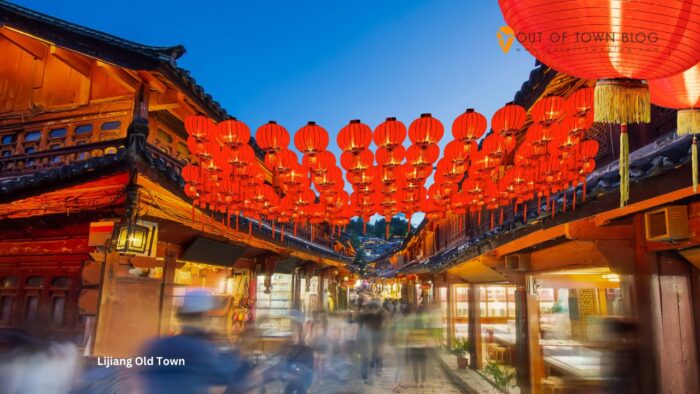
Walking through Lijiang Old Town, also known as Dayan Old Town, should be the first experience on any Lijiang itinerary. This is the historic heart of the city and one of China’s most atmospheric ancient urban districts. Rather than following a rigid grid, its narrow stone lanes and traditional timber buildings adapt to the landscape’s natural slope. Small canals and waterways run through the neighborhood, crossing beneath stone bridges and beside old residences, shops, cafés, teahouses, and restaurants.
The Old Town’s importance goes far beyond its picturesque appearance. It represents centuries of interaction between the Naxi and other communities that traveled through the region. Its ancient water-supply system remains one of its most remarkable features, with mountain springs feeding waterways that once—and in many areas still—serve the historic settlement.
Spend time away from the busiest commercial streets and explore quieter lanes where carved wooden doors, courtyard homes, stone pathways, and flowing water reveal a more traditional side of Lijiang. Visit Sifang Street, wander along the canals, browse local handicrafts, and return after sunset when lanterns illuminate the old buildings.
Why it is one of the best: Lijiang Old Town combines history, architecture, scenery, culture, food, and everyday life in one walkable destination. For travelers who love World Heritage sites, it provides a rare opportunity to experience a historic urban landscape that remains a living community.
2. Admire the Scenery at Black Dragon Pool
Location: Northern edge of Lijiang Old Town
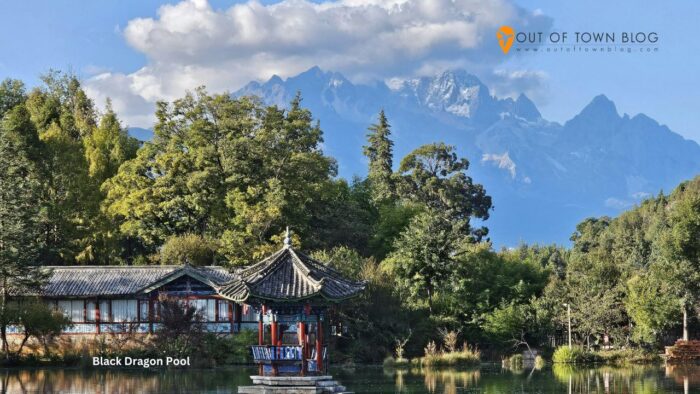
Black Dragon Pool, or Heilongtan, is one of Lijiang’s most photogenic locations and an excellent place to slow down after exploring the busy Old Town. The park lies at the northern edge of Dayan and forms an important part of the historic World Heritage landscape of Lijiang.
The highlight is the view across the tranquil water toward Jade Dragon Snow Mountain. On clear, calm mornings, the mountain can appear dramatically reflected in the pool, framed by traditional pavilions, bridges, trees, and temple architecture. The combination of snow-covered peaks and classical Chinese landscaping makes this one of the most memorable photographic scenes in Yunnan.
The park is also culturally important because its water is connected to Lijiang’s historic canal network. Springs and rivers originating from the surrounding mountains have long played an important role in supplying water to the historic settlement.
Allow at least two hours to explore the grounds rather than simply stopping for photographs. Visit early in the morning for softer light and better chances of seeing the mountain reflected in the water. The nearby cultural displays can also provide useful background on Naxi traditions.
Why it is one of the best: Black Dragon Pool connects Lijiang’s natural landscape, traditional architecture, water-management heritage, and Naxi culture in a single setting.
3. Explore Shuhe Ancient Town
Location: About 4 kilometers northwest of Dayan Old Town
Shuhe Ancient Town is another essential stop for travelers interested in Lijiang’s World Heritage landscape. It is one of the historic settlements in Lijiang’s Old Town and offers a more relaxed alternative to the busier streets of Dayan.
Compared with central Lijiang Old Town, Shuhe generally feels more spacious and peaceful. Its traditional buildings, waterways, stone bridges, courtyards, and mountain surroundings offer a slower-paced introduction to the region’s historic settlement patterns. Shuhe was historically connected to the Tea Horse Road, the network of routes that linked Yunnan with Tibet and other parts of China.
One of the best ways to experience Shuhe is simply to walk without a strict schedule. Explore Sifang Street, cross Qinglong Bridge, follow the waterways, browse small craft shops, and stop at a café or teahouse. The town becomes especially atmospheric in the late afternoon when the light softens across the old rooftops.
Travelers who appreciate cultural landscapes should pay attention to the relationship between architecture and water. Houses, lanes, bridges, and waterways were developed around the natural environment and the community’s practical needs.
Why it is one of the best: Shuhe provides a more intimate way to experience Lijiang’s World Heritage story and offers a quieter complement to Dayan Old Town.
4. Visit Baisha Village and Discover Traditional Naxi Heritage
Location: About 8 kilometers north of Dayan Old Town
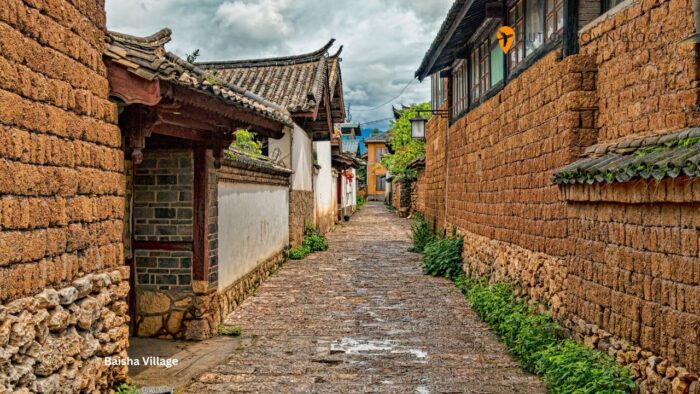
Baisha is one of the most rewarding destinations around Lijiang for travelers who want to see a more traditional side of Naxi culture. Like Dayan and Shuhe, Baisha forms part of the historic World Heritage landscape of Lijiang.
The village is particularly important for its historic murals. Its religious buildings contain remarkable artwork dating back centuries, with imagery reflecting Buddhism, Taoism, and aspects of Naxi life while also incorporating influences from neighboring cultures. These murals provide an extraordinary glimpse into the religious and artistic exchanges that shaped the region.
Walk around the traditional streets, visit historic buildings, explore local handicraft workshops, and take time to appreciate the village’s relationship with the surrounding mountains. Baisha also provides excellent views toward Jade Dragon Snow Mountain, making it a particularly attractive destination for photographers.
Unlike some heavily commercialized heritage destinations, Baisha can feel more rural and understated. That makes it worthwhile for travelers who prefer cultural encounters over simply checking off famous attractions.
Spend several hours here rather than treating Baisha as a quick photo stop. Visit early, when the village is quieter, and consider combining the trip with a visit to nearby Yuhu Village or other northern Lijiang attractions.
Why it is one of the best: Baisha combines ancient architecture, religious art, Naxi history, mountain scenery, and a slower village atmosphere within Lijiang’s remarkable heritage landscape.
5. Experience the Majesty of Jade Dragon Snow Mountain

Location: Yulong Naxi Autonomous County, north of Lijiang
Jade Dragon Snow Mountain, or Yulong Xueshan, is the dramatic natural landmark that dominates Lijiang’s northern horizon. The mountain is composed of a series of peaks, with the highest summit rising above 5,500 meters. Its snow-covered ridges provide the spectacular backdrop seen from Lijiang Old Town and Black Dragon Pool.
A visit to the mountain can include several different experiences depending on the weather, altitude, fitness level, and which areas are accessible during your trip. Cable cars provide access to higher viewpoints, while lower areas offer alpine scenery, forests, meadows, waterfalls, and extraordinary mountain vistas.
Because the mountain environment is at high altitude, travelers should take the elevation seriously and avoid rushing. Give yourself time to acclimatize before heading to the highest accessible areas. Dress in layers, protect yourself from strong ultraviolet radiation, and bring water.
Weather is another important consideration. Clouds can move quickly around the peaks, potentially obscuring views. Starting early generally gives you a better chance of enjoying clear conditions.
The mountain is also culturally important to the Naxi people, making it more than a scenic attraction. Its presence shapes the landscape, water systems, agricultural areas, villages, and visual identity of Lijiang.
Why it is one of the best: Jade Dragon Snow Mountain delivers the quintessential Lijiang landscape, combining dramatic alpine scenery with the cultural and environmental setting that defines the region.
6. See Blue Moon Valley and Its Turquoise Waters
Location: Scenic area at the foot of Jade Dragon Snow Mountain
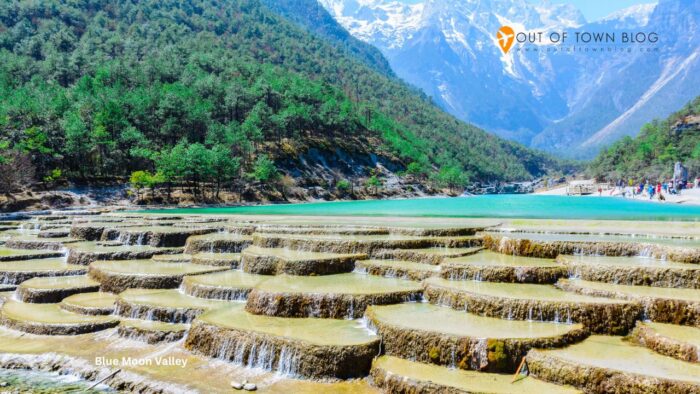
Blue Moon Valley is one of the most beautiful places to visit as part of a Jade Dragon Snow Mountain excursion. The valley is known for strikingly blue-green water, pale limestone formations, waterfalls, wooded slopes, and towering mountain scenery. When conditions are favorable, the contrast between turquoise pools and snow-covered peaks is extraordinary.
The valley is often visited alongside the mountain’s cable car areas, making it an efficient addition to a full-day excursion from Lijiang. Several viewing areas allow visitors to admire the water from different perspectives. The color of the pools can vary depending on sunlight, weather, water conditions, and mineral content, so do not expect the exact same shade every day.
Blue Moon Valley is particularly attractive to photographers. Rather than rushing from viewpoint to viewpoint, spend time walking along the designated paths and observing the changing relationship between water, forest, rock, and mountain.
Because the area is at elevation, travelers should move slowly and stay hydrated. Comfortable shoes are also useful, especially if you plan to explore beyond the main viewpoints.
Consider visiting on the same day as Jade Dragon Snow Mountain, but allow enough time for both attractions instead of trying to see everything in a hurry.
Why it is one of the best: Blue Moon Valley provides some of the most dramatic scenery near Lijiang and is an accessible way to experience the region’s alpine environment without undertaking a demanding mountain trek.
7. Learn About Naxi Culture and Dongba Traditions
Location: Lijiang Old Town and cultural institutions around the city
Lijiang is not simply an ancient town preserved for tourism. It is also an important center of Naxi culture, and learning about the Naxi people can transform the way you experience the city’s architecture, festivals, religious traditions, music, art, writing, and cuisine.
One particularly fascinating aspect is Dongba culture. The Dongba tradition is associated with the Naxi people and includes religious practices, rituals, manuscripts, art, music, and a distinctive pictographic writing system. Dongba manuscripts and characters provide valuable insight into the worldview and spiritual traditions of the Naxi community.
A good starting point is the cultural and museum displays around Black Dragon Pool and Lijiang. Visitors can encounter traditional manuscripts, artifacts, explanations of Naxi beliefs, and examples of Dongba characters. The experience becomes even more meaningful if combined with visits to Baisha, Shuhe, and the Old Town, where the culture can be understood within its historic landscape.
When attending performances or cultural demonstrations, choose reputable programs that clearly explain the traditions being presented rather than treating local culture simply as entertainment.
Try to learn a few basic facts about Naxi history before visiting cultural sites. This will help you recognize details in architecture, symbols, rituals, and artwork that might otherwise go unnoticed.
Why it is one of the best: Understanding Naxi and Dongba traditions adds depth to every other Lijiang experience and helps travelers appreciate the living cultural heritage behind the city’s World Heritage status.
8. Explore Mu’s Residence, the Historic Palace of Lijiang
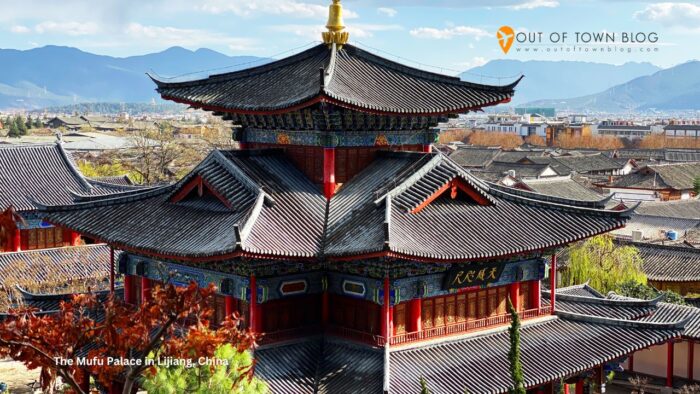
Location: Dayan Old Town
Mu’s Residence, also known as Mufu Palace, is one of the most important historic attractions in Lijiang Old Town. It was associated with the Mu family, which played a major political role in the history of Lijiang and the Naxi region.
The complex is notable for its courtyards, halls, gardens, gates, timber architecture, decorative details, and elevated position overlooking parts of the Old Town. Its architecture reflects the cultural exchange that shaped Lijiang over centuries rather than belonging to a single architectural tradition.
Walking through the complex gives visitors a useful historical counterpoint to the commercial streets outside. Instead of focusing only on shops and restaurants, travelers can see how political authority, religion, architecture, and landscape were connected in historic Lijiang.
Give yourself time to look closely at carved wooden details and courtyard layouts. From higher points within the complex, there are also opportunities to appreciate the density of the Old Town’s traditional rooftops.
For heritage enthusiasts, Mu’s Residence is particularly valuable when paired with a walk through Dayan. Seeing the palace and ordinary residential streets together helps explain the social hierarchy and urban development of historic Lijiang.
Why it is one of the best: Mu’s Residence enriches the Old Town experience with political and architectural history and is one of the city’s most significant historic complexes.
9. Climb Lion Hill and See Lijiang from Above
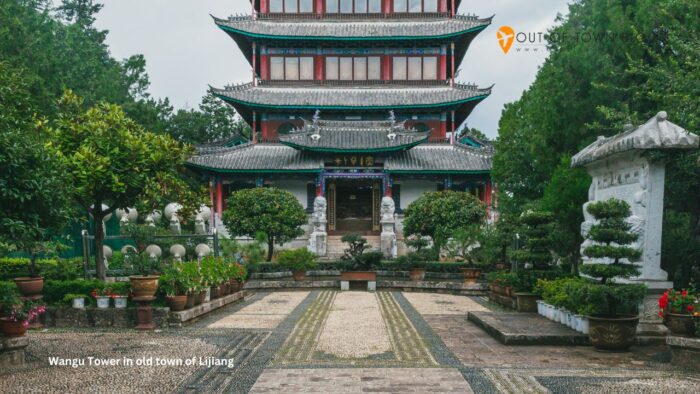
Location: Western side of Dayan Old Town
For one of the best panoramic views of Lijiang, make your way to Lion Hill and its famous Wangu Pavilion. The elevated viewpoint looks across the tiled rooftops of Dayan Old Town toward the mountains beyond.
The climb is worth doing because Lijiang’s historic character becomes easier to understand from above. From street level, the Old Town can seem like an endless network of lanes and buildings. From Lion Hill, you can see how the settlement spreads across the terrain and how the surrounding mountains frame the city.
Wangu Pavilion is a traditional-style tower and an important visual landmark. It is especially attractive around sunrise, late afternoon, or sunset when the rooftops are illuminated by softer light. Jade Dragon Snow Mountain may also appear in the distance when visibility is good.
Wear comfortable shoes because the route involves steps and uneven surfaces. If you have limited mobility, allow extra time and consider whether the climb is appropriate for your fitness level.
Photographers should bring a wide-angle lens if possible. The viewpoint is particularly good for capturing the traditional roofscape of the Old Town against the mountains.
Why it is one of the best: Lion Hill offers a completely different perspective on the historic Old Town and is ideal for travelers who want panoramic views rather than another street-level walk.
10. Spend Time at Lashihai Wetland

Location: Yulong Naxi Autonomous County, southwest of central Lijiang
Lashihai, also known as Lashi Lake, provides a welcome change from Lijiang’s historic streets and mountain viewpoints. The wetland and lake area is surrounded by mountains and rural landscapes and is particularly attractive for birdwatching, photography, horseback riding, cycling, and nature-focused excursions.
The landscape changes dramatically with the seasons. During wetter periods, the lake and surrounding wetlands can become particularly scenic, while winter brings migratory birds to the area. Visitors interested in nature should consider joining a responsible local excursion focused on observing wildlife without disturbing it.
Horseback riding is a popular activity around Lashihai, partly because the region’s history is closely connected to the Tea Horse Road. However, travelers should inspect riding operators carefully and choose those that demonstrate appropriate animal welfare practices.
A trip to Lashihai can also be combined with visits to nearby villages and rural communities. This makes it a useful way to see a side of Lijiang that is quite different from the busy Old Town.
Nature lovers should bring binoculars if birdwatching is a priority, while photographers will benefit from visiting during the early morning or late afternoon.
Why it is one of the best: Lashihai combines wetlands, mountain scenery, rural life, and outdoor activities, making it one of Lijiang’s best choices for travelers seeking nature and a slower pace.
11. Visit Yuhu Village for Mountain Views and Village Life
Location: Yulong Naxi Autonomous County, north of Lijiang
Yuhu Village is a beautiful rural destination at the foot of Jade Dragon Snow Mountain. Compared with the polished streets of central Lijiang, the village provides a more intimate experience of traditional settlement, mountain scenery, and Naxi cultural landscapes.
The village is known for its stone houses, narrow lanes, open spaces, and dramatic views toward Jade Dragon Snow Mountain. Walking through the settlement is one of the simplest ways to slow down and observe how communities in the Lijiang region have traditionally adapted to their environment.
Yuhu is also associated with the American-born explorer and writer Joseph Rock, who lived and worked in the Lijiang region during the early 20th century. His work helped introduce Western audiences to Naxi culture, local plants, landscapes, and traditions.
The best way to experience Yuhu is without rushing. Walk through the village, photograph the mountain backdrop, visit local cultural sites where available, and consider stopping for tea or a meal. Respect residential areas and avoid treating private homes as tourist attractions.
The village is particularly rewarding on a clear day, when Jade Dragon Snow Mountain dominates the horizon. It can also be combined with Baisha for a full day exploring the northern side of Lijiang.
Why it is one of the best: Yuhu offers a more peaceful rural experience while placing travelers close to the immense presence of Jade Dragon Snow Mountain.
12. Hike Tiger Leaping Gorge
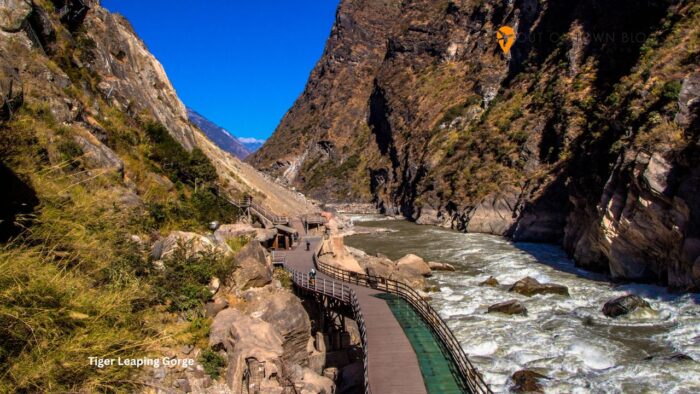
Location: Between Lijiang and Shangri-La, Yunnan
Tiger Leaping Gorge is one of the most spectacular outdoor destinations accessible from Lijiang and a must-consider experience for travelers who enjoy hiking. The gorge cuts dramatically through the mountains along the Jinsha River, with enormous cliffs rising above turbulent water.
The hiking experience is completely different from sightseeing in Lijiang Old Town. Trails pass through mountainous terrain, villages, and forests, with steep sections and sweeping views into the gorge. The destination has become one of China’s best-known trekking areas, and it can be visited on a day trip or explored in more depth on the surrounding trails.
Fitness and weather matter. Some sections are steep and exposed, so proper footwear, water, sun protection, and adequate preparation are essential. Conditions can change quickly, and travelers should check current trail and transport conditions before setting out.
Tiger Leaping Gorge is often included in a broader Yunnan itinerary linking Lijiang and Shangri-La. Even travelers who are not serious hikers can visit selected viewpoints, but those wanting the full trekking experience should allow considerably more time.
For hikers, the Upper Gorge area is generally known for some of the most dramatic scenery, while other sections offer different perspectives on the river and mountains.
Why it is one of the best: The gorge offers an unforgettable combination of dramatic geology, river scenery, mountain villages, and physical adventure. It is one of the strongest choices for travelers wanting to go beyond Lijiang’s historic core.
13. Watch a Naxi Music or Cultural Performance
Location: Lijiang Old Town and cultural venues around Lijiang
Music is an important part of understanding Lijiang’s cultural identity, and attending a traditional Naxi music performance can be a rewarding evening activity after a day of sightseeing.
Naxi music is associated with an ancient musical tradition that incorporates instruments, melodies, and performance practices passed through generations. Some performances emphasize traditional instrumental music, while others combine music, dance, costumes, storytelling, or theatrical elements.
When choosing a performance, travelers should look for programs that provide meaningful cultural context. Ask about the performers, the instruments being used, and the history of the repertoire. This turns an evening show into a cultural learning experience rather than simply another tourist attraction.
The Old Town provides an atmospheric setting for evening entertainment, with traditional buildings and waterways illuminated after dark. However, remember that Lijiang is also a residential community. Travelers staying in or near historic neighborhoods should be mindful of noise, especially late at night.
Consider pairing a cultural performance with dinner featuring Yunnan or Naxi specialties. This creates a more complete evening centered on local culture.
Why it is one of the best: A cultural performance adds an auditory dimension to the Lijiang experience. After seeing the architecture and landscapes during the day, hearing traditional music can deepen one’s connection to the region’s living heritage.
14. Take a Day Trip to Lugu Lake
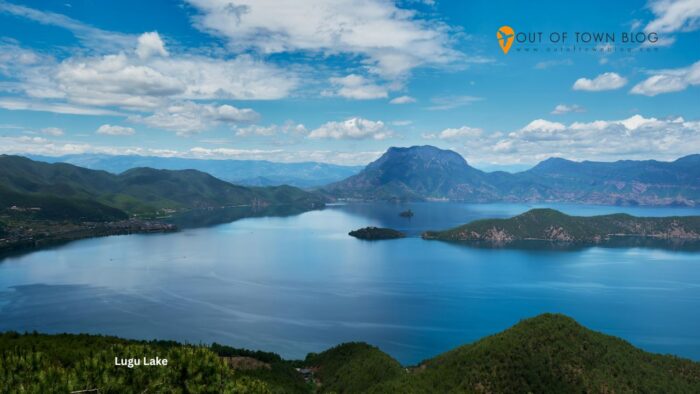
Location: On the border of Yunnan and Sichuan, northeast of Lijiang
Lugu Lake is farther from central Lijiang than most attractions on this list, but it is worth considering for travelers with extra time. Surrounded by mountains, the lake is known for its clear water, forested hills, island scenery, and the distinctive culture of the communities living along its shores.
The journey itself is part of the experience. Because Lugu Lake is considerably farther away than destinations such as Baisha or Shuhe, it is better approached as an overnight trip rather than a rushed excursion. This allows enough time to appreciate the lake’s scenery at different times of day.
Travelers can explore lakeside villages, take boat trips where available, walk along sections of the shoreline, and learn about the culture of the Mosuo communities in the region. It is important to approach cultural tourism respectfully, particularly when encountering traditions that are unfamiliar to foreign visitors.
The lake is especially appealing to photographers because its appearance changes with weather and light. Early morning can bring calm water and mist, while late afternoon can produce dramatic mountain silhouettes.
If your schedule permits, staying one or two nights allows you to experience the lake at a much more relaxed pace than a same-day excursion.
Why it is one of the best: Lugu Lake extends a Lijiang itinerary into one of Yunnan’s most distinctive highland landscapes and provides an opportunity to combine nature, village life, and cultural discovery.
15. Explore Lijiang Old Town After Dark
Location: Dayan Old Town
One of the simplest but most memorable things to do in Lijiang is to return to Dayan Old Town after sunset. The atmosphere changes dramatically once the daytime crowds begin to thin and traditional buildings, bridges, canals, and lanes become illuminated.
Instead of following a checklist of attractions, make the evening about slow exploration. Walk along the waterways, cross the old bridges, discover quieter lanes, listen to local music, and stop at a teahouse or restaurant. Sifang Street and the surrounding lanes can be lively, while areas farther from the busiest commercial streets often offer a more relaxed atmosphere.
Nighttime is also an excellent opportunity to photograph the Old Town. Reflections of lanterns and buildings in the canals can create beautiful compositions, especially after rain. A tripod may be useful for serious photographers, but always be mindful of pedestrians and businesses.
The evening experience also reinforces why Lijiang is more than a collection of monuments. Its heritage comes from the combination of architecture, water systems, cultural traditions, social life, and the surrounding natural environment.
Try exploring without a fixed route. Some of the most memorable discoveries can be small courtyards, quiet bridges, traditional homes, independent cafés, and local food stalls hidden away from the main tourist streets.
Why it is one of the best: Exploring Lijiang at night offers travelers a completely different perspective on the Old Town and is one of the easiest ways to appreciate its atmosphere.
Practical Tips for Visiting Lijiang
Plan for altitude. Lijiang sits at roughly 2,400 meters, while excursions to Jade Dragon Snow Mountain reach substantially higher elevations. Give yourself time to adjust, particularly during your first day.
Start early. Morning is generally the best time for photography, mountain views, and quieter walks through the Old Town.
Allow at least three to four days. A first visit can easily fill several days with Dayan, Black Dragon Pool, Shuhe, Baisha, Jade Dragon Snow Mountain, and one nature excursion.
Wear comfortable shoes. Historic streets are often paved with stone, while mountain and village excursions may involve uneven paths.
Check mountain conditions before going. Weather can change quickly at Jade Dragon Snow Mountain, and access to certain areas or cable car operations may vary.
Do not rush the World Heritage sites. Lijiang’s heritage is best understood as a cultural landscape rather than a single monument. Dayan, Baisha, Shuhe, and Black Dragon Pool are especially rewarding when visited together.
Respect local communities. Lijiang’s heritage is living heritage. Ask before photographing people, particularly in villages and during religious or cultural activities.
Be selective with tourist performances. Choose experiences that provide cultural context and treat local traditions and performers respectfully.
Carry layers. Temperatures can vary considerably between sunny afternoons, cool evenings, and high-altitude mountain areas.
Bring sun protection. Lijiang’s elevation means strong sunlight, even when temperatures feel comfortable. Sunglasses, sunscreen, and a hat are useful throughout the year.
Final Thoughts
Lijiang rewards travelers who look beyond its famous postcard views. Yes, the Old Town’s stone lanes and canals are beautiful, but the deeper appeal lies in how the entire region connects history, culture, mountains, water, and everyday life.
For World Heritage enthusiasts, the most important discovery is that Lijiang’s historic heritage extends beyond Dayan. Baisha, Shuhe, and Black Dragon Pool are essential parts of the broader story, in which traditional settlements developed in close relationship with mountain water sources and through centuries of interaction among different communities.
Add Jade Dragon Snow Mountain, Blue Moon Valley, Yuhu, Lashi Lake, and Tiger Leaping Gorge, and Lijiang becomes much more than an ancient-town destination. It is a gateway to one of China’s most culturally and geographically fascinating corners.
For travelers who love historic places, dramatic scenery, traditional cultures, and meaningful journeys, Lijiang is a destination worth taking slowly—and returning to.
Follow and subscribe to OutofTownBlog.com on Facebook , Twitter, Instagram, Pinterest, and YouTube for more Travel-related updates.
Read: