

 Amanda Virrey
Travel Guide: Tam-Awan Village in Baguio City
Baguio City’s pride rests in the wealth of its colorful heritage from the pre- to the post-American era and, in some parts, in old traditions from its Cordilleran roots that are still untouched by civilization.
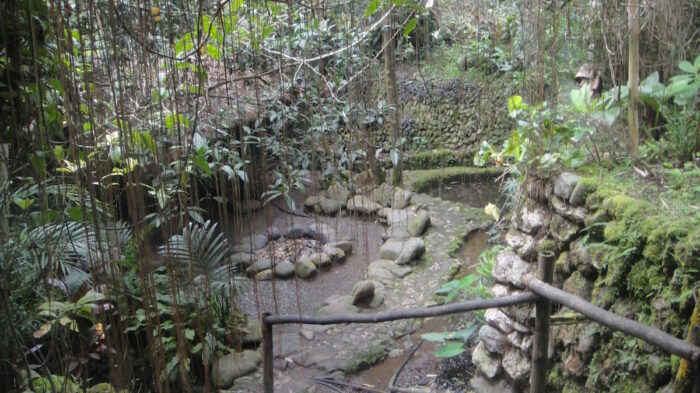
A promising landscape of extraordinary experiences at the entrance of the village
While the American influences on Baguio City are vastly seen in the city’s major parts, namely Camp John Hay and the wide periphery of Session Road, the Cordilleran influence, on the other hand, is evident along the hillsides of the city’s downtown all the way to La Trinidad.
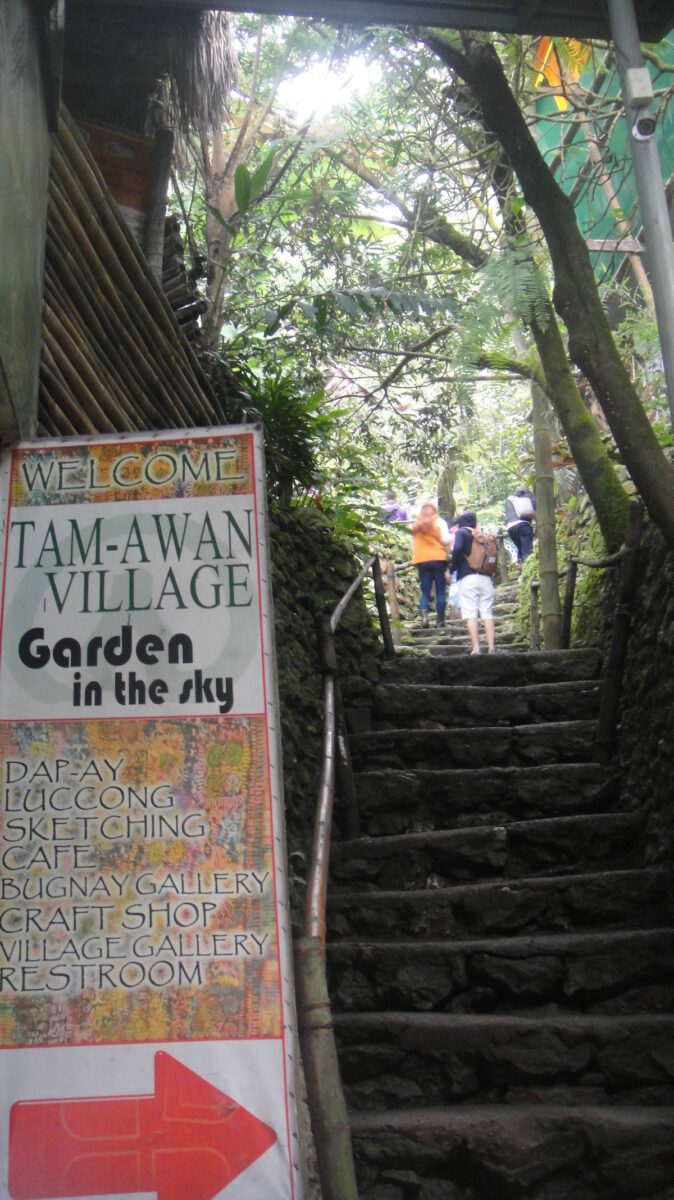
This Garden in the sky is located at Pinsao Proper, just about a 20-minute drive from Session Road. This cultural hub is home to many works of art from famous artists of Benguet. You can find a variety of cultural books, paintings in various media, rice and strawberry wines, native handicrafts, and souvenir items for sale at the Tam-Awan Village souvenir shop.

Tam-awan is an indigenous term meaning “Vantage Point.” It is located in a highly elevated area in the northwestern part of the City. The road to Tam-awan village is also a well-known shortcut to La Trinidad, Benguet. One can take a short trek and a cultural immersion while discovering Cordillera’s colorful past.

For a unique village that blends Cordilleran craftsmanship with the beauty of art and the power of Mother Nature, Tam-Awan Village offers an experience quite extraordinary for its visitors.
The village also offers unique Ifugao accommodation, showcasing the vernacular architecture of the Cordilleras. It has a coffee shop called Tam-awan Cafe, which also serves as the tourist information office. Make sure to try out Tam-awan’s Benguet Coffee, probably one of the best Philippine coffees I’ve ever tasted.
To highlight its notable elements, here are 8 Extraordinary Things to Do in Tam-Awan Village.
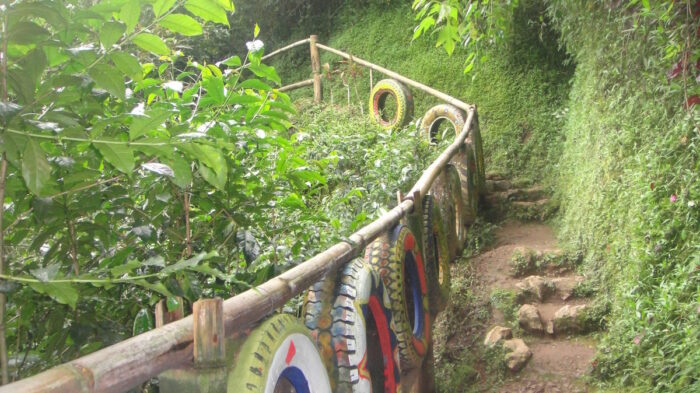
1. Hike around the village.
With your comfy hiking or rubber shoes, take the rugged footpath inside the village and hike through its hillside forest. You may catch sight of various birds of fascinating colors and sounds, as well as wild plants.
This experience also gives you a wonderful opportunity to meditate in the thickness of nature, quite serene, even to the point of emitting a sense of pure solitude.
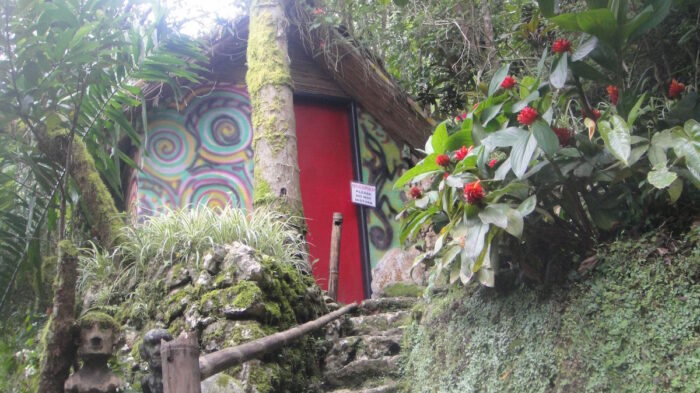
2. Stay in the Cordillera Huts
Feel what it’s like to sleep within the indigenous confines of the Cordilleran Huts. Carefully crafted with authentic craftsmanship, the Ifugao and Kalinga huts scattered throughout the village offer a one-of-a-kind experience in Baguio City.
Aside from the monumental account of their conception, which was made in several parts in Kalinga and Ifugao, then transported and assembled in the village during their conception in 1998, the huts emit a spirit that requires complete surrender and appreciation of their own quality to truly grasp such an experience.
The good thing is that the huts are made in different styles to meet the preferences of many people. The Kalinga huts are really basic lodgings with hard wooden walls and cogon roofing, and access to the communal toilet, while the Ifugao Huts are more modern, with private bathrooms in some units.
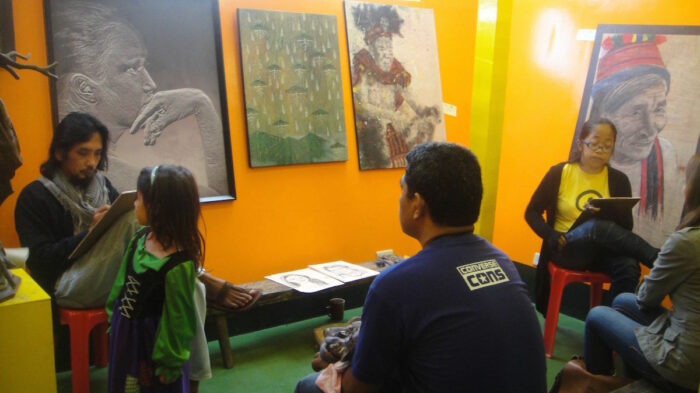
3. Sit for your portrait
Have the village’s resident artists draw out your portrait inside the village and let them artfully express the distinctive spirit that dwells within you.


4. Eat well
Taste the wonderful cuisine lovingly prepared by the talented staff at Tam-awan Café.
Using homegrown crops and local ingredients, you can enjoy delicious servings, made distinctive by deep-fried, cheese-stuffed green chili peppers; native chicken traditionally cooked in a creamy broth seasoned with traditional dried meat; or salads with fresh highland greens and vegetables topped with smoked meat. All-Day Breakfast of your favorite Filipino breakfast served with eggs and coffee or Mountain Tea, or Pesto Pasta and more.


While waiting for your order to arrive, you will be treated to the impressive sight of beautiful paintings covering the café walls, all created by the gifted Tam-awan artists.

5. Get into Art
With an environment fueled with color and creativity, it is natural to engage in art at Tam-Awan Village.
For a minimal fee, you can learn the essentials of Basic and Solar Drawing, Oil Pastel, Watercolor Painting, Wood Carving, Bamboo Craft, Dream Catcher Making, and Portraiture.

6. Hold a picnic
Bring your friends and your pre-packed food inside the village and enjoy your meal in the midst of the village’s verdant open-air surroundings. This requires a 200 PHP fee, which is good for 10 people, on top of the entrance fee.

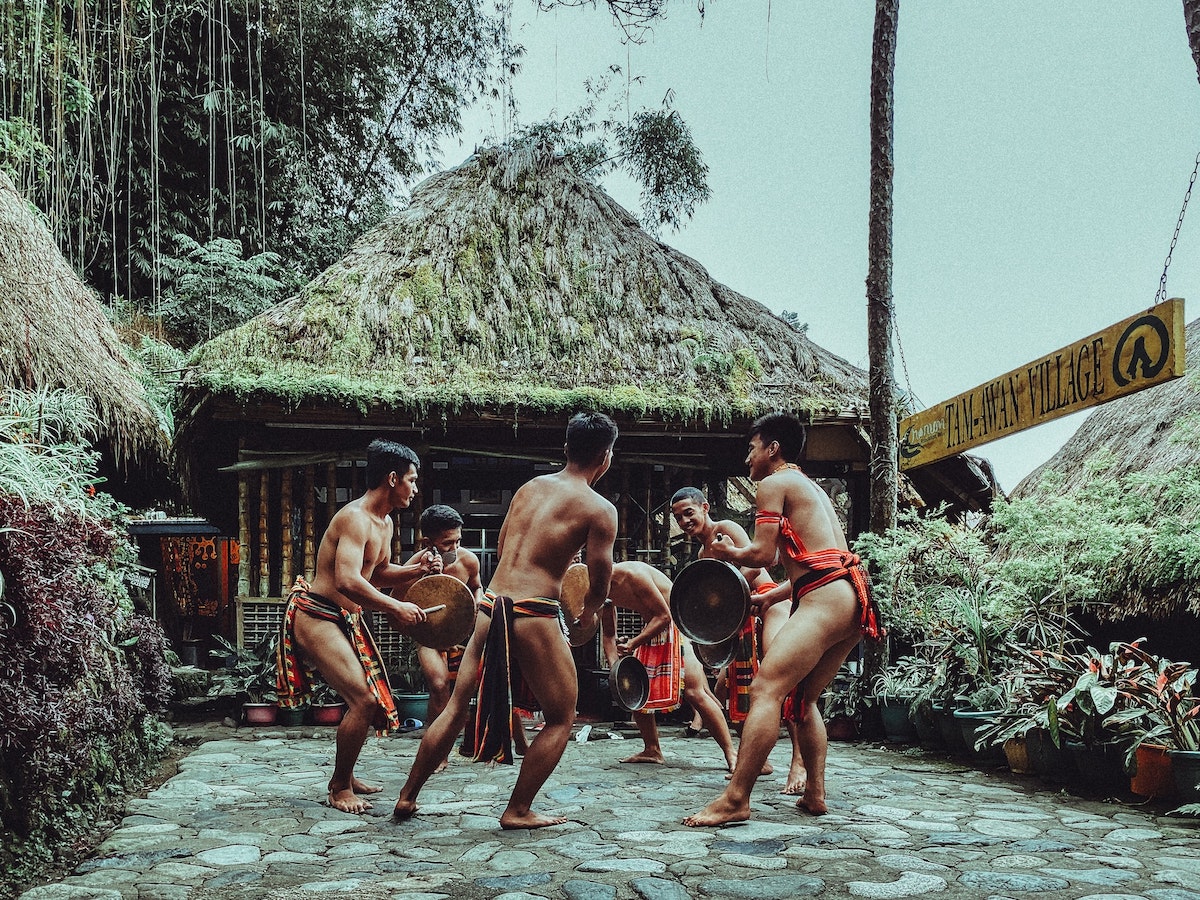
7. Have a bonfire
From 6 to 11 pm, you can share an extraordinary evening with your group around a traditional bonfire in the Cordilleran way. You can bring your preferred beverages and finger foods, or order from the café, with musical instruments and dancing, and you are certainly creating a beautiful moment befitting the village’s heritage.

8. Hold an event
With all the charming facilities and activities that Tam-awan Village offers, it is quite fitting to hold a feast inside as well. You can celebrate your wedding, birthday, or business event with an intimate group of 40 guests for 8,000php.
So when in Baguio City, be sure to visit Tam-Awan Village and experience for yourself all the extraordinary activities you can enjoy, not just within the village but throughout Baguio City.
Tam-awan Village is managed and maintained by Chanum Foundation, Inc., a nonprofit organization that aims to promote the sights and sounds of the Cordillera region.
Entrance Fee
The basic entrance fee is Php60 for adults, Php40 for students, and Php30 for children below 10 years old. Children 3 years old and below may enter for free.
How to get to Tam-Awan Village
Tam-awan Village is located in Baguio City, Philippines. Here are some ways to get there:
- By Taxi: You can take a taxi from anywhere in Baguio City and tell the driver to take you to Tam-awan Village. It will take about 20 to 30 minutes, depending on the traffic.
- By Jeepney: You can take a jeepney ride from the city center to Longlong or Tam-awan jeepney terminal. From there, take another jeepney ride going to Tam-awan Village. It will cost you less than P20.
- By Private Vehicle: If you have your own vehicle, you can use a GPS navigation app to guide you to Tam-awan Village. Just input the address: Tam-awan Village, Long-Long Road, Baguio City.
- By Tour: If you prefer a hassle-free trip, you can also join a guided tour that includes Tam-awan Village in its itinerary. You can find various tour packages in travel agencies and online booking sites.
Note: Tam-awan Village is located in a mountainous area, and the road leading to it is steep and winding. Make sure to take necessary precautions when driving or riding.
Contact Info
Address: Tam-awan Village, 366- C Pinsao Proper, Baguio City, Philippines
Mobile: 0917 510 8196
Email: tamawanvillage@gmail.com
For more details, visit http://tam-awanvillage.com.
Searching for the best hotels and affordable flights? Check out our complete list of affordable hotels and resorts via Agoda, or you may also see available Airbnb properties in the city.
Frequently Asked Questions:
1. What is Tam-Awan Village, and why is it one of the best places to visit in Baguio City?
Tam-Awan Village is a cultural and artistic sanctuary in Baguio City that showcases the traditions, architecture, and heritage of the Cordillera region. Established as a collaborative project between local artists and cultural advocates, the village features authentic and reconstructed indigenous huts from various mountain communities. Visitors can immerse themselves in the region’s rich culture while exploring art galleries, landscaped gardens, forest trails, and peaceful viewpoints. Unlike typical tourist attractions, Tam-Awan Village offers a unique combination of history, creativity, and nature, making it one of the most rewarding cultural destinations in Baguio City.
2. What extraordinary things can visitors experience at Tam-Awan Village?
Visitors can enjoy a wide range of memorable experiences, including exploring traditional Cordilleran huts, admiring rotating art exhibitions by local artists, joining cultural workshops, photographing scenic landscapes, hiking forest trails, enjoying quiet meditation areas, and learning about indigenous traditions. The village also hosts seasonal art events and cultural performances that allow guests to experience the vibrant heritage of Northern Luzon. Every visit offers something different, making it an ideal destination for both first-time and returning travelers.
3. What are the traditional Cordillera huts found inside Tam-Awan Village?
One of the village’s highlights is its collection of authentic and recreated indigenous homes from various Cordillera provinces. These include Ifugao, Kalinga, and Bontoc huts that have either been carefully relocated or reconstructed using traditional building techniques. Visitors can enter many of these structures to observe their distinctive architecture, elevated floors, stone foundations, and wooden interiors, while learning about the lifestyles, customs, and history of the indigenous communities who originally lived in them.
4. Is Tam-Awan Village suitable for art lovers?
Absolutely. Tam-Awan Village serves as both an outdoor museum and a thriving art community. Several galleries display paintings, sculptures, photography, mixed-media installations, and handcrafted works created by local and national artists. The exhibits rotate regularly, ensuring that returning visitors can discover fresh collections throughout the year. The artistic atmosphere blends seamlessly with the natural surroundings, creating one of Baguio City’s most inspiring creative spaces.
5. How much time should visitors spend exploring Tam-Awan Village?
Most visitors comfortably spend between two and four hours exploring the village. This allows enough time to visit the galleries, walk the forest paths, admire the indigenous huts, take photographs, enjoy refreshments at the café, and appreciate the peaceful environment. Photography enthusiasts and art lovers may wish to spend an entire afternoon to fully experience everything the village has to offer.
6. Is Tam-Awan Village a good destination for photographers?
Yes. Tam-Awan Village is considered one of Baguio City’s most photogenic attractions. Visitors will find countless picturesque locations, including rustic native huts, bamboo walkways, pine forests, flowering gardens, stone pathways, artistic installations, and scenic mountain viewpoints. The combination of traditional architecture and natural landscapes creates excellent opportunities for portrait, landscape, travel, and cultural photography throughout the year.
7. Are there guided tours available inside Tam-Awan Village?
Visitors can explore the village independently, but guided tours may also be available depending on the schedule. Guided experiences provide deeper insights into the history of the indigenous houses, the significance of Cordilleran traditions, and the stories behind the village’s artworks. These tours greatly enhance the cultural experience, especially for first-time visitors interested in learning more about the region.
8. Can visitors participate in cultural workshops or demonstrations?
Yes. Tam-Awan Village occasionally hosts workshops, demonstrations, and cultural activities showcasing traditional crafts, painting, weaving, storytelling, music, and indigenous practices. The availability of these programs varies throughout the year, particularly during festivals, special exhibitions, and cultural celebrations. Visitors are encouraged to check the schedule before their visit if they wish to participate.
9. Is Tam-Awan Village family-friendly?
Yes. Families with children can enjoy a relaxing and educational visit. Young visitors can learn about indigenous cultures, observe traditional homes, appreciate local artwork, and safely explore many of the walking paths. Parents often appreciate the calm atmosphere, which provides a refreshing alternative to more crowded attractions in Baguio City. However, adults should supervise young children in areas with stairs and uneven pathways.
10. When is the best time to visit Tam-Awan Village?
The best time to visit is on weekday mornings, when the village is quieter and visitors can enjoy a more peaceful experience. The cool months from November to February offer comfortable weather for exploring the outdoor areas. Visiting during the dry season also allows guests to fully enjoy the scenic trails, gardens, and open-air art displays without worrying about rain.
11. Are there restaurants or cafés inside Tam-Awan Village?
Yes. Visitors can relax at the on-site café, which serves coffee, refreshments, light meals, and snacks in a tranquil setting surrounded by nature. Enjoying a warm drink while overlooking the pine-covered landscape is one of the village’s simple yet memorable experiences. Nearby restaurants outside the village also offer a wider selection of local and international cuisine.
12. Is Tam-Awan Village accessible for senior citizens and persons with limited mobility?
Some sections of Tam-Awan Village may be challenging for visitors with limited mobility because of steep paths, stairs, uneven stone walkways, and sloping terrain. While many areas remain accessible, guests should expect moderate walking. Senior citizens are encouraged to take their time and wear comfortable footwear. Visitors requiring assistance may benefit from traveling with companions.
13. What should visitors bring when exploring Tam-Awan Village?
Comfortable walking shoes, drinking water, a camera or smartphone, sun protection, and a light jacket are recommended. Since Baguio’s weather can change quickly, bringing a small umbrella or rain jacket is also advisable. Travelers interested in photography may also wish to carry extra camera batteries and memory cards to capture the village’s many scenic locations.
14. How do you get to Tam-Awan Village from Baguio City proper?
Tam-Awan Village is located along Longlong Road in Pinsao Proper, approximately 15 to 20 minutes from Burnham Park and Session Road, depending on traffic. Visitors can easily reach the village by taxi, private vehicle, or selected jeepney routes heading toward Pinsao. Taxis remain the most convenient option, while private vehicles can use the available parking area near the entrance, subject to space availability.
15. Why should Tam-Awan Village be included in every Baguio itinerary?
Tam-Awan Village offers an experience unlike any other attraction in Baguio City. It combines indigenous heritage, contemporary art, breathtaking mountain scenery, and peaceful natural surroundings into one destination. Whether you are interested in history, photography, architecture, local culture, or simply escaping the city’s busy streets, the village provides a meaningful and enriching experience. It is an excellent place to appreciate the Cordillera’s cultural identity while enjoying one of Baguio’s most serene and inspiring environments.
Want more updates about new tourist attractions in Baguio City? Please follow #TeamOutofTown on Facebook, Twitter, Instagram, and Pinterest for more travel ideas.
Read: