

 Melo Villareal
Traveling Morocco: The Best 15 Things to Do to Experience Local Culture
Morocco is a vibrant North African country, known for its long sandy beaches along both the Atlantic Ocean and the Mediterranean Sea, as well as its rich, centuries-old culture. Deeply proud of its Arab and Indigenous Amazigh (Berber) roots, Morocco showcases this heritage in its languages, architecture, and everyday customs. Traditional Moroccan dishes such as tagine, couscous, and pastilla, along with historic mosques, lively markets (souks), and the winding streets of its colorful old neighborhoods (medinas), are among the attractions that entice travelers from around the world.

Best Things to Do in Morocco
Getting to know Morocco’s customary beliefs, time-honored traditions, and everyday way of life is an especially rewarding experience for travelers. Wandering through bustling souks, sampling local dishes, staying in traditional riads, and visiting historic mosques all offer intimate glimpses into the country’s rich culture. Discover this North African jewel with these tips on the best things to do in Morocco, from iconic cities and desert landscapes to lesser-known villages and cultural experiences that bring the destination to life.

Try Going on a Camel Ride
Take a leisurely camel ride when you’re visiting certain parts of Morocco, particularly near desert hubs like Merzouga or Zagora. These excursions typically lead you across rolling dunes, past small Berber villages, and along routes with views of the country’s dramatic mountain ranges. Many tours also include cultural elements—such as sharing mint tea with locals, tasting traditional dishes, or visiting a desert camp—so you can experience a glimpse of everyday Moroccan life.
Camels are generally calm, friendly animals, but they can become defensive if they feel uncomfortable or mistreated. To build trust with the camel you’re riding, follow your guide’s instructions, avoid sudden movements, and sit steadily in the saddle. Treat the animal gently and respectfully, and allow the handler to manage any situations that arise.
Blending adventure, culture, and unforgettable landscapes, a camel ride is widely considered one of the must?try experiences in Morocco, whether you choose a short ride at sunset or an overnight trek into the desert under a sky full of stars.

Shop at Souks and Markets
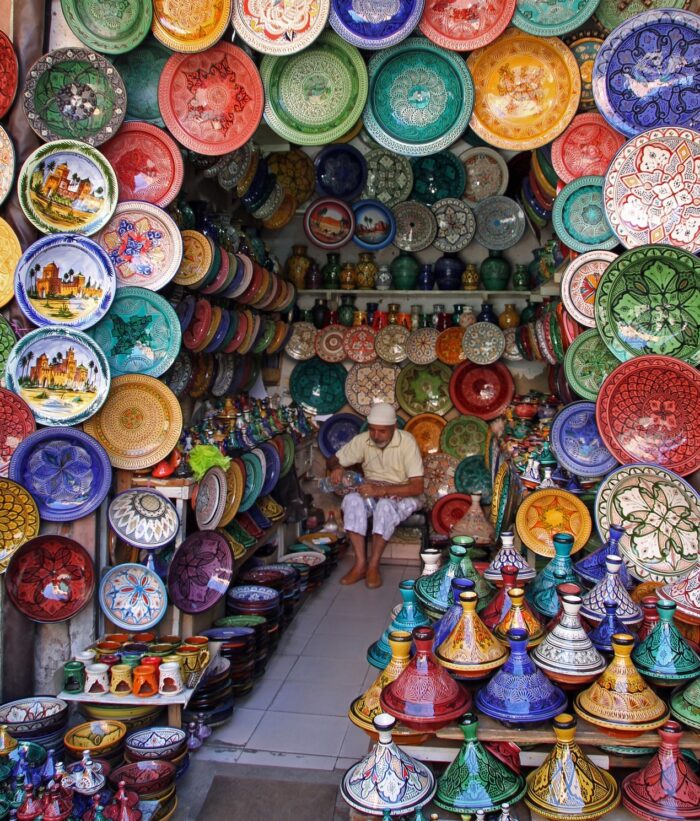
The souks of Morocco are incredibly colorful and bursting with life. As you wander through the narrow alleyways, you’ll pass stalls overflowing with vibrant textiles, glittering lamps, and polished brassware, while the scent of spices, leather, and freshly brewed mint tea hangs in the air. Merchants call out from every direction, inviting you to browse and, most importantly, to bargain.
Haggling is an essential part of the shopping experience here, and it’s expected that you negotiate the price with a smile and some patience. If you’re an avid shopper, Morocco is the perfect destination because you can find an endless variety of treasures. Consider buying a handwoven carpet to adorn your home, along with delicate jewelry, intricately crafted metal and woodwork, beautifully painted pottery, traditional clothing, local sweets and preserved foods, fragrant bundles of mint and spices, and of course, top-quality leather goods such as bags, jackets, and slippers.
Master the Art of Cooking Using a Tajine
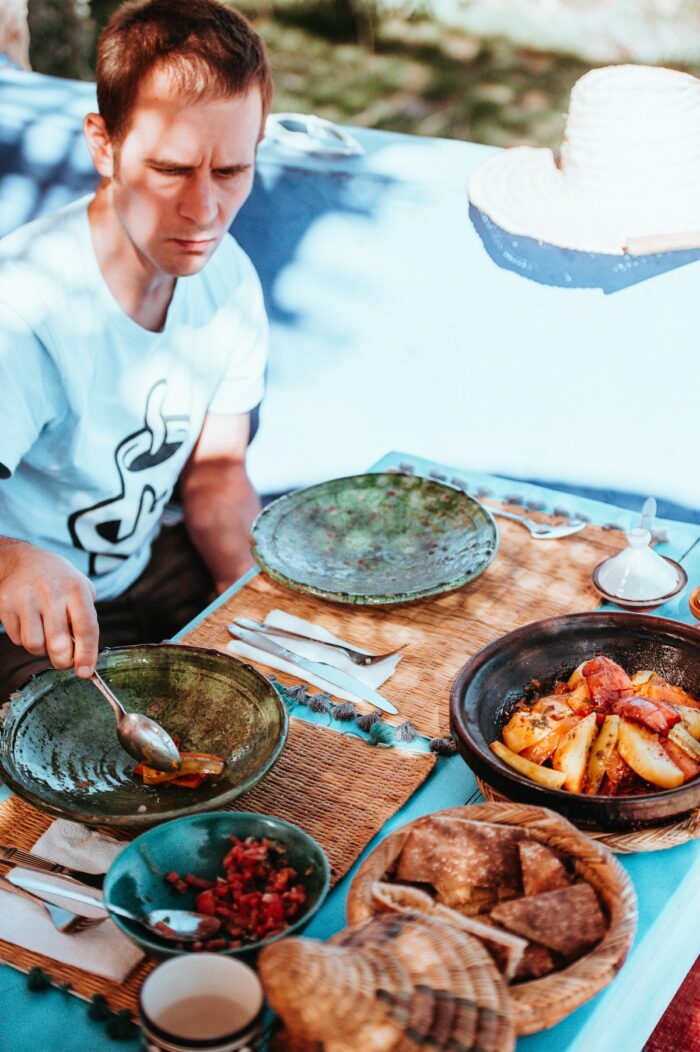
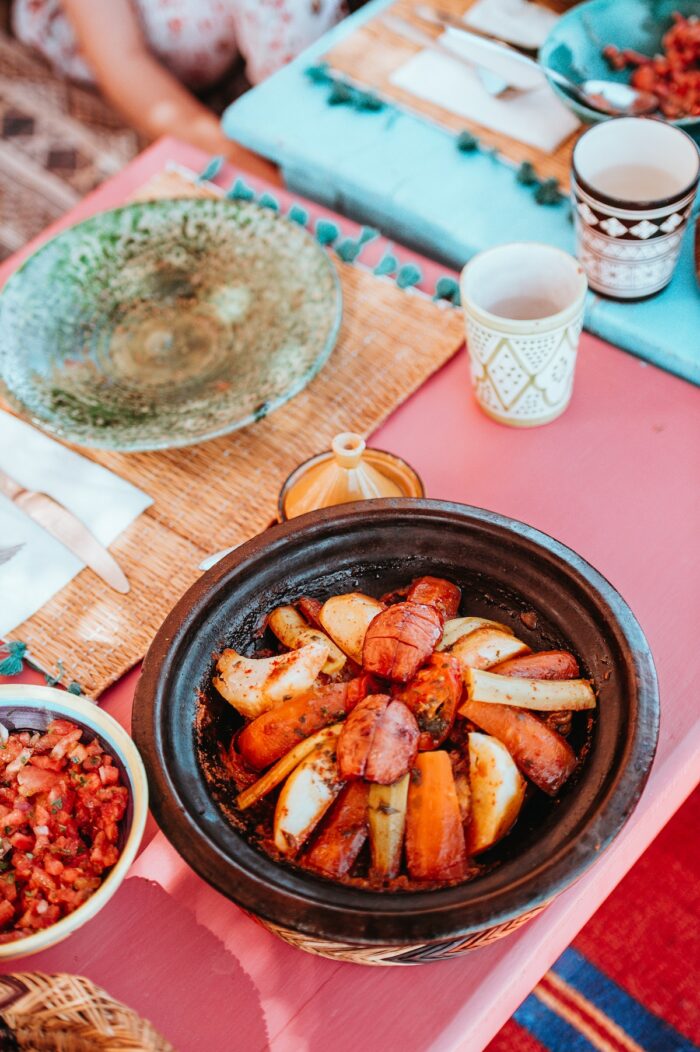
Moroccan cooking uses a wide range of spices, preserved lemons, lamb, couscous, and fresh herbs. Many dishes are prepared in a traditional earthenware pot called a tajine, which also gives its name to the slow-cooked stew made in it. Learning to cook Moroccan-style often starts with mastering a few tajine recipes that combine meat, vegetables, dried fruits, and aromatic spices.
When planning your trip to Morocco, include a lesson on making authentic Moroccan mint tea. This tea, a symbol of hospitality, is prepared differently from typical tea in other countries. You’ll learn how to combine green tea, fresh mint, and sugar, and how to pour the tea from a height into small glasses to create its signature layer of foam.
Take a Tour of the Leather Tanneries in Fez
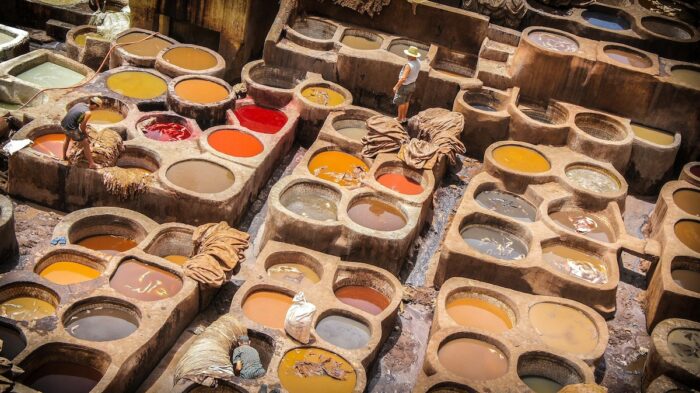
Fez, Morocco’s third?largest city, is best known for its bustling medina and its world?famous traditional tanneries. From rooftop terraces overlooking the tannery quarter, you’ll see an extraordinary patchwork of stone vats and colored pools spread across a vast, open courtyard. As you step outside, the strong, sour smell of curing leather hits you—a mix of natural dyes, pigeon droppings, and other ingredients used in the tanning process. Many visitors hold sprigs of fresh mint to their noses to make it more bearable.
If you can ignore the odor, the scene below is captivating. The ample courtyard is filled with large stone vessels, each containing a solution that cleans, softens, or colors animal hides. Workers move from vat to vat, standing ankle? or waist?deep in the liquids as they soak, scrub, and knead the hides by hand. The transformation is striking: what begins as stiff, pale animal skin gradually becomes richly dyed leather in deep reds, warm browns, and vibrant yellows.
This age?old, almost medieval method of turning hides into leather has been passed down through generations and still supplies Fez’s many workshops and stalls. There, artisans cut, stitch, and shape the tanned hides into coats, bags, slippers, belts, and shoes that line the medina’s shopfronts. To make the most of your trip and see more than just the old city, it’s best to hire a car in Morocco. Having your own vehicle lets you explore at your own pace, from nearby towns and rural markets to scenic mountain viewpoints and quiet villages that tours often overlook.

Take a Stroll in the Blue Neighborhood of Chefchaouen
Dating back to the 15th century, the village of Chefchaouen is considered one of Morocco’s most picturesque places, primarily because of its distinctive blue houses and buildings. Local lore says the tradition of painting the town blue came from Jewish refugees, for whom the color symbolized the sky and the divine.
Today, its blue-washed walls, narrow alleys, and ornate doorways give Chefchaouen an almost dreamlike charm. Nestled in the Rif Mountains, the village is surrounded by rugged peaks and lush valleys, which enhance its calm, secluded atmosphere. As a popular summer destination—especially among European visitors seeking cooler mountain air—it’s essential to book accommodations in advance if you plan to visit during the high season.

Visit the Goats in Trees of Morocco
This is one of the only places on earth where you’ll regularly see goats standing high in the branches of trees. In southwestern Morocco, the goats climb argan trees to reach their small, nutritious fruits. They’re not acting strangely—they’ve just adapted to take advantage of food that’s easier to get from above than from the ground.
Over the years, these tree-climbing goats have become a popular roadside attraction. Travelers often stop to watch and photograph them, and local herders supervise the animals while charging a small fee for pictures. This simple setup helps support the tourism economy in rural parts of Morocco.
The goats are also tied to the story of Morocco’s prized argan oil, beloved by health and beauty enthusiasts. After eating the fruits, the goats excrete the hard nuts, which can then be collected and processed to extract the oil. Although modern methods are more common now, this traditional practice remains part of the region’s cultural identity.
When you visit, you can pay a modest fee to take photos of these surprisingly agile goats balancing in the argan trees—a unique experience that also supports local families.
Go to the Hassan II Mosque
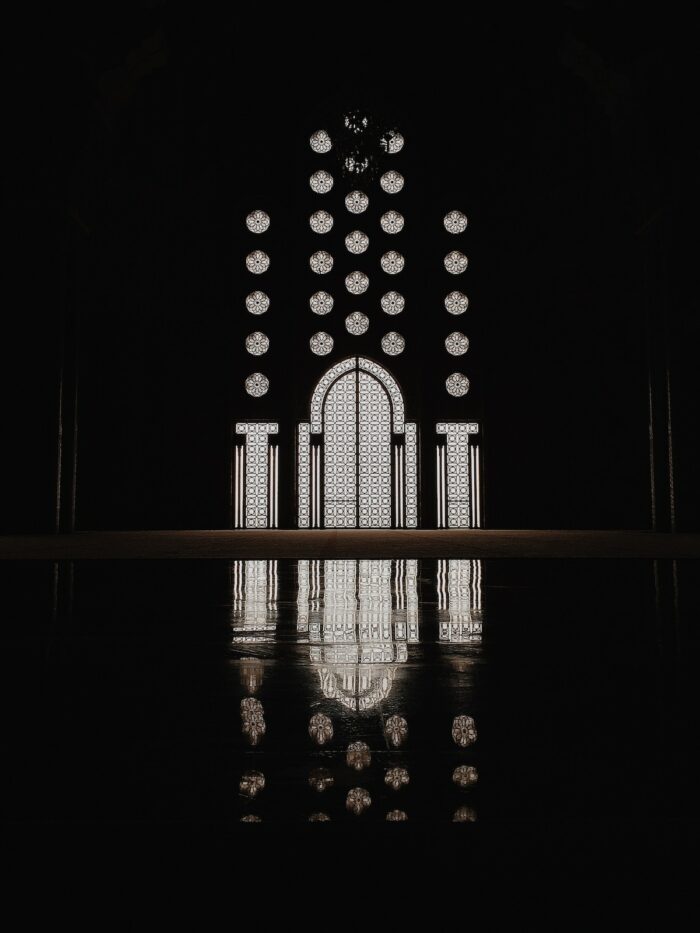
Casablanca is home to one of the largest mosques in the world, spanning about a million square feet and accommodating up to 25,000 worshippers. Considered one of the most beautiful mosques, it features exquisitely crafted stucco and intricate zellij tile work that decorate its walls, arches, and courtyards. Inside, polished onyx and gleaming marble details create a luminous, tranquil atmosphere as light filters through vast spaces and reflects off the smooth surfaces.
A dramatic portion of the complex is built out over the Atlantic Ocean, where the sound of waves echoes beneath the structure. At the same time, its towering minaret dominates the skyline, rising high into the sky and pointing toward Mecca. Open to the public, the mosque welcomes visitors to explore its vast prayer hall, sweeping terraces, and richly ornamented halls.
Roam the Ruins of Volubilis
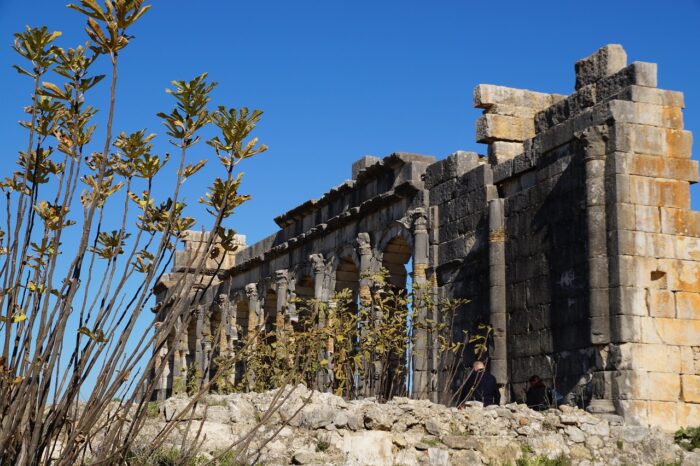
Volubilis, near Meknes, is home to some of Morocco’s most impressive Roman ruins. Once the bustling ancient capital of the Kingdom of Mauretania, it was largely forgotten until its rediscovery and excavation under French rule. Archaeologists unearthed finely detailed prehistoric rooms, elegant baths, and mosaics that still hint at the city’s former grandeur.
To help visitors better imagine daily life in Roman times, tourism authorities have reconstructed a working Roman olive press on the site. With its open, sun-drenched landscape and almost no natural shade, Volubilis can get very hot, so it’s essential to bring plenty of water when you visit.

Enjoy the Festivities at a Cultural Event in Morocco
Moroccan festivals take place throughout the year, offering visitors a window into the country’s deep traditions and diverse regional identities. Early in the year, communities celebrate Yennayer, the beginning of the agricultural cycle, with family gatherings, special dishes, and Berber customs meant to bring prosperity and good fortune to the coming harvest.
Spiritual devotion takes center stage at the Sufi Music & Cultural Festival, where sacred music, chanting, poetry, and dance are performed in historic squares, gardens, and riads, creating an atmosphere that is both contemplative and joyful. In the rose?growing regions, a festive event honors the annual rose harvest; streets are decorated with flowers, parades wind through town, and stalls sell rose water, essential oils, and artisanal products made from the blossoms.
Depending on when you travel to Morocco, you can time your visit to coincide with one or more of these events. Each festival is lively and immersive, and together they express core values of Moroccan life—from respect for the land and its cycles to spiritual devotion and community pride.

Have a Lovely Sleep in a Moroccan Riad
Staying at a traditional Moroccan riad offers a genuine glimpse into local life. These guesthouses often center around a peaceful courtyard adorned with intricate mosaic tiles, carved stucco, and wooden latticework. Inside, you’ll find rich textiles and upholsteries—handwoven rugs, embroidered cushions, and heavy drapes—that lend an old-world charm and showcase traditional Moroccan craftsmanship.
The experience becomes even more memorable when you dine on the rooftop terrace, where you can enjoy aromatic tagines and refreshing mint tea while gazing out at the Moroccan skyline, the silhouettes of minarets, and, on clear days, the distant Atlas Mountains.

Journey through Morocco’s Mountain Ranges
Morocco’s mountains are both majestic and demanding, offering rich landscapes and cultural encounters. In the north, the Rif Mountains attract travelers with rugged limestone cliffs, narrow canyons, clear streams, and green valleys dotted with olive groves and small farms. Misty ridgelines give way to blue-painted towns like Chefchaouen, which seem to cascade down the hillsides.
Farther south, the Atlas Mountains form a vast backbone across the country, with routes for both casual hikers and experienced trekkers. Trails lead through forests and over high passes to peaks such as Jebel Toubkal, North Africa’s highest summit. Along the way, visitors often see seasonal wildflowers, birds of prey riding the thermals, and reptiles basking on sun-warmed rocks.
Across both ranges, traditional Berber villages offer guesthouses and homestays for those who prefer a comfortable bed and local meals to camping. Many provide rooftop terraces with sweeping views and the chance to share tea with local families. Guided tours range from short nature walks to multi-day treks, with mule support and knowledgeable local guides.
Don’t Miss the Sahara Desert
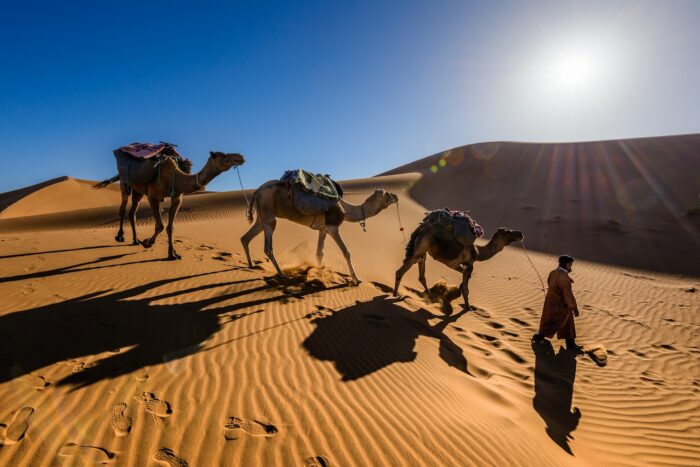
The Sahara Desert is one of Morocco’s most popular tourist destinations, known for its extremely hot, dry, and unforgiving climate. At first glance, the desert may seem completely barren, but in certain areas you’ll notice patches of hardy vegetation and desert animals that have adapted to the harsh conditions. Reaching the Sahara typically requires a long bus ride through rugged mountains and arid plains before the golden dunes finally appear on the horizon.
Once there, the vast sea of sand stretches as far as the eye can see, and camping overnight beneath a clear, star-studded sky is often the most memorable part of the experience. When visiting, please dress modestly and avoid showing your shoulders and knees to respect local customs.
Bathe in a Moroccan Hammam
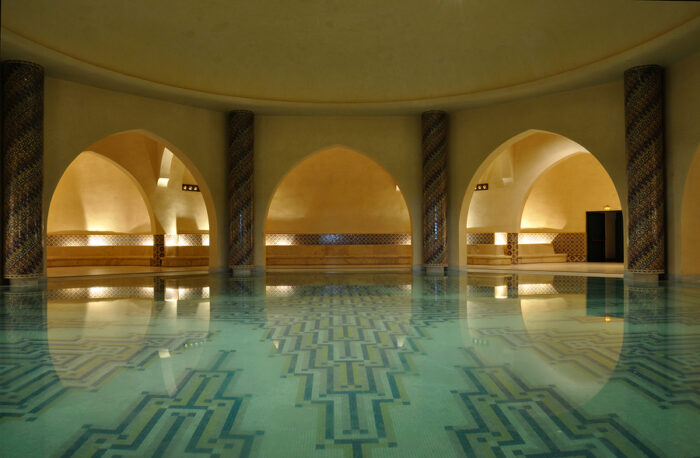
A hammam is a traditional Moroccan public bath, usually enjoyed once a week as a cleansing ritual. Inside, men and women bathe in separate areas. You’re usually given a bucket of hot water, a thick black olive-based soap, and coarse exfoliating gloves.
You step into a large steam-filled room with other bathers, where the air is hot, humid, and slightly fragrant. There, you rinse, lather yourself with black soap, and scrub away dead skin with the gloves until you feel thoroughly cleansed. Many hotels in Morocco offer hammam facilities that you can try, but it’s
Eat at a Traditional Moroccan Restaurant
Moroccan cuisine is a vibrant fusion of Arabic, Andalusian, and Mediterranean traditions, accented by subtle European influences. Known for its vivid colors and fragrant spices, it combines ingredients such as saffron, cumin, preserved lemons, olives, and fresh herbs to create dishes with rich, layered flavors. In traditional Moroccan restaurants, food is more than a meal—it’s an expression of hospitality. Guests are welcomed with steaming glasses of mint tea, baskets of warm bread, and shared plates designed for communal eating, reflecting the country’s emphasis on generosity and togetherness.
Among Morocco’s many dining options, the Amal Women’s Training Center & Moroccan Restaurant stands out. This social enterprise showcases the culinary talents of disadvantaged local women, offering them professional training and a path to financial independence. The menu features classic Moroccan specialties—such as slow-cooked tagines, fluffy couscous, and delicate pastilla—prepared using fresh, seasonal ingredients and time-honored cooking techniques. Amal also hosts cooking classes where visitors can learn to prepare traditional dishes, discover local ingredients, and gain a deeper appreciation for Morocco’s rich culinary culture.
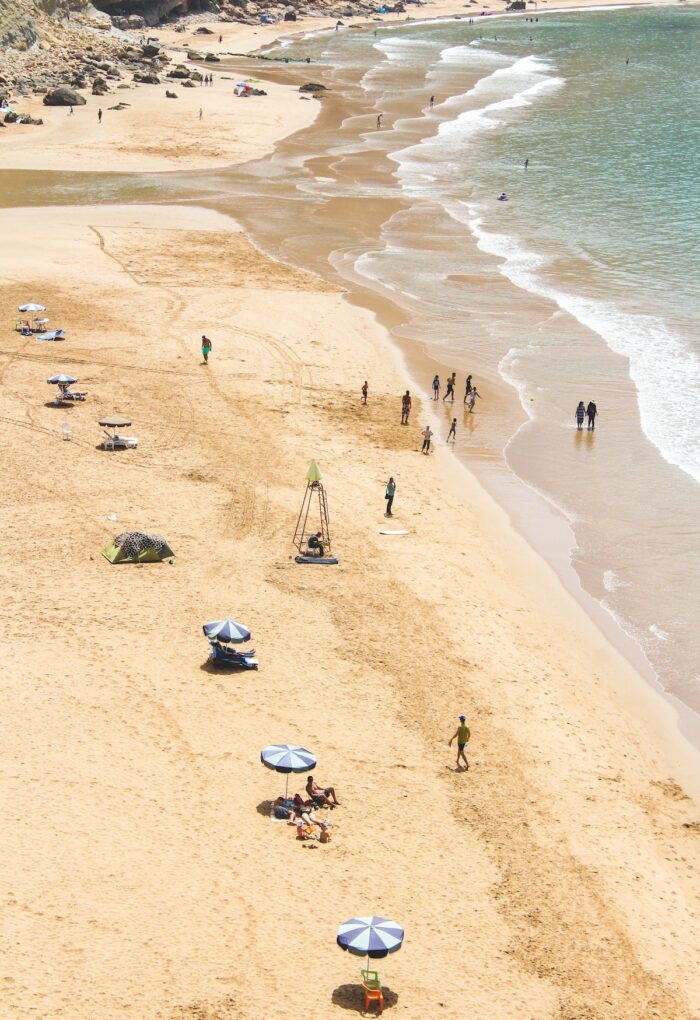
Go to the Beaches of Morocco
The beauty of Moroccan beaches lies in the wide range of experiences they offer in a single destination. Along both the Atlantic and Mediterranean coasts, you can enjoy water sports, relax on long stretches of sand, and encounter animals like camels and horses directly on the beach.
On the Atlantic side, strong swells and reliable winds create excellent conditions for water sports such as kite surfing, windsurfing, and surfing. These powerful waves draw thrill-seekers from around the world, while the expansive, open beaches remain welcoming to families and casual visitors. It’s common to see people strolling by the shoreline, sunbathing, or taking peaceful camel and horseback rides, especially at sunset.
Morocco’s coastline is dotted with standout destinations. Essaouira combines a historic fortified medina with a breezy beach that’s ideal for water sports. Nearby Sidi Kaouki offers a quieter, more laid-back atmosphere, making it popular with surfers and travelers who prefer a less crowded setting. Oualidia, with its sheltered lagoon, calm waters, and oyster farms, is perfect for swimming, kayaking, and birdwatching. Farther south, Agadir boasts a long, gently curving bay lined with a modern promenade, beachside cafés, and resort hotels, making it a favorite for both local and international visitors.
Together, these beaches show how Morocco’s shores balance rugged natural energy with a relaxed, people-friendly environment, offering everything from adventure and wildlife encounters to peaceful seaside escapes.
Marrakesh Travel Tour Packages You Should Try
Follow and subscribe to OutofTownBlog.com on Facebook , Twitter, Instagram, Pinterest, and YouTube for more Travel-related updates.
Read:
- The Flavors Of Morocco: Discover Moroccan Cuisine
- Moroccan Pavilion Putrajaya: A Cultural Oasis in the Heart of Malaysia
- Top 10 Best Things to Do in Alice Springs, Australia
- Moroccan adventure: Marrakech and Casablanca


