

 Team Out of Town
Effective Tips and Strategies on How to Prevent Altitude Sickness
Altitude sickness, often called acute mountain sickness, is a common issue for those venturing into high-altitude areas. This condition happens when the body struggles to adjust to the lower oxygen levels found at high elevations. Symptoms such as headaches, dizziness, and nausea can hinder the enjoyment of any mountainous adventure. To prevent altitude sickness, it is key to ascend gradually and allow time to acclimatize.

How to Prevent Altitude Sickness
Travelers aiming to prevent these symptoms should focus on preparing their bodies before climbing. Staying hydrated, eating a balanced diet rich in carbohydrates, and avoiding alcohol can help maintain peak physical condition. Climbing slowly and recognizing personal limits can significantly reduce the risk of acute mountain sickness.
If symptoms do appear, recognizing them early is crucial. Descending to a lower altitude can alleviate many issues, while medications can help manage symptoms if necessary.
Understanding Altitude Sickness
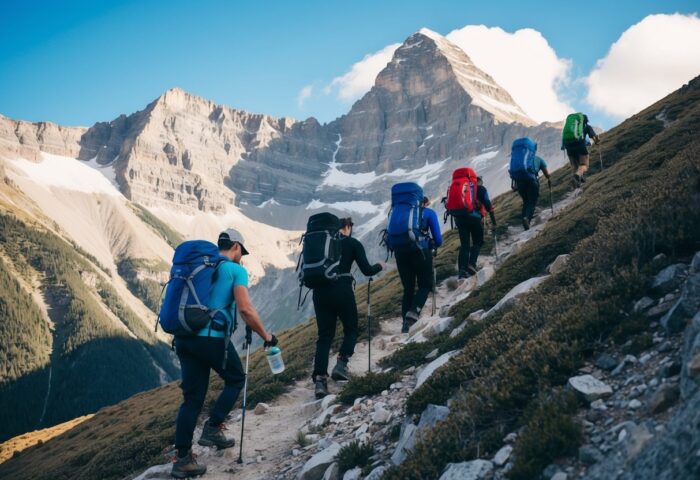
Altitude sickness occurs when your body struggles to adjust to lower oxygen levels at higher elevations. This condition can lead to serious complications if not managed properly.
Defining Altitude Sickness
Altitude sickness is a condition that arises when someone ascends to high altitudes too quickly without proper acclimatization. It commonly occurs at elevations above 8,000 feet. The most prevalent type is acute mountain sickness (AMS), which affects many who travel to high mountainous areas. Common symptoms include headaches, nausea, and dizziness. These symptoms may appear within hours of reaching high altitude and should not be ignored. If symptoms become severe, such as confusion or difficulty breathing, medical attention is necessary, as they may indicate more serious forms of altitude sickness.
Variants of High-Altitude Illness
The most serious forms of altitude sickness are high-altitude cerebral edema (HACE) and high-altitude pulmonary edema (HAPE). HACE is a life-threatening condition where the brain swells due to low oxygen levels, leading to severe confusion, lack of coordination, and possible coma. On the other hand, HAPE involves fluid accumulation in the lungs, causing severe shortness of breath and chest congestion. Identifying these conditions early is vital for proper treatment. Elevations over 12,000 feet pose a significant risk for these illnesses. Immediate descent to lower altitudes and emergency medical care are crucial to reduce the risks associated with HACE and HAPE.
Recognizing Symptoms and Complications

Altitude sickness can present a variety of symptoms, ranging from mild to severe. Recognizing these symptoms early is essential to prevent serious complications.
Common Symptoms to Watch For
At higher elevations, individuals may experience headaches and nausea. These are usually the first signs of altitude sickness. Fatigue and dizziness are common, making simple activities feel exhausting. Some may notice a loss of appetite or feel lightheaded. Shortness of breath can occur even during rest as the body adjusts to lower oxygen levels. If these symptoms appear, descending to a lower altitude may help.
In more severe cases, symptoms can progress to include vomiting and confusion. Ataxia, or loss of coordination, may also occur. If symptoms worsen or new ones develop, it’s crucial to seek medical attention promptly.
Possible Complications
While many experience mild symptoms, altitude sickness can lead to serious health problems. Brain swelling, known as high-altitude cerebral edema, can result in severe headaches, confusion, and difficulty walking. These symptoms require immediate descent and medical care.
Another complication is high-altitude pulmonary edema, characterized by coughing and shortness of breath. Chest tightness and a severe headache might also accompany the condition. If untreated, it can be life-threatening. Recognizing these severe warning signs can prevent long-term health consequences and ensure safety at high altitudes.
Prevention Strategies
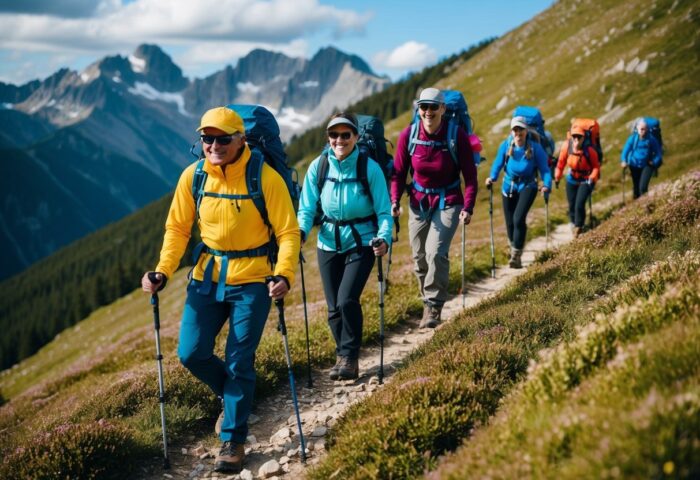
Preventing altitude sickness involves several important strategies. These include gradually acclimating to higher altitudes, closely monitoring diet and hydration, engaging in physical preparation, and considering medication or other preventive measures. Each of these strategies plays a vital role in ensuring a safe and pleasant experience at high altitudes.
Gradual Acclimatization
Gradual acclimatization helps the body adjust to lower oxygen levels at higher altitudes, reducing the risk of altitude sickness. People should increase elevation gradually over a few days. Spending a few days hiking and sleeping at gradually increasing altitudes is effective.
Avoid rapid changes in elevation. For instance, a slow ascent rather than flying or driving directly to high altitudes is key. A useful guideline is to not sleep more than 1,000 feet higher than the previous night once above 8,000 feet. This allows the body time to adapt, which can help prevent altitude sickness.
Diet and Hydration Considerations
Diet and hydration are crucial for preventing altitude sickness. Drinking enough water is important because the body loses fluids more quickly at higher altitudes. Hydration helps maintain energy levels and reduce symptoms such as headaches.
A diet rich in carbohydrates can help maintain energy levels. Carbs are a quick source of energy, which is quite helpful when adjusting to high altitudes. Avoid alcohol and caffeine, as they can dehydrate the body. Staying well-hydrated and eating balanced meals can make a significant difference in acclimatizing to altitude.
Physical Preparation
Physical preparation before ascending to high altitudes can make acclimatization easier. Building cardiovascular fitness through regular exercise helps the body use oxygen more efficiently, which is beneficial at higher elevations. Training at lower altitudes enriches one’s endurance and adaptation to low-pressure environments. Engaging in exercises like hiking, running, or cycling can build the needed fitness.
Strengthening the body’s stamina improves endurance at high altitudes. Even though fitness doesn’t prevent altitude sickness on its own, it supports faster acclimation and helps maintain energy levels. Focus on regular, moderate physical activity before your trip.
Medication and Preventive Measures
Medicines like acetazolamide may help prevent altitude sickness. Some travelers use this medication to help their bodies adapt to high altitudes. It’s often recommended to start taking it one to two days before ascent and continue during the stay at high altitudes.
Also, medications like ibuprofen can alleviate altitude sickness symptoms, such as headaches. Consulting a healthcare professional before using any medication is advised to understand potential side effects and ensure adequate preventive measures. In addition to these preventive steps, portable oxygen and hyperbaric chambers can also be considered in emergencies.
Treatment Approaches
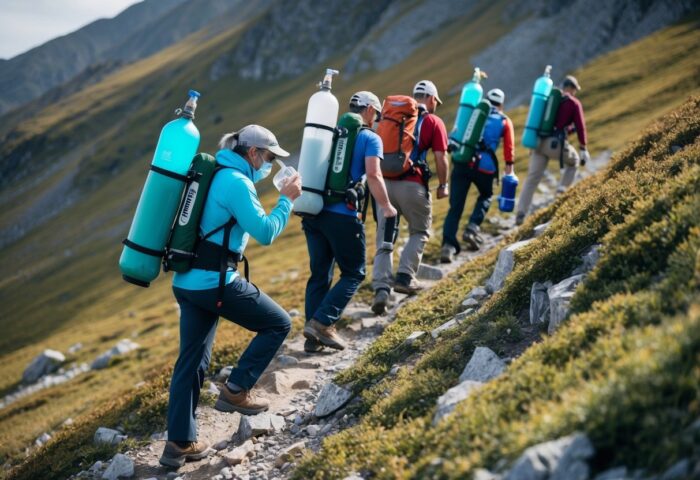
Treating altitude sickness involves several strategies. Quick actions, such as descending or taking medications like acetazolamide, can help. Medical assistance may be necessary for severe symptoms or complicated cases.
Immediate Response and Descent
A rapid response to altitude sickness is crucial. The most effective immediate action is to descend to a lower altitude. This helps alleviate symptoms quickly by increasing oxygen availability. If descending isn’t possible, resting in place and minimizing physical exertion is important. Supplemental oxygen may also provide relief. Symptoms such as headache, nausea, or dizziness often improve with descent, signaling improved oxygen levels in the body.
Medications Used in Treatment
Various medications are effective in treating altitude sickness. Acetazolamide is a common choice as it helps speed up acclimatization by balancing the body’s response to low oxygen levels. It may prevent or reduce symptoms such as headaches.
Dexamethasone, a steroid, is often used for more severe cases. It reduces brain swelling and is particularly effective against cerebral edema, a serious condition related to altitude. Over-the-counter pain relievers like ibuprofen can help manage headaches and muscle pain associated with altitude sickness.
Seeking Medical Assistance
In severe cases, medical help is essential. Symptoms that worsen, such as confusion, severe breathing difficulties, or loss of coordination, require immediate attention. These may be signs of a serious condition, such as high-altitude pulmonary edema or cerebral edema.
Medical professionals may recommend further descent, administer oxygen, or even suggest hospital care if necessary. Prompt medical evaluation ensures proper care and reduces the risk of high-altitude illness.
Risk Factors and Considerations
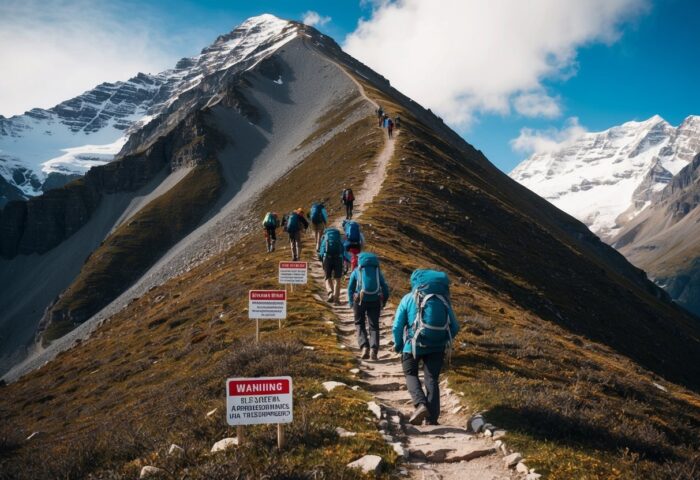
Altitude sickness can affect anyone traveling to higher elevations, but certain risk factors may increase the likelihood of it. Health conditions and changes in elevation and barometric pressure play significant roles. Understanding these factors can help travelers prepare and take preventive measures.
Health Conditions Affecting Altitude Sickness
Various health conditions can impact a person’s risk. Individuals with heart disease or high blood pressure may face additional challenges because their cardiovascular systems must work harder at higher elevations. This can reduce oxygen saturation, a crucial factor because the body needs adequate oxygen to function properly.
People with anemia might also be more susceptible. Their bodies already struggle with low red blood cell counts, making it difficult to cope with decreased oxygen levels at higher elevations. Additionally, people with asthma may experience more severe symptoms in thinner, colder air, which may require careful monitoring and possibly more frequent use of inhalers.
Pre-acclimatization is important for those with these health conditions. Taking medications prescribed by a healthcare provider and ensuring they are safe for travel can help minimize risks and make the journey safer.
Effects of Elevation and Barometric Pressure
Elevation affects how the body functions, especially when moving to higher altitudes quickly. At higher elevations, barometric pressure drops, which means there is less oxygen in the air. This reduction in oxygen can lead to acute mountain sickness, characterized by headaches and dizziness.
Gradual ascent is key to reducing symptoms of altitude sickness. This approach allows the body to adapt to changes in barometric pressure and gradually adjust oxygen saturation levels. Planning rest days and limiting physical exertion during initial days at altitude can also help the body adapt effectively.
Travelers should stay informed about current elevation and barometric pressure, as this information can help them make safer decisions about their activities, reducing the risk of altitude-related issues.
Travel Planning for High Elevations
When planning a trip to high altitudes, it is important to choose the right destination and consider weather factors. This ensures a safer and more enjoyable experience by reducing the risk of altitude sickness and unexpected challenges.
Choosing Destinations Wisely
Selecting a destination with an appropriate altitude is key. If travelers are new to high-altitude areas or concerned about altitude sickness, starting at a moderate elevation is recommended. Gradually increasing exposure can help the body acclimate.
Options like Machu Picchu in Peru or the ski slopes in Colorado are popular, offering stunning views and the chance to explore different elevations. For those interested in specific activities, researching the altitude of nearby accommodation is crucial. Checking whether lodging is at a lower elevation can also improve sleep quality, which helps adjust to altitude changes.
Time of Year and Weather Factors
Weather and the time of year significantly impact travel plans at higher altitudes. For example, visiting high-altitude places in winter may pose risks, such as snowstorms or increased difficulty breathing due to cold temperatures. Therefore, checking the weather forecast and historical weather patterns for the time of year is essential.
Travelers should also be cautious of seasonal changes that can affect accessibility, such as melting snow that makes paths slippery in late spring. Packing appropriate clothing and gear is vital, as temperatures can drastically change from day to night at higher elevations. This planning helps ensure a safer experience at high altitudes and minimizes unexpected surprises.
Managing Symptoms and Sleep at Altitude
Dealing with altitude sickness involves tackling disrupted sleep and persistent symptoms like fatigue and nausea. By addressing these issues specifically, individuals can better enjoy their time at high altitudes.
Addressing Disrupted Sleep
Sleep disturbances, such as insomnia, can be a significant part of altitude sickness. At high altitudes, the body struggles with lower oxygen levels, which may lead to restless sleep.
To improve sleep quality, gradual acclimatization is key. Ascending slowly allows the body to adjust to changes in oxygen levels, reducing sleep disruptions. Drinking plenty of water is also crucial, as dehydration can worsen sleep problems.
Some people find that using a sleep mask and earplugs helps create a more restful sleeping environment. Over-the-counter pain relievers can alleviate headaches that often accompany insomnia at high altitudes.
Coping with Persistent Symptoms
Altitude sickness can cause symptoms such as nausea, fatigue, and, in severe cases, an inability to walk. Proper management can prevent escalation and improve comfort.
Staying hydrated is essential to prevent worsening symptoms such as headaches and dizziness. Consuming carbohydrates helps maintain energy levels and combat fatigue. For persistent symptoms, medications such as acetazolamide can speed up acclimatization, easing symptoms.
If symptoms become severe, it is crucial to descend to a lower altitude as soon as possible. Recognizing signs that require immediate attention helps ensure safety when enjoying high-altitude environments.
Frequently Asked Questions
Altitude sickness can be managed and prevented with specific measures. Addressing dietary supplements, recognizing symptoms, understanding medications, and employing strategies during travel can help minimize risks.
What supplements can help prevent altitude sickness?
Several supplements have been suggested to help prevent altitude sickness. Acetazolamide is commonly prescribed, but natural supplements like Rhodiola have also shown promise in both prevention and treatment. Ginkgo Biloba extract may reduce symptoms if taken a few days before ascent. Additionally, antioxidants such as vitamin C and vitamin E are known to help combat altitude sickness. Supplements like ELEVATTO Complex also claim to aid oxygen intake and reduce symptoms at high elevations.
What are the symptoms and signs of the different stages of altitude sickness?
Altitude sickness can manifest in several stages, each with distinct symptoms. Acute Mountain Sickness (AMS) is the mildest form, often presenting with headache, dizziness, nausea, vomiting, fatigue, and difficulty sleeping. If untreated, AMS can progress to more severe forms, such as High Altitude Pulmonary Edema (HAPE) and High Altitude Cerebral Edema (HACE). HAPE symptoms include breathlessness, cough (often with pink, frothy sputum), and chest tightness, while HACE is characterized by severe headache, confusion, loss of coordination, and hallucinations.. Immediate medical attention is crucial for HAPE and HACE to prevent life-threatening complications.
What medications are effective in preventing altitude sickness?
Several medications are effective in preventing altitude sickness. Acetazolamide (Diamox) is widely recommended for reducing symptom severity by promoting acclimatization. Dexamethasone, a corticosteroid, is another option that helps prevent high altitude cerebral edema (HACE) and can be used when acetazolamide is not suitable. Ibuprofen has also been shown to decrease the likelihood of developing acute mountain sickness (AMS) by reducing inflammation and relieving pain. These medications, taken before and during ascent, can significantly mitigate the risk of altitude sickness.
Are there strategies to prevent altitude sickness during air travel?
To prevent altitude sickness during air travel, several strategies can be effective. A gradual ascent is crucial, so if possible, avoid flying directly to high altitudes and instead acclimate by climbing slowly over a few days. Staying well-hydrated is essential, as dehydration can exacerbate symptoms. Avoid alcohol and caffeine, which can contribute to dehydration and impair acclimatization. Taking acetazolamide before and during travel can help the body acclimate more quickly. Additionally, engaging in light physical activity upon arrival and eating a high-carbohydrate diet can support better acclimatization.
How can one prevent altitude sickness when traveling to areas around 5,000 feet?
When traveling to areas around 5,000 feet, preventing altitude sickness involves several proactive measures. Gradual ascent is key; if possible, spend a day or two at intermediate altitudes to allow your body to acclimate. Staying well hydrated is crucial, so drink plenty of water and avoid alcohol and caffeine, which can cause dehydration. Eating a high-carbohydrate diet can also aid acclimatization. Light physical activity can help your body adjust, but avoid strenuous exercise for the first 24 to 48 hours. Taking acetazolamide before and during your ascent can further reduce the risk of symptoms. Finally, listen to your body and descend if you experience symptoms such as a headache, nausea, or dizziness.
What are some natural remedies to prevent altitude sickness?
Several natural remedies can help prevent altitude sickness. Staying well-hydrated is essential, as dehydration can worsen symptoms. Consuming a diet rich in carbohydrates can also support better acclimatization. Herbal supplements like ginkgo biloba may reduce the risk of altitude sickness if taken before ascent. Coca leaves, traditionally used in Andean cultures, can be chewed or brewed into tea to alleviate symptoms such as nausea and dizziness. Essential oils like peppermint can be applied to the temples to help relieve headaches. Engaging in light physical activity and avoiding alcohol and tobacco can further support acclimatization
Manila Travel Tour Packages You Should Try
Follow and subscribe to OutofTownBlog.com on Facebook, Twitter, Instagram, Pinterest, and YouTube for more Travel-related updates.
Read:
- 7 Best Ways to Fight Sickness Caused by Travel
- Tips for Traveling with Vertigo and Dizziness: Expert Advice to Manage Symptoms on the Go
- Accidents Or Holiday Sickness While Traveling Abroad: What Do You Need To Do?
- How Much Does Trekking in Nepal Cost? A Simple Guide
