
 Team Out of Town
Discover Kalinga: A Traveler’s Guide to the Bodong Festival in Tabuk
For travelers who enjoy highland destinations, few experiences in Northern Luzon are as immersive as the Bodong Festival in Tabuk City, Kalinga. Held every February alongside Kalinga’s founding anniversary, the festival brings together indigenous traditions, music, dance, food, adventure, and community celebrations.
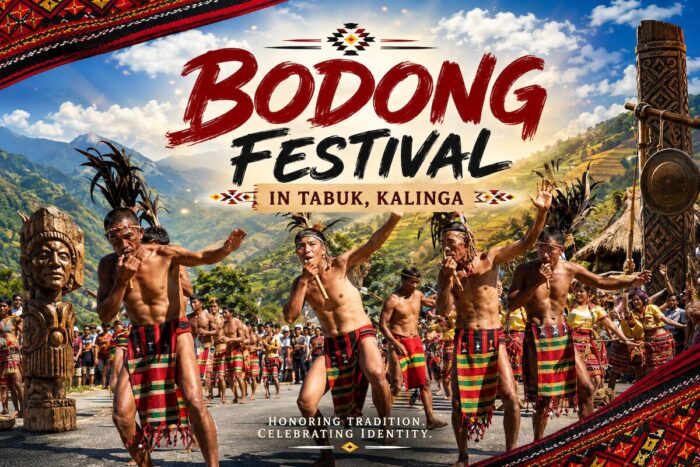
Bodong Festival in Tabuk, Kalinga
More than a colorful provincial festival, Bodong offers visitors a glimpse into the cultural identity of Kalinga and the enduring bodong, or traditional peace-pact system, that has helped maintain harmony among the province’s indigenous communities.
For travelers who love mountain roads, traditional villages, indigenous cuisine, hiking, and authentic cultural experiences, Tabuk makes an excellent gateway to exploring Kalinga.
What Is the Bodong Festival?
The Bodong Festival is Kalinga’s major annual cultural celebration, held in Tabuk City every February. It coincides with the province’s founding anniversary and showcases the traditions and cultural expressions of Kalinga’s various communities.
The word bodong refers to an indigenous peace-pact system traditionally used by Kalinga communities to settle disputes, establish agreements, and maintain peaceful relationships between tribes. Long before modern government institutions, elders played an important role in negotiating and maintaining these agreements.
The festival was established in 2017 after the province moved away from the former Ulalim Festival as its principal cultural celebration.
Today, the celebration combines cultural preservation with tourism, sports, agriculture, entrepreneurship, music, and community activities.
A Brief History of the Bodong Festival
Kalinga became a separate province from Apayao in 1995, following the enactment of Republic Act No. 7878. The province celebrates its founding anniversary every February 14.
The Bodong Festival was introduced in 2017, with the celebration centered on the province’s traditional peace-pact system.
Over the years, the festival has grown into one of the Cordillera’s major cultural gatherings. It has also become a platform for showcasing Kalinga’s indigenous music, dances, weaving, tattoo traditions, agriculture, cuisine, and outdoor destinations.
One of the most memorable editions was the 2023 celebration, when Kalinga staged Awong Chi Gangsa and Agtu’n Chi Banga. The performances involved thousands of participants and earned Guinness World Records for the largest gong ensemble and largest banga dance.
The festival’s cultural showcases continue to emphasize that Kalinga’s traditions are living practices rather than performances created solely for tourists.
When Is the Bodong Festival?
The festival is traditionally held in February, together with Kalinga’s founding anniversary.
The 7th Bodong Festival in 2026 featured a packed series of events beginning February 2, with many of the principal celebrations taking place from February 9 to 16.
Because individual activities can change from year to year, travelers planning a future trip should verify the latest official schedule before booking transportation and accommodation.
Bodong Festival 2026 Schedule of Activities
The 2026 celebration provides a useful example of what visitors can expect from a typical Bodong Festival.
| Date | Major Activities |
|---|---|
| February 2 | Festival opening, cultural performances, and Bodong Treasures Fair |
| February 4–6 | Lumin-awa Trek IV through cultural and ecological routes in Lubuagan and Tinglayan |
| February 9–16 | Kalinga Treasures Fair |
| February 10–14 | Concert at the Park |
| February 12 | Diddiga Cultural Parade and Showdown, Bodong Agro and Tourism Fair, Miss Kalinga Coronation Night |
| February 12–15 | Governor’s Cup–National Shootfest |
| February 13 | Drum and lyre competitions and Lumin-awa Float Parade |
| February 14 | Grand civic and float parade, Kalinga Founding Anniversary program |
| February 16 | United for Health community program |
| February 20 | Lumin-awa Blood Donation Drive |
The 2026 schedule also featured white-water rafting, biking, off-road activities, indigenous cultural showcases, local concerts, and other tourism and community events.
Important: Festival schedules are not necessarily identical every year. Treat the 2026 program above as a guide to the scale and variety of the celebration rather than a permanent annual calendar.
Things to See and Do During the Bodong Festival
1. Watch the Diddiga Cultural Parade and Showdown
If you can attend only one major cultural event, make the Diddiga a priority.
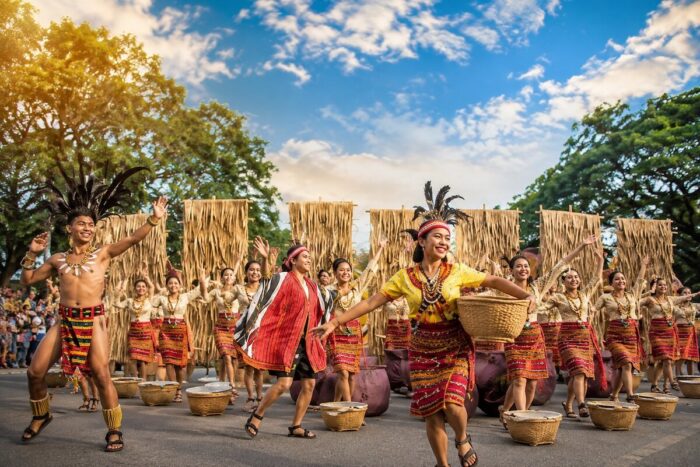
The event brings together representatives from Kalinga’s municipalities and Tabuk City for performances inspired by traditional rituals, rites, music, costumes, and community life.
During the 2026 edition, participating communities presented different aspects of Kalinga heritage, including matrimonial rites, harvest rituals, hospitality traditions, rites of passage, and agricultural heritage.
For photographers and cultural travelers, this is one of the festival’s most visually compelling events.
2. Experience Kalinga’s Gong Music
The sound of the gangsa, or traditional gong, is inseparable from Kalinga culture.
During major festival performances, rhythmic gong music accompanies dances and cultural presentations. The experience is especially powerful when hundreds of performers play together.
Rather than simply viewing the performances as entertainment, take time to learn about the role of music in ceremonies and community gatherings.
3. Explore the Kalinga Treasures Fair
The Kalinga Treasures Fair is a good stop for travelers interested in local products.
The fair features indigenous crafts, creative works, food products, bamboo products, traditional music and dance, fashion, weaving, and other products made by local entrepreneurs. A creative pavilion also highlights Kalinga’s artistic community and hand-tapped tattoo traditions.
It’s also an opportunity to support local makers rather than buying generic souvenirs.
4. Try Kalinga Food
Food is an important part of the festival experience.
Look for local rice products, indigenous ingredients, coffee, cacao, snacks, delicacies, and dishes prepared by Kalinga communities.
Food-oriented activities during the festival offer opportunities to discover ingredients and culinary traditions less familiar to visitors from the lowlands.
5. Join the Lumin-awa Trek
If you’re an active traveler, consider extending your trip beyond Tabuk to join the Lumin-awa Trek.
The annual trek changes location and route, allowing participants to experience different municipalities, mountain landscapes, trails, cultural communities, and ecological areas.
The 2026 edition traversed cultural and ecological routes in Lubuagan and Tinglayan.
6. See the Street Dance Competition
The Bodong Street Dance Competition transforms Tabuk’s streets into a showcase of choreography, costumes, music, and interpretations of Kalinga heritage.
It’s particularly enjoyable if you’re traveling with friends or family because the atmosphere is energetic and distinctly local.
7. Catch the Float Parade
The Lumin-awa Float Parade was introduced as a new highlight of the festival in 2026.
Floats representing Kalinga’s municipalities, Tabuk City, government, businesses, and private groups incorporated lights, music, and live cultural performances.
For visitors, it’s an easy way to experience several aspects of the festival in one event.
8. Explore Kalinga Beyond Tabuk
Don’t limit your trip to the festival grounds.
Use Tabuk as a base for exploring the wider province, particularly if you’re interested in mountain landscapes, indigenous communities, hiking, rivers, rice terraces, traditional villages, and cultural heritage.
Tinglayan, Lubuagan, Balbalan, Tanudan, Pasil, Rizal, and Pinukpuk are among the municipalities represented in the festival’s cultural activities.
How to Get to Tabuk City, Kalinga
From Manila by Bus
The most practical option for many budget travelers is an overnight bus from Metro Manila to Tabuk City.
Travel time can take roughly 10–12 hours or longer, depending on the route, traffic, weather, road conditions, and stops.
An overnight trip can save you a hotel night and still let you arrive in Tabuk in the morning.
By Air
There is no major commercial airport in Tabuk that serves regular flights to Manila, unlike destinations such as Baguio or Laoag.
One alternative is to fly to Tuguegarao, the nearest major commercial aviation gateway, then continue overland to Tabuk.
From Tuguegarao, Tabuk can be reached by bus, van, or other public transportation.
From Baguio
Travelers coming from Baguio can travel north through the Cordillera road network toward Kalinga.
This is a particularly scenic option for travelers who enjoy mountain roads, although travel time can be lengthy due to winding roads and changing conditions.
Getting Around Tabuk
In Tabuk, visitors can use local public transportation, tricycles, vans, or hired vehicles, depending on their destination.
For attractions outside the city, especially remote mountain communities, hiring a local driver or joining an organized tour can be more convenient and safer than relying entirely on public transportation.
Where to Stay
For first-time visitors, staying in Tabuk City is the most convenient option, as many major festival activities are concentrated in the city.
Book accommodation early if you’re visiting during the festival period. Rooms can become limited as visitors, performers, government workers, vendors, and participants arrive from different parts of Kalinga.
If you’re planning a trek or an extended cultural trip, consider spending additional nights in other municipalities rather than rushing back to Tabuk after every activity.
Important Travel Tips
1. Book Early
February is a busy period in Kalinga. Reserve transportation and accommodation ahead of your trip, especially around the major festival dates.
2. Bring Cash
Don’t assume every establishment, transport operator, or small vendor accepts cards or digital payments. Carry enough Philippine pesos for transportation, food, souvenirs, and emergencies.
3. Prepare for Changing Weather
Cordillera weather can change quickly. Bring a light jacket, rain protection, comfortable shoes, and clothing suitable for both warm afternoons and cooler evenings.
4. Wear Comfortable Shoes
You’ll likely spend considerable time walking, watching parades, visiting fairs, and exploring outdoor destinations.
If you’re joining a trek, bring proper hiking footwear rather than casual sneakers.
5. Respect Indigenous Traditions
The Bodong Festival celebrates living cultural traditions. Ask permission before photographing people, especially elders, as well as rituals, tattoo practitioners, or sacred activities.
Avoid treating ceremonial practices as entertainment without understanding their cultural significance.
6. Don’t Rush Your Itinerary
Kalinga is better experienced slowly.
Instead of trying to see everything in two days, consider spending three to five days in the region if your schedule permits.
7. Hire Local Guides for Remote Destinations
For mountain trails, remote villages, and cultural communities, a local guide can make the experience safer and more meaningful.
8. Pack Light but Strategically
A practical highland packing list includes:
- Lightweight jacket
- Rain jacket or poncho
- Hiking shoes
- Comfortable walking shoes
- Reusable water bottle
- Power bank
- Small first-aid kit
- Sun protection
- Insect repellent
- Cash
- Waterproof bag for electronics
9. Be Flexible With Transportation
Mountain travel rarely follows the same rhythm as city travel. Road conditions, weather, traffic, and local schedules can affect travel times.
Build extra time into your itinerary.
Suggested 4-Day Bodong Festival Itinerary
Day 1: Arrive in Tabuk
Arrive in Tabuk, check into your accommodation, and explore the city.
Spend the afternoon visiting festival areas, food stalls, and local product fairs. In the evening, catch concerts or cultural presentations if scheduled.
Day 2: Festival Culture
Start with the festival’s cultural activities, then watch the parade, cultural presentations, or other major events.
Spend the afternoon exploring the Kalinga Treasures Fair and sampling local food.
Day 3: Highland Adventure
Take a day trip toward Tinglayan, Lubuagan, or another nearby destination, depending on the festival schedule and road conditions.
For adventurous travelers, this can be your trekking or nature day.
Day 4: Parade and Local Exploration
Return to Tabuk for major festival activities, the civic or float parade, and evening entertainment.
Before leaving, shop for locally produced food, crafts, woven products, coffee, or other Kalinga-made souvenirs.
Frequently Asked Questions
When is the Bodong Festival held?
The Bodong Festival is held annually in February in Tabuk City and other parts of Kalinga, coinciding with the province’s founding anniversary.
Where is the Bodong Festival held?
The main activities are centered in Tabuk City, Kalinga, although several cultural, tourism, trekking, and community activities take place in other municipalities across the province.
What does “bodong” mean?
Bodong refers to Kalinga’s traditional peace-pact system. It historically provided a way for communities and tribes to establish agreements, settle conflicts, and maintain peaceful relationships.
Is the Bodong Festival suitable for tourists?
Yes. The festival is particularly appealing to travelers interested in indigenous culture, history, food, music, photography, hiking, and highland destinations.
What is the best event to watch?
The Diddiga Cultural Parade and Showdown is one of the best choices for first-time visitors because it brings together cultural performances representing different parts of Kalinga.
Can I go trekking during the festival?
Yes. The annual Lumin-awa Trek is designed to showcase Kalinga’s mountain trails, cultural communities, and natural landscapes. Routes change from year to year.
How many days should I spend in Kalinga?
A long weekend can cover the major festival activities, but four to five days is a better choice if you want to combine the festival with hiking and exploring other parts of Kalinga.
Is Tabuk cold?
Tabuk is generally warmer than the higher-elevation Cordillera destinations, but temperatures can be cooler than Metro Manila, particularly in the mornings and evenings. Conditions also vary depending on where you travel within Kalinga.
What should I buy in Kalinga?
Consider locally made woven products, handicrafts, coffee, cacao, bamboo products, indigenous-inspired crafts, local food products, and other goods made by Kalinga entrepreneurs.
Is the festival only about traditional culture?
No. The Bodong Festival has evolved into a broad provincial celebration incorporating culture, tourism, agriculture, entrepreneurship, sports, music, community services, and outdoor activities.
Why the Bodong Festival Belongs on Your Highland Travel List
The appeal of the Bodong Festival goes beyond colorful costumes, gongs, dances, and parades. It offers travelers an opportunity to understand why Kalinga’s culture remains deeply connected to community, peace, land, and identity.
For travelers who prefer meaningful experiences over conventional sightseeing, the festival is an excellent reason to venture farther into Northern Luzon.
Come for the Bodong Festival, but stay longer for the mountains, rivers, food, trails, villages, and communities that make Kalinga one of the Cordillera’s most rewarding destinations.
Follow and subscribe to OutofTownBlog.com on Facebook, Twitter, Instagram, Pinterest, and YouTube for more Travel-related updates.
Read:
- Lubi-Lubi Festival in Gingoog City
- Diyandi Festival in Iligan City
- KALINGA TRAVEL GUIDE: Things to do, How to Get There + More
- Naneng Heritage Village: A Cultural Travel Experience in Tabuk, Kalinga
- Mambabatok: Reviving Tribal Tattoo Traditions of Kalinga
- Teofilo Garcia: A National Living Treasure Awardee from Abra
- Iligan City Travel Guide: Ultimate Waterfall Adventure, Nature Escapes, and Cultural Experiences in the City of Majestic Waterfalls
- Stopover in Bontoc Mountain Province