
 Melo Villareal
Bonok-Bonok Maradjaw Karadjaw Festival: What Travelers Need to Know
If you love upbeat festivals, colorful street dancing, indigenous culture, and the unmistakable energy of Mindanao, the Bonok-Bonok Maradjaw Karadjaw Festival in Surigao City deserves a place on your travel calendar.

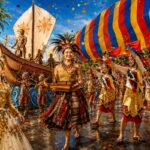
Bonok-Bonok Festival in Surigao City
Held every September in Surigao City, Surigao del Norte, the festival combines indigenous traditions with the city’s Catholic fiesta honoring San Nicolas de Tolentino, its patron saint. The main celebration traditionally takes place on September 9, while the patron saint’s feast follows on September 10.
What makes Bonok-Bonok particularly memorable is its combination of energetic dancing, pounding drums, colorful costumes, cultural performances, religious activities, and a strong sense of community. For travelers, it is also an excellent opportunity to experience Surigao beyond its role as a gateway to the islands and beaches of northeastern Mindanao.
What Is the Bonok-Bonok Festival?
Bonok-Bonok Maradjaw Karadjaw is an annual cultural and religious celebration in Surigao City. The word “bonok” refers to a heavy downpour, while “Maradjaw Karadjaw” is associated with the idea of goodness, abundance, and blessings.
The imagery of rain is especially fitting because the festival presents a metaphorical “downpour of blessings.” The celebration is a thanksgiving for blessings received by the community and is held in honor of San Nicolas de Tolentino.
At the heart of the celebration is the Bonok-Bonok dance, traditionally associated with the Mamanwa indigenous people. The dance is characterized by rhythmic movements accompanied by drums and other indigenous musical instruments. Performers wear elaborate costumes, beadwork, headdresses, bracelets, and anklets.
For visitors, the festival feels like a huge open-air cultural performance, but it is much more than entertainment. It reflects Surigao’s history, faith, indigenous heritage, and community identity.

History of the Bonok-Bonok Festival
The modern Bonok-Bonok Festival began in 1984, making it one of the longstanding cultural celebrations in the Caraga region. The 2024 celebration marked its 40th year, while the 2025 edition was the 41st.
The festival grew out of the city’s desire to celebrate its cultural heritage and express gratitude despite the difficulties the community faced. The Bonok-Bonok dance itself has deeper indigenous roots, having been performed as a thanksgiving ritual associated with harvests, celebrations, weddings, and spiritual traditions.
Over the years, the celebration developed into a major city festival featuring street dancing, dance competitions, musical performances, religious activities, and contingents from different parts of Mindanao and the Philippines.
The festival has also adapted to changing circumstances. During the COVID-19 pandemic, for example, the celebration was staged virtually, demonstrating how important Bonok-Bonok remains to the people of Surigao.
Why You Should Experience Bonok-Bonok
For a traveler, Bonok-Bonok offers something different from beach-oriented destinations in Mindanao.
Instead of simply visiting a place and sightseeing, you become part of a citywide celebration. Streets turn into performance spaces, dancers fill the roads in elaborate costumes, drums provide the soundtrack, and locals gather to celebrate their heritage.
It is especially appealing if you enjoy:
- Cultural festivals
- Street dancing
- Indigenous traditions
- Photography
- Local food
- Religious celebrations
- Live music and performances
- Community-based tourism
- Exploring Mindanao beyond the usual tourist destinations
The festival is also a good reason to combine a trip to Surigao City with nearby natural attractions.
Things to Do and See at Bonok-Bonok Festival
1. Watch the Grand Street Dancing
The street dancing is arguably the biggest attraction.
Colorful contingents move through the city while dancers perform choreographed routines inspired by indigenous traditions and local culture.
The streets become a moving stage filled with music, dancing, colorful costumes, and enthusiastic spectators.
Traveler tip: Arrive early and choose your viewing position before the crowds become heavy.
2. See the Elaborate Festival Costumes
Bonok-Bonok is a dream for travelers who enjoy cultural photography.
Look closely at the dancers’ costumes, and you will notice colorful fabrics, beadwork, elaborate headdresses, bracelets, anklets, and other decorative details.
The traditional tubaw, or beaded headdress, is one of the recognizable elements associated with the performances.
Rather than focusing only on the overall parade, spend some time observing the details of the costumes and the craftsmanship behind them.
3. Experience the Bonok-Bonok Dance
The dance is central to the festival.
Traditionally, the performance begins with a slower rhythm, then gradually becomes faster and more energetic. This creates a dramatic build-up as dancers increase the intensity of their movements.
The performance reflects thanksgiving and celebration and is closely connected with the indigenous heritage represented in the festival.
4. Watch the Grand Dance Showdown
After the street dancing, festival contingents compete in more formal performances.
These showdowns allow dancers to present longer and more elaborate choreography, often combining storytelling, music, costumes, and theatrical elements.
Previous editions have included categories such as Sadjaw Bonok-Bonok and other festival competitions.
5. Attend Religious Activities
Bonok-Bonok is not simply a street festival.
The celebration is closely connected to the feast of San Nicolas de Tolentino, so religious activities form an important part of the festivities.
If you want a deeper cultural experience, attend a Mass or religious activity at the cathedral and observe how Catholic traditions and local cultural heritage come together during the celebration.
6. Explore Surigao City Food
Festival season is a good time to sample local food.
Look for grilled seafood, barbecue, fresh fish, local snacks, and Surigaonon specialties. Surigao’s coastal location means seafood is naturally one of the things worth trying.
You can also explore local markets and food stalls to experience the city’s everyday flavors rather than limiting your meals to restaurants.
7. Explore the City After the Parade
Don’t leave immediately after the main festival program.
Walk around downtown Surigao, explore the waterfront, visit local shops, and look for cultural activities taking place around the city.
The city also hosts other activities during its September fiesta, including food and evening events.
Bonok-Bonok Festival Schedule of Activities
The exact program changes from year to year, so travelers should check the latest official city announcements before finalizing their itinerary.
The 2026 celebration is the 42nd Bonok-Bonok Maradjaw Karadjaw Festival.
The main festival date traditionally falls on September 9. The following day, September 10, is associated with the feast of San Nicolas de Tolentino.
A typical festival schedule may look like this:
| Activity | Typical Timing | What to Expect |
|---|---|---|
| Novena and religious activities | Early September | Masses and preparations for the fiesta |
| Cultural and community events | First week of September | Performances, competitions, and related activities |
| Drum and Lyre Competition | Around September 7 | School and community musical performances |
| Grand Street Dancing | September 9, morning | Colorful contingents are performing around the city |
| Bonok-Bonok Dance Showdown | September 9, afternoon/evening | Major competitive cultural performances |
| Fiesta Night / Night Market | September | Food, entertainment, and community gatherings |
| Feast of San Nicolas de Tolentino | September 10 | Religious celebration and fiesta activities |
Important: Treat this timetable as a planning guide rather than the final 2026 program. Festival venues, routes, and schedules can change from year to year.
How to Get to Surigao City
By Air
The easiest option for travelers coming from other major Philippine cities is to fly to Surigao Airport.
From the airport, travelers can take local transportation into Surigao City proper.
If you’re flying from Manila, check the latest airline schedules carefully because direct flight availability can change. Connecting through Cebu may also be a practical option depending on available flights.
By Bus
Travelers coming from other parts of Mindanao can reach Surigao by bus.
Long-distance buses connect Surigao with destinations such as Butuan, Davao, Cagayan de Oro, and other parts of Mindanao.
Travel times vary considerably depending on your starting point, road conditions, stops, and the bus operator.
From Siargao Island
If you’re already in Siargao, you can combine your island trip with the Bonok-Bonok experience.
Travelers typically go from Dapa Port to Surigao City by passenger ferry. The crossing generally takes around two to three hours, depending on the vessel and sea conditions.
This makes it possible to build a trip around both Siargao’s beaches and surfing culture and Surigao City’s festival traditions.
Because sea schedules can change due to weather and operational conditions, check the latest ferry timetable before traveling.
Where to Stay
Book your accommodation early if you plan to visit during the festival.
Bonok-Bonok attracts locals, cultural groups, performers, and visitors from outside the city, so accommodation can become more competitive around September 9.
For convenience, consider staying near:
- Surigao City proper
- Downtown commercial areas
- The cathedral
- The boulevard
- Major festival venues
- Public transportation routes
Staying in or near the city center is particularly useful because you can walk to some activities rather than relying entirely on vehicles.
Important Travel Tips for Bonok-Bonok Festival
Book Early
September is an important period on Surigao’s tourism calendar. Reserve flights and accommodation well ahead of the festival.
Arrive Early for Street Dancing
Don’t expect to arrive minutes before the parade and find a prime viewing spot.
Come early, especially if you’re bringing a camera or traveling with children.
Prepare for Heat and Rain
The festival takes place during a period when the weather can be unpredictable.
Bring:
- Lightweight clothing
- Hat or cap
- Sunscreen
- Reusable water bottle
- Umbrella
- Rain jacket
- Comfortable walking shoes
- Waterproof bag for electronics
The name Bonok-Bonok itself evokes heavy rain, so being prepared for a sudden shower is part of the experience.
Wear Comfortable Shoes
You may spend hours standing, walking, or moving between viewing areas.
Festival days are not the time to break in a new pair of shoes.
Protect Your Phone and Camera
Use a waterproof pouch or dry bag for your phone, camera, power bank, and other electronics.
If you’re photographing dancers, remember that you are attending a cultural celebration, not simply a photo shoot. Ask permission when appropriate, particularly for close-up portraits.
Respect Indigenous Culture
The festival draws heavily from indigenous cultural traditions.
Avoid treating cultural symbols, costumes, dances, and rituals as props. Observe respectfully and follow instructions from organizers and community members.
Carry Small Bills
Small denominations are useful for food stalls, local transportation, snacks, and small purchases.
Expect Crowds
The main parade and dance performances can become extremely busy.
If traveling with children or older family members, establish a meeting point in case anyone gets separated.
Stay Hydrated
Festival excitement can make it easy to forget how long you’ve been standing outdoors.
Drink water regularly, especially during the morning street dancing.
What Else Can You Do in Surigao?
Bonok-Bonok can be the centerpiece of a longer Surigao adventure.
Surigao City Boulevard
A relaxing place to walk, especially around sunset, and a good place to experience the city’s waterfront atmosphere.
Luneta Park
A convenient stop while exploring central Surigao.
Day Trips Around Surigao del Norte
If you have extra days, consider exploring the province’s beaches, islands, waterfalls, hot springs, and other natural attractions.
Siargao
If your schedule allows, combine the festival with several days in Siargao. The island is one of the Philippines’ best-known surfing and island destinations.
This combination works particularly well for travelers who want both culture and adventure in one Mindanao trip.
Sample Bonok-Bonok Festival Itinerary
Day 1: Arrive in Surigao
- Arrive in Surigao City
- Check in at your hotel
- Explore downtown
- Visit the boulevard
- Try local seafood
- Check the latest festival announcements
Day 2: Festival Day
- Wake up early
- Have breakfast
- Find a good viewing spot
- Watch the grand street dancing
- Explore food stalls and nearby attractions
- Rest during the hottest part of the afternoon
- Watch the Bonok-Bonok dance showdown
- Enjoy evening entertainment
Day 3: Surigao Exploration
- Visit local attractions
- Explore markets
- Try more Surigaonon dishes
- Take a day trip if schedules permit
Day 4: Continue to Siargao or Return Home
If you’re continuing to Siargao, travel to Dapa and spend several days exploring the island. Otherwise, return to Surigao Airport or continue your overland journey through Mindanao.
Frequently Asked Questions About Bonok-Bonok Festival
When is the Bonok-Bonok Festival celebrated?
The main Bonok-Bonok Maradjaw Karadjaw Festival is traditionally celebrated on September 9 in Surigao City. The celebration is connected to the feast of San Nicolas de Tolentino on September 10.
Where is the Bonok-Bonok Festival held?
The festival is held throughout Surigao City, with street dancing along city streets and major performances at designated venues. Exact routes and venues can change from year to year.
What does Bonok-Bonok mean?
“Bonok” refers to a heavy downpour. In the context of the festival, it represents a downpour of blessings and thanksgiving.
Who is San Nicolas de Tolentino?
San Nicolas de Tolentino is the patron saint of Surigao City. The Bonok-Bonok celebration forms part of the city’s annual fiesta honoring him.
What is the Bonok-Bonok dance?
It is a traditional dance of the Mamanwa indigenous community, performed as part of thanksgiving and cultural celebrations. The choreography is accompanied by rhythmic percussion and becomes progressively more energetic.
Is Bonok-Bonok Festival suitable for tourists?
Absolutely. It is particularly rewarding for travelers interested in Philippine culture, indigenous traditions, photography, food, music, and community festivals.
Is the festival family-friendly?
Yes. Families can enjoy the parade, performances, food stalls, and cultural activities. However, large crowds and hot weather mean parents should keep children hydrated and establish a meeting point.
What should I wear?
Wear lightweight, breathable clothing and comfortable walking shoes. Bring sun protection and rain protection because weather conditions can change quickly.
Is Bonok-Bonok Festival worth visiting?
Yes, especially if you want to experience a less conventional Philippine festival.
While destinations such as Cebu, Iloilo, and Davao often receive more attention for their major festivals, Bonok-Bonok offers something distinctly Surigaonon: indigenous-inspired performances, Catholic traditions, community pride, and the energetic atmosphere of northeastern Mindanao.
Is Bonok-Bonok Festival held in 2026?
Yes. The 2026 celebration is the 42nd Bonok-Bonok Maradjaw Karadjaw Festival.
What is the best way to plan a Bonok-Bonok trip?
Book your transportation and hotel early, arrive at least a day before the main celebration, keep September 9 open for the major festival activities, and allow additional days to explore Surigao City or continue to Siargao.
Final Thoughts
The Bonok-Bonok Maradjaw Karadjaw Festival is one of those celebrations that remind travelers why festivals are such an important part of exploring the Philippines.
It is loud, colorful, energetic, deeply rooted in local traditions, and filled with the unmistakable warmth of a community celebrating together. From the first beat of the drums to the vibrant street dancing and dramatic dance showdowns, the festival gives visitors a glimpse into Surigao’s cultural identity.
For travelers looking for an upbeat Mindanao adventure, September is an excellent time to visit Surigao City. Come for the festival, stay for the food and hospitality, and extend your trip to explore the natural attractions of Surigao del Norte.
Bonok-Bonok sa Surigao—Maradjaw Gajod Karadjaw!
Follow and subscribe to OutofTownBlog.com on Facebook, Twitter, Instagram, Pinterest, and YouTube for more Travel-related updates.
Read:
- Ultimate List Of The Best Hotels in Surigao City, Philippines
- Holy Week Traditions in Mansalay, Oriental Mindoro
- SIARGAO TRAVEL GUIDE