

 Melo Villareal
After experiencing the Heritage Walk of Cebu City and the best massage at Amuma Spa Treatments, we found our third day on the island to be the most exciting part of our Cebu tour. We left Maribago Bluewater Beach Resort early for our Visita Iglesia on the southern side of Cebu, and I guess everyone was pretty much excited since we would be spending the night at Sumilon Bluewater Island Resort.
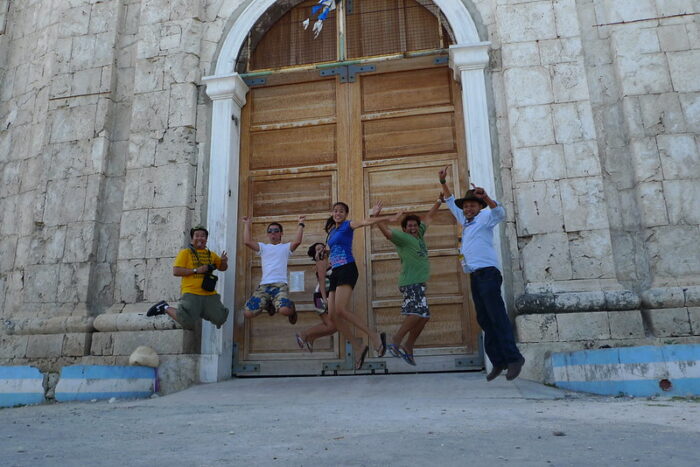
Jumpshot in Olsob Church
For the unfamiliar, Visita Iglesia is one of the most popular traditions that Catholics observe during the Lenten season. It is a tradition to visit 7 churches on Holy Thursday. I have already visited most of the churches in Luzon, and this is my first time experiencing Visita Iglesia in the Visayas.
Passing through a scenic route, I never got bored during the entire trip. Our tour guide made our trip more interesting by sharing additional historical information about the churches, adding a little bit of personal insights and humor:)
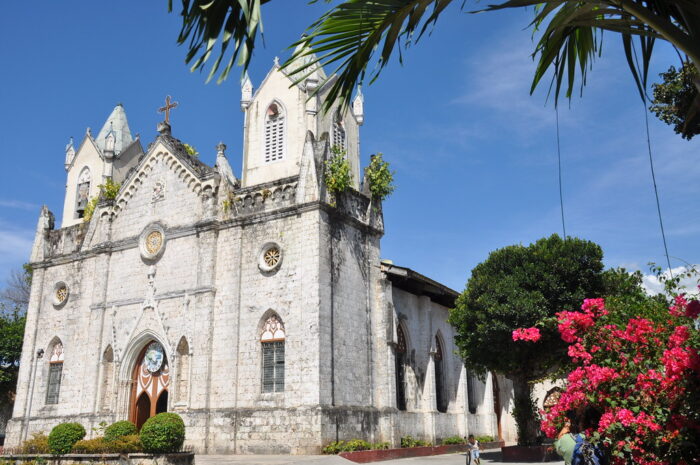
Our first stop was in the town of San Fernando, where the Church of San Isidro Labrador is located. The parish became independent in 1858; this religious structure was known as the only church in Cebu uniquely made of light materials. The church construction began in 1870, but due to a lack of funds, it was not completed until 1886. What I like about this church is its Gothic design and its simplicity.
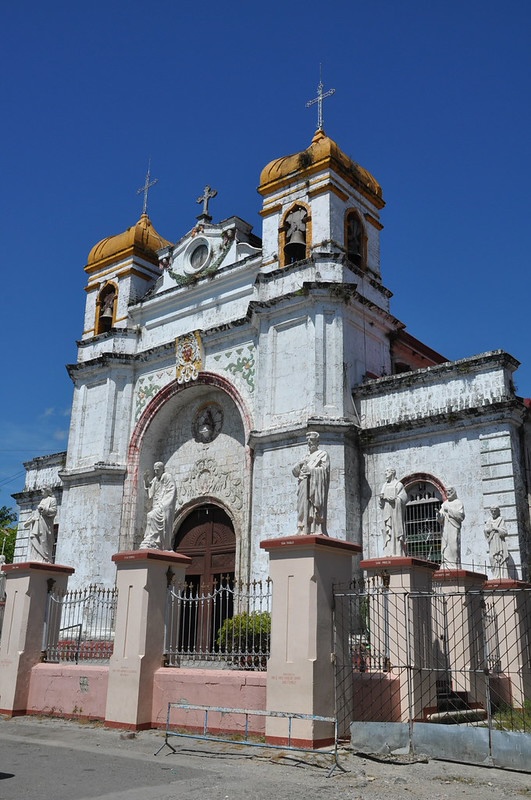
The town next to San Fernando is Carcar, where the Church of Santa Catalina de Alejandria is located. Built in 1860, this church was relocated after the original was burned by local Moro pirates. One interesting part of the church is the larger-than-life statue of the 12 apostles at the church gate.
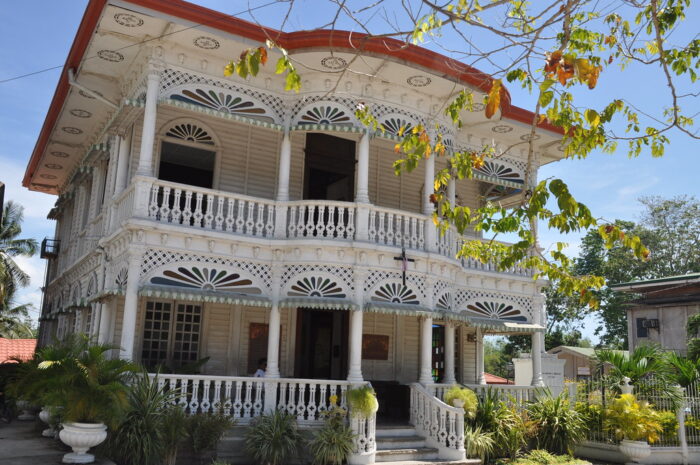
The Church of Nuestra Señora del Pilar de Zaragoza in Sibonga was constructed between 1846 and 1868 and completed in 1881. The church is popular for having gorgeous murals and patterns painted on the wooden ceilings. Outside the church, an old patio was surrounded by century-old acacia trees, making the park a great place to unwind.
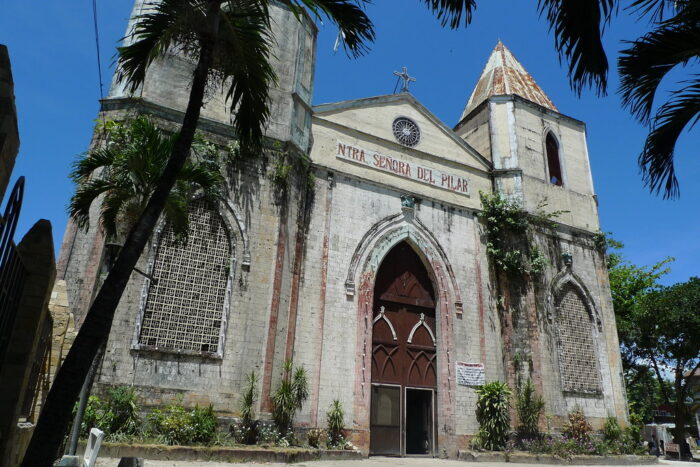
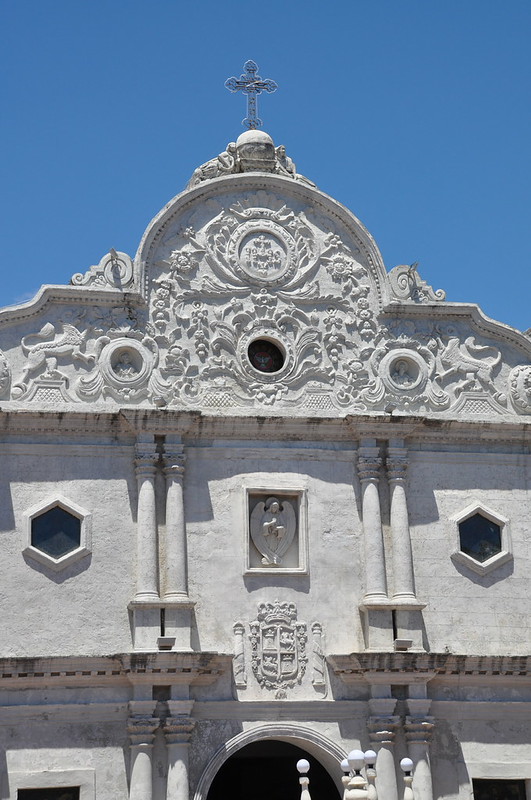
Our next stop was in Argao to visit the Church of St. Michael the Archangel, a UNESCO World Heritage Site. The church was built in 1783 during the time of Fr. Francisco Espina, who was the parish priest from 1782 to 1798. The church’s architecture is Baroque, and it features beautiful carvings of angels and flowers on the facade. The church originally had a beautiful retablo, but due to tasteless repainting ordered by its former parish priest, the church became controversial among heritage conservation groups.
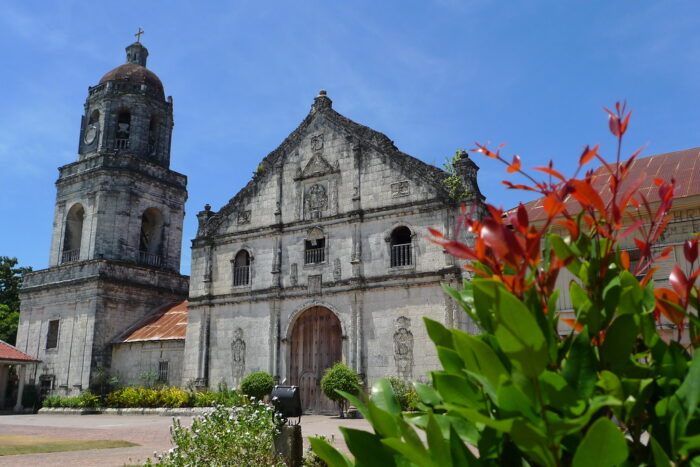
Made of marble, San Guillermo de Aquitana Church in Dalaguete was established in 1690. Facing the sea and a beautiful patio, it has a huge bell tower that also served as a watchtower during the Spanish era. The church has a baroque altar burnished in gold leaf and crystal chandeliers shipped by the Spanish galleons of yore.
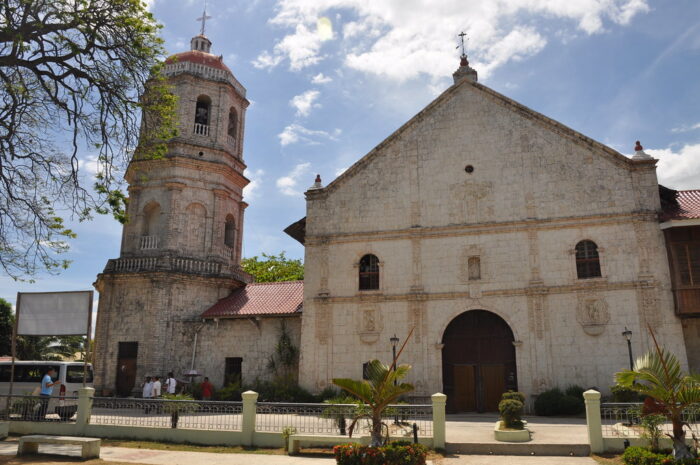
The second-to-last church that we visited was the church Nuestra Señora Virgen del Patrocinio in Boljoon, Cebu. This church is the oldest remaining original stone church in Cebu and was declared for conservation and restoration in 1998. Similar to the churches of Argao and Dalaguete, the Nuestra Senora Virgen del Patrocinio church has apseudo-Baroque Rococoo design. In front of the church was a newly constructed park with a free Wi-Fi zone.
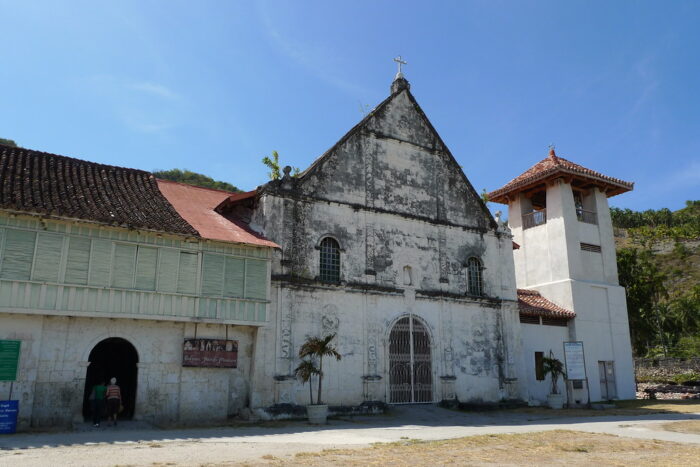
Oslob is probably my favorite town in Cebu when it comes to heritage structures. Apart from the beautiful Nuestra Señora de la Inmaculada Concepción church, a couple of interesting structures can be found on Aragones Street, including the unfinished Spanish cuartel.
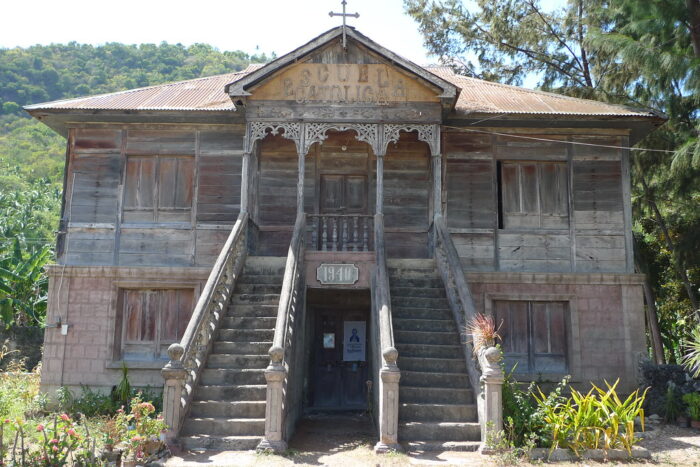
Right in front of the Boljoon belfry, another interesting heritage structure stands. Popularly known as Escuela Catolica, this building was constructed in 1940 and was formerly used as a Catholic school.
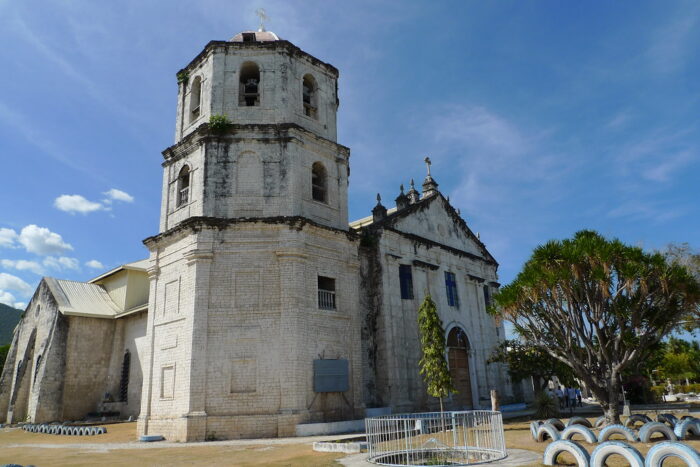
Constructed in 1830, the church of Nuestra Señora de la Inmaculada Concepcion was designed by Bishop Santos Gomez Marañon. Unfortunately, the church and the centuries-old rectory were razed by an 8-hour fire in 2008 and are currently undergoing reconstruction. A small chapel can also be found in front of the church, right beside an arch leading to the Oslob coastline.
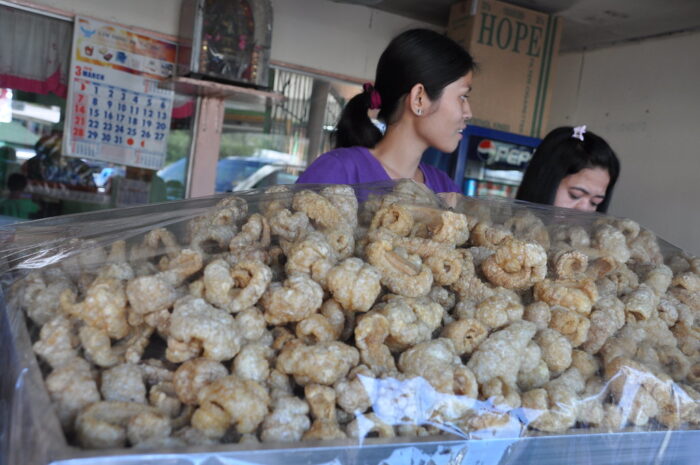
Apart from visiting the beautiful churches of Southern Cebu, we also tried some popular snacks and delicacies, such as the famous chicaron of Carcar City and the delicious Torta of Argao.

As the birthplace of Catholicism in the Philippines and Asia, Cebu is definitely one of the best places to do Visita Iglesia, with many heritage churches, some dating back to the 1600s.
After visiting the 7 beautiful churches in Southern Cebu, we all headed to Sumilon Bluewater Island Resort for an overnight stay.
If you want to experience Visita Iglesia in Cebu, you can contact Ka Bino Guerrero, one of the best tour guides there. You can reach him at (63919-380-5853)
Follow and subscribe to OutofTownBlog.com on Facebook , Twitter, Instagram, Pinterest, and YouTube for more Travel-related updates.
Read:
- Tuna Festival in General Santos City
- Discover Pulau Pangkor: A Guide to Its Best Beaches and Hidden Gems
- The Old San Fernando Train Station in Pampanga
- Top 21 Best PAMPANGA TOURIST SPOTS + Things to Do
- Rakuh A Payaman: Marlboro Country in Mahatao, Batanes
- Humba Festival in Ronda, Cebu: History, Things to Do, Schedule, Travel Guide and Tips
- Kabkaban Festival in Carcar, Cebu

