

 Melo Villareal
Rakuh A Payaman: Marlboro Country of Batanes
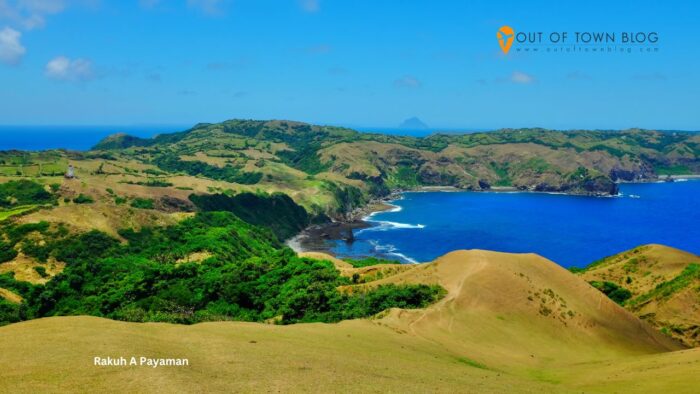
Rakuh A Payaman, commonly known as Marlboro Country, is a breathtaking landscape nestled in Mahatao, Batanes, at the northernmost edge of the Philippines. This vast expanse of green hills and open pastureland offers a serene escape, presenting a tableau so picturesque it rivals scenes from postcards. The undulating terrain, dotted with grazing livestock such as cows and carabaos, stretches towards the horizon, blending seamlessly with the clear blue skies above.

Batanes Marlboro Hills
The locale, set within the South Batan region, has taken on the moniker ‘Marlboro Country’ as its sweeping vistas are reminiscent of the famous cigarette brand’s advertising imagery; however, it remains respectfully known among the Ivatan locals by its traditional name, Rakuh A Payaman.
The site has become an iconic symbol of Batanes, drawing visitors who seek to experience its natural splendor and tranquility. The panoramic views from this pastureland are not only a feast for the eyes but also a testament to the harmonious interaction between the island’s cultural practices and its environment.
Visitors to Marlboro Country are often captivated by the contrast between lush greenery and the deep blue sea, offering a vantage point that includes the majestic Mt. Iraya and the famous Tayid Lighthouse.
This popular tourist attraction captures the essence of Batanes and its natural, unspoiled beauty, preserved by the Ivatans’ sustainable, communal land practices.
Geographical Context
Situated in the scenic, tranquil northern reaches of the Philippines, Rakuh A Payaman is a natural attraction on Batan Island in Batanes. It serves as an exquisite example of the Philippines’ rugged and pastoral landscapes. Mahatao—one of the small municipalities in Batanes—is home to this vast expanse of green pastureland.
Rakuh A Payaman is set against the backdrop of Mount Iraya and stretches toward the inspiring waters around Batanes, offering an exceptional view that encapsulates the region’s serene beauty.
The area is marked by:
- Undulating grassy hills: The terrain is a gentle swell of green, segmented by natural stone fences.
- Ocean vistas: To the horizon, the azure of the sea contrasts sharply with the greenery.
- Grazing livestock: Cows and carabaos dot the landscape, a testament to the area’s use as communal pastureland.
Rakuh A Payaman’s elevated location rewards visitors with unimpeded views of both land and sea. Its geographical position on Batan Island ensures mild weather, with winds sweeping across the open land, making it an ideal habitat not only for grazing animals but also for travelers seeking to immerse themselves in the raw beauty of the Philippines.

Natural Features
Rakuh A Payaman, commonly known as Marlboro Country, presents a striking tableau of Batanes’ ecological richness and diverse topography, which includes verdant pasturelands and a dynamic coastal landscape.
Flora and Fauna
The environment of Rakuh A Payaman is rich in flora that carpets the region in a lush green hue. This pastureland sustains an array of fauna, including horses, cows, and carabaos—the Philippines’ native water buffalo. These animals graze freely in the area, lending the landscape its vibrant, living quality amid the whipping winds.
Landscape and Terrain
The landscape of Rakuh A Payaman is a dramatic confluence of Mt. Iraya’s slopes and the expansive coastline. The terrain is characterized by rolling hills that mirror the waves of the adjacent seascape, with wind-sculpted patterns in the green pasture adding texture to the pastoral scenery.
This open expanse not only supports local cattle but also serves as a scenic spot overlooking the powerful, picturesque contrast between land and sea.

Travel Information
The journey to Rakuh A Payaman, also known as Marlboro Country, offers an exhilarating blend of natural beauty and cultural exploration. Situated in Mahatao, Batanes, this idyllic location is a must-visit for tourists seeking fresh air and picturesque landscapes.
Getting There
Travelers typically start their journey to Rakuh A Payaman from Basco, the capital of Batanes. From Basco town proper, one can hire a tricycle for a South Batan tour, which includes stops at Mahatao and other stunning sights in the southern part of Batan Island. The trip from Manila to Basco is commonly by air, with daily flights available.
When to Visit
The best time to visit Rakuh A Payaman is during the dry months from March to June, when the weather is most conducive for touring. This period offers the best chances of clear skies and optimal outdoor conditions, allowing tourists to fully appreciate the serene charm of Batanes.
Activities and Experiences
Upon arrival, travelers can immerse themselves in a variety of activities. The expansive green hills are perfect for leisurely strolls and photography, with roaming livestock enhancing the pastoral ambiance. A popular activity is visiting the nearby Tayid Lighthouse, which offers a breathtaking view of the surrounding area.
For a more personalized experience, a tricycle tour provides an intimate look at local culture and the daily lives of residents in nearby Uyugan.

Local Lifestyle and Practices
In the verdant expanses of Rakuh A Payaman, the Ivatans’ deep connection to land and community is evident. Their day-to-day lives revolve around a synergy between agriculture and community, reflecting their commitment to sustainable living.
Agriculture and Livestock Management
The Ivatans, native inhabitants of Batanes, maintain a rich tradition of agriculture and livestock management, integral to their self-sustaining lifestyle. The Mahatao Communal Pastureland Association oversees the area known as Rakuh A Payaman, ensuring that it serves its purpose as a communal pastureland.
Here, cattle and other livestock graze freely, a testament to the effective communal practices passed down through generations. This system not only supports livestock grazing but also protects the land and contributes to the community’s resilience.
- Livestock Grazing: A staple of the local economy, livestock grazing is a common sight across the wide pasture lands.
- Sustainable Practices: The locals employ sustainable methods to manage the land, ensuring it remains fertile and productive.
Community Life
Community life in Mahatao revolves around cooperation and collective stewardship of the land. The Ivatans are known for their stone houses and strong communal ties, often working together to maintain the pastureland and support each other’s agricultural endeavors. The Mahatao Communal Pastureland Association embodies the ethos of shared responsibility and plays a crucial role in the stewardship of Rakuh A Payaman.
- Stone Houses: These resilient structures are emblematic of Ivatan architecture, built to withstand the region’s harsh weather.
- Shared Responsibility: Every member participates in maintaining the communal lands, reinforcing unity and a sense of belonging.
Adventure and Outdoor Activities
In the serene locality of Mahatao lies Rakuh A Payaman, better known as Marlboro Country, a destination that beckons with its wide-open spaces and the promise of adventure beneath the vast sky. Visitors seeking a day filled with exploration and natural beauty will find this spot a perfect combination of vibrant landscapes and outdoor exertion.
Hiking and Exploring
The trails of Marlboro Country are an explorer’s delight, offering varying degrees of difficulty suitable for both the casual walker and the seasoned hiker. They lead adventurers through rolling hills and lush greenery, revealing panoramic views of the sea, the surrounding islands, and the pastoral symphony of livestock dotting the landscape.
Along the way, the trails offer numerous vantage points from which one can take in the essence of nature’s grandeur that defines Marlboro Country as a beloved tourist spot.
Photography Hotspots
For enthusiasts and professional photographers alike, Marlboro Country offers numerous photography hotspots that capture Batanes’ cinematic allure. The verdant fields contrast with the azure skies, providing picturesque scenes at every turn.
Key photography locations include the hilltops, where one can capture idyllic scenes of cattle grazing with breathtaking seascapes in the background. Days with clear skies offer opportunities for dramatic landscape shots, while the soft light of golden hour adds a magical touch to the already stunning scenery.

Logistics and Accommodations
Visiting Rakuh A Payaman, commonly known as Marlboro Country, requires understanding the available transportation and accommodation options in Batanes to ensure a seamless travel experience.
Transport Options
In Batanes, travelers can reach Marlboro Country via various routes. For those looking to explore at their own pace, renting a motorcycle or bicycle provides a sense of freedom on the winding paths. Many tourists opt for a tricycle, a common mode of transport on the island.
Tricycle tours are particularly popular; they offer guided experiences that include several key destinations around the area. Visitors can arrange a tricycle in Basco, the capital town, for a full- or half-day tour covering Marlboro Country and other scenic spots.
For those flying into Batanes, flights typically arrive at Basco Airport. From Laoag, another option is to take a connecting flight to reach Batanes. Once in Basco, travelers can use local restaurants as convenient landmarks or meeting points for arranging their onward journey to Mahatao.
Staying in Batanes
Accommodation in Batanes ranges from simple homestays to more upscale hotels, providing options for every budget. Many of the accommodations are located in or near Basco, which serves as a convenient base for visiting Marlboro Country and other attractions.
Visitors should book their stay in advance, especially during peak tourism seasons, to avoid the hassle of searching for available rooms upon arrival.
Some notable homestays and hotels offer amenities such as Wi-Fi, tour booking assistance, and local cuisine, allowing guests to immerse themselves in Ivatan hospitality while exploring the islands.
Tips for Travelers
Visiting Rakuh A Payaman, commonly referred to as Marlboro Country, in Mahatao, Batanes, is a breathtaking experience for travelers. For those planning a trip, consider the following tips to enhance your visit:
- Best Time to Visit: To capture the iconic lush greenery, aim to arrive at the site from 10 a.m. onwards, when the sunlight illuminates the rolling hills most vividly. For a tranquil experience with fewer crowds, plan a visit between 8 and 10 a.m.
- Sun Protection: The open landscape of Marlboro Country means direct sun exposure. Visitors should bring effective sunscreen to protect against harsh rays, particularly during midday visits.
- Getting There: Travelers can take a tricycle tour from Basco Airport directly to the site. This mode of transportation offers a scenic, local route to Marlboro Country.
- Appropriate Attire: As the terrain is rugged and can be windy, it’s advisable for tourists to wear comfortable clothing and sturdy footwear when exploring the pastureland.
- Interacting with Locals: The region is not just a tourist spot but a grazing ground for local livestock. Visitors should be respectful of the area and the locals tending to their animals.
- Leave No Trace: Preserve the natural beauty of Marlboro Country by taking all your litter with you and being mindful of the environment at all times.
Following these tips helps ensure that tourists have a memorable and respectful visit to one of Batanes’ most stunning attractions.

Frequently Asked Questions
How do I get to Rakuh A Payaman, also known as Marlboro Country, in Batanes?
To reach Rakuh A Payaman in Batanes, travelers typically fly from Manila to Basco, then either hire a tour guide or rent a vehicle to travel to this renowned location. The availability of tours and means of transportation is subject to change; thus, visitors should verify the latest travel options before their journey.
What is the historical significance of Marlboro Hills in Batanes?
Marlboro Hills, or Rakuh A Payaman, is a symbol of the traditional Ivatan land-sharing practices. This communal pastureland reflects the locals’ sustainable land use and communal labor known as “kapwa,” underscoring their commitment to community and environment.
Can you provide a description of the landscape at Rakuh A Payaman?
The landscape of Rakuh A Payaman features rolling green hills, panoramic views of the Pacific Ocean and the West Philippine Sea, and occasional traditional Ivatan stone houses. This picturesque location is also dotted with grazing livestock, adding to its idyllic charm.
What is the correct pronunciation of Racuh a Payaman?
The correct pronunciation of Racuh a Payaman is “rah-ku a pa-ya-man.” Emphasis is typically placed on the second syllable of each word, closely following the Ivatan language’s phonetic cadence.
How is Rakuh A Payaman connected to the culture of Batanes?
Rakuh A Payaman is deeply intertwined with Ivatan culture, representing a way of life rooted in community and harmony with nature. The site is a living showcase of the traditional farming methods that are essential to Ivatan societal structure.
What other tourist attractions are located near Marlboro Country in Batanes?
Near Marlboro Country, other attractions include the picturesque Tayid Lighthouse, the boulder-strewn shores of Valugan Beach, and the naturally sculpted Mahatao View Deck. Each site offers a unique glimpse into the natural beauty and cultural heritage of Batanes.
Follow and subscribe to OutofTownBlog.com on Facebook, Twitter, Instagram, Pinterest, and YouTube for more Batanes tourist spots.
Read:
- Batanes on my Mind: Dreaming of a Batanes vacation even after it was over
- Spontaneity at Its Finest: 3 Days Sagada Adventure Itinerary
- More Scenic Destinations To Discover In Cagayan Valley Region Apart From Palaui Island