Melo Villareal
TRAVEL: Bartering in Tawi-Tawi, A Way of Life
My day began with a filling breakfast at Sameera Coffee in Bongao, and my next stop was Brgy. Batu-Batu in the town of Panglima Sugala. Batu-Batu is a seaside village surrounded by lush, tropical forests, located in the municipality of Panglima Sugala. Our journey to the town from Bongao took only half an hour. It might be hard to believe, but food, accommodation, or a tourist attraction weren’t the real reason for going there. Instead, I was there to witness something I thought was only possible in history books. Being able to witness it up close and personal was a very exciting and peculiar experience for me.

Previously, Panglima Sugala was known as Balimbing. Prior to 1979, the municipal capital of Tawi-Tawi was based in the municipality of Batu-Batu. In Tawi-Tawi, the largest agricultural producer is the Municipality of Panglima Sugala, also known as the “food basket” of Tawi-Tawi. In addition to cassava, bananas, sugar cane, rice, coconut, and seasonal fruits, farmers also produce durian, marang, and rambutan.

Our visit to a local village provided us with a unique opportunity to witness and experience a tradition that has remained unchanged for decades. Our actual purpose in visiting Panglima Sugala was to see barter trading, an old trading system that has long been obsolete since paper money was introduced.
Bartering involves the exchange of goods and services between two parties without the use of paper money or digital transactions. Filipinos traded with Chinese traders and neighboring countries using the barter system before the arrival of the Spaniards in 1521. Basically, it would be like going cashless in the 15th century!
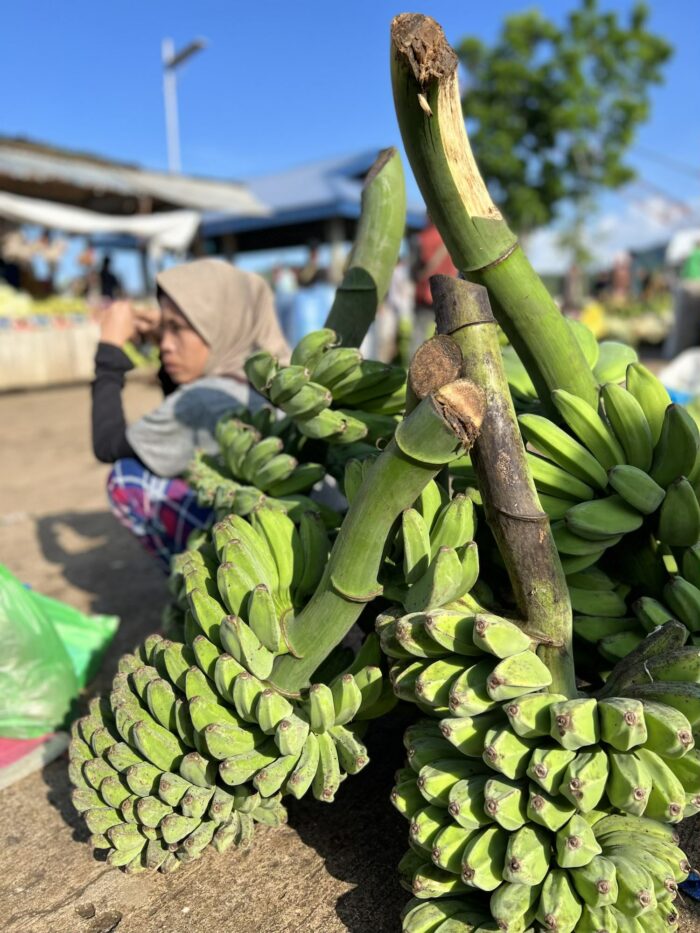
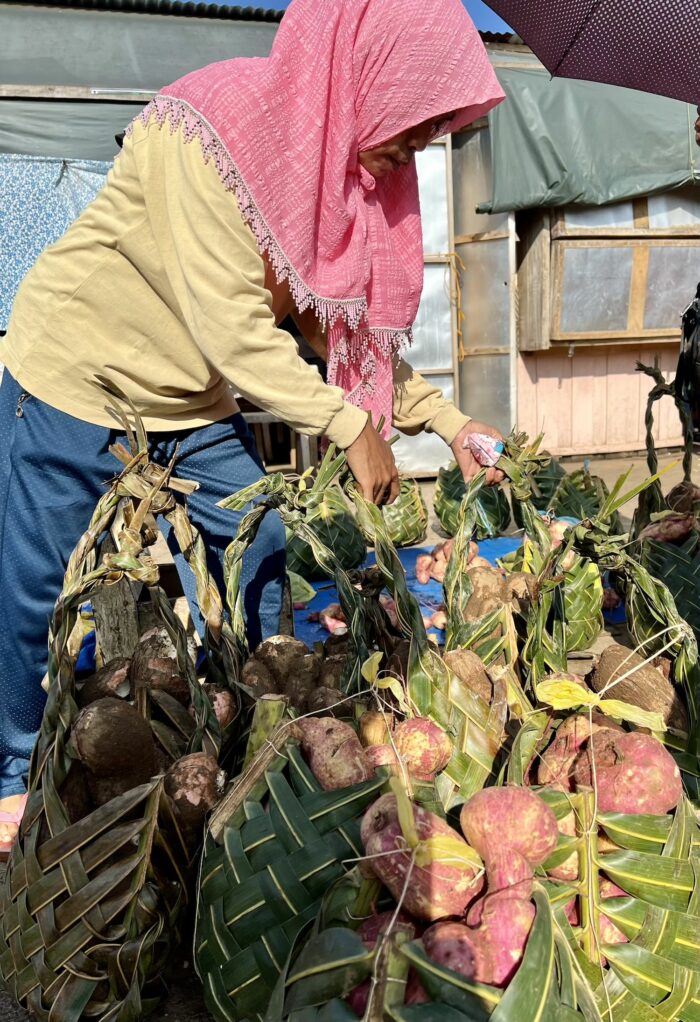
It is hard to believe that barter trade exists in this day and age when so many transactions are processed electronically. Adlaw Pagtabuh-tabuh, or Market Day, is what the locals call it. Every Saturday, Badjao communities from the Tawi-Tawi islands meet at Panglima Sugala Market to exchange marine products. Agricultural products such as vegetables, crops, and seaweed are traded for seafood, shellfish, and other marine products.
I was surprised by how many people engaged in barter trade at the market. Except for the lack of tables and chairs, it looks like an ordinary marketplace. All the products are arranged on concrete flooring, and everyone waits patiently for buyers and traders. Also, there are no price tags on the products displayed.

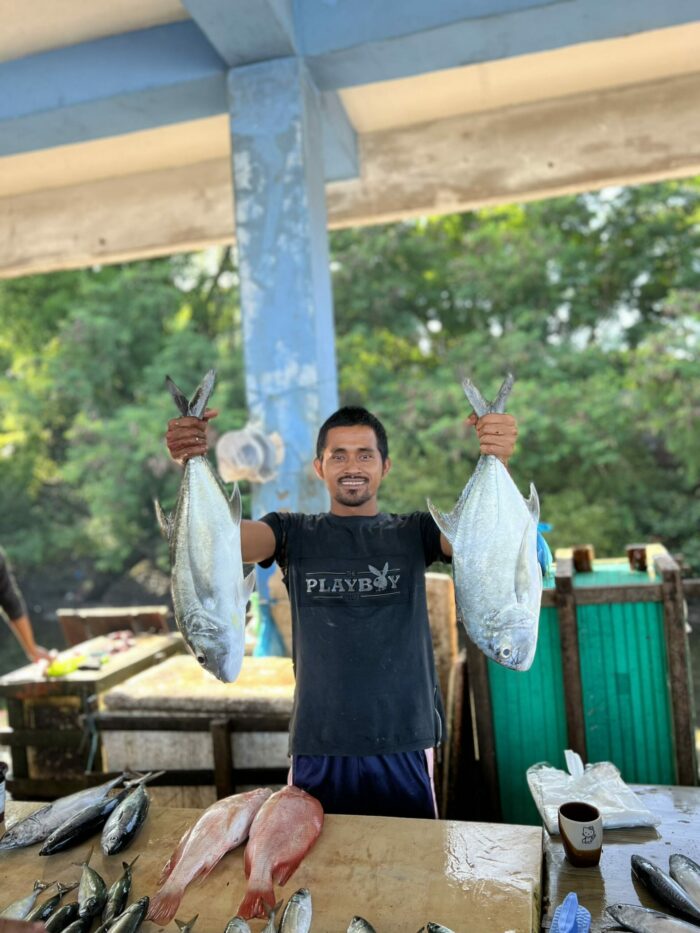
While walking around the area, I became more curious about how they negotiate. Even though there was a language barrier between us, I was nevertheless astounded by how they concluded negotiations, with one of the parties leaving with the product they had traded.
I was wondering how these people determined whether the deal was fair, since there was no weighing scale in sight. I am still not quite sure, but I guess they play it by ear and agree on an offer if it’s acceptable to both parties.
Seaweeds, shellfish, and freshly caught reef fishes from the vast Sulu Sea are among the products bought by the Badjaos. A mainlander trades agricultural products such as vegetables, root crops, fruits, coconuts, and sugarcane. They are willing to trade these goods for marine products.

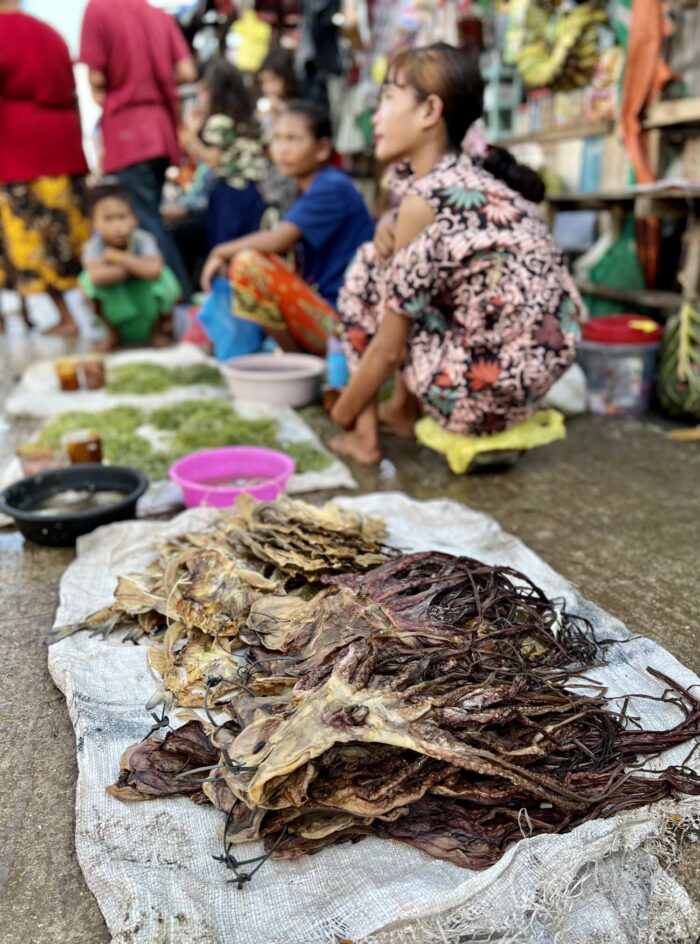
A contemporary marketplace without price tags and weighing tools may put off customers. This quaint town, however, places a higher value on trust. I felt transported back to simpler times when I witnessed a peaceful product exchange in real time.
This barter trading experience taught me valuable lessons about the world we live in. I discovered that success isn’t solely measured by money; instead, building genuine connections with people and achieving mutually beneficial deals are equally, if not more, important.
It was a truly meaningful journey that I was genuinely glad to participate in, an experience filled with remarkable moments that I deeply appreciate witnessing firsthand. This journey represented more than just an event; it was a window into a way of life that has been carefully preserved over generations, embodying values of respect, tradition, and cultural significance that continue to be honored and upheld.
Want more updates about new tourist spots in Tawi-Tawi, Philippines? Please follow #TeamOutofTown, on Facebook, Twitter, Instagram, and Pinterest for more travel ideas.
Read:
- Zamboanga City Travel Guide
- Best Things To Do In Tawi-Tawi
- Tawi-Tawi Travel Requirements
- Fly From Cotabato To Tawi-Tawi Via PAL And Explore These Underrated Destinations