Melo Villareal
Beyond Adobo and Sinigang: 25 Traditional Filipino Dishes Worth Discovering
Filipino cuisine offers much more than adobo, sinigang, and the familiar dishes served in restaurants nationwide. Each region has specialties shaped by local ingredients, geography, family traditions, and centuries of cultural exchange. Some dishes feature coconut milk and aromatic spices, while others highlight slow-cooked meats, fresh seafood, native vegetables, and fermented ingredients.
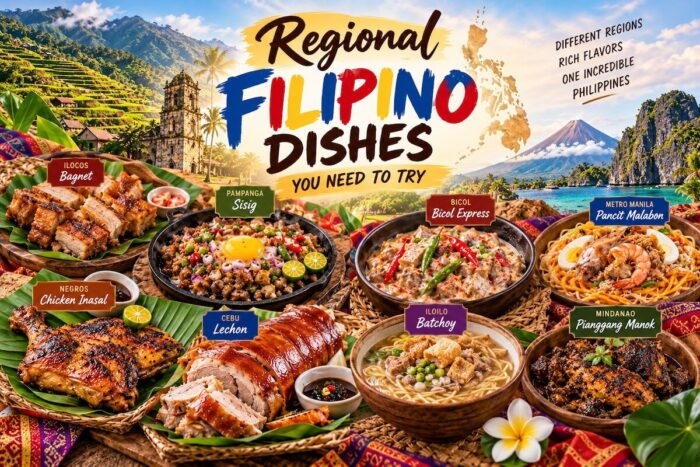
Regional Filipino Dishes You Need to Try
From Pampanga’s celebrated meat dishes to Bicol’s coconut-based specialties, the Visayas’ festive food traditions, and Mindanao’s distinctive Muslim Filipino cuisine, the country offers a remarkable range of flavors worth exploring.
These 25 regional Filipino dishes introduce readers to traditional recipes, local cooking methods, and culinary stories that deserve greater recognition. The selection blends familiar regional favorites with lesser-known specialties, giving food enthusiasts plenty of reasons to look beyond the usual Filipino staples.
1. Kare-Kare: A Rich Peanut Stew from Pampanga and Beyond

Kare-kare is one of the Philippines’ most recognizable celebratory dishes. It features a thick, savory sauce made with ground peanuts or peanut butter, toasted rice, and sometimes annatto for color. Common ingredients include oxtail, beef, tripe, eggplant, banana blossom, and string beans.
The dish is often associated with Pampanga, a province widely celebrated for its culinary traditions. However, families across the Philippines enjoy kare-kare and have their own preferred combinations of meat, vegetables, and sauce.
Its defining characteristic is its nutty, mildly savory flavor rather than the sourness or strong seasoning found in other Filipino stews. Bagoong alamang, or fermented shrimp paste, is usually served on the side. Its salty, concentrated taste contrasts with the rich peanut sauce.
Kare-kare frequently appears at fiestas, family gatherings, and special occasions because it takes time and preparation to make well. Some versions use seafood or vegetables instead of traditional oxtail and tripe.
For anyone exploring regional Filipino food, kare-kare demonstrates how local cooks transform familiar ingredients into a dish with a distinctive texture and flavor.
2. Sisig: Pampanga’s Famous Sizzling Pork Specialty

Sisig is closely associated with Angeles City and the wider province of Pampanga. It is typically prepared with chopped pork, onions, calamansi, chili, and seasonings. The finished dish often arrives on a hot plate, producing the familiar sizzling sound associated with Filipino restaurants.
Traditional versions often use pig’s head and other pork parts, including ears and cheeks. These ingredients are boiled or grilled, then chopped and seasoned. Modern interpretations may use pork belly, chicken, seafood, or other proteins.
Sisig’s appeal comes from its textural contrast. The meat can be crisp around the edges while remaining tender inside. Calamansi contributes acidity, onions provide sharpness, and chili adds heat.
Although sisig is now popular nationwide, Pampanga remains central to its culinary identity. Itis often served as a pulutan, or food eaten alongside drinks, but it also works as a main dish with steamed rice.
Many contemporary restaurants add mayonnaise or a raw egg to their versions. These are popular variations, not requirements, in traditional preparation.
Sisig is an excellent introduction to Kapampangan cooking, which is known for its resourceful use of ingredients and attention to flavor and texture.
3. Bringhe: Pampanga’s Festive Rice Dish
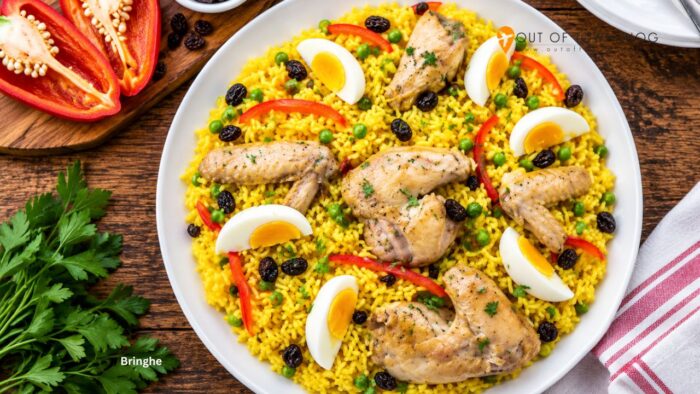
Bringhe is a celebratory rice dish associated with Pampanga and Kapampangan cooking. People often compare it to paella because it combines rice, meat, vegetables, and seasonings in a colorful, filling dish.
Unlike many everyday rice dishes, bringhe commonly uses glutinous rice or a mixture of rice varieties cooked with coconut milk. Turmeric or other coloring ingredients give it a distinctive yellow appearance. Chicken is a common protein, while vegetables, bell peppers, and other additions vary by household.
Bringhe is particularly associated with fiestas, holidays, and large family gatherings. Its preparation can involve several steps, from cooking the meat to combining the rice and coconut milk until the grains absorb the flavors.
The result is a rich and aromatic dish that can serve as the centerpiece of a celebratory meal. Some recipes draw on Spanish-style rice cooking, while local versions reflect Kapampangan preferences and available produce.
Bringhe is worth trying because it shows how Filipino cooks adapted broader culinary influences into something distinctly local. It is not simply a rice side dish. It is a festive preparation with its own place in regional food culture.
4. Pancit Batil Patung: Tuguegarao’s Hearty Noodle Dish
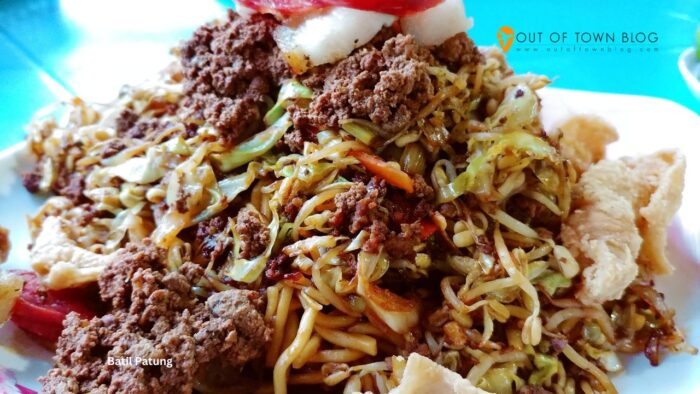
Pancit batil patung is a specialty of Tuguegarao City, Cagayan, in northeastern Luzon. It is known for its combination of fresh egg noodles, meat, vegetables, and an egg topping. Carabao meat is traditionally used in many versions, though other meats may be used.
The dish’s name refers to its distinctive preparation and topping. It is commonly served with a separate bowl of broth, letting diners enjoy the noodles with a warm, savory accompaniment.
Unlike lighter pancit preparations, pancit batil patung is substantial enough to serve as a complete meal. The noodles absorb the flavor of the meat and seasonings, while vegetables add freshness and texture. Some versions top it with a fried egg.
Condiments such as calamansi, chopped onions, and chili allow diners to adjust the flavor to their preference.
Pancit batil patung is popular in local eateries throughout Tuguegarao, where noodle shops often develop their own versions. It is a useful discovery for travelers who want to experience a regional specialty beyond the pancit dishes commonly found in Manila.
5. Pinikpikan: A Traditional Cordilleran Chicken Dish

Pinikpikan is a traditional dish from the Cordillera region of northern Luzon, particularly in some highland communities in Benguet and nearby areas.
Its preparation has cultural significance in certain Indigenous Cordilleran traditions. People commonly make the dish with chicken, cooked with ingredients such as ginger, salt, and local vegetables. Recipes differ among communities and households.
Pinikpikan is not simply a regional chicken soup. Its traditional preparation is tied to community practices and customary food preparation. These traditions should be understood in their cultural context, not reduced to a novelty for visitors.
Contemporary preparations may differ from traditional methods, particularly in restaurants catering to travelers. Some versions are served as a comforting broth, while others incorporate local vegetables and additional seasonings.
The dish reflects the relationship between food, community, and regional identity in the Cordilleras. It also shows why understanding a traditional recipe’s background can be as important as knowing its ingredients.
Visitors interested in trying pinikpikan should seek out respectful, community-informed explanations of the dish and recognize that preparation methods can vary.
6. Bagnet: Ilocos Norte’s Crispy Pork Specialty

Bagnet is a well-known Ilocano dish made from pork belly or other fatty pork cuts that are boiled, dried, and deep-fried until the skin becomes crisp. It is particularly associated with Ilocos Norte, including the city of Laoag and the town of Batac.
The preparation gives bagnet its signature contrast: crunchy skin, rich fat, and tender meat. Achieving the right texture requires careful handling because the pork must lose enough moisture for the exterior to become crisp.
People often serve bagnet with rice and a dipping sauce made with vinegar, onions, and other seasonings. People can also incorporate it into other dishes, including vegetable stews and preparations inspired by the Ilocano dish pinakbet.
Although bagnet resembles lechon kawali, regional preparation methods, seasoning choices, and local food traditions give it a distinct identity. Families and restaurants may also differ in how they boil, dry, season, and fry the pork.
Bagnet is a must-try for people who enjoy crispy pork dishes. Its popularity also reflects the Ilocano appreciation for bold textures and practical cooking methods that turn simple ingredients into memorable meals.
7. Pinakbet: The Ilocano Vegetable Dish
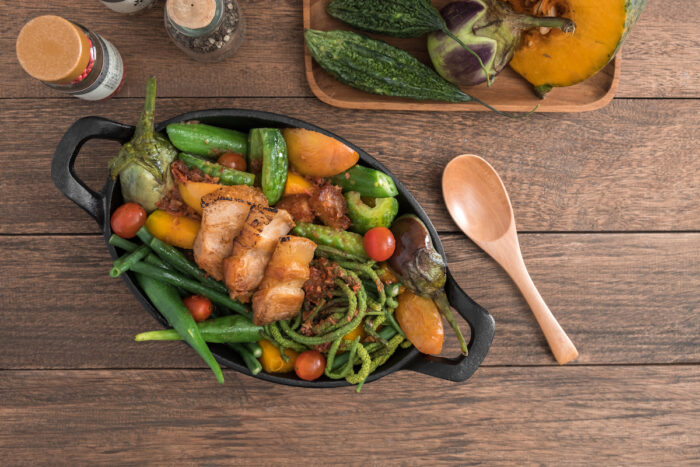
Pinakbet is a vegetable dish central to Ilocano cuisine. It commonly combines eggplant, bitter melon, okra, tomatoes, string beans, and squash, though ingredients vary by availability and household preference.
Traditional Ilocano preparations often use bagoong isda, or fermented fish sauce, to season the vegetables. This adds a savory, concentrated flavor that complements the produce’s natural sweetness and bitterness.
The vegetables are generally cooked until tender without turning completely mushy. Some versions include pork or other proteins, while others focus primarily on vegetables.
Pinakbet is a key example of how regional Filipino cooking uses locally grown produce. It is also practical because you can adjust ingredients based on the season and what’s available.
There are variations throughout the Philippines. Some versions associated with other regions use shrimp paste or different combinations of vegetables and seasonings. These differences reflect local tastes rather than a single universal recipe.
For diners accustomed to meat-heavy Filipino meals, pinakbet offers a way to appreciate vegetables through traditional seasoning and cooking techniques. It is especially appealing when served with rice and grilled or fried fish.
8. Poqui-Poqui: Ilocos’ Smoky Eggplant Dish
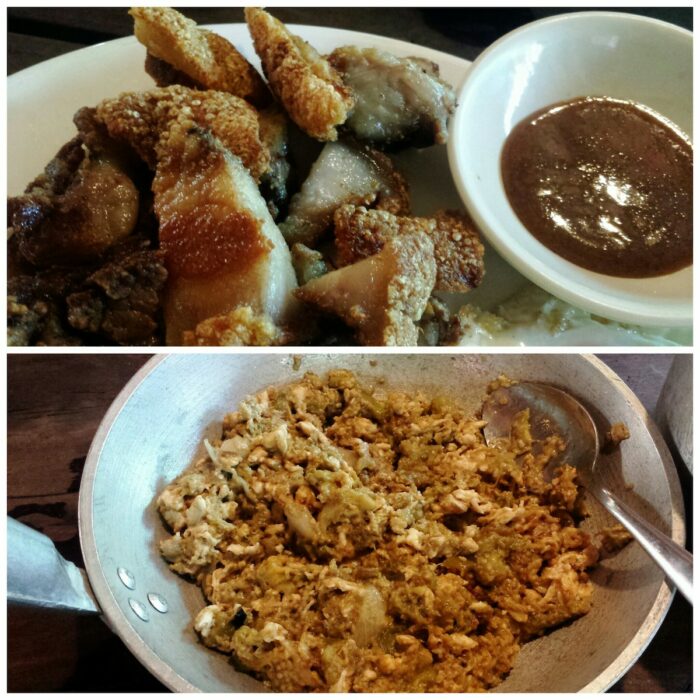
Poqui-poqui is an Ilocano vegetable dish made primarily with roasted or grilled eggplant, tomatoes, onions, and eggs. It is often associated with Ilocos Norte and Ilocos Sur.
The eggplant is cooked until soft, allowing the skin to be removed and the flesh to develop a smoky flavor. It is then combined with sautéed tomatoes and onions, and eggs are added to bind the ingredients.
The result is a soft, savory dish that balances smoky eggplant, sweet tomatoes, and gently cooked eggs. Some recipes use additional seasonings, but the dish generally relies on a small number of ingredients.
Poqui-poqui is a useful example of regional cooking that doesn’t rely on expensive meat or elaborate preparation. It turns everyday vegetables into a satisfying dish that pairs well with rice for breakfast, lunch, or dinner.
The name may surprise visitors unfamiliar with Ilocano cuisine, but the food itself is approachable. Travelers exploring the Ilocos region can look for it in local eateries serving traditional home-style dishes.
Poqui-poqui also works well for people who want to discover Filipino regional cuisine beyond pork specialties and seafood stews.
9. Vigan Longganisa: Ilocos Sur’s Garlicky Sausage

Vigan longganisa is a regional sausage from Vigan City, Ilocos Sur. Producers typically make it from ground pork seasoned with garlic, salt, pepper, and other ingredients that vary by producer.
Compared with some sweeter Filipino sausages, Vigan longganisa is known for its strong garlic flavor and savory profile. Its small size and relatively coarse texture also set it apart from other regional longganisa varieties.
People commonly serve it for Filipino breakfast, with garlic rice and fried eggs. People often serve vinegar as a condiment, adding acidity that cuts through the pork’s richness.
The sausage is closely connected to Vigan’s food culture and its reputation as a destination for traditional Ilocano cooking. It is also widely sold as a pasalubong, although travelers should follow storage and transport instructions for meat products.
Vigan longganisa reminds us that Filipino regional food includes many variations of familiar dishes. The ingredients may seem simple, but the balance of garlic, meat, and seasoning creates a flavor tied to a particular place.
10. Bicol Express: A Spicy Coconut-Based Pork Dish

Bicol Express is widely associated with Bicolano cuisine and the region’s love of chili peppers and coconut milk. The dish typically combines pork, coconut milk, chili, garlic, onions, and bagoong or other salty seasonings.
Its flavor is rich, spicy, and savory. Coconut milk softens the chilies’ heat while giving the sauce a creamy consistency. Pork supplies richness, and the fermented seasoning adds depth.
Despite its strong association with Bicol, the dish’s name and modern form have a more complicated culinary history than its regional reputation might suggest. Its popularity has spread nationwide, and recipes vary widely in heat and consistency.
Some versions use more coconut milk for a thicker, creamier sauce. Others emphasize chili and fermented seasoning. Restaurants may also adjust the spice level to suit diners who prefer a milder dish.
Bicol Express is usually served with steamed rice, which helps balance the richness and heat. It is an essential choice for anyone exploring Filipino food because it illustrates how local ingredients can define a regional flavor profile.
People sensitive to spicy food should ask about the chili level before ordering.
11. Laing: Bicol’s Creamy Taro Leaf Dish

Laing is another Bicol specialty, made with taro leaves cooked in coconut milk. Depending on the recipe, it may also contain dried fish, shrimp, pork, chili, garlic, and other seasonings.
As they cook, the leaves absorb the coconut milk, producing a rich dish with a concentrated, savory flavor. Chili adds heat, while dried seafood or meat adds depth.
Properly preparing taro leaves matters because raw or undercooked taro can irritate the mouth due to naturally occurring calcium oxalate crystals. Traditional cooking methods cook the leaves thoroughly, and diners should choose properly prepared versions.
Laing can be served as a vegetable side dish or as a substantial accompaniment to rice. Some preparations are relatively dry, while others retain a generous amount of coconut sauce.
Although laing is now available in restaurants nationwide, its association with Bicol remains strong. It represents the region’s skillful use of coconut milk, leafy vegetables, and chili.
For travelers exploring Bicolano cuisine, laing provides a different experience from meat-centered dishes. Its richness comes from the ingredients and cooking process rather than from a large quantity of meat.
12. Pancit Habhab: Lucban’s Distinctive Noodle Dish
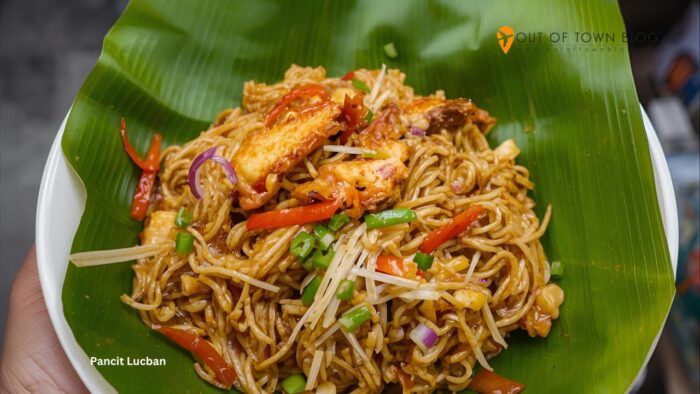
Pancit habhab is a specialty associated with Lucban, Quezon. It is commonly made with miki noodles, vegetables, and seasonings, with pork or other ingredients added according to the recipe.
Traditionally, people eat the dish directly from a banana leaf without utensils. The word “habhab” refers to this eating style, which is part of the dish’s local identity.
They usually stir-fry the noodles with vegetables and seasoning until they absorb the savory flavors. Some versions are served with vinegar, which adds brightness and balances the dish.
Pancit habhab is closely linked to Lucban’s local food culture and is often mentioned alongside the town’s famous longganisa and the Pahiyas Festival. During festive periods, visitors can encounter local food traditions that reflect the community’s agricultural heritage.
The dish is easy to overlook compared with more widely known pancit varieties. However, its distinctive serving tradition and association with Lucban make it an appealing discovery.
For food enthusiasts, pancit habhab demonstrates how a noodle dish can develop a recognizable regional identity through preparation, presentation, and community customs.
13. Pancit Malabon: Metro Manila’s Seafood Noodle Specialty

Common toppings include shrimp, squid, smoked fish, boiled eggs, pork, and crushed chicharon. The exact combination varies by restaurant and family recipe.
The noodles are generally thicker than those used in other pancit dishes, giving the dish a substantial texture. Seafood adds sweetness and brininess, while the sauce binds the ingredients together.
Pancit Malabon is often prepared for gatherings and celebrations because it can be served in a large platter and shared by several people. Its generous toppings also make it a filling main dish.
Although it is associated with Metro Manila rather than a distant province, it belongs in a regional food guide because the city’s culinary traditions have developed their own distinctive specialties.
Pancit Malabon is worth trying for anyone interested in the diversity of Filipino noodles. It offers a seafood-forward alternative to dishes centered on pork, chicken, or soy-seasoned noodles.
14. Batchoy: Iloilo’s Hearty Noodle Soup

La Paz batchoy is a noodle soup from Iloilo City’s La Paz district. It typically features fresh egg noodles in a rich pork-based broth, with pork, offal, crushed chicharon, garlic, and spring onions.
The broth is central to the dish. It develops its flavor through slow cooking and a blend of meat, aromatics, and seasonings. The toppings provide contrasting textures, from tender noodles and meat to crunchy pork cracklings.
People often enjoy batchoy as a filling meal or comforting snack, especially during cooler weather or rainy days. Its popularity has spread beyond Iloilo, but local shops still serve their own interpretations of the classic dish.
Some versions use different cuts of pork or adjust the broth’s richness. Diners can also find variations in noodle texture and garnish.
La Paz batchoy reflects Iloilo’s food culture and the importance of noodle soups in everyday dining. It is a particularly good choice for travelers who want a dish that feels both comforting and distinctly regional.
For the best experience, enjoy it fresh while the broth is hot and the toppings retain their texture.
15. KBL: Iloilo’s Pork, Kadyos, and Langka Stew

KBL is a traditional Ilonggo dish named for its three main ingredients: kadyos (pigeon peas), baboy (pork), and langka (unripe jackfruit).
The stew is associated with Western Visayas, particularly Iloilo. It commonly features pork cooked with pigeon peas and young jackfruit in a savory broth. Some recipes use batwan, a souring fruit popular in parts of the region, to give the dish its distinctive tang.
Pigeon peas add a firm texture and earthy flavor, while the jackfruit softens as it cooks and absorbs the broth. Pork adds richness, and the souring ingredient balances the dish.
KBL shows how regional Filipino cooking depends on local produce that may be unfamiliar outside its area of origin. Ingredients such as batwan can be difficult to find in some parts of the country, so versions prepared elsewhere may use substitutes.
The dish is typically served with rice and can be enjoyed as a home-style meal or a specialty in restaurants featuring Ilonggo cuisine.
Its combination of sourness, meat, legumes, and fruit makes KBL a distinctive alternative to more familiar Filipino stews.
16. Chicken Inasal: Bacolod’s Grilled Chicken Specialty

Chicken inasal is closely associated with Bacolod City and Negros Occidental. It is a grilled chicken dish marinated in a mixture that commonly includes vinegar, calamansi, garlic, ginger, and lemongrass.
The chicken is cooked over charcoal, giving it a smoky aroma. During grilling, some versions are brushed with an oil-and-seasoning mixture, which helps develop the skin’s color and flavor.
Annatto often provides the characteristic orange hue, though recipes vary in their exact ingredients. The marinade balances acidity, aromatics, and savory notes without necessarily making the meat spicy.
Chicken inasal is commonly served with rice, calamansi, soy sauce, and chili. Some restaurants let diners add chicken oil to their rice for extra richness.
The dish has become popular nationwide, but its connection to Bacolod remains central to its identity. Local inasal restaurants often serve as central spots for casual dining and gatherings.
Chicken inasal is a practical introduction to Visayan food because it is widely approachable while still reflecting a specific regional grilling tradition.
17. Kansi: Negros’ Sour Beef Shank Soup

Kansi is a specialty associated with Bacolod and other parts of Negros Occidental. It is a beef soup that combines a sour broth with a rich, meaty stew.
The dish typically uses beef shank, often with bone marrow, and may include batwan as a souring ingredient. Some versions also use jackfruit, which softens as it cooks and absorbs the broth.
The result is a hearty soup that balances the richness of beef with acidity. Bone marrow adds a silky texture, while the souring fruit gives the broth a flavor that sets it apart from other Filipino beef soups.
Kansi is sometimes compared with bulalo because both can feature beef shank and marrow. However, the sour broth sets it apart. Its flavor profile is closer to the sour-soup tradition found in other Filipino dishes, but the ingredients give it a regional identity of its own.
The dish is generally served hot with rice. It is especially appealing to people who enjoy slow-cooked beef and flavorful broth.
For anyone exploring Negros cuisine, kansi offers a distinctive combination of richness, acidity, and local ingredients.
18. Humba: A Sweet-Savory Pork Dish from the Visayas
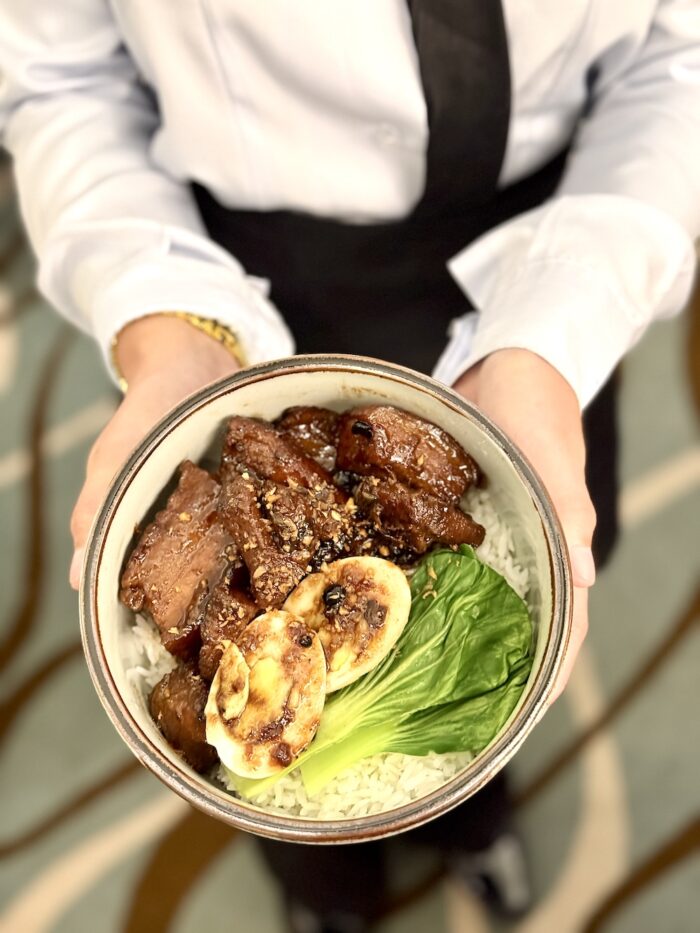
Humba is a pork dish found across the Visayas, particularly in Cebu and neighboring areas. People often prepare it with pork belly or other fatty cuts, slowly braised in soy sauce, vinegar, garlic, sugar, and spices.
Depending on the family recipe, ingredients may include fermented black beans, dried banana blossoms, or other additions that deepen the sauce.
The cooking process tenderizes the pork while the sauce develops a sweet, savory, slightly tangy flavor. The fat adds richness, making humba a satisfying accompaniment to plain rice.
Humba is sometimes compared with adobo because both braise pork with salty, acidic seasonings. However, humba is commonly sweeter and may include ingredients that create a more concentrated sauce.
People often serve the dish during family meals, celebrations, and gatherings. Ingredients and preparation vary by household, so no single recipe represents every regional version.
Humba is worth trying for diners who appreciate slow-cooked pork. It also illustrates how familiar ingredients can produce different dishes through changes in proportions, cooking time, and regional preference.
19. Binakol: A Coconut Water Chicken Soup from Western Visayas

Binakol is a traditional chicken soup associated with Western Visayas, particularly Aklan and parts of Panay. It uses coconut water as part of the cooking liquid and sometimes adds coconut meat for extra texture.
Chicken is simmered with aromatics such as ginger and lemongrass. Depending on the recipe, it may also include vegetables such as green papaya or leafy greens.
Coconut water gives the broth a gentle sweetness that differs from soups made with plain water or a strongly seasoned stock. The chicken contributes savory flavor, while ginger and lemongrass provide fragrance.
Some traditional preparations use bamboo as a cooking vessel, although many contemporary home kitchens and restaurants use ordinary pots. The dish’s name and exact preparation can vary by locality.
Binakol is generally served as a hot soup with rice. It can be especially appealing to diners who prefer a lighter dish compared with coconut milk-based stews or heavily fried specialties.
Its use of coconut water demonstrates the versatility of a common tropical ingredient in Filipino cooking. Rather than relying on a thick sauce, binakol builds its flavor through the broth, chicken, and aromatics.
20. Chicken or Seafood Kinilaw

Kinilaw is a traditional Filipino preparation in which fresh fish or seafood is seasoned with an acidic ingredient, commonly vinegar or calamansi, along with onions, ginger, chili, and other aromatics.
It is widely associated with coastal communities throughout the Philippines, including Palawan and the Visayas. Recipes vary according to the available catch, local preferences, and family traditions.
Unlike cooked fish dishes, kinilaw relies on acidity to change the seafood’s texture and flavor. This process does not reliably eliminate all harmful microorganisms or parasites, so freshness, proper handling, and safe sourcing are essential.
The dish’s flavor is bright and refreshing. The acidity balances the seafood’s natural richness, while ginger and onions add fragrance and crunch. Some versions incorporate coconut milk or other ingredients, although these are not universal.
Kinilaw is especially relevant to regional food exploration because coastal communities have developed different ways to prepare fresh seafood. A version served in one province may differ from another in its souring agent, seasoning, and choice of fish.
For travelers, kinilaw offers a way to appreciate the Philippines’ seafood traditions. Choose a reputable establishment that handles raw seafood safely, especially when eating in unfamiliar destinations.
21. Tamilok: Palawan’s Unusual Mangrove Delicacy
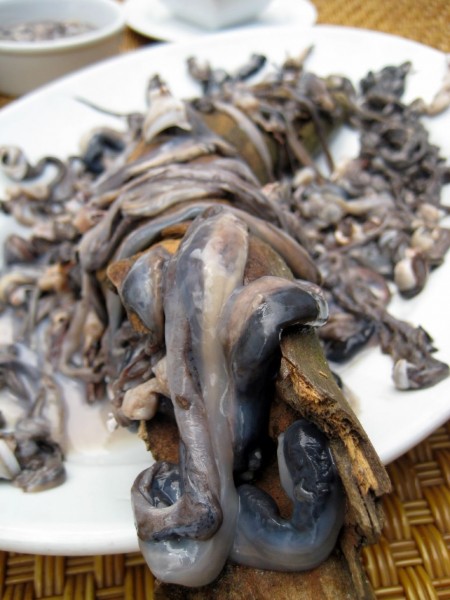
Tamilok is a marine mollusk commonly found in mangrove wood in parts of Palawan and other coastal areas. Despite its worm-like appearance and nickname, it isn’t a real worm.
People traditionally eat it raw or lightly prepared with vinegar, calamansi, onions, and other seasonings. Its texture is soft and slippery, and its flavor is often described as mild, with the accompanying vinegar and aromatics contributing much of the dish’s character.
Tamilok has become a well-known food experience for adventurous visitors to Palawan. It also reflects the close relationship between coastal food traditions and local ecosystems.
However, not everyone will want to try it. Its appearance and texture can be unfamiliar, and safe sourcing and handling are important when consuming raw seafood.
For people who prefer more familiar foods, Palawan offers many alternatives, including grilled fish, seafood soups, and kinilaw. Tamilok is best understood as one part of a much broader local food culture rather than a defining dish for every Palawan community.
Its inclusion in this list illustrates the range of ingredients found in Filipino regional cuisine, although diners should make their own decisions about unfamiliar foods.
22. Pianggang Manok: Tausug Chicken with Charred Coconut

Pianggang manok is a traditional Tausug dish associated with the Sulu Archipelago and parts of Mindanao. It is particularly notable for its dark color and use of charred coconut.
Chicken is cooked with a rich mixture of coconut and spices. Recipes may include turmeric, ginger, garlic, onions, and other seasonings that contribute aroma and depth.
The coconut is charred or roasted before being incorporated into the dish, creating a smoky flavor and dark appearance. The resulting sauce is savory and aromatic, with a complexity that distinguishes it from many familiar Filipino chicken stews.
Pianggang manok is part of the broader culinary heritage of Muslim Filipino communities, whose food traditions reflect local ingredients and historical connections across maritime Southeast Asia.
People commonly serve the dish with rice, and it may appear at family meals and special occasions. Its preparation can vary from household to household and community to community.
Pianggang manok is worth discovering because it broadens the picture of Filipino cuisine beyond the dishes most commonly represented in national restaurant menus. It highlights the distinct culinary identities of communities in the southern Philippines.
23. Tiyula Itum: Tausug Black Beef Soup

Tiyula itum is a traditional Tausug dish associated with the Sulu Archipelago. Its name refers to its dark appearance, which comes from ingredients that may include charred coconut and a mixture of aromatic spices.
The dish is generally prepared with beef or other meat simmered in a richly seasoned broth. Ginger, turmeric, garlic, onions, and local spices can contribute fragrance and warmth.
Charred coconut gives the broth its characteristic dark color and smoky depth. The result is a savory, aromatic dish that differs from the tomato-based stews and lighter soups many diners are familiar with.
Tiyula itum holds cultural importance within Tausug food traditions and may be served during gatherings and special occasions. Its ingredients and methods reflect regional practices shaped by local resources and cultural exchange.
People usually eat the dish with rice, which complements the intense broth. It can be especially appealing to people who enjoy slow-cooked meat and deeply flavored soups.
Trying tiyula itum offers a glimpse into the culinary traditions of Muslim Filipino communities. It also emphasizes that the country’s food heritage includes a wide range of preparations beyond the most familiar national dishes.
24. Pastil: Mindanao’s Practical Rice-and-Meat Meal

Pastil is a popular rice-and-meat preparation associated with parts of Mindanao, particularly communities in Maguindanao and nearby areas. It typically consists of steamed rice topped with shredded or finely cooked meat, then wrapped in banana leaves.
Chicken and beef are common fillings, although ingredients and seasonings differ by locality. People usually cook the meat with aromatics and seasonings before placing it over the rice.
The banana-leaf wrapping makes pastil portable and convenient. People often sell it as an affordable meal or snack, making it a familiar choice for students, workers, and anyone who needs food on the go.
Although it may look simple, pastil reflects the importance of practical food traditions in everyday life. It combines staple ingredients in a compact format that can be prepared in batches and sold at accessible prices.
Pastil also reflects Mindanao’s diverse cuisine, where local food traditions vary across cultural communities. It should not be treated as a single dish that represents the entire island.
For travelers, pastil offers an approachable introduction to regional food. It is filling, easy to carry, and often provides a taste of local cooking without requiring a formal restaurant meal.
25. Rendang-Inspired Beef Dishes and Muslim Filipino Cuisine
The southern Philippines has a rich culinary heritage shaped by local ingredients and historical connections with neighboring parts of maritime Southeast Asia. Across communities in Mindanao and the Sulu Archipelago, meat dishes may feature coconut milk, turmeric, ginger, garlic, onions, and complex spice combinations.
Some Filipino Muslim communities prepare beef dishes influenced by the wider regional tradition of slow-cooked, richly seasoned meat. These preparations may resemble rendang in their use of spices and extended cooking, but recipes, names, and cultural meanings differ across communities.
A proper discussion of these dishes should avoid treating every coconut-based beef stew as the same recipe. Specific communities and household practices shape the ingredients, cooking methods, and serving traditions.
People commonly enjoy these dishes with rice, and they may be prepared for family gatherings, celebrations, and other occasions. Their rich sauces and tender meat appeal to diners who enjoy aromatic, slow-cooked food.
Exploring Muslim Filipino cuisine broadens understanding of the country’s culinary landscape. It highlights traditions mainstream food guides may overlook and emphasizes that Filipino food isn’t culturally or geographically uniform.
When trying these specialties, look for restaurants and community food businesses that identify the dish accurately and can explain its regional background.
Why Regional Filipino Cuisine Deserves More Attention
International audiences often encounter Filipino food through a small collection of familiar dishes. Adobo, sinigang, lumpia, and lechon are central to the country’s food culture, but they represent only a fraction of its culinary diversity.
Regional specialties reveal how geography and local ingredients influence everyday cooking. Ilocano dishes often highlight vegetables, fermented seasonings, and distinctive pork preparations. Bicolano cooking makes extensive use of coconut milk and chili. Western Visayan specialties showcase noodle soups, grilled chicken, and stews made with local ingredients. Mindanao’s culinary traditions include distinctive spice combinations and dishes rooted in Muslim Filipino communities’ heritage.
Family traditions also matter. A dish may have several versions even within the same province. Recipes change as ingredients become available, cooks adapt techniques, and families pass down their own preferences.
Discovering these foods is more than trying unfamiliar flavors. It is an opportunity to understand the people and communities behind them.
The next time you explore Filipino cuisine, look beyond the usual restaurant menu. Try a regional noodle dish, order a traditional vegetable preparation, or seek out a specialty associated with the place you are visiting. These experiences offer a richer picture of the Philippines and the many culinary traditions that make its food culture distinctive.
Frequently Asked Questions About Regional Filipino Dishes
1. What are the most famous regional Filipino dishes?
Some of the best-known regional Filipino dishes include Pampanga sisig, Ilocos bagnet, Bicol Express, Bacolod chicken inasal, Iloilo batchoy, and Vigan longganisa. These specialties are closely tied to specific places, although many are now served nationwide. Their popularity comes from distinctive ingredients, preparation methods, and regional food traditions. Trying them in their places of origin can offer a useful introduction to local culinary culture, but recipes and flavors still vary among families and restaurants.
2. What makes regional Filipino cuisine different from everyday Filipino food?
Regional Filipino cuisine reflects local ingredients, geography, cultural traditions, and historical influences. Coastal communities often feature seafood, while agricultural areas may emphasize vegetables, pork, rice, and locally grown fruits. Some regions are known for coconut milk and chili, while others favor fermented seasonings, vinegar, or aromatic spices. Everyday Filipino food also includes many regional specialties, so the distinction is not absolute. The term mainly helps describe dishes strongly associated with a particular province, city, or cultural community.
3. Which Filipino regional dishes are best for first-time food explorers?
Chicken inasal, Vigan longganisa, pancit batil patung, La Paz batchoy, kare-kare, and bagnet are good starting points because their main ingredients are familiar to many diners. These dishes still offer distinctive regional flavors without requiring an immediate leap into unfamiliar seafood or ingredients. Visitors can then explore specialties such as KBL, binakol, or pianggang manok to discover different uses of coconut, local produce, and spices. Mixing familiar and new dishes makes a regional food experience more varied and enjoyable.
4. Which regional Filipino dishes are spicy?
Bicol Express and laing are among the Filipino dishes commonly associated with chili and coconut milk. Pianggang manok and other southern Philippine preparations may also use aromatic spices, although heat levels depend on the recipe. Not every regional dish from Bicol or Mindanao is spicy, and restaurants often adjust seasoning. If you have a low tolerance for chili, ask the server about the heat level before ordering. Coconut milk can soften a dish’s texture and flavor, but it does not always eliminate the heat from peppers.
5. Which regional Filipino dishes use coconut milk?
Bicol Express and laing are prominent examples of dishes that use coconut milk to create rich, savory sauces. Some versions of bringhe also use coconut milk when cooking the rice. Other regional recipes incorporate coconut in different forms, including grated or charred coconut, rather than relying on coconut milk alone. These ingredients contribute richness, aroma, and sometimes sweetness. Coconut-based cooking is especially important in tropical areas where coconuts are readily available, but its use varies by region and dish.
6. What are some traditional Filipino dishes made with vegetables?
Pinakbet and poqui-poqui are two well-known examples of vegetable-centered Ilocano cooking. Pinakbet commonly combines eggplant, bitter melon, okra, squash, and other vegetables seasoned with fermented fish sauce. Poqui-poqui features roasted eggplant mixed with tomatoes, onions, and eggs. Laing uses taro leaves as its main ingredient, though coconut milk and added meat or seafood can make it richer. These dishes show that Filipino regional cuisine includes more than pork and seafood specialties. Vegetables are often seasoned and prepared in ways that make them satisfying with rice.
7. What Filipino regional dishes are commonly served during fiestas?
Bringhe, kare-kare, sisig, and other substantial meat or rice dishes often appear at celebrations and family gatherings, though customs vary by community. Some households prepare special noodle dishes or regional stews for birthdays, holidays, weddings, and local festivals. Fiesta menus depend on the province, available ingredients, family resources, and personal traditions. No single national fiesta menu exists. Exploring local celebrations can reveal how food connects communities, hospitality, and cultural identity, but visitors should remember that festival dishes may also be enjoyed year-round.
8. How does Filipino cuisine differ between Luzon, Visayas, and Mindanao?
Luzon includes a wide range of culinary traditions, from Ilocano vegetable dishes and pork specialties to Kapampangan stews and Bicolano coconut-based preparations. Visayan cuisine features distinctive grilled dishes, noodle soups, pork preparations, and seafood traditions, with considerable differences between islands and provinces. Mindanao’s cuisine is equally diverse and draws on many cultural communities, including Muslim Filipino specialties that use aromatic spices, coconut, and slow-cooked meat. These are broad patterns, not strict rules. Every island group contains multiple food cultures shaped by local history, geography, and available ingredients.
9. Are Filipino regional dishes always authentic when served outside their place of origin?
Not necessarily. Restaurants outside a dish’s home region may adapt ingredients, seasoning, cooking techniques, or serving sizes to suit local preferences and ingredient availability. Some adaptations are thoughtful interpretations, while others differ significantly from customary preparations. No single recipe exists for every traditional dish because households and communities maintain their own versions. When authenticity matters to you, look for restaurants that identify the dish’s regional background and explain how they prepare it. Trying a specialty in its associated province can provide helpful context, but regional variation should not automatically be mistaken for inauthenticity.
10. What Filipino regional dishes are good for people who do not eat pork?
Several dishes suit diners who avoid pork, depending on the specific recipe. Chicken inasal, binakol, pinikpikan, and pianggang manok are chicken-based specialties, while kinilaw typically features fish or other seafood. Some versions of pancit batil patung can also be prepared with alternative meats. However, recipes differ, and sauces, broths, or toppings may contain pork even when the main ingredient does not. Ask about ingredients and preparation methods before ordering. If you avoid pork for religious, ethical, or health reasons, clearly communicate your requirements.
11. What regional Filipino dishes are made with seafood?
Kinilaw is a prominent seafood preparation that uses fresh fish or other seafood seasoned with vinegar or citrus and aromatics. Pancit Malabon is known for its seafood toppings, while many coastal communities also have grilled fish, seafood soups, and shellfish specialties. Ingredients vary according to local catches, seasonality, and community traditions. When eating raw or lightly prepared seafood, choose a reputable establishment that follows safe handling practices. Acidity does not reliably remove all harmful microorganisms or parasites, so freshness and proper food safety remain essential.
12. Why should travelers explore regional Filipino food beyond adobo and sinigang?
Exploring regional Filipino food introduces travelers to ingredients, cooking techniques, and traditions that a small selection of national favorites cannot fully represent. A meal of Ilocano pinakbet, Bicolano laing, Ilonggo KBL, or Tausug tiyula itum can reveal how local communities develop distinct approaches to flavor and preparation. Food also creates opportunities to learn about agriculture, fishing, family gatherings, and cultural identity. Travelers do not need to try every unfamiliar ingredient to appreciate this diversity. Start with approachable dishes, and stay curious about their origins to make food exploration a meaningful part of your experience in the Philippines.
Follow the Out of Town Travel Blog on Facebook, Twitter, Instagram, and Pinterest for more travel and food-related updates.
Read:
- Sinigang na Baboy Recipe: Filipino Pork in Sour Soup Dish
- 10 Filipino Restaurants In Los Angeles You Need To Try Right Now
- FILIPINO FOOD: 42 Tasty Dishes You Should Be Eating Now
- 20 Unusual Filipino Foods That Every Adventurous Traveler Should Try