Melo Villareal
What is a Boutique Hotel? Exploring the Charm of Personalized Accommodation
A boutique hotel often distinguishes itself from larger chain or branded hotels by providing an intimate and usually luxurious or quirky hotel experience. Typically these establishments are furnished in a themed, stylish, and aspirational manner. Boutique hotels are generally small in size, ranging from 10 to 100 rooms, and are situated in fashionable urban locations. They aim to provide personal attention and unique experiences to their guests.
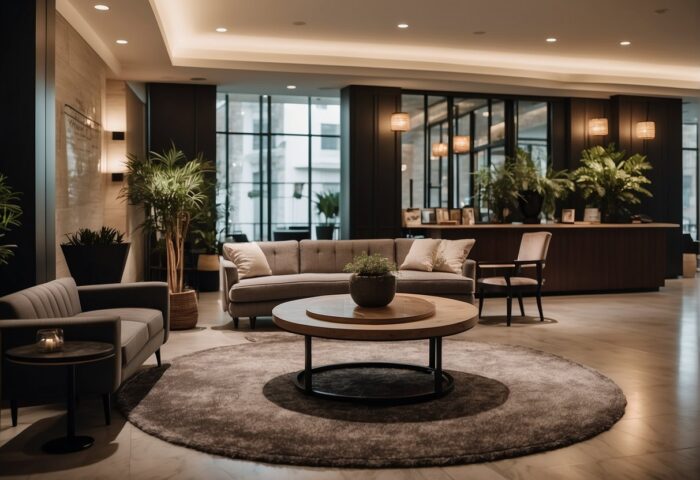
What is a Boutique Hotel
Characterized by their distinctive character and emphasis on design, boutique hotels often offer a personalized service that reflects a notable shift from the formality of traditional luxury accommodations. Incorporating local art, offering custom furnishings, and emphasizing an authentic connection to the local culture are some of the approaches these hotels take to craft a memorable stay for their guests.
The concept of a boutique hotel is a relatively modern term that encompasses the notion of creating a sophisticated and unique environment. It represents a significant element of the hospitality industry that continues to evolve, often encapsulating the individuality and tastes of its proprietors while focusing on creating experiences that resonate personally with guests.
Defining Boutique Hotels
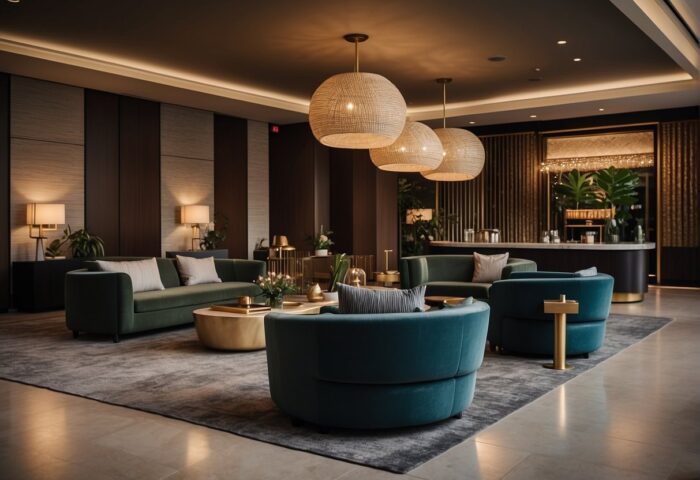
Boutique hotels are often characterized by their intimate size and distinct character that offers guests a unique experience sometimes absent in larger chain hotels. This style of lodging is typically more personalized and focused on providing a services that make guests feel at home.
Characteristics of boutique hotels include:
- Size: Typically small, often less than 100 rooms, creating a more intimate atmosphere.
- Style: Each hotel boasts a one-of-a-kind décor, often themed or infused with local culture.
- Service: The service is personalized and attentive, often including personalized gestures that cater to the preferences of guests.
- Ownership: They are usually independent properties and not part of larger chains, which allows for distinctive experiences.
- Location: Many are situated in fashionable urban locations, offering guests an authentic sense of place.
The essence of a boutique hotel lies in its ability to provide an authentic experience that resonates with the location and its culture. With a focus on quality over quantity, these hotels aim to deliver an environment where design and service create a memorable stay for their guests.
Furthermore, boutique hotels often emphasize their local authenticity, providing visitors with a connection to the destination through local art, cuisine, and traditions. The key to a boutique hotel’s charm is its unique story and the memorable moments it can deliver.
Historical Evolution
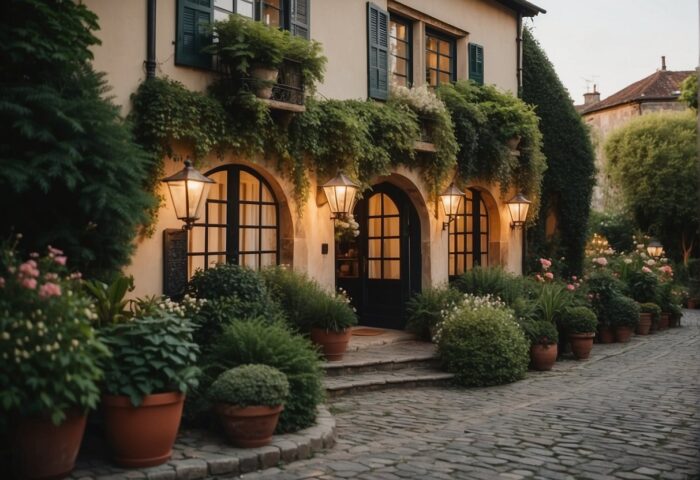
The journey of boutique hotels from their inception to becoming a significant force in the hospitality industry is a story of creativity and individuality. This section delves into the historical evolution of these unique accommodations, focusing on their early days and how they spread across the globe.
Origins and Pioneers
Morgans Hotel, located in New York City, is widely acknowledged as the first boutique hotel. It emerged in the 1980s, marking the beginning of a new era in the hospitality sector. Pioneered by Steve Rubell and Ian Schrager, who were previously known for their nightclub Studio 54, Morgans Hotel brought a fresh approach to lodging. They focused on creating an intimate experience with distinctive personality, setting the foundation for the boutique hotel concept.
Global Expansion
After the establishment of Morgans Hotel, the boutique hotel concept began to resonate worldwide. Though initially limited to a few key urban areas, these unique properties soon experienced global expansion. Their appeal lay in their uniqueness, attention to design, and personalized service, which contrasted with the uniformity of larger hotel chains. The boutique hotel’s emphasis on individuality helped them to carve out a new niche in cities and desirable destinations around the world.
Design and Aesthetics
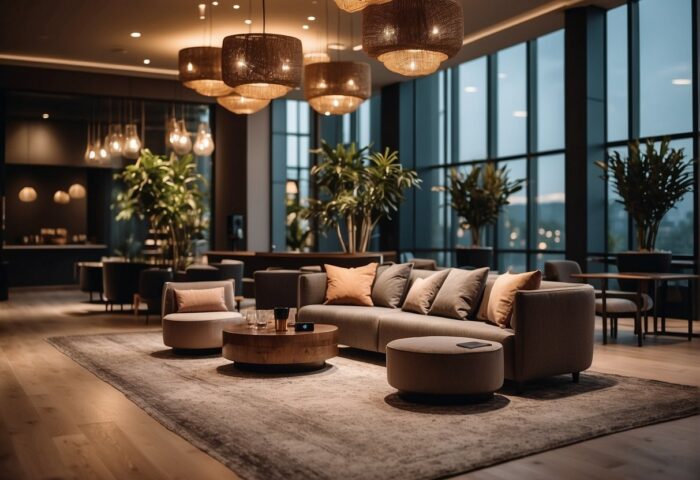
The design and aesthetics of a boutique hotel are pivotal, often centered around a unique theme and vivid artwork that create an immersive and stylish hotel experience for guests.
Signature Style
Boutique hotels distinguish themselves through a signature style that is not only evident in the architecture but also in every minute detail of the guest experience. The goal is to craft a distinctive and memorable ambiance that can range from modern and minimalist to eclectic and vintage. Each hotel’s design is deliberate, with the unity of style prioritizing both form and function to engage and inspire visitors.
- Modern and Minimalist: Clean lines, simplicity, and natural light.
- Eclectic and Vintage: Combining various periods, bold patterns, and rich textures.
Art and Decor
The art and decor in a boutique hotel are often handpicked or custom-made to reflect the hotel’s personality and theme. From the lobby to the individual rooms, art pieces serve as focal points that both complement and accentuate the hotel’s design ethos. This could manifest in:
- Art Installations: Large-scale pieces that command attention and conversation.
- Room Decor: Each room can feature unique artistic elements or curated artwork that connects with the overall theme of the hotel, ensuring that no two rooms are exactly alike.
In summary, the aspiration behind the design and aesthetics of a boutique hotel is to create an unforgettable experience steeped in artistic expression and thematic consistency.
Location and Environment
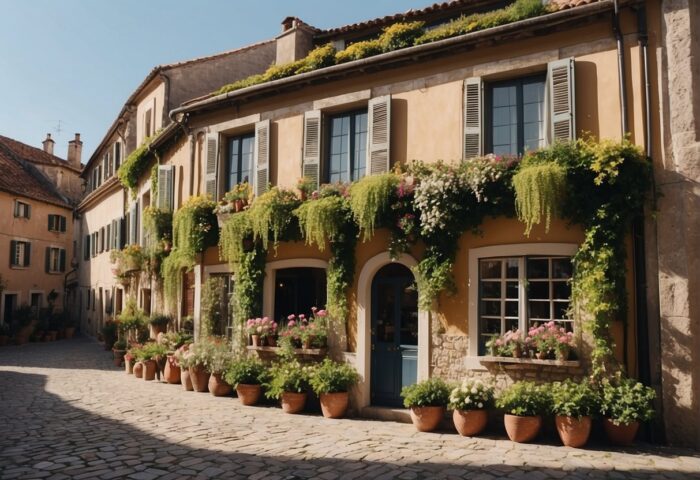
Boutique hotels are distinguished by their strategic placement within the vibrant hearts of cities and their harmonious relationship with the local environment. They provide guests with an immersive experience that reflects the spirit and energy of their urban settings.
Central Urban Areas
Boutique hotels often nestle in central urban areas, such as London’s bustling streets or New York’s iconic Union Square. They are typically found in the city center, where the confluence of commerce, art, and entertainment generates a pulsating urban district. These hotels capitalize on their prime locations, offering convenient access to major attractions, businesses, and cultural venues.
Cultural Integration
These establishments not only boast prime real estate but also embody the essence of local culture. By incorporating elements of the surrounding community into their design and ethos, boutique hotels serve as gateways to the area’s unique culture and lifestyle. Whether it’s through locally inspired aesthetics, partnerships with nearby creatives, or exhibitions that showcase regional talent, guests are treated to an authentic, culturally enriching environment.
Size and Scale
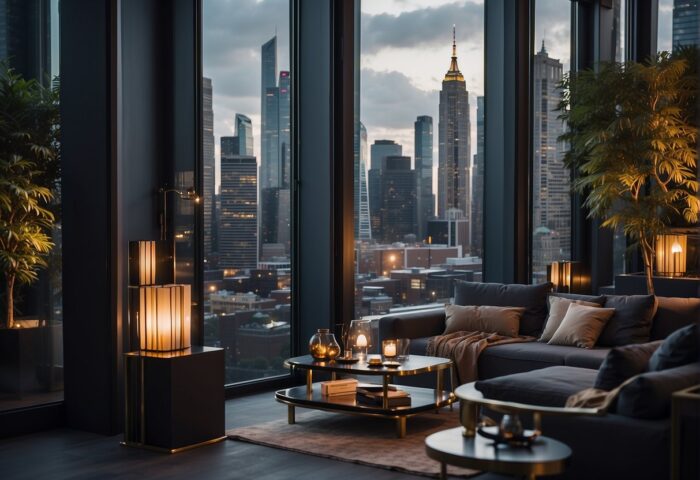
Boutique hotels are characterized by their smaller size, focusing on intimate and personalized experiences. They typically offer a limited number of rooms, distinguishing them from larger, mainstream hotels.
Room Count
Boutique hotels have a smaller room count, generally ranging from 10 to 100 rooms. Most often, this reduced scale allows for heightened attention to guest experience and individualized service. At this size, boutique establishments are able to offer a cozy and inviting atmosphere reminiscent of bed and breakfasts, but with a more sophisticated flair.
Physical Space
The physical space of a boutique hotel is deliberately designed to reflect its unique character. The small size of the property allows each area, whether a room, lobby, or dining space, to be crafted with a specific aesthetic in mind. This careful curation enhances the ambiance and caters to guests seeking a memorable and distinctive stay. Not to be confused with larger commercial counterparts, boutique hotels utilize their limited space to create unique and immersive environments for their guests.
Amenities and Services
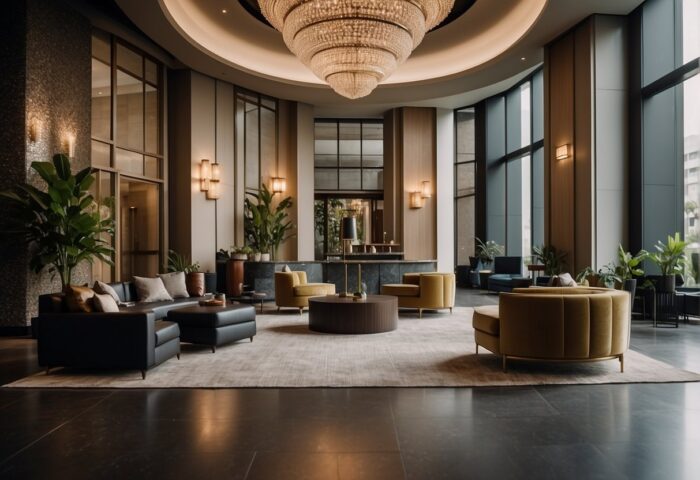
The allure of boutique hotels lies in their ability to offer a rich blend of personalized services and distinct amenities, catering to the nuanced preferences of their guests. From intimate spa experiences to gourmet dining, the focus is on creating a bespoke stay.
Personalization
Boutique hotels set themselves apart through highly personalized service that addresses the unique needs of each guest. This may encompass everything from tailored room settings upon arrival to individualized recommendations for local attractions. The intent is to shape an experience that feels exclusive and attentive to minute details.
Dining and Leisure
Dining: Boutique hotels pride themselves on offering exceptional culinary experiences. Many feature an in-house restaurant that serves exquisite breakfast, lunch, and dinner menus crafted by accomplished chefs using local cuisine. Some may even boast a signature bar, providing a chic space for guests to unwind with innovative cocktail selections.
Leisure: For relaxation and entertainment, amenities can range from on-site spa facilities offering a host of wellness treatments to private yoga sessions for health-conscious travelers. Moreover, the inclusion of a cozy coffee shop within the hotel provides a casual spot for guests to savor their favorite brew or catch up on work in a laid-back ambiance. The concierge service is often available to arrange such leisure activities both within the hotel and in the surrounding area.
Guest Experience
The guest experience in a boutique hotel is defined by the personalized attention and exclusive atmosphere that these establishments are known for. In a world where luxury and authenticity are keys to satisfaction, boutique hotels strive to provide intimate settings that offer unique and tailored experiences to their guests.
Intimacy and Exclusivity
Boutique hotels create a sense of intimacy through their smaller scale, often featuring fewer rooms, which allows for a more exclusive experience. Guests enjoy feeling like they’re part of an elite group where their presence is valued and not just another number. The unique character of each hotel is mirrored in its decor, ambiance, and meticulous attention to detail, ensuring an authentic experience that stands apart from larger hotel chains.
Customer Engagement
Personalized service is a hallmark of the boutique hotel, where staff can engage more deeply with guests, learning their preferences and anticipating their needs. This customer engagement is evident in customized recommendations for local attractions and dining, tailored amenities, or thoughtful gestures that enhance the stay. Boutique hotels pride themselves on creating a one-of-a-kind journey for their guests, where every interaction is crafted to leave a lasting impression.
Market Positioning
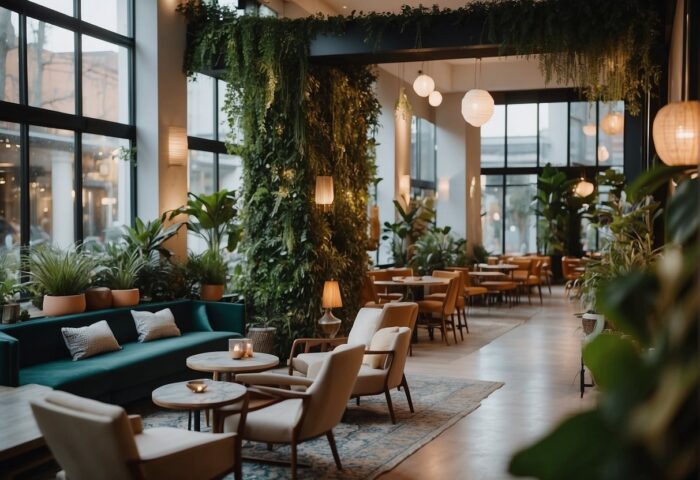
In the realm of boutique hotels, market positioning reflects the strategic effort to craft a hotel’s distinct image and identity within the hospitality industry, aiming to captivate a specific audience by highlighting its unique attributes.
Luxury Segment
Boutique hotels capitalize on their luxury appeal to distinguish themselves in a crowded marketplace. They are not always synonymous with the best hotels in the world, but they often occupy a niche that emphasizes exclusivity and high-end services. For instance, boutique hotels might showcase sumptuous decor and personalized guest experiences to appeal to those seeking a stylish and luxurious stay.
Innovation and Trends
Innovation is a driving force for boutique hotels as they adopt trendy and modern approaches to hospitality. These may include integrating smart technology into guest rooms or using sustainable practices to attract environmentally conscious guests. The implementation of creative amenities and unique thematic concepts keeps boutique hotels relevant and appealing to travelers looking for something beyond the conventional hotel experience.
Comparative Analysis
A comparative analysis of boutique hotels involves evaluating specific characteristics against those of other accommodation options such as chain hotels. This section dissects these differences to better understand their unique value propositions.
Chain Hotels vs. Boutique Hotels
Chain hotels, like Marriott and Hilton, offer the advantage of standardized services and predictable quality. Customers frequently choose these well-known brands for their consistency and reliability across many locations. On the other hand, boutique hotels stand out by offering a unique experience and personalized service. These establishments often provide a distinct character and aesthetic that sets them apart from the regularity of hotel chains. Properties like W Hotels and Andaz have attempted to blend the boutique concept with the chain model, offering both unique style and the benefits of a larger organization.
Independent and Authentic
Boutique hotels are usually independent properties, imbuing them with a sense of authenticity that many travelers seek. Unlike the larger Autograph Collection or Clarion Bedford Hotel, a boutique hotel might showcase local art, offer custom furnishings, and deliver an experience that feels intrinsically connected to its location, like the Bedford. The focus isn’t just on luxury but rather on creating a narrative that resonates with guests, distinguishing itself from the offerings of a typical luxury hotel. Boutique hotels thrive on this individuality, attracting guests who desire accommodations with character.
Consumer Demographics
Understanding consumer demographics for boutique hotels involves recognizing the unique preferences and characteristics that define their target audiences and generational appeal. They are often chosen for their distinct ability to offer cultural immersion, individualized experiences, and a sense of community.
Target Audiences
Boutique hotels cater to guests who value authenticity and individuality in their travel experiences. The ideal guest typically falls into categories such as:
- Travellers seeking luxury and comfort on a smaller, more intimate scale
- Guests desiring personalized service and distinctive amenities that reflect the local culture
- Individuals preferring unique and memorable experiences over the standardization of large hotel chains
These travellers often seek out boutique hotels in locations rich with local attractions and a vibrant community to feel connected to the region they are visiting.
Generational Appeal
Boutique hotels have a broad generational appeal, particularly among millennials. This demographic tends to prioritize:
- Access to technology that seamlessly integrates with their connected lifestyles
- Proximity to experiences that offer a deep dive into local culture and community
- A social atmosphere where they can interact with like-minded travelers and locals alike
As such, boutique hotels are transforming to meet these needs with innovative offerings and authentic experiences that resonate well with younger travelers who are driving the trends in traveling preferences.
Geographic Hotspots
Boutique hotels thrive in regions celebrated for culture and style, often becoming integral components of a city’s identity. They serve as gateways to the local atmosphere, offering immersive experiences that reflect distinct neighborhood vibes and cultural highlights.
North America
In New York City, boutique hotels are a core part of the urban tapestry, with properties like The Morgans Hotel defining the concept. These establishments often take root in areas like Union Square, merging upscale comfort with access to quintessential New York experiences.
San Francisco, known for its tech innovation and bohemian culture, boasts boutique hotels that capture the city’s pioneering spirit. Visitors might find themselves staying in a rejuvenated Victorian house just steps from the iconic Union Square.
Moving to Los Angeles, boutique hotels mirror the city’s cinematic allure, offering stays that are both glamorous and intimately connected to local neighborhoods. Settings range from the Hollywood Hills to beachside retreats, each featuring a personalized twist on LA’s eclectic style.
Miami stands as a beacon of art deco and modern design, where boutique hotels not only match but elevate the city’s vibrant aesthetic. Accommodations often feature bold designs and are situated to grant easy access to Miami’s celebrated beaches and nightlife.
Europe and Beyond
Crossing the Atlantic, London emerges as a hub for boutique hotels, reflecting everything from its regal history to cutting-edge fashion. In neighborhoods like Mayfair or Shoreditch, these hotels embody the city’s diverse character and legacy.
Beyond these mentioned cities, various global destinations have embraced the boutique hotel ethos, crafting localized experiences that capture the essence of each region’s heritage and contemporary charm. They position travelers in the heartbeat of activity while providing an intimate retreat from the bustling cityscape.

Frequently Asked Questions
In this section you’ll find precise answers to some of the most commonly asked questions regarding boutique hotels, offering insights into what makes them distinct and sought-after by travelers seeking a personalized lodging experience.
What characterizes the amenities offered at boutique hotels?
Boutique hotels are known for their unique and high-quality amenities, often tailored to create a memorable and distinctive experience for guests. These may include locally sourced minibar items, premium toiletries, or personalized services.
How do boutique hotels differ from traditional chain hotels?
They typically stand apart from traditional chain hotels through their smaller size, custom design details, and individualized attention to guest experience. Boutique hotels focus on creating a unique vibe and a sense of place reflective of their location.
What is the typical cost comparison between boutique hotels and standard hotels?
Boutique hotels often fall into the luxury category and may be comparably priced to upper-scale standard hotels. However, prices can vary widely based on location, exclusivity, and the level of service provided.
Can you provide examples of key design elements in boutique hotel architecture?
Key design elements of boutique hotel architecture include creative use of space, artistic interiors, and thoughtful integration of local culture or historical elements. This attention to detail in design helps establish a strong aesthetic and ambiance.
What facilities are commonly found in boutique hotels?
Common facilities in boutique hotels range from on-site dining with locally sourced ingredients to intimate lounge areas. Many offer wellness or spa services and carefully curated social spaces for guests to gather.
How does the experience at a boutique hotel compare to that at a lifestyle hotel?
While both boutique and lifestyle hotels offer distinctive experiences, boutique hotels tend to be more individualistic and focused on the local environment. Lifestyle hotels, meanwhile, often cater to a specific lifestyle or attitude with a strong emphasis on social interaction and community.
Follow and Subscribe to OutofTownBlog.com on Facebook, Twitter, Instagram, Pinterest, and YouTube for more Manila travel and food-related updates.
Read:
- Top Boutique Hotels in Singapore
- Islands Leisure Boutique Hotel and Spa Review
- Anya Resort & Residences Makes Personalized Service Truly Personal