Melo Villareal
The Ultimate Suzhou Travel Guide: 15 Best Things to Do in China’s Water Town City
Suzhou is one of eastern China’s most rewarding destinations for travelers interested in traditional Chinese architecture, classical gardens, historic canals, and regional cuisine. Located in Jiangsu Province, west of Shanghai, the city combines centuries of cultural heritage with modern shopping districts, contemporary museums, and a well-developed transportation network.

Things to do in Suzhou
Often associated with its elegant gardens and picturesque waterways, Suzhou offers a different atmosphere from China’s larger metropolitan centers. Its historic districts feature whitewashed houses, dark tiled roofs, stone bridges, narrow lanes, and canals that once supported an important commercial network. Modern Suzhou, meanwhile, has grown into a major center for industry, technology, and international business.
The city’s classical gardens are among its biggest attractions. The Humble Administrator’s Garden and the Lingering Garden demonstrate how traditional Chinese landscape design uses water, rocks, plants, architecture, and carefully framed views to create a sense of space. Several gardens form part of the UNESCO-listed Classical Gardens of Suzhou.
There is plenty to explore beyond the gardens. Visitors can stroll along Pingjiang Road, see architect I. M. Pei’s work at Suzhou Museum, explore the grounds of historic Tiger Hill, or take a day trip to a traditional water town such as Tongli or Zhouzhuang.
Suzhou also makes an excellent addition to a Shanghai itinerary. High-speed trains connect the two cities, making a short visit possible. Travelers with more time can stay for two or three days to explore the historic center, sample Suzhou-style noodles, browse local markets, and discover the contrast between old neighborhoods and the modern waterfront.
This guide covers the 15 best things to do in Suzhou, China, with practical information about attractions, suggested visit durations, approximate admission costs, opening hours, and transportation. It also includes suggested itineraries and frequently asked questions to help travelers plan a visit.
Practical note: Admission prices and opening hours are approximate planning estimates. Seasonal schedules, special exhibitions, ticket categories, and holiday arrangements can change. Confirm current details before traveling. Admission prices are stated in Chinese yuan (CNY or RMB).
15 Best Things to Do in Suzhou, China
1. Explore the Humble Administrator’s Garden
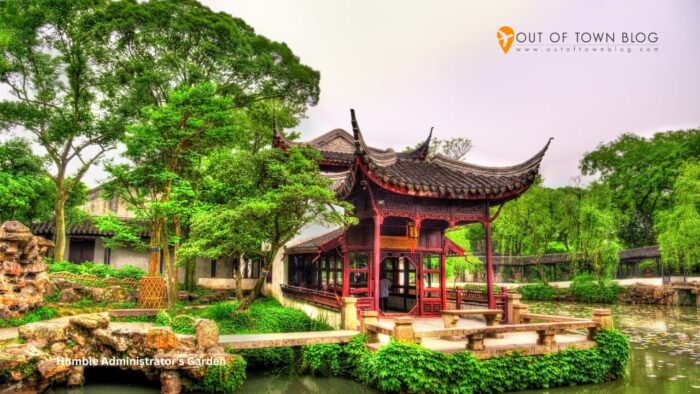
The Humble Administrator’s Garden, known in Chinese as Zhuozheng Yuan, is one of Suzhou’s most famous attractions and an essential stop for first-time visitors. It is also one of the city’s most celebrated classical gardens and is part of the UNESCO-listed Classical Gardens of Suzhou.
The garden dates to the early 16th century and is known for its ponds, covered walkways, traditional halls, rock formations, and carefully positioned pavilions. Water occupies a prominent place in the landscape, connecting different sections of the garden and creating changing views as visitors move along its paths.
Rather than presenting one grand vista, the garden reveals a series of smaller scenes. A pavilion frames a pond, a bridge crosses a narrow waterway, or a window reveals a carefully arranged combination of trees and buildings. These details reflect the traditional Chinese approach to garden design, in which architecture and nature work together.
Spring is a pleasant time to visit, while summer brings lotus displays. Autumn brings changing foliage, though weekends and public holidays can get crowded. Photography enthusiasts should allow time to explore the different courtyards instead of focusing only on the main pond.
Visitor Information
- Location: 178 Dongbei Street, Gusu District
- Admission: Approximately CNY 70-80, depending on the season.
- Opening hours: Generally 7:30 AM to 5:30 PM, with earlier closing in winter.
- Recommended duration: 1.5-2.5 hours.
- Getting there: Take a taxi or local bus to the garden and the nearby Suzhou Museum area. Public transportation is practical, although a short taxi ride may save time.
Travel tip: Arrive early on weekdays for a more comfortable visit. The garden is especially rewarding for travelers who enjoy landscape photography, Chinese history, and traditional architecture.
2. Visit the Lingering Garden
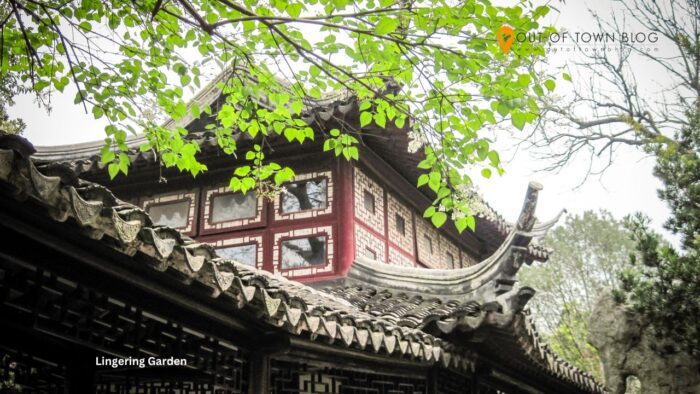
The Lingering Garden, or Liu Yuan, is another highlight of Suzhou’s classical garden collection. It offers a different experience from the Humble Administrator’s Garden through its intricate arrangement of halls, courtyards, covered corridors, ornamental rocks, and planted areas.
One defining feature is how the garden manages space. Walls, doorways, and windows divide the landscape into separate scenes, allowing visitors to discover one view after another. The design makes even a relatively compact area feel layered and varied.
The garden is also famous for its Cloud-Capped Peak, an imposing limestone formation that reflects traditional Chinese appreciation for unusual rocks. The surrounding architecture provides excellent examples of carved wooden details, decorative windows, and the relationship between indoor spaces and landscaped courtyards.
For travelers who have already visited the Humble Administrator’s Garden, the Lingering Garden provides a useful comparison. Both demonstrate Suzhou’s garden-making traditions, but their layouts and visual character differ.
Visitor Information
- Location: 338 Liuyuan Road, Gusu District
- Admission: Approximately CNY 45 off-season and CNY 55 during the busier season.
- Opening hours: Generally 7:30 AM to 5:30 PM from March through October, with earlier closing in winter.
- Recommended duration: 1-2 hours.
- Getting there: Take Suzhou Metro Line 2 to Shilu Station, then walk or take a short taxi ride.
Travel tip: Choose one or two classical gardens rather than rushing through every garden in a single day. This leaves more time to appreciate their differences and explore Suzhou’s historic streets.
3. Walk Along Pingjiang Road Historical Block
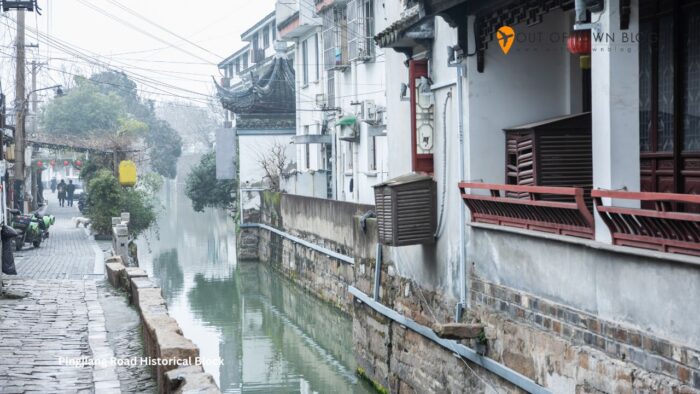
Pingjiang Road is one of the best places to experience Suzhou’s traditional urban atmosphere. The historic street follows a canal lined with whitewashed buildings, stone bridges, small shops, tea houses, cafés, and restaurants.
The district is ideal for travelers who prefer exploring on foot. Its narrow lanes lead to side streets and quieter residential areas, where traditional architecture remains part of everyday life. The main walking route can get busy, but a little wandering often reveals quieter corners.
Visitors can browse shops selling souvenirs, handmade crafts, silk products, and local snacks. Tea houses offer a place to rest, while cafés feature modern interiors in older buildings. The mix of traditional architecture and contemporary businesses appeals to a broad range of travelers.
Pingjiang Road is also a good place to photograph canal bridges and riverside buildings. Early morning provides softer light and fewer visitors. In the evening, the area comes alive as restaurants and cafés draw residents and tourists alike.
Visitor Information
- Location: Pingjiang Historical and Cultural Block, Gusu District
- Admission: Free to walk through the public streets. Individual shops, museums, performances, and boat rides may charge separate fees.
- Opening hours: The streets are generally accessible all day, though businesses follow their own schedules.
- Recommended duration: 1.5-3 hours.
- Getting there: Take a local bus or taxi to the historic district. Walking may be convenient if you’re coming from nearby attractions.
Travel tip: Visit during the morning for photography or later in the afternoon for cafés and dinner. Keep cash or a compatible digital payment method on hand for smaller vendors.
4. Discover the Architecture of Suzhou Museum

Suzhou Museum combines art, archaeology, architecture, and local history in a building designed by celebrated architect I. M. Pei, whose family had roots in Suzhou. Its geometric forms, white walls, dark rooflines, and carefully planned courtyards create a contemporary interpretation of traditional Jiangnan architecture.
The museum’s design is a major attraction in its own right. Carefully positioned openings let in natural light, while courtyards incorporate water, plants, and rocks. The result connects the building with the visual traditions of Suzhou’s classical gardens.
Inside, exhibitions cover the city’s cultural heritage, including historical objects, traditional crafts, paintings, ceramics, and other works of art. The displays help visitors understand Suzhou’s long history as a center of commerce, craftsmanship, literature, and refined cultural life.
The museum stands near the Humble Administrator’s Garden and Lion Grove Garden, making it easy to combine these attractions in one day. Travelers should allow enough time to appreciate the architecture and the collections.
Visitor Information
- Location: 204 Dongbei Street, Gusu District
- Admission: General admission is free.
- Opening hours: Normally 9:00 AM to 5:00 PM, with last admission around 4:00 PM. It is generally closed on Mondays, except when holiday schedules specify otherwise.
- Recommended duration: 1.5-3 hours.
- Getting there: Use a taxi or local bus to reach the museum and garden district.
Travel tip: Reserve a time slot in advance. The main museum uses a reservation system, and availability can be limited on weekends and public holidays.
5. Explore Lion Grove Garden
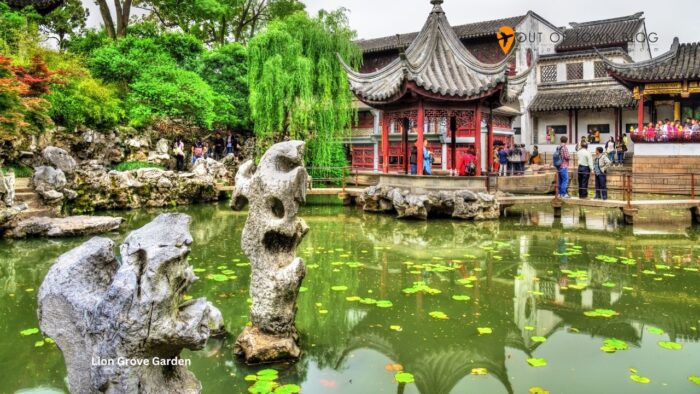
Lion Grove Garden, or Shizilin, is one of Suzhou’s most distinctive classical gardens. Its famous limestone rock formations create a maze of passages and crevices, with unusual shapes that resemble lions.
The garden dates to the Yuan dynasty and has long been associated with Chinese literati culture and traditional landscape design. Unlike gardens dominated by broad ponds and expansive lawns, Lion Grove Garden invites visitors to explore its rockeries and winding pathways.
Walking through the rock formations can feel like a small adventure. Passages lead around and between the stones, creating unexpected viewpoints and narrow corridors. The surrounding pavilions, trees, and water features contrast with the rugged limestone structures.
Families may find the garden especially engaging because it offers more physical exploration than some other classical gardens. However, visitors should be careful on uneven steps and narrow passages, especially in wet weather.
Visitor Information
- Location: Yuanlin Road, Gusu District, near Suzhou Museum
- Admission: Budget about CNY 30 to CNY 40, depending on current ticket rates.
- Opening hours: Generally 7:30 AM to 5:30 PM during warmer months and until about 5:00 PM in winter.
- Recommended duration: 1-1.5 hours.
- Getting there: Combine the visit with Suzhou Museum and the Humble Administrator’s Garden, which are in the same general area.
Travel tip: Wear comfortable, grippy shoes. The rockery is the garden’s main attraction, so allow enough time to explore its passages without rushing.
6. See the Historic Tiger Hill and Its Leaning Pagoda
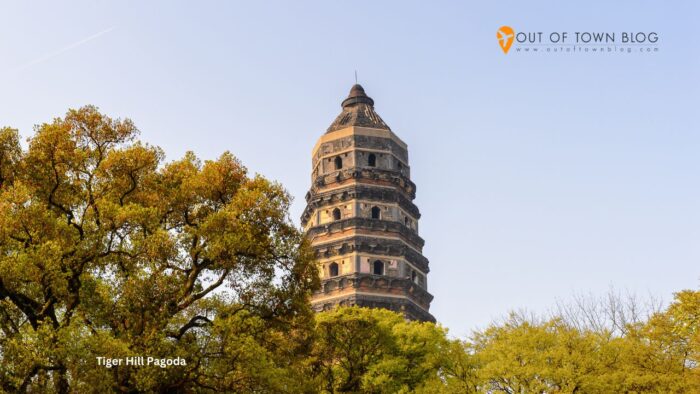
Tiger Hill, known locally as Huqiu, is a historic scenic area with temples, landscaped grounds, ancient stories, and one of Suzhou’s most recognizable landmarks, the Yunyan Pagoda. People often call the pagoda China’s leaning pagoda because its structure tilts noticeably to one side.
The site dates back more than a thousand years and is tied to legends about King Helü of the ancient Wu state. Well-known features include the Sword Pool, historic religious structures, landscaped paths, and traditional gardens.
Tiger Hill offers a different perspective on Suzhou from the city center’s classical gardens. Its elevated paths let you walk through greenery, explore historical landmarks, and photograph the pagoda from several angles.
The grounds are relatively extensive, so visitors should allow time to walk between attractions. Spring and autumn are pleasant seasons for exploring outdoors. Summer visits are also possible, although the heat and humidity can make uphill walking tiring.
Visitor Information
- Location: 8 Huqiu Shantmennei, Gusu District
- Admission: Approximately CNY 60-80, depending on the ticket category and season.
- Opening hours: Generally 7:30 AM to 5:30 PM, with seasonal changes and occasional extended evening hours.
- Recommended duration: 2-3 hours.
- Getting there: Take a local bus or taxi from central Suzhou. Allow additional time if traveling from the eastern modern district.
Travel tip: Visit earlier in the day to avoid the hottest hours. The pagoda is a highlight, but the surrounding historic features make the entire site worth exploring.
7. Visit the Master of the Nets Garden
The Master of the Nets Garden, or Wangshi Yuan, is one of Suzhou’s most admired smaller classical gardens. Its compact size makes it especially interesting for visitors who want to see how traditional Chinese designers created a rich landscape in a limited space.
The garden features elegant halls, a central pond, ornamental rocks, covered walkways, and carefully positioned pavilions. Its layout encourages visitors to view the landscape from different angles, with doorways and windows framing architectural and natural details.
The garden is also known for its evening cultural performances during selected seasons. Traditional music and other performances can add another dimension to the visit, although schedules and availability depend on the current program.
The Master of the Nets Garden fits well into a walking route through Suzhou’s historic center. Its intimate scale also makes it a useful alternative for travelers who find larger gardens crowded or overwhelming.
Visitor Information
- Location: 11 Kuojiatou Lane, Gusu District
- Admission: Budget approximately CNY 30 to CNY 40 for a standard daytime ticket.
- Opening hours: Generally around 7:30 AM to 5:00 PM, depending on the season. Evening garden events operate on separate schedules.
- Recommended duration: 1-1.5 hours.
- Getting there: Take a taxi, local bus, or a walking route that connects to other attractions in the old city.
Travel tip: Check whether evening performances are scheduled during the intended visit. These special events may require separate arrangements and don’t run every night.
8. Take a Canal-Side Walk and Boat Ride
Suzhou’s canals are central to its history and identity. For centuries, waterways supported trade, transportation, and everyday life. Today, canal-side walks and boat rides offer visitors a different way to see the city’s historic neighborhoods.
A boat ride can reveal architectural details that are easy to miss from the street. As the boat moves along the water, low stone bridges, traditional houses, riverside walkways, and narrow passages appear from a different perspective.
Travelers can look for sightseeing boats operating around the historic center and established canal-tour areas. Some experiences focus on daytime sightseeing, while others emphasize illuminated buildings and evening scenery. Routes, boat types, duration, and ticket prices vary by operator.
A canal cruise is particularly suitable for couples, families, and visitors who want a slower-paced activity after several hours of walking through gardens and museums. Travelers who prefer independent exploration can simply follow the riverside streets and cross the stone bridges on foot.
Visitor Information
- Location: Historic canal districts, including areas around the old city and Pingjiang Road
- Admission: Walking is free. Boat rides commonly cost tens to a few hundred yuan, depending on route, duration, and whether the boat is shared or private.
- Opening hours: Canal walks are generally open all day. Boat schedules vary by departure point and operator.
- Recommended duration: 30 minutes to 1.5 hours for a boat ride, or 1 to 2 hours for a canal-side walk.
- Getting there: Take public transport or a taxi to the historic district, then follow signs to a pier for operating sightseeing boats.
Travel tip: Ask about the route and total duration before buying a ticket. Some rides focus on short scenic sections, while others cover longer waterways. Evening departures can be appealing, but availability may depend on departure times and weather conditions.
9. Discover the Ancient Water Town of Tongli
Tongli is a historic water town in Suzhou’s Wujiang District. It is known for its network of canals, stone bridges, traditional residences, and a quieter atmosphere than some of the region’s busiest tourist destinations.
The town’s streets follow waterways lined with traditional buildings. Small bridges connect different sections, and narrow lanes lead to old houses, shops, and courtyards. Walking through Tongli provides a glimpse of the architectural traditions that developed in the Jiangnan region south of the Yangtze River.
One of Tongli’s major attractions is the Retreat and Reflection Garden, a UNESCO-listed component of the Classical Gardens of Suzhou. The garden combines traditional architecture with ponds, ornamental rocks, and landscaped courtyards. It is a worthwhile stop for visitors interested in both water towns and classical Chinese gardens.
Tongli suits a half-day excursion, though travelers who prefer a leisurely pace can spend more time exploring its lanes and dining by the canals.
Visitor Information
- Location: Tongli Ancient Town, Wujiang District, Suzhou
- Admission: Approximately CNY 100 for the main combined sightseeing ticket. Check current options before visiting.
- Opening hours: The main sightseeing areas generally operate from around 8:00 AM to 5:00 PM. Selected night-tour experiences may operate seasonally.
- Recommended duration: 4-6 hours.
- Getting there: Take Suzhou Metro Line 4 toward Tongli, then use the designated connection to the historic town. A taxi or prearranged transfer is another option.
Travel tip: Check which historic sites the combined ticket includes. If visiting the Retreat and Reflection Garden is a priority, plan the route around its operating hours.
10. Spend a Day Exploring Zhouzhuang Water Town
Zhouzhuang is one of the best-known traditional water towns in the greater Suzhou area. Its canals, stone bridges, historic residences, and traditional buildings preserve the atmosphere of an older commercial settlement.
The town’s famous Twin Bridges are among its most photographed landmarks. Other notable sights include historic residences associated with prominent local families, canal-side streets, small museums, and traditional shops. These attractions make Zhouzhuang a rewarding destination for travelers interested in Chinese architecture and regional history.
Visitors can spend the day walking along the waterways, exploring historic buildings, sampling local dishes, and browsing souvenir shops. A boat ride may offer a different perspective on the bridges and houses, though it is optional.
Zhouzhuang is farther from central Suzhou than the city’s main gardens and museums, so it deserves a dedicated excursion. Travelers with limited time should compare it with Tongli and choose the water town that best matches their interests.
Visitor Information
- Location: Zhouzhuang, Kunshan City, Jiangsu Province
- Admission: Approximately CNY 100 for the main scenic-area ticket; pricing and ticket arrangements are subject to change.
- Opening hours: Generally around 8:00 AM to 8:00 PM during the main tourist season, with shorter hours in winter. Individual attractions may close earlier.
- Recommended duration: 5 to 7 hours, including transport from Suzhou.
- Getting there: Arrange a bus connection, private transfer, or taxi-based trip. Check the current route and departure point before leaving central Suzhou.
Travel tip: Arrive early if photography is a priority. The town becomes busier as tour groups arrive, especially on weekends and public holidays.
11. Explore Shantang Street and Its Historic Canal
Shantang Street, also known as Qili Shantang, is a historic street that follows a canal through an old part of Suzhou. It is known for its traditional architecture, bridges, shops, food stalls, and lively atmosphere after sunset.
The street dates back more than a thousand years and has long been a hub of commerce and urban life. Its riverside buildings and narrow lanes show how the city’s waterways shaped its development.
Visitors can browse souvenir shops, try local snacks, stop at tea houses, or simply walk along the canal. Evening is a popular time to visit because lights illuminate the traditional buildings and create attractive reflections on the water. The atmosphere is lively, although the main walking areas can become crowded.
Shantang Street and Pingjiang Road share some similarities, but they are worth considering separately. Shantang is particularly convenient for visitors who want to combine a historic street with a canal cruise or an evening meal.
Visitor Information
- Location: Shantang Street, Gusu District
- Admission: The public street is generally free to explore. Some attractions, boat rides, and performances charge separate fees.
- Opening hours: The street is generally accessible throughout the day, but shops and individual attractions follow their own schedules.
- Recommended duration: 1.5-3 hours.
- Getting there: Take the metro or a taxi to the Shantang Street area. Local buses also serve the district.
Travel tip: Visit in the late afternoon and stay into the evening to experience two different atmospheres. Allow extra time for food stops and photographs along the canal.
12. See the Gate of the Orient and Jinji Lake
Suzhou’s modern side is most visible around Jinji Lake in the Suzhou Industrial Park. The district features contemporary architecture, waterfront promenades, shopping malls, restaurants, and landscaped public spaces.
The Gate of the Orient is one of the city’s most recognizable modern buildings. Its distinctive shape has become a prominent part of Suzhou’s skyline and stands in striking contrast to the historic center’s white walls, dark roofs, and low-rise buildings.
Jinji Lake is a popular place for an evening walk. Visitors can follow the waterfront paths, watch the sunset, enjoy skyline views, and stop at restaurants or shopping centers. The area also offers a different selection of accommodation, particularly for travelers seeking modern hotels and convenient access to business districts.
This part of Suzhou is especially appealing to visitors who want to see how the city has developed beyond its historical attractions. It is also a useful destination for families, shoppers, and travelers looking for an easy evening activity.
Visitor Information
- Location: Jinji Lake and Suzhou Industrial Park, eastern Suzhou
- Admission: Public waterfront areas are generally free. Shopping, dining, and paid attractions have separate costs.
- Opening hours: Outdoor promenades are generally open all day, subject to local access arrangements. Individual venues have their own hours.
- Recommended duration: 2-4 hours.
- Getting there: Use Suzhou Metro Line 1 or Line 3 to reach the relevant lakefront or commercial district, then walk to the preferred viewpoint.
Travel tip: Plan the visit for late afternoon or early evening. This provides time to see the waterfront in daylight before enjoying the illuminated skyline after sunset.
13. Shop for Silk and Learn About Suzhou’s Silk Heritage
Suzhou has long been associated with silk production, embroidery, and fine craftsmanship. Its location in the historic Jiangnan region helped it become an important center for silk textiles and related trades.
Silk shopping offers a chance to explore this heritage while finding practical souvenirs. Visitors may encounter scarves, fabric, embroidered pieces, clothing, and decorative items. Suzhou embroidery, known for its detailed stitching and fine workmanship, is particularly associated with the city.
Travelers interested in the production process should look for a silk museum or a reputable workshop that explains how silk fibers are prepared, woven, and used. Demonstrations and displays can provide context that makes shopping more meaningful.
Quality and prices vary significantly. Machine-made items and mass-produced souvenirs may look similar to handcrafted products, so shoppers should ask about materials, workmanship, and production methods before paying a premium.
Visitor Information
- Location: Silk shops and textile attractions around Suzhou’s historic districts and commercial areas
- Admission: Shopping streets are generally free. Museums and special demonstrations may charge admission.
- Opening hours: Retail stores typically operate during the day and into the early evening. Museum hours vary by venue.
- Recommended duration: 1 to 2 hours, or longer for museum visits and detailed shopping.
- Getting there: Choose a reputable silk attraction or shop accessible by metro or taxi. Confirm the location before setting out.
Travel tip: Compare several products before purchasing silk. Ask whether an item is pure silk, a silk blend, or a synthetic fabric, and request clear information about the product’s origin.
14. Visit Hanshan Temple
Hanshan Temple is a historic Buddhist temple in Suzhou, widely associated with Chinese poetry and the sound of its temple bell. The temple is especially famous for a Tang dynasty poem by Zhang Ji, which describes a traveler hearing the Hanshan Temple bell during a night journey.
The site’s cultural significance appeals to travelers interested in Chinese literature, religious architecture, and history. Visitors can explore courtyards, halls, traditional buildings, and temple grounds while learning about its place in the region’s cultural memory.
As an active religious site, visitors should follow posted rules and respect worshippers. The atmosphere can vary by day, with special periods attracting more visitors.
Combine Hanshan Temple with other attractions in western Suzhou, including areas along the Grand Canal. It is a useful addition for travelers who want to move beyond gardens and commercial streets.
Visitor Information
- Location: Fengqiao area, western Suzhou
- Admission: Budget about CNY 20 to CNY 30, depending on current ticket arrangements.
- Opening hours: Generally daytime hours, commonly around 7:30 AM to 5:00 PM. Special events may affect access.
- Recommended duration: 1-1.5 hours.
- Getting there: Take a taxi or local bus from the historic center. Check the most convenient route from the other attractions for the day.
Travel tip: Read about the temple’s connection to Tang dynasty poetry before visiting. This background adds context to the temple’s cultural importance.
15. Try Suzhou’s Local Food and Traditional Snacks
Food is an essential part of the Suzhou experience. The city’s regional cuisine falls under the broader Jiangsu culinary tradition, often known for careful preparation, delicate flavors, and attention to presentation.
One dish visitors should seek out is Suzhou-style noodles. Restaurants serve different versions with broth, toppings, and noodles prepared according to local preferences. A bowl of noodles makes a convenient breakfast or lunch, especially before a day of sightseeing.
Another well-known dish is squirrel-shaped mandarin fish, which is usually deep-fried and served with a sweet-and-sour sauce. Its elaborate presentation makes it popular with visitors interested in regional specialties. Seasonal ingredients and local restaurants also offer fish dishes, dumplings, and other Jiangnan favorites.
Travelers should leave room for traditional pastries and snacks. Local bakeries and specialty shops sell sweets that make convenient gifts, while tea houses offer a chance to experience a slower side of Suzhou’s food culture.
Pingjiang Road and Shantang Street are convenient places to browse food shops and restaurants. For a broader selection, commercial districts and neighborhood eateries provide options at different price points.
Visitor Information
- Location: Restaurants, noodle shops, tea houses, bakeries, and food streets throughout Suzhou
- Admission: Free to explore public food streets. Budget about CNY 15 to CNY 40 for a casual meal; specialty restaurants cost more.
- Opening hours: Breakfast shops often open early, while restaurants commonly serve lunch and dinner. Individual business hours vary.
- Recommended duration: 1-2 hours per meal or food-focused outing.
- Getting there: Historic districts and commercial centers offer plenty of dining options within walking distance, by bus, or by metro.
Travel tip: Try a mix of casual noodle shops, local bakeries, and one sit-down restaurant specializing in Jiangsu cuisine. This provides a broader introduction to Suzhou’s food culture than dining exclusively in tourist-oriented restaurants.
Suggested Suzhou Itineraries
You can visit Suzhou on a day trip from Shanghai, but two or three days allow a more comfortable pace. The following itineraries group attractions geographically to reduce unnecessary travel.
Option 1: One-Day Suzhou Highlights
This itinerary suits travelers with limited time who want to see the city’s most recognizable attractions.
- Morning: Visit the Humble Administrator’s Garden. Explore its pavilions, ponds, and landscaped courtyards before the day gets busy.
- Late morning: Walk to the Suzhou Museum and take time to explore the collection and architectural details. Reserve admission in advance.
- Lunch: Eat at a nearby restaurant or noodle shop.
- Afternoon: Explore Lion Grove Garden, then walk along Pingjiang Road.
- Evening: Enjoy a canal-side dinner or stroll Shantang Street before returning to the railway station or hotel.
This route focuses on the historic center and avoids long travel between distant attractions. Travelers who prefer modern architecture can substitute Jinji Lake for the evening activity, though it adds travel time.
Option 2: Two-Day Suzhou Itinerary
Day 1: Classical Suzhou
Morning: Humble Administrator’s Garden and Suzhou Museum
Start with the city’s signature classical garden. Continue to the Suzhou Museum for its architecture, exhibitions, and cultural context.
Afternoon: Lion Grove Garden and Pingjiang Road
Explore the rock formations of Lion Grove Garden, then spend the afternoon browsing the historic canal district and sampling local snacks.
Evening: Shantang Street
Enjoy dinner, walk along the canal, and photograph the historic buildings after dark.
Day 2: Gardens, Heritage and Modern Suzhou
Morning: Lingering Garden
Explore another of Suzhou’s celebrated classical gardens, paying attention to its corridors, rock formations, and layered courtyards.
Afternoon: Tiger Hill
Visit the leaning pagoda, Sword Pool, and landscaped grounds. Allow enough time for walking between the historic sites.
Evening: Jinji Lake
Finish the trip with a waterfront walk, dinner, and views of the modern skyline.
Option 3: Three-Day Suzhou Itinerary
A third day allows travelers to visit a traditional water town without rushing through the city.
-
Day 1: Explore the Humble Administrator’s Garden, Suzhou Museum, Lion Grove Garden, and Pingjiang Road.
-
Day 2: Visit the Lingering Garden, Tiger Hill, and Hanshan Temple. Spend the evening at Shantang Street or Jinji Lake.
-
Day 3: Take a day trip to Tongli or Zhouzhuang. Explore the canals, traditional houses, bridges, and historic gardens, then return to Suzhou.
Choose Tongli for a combination of water-town scenery and classical garden architecture. Choose Zhouzhuang for its well-known historic bridges, traditional residences, and established visitor attractions. Visiting both towns in the same day is possible only with careful transport planning, and it leaves less time for exploring.
Practical Travel Tips for Visiting Suzhou
Before planning a trip, travelers should consider the best season, transportation options, payment methods, and how much time to allocate to the city’s main attractions.
Best Time to Visit Suzhou
Spring, especially April and May, is a popular time to explore Suzhou’s gardens and historic districts. Temperatures are generally more comfortable for walking, and gardens offer seasonal flowers and fresh greenery.
Autumn is another good option, especially September through November, though weather varies and public holidays can bring heavy crowds. Summer can be hot and humid, while winter is colder and some gardens have shorter opening hours.
Getting Around Suzhou
Suzhou has a metro system, public buses, taxis, and ride-hailing services. The metro is convenient for traveling between the historic center, railway stations, and the modern Jinji Lake district. Some attractions require a short walk or an additional bus or taxi connection from the nearest station.
Walking works well within Pingjiang Road, Shantang Street, and the classical garden district. Travelers visiting Tiger Hill, Tongli, or Zhouzhuang should allow additional time for transportation.
How Many Days Should Travelers Spend in Suzhou?
One day is sufficient for a quick introduction to the city’s most famous attractions, especially for travelers arriving from Shanghai. Two days provide a better balance of gardens, museums, historic streets, and modern Suzhou. Three days allow time for a water-town excursion without sacrificing the main city attractions.
What to Know Before Visiting
- Reservations: Book Suzhou Museum in advance and check whether other attractions require timed entry.
- Payments: China widely uses mobile payment platforms. International visitors should prepare a supported payment method and carry some cash as a backup.
- Language: Mandarin is the main language. Save attraction names in Chinese characters to make taxi journeys and navigation easier.
- Footwear: Wear comfortable walking shoes because gardens, historic streets, and water towns involve considerable walking.
- Crowds: Weekends and public holidays can be busy. Visit major gardens early, and consider scheduling museum visits for less crowded times.
Frequently Asked Questions About Suzhou, China
1. What Is Suzhou, China, Famous For?
Suzhou is famous for its classical Chinese gardens, historic canals, stone bridges, traditional architecture, silk production, and regional cuisine. Several of its classical gardens form part of the UNESCO-listed Classical Gardens of Suzhou. The Humble Administrator’s Garden and Lingering Garden are among the best-known examples. The city is also recognized for its historic water towns, including Tongli and Zhouzhuang, and its modern Jinji Lake district. These attractions make Suzhou a destination for travelers interested in Chinese culture, architecture, photography, and food.
2. Is Suzhou Worth Visiting?
Yes. Suzhou is worth visiting for its combination of traditional Chinese culture, historic architecture, landscaped gardens, waterways, and modern attractions. It offers a different experience from Shanghai and other major Chinese cities, particularly for travelers who enjoy walking through historic neighborhoods and exploring cultural landmarks. The city is also practical for short trips because you can reach many major attractions by metro, bus, taxi, or on foot. Visitors can spend one day exploring the highlights or stay longer to include a traditional water town and regional food experiences.
3. How Many Days Are Enough for Suzhou?
Two days are a good starting point for visiting Suzhou. Day one can cover the Humble Administrator’s Garden, Suzhou Museum, Lion Grove Garden, and Pingjiang Road. Day two can include the Lingering Garden, Tiger Hill, and either Shantang Street or Jinji Lake. Travelers with three days can add Tongli or Zhouzhuang for a more complete experience. A single day works for a short visit from Shanghai, but it requires careful planning and leaves little time for attractions outside the historic center.
4. Can Suzhou Be Visited as a Day Trip From Shanghai?
Yes. Suzhou is a practical day trip from Shanghai because high-speed trains connect the two cities. The journey between Shanghai and Suzhou can take roughly 25 to 40 minutes on some services, depending on the stations and train selected. Travelers should allow time to reach the railway station, go through security, and arrange local transportation upon arrival. A day trip works best when visitors focus on the historic center, choosing two or three major attractions rather than attempting to visit every garden and water town.
5. What Are the Best Things to Do in Suzhou for First-Time Visitors?
First-time visitors should prioritize the Humble Administrator’s Garden, Suzhou Museum, Lion Grove Garden, and Pingjiang Road. These attractions provide an introduction to the city’s garden design, history, architecture, and traditional canal-side neighborhoods. Shantang Street is another good choice, particularly for evening walks and local food. Travelers with additional time can visit Tiger Hill or Jinji Lake. For those who want to experience a traditional water town beyond the main urban attractions, a trip to Tongli or Zhouzhuang is recommended.
6. What Is the Best Time of Year to Visit Suzhou?
Spring and autumn are generally the most comfortable seasons for sightseeing in Suzhou. April and May suit garden visits, while autumn offers pleasant conditions for walking through historic streets and scenic areas. Summer can bring high temperatures, humidity, rain, and large crowds, although lotus displays and evening activities may be attractive. Winter is usually colder, and some gardens operate on shorter schedules. Travelers should check seasonal opening hours, weather forecasts, and Chinese public holiday dates before finalizing their itinerary.
7. How Much Does It Cost to Visit Suzhou?
The cost depends on accommodation, dining preferences, transportation, and how many paid attractions you visit. Travelers can explore public streets such as Pingjiang Road and Shantang Street without paying a general entrance fee, while classical gardens and water towns charge admission. Budget-conscious visitors can eat at local noodle shops and use public transportation. Mid-range travelers may prefer hotels near metro stations and a mix of casual restaurants and sit-down meals. Budget separately for attraction tickets, intercity trains, accommodation, food, and optional boat rides.
8. What Food Should Visitors Try in Suzhou?
Visitors should try Suzhou-style noodles, squirrel-shaped mandarin fish, regional dumplings, traditional pastries, and local tea. Suzhou cuisine falls under the Jiangsu culinary tradition and often emphasizes careful preparation, delicate flavors, and presentation. Noodle shops are convenient for breakfast or lunch, while restaurants specializing in Jiangsu dishes offer opportunities to sample more elaborate regional specialties. Historic districts such as Pingjiang Road and Shantang Street provide plenty of places to browse local snacks. Travelers with dietary restrictions should check ingredients and preparation methods.
9. Is Suzhou Suitable for Families With Children?
Suzhou can be a rewarding family destination, particularly for families interested in culture, gardens, and easy outdoor activities. Lion Grove Garden’s rock formations offer an engaging environment for older children, while canal walks and boat rides can appeal to different age groups. Museums provide opportunities to learn about local history and architecture. However, some gardens have uneven paths, steps, and narrow passages, so parents should supervise younger children. Families should plan regular breaks, bring water during warm weather, and avoid packing too many attractions into a single day.
10. What Is the Difference Between Tongli and Zhouzhuang?
Tongli and Zhouzhuang are both traditional water towns near Suzhou, but each offers a slightly different experience. Tongli is known for its network of canals, historic bridges, traditional residences, and the Retreat and Reflection Garden. Zhouzhuang is particularly famous for its Twin Bridges, historic houses, and well-established sightseeing areas. Both towns have shops, restaurants, and opportunities to explore canal-side streets. Travelers interested in classical garden architecture may prefer Tongli, while visitors seeking a well-known water-town experience may choose Zhouzhuang. The best choice depends on available time and transport arrangements.
11. Is Suzhou Easy to Explore Without Speaking Chinese?
Suzhou is manageable for international visitors who do not speak Chinese, but preparation helps. Major attractions may provide some English-language information, although language support varies by location. Travelers can save attraction names in Chinese characters, use a translation app, and prepare their hotel address for taxi journeys. Navigation and payment apps may require setup before arrival, and not every local business will accept every international payment method. A little advance planning makes transportation, food ordering, and attraction visits easier, especially when traveling outside the main tourist districts.
12. What Should Travelers Buy as Souvenirs in Suzhou?
Suzhou is known for silk products, embroidery, traditional pastries, tea, and locally made crafts. Silk scarves, clothing, fabric, and embroidered decorative items are popular souvenir options for travelers who want items tied to the city’s heritage. Traditional snacks and packaged sweets can also make good gifts, depending on airline and customs rules. Before buying expensive silk or embroidery, shoppers should compare prices, check materials, and ask about the production process. Travelers interested in craftsmanship can also look for museums or workshops that explain how these traditional products are made.
Final Thoughts
Suzhou deserves a place on an eastern China itinerary for its classical gardens, historic canals, traditional food, and contrasting modern skyline. The best visit balances the city’s famous attractions with time to explore its quieter streets and appreciate architectural details.
For a first visit, two days offer a strong introduction to Suzhou. Travelers with an additional day can venture to Tongli or Zhouzhuang and experience the traditional water-town landscapes that make the wider region distinctive.
Follow and subscribe to OutofTownBlog.com on Facebook , Twitter, Instagram, Pinterest, and YouTube for more Travel-related updates.
Read:
- The Jade Market in Hong Kong
- Travel Guide: Dragon Treasure Castle in Baguio City
- Top 15 Best Things to Do in Lijiang, China
- Top 12 Best Things to Do in Hangzhou, China