

 Melo Villareal
Visita Iglesia Itinerary in Bohol: A Guide to the Heritage Churches of Bohol
In Bohol, the tradition of Visita Iglesia is more than a Holy Week devotion—it is a living expression of Boholano faith, identity, and history. Rooted in centuries of Catholic influence brought by Spanish missionaries, this sacred practice involves visiting seven or more churches to pray the Stations of the Cross, reflect on Christ’s Passion, and seek spiritual renewal. Across the island, families travel together from parish to parish, turning the journey into both a pilgrimage and a homecoming.
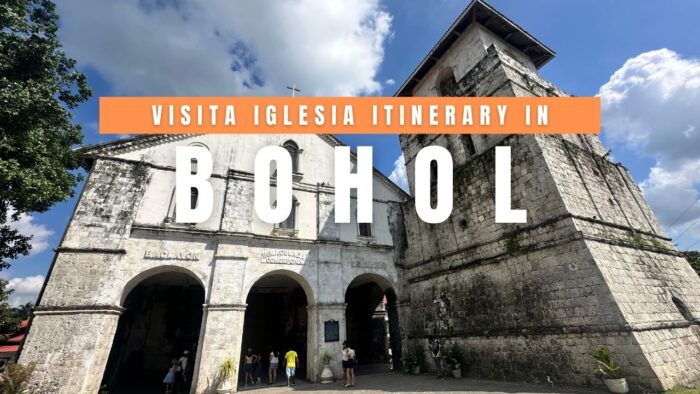
Visita Iglesia Itinerary in Bohol Philippines
Historic churches such as Baclayon Church, Loboc Church, and Dauis Church stand as enduring symbols of resilience, having withstood centuries of change, natural disasters, and restoration. Their coral-stone facades, centuries-old retablos, and quiet courtyards provide spaces where devotion and heritage meet.
For Boholanos, Visita Iglesia strengthens intergenerational bonds, as elders share stories of faith and local history with the youth. It reinforces values of humility, sacrifice, and communal unity—virtues deeply woven into Boholano culture. Ultimately, the practice is not only a spiritual journey but also a celebration of Bohol’s enduring religious legacy and cultural pride. Here is a list of Churches in Bohol that you can include in your Visita Iglesia itinerary:

Tagbilaran Church
St. Joseph the Worker Cathedral, commonly known as Tagbilaran Church, stands at the heart of Tagbilaran City, facing the central plaza and the provincial capitol. Built in the late 18th to early 19th century, it replaced earlier mission structures established by Jesuit missionaries. The present church features a simple neoclassical façade with arched windows, thick coral-stone walls, and a separate square bell tower—typical of Bohol’s earthquake-resistant Spanish colonial churches.
Inside are painted ceilings, a gold-toned retablo, and images of St. Joseph the Worker, the city’s patron. Unlike rural fortress churches, it reflects an urban parish design meant for civic gatherings and religious celebrations. The cathedral also played a role in community life during the Spanish and American periods, serving as a meeting place and refuge during crises.
Visitors can attend daily Mass, walk the plaza heritage zone, and observe local devotions. From Bohol–Panglao International Airport, it takes about 20 minutes by taxi or tricycle via the coastal highway to downtown Tagbilaran.

Baclayon Church
Baclayon Church, officially the Church of Our Lady of the Immaculate Conception, stands in the town of Baclayon, about 6 km east of Tagbilaran City in Bohol, Philippines. Founded in 1596 by Jesuit missionaries, it is one of the oldest surviving stone churches in the country. The structure is built from coral stones bound with egg white and lime, giving it a thick, fortress-like appearance typical of Spanish colonial architecture.
Inside are gilded retablos, religious paintings, and a small museum holding centuries-old vestments and manuscripts. The church was heavily damaged by the 2013 Bohol earthquake but carefully restored, preserving original materials and techniques.
What makes it unique is its combination of European Baroque design and local craftsmanship, showing early Filipino adaptation of foreign styles. Visitors can reach Baclayon by tricycle, jeepney, or taxi from Tagbilaran City, or by car via the coastal road toward Loboc, a 15-minute drive.

Alburquerque Church
Santa Monica Parish Church (Alburquerque Church) stands in the coastal town of Alburquerque, Bohol, about 12 km east of Tagbilaran City. Locally called “Albur Church,” it faces the Bohol Sea and forms part of the historic heritage churches visited during Visita Iglesia.
Built mainly in the late 1800s by Augustinian Recollect missionaries, the church uses coral stone blocks and lime mortar, typical of Boholano colonial engineering. It’s convento, one of the longest in the province, connects directly to the church, while a separate bell tower rises nearby for earthquake protection. Inside are painted ceilings, wooden retablos, and religious images reflecting Spanish-era devotion.
The complex is unique for its preserved stone walls, its defensive layout, and its adjacent mortuary chapel, once used for burial rites. It also served as a refuge during Moro raids.
From Tagbilaran Airport or port, it’s about 20 minutes via the coastal road by jeepney, bus, motorcycle taxi, or private car.

Dimiao Church
Dimiao Church, officially the Church of San Nicolas de Tolentino, is located in the coastal town of Dimiao, about 36 km east of Tagbilaran City in Bohol. Built mainly in the late 1700s by Jesuit and later Recollect missionaries, it served as a spiritual center for surrounding settlements. The church displays classic Philippine Baroque architecture: thick coral-stone walls, earthquake-resistant buttresses, and a simple yet elegant façade. A separate bell tower once stood nearby but was heavily damaged by earthquakes.
What makes it unique is its extensive complexity. Behind the church lies an old stone stairway leading to the Ermita ruins and a historic cemetery terrace overlooking the sea. A convent and watchtower-like structures also form part of the heritage compound.
Despite earthquake damage in 2013, restoration preserved its character. Visitors can reach it by bus or van from Tagbilaran heading toward Jagna, or by private car via the coastal highway in about one hour.

Before we left for the next church, we had a short detour to the Ermita Ruins. This historical site contains the ruins of several coralline structures that are said to date back to the Spanish Era in the country. There are many claims about what the ruins really were, but the mystery of the moss-covered limestone remains unknown until today.

Loay Church
Loay Church, formally known as the Santissima Trinidad Parish Church, is located in the coastal town of Loay, about 18 kilometers east of Tagbilaran City in Bohol. Built in the early 19th century, the church features a classic Spanish colonial design with thick coral-stone walls, a simple yet elegant façade, and a separate bell tower. Its convent and river-facing setting reflect the town’s historic role as a trading and religious center along the Loboc River.
The church has endured natural disasters, including the devastating 2013 Bohol earthquake, after which it underwent significant restoration. One unique feature is its spacious plaza and proximity to the river, which give it a serene provincial atmosphere distinct from the more ornate churches on the island.
Visitors can reach Loay Church by car or public transport from Tagbilaran via the Tagbilaran-East Coast Road. The trip takes about 30 minutes and offers scenic views of the countryside along the way.

Dauis Church
Dauis Church, formally the Church of Our Lady of the Assumption, stands in the coastal town of Dauis, Bohol on Panglao Island, just across a bridge from Tagbilaran City. Built in 1863 by Recollect missionaries, it replaced earlier structures destroyed by Moro raids and natural damage. The church features a cruciform plan, thick coral-stone walls, and a separate octagonal bell tower. Its painted ceiling murals and retablo highlight late Spanish colonial artistry blended with local craftsmanship.
What makes Dauis Church unique is the freshwater well located inside the sanctuary near the altar, believed by devotees to have miraculous properties. The site also served as a refuge during conflicts and as a center of Catholic devotion in southern Bohol.
Visitors can admire the seaside setting, quiet plaza, and restored convent complex. From Tagbilaran Airport or seaport, reach the church in about 10–15 minutes by tricycle, taxi, or rented motorcycle via the Panglao bridge road.

Loboc Church
Loboc Church, officially the Church of San Pedro Apostol, stands in the riverside town of Loboc in Bohol, about 24 km east of Tagbilaran City. Built mainly in the 18th century by Jesuit missionaries and later completed by Recollects, it became one of the island’s most important religious centers. The church is known for its massive coral-stone Baroque architecture, thick buttresses, and an attached convent considered among the oldest in the Philippines.
The structure was heavily damaged by the 2013 Bohol earthquake but carefully restored, symbolizing the resilience of Boholano faith. Inside are painted ceilings, religious artworks, and a historically significant pipe organ once used for liturgical music. Its riverside setting beside the Loboc River makes it uniquely scenic compared with most inland churches.
Visitors often combine prayer with cultural tours and nearby river cruises. Reach Loboc by bus, jeepney, or van from Tagbilaran City via the Bohol Circumferential Road; travel takes about 40 minutes.
Loon Church
The Church of Our Lady of the Light, commonly called Loon Church, stands in the coastal town of Loon in western Bohol, about 18 km from Tagbilaran City. Originally built in the 18th century by Jesuit missionaries and completed in 1855, it became one of the largest churches in Bohol. The structure featured massive coral-stone walls, thick buttresses, and a wide stairway facing the sea, designed to withstand earthquakes and pirate raids.
In 2013, the 2013 Bohol earthquake destroyed most of the historic buildings. The church has since been faithfully reconstructed using original stones and traditional methods, preserving its baroque-influenced look and fortress-like character.
What makes Loon Church unique is its grand scale, seaside setting, and the nearby heritage stairway leading to the old plaza. Visitors can reach it by bus or van from Tagbilaran bound for Tubigon or Calape, or by car via the Tagbilaran-Tubigon coastal road in about 30 minutes.

Maribojoc Church
Maribojoc Church, officially the Santa Cruz Parish Church, stands in the coastal town of Maribojoc, about 14 km west of Tagbilaran City in Bohol, Philippines. Built by Jesuit missionaries in the 18th century and completed in the 19th century, it became an important religious center for communities along the Abatan River. The structure follows Spanish colonial baroque design, using coral stone blocks, thick buttresses, and wide wooden interiors designed to withstand earthquakes.
The church was heavily damaged during the 2013 Bohol earthquake and later reconstructed using original materials and traditional techniques, preserving its historical appearance. Nearby stands the Punta Cruz watchtower, showing the town’s role in guarding against pirate raids.
Maribojoc Church is unique for its riverside setting and for serving as a spiritual gateway for river settlements rather than just a town plaza parish.
From Tagbilaran City, visitors can reach it by jeepney, bus, tricycle, or a 25-minute drive via the Tagbilaran–Tubigon coastal road.

Cortes Church
Our Lady of the Immaculate Conception Parish Church, commonly called Cortes Church, stands along the Abatan River in Bohol, about 7 km northeast of Tagbilaran City. Built by Jesuit missionaries in the late 18th to early 19th century, it replaced an earlier wooden chapel destroyed by fire. The church displays classic Boholano coral-stone architecture, thick walls, buttresses, and a simple yet elegant façade designed to withstand earthquakes and raids.
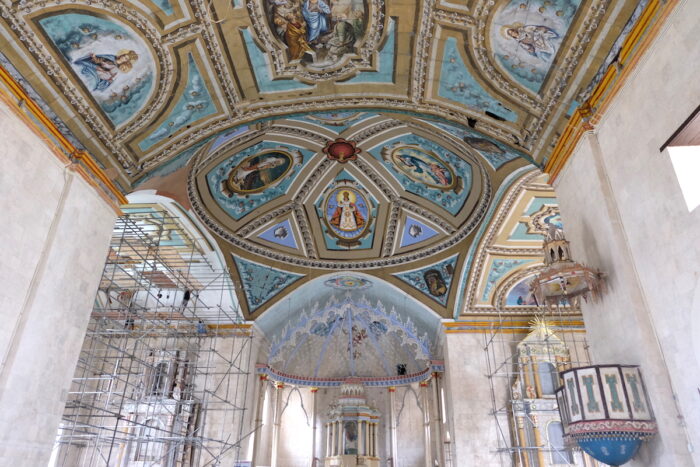
Its most distinctive feature is the remarkable ceiling mural painted in the 1920s by Filipino artist Ray Francia, depicting heavenly scenes in soft pastel tones—rare among provincial churches. The convento beside it also preserves old wooden flooring and period details.
The parish played a vital role in evangelization along the Abatan River settlements and survived wars and earthquakes with careful restoration. Visitors reach it by a 15-minute drive or jeepney ride from Tagbilaran City via the Tagbilaran-Corella-Sikatuna-Loboc Road.
Visita Iglesia in Bohol 1 Day Itinerary
1-Day Visita Iglesia in Bohol (Central & Southern Route)
| Time | Church | Location | What to Pray/Reflect | Notes |
|---|---|---|---|---|
| 5:30 AM | Our Lady of the Immaculate Conception Parish (Baclayon Church) | Baclayon | Opening prayer & 1st–2nd Stations of the Cross | Start early for quiet reflection and sunrise atmosphere |
| 6:30 AM | Dauis Church (Our Lady of the Assumption) | Dauis, Panglao | 3rd Station | Pray near the miraculous well inside the church |
| 7:30 AM | Tagbilaran Cathedral (St. Joseph the Worker) | Tagbilaran City | 4th Station | Short visit, heart of the diocese |
| 8:30 AM | Cortes Church | Cortes | 5th Station | Reflect on Christ’s suffering; view the ceiling mural |
| 9:30 AM | Maribojoc Church (Sta. Cruz Parish) | Maribojoc | 6th Station | Quiet riverside prayer stop |
| 11:00 AM | Loboc Church (St. Peter the Apostle) | Loboc | 7th–8th Stations | Ideal place for longer meditation |
| 12:30 PM | Lunch Break | Loboc Area | — | Keep meals simple (Visita Iglesia tradition) |
| 2:00 PM | Loay Church | Loay | 9th Station | Reflection on humility and sacrifice |
| 3:00 PM | Lila Church | Lila | 10th–11th Stations | Peaceful rural parish |
| 4:30 PM | Dimiao Church (San Nicolas de Tolentino) | Dimiao | 12th Station | One of the oldest stone churches |
| 6:00 PM | Panglao Church | Panglao | 13th–14th Stations & Closing Prayer | End at sunset with a final reflection |
Tip: Travel by rented van or car for smoother timing. The total travel loop starts and ends near Tagbilaran City.
Visita Iglesia in Bohol — 3-Day Pilgrimage Itinerary
| Day | Route Area | Churches to Visit | Suggested Activities | Notes |
|---|---|---|---|---|
| Day 1 – Panglao & Tagbilaran | Western Bohol | Baclayon Church, Dauis Church, Panglao Church, Tagbilaran Cathedral | Morning prayers & Stations of the Cross, explore heritage museums, light fasting lunch, evening rosary by the sea | Easy travel distances; ideal first day reflection |
| Day 2 – Loboc River Route | Central Heritage Belt | Corella Church, Loboc Church, Loay Church, Alburquerque Church | Pilgrim walk between nearby churches, meditation by the Loboc River, attend afternoon mass, quiet journaling | Historic Spanish-era churches close together |
| Day 3 – Eastern Heritage Trail | Southeast Bohol | Baclayon (return prayer stop optional), Dimiao Church, Lila Church, Jagna Church | Sunrise prayer, final Stations of the Cross, candle offering, thanksgiving meal with local community | Longer drive; start early morning |
Tip: Begin each day before sunrise, travel clockwise around the island to avoid backtracking, and set aside silent periods to keep the pilgrimage reflective rather than touristic.
Bohol, as well as surrounding areas, was struck by a 7.2-magnitude earthquake sometime in October 2013. Most of the six churches we visited sustained minor to major damage. However, the people of Bohol immediately began repairing and restoring these churches, and it is almost a miracle how the locals continue to stand by them.
This is an extraordinary showcase of resilience, just one of the many reasons why I am thankful that I was able to have my Visita Iglesia early in Bohol this year. It is evidence that faith is stronger than any earthly force we know.
The Department of Tourism Central Visayas (Region 7) and the Provincial Tourism Office of Bohol work hand in hand to promote faith-based and culinary tourism in the province. Highlighting the best of Bohol in terms of culture, places, food, and experiences, the local tourism office aims to attract more people to explore the wonders of Bohol beyond the famous Philippine Tarsier and Chocolate Hills.
It’s high time that locals and foreigners learn more about Bohol’s rich heritage by promoting its heritage sites and unique experiences. Come to Bohol and try it for yourself!
Want more updates about new package tours and tourist attractions in Bohol, Philippines, that you can add to your itinerary?
Follow the Out of Town Travel Blog on Facebook, Twitter, Instagram, and Pinterest if you want more travel and food-related updates.
Read:
- Experience Luxury in Nature at Tarsier Botanika in Bohol
- DIY Trip: Ultimate Budget Travel Guide to Bohol
- Travel Guide: Top 10 things to do while in Bohol
- Marian Orchard for Holy Week
- Heritage Tour in Bohol: One Day Itinerary
- National Museum Turns Over Restored Loay Watchtower in Bohol
- 10 Amazing Things To Do In Bohol In 2 Days
- Exploring Hinagdanan Cave in Dauis Bohol


