
 Melo Villareal
What are the top tourist attractions in Davao de Oro, Philippines?
Davao Region, one of the Philippines’ centers for trade and investments, boasts some of the most beautiful vacation destinations in the country. Formerly known as Compostela Valley, the province’s dense forests are populated by magnificent falls and peaks ideal for hiking. In addition to the eco-tourism destinations, the province is also rich in mineral resources earning its nickname as the “golden province.”
White Peak, Mount Pandadagsaan
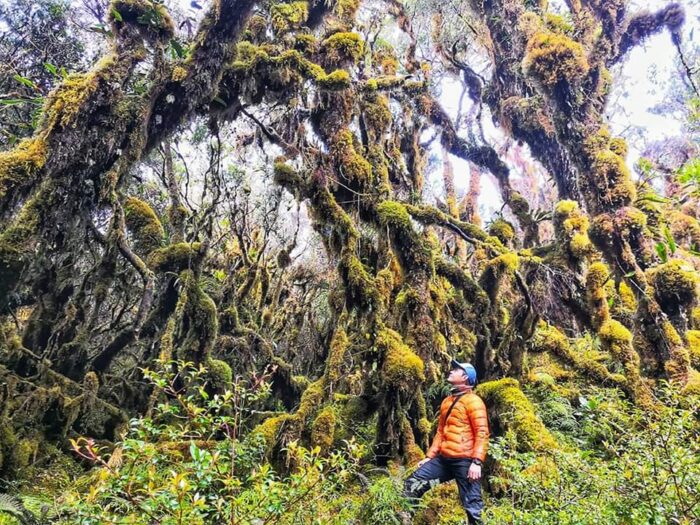
Mount Pandadagsaan’s White Peak is the highest peak in Davao de Oro and one of the highest peaks in the Philippines. The peak is more than 2,670 meters above sea level. Once hikers reach the mountain’s crest, they are greeted by the astonishing views of neighboring mountains like Mount Apo and Mount Candalaga.
In addition to the exhilarating hike to the mountain’s peak, hikers may take a detour to the mountain’s famous Cloud Forest or Fog Forest, commonly known as the Mossy Forest. The forest grounds are covered with mosses, pitcher plants, and wild ginger.
Location: Andap, New Bataan, Davao de Oro
Malumagpak Falls
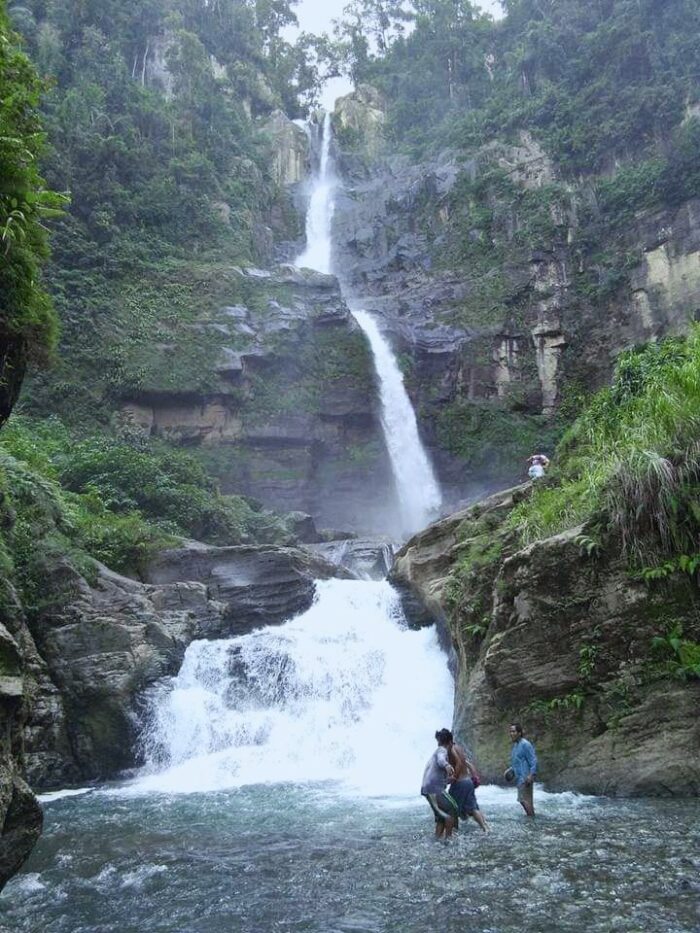
Malumagpak Falls, at 230 feet, is Davao de Oro’s highest waterfall. The intense multilayered waterfall has recently become popular among tourists because of the clear waters, refreshing atmosphere, ample space for families and friends to settle, and natural scenery to admire.
Surrounding the majestic falls are diverse species of native plants and animals, such as the Philippine brown deer. Apart from enjoying the pool of water below the falls, visitors can also try to hike the mountain and reach Manurigao Highlands.
Location: Manurigao, New Bataan, Davao de Oro
Westnuk Beach
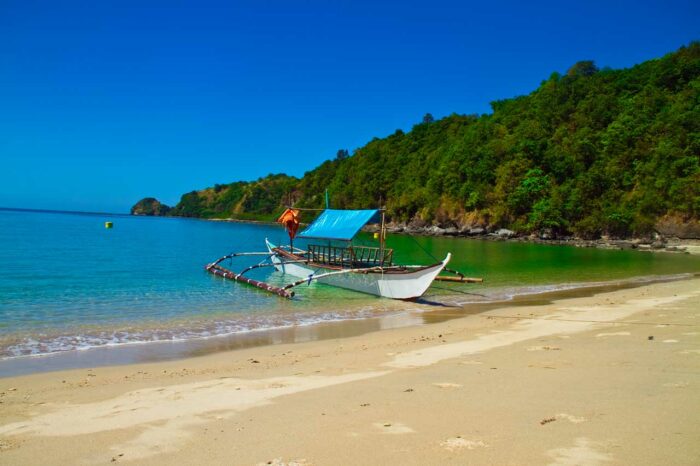
Westnuk Beach is the ideal destination for those looking to relax and unwind. The beach lacks the powerful waves that surfers look for and the prosperous coral colonies, but it is surrounded by a dense forest to escape.
Location: New Bataan, Davao de Oro
Fabian’s Peak
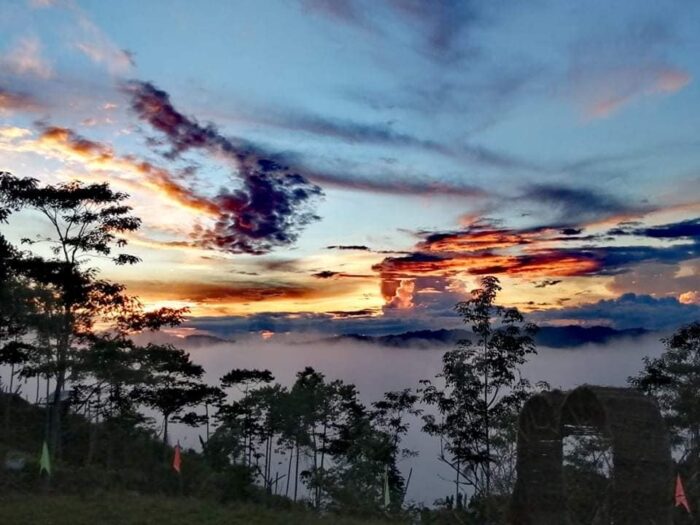
Fabian’s Peak is best known for its spectacular view of the sea of clouds. Once on the peak, hikers can marvel at the panoramic mountain views or wait until sunrise to watch the sea of clouds blend with the orange hues of the sun. The sea of clouds can be seen on a good day and may change according to the weather.
Location: Araibo, Pantukan, Davao de Oro
Marangig Falls
The formidable Mount Candalaga has been home to indigenous tribes and diverse endemic species of plants and animals. The mountain is also home to Marangig Falls, the first stop when hiking the mountain. The system of waterfalls is surrounded by a local legend that explains the movement of the water. According to this legend, an invisible ship called “Donya Marangig” controls the water flow, and the waterfall only moves when the Donya Marangig does.
Location: Maragusan, Davao de Oro
Tagbibinta Falls
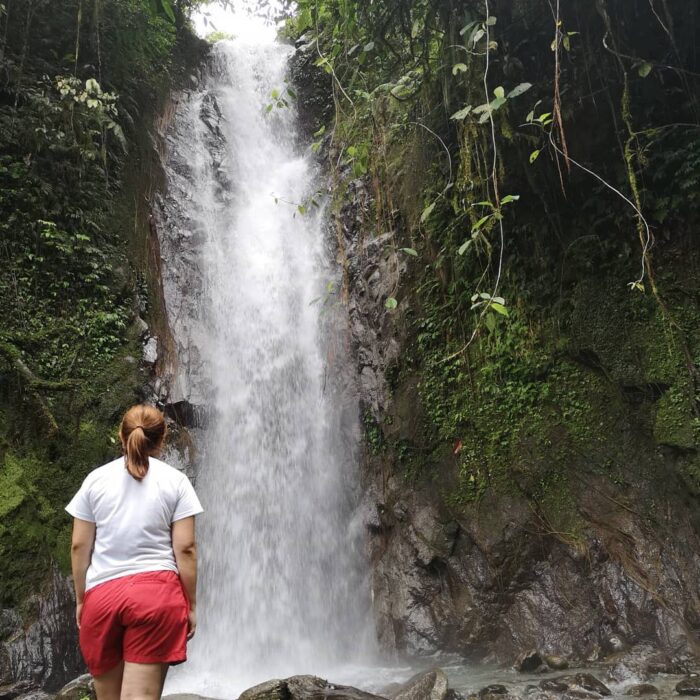
One of Davao de Oro’s most popular waterfalls, Tagbibinta Falls, drops for 700 feet to a catch basin with clear waters. The 7-layered waterfall is enveloped by dense forests and bordered by large boulders of rock that serve as picnic and resting grounds for visitors. The series of falls, especially the 7th layer, has become a challenge that daredevil trekkers try to reach.
Tagbibinta Falls is also no stranger to legends. According to the locals, women are not allowed to visit Tagbibinta Falls on their own. The locals believe that when a woman bathes in the water, she will be bewitched by a supernatural being into becoming their bride.
Location: Maragusan, Davao de Oro
Bongloy Cave

Bongloy Cave is known to be a pristine and virginal cave that remains unspoiled and untouched. The majestic cave is home to rich and native biodiversity and an underground river system. The cave’s winding chambers are perfect for beginner and experienced spelunker to see the different speleothems.
Location: Laak, Davao de Oro
Pyalitan Falls

The 4-tiered Pyalitan Falls is one of the highest waterfalls in Davao de Oro, measuring around 150 feet. The stunning falls require visitors to take a long trek along grassy terrain and slippery rocks to reach the hidden gem. Upon reaching the main tier, visitors can stand in awe at the clear waters that cut through the verdant foliage from both sides.
Location: Maragusan, Davao de Oro
Mount Candalaga
Mount Candalaga is one of Davao de Oro’s best-hiking destinations. The mountain is more than 2,400 meters above sea level. Hiking the mountain’s summit can take three full days, during which hikers will pass through forests, waterfalls, and the corpse flower of the Philippines, Rafflesia. The LGU closely monitors the entry of hikers because of the steep and technical trail. The main jump-off site to Mount Candalaga is Marangang.
Location: Maragusan, Davao de Oro
Mainit Sulfuric Hot Spring

Mainit Sulfuric Hot Spring is a beloved natural hot spring near Mount Leonard. The water outpours from the mineral-deposited part of Mount Leonard and gives off a brown tinge of color. The pool of water below the falls are shin to ankle-deep. Visitors can rent one of the cottages or settle in one of the boulders.
Location: Mainit, Maco, Davao de Oro
Entrance Rates: PHP10 per person
Lake Leonard
Lake Leonard is a freshwater crater lake in Mount Leonard with several eco-tourism activities to offer. For generations, the Mansaka community has lived near Lake Leonard, formerly called Crocodile Lake because of the presence of crocodiles. Later on, mining prospector Leonard Kniazeff discovered the lake and was then named after him for his economic contribution to the Municipality of Maco. Visitors can spend the night camping, sail across the lake on a bamboo raft and kayak, or picnic with families with friends. Lake Leonard also serves as the jump-off site to Amakan Crater.
Location: New Leyte, Maco, Davao de Oro
Amakan Crater
From Lake Leonard, visitors can trek to Amakan Crater, an 8-hectare natural crater with a boiling cauldron. The water found inside the crater has a murky green color. Visitors must pay a registration fee to reach the crater and hire a guide to lead them.
Location: New Leyte, Maco, Davao de Oro
Tour Guide Rates: PHP100 per person
Entrance Rates: PHP100 per person
Kopiat Island
Kopiat Island is an 87-hectare island covered with coconut and mangrove trees and fringed by a white sand beach. The island is part of Mabini Protected Landscape and Seascape, a protected area along Davao Gulf. The unspoiled island boasts a quiet beach that also serves as a breeding ground for hawksbill and leatherback turtles. The clear waters surrounding the island are home to diverse marine life and prosperous colonies of vibrant corals, perfect for snorkeling and swimming. Location: Kopiat Island, Davao de Oro
Awao Falls

Awao Falls is a 3-tiered waterfall that measures more than 80 feet high and is one of the most frequented falls and Davao de Oro tourist destinations. The curtain of waterfall drops from the rough rocky slope of the mountain to a shallow catch basin. Visitors can swim to the pool of water beneath the waterfall and let the torrent massage their backs. Despite its popularity, Awao Falls remains unknown to several tourists and remains a secret among locals.
Location: Awao, Monkayo, Davao de Oro
How to get there
To get to Davao de Oro, visitors can take a flight to Francisco Bangoy International Airport, also known as Davao International Airport, from any major city such as Manila, Clark, and Cebu. It is the main airport in Davao City and the whole Davao Region.
Visitors can take a taxi from the airport to any point in Davao City or Ecoland Bus Terminal. Then, board the bus or van bound for New Bataan, Maragusan, or Monkayo. There is no direct bus from the airport. The best way to get around Davao de Oro is by jeepney and, for the sake of ease and convenience, by rented vehicle.
Want more updates about new tourist attractions in Mallorca, Spain? Follow #TeamOutofTown, on Facebook, Twitter, Instagram, and Pinterest for more travel ideas.
Also read: