

 Melo Villareal
Ridiculous Things People Bring on Board — And Why You Shouldn’t
After years of flying across continents, documenting travel experiences, and quietly observing the chaos at airport security lines, I’ve realized one universal truth: people consistently bring the wrong things on planes. Not just unnecessary items—but things that cause delays, embarrassment, confiscation, or even legal trouble.
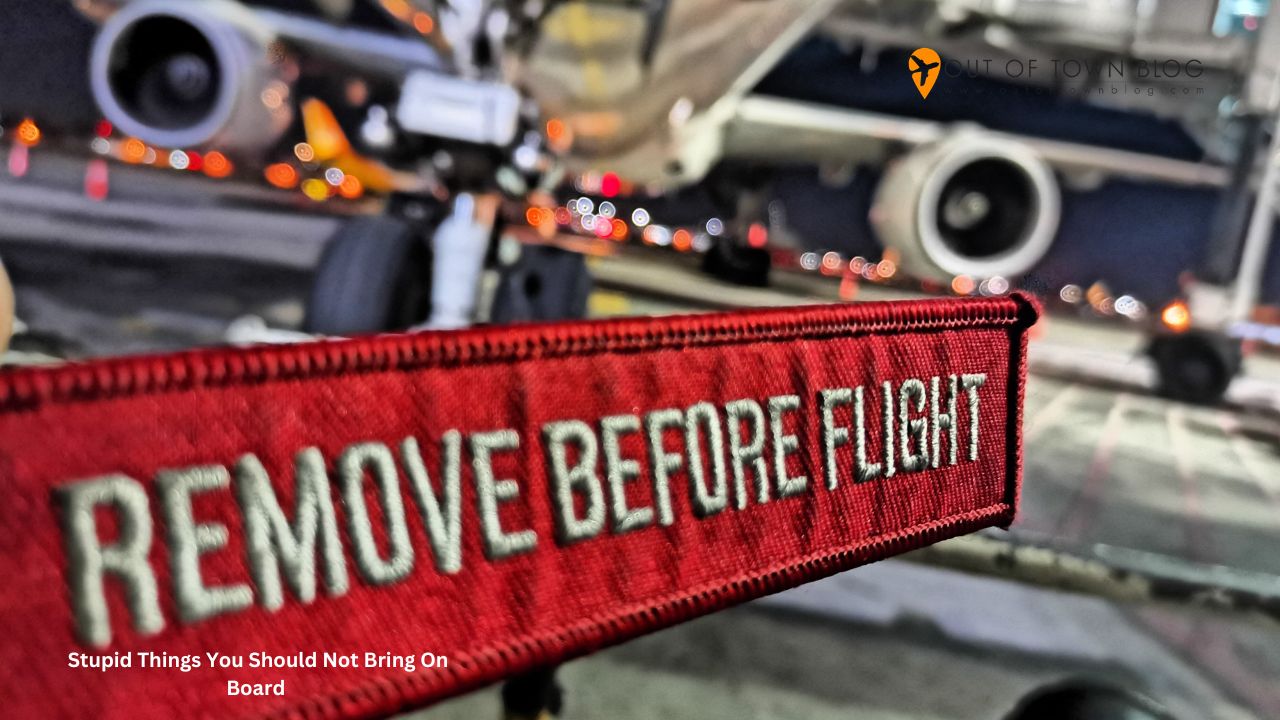
Stupid Things You Should Not Bring On Board
If you want to travel smarter—and look like a seasoned traveler instead of a first-time flyer—here’s a deeper, brutally honest breakdown of what not to bring on board and why.
1. Oversized Liquids (Yes, That Jumbo Shampoo Bottle)
This is easily one of the most common—and avoidable—mistakes travelers make. Despite years of global enforcement, people still show up at security with full-size shampoo bottles, large lotions, perfumes, or even bottled drinks tucked inside their carry-ons. Then comes the predictable moment: confusion, mild panic, and the reluctant surrender of their belongings.
The issue here isn’t just ignorance of the rules—it’s poor planning. Airport security worldwide enforces liquid restrictions (typically 100ml per container, placed in a clear resealable bag), and they are not flexible about it. I’ve seen travelers try to negotiate, transfer liquids on the spot, or even argue, all while holding up the line for everyone else.
What makes this especially frustrating is how easy it is to avoid. Travel-sized containers are cheap, widely available, and far more practical. Alternatively, you can purchase toiletries at your destination or check in your luggage if you insist on bringing full-sized products.
Bottom line: if it doesn’t meet the liquid rules, it’s not flying with you. And no, security won’t “make an exception just this once.”
2. Power Banks That Look Like Car Batteries

Power banks are essential for modern travel—especially if you’re navigating, filming, or working on the go. But there’s a fine line between being prepared and being excessive. Some travelers bring massive, high-capacity power banks that look like they belong in a construction site rather than a backpack.
Airlines have strict regulations regarding lithium-ion batteries due to fire risks. Most allow power banks under 100Wh without special approval, but anything beyond that can raise serious red flags. I’ve personally seen travelers pulled aside, questioned, and forced to leave behind expensive battery packs simply because they exceeded the allowed limit.
What many people don’t realize is that size and labeling matter. If your power bank doesn’t clearly indicate its capacity—or looks unusually large—it increases the likelihood of additional screening. This slows you down and can disrupt your entire boarding process.
A smarter approach is to bring one or two reliable, airline-compliant power banks from trusted brands. Know their capacity, keep them in your carry-on (never checked baggage), and avoid anything that could be mistaken for industrial equipment.
Prepared is good. Overprepared with suspicious electronics? Not so much.
3. Sharp Objects You “Forgot” About
There’s always that one traveler who looks genuinely shocked when security pulls out a pair of scissors, a pocket knife, or even a metal nail file from their bag. The classic line: “Oh, I forgot that was in there.” Unfortunately, airport security hears that excuse hundreds of times a day—and it doesn’t change the outcome.
Sharp objects are strictly prohibited in carry-on luggage for obvious safety reasons. Even small items, such as grooming scissors or multi-tools, can be flagged and confiscated. And while these items might seem harmless in your daily life, they are treated seriously in an aviation environment.
The bigger issue is the lack of awareness when packing. Many people reuse bags without checking every compartment, leading to accidental violations. This not only results in the loss of your belongings but can also delay your screening process and inconvenience everyone behind you.
The solution is simple but often overlooked: do a thorough bag check before heading to the airport. If you need to bring sharp items, place them in your checked luggage. Better yet, consider whether you actually need them for your trip.
Air travel is not the place for “oops” moments—especially when they involve objects that can trigger security concerns.
4. Smelly Food That Attacks the Cabin
Food on a plane is fine. Offensive food in a confined space? That’s a different story. One of the fastest ways to earn silent judgment from fellow passengers is by opening something that fills the cabin with a strong, lingering odor.
I’m talking about foods like durian, canned tuna, heavily spiced dishes, or anything fermented enough to be noticed from several rows away. While these foods may be completely normal (and even delicious) in other contexts, an airplane cabin is a shared environment with limited ventilation and nowhere to escape.
The problem isn’t just etiquette—it’s consideration. People may be sensitive to smells, feeling nauseous, or simply trying to enjoy a peaceful flight. Introducing overpowering scents into that space disrupts the experience for everyone.
There are also cases where certain foods may not be allowed due to airline policies or destination regulations, especially when crossing international borders.
A better approach is to pack neutral, low-odor snacks like crackers, sandwiches, or packaged items. If you really want a proper meal, purchase it at the airport or wait until you land.
Remember: just because you can bring food doesn’t mean you should.
5. Too Many Gadgets (That You Won’t Even Use)
As a content creator, I understand the temptation to bring every piece of gear “just in case.” Cameras, lenses, drones, microphones, laptops, tablets—the list can get out of hand quickly. But overpacking gadgets is one of the most inefficient and stressful things you can do.
First, there’s the physical burden. Carrying heavy, tech-filled bags through airports, security checks, and boarding gates is exhausting. Then comes the logistical headache: removing devices for screening, managing cables, and repacking everything under time pressure.
More importantly, most travelers don’t end up using half the gear they bring. That extra camera or backup device often stays untouched, yet it adds weight, complexity, and risk. Expensive electronics also increase the chances of loss, theft, or damage.
A more professional approach is to plan your gear based on your actual needs for the trip. If you’re shooting content, define your objectives and bring only what supports them. Streamline your setup so you can move efficiently and focus on the experience rather than managing equipment.
Minimalism isn’t about sacrificing quality—it’s about maximizing efficiency.
6. Fake or Questionable Items
This is one area where a “harmless” decision can quickly turn into a serious problem. Bringing counterfeit goods, knockoff designer items, or questionable electronics might seem insignificant, but customs authorities in many countries take this very seriously.
Some destinations have strict laws against counterfeit products, and travelers caught carrying them can face fines, confiscation, or even legal consequences. What you thought was a cheap fashion choice could end up costing you far more than the original item.
Beyond legality, there’s also the issue of suspicion. Items that look unusual, modified, or poorly labeled can attract additional scrutiny during security checks. This leads to delays, questioning, and unnecessary stress—especially if you’re on a tight schedule.
It’s simply not worth the risk. Stick to authentic, properly labeled items from reputable sources. Not only does this ensure compliance with regulations, but it also reflects a more responsible and informed approach to travel.
When in doubt, leave it out. Airports are not the place to test how convincing your knockoff bag is.
7. Wrapped Gifts
It’s a thoughtful gesture—bringing a beautifully wrapped gift for someone at your destination. Unfortunately, airport security doesn’t share your sentimentality. If they need to inspect that item, they will unwrap it without hesitation.
This creates a frustrating situation where your effort goes to waste, especially if the wrapping was elaborate or meaningful. I’ve seen travelers watch helplessly as carefully wrapped presents are torn open in seconds, all for routine inspection.
The issue is that security needs to be able to clearly see what’s inside every item. Wrapping obscures visibility, making it more likely that your bag will be flagged for manual inspection. And once that happens, the wrapping is the first thing to go.
A more practical approach is to carry gifts unwrapped and pack the wrapping materials separately. Once you arrive at your destination, you can wrap the gift properly without the risk of it being undone.
Travel requires a balance between thoughtfulness and practicality. In this case, practicality wins—every time.
8. Loose Change and Metal Chaos
It might seem harmless to toss coins, keys, and random metal objects into your bag or pockets, but this small habit can create unnecessary delays during security screening. When your belongings pass through the scanner, loose metal items often trigger additional checks.
This leads to the all-too-familiar scene: you standing at the checkpoint, frantically emptying pockets, digging through your bag, and holding up the line while trays pile up behind you. It’s not just inconvenient—it’s avoidable.
Disorganization is the real issue here. A cluttered bag filled with scattered items makes it harder for both you and security personnel to quickly assess what’s inside. This increases the likelihood of secondary inspections, which take time and disrupt the flow of passengers.
The solution is simple: use a small pouch or organizer for coins, keys, and other loose items. Before reaching the security checkpoint, consolidate everything so you can move through efficiently.
Traveling smoothly often comes down to small details. And this is one of those details that separates experienced travelers from everyone else.
9. “Just in Case” Items You’ll Never Use
Packing for “what if” scenarios is one of the biggest traps travelers fall into. What if it rains? What if there’s a fancy dinner? What if I suddenly need five outfit changes in one day?
Before you know it, your carry-on is stuffed with items you’ll never touch. Extra shoes, bulky clothing, oversized towels, redundant accessories—it all adds up. And the worst part? You’ll be the one carrying it through airports, lifting it into overhead bins, and dragging it across destinations.
This mindset comes from a fear of being unprepared, but in reality, it leads to inefficiency. Most destinations have stores, laundry services, and solutions for unexpected needs. You don’t have to carry your entire contingency plan with you.
Experienced travelers pack with intention. Every item has a purpose and a high probability of use. If something doesn’t meet that criteria, it stays behind.
The goal isn’t to be prepared for everything—it’s to be adaptable. And adaptability is much easier when you’re not weighed down by unnecessary ?????.
10. Your Bad Attitude

This might not show up in your luggage, but it will absolutely affect your travel experience. Airports are high-stress environments, and tensions can rise quickly. Long lines, delays, security checks—it’s easy to become frustrated.
But bringing a bad attitude into that space only makes things worse. Being rude to staff, impatient with procedures, or dismissive of rules won’t speed anything up. In fact, it often has the opposite effect, leading to more scrutiny and less cooperation.
I’ve seen travelers escalate minor inconveniences into major problems simply because they refused to stay calm. On the flip side, those who remain polite and composed tend to move through the process more smoothly.
Travel is unpredictable. Flights get delayed, plans change, and things don’t always go your way. Your attitude is one of the few things you can control—and it makes a significant difference.
A little patience and respect go a long way. Not just for others, but for your own peace of mind.
Final Thoughts
Smart travel isn’t about packing more—it’s about packing better. Every item you bring should serve a purpose, comply with regulations, and contribute to a smoother journey.
If there’s one mindset shift that separates seasoned travelers from beginners, it’s this:
Travel light, think ahead, and respect the system.
Because nothing says “rookie traveler” louder than arguing over a confiscated shampoo bottle at airport security.
Safe travels
Follow and subscribe to OutofTownBlog.com on Facebook, Twitter, Instagram, Pinterest, and YouTube for more Travel-related updates.
