Team Out of Town
Slow Down in Pu Luong: Rice Terraces, Bamboo Huts & Real Smiles
Pu Luong Nature Reserve sits quietly along the border between Hoa Binh and Thanh Hoa provinces, about 160 kilometers southwest of Hanoi. While many travelers rush past this area on their way to more famous spots, they miss one of Vietnam’s most peaceful retreats. Pu Luong offers visitors stunning rice terraces, traditional villages, and waterfalls without the crowds found at popular tourist destinations.
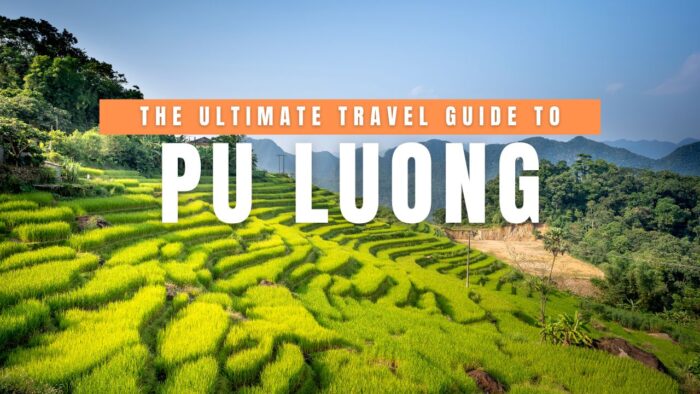
Pu Luong Travel Guide
This hidden gem attracts primarily local Vietnamese visitors on weekend trips, so foreign travelers can explore the area’s natural beauty in relative solitude. The reserve features bamboo waterwheels, limestone mountains, and valleys filled with emerald rice paddies. Local ethnic communities still live traditional lives in small villages scattered throughout the region.
Planning a visit to Pu Luong requires some preparation since it remains off the main tourist trail. Travelers need to consider transportation options, accommodation choices, and the best times to visit for optimal weather and rice terrace views. The area offers hiking trails, cultural experiences, and eco-friendly lodges that provide authentic Vietnamese countryside experiences.
Why Visit Pu Luong: Vietnam’s Hidden Gem
Pu Luong Nature Reserve stands as one of Vietnam’s most pristine destinations, offering untouched landscapes just 160 kilometers from Hanoi. This remote sanctuary in Thanh Hoa Province provides authentic cultural experiences, including Thai ethnic villages and dramatic terraced rice fields.
An Overview of Pu Luong Nature Reserve
Pu Luong Nature Reserve sits in the northwest region of Thanh Hoa Province. The protected area covers mountainous terrain filled with lush forests and traditional villages.
Key Features:
- Location: 160 km from Hanoi
- Terrain: Mountainous highlands with dense forests
- Villages: Thai ethnic minority communities
- Landscapes: Terraced rice fields and limestone peaks
The reserve protects both natural ecosystems and cultural heritage. Visitors find peaceful Thai villages where locals maintain traditional lifestyles.
Rice terraces cascade down mountain slopes in geometric patterns. These farming systems have operated for generations without modern machinery.
The area attracts fewer tourists than popular destinations such as Sapa or Halong Bay. This isolation helps preserve the authentic character of local communities.
Off-the-Beaten-Path Vietnam: What Makes Pu Luong Unique
Pu Luong offers genuine cultural immersion without tourist crowds. The reserve maintains its original character because it remains largely undeveloped.
What Sets Pu Luong Apart:
- No mass tourism infrastructure
- Active farming communities
- Traditional stilt houses
- Authentic local interactions
Thai ethnic families still practice subsistence farming. They grow rice using methods passed down through generations.
Bamboo water wheels turn slowly in mountain streams. These traditional irrigation systems still function after decades of use.
Visitors can participate in daily village activities. Farming, cooking, and handicraft making provide hands-on cultural experiences.
The landscape changes dramatically with each season. Rice terraces turn golden during harvest, while green shoots create vibrant patterns during the planting season.
Hidden Vietnam Destinations Near Hanoi
Pu Luong provides easy access to northern Vietnam’s remote beauty. The location makes it perfect for short trips from Hanoi.
Travel Distance from Hanoi:
- By car: 3-4 hours
- By motorbike: 4-5 hours
- By bus: 4-6 hours
The reserve connects to other hidden destinations in the region. Travelers can combine visits to multiple off-the-beaten-path locations.
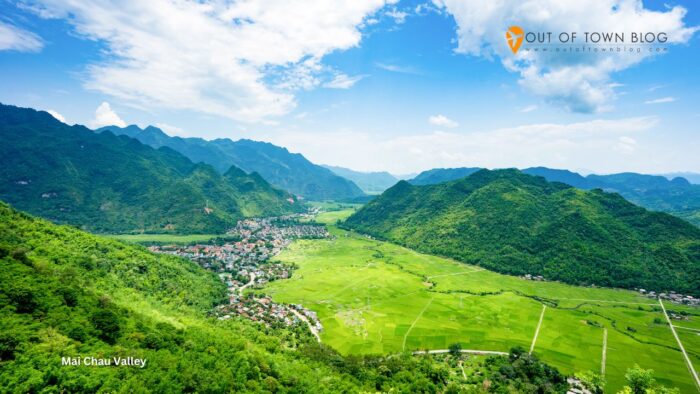
Mai Chau Valley lies nearby with additional Thai villages. Cuc Phuong National Park offers wildlife viewing opportunities.
The region serves as a gateway to Vietnam’s northwest mountains. Visitors can explore without venturing too far from the capital.
Local homestays provide comfortable accommodation options. These family-run guesthouses offer meals and opportunities for cultural exchange.
Top Natural Attractions in Pu Luong
Rice Terraces and Terraced Fields
The rice terraces of Pu Luong rank among Vietnam’s most spectacular agricultural landscapes. These ancient terraced fields cascade down steep mountainsides in perfect geometric patterns.
Local farmers built these terraces over centuries using traditional methods. The terraces follow the natural contours of the hills and mountains.
Best viewing locations include:
- Kho Muong village area
- Ban Hieu village surroundings
- Uoi village terraced slopes
The terraces change colors throughout the year. Green shoots appear during planting season from May to June. Golden rice produces striking views during harvest in September and October.
Water buffalo still plow many fields using traditional farming methods. Visitors can walk along narrow paths between the terraced fields. The terraces offer excellent photo opportunities, especially at sunrise and sunset.
Majestic Valleys and Mountains
Pu Luong’s valleys cut deep channels between limestone mountains and forested peaks. The Cham River valley forms the reserve’s main waterway and creates fertile lowlands.
The mountains reach heights of over 1,700 meters above sea level. Dense tropical forests cover most mountain slopes. Limestone cliffs and rocky outcrops create dramatic landscapes throughout the reserve.
Key mountain features:
- Pu Luong Peak (highest point)
- Limestone karst formations
- Dense forest coverage
- Rocky cliff faces
The valleys contain small villages where ethnic minorities live in traditional stilt houses. Rivers wind through valley floors and provide water for irrigation systems. Mountain trails connect different valleys and offer hiking opportunities.
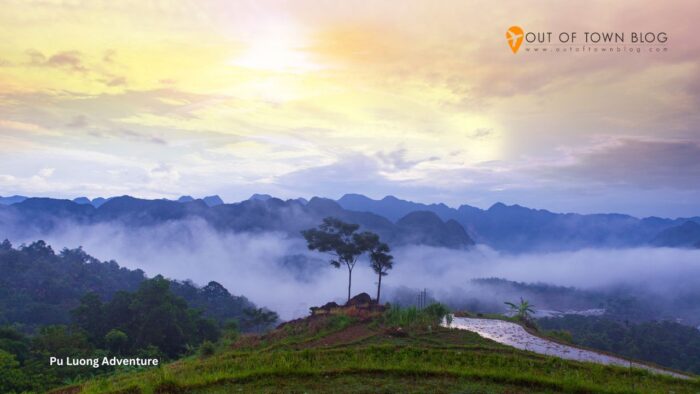
Morning mist often fills the valleys and creates mystical scenery. The combination of mountains and valleys provides diverse habitats for wildlife.
Hieu Waterfall and Water Features
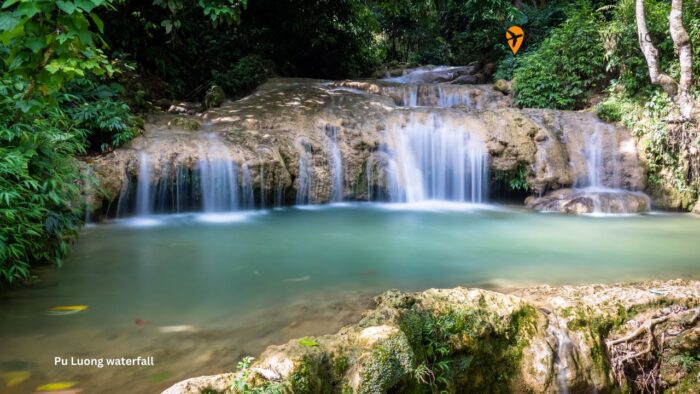
Hieu Waterfall stands as Pu Luong’s most famous water feature. This multi-tiered waterfall cascades over limestone rocks, creating natural swimming pools.
The waterfall flows year-round but reaches peak volume during the rainy season. Crystal clear water cascades down several levels before joining the central river system.
Visitors can swim in the pools below Hieu Waterfall. The water stays cool even during hot weather. Small fish live in the pools and streams throughout the reserve.
Several smaller waterfalls exist along hiking trails. These hidden falls require short walks through forest paths. Many locals consider certain water features sacred or spiritually important.

Flora and Fauna Diversity
Pu Luong protects over 1,100 plant species within its boundaries. The reserve contains both tropical and temperate ecosystems due to elevation changes.
Notable wildlife includes:
- Langur monkeys
- Wild boar
- Various bird species
- Butterflies and insects
- Small mammals
The forests contain valuable timber species like ironwood and rosewood. Medicinal plants grow throughout the reserve, and local people use them for traditional medicine.
Over 170 bird species live in or migrate through Pu Luong. Colorful butterflies are common during warmer months. Night sounds reveal active nocturnal wildlife populations.
The reserve’s protection status helps preserve rare and endangered species. Different elevation zones support different plant communities. Visitors often spot wildlife during quiet morning walks along forest trails.
Adventures and Activities for Travelers
Trekking Trails and Trek Experiences
The nature reserve features multiple trekking routes for different skill levels. Most trails wind through dense forests and connect remote villages.
Popular trekking options include:
- Short 2-3 hour village walks
- Half-day forest hikes to waterfalls
- Full-day mountain treks
- Multi-day camping expeditions
The Pu Luong Peak trek is the most challenging route. It takes experienced hikers 6-8 hours to reach the summit at 1,700 meters.
Trekkers often spot wildlife like birds and butterflies along forest paths. Local guides help visitors discover hidden waterfalls and learn about local flora and fauna.
Village-to-village treks let travelers meet ethnic minorities. The Thai and Muong people live in traditional stilt houses throughout the reserve.
Bamboo Rafting and River Fun
Rivers and streams flow throughout Pu Luong’s valleys. Bamboo rafting is the most popular water activity for visitors.
Traditional bamboo rafts carry 2-4 people down calm waterways. Local boatmen guide the rafts using long wooden poles.
Most rafting trips last 1-2 hours. The gentle current makes it safe for families with children.
Water wheel viewing is another unique activity. Ancient bamboo water wheels still operate along several streams. These wheels pump water to irrigate rice fields.
Swimming spots exist near some villages. The water remains cool year-round due to mountain runoff.
Cycling and Exploring the Outdoors
Bicycles are perfect for exploring Pu Luong’s rural roads. Most paths are flat or have gentle hills between villages.
Mountain bikes work best on unpaved trails. Regular bikes are fine for paved roads and rice terrace paths.
Popular cycling routes connect 3-4 villages in half-day trips. Riders pass through rice fields, forests, and small farms.
Best cycling areas:
- Don Village loop (2 hours)
- Kho Muong to Hieu waterfall (3 hours)
- Pu Luong valley circuit (full day)
Many homestays rent bicycles to guests. Local shops in larger villages also offer bike rentals and repairs.
Early morning rides offer the best weather and lighting for photos. Rice terraces are most beautiful at sunrise.
Pu Luong’s Local Culture and Villages
Traditional Stilt Houses and Ethnic Heritage
The Thai people of Pu Luong live in wooden stilt houses built in the same way for hundreds of years. These homes sit on tall wooden posts to protect families from floods and wild animals.
The houses feature bamboo walls and palm-leaf roofs. The main living area stays on the second floor while the ground level stores farm tools and shelters livestock.
White Thai and Black Thai communities make up most villages in the reserve. The names come from the colors of their traditional clothing, not skin color.
Each group speaks its own dialect and follows unique customs. White Thai women wear white blouses with long black skirts. Black Thai women dress in colorful tops with black pants.
Both groups practice ancestor worship and Buddhism. They hold festivals throughout the year to honor their heritage and celebrate harvests.
Kho Muong Village Immersion
Kho Muong Village is in the heart of Pu Luong and welcomes visitors seeking to experience daily village life. Families here still farm rice using water buffalo and hand tools.
Travelers can stay overnight in traditional stilt houses with local families. This gives them an authentic taste of village customs and meals.
The village sits near terraced rice fields that change colors with each season. Green paddies in summer turn golden during harvest time in the fall.
Village activities include:
- Learning to weave traditional textiles
- Helping with rice planting or harvesting
- Cooking meals over wood fires
- Walking through jungle paths to nearby villages
Children in Kho Muong often speak basic English and enjoy meeting visitors from other countries.
Experiencing Local Cuisine and Crafts
Thai cuisine in Pu Luong uses fresh ingredients grown in village gardens and gathered from nearby forests. Rice serves as the base for most meals.
Typical local dishes include:
- Sticky rice cooked in bamboo tubes
- Grilled fish caught from mountain streams
- Vegetable soups with herbs and greens
- Pork or chicken curry with local spices
Women in the villages weave cloth using traditional looms. They create colorful fabrics for clothing, bags, and home items.
The weaving process takes many hours. Women spin cotton or hemp into thread, then dye it with natural colors from plants and bark.
Visitors can watch the weaving process and buy finished products directly from the makers. This supports local families and helps preserve traditional skills.
Bamboo crafts are also popular in the area. Men make baskets, containers, and household items using bamboo that grows wild in the forests.
Where to Stay in Pu Luong
Homestays for Authentic Encounters
Traditional homestays in Pu Luong place visitors directly in local Thai villages. These accommodations typically feature wooden stilt houses with basic amenities and shared family spaces.
Don Village serves as the primary homestay hub along the main road. Families here offer simple rooms with mosquito nets and shared bathrooms. Guests share meals with their host families and learn about rice-farming traditions.
Hieu Village provides a quieter homestay experience away from tourist traffic. The location offers better access to hiking trails and waterfalls. Accommodation remains basic but authentic.
Most homestays include:
- Traditional stilt house architecture
- Shared meals with local families
- Basic bedding and mosquito nets
- Shared bathroom facilities
Prices range from $10 to $20 per person per night. Visitors should expect limited electricity and basic comfort levels. The experience focuses on cultural exchange rather than luxury amenities.
Eco-Lodges and Resorts with Infinity Pools
Modern resorts in Pu Luong blend comfort with natural settings. These properties feature contemporary designs while maintaining environmental consciousness through sustainable practices.
Several eco-lodges offer infinity pools overlooking the terraced rice fields. The pools offer relaxation after hiking days and showcase panoramic valley views.
Resort amenities typically include:
- Private bathrooms with hot water
- Air conditioning or ceiling fans
- Restaurant dining options
- Spa services
- Guided tour arrangements
Premium properties feature bamboo architecture mixed with modern materials. Many resorts are built on hillsides to maximize terrace views.
Prices range from $50 to $150 per night, depending on season and room type. These accommodations suit travelers seeking comfort while exploring nature. Most resorts offer transportation assistance and activity booking services.
Travel Planning and Practical Information
How to Get to Pu Luong from Hanoi and Other Cities
From Hanoi by Car or Motorbike:
- Distance: 160 kilometers southwest
- Driving time: 3-4 hours via Highway 6
- Route: Hanoi -> Hoa Binh -> Mai Chau -> Pu Luong
Public Transportation Options: Travelers can take buses from Hanoi to Thanh Hoa, then connect to local buses to the nature reserve. This option takes 5-6 hours total.
Private car hire offers the most flexibility and comfort. Many visitors combine Pu Luong with Mai Chau, located 30 kilometers away in Hoa Binh Province.
Alternative Routes:
- From Ninh Binh: 2.5 hours by car
- From Sapa: 6-7 hours with scenic mountain roads
- From Halong Bay: 5-6 hours via Hanoi
Local transportation within Pu Luong relies on motorbikes, bicycles, or walking. Most accommodations provide motorbike rentals for exploring villages and trails.
Best Times to Visit for Scenic Beauty
Rice Terrace Seasons:
- May-June: Bright green terraces after planting
- September-October: Golden harvest season with stunning colors
Weather Patterns:
- Dry season (November-April): Clear skies, cooler temperatures, ideal for trekking
- Rainy season (May-October): Lush landscapes but muddy trails
Monthly Breakdown:
| Month | Weather | Highlights |
|---|---|---|
| Apr-May | Warm, occasional rain | Rice planting begins |
| Sep-Oct | Cool, dry | Harvest season |
| Nov-Feb | Cool, clear | Perfect hiking weather |
The harvest months offer photographers the most dramatic scenery. Temperatures range from 15-25°C during the dry season and 20-30°C during the rainy months.
Tips for Responsible and Sustainable Travel
Cultural Respect: Always ask permission before photographing local people, especially in ethnic minority villages. Dress modestly when visiting traditional communities.
Environmental Protection:
- Pack out all trash
- Use refillable water bottles
- Stay on marked trails to prevent erosion
- Support local eco-lodges over large resorts
Supporting Local Communities: Buy handicrafts directly from village artisans. Choose locally-owned guesthouses and restaurants to keep tourism revenue within the community.
Preparation Essentials: Bring biodegradable soap and toiletries. Pack lightweight, quick-dry clothing suitable for both warm days and cool evenings.
Hire local village guides rather than through external companies. This provides residents with direct income while offering authentic cultural experiences.
Frequently Asked Questions
What are the essential experiences and activities to try in Pu Luong?
Trekking through terraced rice fields stands as the most popular activity in Pu Luong. Visitors can explore multiple hiking trails that wind through remote villages and showcase the area’s natural beauty.
The bamboo water wheels provide a unique cultural experience. These traditional irrigation systems still operate in local villages and demonstrate centuries-old farming techniques.
Village homestays offer authentic cultural immersion. Travelers can stay with local families and participate in daily activities like rice farming and traditional cooking.
Birdwatching attracts nature enthusiasts year-round. The nature reserve hosts more than 160 bird species across its diverse ecosystems.
How can travelers responsibly explore hidden destinations in Vietnam without contributing to overtourism?
Visiting during off-peak seasons reduces pressure on local infrastructure. Travelers should avoid major Vietnamese holidays and peak tourist months when possible.
Choosing local guides and homestays directs money directly to communities. Small-scale accommodations provide income to families rather than large tourism companies.
Staying longer in fewer places minimizes environmental impact. Spending three to four days in Pu Luong enables a deeper cultural exchange than brief visits.
Following designated trails protects fragile ecosystems. Visitors should stick to marked paths and avoid creating new routes through sensitive areas.
What is the best time of year to visit Pu Luong for optimal weather and cultural experiences?
September through November offer the best weather conditions. Temperatures remain comfortable while humidity drops after the rainy season ends.
May through July provides lush green landscapes. The rice terraces are at their most vibrant during these months, but temperatures can be hot and humid.
December through February brings cooler temperatures but occasional rain. This period works well for travelers who prefer mild weather and fewer crowds.
March and April feature ideal hiking conditions. Clear skies and moderate temperatures make these months suitable for trekking.
Can you provide tips for first-time visitors to ensure an authentic experience in off-the-beaten-path regions in Vietnam?
Learning basic Vietnamese phrases enhances interactions with locals. Simple greetings and thank-you expressions show respect and often elicit warm responses.
Bringing cash in small denominations proves essential. Many rural areas lack ATMs, and card payment options remain limited.
Packing appropriate clothing shows cultural awareness. Long pants and covered shoulders are a sign of respect in traditional villages.
Hiring local transportation supports community economies. Motorbike taxis and local drivers provide better cultural insights than tour buses.
What types of accommodations are available for travelers seeking an immersive experience in Pu Luong?
Traditional homestays with local families offer the most authentic experience. Guests sleep in simple rooms and share meals with host families.
Eco-lodges provide comfort while maintaining environmental responsibility. These accommodations use sustainable practices and employ local staff.
Community-based guesthouses support village development projects. These facilities reinvest profits into local infrastructure and education programs.
Bamboo bungalows blend traditional architecture with basic modern amenities. These structures use local materials and traditional building techniques.
What should visitors know about local customs and etiquette when visiting rural and less touristy areas of Vietnam?
Removing shoes before entering homes shows proper respect. This practice applies to homestays, temples, and many local establishments.
Asking permission before photographing people demonstrates courtesy. Many ethnic minority groups prefer privacy and should not be treated as tourist attractions.
Dressing modestly aligns with local values. Conservative clothing shows respect for traditional communities and religious sites.
Participating in meal customs builds relationships with hosts. Waiting for elders to eat first and trying all the offered foods shows appreciation for hospitality.
Hanoi Travel Tour Packages You Should Try
Follow and subscribe to OutofTownBlog.com on Facebook , Twitter, Instagram, Pinterest, and YouTube for more Travel-related updates.
Read:
- The Wonders Of Vietnam: The Most Beautiful Places in VietNam
- Banaue Rice Terraces in Ifugao
- 10 Stunning Starbucks Locations in and Around Metro Manila
- Trekking to the Batad Rice Terraces
- The Top 10 FREE Things to Do Near Central Park, New York City