Team Out of Town
Bonga Festival: Your Complete Guide to Sibonga – A Harvest and Fiesta Celebration
As a frequent traveler who loves returning to Cebu, I have always found that some of the island’s most memorable celebrations happen outside Cebu City. The Bonga Festival in Sibonga, Cebu, is one of those festivals that gives visitors a chance to experience a more local, community-centered side of the province.
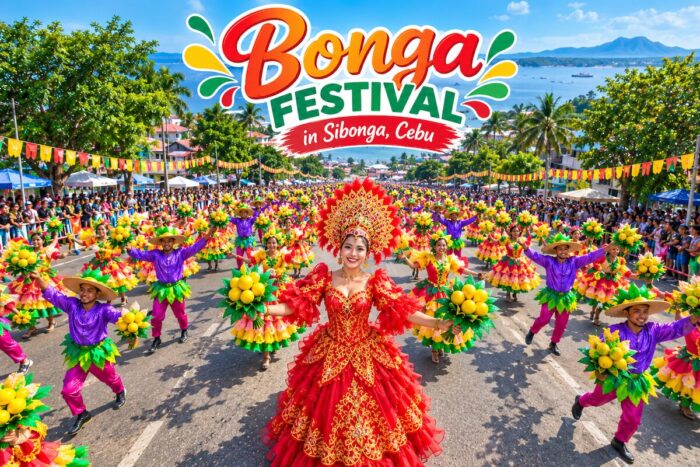
Bonga Festival in Sibonga, Cebu
Held as part of Sibonga’s annual fiesta celebrations, the festival combines religious devotion, thanksgiving, agriculture, colorful costumes, and energetic street dancing. It celebrates the blessings received by the people of Sibonga and the fruits of their hard work, while honoring the town’s patron saints, Our Lady of the Pillar and St. Philomena. In Cebuano, bonga refers to fruit or the fruitful result of one’s labor, making the festival a fitting symbol of harvest, perseverance, and gratitude.
For travelers exploring southern Cebu, the Bonga Festival is a wonderful reason to go beyond the usual itinerary of waterfalls, beaches, and whale shark encounters and experience the cultural traditions that remain at the heart of Cebuano towns.
History of the Bonga Festival
The Bonga Festival grew from Sibonga’s long tradition of celebrating its annual fiesta and giving thanks for the town’s agricultural abundance.
Sibonga has historically been an agricultural community, and the festival reflects the importance of farming, harvests, and natural resources to the lives of its residents. The word “bonga” represents fruit and, in a broader sense, the rewarding results of hard work and perseverance. The festival therefore serves as a thanksgiving celebration for the blessings and abundance received by the community.
The celebration is also closely connected to Sibonga’s Catholic identity. The festival is part of the town fiesta honoring Our Lady of the Pillar and St. Philomena, with the more vibrant Bonga celebrations traditionally associated with St.Philomena’s fiesta. Religious observances such as masses, novenas, and processions remain an important part of the overall fiesta experience.
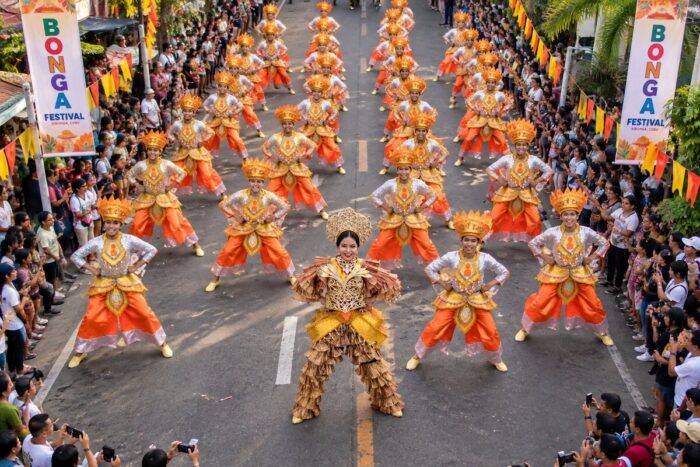
Modern Bonga Festival celebrations are best known for their large cultural performances and festival showdown. Schools, barangays, and community groups participate in elaborate presentations featuring synchronized dancing, colorful costumes, and themes inspired by Sibonga’s harvest, culture, and religious traditions.
When Is the Bonga Festival Celebrated?
The Bonga Festival is traditionally associated with August 9, coinciding with Sibonga’s fiesta celebrations and the feast of St. Philomena.
However, travelers should remember that the exact program, including pre-fiesta events, religious activities, street dancing schedules, and evening entertainment, can change from year to year. Festival activities may also span several days before and around the main celebration.
Bonga Festival Schedule of Activities
The exact annual schedule is usually finalized closer to the festival date, but visitors can generally expect activities similar to the following:
| Activity | What to Expect |
|---|---|
| Pre-Fiesta Religious Activities | Novenas, masses, and devotional gatherings |
| Fiesta Procession | Religious procession honoring Sibonga’s patron saints |
| Bonga Festival Street Dancing | Colorful contingents performing in the streets or designated venues |
| Festival Showdown | Major dance competition featuring schools, barangays, or clustered contingents |
| Opening and Cultural Programs | Local performances, ceremonies, and community presentations |
| Local Food and Product Displays | Opportunities to discover Sibonga products and Cebuano food |
| Evening Entertainment | Concerts, community programs, or special performances, depending on the year’s official program |
| Awards and Closing Activities | Recognition of participating contingents and performers |
A major part of the celebration is the festival showcase, where participating contingents perform elaborate routines that demonstrate the energy, creativity, and strong community involvement behind the Bonga Festival.
Travel Tip: If you are planning a trip specifically for the Bonga Festival, confirm the official program with the Sibonga local government or tourism office shortly before traveling, especially the exact times for the street dancing and showdows.
Things to Do and See During the Bonga Festival
1. Watch the Bonga Festival Street Dancing
For me, this is the main reason to visit during the celebration.
The streets and performance areas come alive with dancers wearing bright, elaborate costumes inspired by fruit, harvests, agriculture, and local traditions. The performances are energetic and theatrical, combining choreography, percussion, and storytelling.
The festival showcases how Cebuano communities transform their local identity into performance. Each contingent brings its own interpretation of Sibonga’s culture and the meaning of bonga.
2. Experience the Festival Showdown
The showdown is where the festival’s energy reaches its peak.
Contingents representing different schools, barangays, or community clusters perform for judges and spectators. Expect synchronized choreography, dramatic formations, loud percussion, and elaborate costumes.
The strong participation of local performers makes the showdown one of the most exciting parts of the annual celebration.
If possible, arrive early to secure a good viewing position.
3. Join the Fiesta and Religious Celebrations
The Bonga Festival is not simply a cultural performance. Faith remains central to the celebration.
Visitors can attend masses, novenas, and other religious activities associated with Sibonga’s annual fiesta. The celebration honors Our Lady of the Pillar and St. Philomena, blending cultural entertainment with religious devotion.
When attending religious events, dress respectfully and remember that these ceremonies are meaningful occasions for local devotees.
4. Visit the Nuestra Señora del Pilar Church
While in Sibonga, spend time exploring the town’s historic church.
The Nuestra Señora del Pilar Parish Church is closely connected to Sibonga’s religious identity and long history. It is one of the town’s important heritage landmarks and offers a quieter contrast to the festival’s energy.
Because the church has undergone restoration planning following damage from Super Typhoon Odette, visitors should be prepared for possible changes in access or ongoing restoration work.
5. Explore Sibonga Beyond the Festival
One thing I enjoy about traveling through southern Cebu is that a festival can easily become part of a larger road trip.
Sibonga is located along Cebu’s southern corridor, making it convenient to combine with destinations such as Carcar and other towns farther south. The municipality is also widely known as home to the famous Marian pilgrimage site in Simala.
Sibonga offers a mix of coastal scenery, agricultural landscapes, religious heritage, and small-town Cebuano life.
6. Taste Local Cebuano Food
Festival trips are always better when you make time for local food.
Sibonga’s local specialty includes Adubaw na Nukos, a squid dish prepared with ingredients such as its own ink, vinegar, and garlic. Food stalls and local eateries also offer travelers the opportunity to sample familiar Cebuano dishes while experiencing the town’s fiesta atmosphere.
How to Get to Sibonga, Cebu
From Cebu City by Bus
The easiest way for most travelers is to take a bus from the Cebu South Bus Terminal.
Look for southbound buses traveling toward destinations such as:
- Oslob
- Santander
- Dumaguete
- Other southern Cebu destinations passing through Sibonga
Tell the conductor that you are getting off in Sibonga town proper. Depending on traffic and the specific bus service, the trip from Cebu City generally takes around two hours or more.
From Mactan-Cebu International Airport
From the airport, first travel to Cebu City and the Cebu South Bus Terminal. From there, take a southbound bus passing through Sibonga.
Because airport-to-bus-terminal traffic can be unpredictable, allow plenty of time if you are trying to catch a particular festival activity.
By Private Car
Drive south from Cebu City along the southern coastal highway, passing through the Carcar area before continuing toward Sibonga.
A private vehicle offers more flexibility, particularly if you plan to combine the festival with other southern Cebu destinations. However, expect heavier traffic and limited parking during major fiesta activities.
Important Travel Tips for the Bonga Festival
Arrive Early
Festival crowds can build quickly, especially before the major dance competition or showdown. Arriving early gives you more time to explore the town and find a good viewing spot.
Expect Hot Weather and Rain
August in Cebu can be hot and humid, with occasional rain showers. Wear lightweight clothing, but bring a rain jacket or compact umbrella.
Wear Comfortable Shoes
You may spend several hours standing, walking between activity areas, and moving through crowds.
Bring Drinking Water
Festival days can be long, particularly when outdoor events are held under the sun. Stay hydrated throughout the day.
Keep Your Valuables Secure
As with any crowded festival, carry only what you need and keep your phone, wallet, and camera secure.
Respect Religious Activities
The Bonga Festival is closely connected to Sibonga’s fiesta and Catholic traditions. Dress appropriately when entering churches and remain respectful during masses and processions.
Confirm the Official Schedule Before Traveling
Festival programs can change due to weather, local government decisions or logistical concerns. Always confirm the latest schedule before making a dedicated trip.
Consider Staying Outside Sibonga
Depending on the size of the festival program, accommodation choices in the town may be limited. Travelers can consider staying in nearby areas or returning to Cebu City after the main events.
Combine It With a Southern Cebu Road Trip
If you have several days in Cebu, consider pairing the Bonga Festival with Carcar’s heritage and food scene or continuing farther south toward other destinations.
Frequently Asked Questions About the Bonga Festival
What is the Bonga Festival?
The Bonga Festival is Sibonga, Cebu’s annual cultural and thanksgiving celebration featuring street dancing, colorful costumes, religious activities, and performances inspired by harvest, abundance, and the rewards of hard work.
What does “Bonga” mean?
In Cebuano, bonga refers to fruit and can also symbolize the fruitful results or rewards of labor and perseverance. The festival celebrates Sibonga’s agricultural abundance and blessings.
When is the Bonga Festival held?
The festival is traditionally associated with August 9, during Sibonga’s annual fiesta celebrations. Because supporting events and the detailed program can vary annually, travelers should check the official schedule before visiting.
Where is the Bonga Festival held?
The festival is held in Sibonga, Cebu, a municipality in southern Cebu. Major performances may take place along festival routes or at designated venues such as the town’s sports facilities.
What is the main highlight of the Bonga Festival?
The main highlight is the colorful street dancing and festival showdown, featuring contingents from local schools, barangays, and community groups.
Is the Bonga Festival a religious festival?
Yes. The celebration combines cultural and harvest traditions with Sibonga’s annual religious fiesta honoring Our Lady of the Pillar and St. Philomena.
How do I get to Sibonga from Cebu City?
Take a southbound bus from the Cebu South Bus Terminal and get off in Sibonga. Buses heading toward destinations farther south may pass through the municipality.
Can I visit Simala Shrine while attending the Bonga Festival?
Yes. Sibonga’s famous Marian pilgrimage destination can be included in a wider visit to the municipality, although you should plan transportation carefully during the busy fiesta period.
Is one day enough to experience the festival?
Yes, if your goal is to watch the main street dancing or showdown. However, staying longer allows you to experience the religious activities, explore Sibonga, and combine the trip with other destinations in southern Cebu.
Final Thoughts
For travelers who want to experience Cebu beyond its famous beaches and major tourist attractions, the Bonga Festival in Sibonga offers something genuinely special. It is colorful and energetic, but it is also rooted in gratitude, faith, and the everyday lives of the people who call this southern Cebu town home.
What I appreciate most about festivals like Bonga is that they are not created solely for visitors. The dancing, religious traditions, and community celebrations reflect a local identity that already exists. As a traveler, you are invited to witness and share in that celebration.
If you happen to be in Cebu around August, consider heading south to Sibonga. With its festival performances, fiesta traditions, heritage sites, and opportunities to explore more of southern Cebu, the Bonga Festival can turn an ordinary Cebu trip into a much more memorable cultural journey.
Follow and subscribe to OutofTownBlog.com on Facebook , Twitter, Instagram, Pinterest, and YouTube for more Travel-related updates.
Read:
- Tuna Festival in General Santos City
- Humba Festival in Ronda, Cebu: History, Things to Do, Schedule, Travel Guide and Tips
- Rosquillos Festival in Liloan, Cebu
- La Torta Festival in Argao, Cebu
- Utanon Festival in Dalaguete, Cebu