
 Team Out of Town
First Time in the Philippines? 30 Travel Tips You Need to Know
The Philippines is the kind of destination that can make a first-time visitor fall in love with travel all over again. With more than 7,000 islands, spectacular beaches, dramatic mountains, historic cities, colorful festivals, and some of the warmest hospitality in Southeast Asia, the country offers an extraordinary variety of experiences.
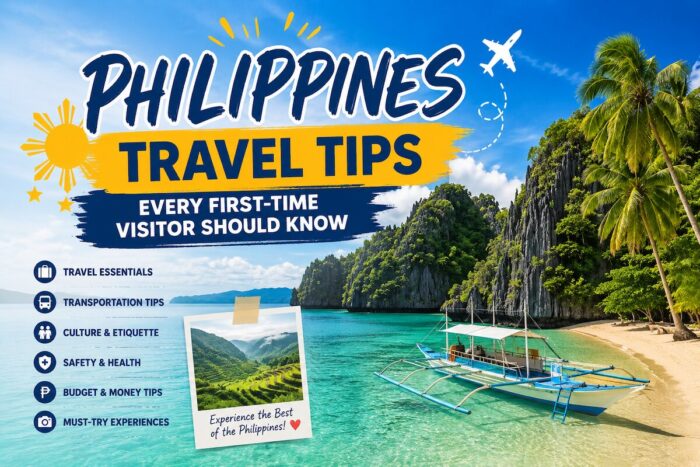
Philippines Travel Tips Every First-Time Visitor Should Know
But traveling around the Philippines can also be different from visiting a compact, highly connected destination. Distances between islands can be deceptive, transportation schedules can change, weather can affect flights and boat trips, and some of the country’s most beautiful destinations require a little patience and planning.
After exploring different parts of the country, I’ve learned that a good Philippine trip isn’t necessarily about having the most ambitious itinerary. It’s about understanding how the country works, allowing enough time between destinations, and being prepared for the realities of island travel.
Whether you’re visiting Manila for the first time, planning a beach holiday in Palawan, exploring the mountains of Northern Luzon, or island-hopping in the Visayas, these 30 Philippines travel tips will help you travel smarter, more comfortably, and with fewer surprises.
1. Don’t Try to See Too Many Islands in One Trip
One of the biggest mistakes first-time visitors make is trying to cover too much ground.
The Philippines is an archipelago, so traveling between destinations often involves a combination of planes, ferries, vans, buses, tricycles, and boats. A destination that looks relatively close on a map may take most of a day to reach.
Instead of attempting Manila–Boracay–Cebu–Bohol–Palawan–Siargao in one week, choose two or three destinations and explore them properly.
For a first trip, you could combine Manila and Palawan, Cebu and Bohol, or Cebu and Siargao, depending on your interests.
Slow travel is particularly rewarding here because many of the best experiences happen away from the major tourist attractions.
2. Give Yourself More Travel Time Than You Think You Need
Travel in the Philippines often takes longer than expected.
A flight may only take an hour, but getting to the airport, checking in, waiting for luggage, transferring to your hotel, and dealing with traffic can turn that short flight into a half-day journey.
The same applies to ferries and land transportation.
When planning your itinerary, avoid scheduling important activities immediately upon arrival at a new destination. Give yourself a buffer, particularly when connecting flights, ferries, or tours.
This is especially important when you have an international flight to catch.
3. Learn the Difference Between the Main Philippine Islands and Regions
It helps to understand the country’s geography before planning your trip.
Luzon is home to Manila, the Cordillera mountains, Banaue, Vigan, and many destinations in northern and central Luzon.
Visayas includes popular destinations such as Cebu, Bohol, Boracay, Iloilo, Bacolod, Dumaguete, and Siquijor.
Mindanao is home to destinations such as Siargao, Camiguin, Davao, and other emerging tourist destinations.
These regions have very different landscapes and cultures. Understanding where destinations are located makes itinerary planning much easier.
4. Don’t Underestimate Manila Traffic
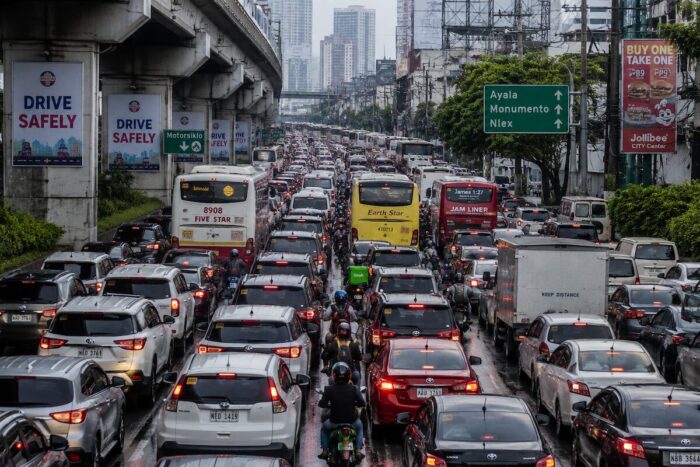
Manila is often treated simply as an entry point, but the capital deserves some time if you are interested in history, food, culture, shopping, and urban life.
However, traffic can be heavy.
A journey that looks like it should take 20 minutes can sometimes take considerably longer, particularly during rush hours.
Plan airport transfers carefully and avoid scheduling back-to-back activities on opposite sides of Metro Manila.
If you’re staying overnight before an international departure, choosing a place convenient to your airport or planned route can save you considerable stress.
5. Use Philippine Airports Strategically
The Philippines has several major international and domestic gateways, so don’t assume every trip must begin and end in Manila.
Depending on your itinerary, you may be able to fly directly to or from Cebu, Clark, Davao, or other gateways.
For example, travelers visiting the Visayas may find it more convenient to fly into Cebu rather than travel through Manila first.
When booking flights, look at your entire route rather than simply choosing the cheapest individual ticket.
A slightly more expensive flight can sometimes save an entire day of transportation.
6. Keep Your Itinerary Flexible
This is one of the most important travel tips for the Philippines.
Weather, especially during the rainy season, can affect flights, ferries, island-hopping tours, and outdoor activities.
Instead of creating an itinerary where every hour is accounted for, leave some flexibility.
If you’re spending several days on an island, avoid putting your most important activity on your final day. That way, if a boat trip is canceled because of weather, you still have another opportunity.
Flexibility can turn a potential travel problem into nothing more than a minor change of plans.
7. Check the Weather Before Traveling
The Philippines is tropical, but weather conditions vary significantly by region and season.
The country generally experiences a dry season and a rainy season, although the timing and intensity vary by location.
The months around the middle and latter part of the year can bring more tropical weather disturbances to various parts of the country.
Before traveling, check the weather forecast for your specific destination rather than relying solely on a generic forecast for the Philippines.
And remember that weather conditions can change quickly, particularly in mountainous and island areas.
8. Don’t Assume the Dry Season Means Perfect Weather Everywhere
Even during the country’s generally drier months, you can encounter rain.
Weather patterns vary by region, and localized rain showers are common in tropical destinations.
Likewise, rainy season travel isn’t automatically a disaster. You can still have beautiful sunny days between showers.
The key is to plan around the weather rather than expecting guaranteed sunshine.
9. Bring Cash, Especially for Smaller Destinations
Credit cards and digital payments are increasingly common in Philippine cities and tourist centers, but cash remains extremely useful.
Small restaurants, local markets, tricycles, roadside shops, rural accommodations, and smaller tour operators may accept only cash.
It’s a good idea to carry enough Philippine pesos for the day, particularly when heading to remote islands or rural areas.
However, don’t carry your entire travel budget in cash. Keep your money securely distributed among your wallet, luggage, and other safe places.
10. Don’t Rely Entirely on ATMs
ATMs are widely available in major cities and tourist destinations, but they become less predictable in remote areas.
An ATM can be temporarily offline, run out of cash, or have a transaction limit.
Before leaving a major city or island hub, withdraw enough money to cover transportation, food, tours, and other basic expenses.
This is particularly important when traveling to smaller islands.
11. Carry Small Bills and Coins
Having smaller denominations of Philippine pesos can make everyday travel considerably easier.
Drivers, market vendors, small eateries, and convenience stores may not always have enough change for large bills.
Keep some small bills and coins on hand for transportation, snacks, tips, and small purchases.
You’ll quickly discover that a little cash organization goes a long way.
12. Learn a Few Filipino Words
English is widely spoken in the Philippines, particularly in cities, hotels, airports, tourist attractions, and many businesses.
Nevertheless, learning a few Filipino words can make interactions more pleasant.
Useful expressions include:
- Salamat – Thank you
- Magandang araw – Good day
- Magandang umaga – Good morning
- Magandang hapon – Good afternoon
- Magandang gabi – Good evening
- Po – A respectful expression commonly added when speaking politely
- Oo – Yes
- Hindi – No
- Magkano? – How much?
You don’t need to become fluent. Even a few words can show respect and usually bring a smile.
13. Expect Filipino Hospitality
One of the country’s greatest attractions isn’t something you’ll find on a map.
Filipino hospitality is legendary among visitors, and you’ll often encounter locals who are happy to provide directions, recommend food, share travel advice, or simply strike up a conversation.
Take the time to interact with people beyond the tourist industry.
Some of my favorite travel memories in the Philippines have come from ordinary conversations, local meals, and unexpected invitations to experience everyday life.
14. Try Local Food Beyond Filipino Fast Food
Don’t limit your Philippine food experience to familiar dishes.
Of course, you should try classics such as adobo, sinigang, lechon, pancit, lumpia, and chicken inasal, but every region has its own specialties.
In Bicol, look for dishes featuring coconut milk and chili. In Ilocos, try local specialties such as bagnet and pinakbet. In Cebu, seek out lechon. In Batangas, try lomi and gotong Batangas.
Food is one of the best ways to understand the Philippines’ diversity.
15. Eat at Local Restaurants and Markets
Some of the best meals in the Philippines aren’t served in fancy restaurants.
Try local carinderias, public markets, neighborhood eateries, bakeries, and family-run restaurants.
A carinderia is particularly useful for travelers who want affordable, home-style Filipino food.
Pointing at the dishes displayed behind the counter is often all you need to order.
If you’re unsure about hygiene, look for places that are busy with local customers and where food is prepared and served efficiently.
16. Don’t Drink Tap Water Everywhere
Water quality varies depending on where you are staying.
In many hotels and established accommodations, drinking water is provided or readily available. In other places, particularly rural destinations, travelers generally choose bottled or properly filtered water.
If you’re unsure, ask your accommodation whether tap water is safe to drink.
A reusable bottle is useful, particularly if your accommodation provides filtered drinking water.
17. Pack for Heat, Humidity, and Sudden Rain
The Philippines is predominantly tropical, so lightweight clothing is essential.
Pack:
- Breathable shirts
- Comfortable shorts or trousers
- Swimwear
- Sandals
- Comfortable walking shoes
- Sunglasses
- Hat or cap
- Sunscreen
- Insect repellent
- Lightweight rain jacket
- Waterproof pouch or dry bag
A compact umbrella can also be surprisingly useful.
If you’re heading into the mountains, however, bring warmer clothing because temperatures can be considerably cooler.
18. Protect Yourself From the Sun
The tropical sun can be intense, especially when you’re spending hours on a boat or beach.
Use sunscreen regularly, wear sunglasses and a hat, and drink plenty of water.
Don’t assume that cloudy weather means you won’t get sunburned.
If you’re going island-hopping, remember that reflected sunlight from the sea can make sun exposure even stronger.
19. Bring a Waterproof Bag for Island Trips
A waterproof dry bag is one of the most useful travel accessories you can bring to the Philippines.
It protects phones, cameras, passports, wallets, clothes, and other valuables from boat spray and unexpected rain.
Even if your tour operator provides a boat with covered seating, weather conditions can change quickly.
A simple waterproof pouch for your phone is also worth carrying.
20. Don’t Underestimate Island-Hopping Conditions
Island-hopping is one of the country’s signature experiences, but the sea isn’t always calm.
Boat trips can be bumpy, particularly when winds increase.
If you’re prone to motion sickness, consider bringing appropriate medication and avoid eating a very heavy meal immediately before departure.
Keep your valuables secure and follow your boat crew’s instructions.
If authorities or tour operators cancel a trip because of unsafe sea conditions, don’t try to find an unofficial alternative.
21. Choose Your Beach Destination Carefully
Boracay, El Nido, Coron, Siargao, Bohol, Cebu, and other destinations offer very different experiences.
Boracay is excellent for travelers seeking a well-developed beach destination with restaurants, nightlife, water sports, and plenty of accommodation options.
El Nido is famous for dramatic limestone cliffs, lagoons, and island-hopping.
Coron is particularly attractive for diving, snorkeling, lagoons, and World War II wrecks.
Siargao combines surfing, island adventures, cafes, and a relaxed tropical atmosphere.
Choose the destination based on the type of vacation you actually want rather than simply visiting the most famous island.
22. Respect Beaches and Marine Life
The Philippines’ marine environments are extraordinary but fragile.
Don’t touch corals, chase marine animals, collect shells or coral, or leave trash behind.
When snorkeling or diving, maintain a safe distance from wildlife.
Use reef-conscious practices and follow local environmental rules.
A beautiful destination remains beautiful only if visitors help protect it.
23. Respect Local Customs and Religious Sites
The Philippines is culturally diverse, and travelers should dress and behave appropriately when visiting churches, religious sites, indigenous communities, and traditional celebrations.
In churches, modest clothing is generally appreciated.
During festivals, don’t assume that everything is simply a photo opportunity. Ask before photographing people, particularly in culturally significant settings.
Respect local rules even when they differ from what you’re accustomed to at home.
24. Don’t Treat Festivals Like Spectator Events Only
Philippine festivals are among the country’s most exciting cultural experiences.
From major celebrations in cities to smaller town fiestas, festivals can involve music, dancing, religious traditions, food, parades, and community gatherings.
But remember that many festivals have deep cultural or religious significance.
Observe respectfully, ask permission when necessary, and avoid obstructing processions simply to get a photograph.
The best festival experiences come from participating respectfully rather than treating the event like a staged performance.
25. Use Local Transportation
Part of the fun of traveling around the Philippines is experiencing the country’s diverse transportation.
Depending on where you are, you may encounter:
- Jeepneys
- Tricycles
- Buses
- UV Express vans
- Taxis
- Ride-hailing services
- Ferries
- Bangkas and other local boats
In cities, ride-hailing services can be convenient when available. In smaller towns and islands, tricycles and local vans are often the easiest way to get around.
Ask your accommodation about typical local fares before negotiating a ride.
26. Don’t Assume Every Ride Has a Meter
In some destinations, transportation fares may be fixed, metered, negotiated, or based on a shared route.
Before getting into a vehicle, establish the fare when appropriate.
For tricycles and other local transportation, asking your hotel or accommodation about the usual price can help you recognize unreasonable charges.
A little preparation can prevent awkward conversations later.
27. Have Offline Maps and Important Information Saved
Mobile connectivity is generally good in populated areas, but signal can become unreliable on remote islands and in mountainous locations.
Before heading somewhere remote, save:
- Your accommodation address
- Booking confirmations
- Transportation details
- Emergency contact information
- Offline maps
- Flight information
- Important phone numbers
A screenshot can be extremely useful when you suddenly lose mobile data.
28. Buy a Local SIM or eSIM if Appropriate
Having mobile data can make traveling in the Philippines much easier.
You’ll use it for navigation, ride-hailing, messaging, online bookings, checking weather conditions, and contacting accommodations.
Depending on your phone and travel arrangements, you can consider a local SIM or eSIM.
Compare coverage and data packages based on the places you’re actually visiting. A plan that works well in Manila may not offer the same experience on a remote island.
29. Keep an Emergency Buffer in Your Budget
Don’t plan your Philippine vacation down to the last peso.
Set aside some money for unexpected transportation, weather-related changes, additional accommodation, medical needs, replacement items, or last-minute bookings.
Island travel is particularly unpredictable.
A financial cushion gives you more freedom to change plans when necessary instead of being forced into an inconvenient decision because your budget is too tight.
30. Slow Down and Enjoy the Journey
Perhaps the best travel tip for the Philippines is also the simplest: don’t rush.
The Philippines isn’t just about checking famous beaches off a list.
It’s about watching the sunset from a quiet island, eating breakfast at a local carinderia, talking with a tricycle driver, swimming in clear turquoise water, hiking through the mountains, discovering an old church, or sharing a meal with people you meet along the way.
Some of the country’s most memorable moments happen when you leave enough room in your itinerary for something unexpected.
Instead of asking, “How many places can I visit?” ask, “How much of each place can I experience?”
Final Thoughts
A first trip to the Philippines can be wonderfully easy when you understand one important thing: the country rewards travelers who plan carefully but travel flexibly.
Research your transportation, allow extra time between destinations, prepare for tropical weather, carry enough cash, respect local communities, and don’t try to squeeze every island into a single vacation.
Most importantly, go beyond the postcard attractions. Explore local neighborhoods, eat regional food, talk to residents, experience festivals responsibly, and spend time in places that aren’t necessarily at the top of every tourist list.
The Philippines is far more than its beaches. It is a country of diverse cultures, extraordinary landscapes, regional cuisines, historic communities, vibrant traditions, and people whose warmth often becomes one of the most memorable parts of the journey.
Plan enough to avoid unnecessary problems, but leave enough room for discovery. That’s often where the best Philippine travel stories begin.
Follow the Out of Town Travel Blog on Facebook, Twitter, Instagram, and Pinterest if you want more travel and food-related updates.
Read:
- Top 5 Best Disney Theme Parks in the World
- How to Stay Connected While Traveling in the Philippines: A Practical Data Guide