

 Melo Villareal
Easing Spring Travel Stress and Anxieties: Tips and Tricks
Spring is a popular time for travel. Many people take advantage of the milder weather to explore new destinations. However, for some, the thought of traveling can be daunting, leading to stress and anxiety.
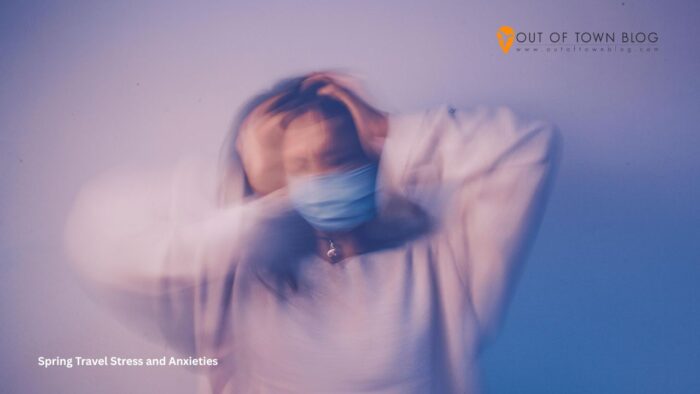
Spring Travel Stress and Anxieties
Fortunately, there are ways to ease these feelings and make the most of your spring travel plans.
One of the most effective ways to reduce stress and anxiety associated with travel is to plan ahead. This can include researching your destination, booking accommodations and transportation, and creating a packing list.
With a clear plan in place, you can feel more in control and better prepared for your trip. Additionally, it can be helpful to build in some downtime into your itinerary to allow for rest and relaxation.
Another way to ease travel stress and anxiety is to practice mindfulness techniques. This can include deep breathing exercises, meditation, and visualization.
These techniques can help to calm the mind and reduce feelings of anxiety. Additionally, it can be helpful to stay present and focus on the moment rather than worry about what may happen in the future.
By taking these steps, you can enjoy a more relaxed and enjoyable travel experience.
Understanding Travel Anxiety
Travel anxiety is a type of anxiety that occurs when a person is preparing for or engaged in travel. It is a common reaction to the stress of traveling, and it can be experienced by anyone, regardless of age, gender, or travel experience.
People who suffer from travel anxiety may experience a range of symptoms, including nausea, diarrhea, trouble focusing, shaking, chest pain, restlessness, agitation, and sweating.
Identifying Symptoms
Symptoms of travel anxiety can vary from person to person, but they generally include feelings of fear, worry, and nervousness.
According to the Diagnostic and Statistical Manual of Mental Disorders (DSM-5), travel anxiety is characterized by excessive fear or anxiety about traveling, which can lead to avoidance of travel or significant distress during travel.
Recognizing Triggers
Travel anxiety can be triggered by a variety of factors, including fear of flying, unfamiliar places, getting lost, being away from home, and the unknown.
Other triggers of travel anxiety include fear of terrorism, fear of natural disasters, fear of illness, and fear of being in crowded spaces.
Anxiety Disorders and Travel
For people who suffer from anxiety disorders, travel can be particularly challenging. Generalized anxiety disorder, panic disorder, and social anxiety disorder are just a few of the mental health conditions that can make travel difficult.
People with anxiety disorders may experience more severe symptoms of travel anxiety, and they may need to take special precautions to manage their anxiety while traveling.
Pre-Travel Preparation
Preparing for a trip can be stressful, especially for those who experience pre-travel anxiety. However, with proper planning and preparation, the stress and anxiety can be minimized.
In this section, we will discuss some tips for pre-travel preparation.
Planning Ahead
Planning ahead is crucial when it comes to reducing pre-travel anxiety. The first step is to make a list of everything that needs to be done before the trip.
This includes booking flights, hotels, and transportation, as well as packing and arranging for any necessary documents, such as passports and visas.
By creating a checklist, travelers can ensure they don’t forget anything important.
Creating a Relaxing Routine
Creating a relaxing routine before the trip can help reduce stress and anxiety. This can include activities such as taking a warm bath, practicing meditation, or reading a book.
It is also important to maintain a regular sleep schedule and exercise routine to help the body and mind stay relaxed and healthy.
Consulting with Professionals
For those who experience severe pre-travel anxiety, consulting with a mental health professional, such as a psychotherapist, can be helpful.
They can provide coping strategies and techniques to manage anxiety and stress. Additionally, consulting a doctor before the trip can ensure that any necessary medications are prescribed and that the traveler is healthy enough to travel.
Coping Strategies During Travel
Traveling can be a fun and exciting experience, but it can also be stressful and anxiety-inducing for some people. Coping strategies can help alleviate these feelings and make the trip more enjoyable.
Relaxation Techniques
Relaxation techniques such as deep breathing, progressive muscle relaxation, and visualization can help reduce stress and anxiety during travel.
Taking deep breaths and focusing on the present moment can help calm the mind and body. Progressive muscle relaxation involves tensing and relaxing different muscle groups to release tension. Visualization involves imagining a peaceful scene or place to help the mind relax.
Mindfulness and Meditation
Mindfulness and meditation can also be effective techniques for reducing stress and anxiety during travel.
Mindfulness involves being present in the moment and observing thoughts and feelings without judgment. Meditation involves focusing on a single point, such as the breath, to calm the mind.
Both techniques can help increase awareness and reduce stress.
In-Flight Coping Mechanisms
For those with a fear of flying, coping mechanisms such as distraction, deep breathing, and medication can help reduce anxiety.
Distraction techniques may include reading a book, listening to music, or watching a movie. Deep breathing exercises can help calm the body and mind. Medication may be prescribed by a doctor to help alleviate anxiety during the flight.
Professional Interventions
When self-help strategies are not enough to manage travel anxiety, professional interventions may be necessary. These interventions can include therapy options and medication considerations.
Therapy Options
Therapy can be an effective way to manage and treat anxiety disorders, including travel anxiety. Some common therapy options include:
- Cognitive-behavioral therapy (CBT): This type of therapy helps individuals identify and change negative thought patterns and behaviors that contribute to anxiety. CBT has been shown to be effective in treating travel anxiety 1.
- Exposure therapy: This type of therapy involves gradually exposing individuals to the situations or stimuli that trigger their anxiety, with the goal of desensitizing them to those triggers. Exposure therapy has been shown to be effective in treating phobias, including a fear of flying 2.
Medication Considerations
In some cases, medication may be recommended to help manage travel anxiety. Some common medication considerations include:
- Antidepressants: Selective serotonin reuptake inhibitors (SSRIs) and serotonin-norepinephrine reuptake inhibitors (SNRIs) are commonly used to treat anxiety disorders. These medications can take several weeks to start working, so they are typically prescribed for long-term use 3.
- Anti-anxiety medications: Benzodiazepines, such as alprazolam (Xanax) and diazepam (Valium), are commonly used to treat panic attacks and other acute anxiety symptoms. These medications can be habit-forming and are typically prescribed for short-term use 4.
It is important to note that medication should only be used under the guidance of a healthcare professional, as some medications can have serious side effects and interactions with other medications.
Lifestyle and Well-being
Diet and Exercise
Maintaining a healthy diet and exercise routine is essential for reducing stress and anxiety during travel.
Eating nutritious foods and staying hydrated can help boost energy levels and improve overall well-being.
Foods rich in omega-3 fatty acids, such as salmon and walnuts, have been shown to reduce anxiety. Additionally, consuming complex carbohydrates, such as whole grains and fruits, can help stabilize blood sugar levels and improve mood.
Regular exercise can also help alleviate stress and anxiety. Exercise releases endorphins, which are natural mood-boosters.
Even light exercise, such as taking a walk or doing some yoga, can be beneficial. Packing a resistance band or a small set of weights can also help travelers maintain their fitness routine while on the go.
Social Support and Kindness
Having a support system while traveling can help reduce stress and anxiety.
Staying connected with loved ones through phone calls, texts, or video chats can provide a sense of comfort and security.
Additionally, showing kindness to others can improve mood and reduce stress.
Engaging in self-care activities, such as taking a relaxing bath or getting a massage, can also help reduce stress and anxiety.
Taking breaks throughout the day to practice deep breathing or meditation can help travelers stay calm and centered.
Technological Aids
Travel anxiety can be overwhelming, but thanks to technological advancements, there are now numerous aids available to help ease the stress and anxiety associated with spring travel. In this section, we will explore some of the technological aids that can help alleviate travel anxiety.
Online Resources
Online resources such as Pinterest and Target can help travelers plan their trips in advance.
Pinterest is a great platform for travelers to find inspiration and ideas for their trips. Users can create boards and save pins with useful information, such as travel tips, packing lists, and destination recommendations.
Target’s online store offers a variety of travel products that can help travelers stay organized and comfortable during their trip.
From luggage and travel pillows to portable chargers and headphones, Target has everything a traveler needs to make their trip stress-free.
Apps and Tools
There are also several apps and tools available that can help travelers manage their anxiety.
Personalized apps such as Headspace and Calm offer meditation and mindfulness exercises that can help travelers relax and stay calm.
Virtual reality apps like TripView and Google Earth can help travelers get a feel for their destination before they even arrive.
These apps allow travelers to explore their destination in a virtual setting, which can help alleviate anxiety and make the trip more enjoyable.

Travel-Specific Concerns
Travel can be stressful, and it’s important to understand the specific concerns that may arise during spring travel. By being aware of these issues and taking steps to address them, travelers can reduce their stress levels and enjoy their trip more fully.
Navigating Airports and Stations
One of the most challenging aspects of spring travel is navigating airports and train stations. These busy hubs can be overwhelming, especially for those who are not frequent travelers.
To make the experience less stressful, travelers should arrive at the airport or station early, allowing plenty of time to check in, go through security, and find their gate or platform.
It’s also a good idea to familiarize oneself with the layout of the airport or station before arriving.
Many airports and stations have maps available online, and travelers can also download maps and other helpful information to their phones or tablets.
Managing Expectations
Another concern that can arise during spring travel is managing expectations. Travelers may have high hopes for their trip, but unexpected delays, cancellations, or other issues can quickly derail those plans.
To reduce stress and anxiety, it’s important to approach travel with a flexible mindset.
Travelers should be prepared for delays or other issues. They should have a plan in place for handling these situations.
This might include having a backup flight or hotel reservation, or knowing how to contact the airline or hotel in case of an emergency.
By managing their expectations and being prepared for the unexpected, travelers can reduce their stress levels and enjoy their spring travel experience more fully.

Frequently Asked Questions
What are common symptoms of travel-related stress?
Travel-related stress can manifest in a number of ways, including physical symptoms such as headaches, stomach problems, and fatigue, as well as emotional symptoms such as anxiety, irritability, and mood swings. Additionally, the stress of travel can cause difficulty sleeping and changes in appetite.
What strategies can help with travel stress relief?
There are several strategies to relieve travel-related stress. These include practicing relaxation techniques such as deep breathing, meditation, or yoga, getting enough sleep, staying hydrated, and eating healthy foods.
Additionally, it can be helpful to plan ahead and be prepared for potential travel issues, such as flight delays or lost luggage.
Are there any statistics that show the impact of travel on stress levels?
According to a survey conducted by the American Psychological Association, 80% of respondents reported experiencing travel-related stress. Additionally, a study published in the Journal of Travel Medicine found that travelers experienced higher levels of stress and anxiety during both the pre-travel and travel periods.
How can vacations contribute to reducing stress?
Vacations can be an effective way to reduce stress, as they provide an opportunity to disconnect from work and other responsibilities and engage in enjoyable, relaxing activities.
Additionally, vacations can help to improve mood and overall well-being, and may even have long-term health benefits.
What are effective ways to cope with travel anxiety?
Effective ways to cope with travel anxiety include practicing relaxation techniques, such as deep breathing or meditation, focusing on positive thoughts, and engaging in enjoyable, distracting activities.
It can also be helpful to talk to a mental health professional about strategies for managing anxiety.
What should you tell someone experiencing travel anxiety to support them?
If someone is experiencing travel anxiety, it can be helpful to offer reassurance and support. Also, listen to their concerns without judgment. Additionally, it may be helpful to offer practical suggestions for managing anxiety.
For example, you can suggest practicing relaxation techniques or planning ahead for potential travel issues.
Follow #TeamOutofTown on Facebook, Twitter, Instagram, Bloglovin, and Pinterest for more health and wellness tips.
Read:
- How Outdoor Activities Can Benefit Mental Health
- 10 Ways Traveling Frequently Can Enrich Your Life And Career
- Some Amazing Benefits of Pole Dancing
- 11 Reasons Why Travel is Good for Your Mental Health: Unlocking Wellness Benefits
- UK’s Biggest Holiday Anxiety? Falling Behind at Work
- Forest Bathing, Yoga & Tea: Discover Vietnam’s Wellness Retreat Spots


