
 Melo Villareal
Travel Guide to Chiang Mai: Explore Temples, Mountains & Markets in Thailand’s Cultural Capital
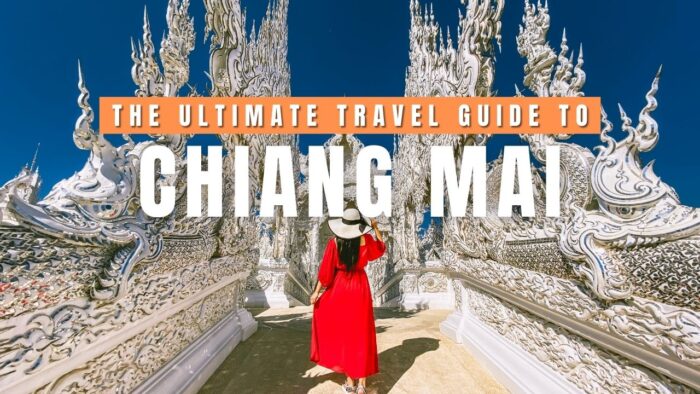
There are cities you visit — and cities you settle into. Chiang Mai belongs firmly in the second category. The moment you cross the old brick gates and see monks collecting alms at sunrise beside smoothie bowls and espresso bars, you realize this isn’t just another stop on a Thailand itinerary. This is where travelers slow down. This Chiang Mai travel guide exists for exactly that reason: the city rewards curiosity more than schedules.
Chiang Mai Travel Guide
Unlike Bangkok’s intensity or Phuket’s beach energy, Chiang Mai feels human-scaled. You can walk to ancient temples, sip coffee grown in the mountains you can see from your hotel, then end the night bargaining gently at lantern-lit night markets. Travelers come planning 3 days, and stay 2 weeks.
Over centuries, Chiang Mai grew from the capital of the Lanna Kingdom into Thailand’s cultural heart. The walls still stand. The traditions still breathe. But today, they coexist with creative cafés, digital nomads, ethical elephant sanctuaries, and cooking schools run by local families.
If you want temples, come.
If you want food, definitely come.
If you want to understand Thailand beyond beaches, this is where the country introduces itself properly.
1. Destination Overview
Chiang Mai, in northern Thailand, blends mountain scenery, ancient temples, and relaxed culture. Visitors explore the Old City’s moats and walls, visit Wat Phra That Doi Suthep, join cooking classes, and browse vibrant night markets.
Nearby hills offer trekking, waterfalls, and ethical elephant sanctuaries. Festivals like Yi Peng lantern release create magical evenings, making the city both adventurous and spiritual.
Why Visit Chiang Mai
- More than 300 temples inside and around the Old City
- Gateway to Northern Thailand’s mountains and national parks
- Legendary street food scene and affordable dining
- One of Asia’s top digital nomad hubs
- Ethical elephant sanctuaries and jungle trekking
- Cooler climate than southern Thailand
Many travelers researching Chiang Mai vs Bangkok, which is better, discover the answer is simple: Bangkok excites you — Chiang Mai stays with you.
Best Time to Visit Chiang Mai
| Season | Months | Weather | Experience |
|---|---|---|---|
| Cool Season | Nov–Feb | 15–28°C | Best overall weather |
| Hot Season | Mar–May | 32–40°C | Avoid burning season haze |
| Green Season | Jun–Oct | Rain showers | Lush, cheap, peaceful |
Best months: November, December, January
Cheapest months: June–September
Avoid: Mid-March to mid-April haze period
Travelers searching for Chiang Mai weather by month usually prefer December — cool mornings, clear skies, and lantern festival season.
Recommended Stay Length
- Short visit: 3 days
- Ideal stay: 5 days
- Slow travel: 7–10 days
Most visitors who look up how many days are in Chiang Mai end up extending their stay.
Travel difficulty: Easy (excellent first Southeast Asia destination)
2. Essential Travel Information
Visa Requirements
For Filipinos
- Visa-free 30 days
- Passport valid for 6 months
- Return ticket recommended
For most nationalities
- 30-day visa exemption
- Extendable 30 days (~$55)
Searching Chiang Mai visa requirements is simple — Thailand has one of the easiest entry processes in Asia.
Currency & Daily Budget
Thai Baht (THB)
Approx: 35 THB = $1 USD
| Travel Style | Daily Budget |
|---|---|
| Backpacker | $30–45 |
| Budget comfort | $60–90 |
| Mid-range | $100–180 |
| Luxury | $250–500 |
Typical Costs:
- Street food meal: $1.50–3
- Café brunch: $5–8
- Massage 1 hr: $7–12
- Scooter rental: $6–8/day
- Temple entry: free–$2
- Elephant sanctuary tour: $60–120
This makes Chiang Mai one of Southeast Asia’s best value cities when researching Chiang Mai budget travel.
Language & Communication
Thai is the main language, but English is widely spoken in tourist areas.
Useful phrases:
- Hello: Sawadee krap/ka
- Thank you: Khob khun krap/ka
- Not spicy: Mai phet
- Delicious: Aroy
How to Get to Chiang Mai (from International & Domestic Locations)
Chiang Mai is located in northern Thailand and is one of the easiest major cultural cities in Southeast Asia to reach. You’ll arrive either directly by air or first enter Thailand through Bangkok and continue north.
1. Flying to Chiang Mai (Fastest & Most Popular)
Airport: Chiang Mai International Airport (CNX)
Located only 10–15 minutes from the Old City
From the Philippines
Typical route:
Manila -> Bangkok -> Chiang Mai
- Manila to Bangkok: 3h 30m
- Bangkok to Chiang Mai: 1h 10m
- Total travel time: ~6–8 hours, including layover
Typical prices:
- Promo fares: $120–180 round-trip
- Regular fares: $200–350 round-trip
Occasionally, seasonal direct flights operate during peak tourism months.
From Other Countries
You can fly directly from:
- Singapore
- Kuala Lumpur
- Seoul
- Taipei
- Hong Kong
Many travelers intentionally avoid Bangkok crowds and fly straight to Chiang Mai.
Airport to City Center
Distance: 4 km
Options:
- Grab: $4–7 (recommended)
- Taxi: $5–8
- Red truck (songthaew): $1–2 shared
Pro Tip: Ignore aggressive airport taxi agents — just book Grab.
2. From Bangkok to Chiang Mai
If you’re already in Thailand, this is the most common route.
Flight (Most Convenient)
- Duration: 1 hour
- Cost: $35–70
- Airlines: Thai AirAsia, Nok Air, Thai Lion Air
Best for travelers on short schedules.
Sleeper Train (Most Scenic Experience)
- Duration: 10–12 hours overnight
- Cost: $25–45 (2nd class sleeper recommended)
- Depart evening, arrive morning
Many travelers consider this a highlight of their Thailand trip — you save a hotel night and wake up in the mountains.
Local Secret: Book the lower bunk — wider bed and better window view.
Bus (Least Recommended)
- Duration: 9–10 hours
- Cost: $18–30
Comfortable but less scenic than the train and more tiring than flying.
3. From Nearby Northern Cities
| From | Transport | Time |
|---|---|---|
| Chiang Rai | Bus/Van | 3–4 hrs |
| Pai | Minivan | 3 hrs (762 curves road) |
| Lampang | Train/Bus | 1.5 hrs |
Which Option Should You Choose?
| Travel Style | Best Option |
|---|---|
| Fastest | Flight |
| Cheapest | Sleeper train |
| Most memorable | Overnight train |
| Least hassle | Fly directly to CNX |
Arrival Tip
Try to arrive in daylight if possible — your first glimpse of the mountains around Chiang Mai instantly sets the tone for the trip.
If you want, I can also explain the easiest route specifically from your departure city (Manila, Cebu, Singapore, etc.).
Many travelers specifically search for Chiang Mai airport transportation — a Grab ride to the Old City costs $4–7.
Getting Around Chiang Mai
Chiang Mai is compact, relaxed, and easy to navigate — especially inside the Old City where many temples, cafés, and markets are within walking distance. You rarely need complicated transport planning here.
Main transport options:
- Walking: Best way inside the Old City (most attractions 5–20 minutes apart)
- Grab (ride-hailing app): Most convenient; short rides usually $2–6
- Songthaew (red shared trucks): Local shared taxis, about $1–2 per ride
- Scooter rental: $6–8/day, popular but only if you’re confident driving
- Bicycle: $3–5/day, great for temple hopping
- Private car/tour van: Useful only for mountain trips (Doi Suthep, Doi Inthanon)
Rule of thumb:
Walk for sightseeing -> Grab at night -> Songthaew for cheap local rides -> Scooter only for experienced riders.
You won’t need a car, and traffic is mild compared to Bangkok — one of the reasons Chiang Mai is considered Thailand’s easiest city to explore independently.
Pro Tip #1: The city is compact — you don’t need a car or tour for most attractions.
3. Top Attractions & Experiences
Must-See Temples & Cultural Sites
1. Wat Phra That Doi Suthep
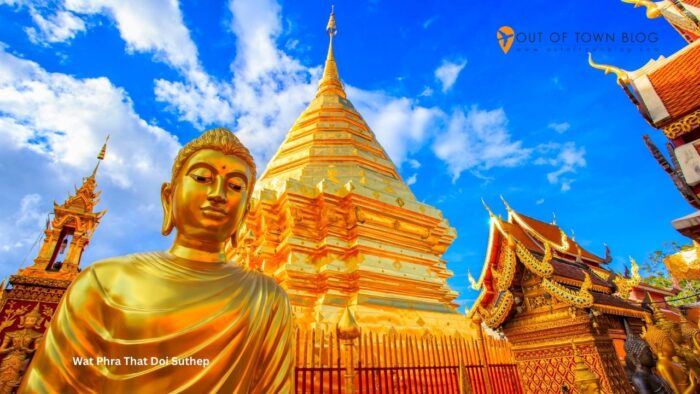
Wat Phra That Doi Suthep is Chiang Mai’s most sacred temple, perched on Doi Suthep mountain about 15 km northwest of the Old City. Reached by climbing a 306-step naga staircase or elevator, it rewards visitors with golden chedis, intricate murals, bells, and sweeping city views.
Join monks’ chants, admire sunset panoramas, and explore nearby viewpoints. To get there, take a red songthaew from the city, rent a scooter, or book a guided tour. Early morning and evening visits are cooler and less crowded.
2. Wat Chedi Luang
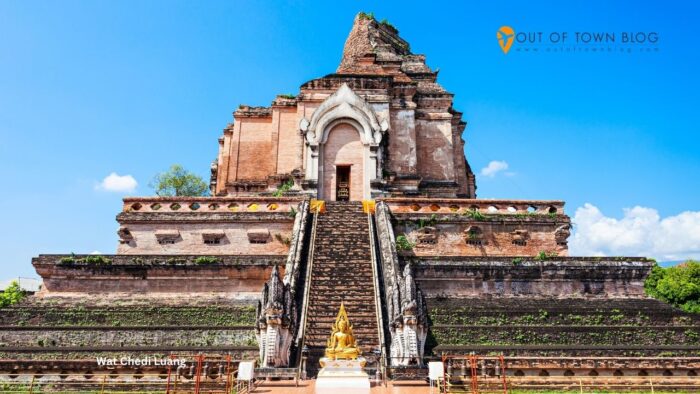
Wat Chedi Luang is a historic temple in the heart of Chiang Mai’s Old City, near Prapokkloa Road and close to Tha Phae Gate. Built in the 14th century, its massive, partially ruined chedi once housed the Emerald Buddha.
Visitors can admire Lanna architecture, chat with monks, attend meditation sessions, and explore smaller shrines and naga staircases. Cultural events and evening lighting add atmosphere. Reach it easily by walking within the Old City, riding a songthaew (red truck taxi), tuk-tuk, or Grab from anywhere in Chiang Mai.

3. Wat Phra Singh
Wat Phra Singh is a revered temple in Chiang Mai’s Old City, located on Sam Lan Road near the western moat. Dating to the 14th century, it houses the sacred Phra Singh Buddha image and showcases classic Lanna architecture, gilded stupas, murals, and intricate wood carvings.
Visitors can walk the peaceful grounds, observe monks, and join morning merit-making rituals. It’s also a center for Songkran celebrations. From Chiang Mai International Airport, take a taxi, tuk-tuk, or songthaew (red truck) for a 10–15 minute ride, or rent a bicycle to explore the Old City.
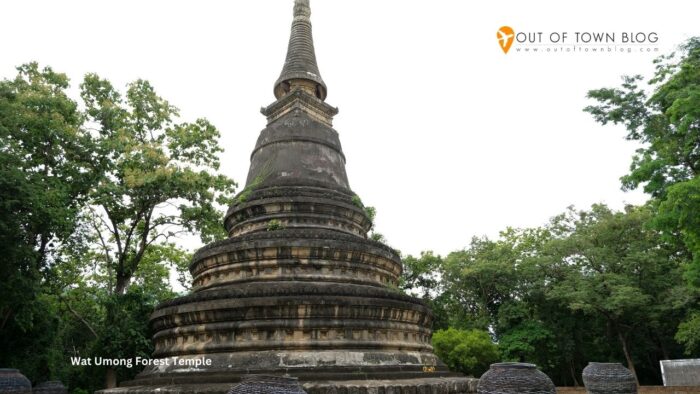
4. Wat Umong Forest Temple
Wat Umong Forest Temple lies just outside Chiang Mai’s Old City, at the forested foothills of Doi Suthep mountain. Built in 1297, it’s known for mossy tunnels beneath a chedi, a tranquil lake, meditation areas, and shady walking paths.
Visitors explore underground passages, see Buddha statues, and enjoy the peaceful nature. Reach it in about 15 minutes by taxi, tuk-tuk, or songthaew, or hire a round-trip driver for convenience.
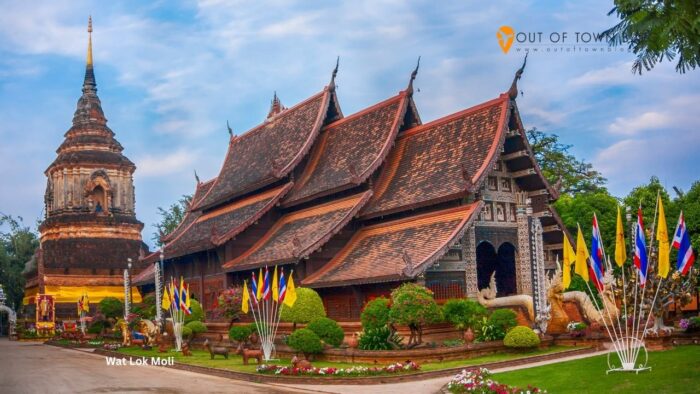
5. Wat Lok Moli
Wat Lok Moli is a serene 14th-century temple on the northern edge of Chiang Mai’s Old City, just outside the Chang Phuak Gate along Manee Nopparat Road. Known for its massive brick chedi and intricate Lanna-style wooden viharn, it feels quieter than more famous temples.
Visitors can admire detailed carvings, photograph the mossy stupa, observe monks chanting, and offer flowers or incense. To reach it, take a short tuk-tuk, taxi, or songthaew from the Old City, or simply walk about 10–15 minutes from Chang Phuak Gate.
Perfect for travelers searching for the Chiang Mai temples list.
Hidden Gems & Local Favorites
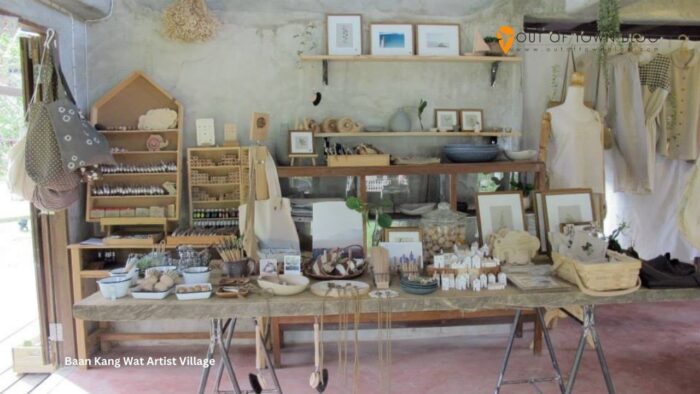
Baan Kang Wat Artist Village
Baan Kang Wat Artist Village is a peaceful arts community at the foot of Doi Suthep, near Wat Ram Poeng and Chiang Mai University, about 10–15 minutes from the Old City.
Visitors browse handmade crafts, galleries, and cozy cafés, join pottery or painting workshops, and enjoy weekend markets. The leafy compound has teak houses and gardens. Reach it by taxi, Grab, tuk-tuk, or songthaew from town.
Jing Jai Farmers Market
Jing Jai Farmers Market is a lively weekend market in the Santitham area, north of Chiang Mai’s Old City, inside the Jing Jai Central complex. It showcases organic produce, local coffee, handmade crafts, vintage goods, and northern Thai street food.
Visitors can enjoy live music, art stalls, eco-friendly products, and shaded garden seating. It’s popular for brunch and souvenir browsing. To get there, take a red songthaew, grab a ride, or rent a bicycle; the trip takes about 10 minutes from the Old City.
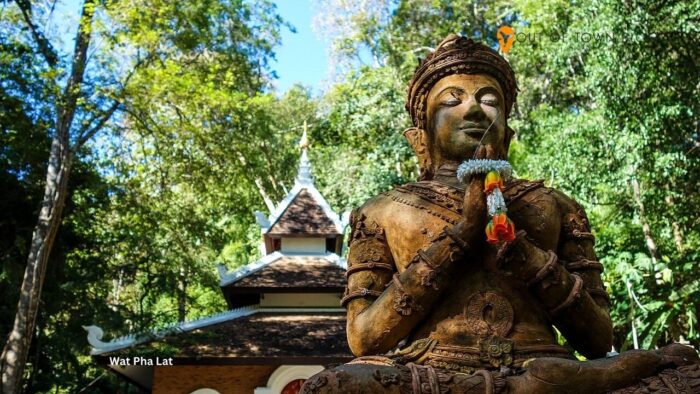
Wat Pha Lat Jungle Temple hike
Wat Pha Lat Jungle Temple is a peaceful forest shrine halfway up Doi Suthep Mountain, about 20 minutes west of Chiang Mai Old City. The Monk’s Trail hike leads through bamboo groves, streams, and mossy rocks to hidden pavilions, statues, and riverfront meditation spots.
Visitors can relax, photograph waterfalls, and observe monks quietly practicing. To get there, take a red songthaew or taxi to the Monk’s Trail trailhead near Chiang Mai University, then hike 45–60 minutes uphill, or continue by road toward Wat Phra That Doi Suthep.
Chiang Mai University lake sunset
Chiang Mai University Lake (Ang Kaew Reservoir) sits at the foothills of Doi Suthep, just west of Chiang Mai’s Old City. At sunset, mountains glow gold, and the water mirrors orange skies, popular with students, couples, and photographers.
Visitors stroll or cycle the lakeside road, picnic on grassy banks, and watch local musicians or runners. Cafés nearby offer coffee with a view. To get there, ride a red songthaew or tuk-tuk from the Old City, rent a scooter, or take a short taxi ride via Huay Kaew Road.
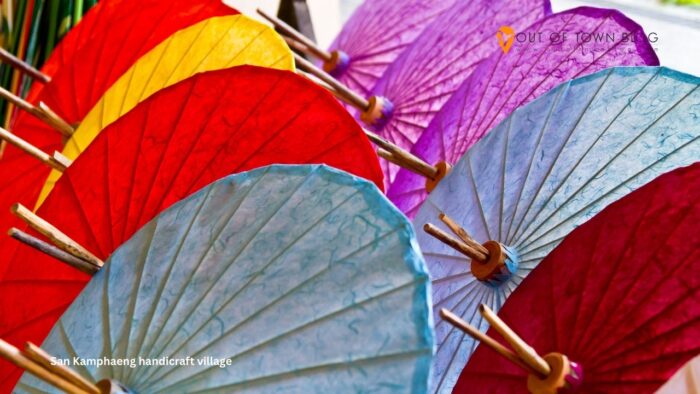
San Kamphaeng handicraft village
San Kamphaeng Handicraft village lies about 13 km east of Chiang Mai along Route 1006, the “handicraft highway.”
Visitors watch artisans craft celadon pottery, silk, silverware, and umbrellas; shop for souvenirs; tour kilns and museums; and relax at nearby hot springs.
Reach it in 20–40 minutes by car, taxi, motorbike, or songthaew from Warorot Market; guided tours are also available.
Local Secret #2: Arrive at temples before 7am — monks chant and crowds vanish.
For more activities and places to visit in Chiang Mai, read our Top 15 Best Things to Do in Chiang Mai, Thailand.
Day Trips
Doi Inthanon National Park
Thailand’s highest mountain, waterfalls, and cloud forest trails
Cost: $45–70
Chiang Rai Day Trip
White Temple, Blue Temple, Golden Triangle
Cost: $50–90
These rank among the most searched day trips from Chiang Mai.
Unique Experiences
- Ethical elephant sanctuary visit
- Thai cooking class on a farm
- Monk chat sessions
- Lantern festival in November
- Traditional herbal spa day
Photography Tips & Instagram Locations in Chiang Mai
Chiang Mai is one of Southeast Asia’s most photogenic cities — but unlike big capitals, its beauty is subtle. Instead of dramatic skylines, you’ll capture atmosphere: monk rituals at dawn, golden temples glowing in soft mountain light, lantern-lit streets, and mist drifting over rice fields.
The trick here isn’t finding subjects — it’s timing and respect.
Best Times to Shoot
Sunrise (6:00–7:30 AM)
Soft golden light + monks + empty temples = your best photos of the trip
Late Afternoon (4:30–6:30 PM)
Warm tones hit the temple walls and mountains
Blue Hour (after sunset)
Markets and lantern streets come alive
Night
Night markets, street food smoke, neon café streets in Nimman
Pro Tip #1: Chiang Mai mornings are cooler and clearer — haze builds after 10 AM, especially in warm months.
Top Instagram & Photography Locations
Old City Temple Atmosphere
- Wat Phra Singh courtyard – perfect morning symmetry
- Wat Chedi Luang ruins – dramatic scale shots
- Wat Lok Moli wooden viharn – underrated and usually empty
- Wat Chiang Man – elephant statues and ancient textures
Photography Advice:
Stand back and include trees or door frames — Chiang Mai temples photograph best with foreground layers.
Doi Suthep & Mountain Views
- Wat Phra That Doi Suthep terrace – sunrise or sunset
- Monk staircase (300 steps) – leading line composition
- Viewpoint overlooking the city – best at golden hour
Pro Tip #2: Shoot after rain — the city becomes incredibly clear.
Jungle & Nature Locations
- Wat Pha Lat jungle temple – mossy stones and waterfalls
- Mon Jam mountains – misty sunrise landscapes
- Doi Inthanon waterfalls – long exposure paradise
- Bamboo bridges in rice fields (Mae Rim) – iconic rural Thailand
Café & Lifestyle Aesthetic (Nimmanhaemin Area)
- Fern Forest Café – garden jungle vibe
- GRAPH Coffee – minimalist industrial aesthetic
- Transit Number 8 Café – airplane theme rooftop
- No.39 Café – lake reflections
Pro Tip #3: Visit cafés at opening time — they fill quickly with photographers and influencers.
Markets & Night Scenes
- The Phae Gate pigeons at sunrise
- Sunday Walking Street lantern stalls
- North Gate street food smoke shots
- Night Bazaar neon signs
Photography tip: use wide aperture (f/1.8–2.2) at night for cinematic street shots.
Cultural Moments (Shoot Respectfully)
- Morning alms giving (do not block monks)
- Monk chanting sessions
- Flower offerings at temples
Local Etiquette: Never use flash directly at monks or worshippers.
Creative Shot Ideas
- Frame monks through temple doors
- Reflection shots in temple ponds after rain
- Motion blur scooters outside old walls
- Hands preparing street food
- Incense smoke in sunlight
Camera Settings Quick Guide
| Situation | Suggested Settings |
|---|---|
| Sunrise temples | ISO 100–200, f/4–5.6 |
| Night markets | ISO 800–1600, f/1.8 |
| Waterfalls | 1–2 sec shutter + tripod |
| Cafés | f/2–2.8 for depth |
| Lantern festival | manual exposure, underexpose slightly |
Final Local Secret
The best photos in Chiang Mai rarely come from rushing between attractions. Sit, wait, observe — monks walk by, incense smoke drifts, a bicycle crosses the frame. The city rewards patience more than planning.
4. Accommodation Recommendations
Budget ($50–100)
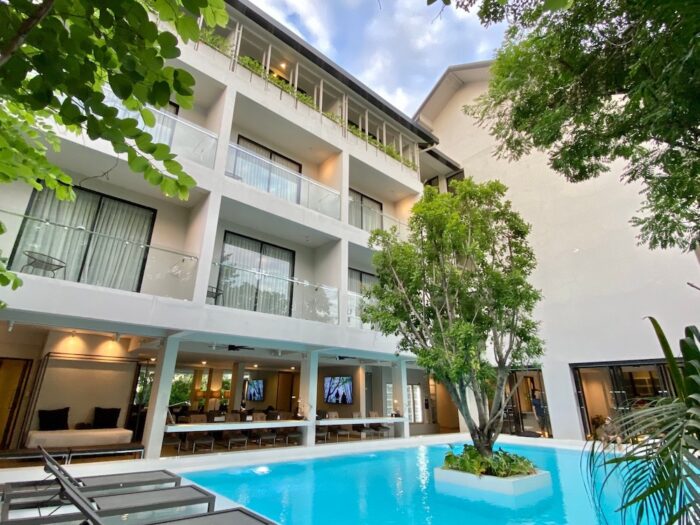
POR Daowadung Hotel
POR Daowadung Hotel is a modern boutique stay just outside Chiang Mai’s Old City near Chiang Mai Gate, within walking distance of markets and temples. Rooms feature air-conditioning, Wi-Fi, soundproofing, TVs, and rainfall showers.
Facilities include an outdoor pool, terrace, garden, bike rental, laundry service, and 24-hour reception, plus breakfast, snacks, and drinks available all day. Travelers highly recommend it for its cleanliness, friendly staff, relaxed atmosphere, and a convenient yet quiet location that is ideal for exploring.
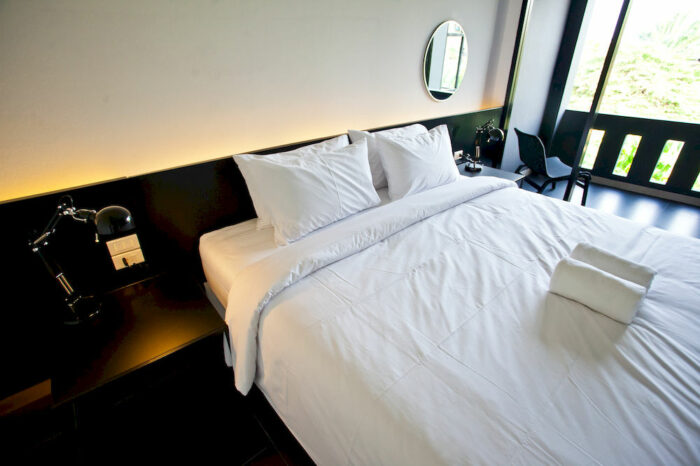
BED Phrasingh Hotel
BED Phrasingh Hotel is an adults-only boutique stay in Chiang Mai’s Old City, a short walk from Wat Phra Singh and Sunday Walking Street Market. Rooms are modern, with air conditioning, Wi-Fi, a minibar, and toiletries.
Facilities include an outdoor pool, a garden lounge, a 24-hour front desk, free parking, and daily breakfast with snacks, coffee, and water available all day. Travelers highly recommend it for its spotless rooms, peaceful atmosphere, central location, and exceptionally friendly staff.
Mid-Range ($100–250)
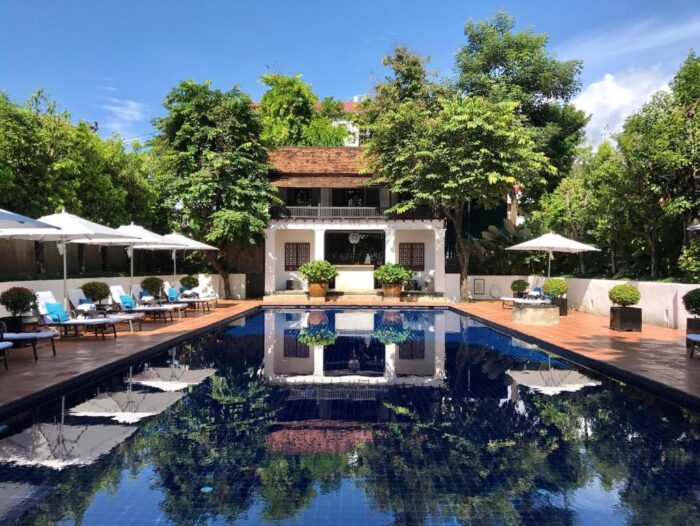
Rachamankha Hotel
Rachamankha Hotel is a luxury boutique retreat inside Chiang Mai’s historic Old City, beside Wat Phra Singh and about 10 minutes from the airport.
Facilities include a courtyard swimming pool, spa and massage rooms, restaurant and bar, art gallery, library, garden, and free Wi-Fi.
Its Lanna-style architecture, antiques, peaceful atmosphere, and small number of rooms create a private cultural experience, making it one of the city’s most recommended boutique stays.
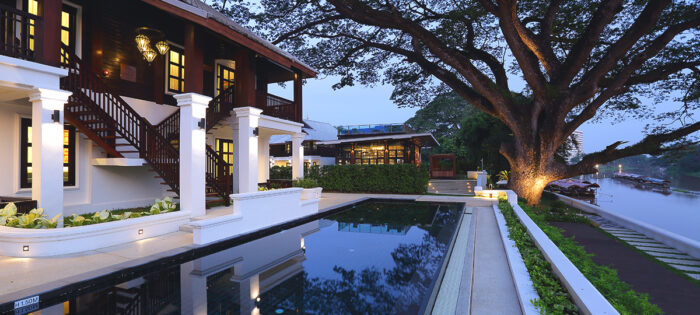
Na Nirand Romantic Boutique Resort
Na Nirand Romantic Boutique Resort is located along the Ping River on Charoenprathet Road, near Chiang Mai Night Bazaar.
Facilities include a riverside restaurant, spa, outdoor pool, pool bar, garden, and free Wi-Fi. Rooms feature Lanna-style décor, balconies, and modern comforts. Guests praise its tranquil setting, warm service, and easy access to attractions, making it a romantic, peaceful city retreat.
Luxury ($250+)

137 Pillars House
137 Pillars House is a luxury boutique hotel on Nawatgate Road in Chiang Mai’s Wat Gate area near the Ping River and Night Bazaar. It features spacious suites, fine-dining restaurants, a spa, a gym, a yoga lawn, a library, and a 25-metre pool in lush tropical gardens.
Centered on a restored 1889 colonial teak house, the property combines history, privacy, and highly personalized service, making it one of the city’s most recommended stays.
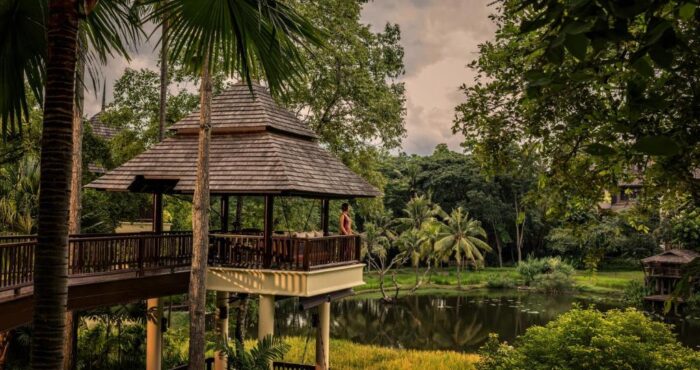
Four Seasons Resort Chiang Mai
Four Seasons Resort Chiang Mai is in Mae Rim Valley, about 35 minutes from the city, surrounded by rice paddies and mountains. The resort offers elegant villas and pavilions, an infinity pool, spa, fitness center, tennis courts, cooking school, restaurants, and cycling paths.
Guests can join wellness programs and cultural activities. Its serene countryside setting, attentive service, and immersive Thai experiences make it one of Chiang Mai’s most recommended luxury hotels.
Where to Stay in Chiang Mai
- Old City: temples & walkability
- Nimmanhaemin: cafés & nightlife
- Riverside: peaceful & scenic
Pro Tip #3: First visit? Stay inside Old City.
For more accommodation options in Chiang Mai, read our Top 10 Best Hotels and Resorts in Chiang Mai, Thailand.
5. Food & Dining Guide
Must-Try Local Dishes
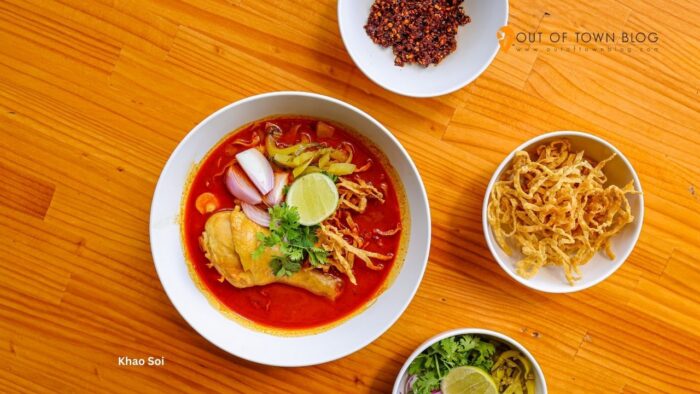
Khao Soi
Khao Soi is Chiang Mai’s signature curry noodle soup, made with egg noodles in a rich coconut curry broth flavored with turmeric, chili, and spices. It’s topped with tender chicken or beef, crispy fried noodles, pickled mustard greens, shallots, lime, and chili oil.
The taste is creamy, slightly spicy, tangy, and fragrant. Popular places include Khao Soi Khun Yai near the Old City, Khao Soi Mae Sai, and Khao Soi Islam for authentic local flavors.
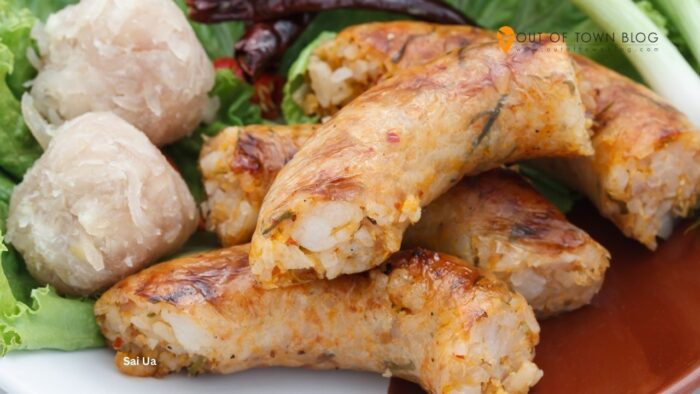
Sai Ua (Northern Sausage)
Sai Ua, the famous Northern Thai sausage of Chiang Mai, is made from minced pork mixed with lemongrass, kaffir lime leaves, galangal, garlic, shallots, chilies, and herbs, then grilled over charcoal. It tastes smoky, juicy, aromatic, and slightly spicy with citrusy freshness.
Locals eat it with sticky rice and fresh vegetables. You can find excellent Sai Ua at Warorot Market, street night markets, and traditional restaurants around the Old City, especially evening food stalls popular with residents.
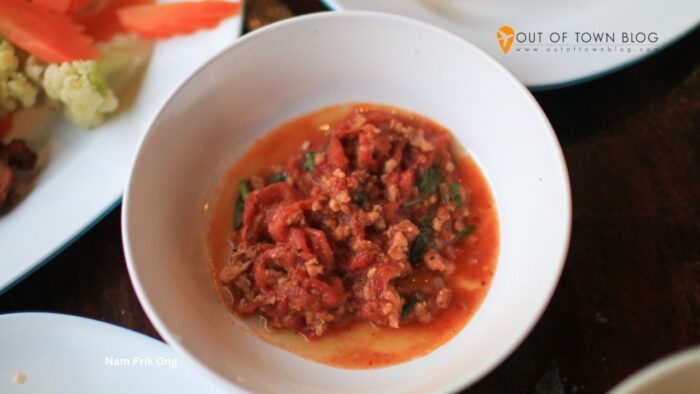
Nam Prik Ong
Nam Prik Ong is a classic northern Thai chili dip popular in Chiang Mai. It’s made from minced pork simmered with tomatoes, dried chilies, garlic, shallots, and shrimp paste. The flavor is savory, mildly spicy, slightly tangy, and a bit sweet from the tomatoes.
It’s eaten with fresh vegetables, pork crackling, and sticky rice. You can try it at local markets like Warorot Market, traditional restaurants in the Old City, or northern Thai eateries such as Huen Phen.
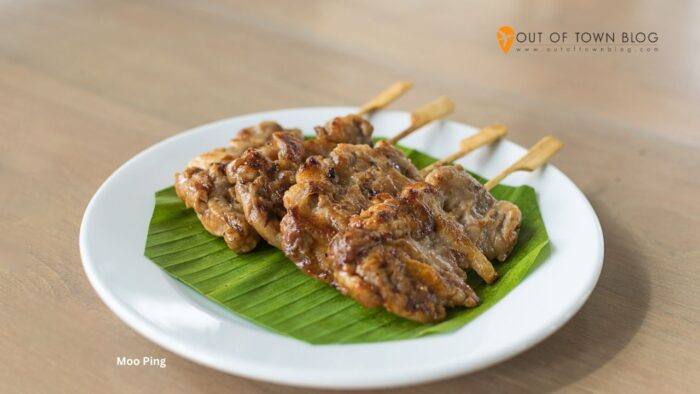
Moo Ping
Moo Ping is a popular Chiang Mai street food of grilled pork skewers. Slices of pork are marinated in garlic, soy sauce, oyster sauce, palm sugar, and coriander root, then charcoal-grilled. The meat tastes sweet, smoky, slightly salty, and juicy, often served with sticky rice.
You can find it early in the morning at local markets, roadside stalls, and night markets such as Chiang Mai Gate Market or Warorot Market, where vendors grill batches continuously for commuters and late-night snackers.

Mango Sticky Rice
Mango sticky rice is a famous Chiang Mai dessert made with glutinous rice, ripe sweet mango, coconut milk, sugar, and a pinch of salt, sometimes topped with crispy mung beans. The rice is warm, creamy, and slightly salty, balancing the mango’s juicy, fragrant sweetness. You can easily find it at night markets like the Sunday Walking Street, Warorot Market, and street stalls around the Old City, where vendors prepare it fresh in front of customers.
Best Restaurants in Chiang Mai
Khao Soi Khun Yai
Legendary street stall. Opens late morning, sells out daily. ~$2
Huen Muan Jai
Traditional northern recipes cooked by the local family. ~$6–10
Ginger Farm Kitchen
Farm-to-table Thai food in a stylish setting. ~$10–15
Dash Restaurant & Bar
Comfortable first-timer introduction to Thai cuisine.
Perfect for travelers searching for where to eat in Chiang Mai and the best khao soi in Chiang Mai.
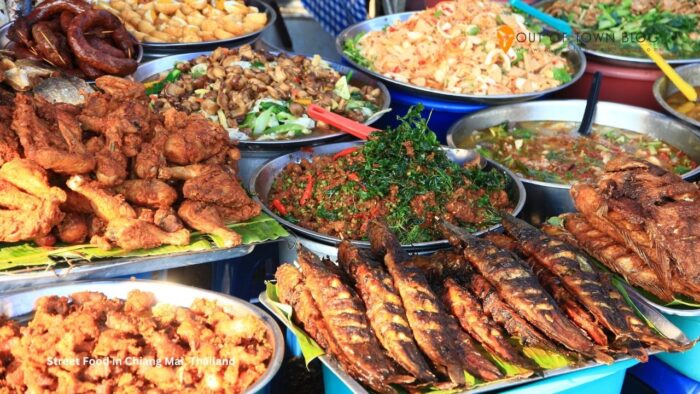
Street Food Safety
- Choose busy stalls
- Eat freshly cooked food
- Avoid pre-cut fruit
Best locations:
- Chang Phuak Gate night food
- Saturday Walking Street
- North Gate stalls
Vegetarian & Vegan
Look for yellow “Jay” flags.
Popular vegan spots:
- Free Bird Café
- Reform Kafé
6. Local Culture & Etiquette
Chiang Mai follows traditional Lanna Thai culture, which values politeness, calm behavior, and respect—especially toward elders and religious traditions. Visitors who act gently and respectfully are warmly welcomed.
Key Cultural Norms
- Dress modestly at temples (shoulders & knees covered)
- Remove shoes before entering temples and some homes
- The head is sacred — never touch anyone’s head
- Feet are considered low — don’t point them at people or Buddha images
- Avoid loud arguments or public anger (losing temper is very disrespectful)
Temple Etiquette
- Speak softly and walk slowly
- Never climb on Buddha statues
- Women should not touch monks
- Don’t interrupt prayer or meditation
- Photography allowed, but no flash during rituals
Social Behavior
- A smile goes a long way — politeness matters more than perfect language
- Return the wai greeting (palms together) if someone greets you first
- Use your right hand (or both hands) when giving or receiving items
Tipping & Manners
- Not required, but appreciated (5–10% in restaurants, $2–3 for a massage)
- Bargain gently at markets — friendly negotiation, never aggressive
Festivals
During festivals (such as Yi Peng or Songkran), locals celebrate enthusiastically but respectfully — visitors are welcome to join as long as they maintain the same respectful attitude.
Golden rule: In Chiang Mai, being calm, humble, and considerate matters more than following every rule perfectly.
7. Practical Tips & Safety
Safety
Very safe city. Main risks:
- Scooter accidents
- Air quality during the burning season
Travel insurance is recommended.
What to Pack
- Light breathable clothing
- Temple scarf
- Sunscreen
- Mosquito repellent
- Light jacket (cool mornings)
What to Wear
Modest casual clothing — northern Thailand is more conservative than the beaches.
Money-Saving Tips
- Eat local: Street food and small eateries cost $1.50–5 and taste better than tourist restaurants.
- Stay in the Old City: Walk to most attractions and save $5–10/day on transport.
- Use red songthaews: $1–2 per ride instead of $4–7 Grab taxis.
- Book tours locally: Often $10–25 cheaper than online platforms.
- Rent a bicycle: About $3/day and perfect for temple hopping.
- Buy a local SIM: $8–15 unlimited data vs expensive roaming.
- Shop at day markets; Warorot Market prices are much lower than those at night bazaars.
- Bargain politely: Friendly negotiation can reduce prices 20–40%.
- Visit in the green season: Hotels and tours are up to 50% cheaper.
- Enjoy free activities: Temples, walking streets, and sunset viewpoints cost nothing.
Bottom line: Travel slowly, eat locally, and use shared transport — Chiang Mai can comfortably cost under $50/day without sacrificing experiences.
Local Secret #4: Coffee shops often serve cheaper meals than restaurants.
SIM Cards & Data
Staying connected in Chiang Mai is easy and cheap. Buying a local SIM (or eSIM) is highly recommended — roaming is far more expensive.
Main Providers
All work well in the city:
- AIS – strongest overall coverage
- TrueMove H – fast in urban areas
- dtac – usually cheapest
Coverage is excellent in Chiang Mai and most tourist areas.
Typical Prices
- Basic prepaid SIM: about $3–10
- 8–15-day unlimited tourist SIM: $11–23
- 30-day plans: around $30–40
Unlimited plans typically include daily high-speed caps (fair-use policies).
Where to Buy
- Chiang Mai Airport (easiest)
- 7-Eleven convenience stores
- Mobile carrier shops in malls
Activation takes about 5 minutes — the staff sets everything up.
eSIM Option
- Buy online before arrival
- Activate instantly after landing
- Keep your home SIM active
eSIM eliminates the need to swap physical cards and reduces roaming fees.
Practical Tip
For trips under 2 weeks, get an 8–15 day unlimited tourist SIM at the airport — the cheapest and simplest solution for maps, Grab rides, and translations.
Emergency Contacts
Chiang Mai is generally very safe, but it’s still helpful to save key numbers in your phone when you arrive. Most operators have basic English support, especially the tourist police.
Main Emergency Numbers (Thailand-wide)
- General Emergency / Police: 191
- Tourist Police (English assistance): 1155
- Ambulance & Medical Emergency: 1669
- Fire Department: 199
Tip: The Tourist Police are the most helpful for travelers — they can assist with lost items, scams, translation issues, and contacting your embassy.
Major Hospitals (Reliable for Travelers)
Chiang Mai Ram Hospital
8 Bunruangrit Rd, Sriphum
Private international hospital, English-speaking staff, fast service
Bangkok Hospital Chiang Mai
88/8 Moo 6 Super Highway
Modern international hospital, more expensive but excellent care
McCormick Hospital
133 Kaew Nawarat Rd
Good mid-range option, less expensive than private international hospitals
Embassy Assistance
If you lose your passport, contact your embassy in Bangkok; they will coordinate with the Chiang Mai authorities.
(Always keep a passport photocopy saved in your phone.)
Helpful Emergency Phrases
- Help! — Chuay duay!
- I need a doctor — Yak ha mor
- Police — Tamruat
- Hospital — Rong Phayaban
- I am lost — Chan/Phom long tang
Practical Advice: Save these numbers offline and take a screenshot of your hotel address in Thai — it helps drivers and emergency responders assist you more quickly.
8. Souvenir Shopping
| Category | What to Buy | Why It’s Special | Typical Price (USD) | Best Place to Buy |
|---|---|---|---|---|
| Textiles | Hill tribe bags, scarves, pillow covers | Handmade by local communities | $5–25 | Warorot Market, Sunday Walking Street |
| Clothing | Elephant pants, cotton shirts | Comfortable tropical wear & iconic Thai souvenir | $4–12 | Night Bazaar, street markets |
| Ceramics | Celadon pottery, bowls, tea sets | Traditional Lanna craft from nearby villages | $10–60 | San Kamphaeng village, Jing Jai Market |
| Food | Thai tea mix, dried mango, spices | Easy to pack edible souvenirs | $2–15 | Warorot Market |
| Wellness | Herbal balms, inhalers, spa products | Popular Thai remedies & massage oils | $2–10 | Pharmacies, local markets |
| Art & Handmade | Paintings, carvings, handmade journals | Local artisan crafts | $8–50 | Baan Kang Wat Artist Village |
| Silverware | Silver jewelry & accessories | Chiang Mai is famous for its silver craftsmanship | $15–120 | Saturday Silver Market |
| Home Decor | Lanterns, woven baskets | Authentic Northern Thai home style | $10–40 | Night markets |
Tip: Morning markets typically offer the lowest prices, while night markets typically offer the widest selection and a better atmosphere.
Pro Tip #5: Bargain gently and smile — politeness wins discounts.
9. Suggested Itineraries
3-Day Chiang Mai Itinerary
Day 1: Old City temples + night market
Day 2: Doi Suthep + jungle temple + cafés
Day 3: Elephant sanctuary OR cooking class
Off-The-Beaten-Path (5 Days)
Day 1: Sunrise temple walk
Day 2: Art villages & ceramics
Day 3: Countryside scooter ride
Day 4: Mountain homestay
Day 5: Markets & spa day
Final Thoughts
Chiang Mai isn’t a checklist destination. It’s a lifestyle preview. A week here teaches you the rhythm of northern Thailand — slow mornings, strong coffee, afternoon rain showers, night markets buzzing with life. Travelers often arrive after reading a Chiang Mai travel guide expecting temples and food… and leave remembering conversations, sunsets, and the comfort of a city that never tries to impress you — only welcomes you.
Come with a flexible schedule, an appetite, and curiosity. Chiang Mai will handle the rest.
Chiang Mai Travel Tour Packages You Should Try
Follow and subscribe to OutofTownBlog.com on Facebook, Twitter, Instagram, Pinterest, and YouTube for more Travel-related updates.
Read:
- Top 15 Best Things to Do in Bali, Indonesia
- PHUKET TRAVEL GUIDE: Budget DIY Itinerary, Hot to Get There and More
- Exploring the Best of Chiang Mai in Two Days