Melo Villareal
Choosing a bank in the Philippines used to mean picking whichever branch sat closest to home. Today the decision is wider. Traditional banks, rural banks, and app-only digital banks all compete for your savings, each offering a different mix of interest, convenience, and credit. This guide compares them across the three things most people care about: where to park your savings, how to choose a credit card, and what digital banking can and cannot do for you.
Best Banks in the Philippines
What To Compare In A Savings Account
The headline interest rate gets the attention, but it is only one piece. Before you open an account, check these points:
- Interest rate and how it is paid. Rates are usually quoted per year, and some promotional rates apply only for a limited period or up to a certain balance.
- Opening and maintaining balance. A low opening deposit helps beginners, while a high maintaining balance can trigger monthly charges if you dip below it.
- Fees. Look at ATM withdrawals, interbank transfers, and dormancy charges.
- Deposit insurance. Banks regulated by the Bangko Sentral ng Pilipinas are generally covered by the Philippine Deposit Insurance Corporation, which protects deposits up to a set limit per depositor.
- Access. Consider whether you need branches, ATMs, or can do everything in an app.
Traditional, Digital, And Rural Banks At A Glance
| Type | Strengths | Trade-offs |
| Traditional (universal and commercial) banks | Wide branch and ATM network, full range of loans and cards | Regular savings often earn modest interest; some accounts require higher balances |
| Digital banks | Quick account opening, app-first experience, often higher rates | Little or no branch support; you rely on in-app service |
| Rural and thrift banks | Competitive deposit rates, community focus | Fewer branches and a smaller product range |
No type wins in every category. A freelancer paid online may prefer a digital account for the rate, while a business owner who deposits cash daily may still need a nearby branch.
If you are weighing the best bank to open savings account with, start with your own habits rather than a ranking. Ask how often you withdraw, whether you want your money to grow quietly in the background, and how much you can set aside each month. Rural banks are worth a look here. Salmon Bank is one example, licensed by the Bangko Sentral and offering a savings account with an advertised rate of 4% per year, which the bank describes as an estimate subject to its terms and conditions.
According to the product page, there is no minimum balance requirement, although opening an account takes as little as PHP 5,000. Deposits are insured by the PDIC up to PHP 1 million per depositor, and you can manage your account through the Salmon app. To get started, submit an online form, have a relationship manager contact you, and sign the documents in person. Because rates and promos change, always read the latest terms before depositing.
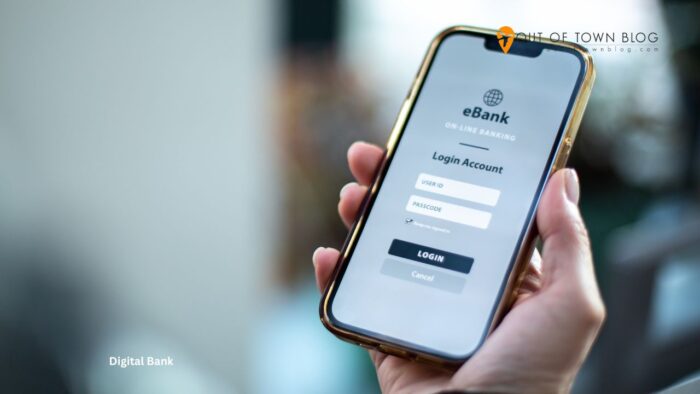
How Digital Banking Fits In
Digital banking has changed how you manage money day to day. With a smartphone, you can open an account in minutes, send money through instant transfer networks, scan QR codes to pay, and set savings goals without visiting a branch. Many apps also let you freeze a card or adjust limits instantly if something looks wrong.
The trade-offs are real, though. Cash deposits can be inconvenient, and when something goes wrong, you rely on chat or email support instead of a teller. Security matters too. Turn on two-step verification, never share one-time passwords, and avoid logging in over public Wi-Fi. A practical setup for many households is two accounts: one digital account for savings and everyday payments, and one traditional account for salary, bills, and cash needs.
Choosing A Credit Card
A credit card can be a useful tool or an expensive habit, depending on how you use it. Compare cards on four things:
- Annual income requirement and annual fee. Some cards waive the fee for the first year or when you meet a spending target.
- Rewards. Cashback suits everyday spending, while points and miles reward travel and dining.
- Interest on unpaid balances. Cards charge monthly interest on balances you carry over, so paying the full statement amount each month keeps the cost close to zero.
- Installment programs. Many cards offer zero-interest installments with partner merchants, which can help with big purchases if you stay disciplined.
If you travel often, the reward structure matters even more. This roundup of the best travel credit cards in the Philippines helps you compare cards built around miles, lounge access, and overseas spending before you apply.
How To Decide
Match the account to the job. Put your emergency fund where it can earn a competitive rate and remain insured. Keep a card for purchases you can pay off in full. Use a digital app for speed and a traditional bank for services that still need a branch. Review your choices every year, since rates, fees, and promos shift often.
The best bank in the Philippines is not a single name. It is the combination of accounts that keeps your money safe, growing, and easy to reach.
Want more Updates? Please follow #TeamOutofTown on Facebook, Twitter, Instagram, and Pinterest for more travel ideas.
Also Read:
- 15 Ways to Save Hundreds on Your Next Cruise
- The Ultimate First-Time Cruise Guide: Everything You Need to Know
- The Ultimate Guide to Choosing the Best Cruise for Your Next Trip
- 10 Common Agoda Booking Mistakes Travelers Should Avoid
- A Mediterranean Cruise Itinerary Built Around Italy’s Beach Towns
- Schengen Visa for a Mediterranean Cruise: What Filipinos Need to Know