

 Melo Villareal
The Ultimate Guide to Traveling to Baler, Aurora
There’s something irresistibly raw and soulful about Baler. Maybe it’s the rhythm of the Pacific waves crashing endlessly on Sabang Beach, or the way mist curls around the forested Sierra Madre mountains at sunrise. Perhaps it’s the stories—of revolutionaries, missionaries, and fearless surfers—that echo through its cobbled streets and centuries-old churches. Or maybe it’s simply the warmth of the locals, who greet you like family the moment you arrive.
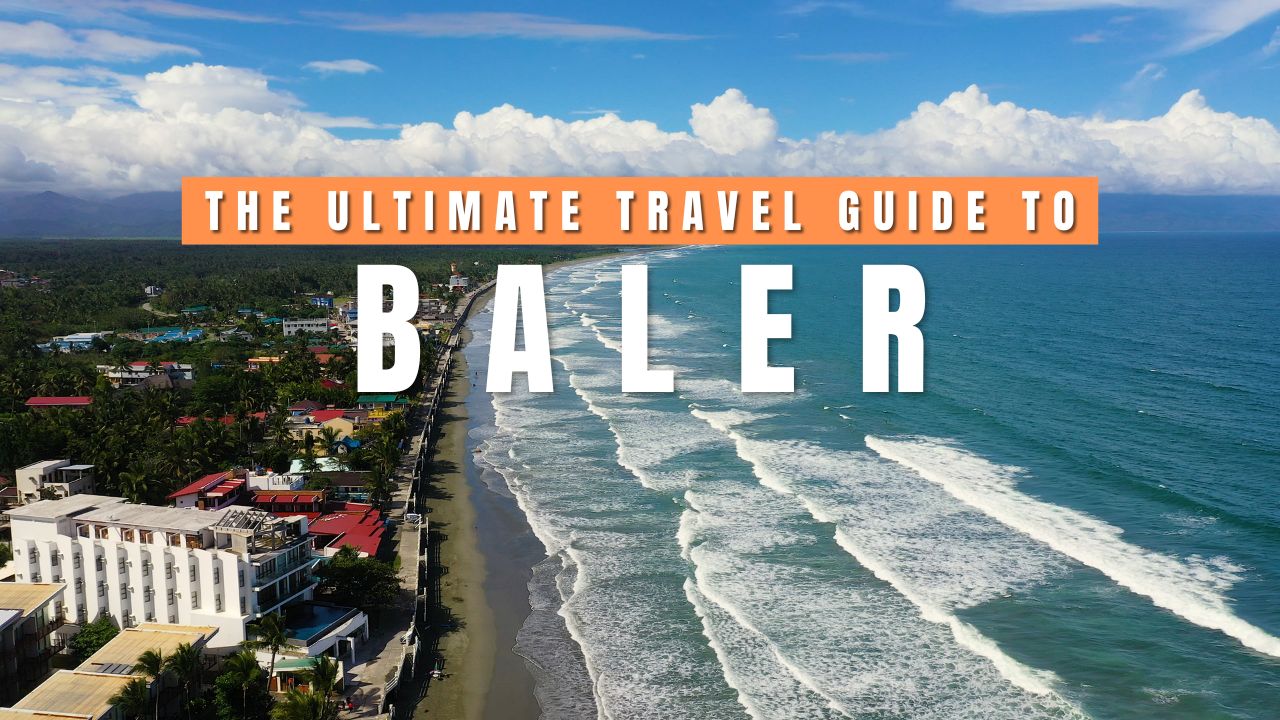
Tucked away on the eastern coast of Luzon, Baler, the capital of Aurora province, feels like a world apart from the chaos of Manila. It’s the kind of place where time slows down, barefoot walks replace schedules, and every sunset feels like a personal gift. Once considered remote due to winding mountain roads, Baler has grown into a beloved destination for surfers, backpackers, digital nomads, history buffs, and nature lovers—without losing its soul.
Whether you’re here to chase your first wave, explore Spanish-era churches, trek to waterfalls hidden deep in the rainforest, or simply unplug with fresh seafood by the shore, this Baler Travel Guide is designed to help you experience the destination like a local—responsibly, affordably, and memorably.
From secret beaches and budget stays to cultural etiquette and where to find the best longboard waves, this travel guide to Baler gives you everything you need to plan a meaningful, stress-free trip.
1. Destination Overview – Baler Travel Guide Introduction
What Makes Baler Special?
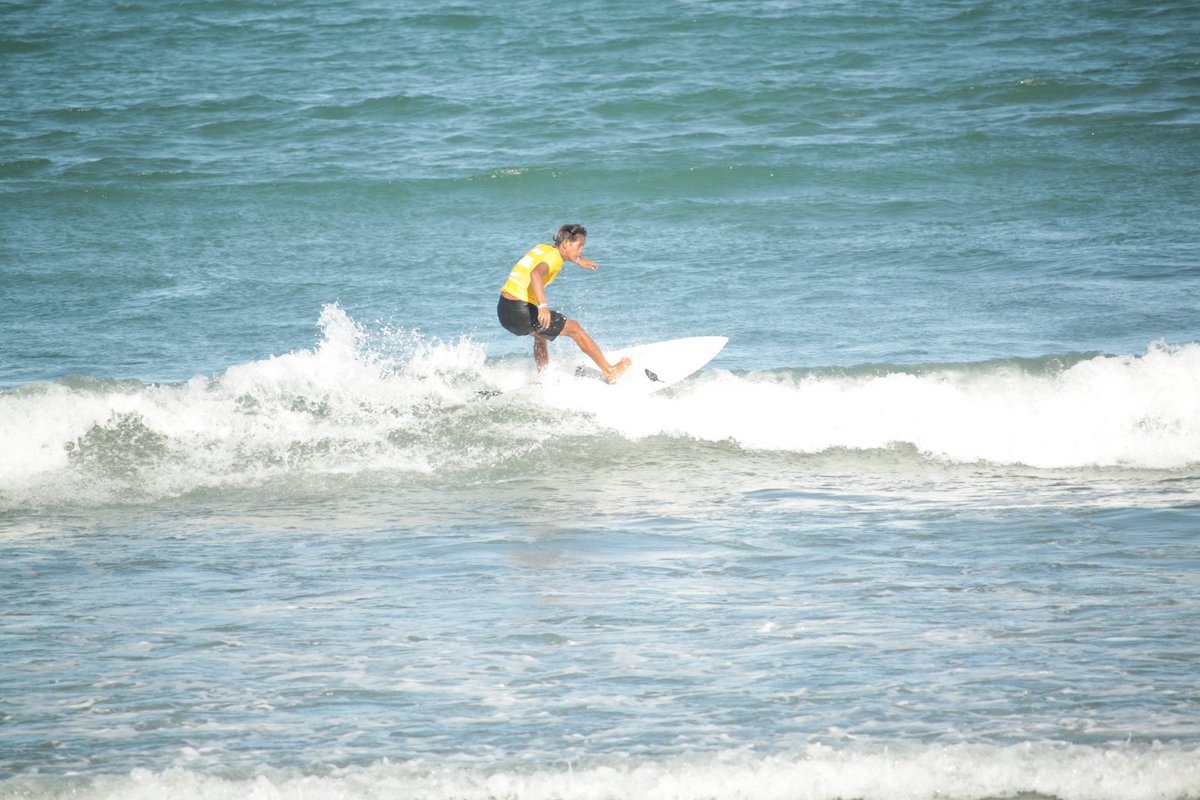
Baler is best known as the birthplace of surfing in the Philippines, thanks to its consistent waves and relaxed surf culture. But this coastal town offers far more than surfboards and sunsets. It is a place of deep historical significance, dramatic landscapes, lush rainforest trails, and a way of life that feels refreshingly unhurried.
In this Travel Guide, you’ll discover a destination where:
- Surf camps sit beside centuries-old churches
- Fishermen swap stories with backpackers
- Jungle waterfalls are just minutes from the beach
- Locals still greet strangers with genuine warmth
Unlike more commercialized beach towns, Baler has managed to retain its authenticity. Tourism exists here, but it has not overwhelmed the town’s character. This is precisely why responsible travel matters so much.
Best Time to Visit Baler (Quick Guide)
The best time to visit Baler depends on what you want to experience—surfing, sightseeing, or a quiet beach escape. Here’s a clear breakdown to help you plan:
March to May – Dry Season (Best for Sightseeing & Waterfalls)
- Hot, sunny days with minimal rain
- Ideal for beach hopping, waterfall trekking, and town exploration
- Calmer ocean conditions (not ideal for advanced surfers)
- Expect higher temperatures and more local tourists during summer break
Best for: First-time visitors, families, casual beach travelers
September to March – Surf Season (Best for Experienced Surfers)
- Strong Pacific swells
- Bigger, more powerful waves
- Cooler evenings
- Occasional rain
Best for: Intermediate to advanced surfers, surf competitions, dramatic coastal scenery
May to August – Beginner Surf Season (Best for Learning)
- Smaller, gentler waves
- Fewer crowds than peak summer
- More affordable accommodations
- Occasional rain showers
Best for: Beginner surfers, backpackers, budget travelers
July to October – Typhoon Season (Travel with Caution)
- Heavy rain possible
- Rough seas
- Landslides and road closures can occur
- Travel insurance is strongly recommended
Best for: Adventurous travelers who don’t mind rain and flexible plans
Local Secret: Best Overall Time to Visit
Late February to early March is considered one of the best overall windows to visit Baler. You’ll get:
- Pleasant weather
- Fewer crowds
- Good surf conditions
- Clear skies for photography
Local Secret: One of the best-kept tips in this Baler Travel Guide is visiting in late February to early March, when crowds are thinner, the weather is comfortable, and the sunsets are spectacular.
Travel Difficulty and Recommended Stay
Travel Difficulty: Easy to moderate
The roads leading to Baler are winding but well-maintained.
Recommended Length of Stay:
- 2 to 3 days for a short escape
- 4 to 5 days for a relaxed, immersive visit
- 1 week for a full surf-and-explore experience
- This Baler tourist guide recommends staying at least three nights to truly feel the rhythm of the town.
2. Essential Travel Information – Baler Travel Guide for First-Time Visitors
Visa Requirements and Entry Procedures
Most nationalities, including travelers from the United States, the European Union, the United Kingdom, Australia, and ASEAN countries, receive 30 days of visa-free entry upon entering the Philippines. Your passport must be valid for at least six months. Proof of onward travel may be requested.
Baler does not have its own immigration checkpoint. Entry into the Philippines is handled at major international airports, such as Ninoy Aquino International Airport (Manila) and Clark International Airport.
Currency and Budget Expectations
Currency: Philippine Peso (PHP)
Exchange Rate: Approximately 1 USD = 55–57 PHP (varies)
Estimated Daily Costs (per person):
Budget: $30–50
Mid-range: $60–100
Luxury: $150+
Common Expenses:
- Local meal: $3–6
- Mid-range restaurant: $10–15
- Surf lesson: $10–15 per hour
- Board rental: $5–8 per hour
- Motorbike rental: $8–12 per day
- Tricycle ride: $1–3
Local Secret: This Baler Travel Guide strongly recommends carrying cash. Many small eateries, surf shops, and tricycle drivers do not accept cards, and ATMs can run out of money on long weekends.
Language Basics and Communication Tips
Most locals speak Filipino (Tagalog) and Ilocano, and many understand conversational English.
Useful phrases:
Salamat – Thank you
Magandang araw – Good day
Magkano ito? – How much is this?
Saan ang…? – Where is…?
A friendly tone and a smile go a long way in Baler.
How to Get to Baler, Aurora: Step-by-Step Guide
Baler is located on the eastern coast of Luzon, about 230 kilometers northeast of Manila. While it feels remote, getting there is fairly straightforward.
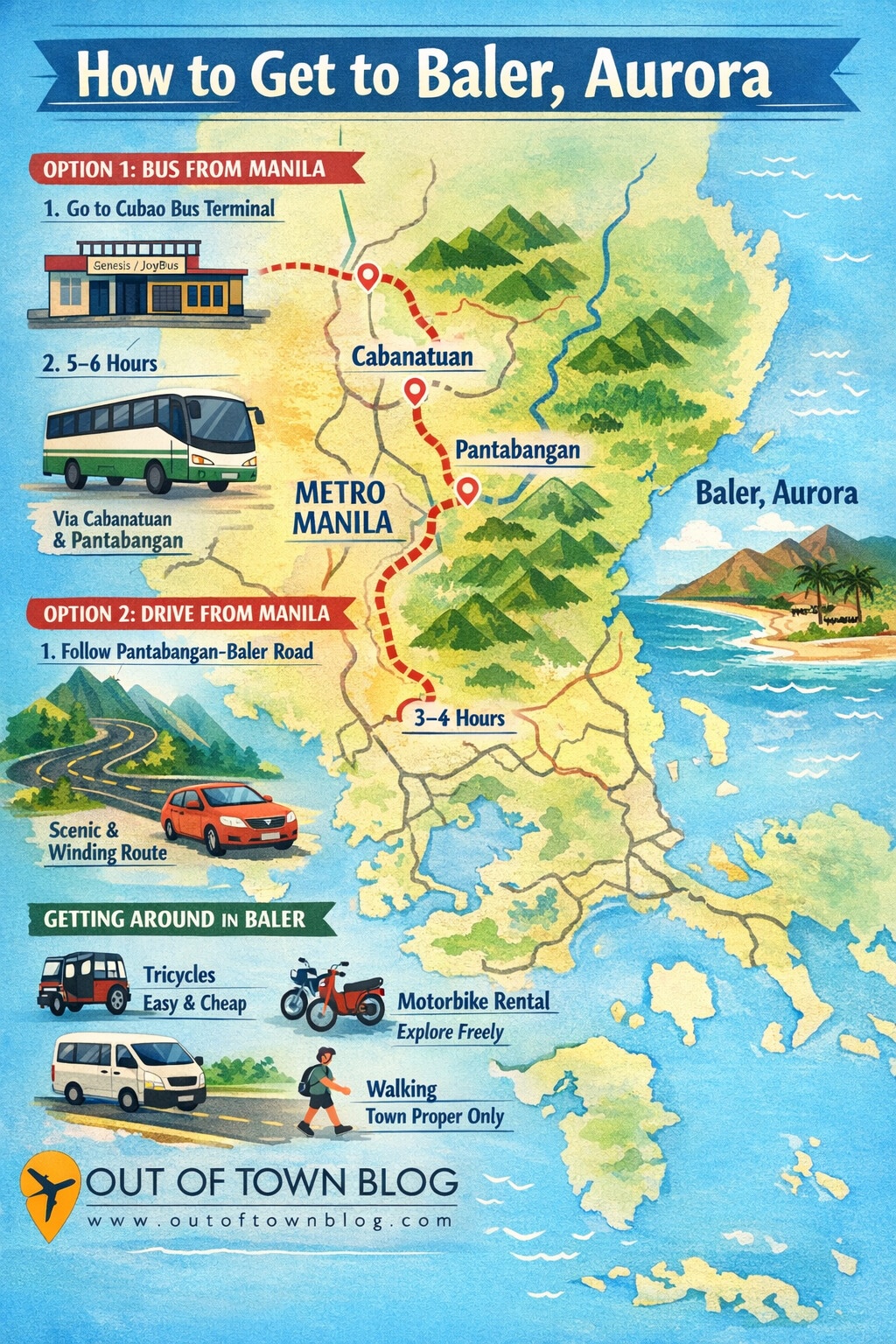
Option 1: From Manila to Baler by Bus (Most Popular & Easiest)
This is the best option for budget travelers and first-time visitors.
Step 1: Go to a Bus Terminal in Cubao, Quezon City
Most buses to Baler depart from Cubao.
Popular bus companies:
- Genesis Transport
- JoyBus (premium service under Genesis)
Terminals:
- Genesis Bus Terminal: EDSA, Cubao
Step 2: Buy a Ticket
You can:
- Buy at the terminal
- Book online via the Genesis or JoyBus websites
- Use travel apps like Bookaway or 12Go (if available)
Fare:
- Regular bus: P450–P600 (about $8–$11)
- JoyBus (with onboard toilet & fewer stops): P700–P800 (about $12–$14)
Step 3: Board the Bus
Travel time: 5 to 6 hours
Departure times: Early morning to late evening
The route usually passes through:
Manila -> Nueva Ecija -> Pantabangan -> Maria Aurora -> Baler
Step 4: Arrive at Baler Bus Terminal
You’ll arrive near the town center.
From there:
- Ride a tricycle to your hotel (P20–P50 / $0.40–$1)
- Or walk if your accommodation is nearby
Option 2: From Manila to Baler by Private Car
Perfect if you want scenic views and more flexibility.
Step 1: Set Your GPS to Baler, Aurora
Recommended route:
Manila -> Cabanatuan -> Pantabangan -> Baler
This is called the Pantabangan–Baler Road.
Step 2: Drive Through Nueva Ecija
This part is flat and easy, passing through rice fields and small towns.
Step 3: Cross the Sierra Madre Mountain Range
This is the most beautiful (and winding) part.
Expect:
- Sharp curves
- Fog in the early morning
- Mountain views
- Forest scenery
Drive slowly and carefully.
Step 4: Descend Into Baler
Once you start seeing the ocean, you’re close.
Total driving time: 5 to 6 hours (without long stops)
Important Driving Tips
- Start early in the morning
- Avoid driving at night
- Make sure your brakes are in good condition
- Bring cash (a few ATMs along the way)
Option 3: From Clark Airport to Baler
If you’re flying into Clark (instead of Manila), this route is shorter.
Step 1: From Clark, Go to Cabanatuan City
By car: 2.5–3 hours
By bus/van: Ask airport transport services
Step 2: From Cabanatuan, Continue to Baler
Ride a bus or van going to Baler.
Travel time: 3–4 hours
Getting Around Once You Arrive in Baler
After arriving, transportation is simple.
Tricycles
Main form of transport
Fare: P20–P100 depending on distance
Motorbike Rental
Best for exploring waterfalls and hidden beaches
Price: P400–P600 per day ($7–$11)
Walking
Baler town proper is small and walkable
Best Time to Travel (Road Conditions)
Best months for travel:
- February to June
Be cautious during:
- July to October (typhoon season)
Possible landslides and road closures
Local Travel Tips
• Sit on the right side of the bus for the best mountain views
• Download offline Google Maps
• Bring motion sickness meds if you’re sensitive to curves
• Bring snacks and water for the trip
Local Secret: If you plan to explore waterfalls, viewpoints, and remote beaches, renting a motorbike gives you full freedom and often costs less than repeated tricycle rides.

3. Top Attractions and Experiences – What to See in This Baler Travel Guide
No Baler Travel Guide would be complete without highlighting the places and experiences that define this laid-back surf town. From historic landmarks and jungle waterfalls to secret beaches and coastal viewpoints, Baler offers far more than just waves.
This section of the guide balances popular attractions with authentic local favorites, helping you experience the destination beyond the surface.
Must-See Landmarks and Cultural Sites
1. Sabang Beach
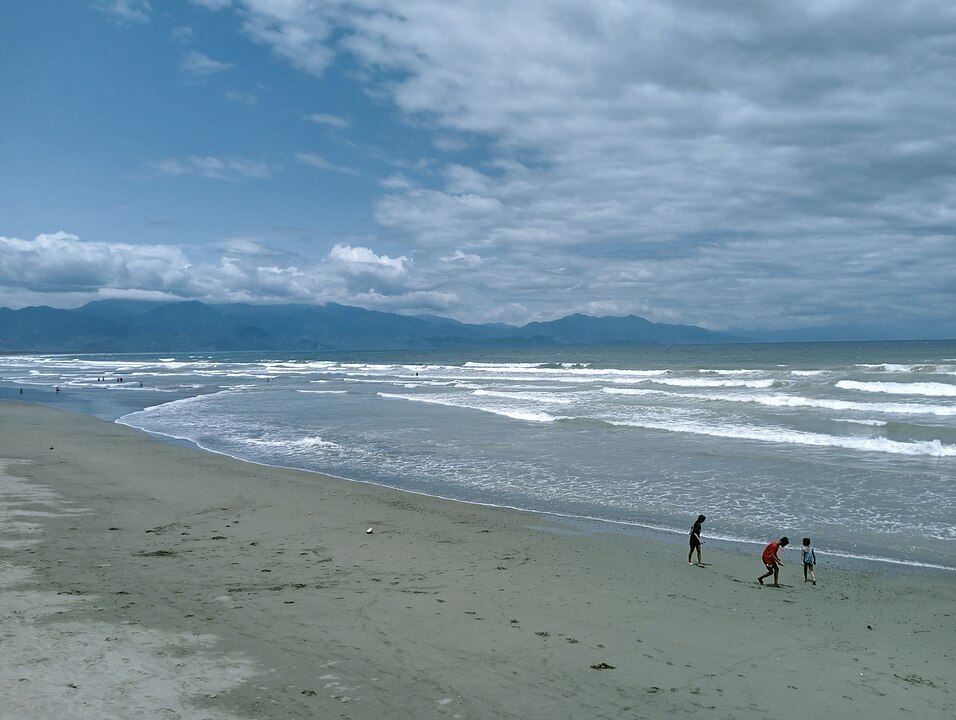
Sabang Beach is the heart of Baler’s surf culture and social life. This long stretch of sand is lined with surf schools, cafés, hostels, and casual bars. In the mornings, you’ll see locals waxing boards and paddling out, while evenings bring golden sunsets and relaxed conversations by the shore.
Even if you don’t surf, watching the sunrise here is one of the simplest yet most memorable experiences in this Baler Travel Guide.
Location: Barangay Sabang
Entrance fee: Free
Best time to visit: Early morning or sunset
2. San Luis Obispo de Tolosa Church (Baler Church)
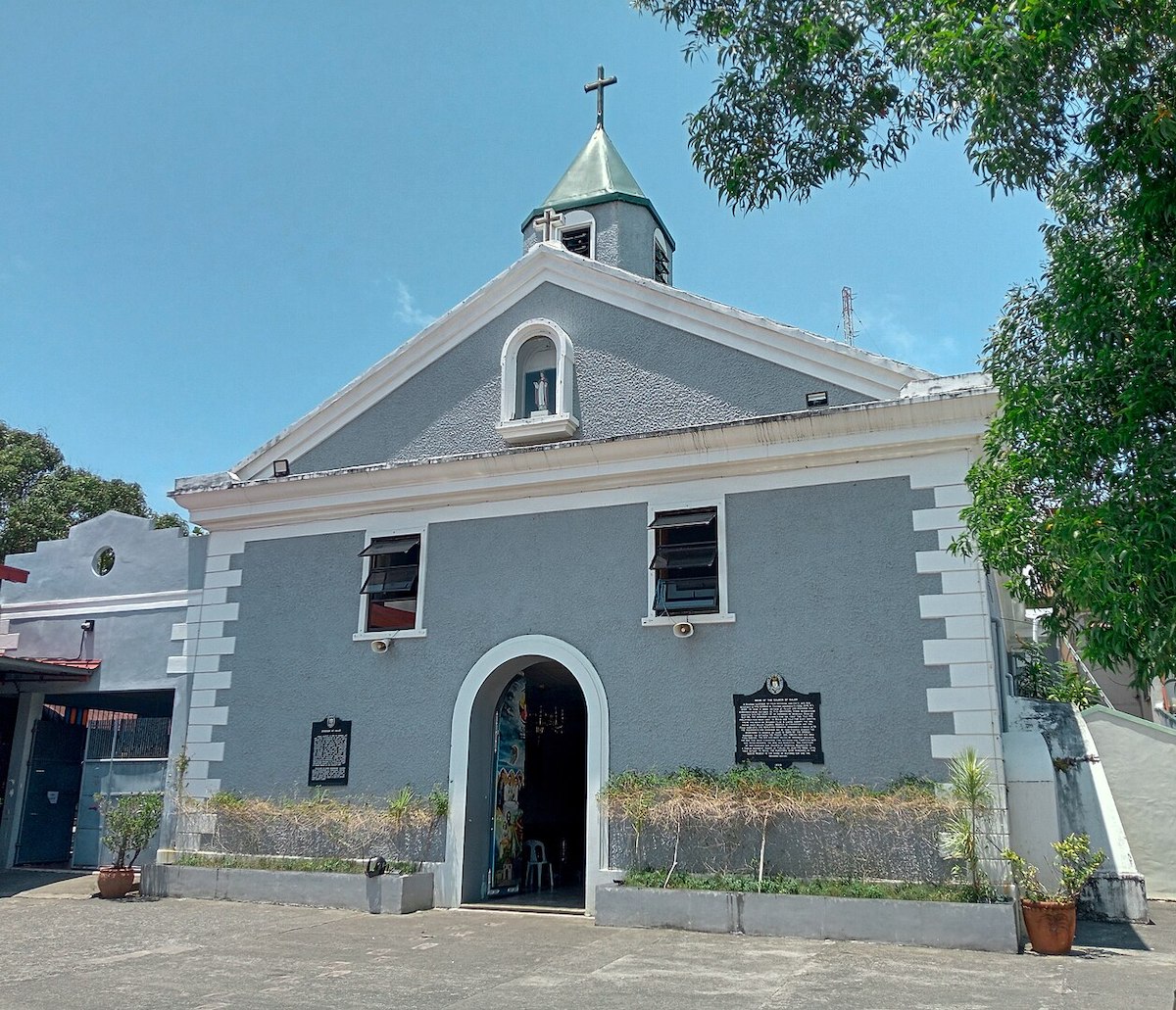
Built in 1733, this historic stone church is one of Aurora’s most important landmarks. It became famous during the Siege of Baler (1898–1899), when Spanish soldiers unknowingly held out for nearly a year after Spain had already surrendered the Philippines.
Today, the church remains a place of worship, reflection, and historical pride. Its weathered façade and quiet courtyard offer a glimpse into Baler’s past.
Location: Poblacion, Baler
Entrance fee: Free
Dress code: Modest attire recommended
3. Ermita Hill
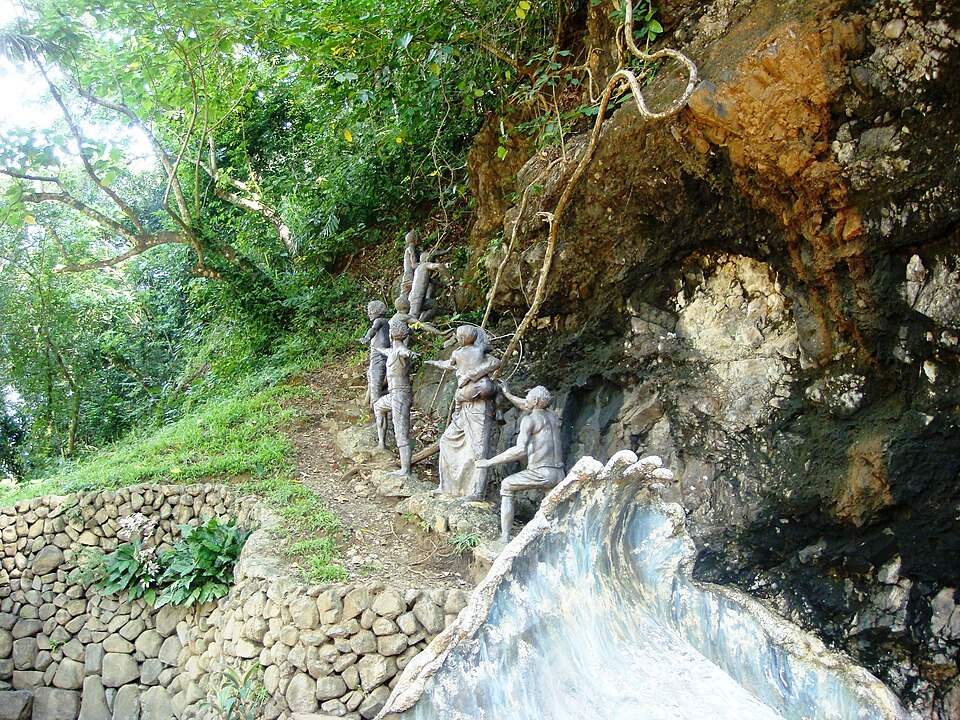
Ermita Hill provides one of the most breathtaking views in town. From its viewpoint, you can see the curve of Baler Bay, the vast Pacific Ocean, and the surrounding mountains.
A small chapel sits at the top, making this spot both scenic and spiritual. It is often included in every serious Baler Travel Guide for good reason.
Location: Sitio Zabali
Entrance fee: Free
Best time to visit: Sunrise
4. Museo de Baler

Museo de Baler is a small but informative museum that offers a deep dive into the history, culture, and heritage of Aurora province. Inside, you’ll find historical photographs, artifacts, traditional clothing, and exhibits about the Siege of Baler, local heroes, and indigenous Dumagat culture. There are also displays showcasing Baler’s transformation into a surfing destination.
The museum is well-organized, making it easy to explore even on a short visit. It’s an ideal stop for travelers who want cultural context before exploring the town. The entrance fee is usually around P50–P100 (about $1–$2 USD) per person.
5. Ditumabo Falls (Mother Falls)
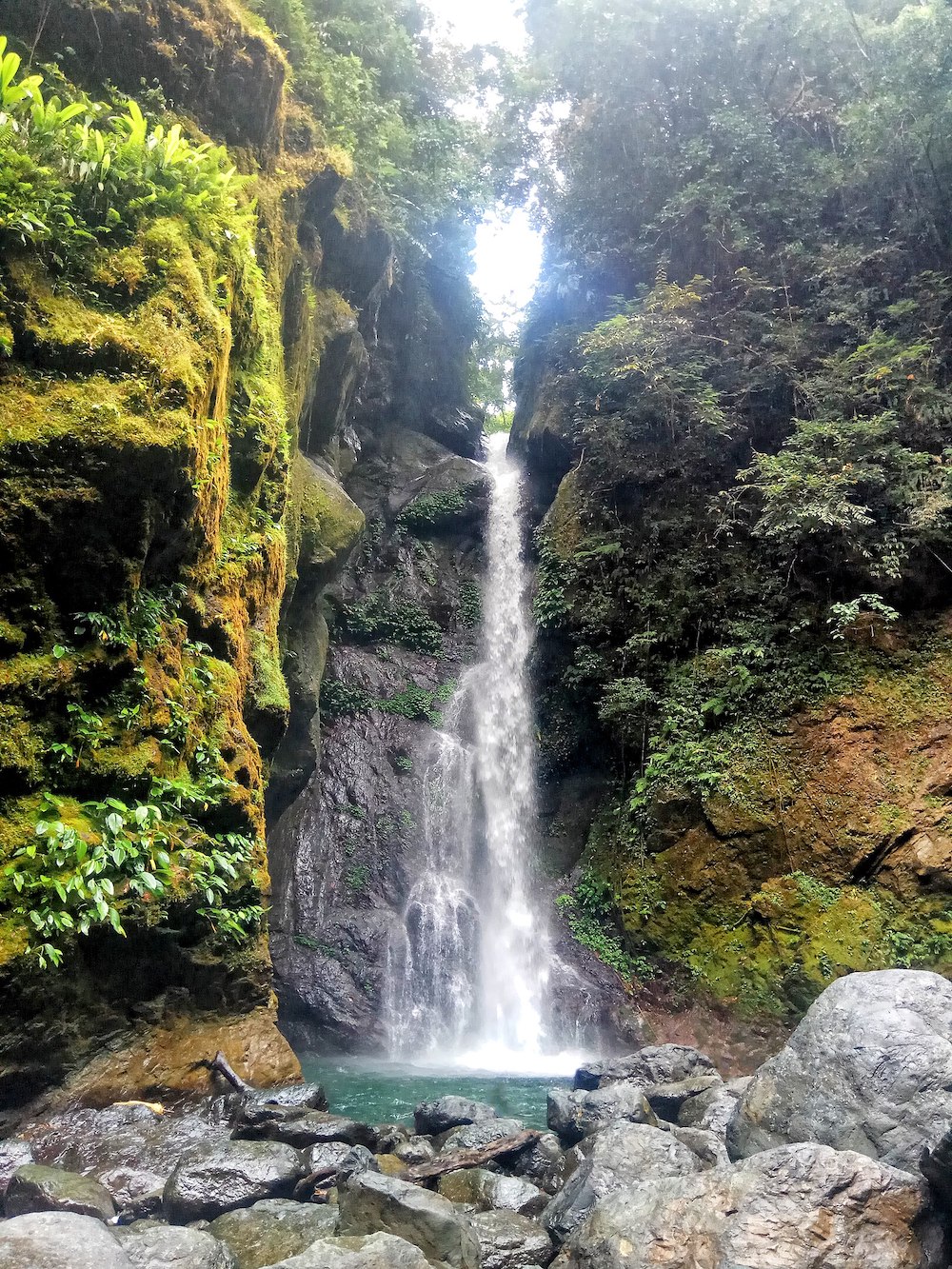
Ditumabo Falls, also known as Mother Falls, is one of Baler’s most breathtaking natural attractions, hidden deep within lush rainforest. The waterfall cascades powerfully into a wide, cool basin, making it perfect for swimming and relaxing after the trek. To get there, ride a tricycle or motorbike from town to Barangay Zabali, then walk about 30–40 minutes through rivers, bamboo bridges, and muddy forest trails.
Along the way, you’ll enjoy scenic jungle views and refreshing stream crossings. Activities include swimming, photography, and picnicking near the falls. Entrance and environmental fees usually range from P50 to P100 ($1–$2 USD). The difficulty level is moderate due to uneven terrain and river crossings.
Hidden Gems and Local Favorites
1. Diguisit Beach

Diguisit Beach is one of Baler’s most dramatic and photogenic coastal spots, known for its towering rock formations, sea-carved arches, and natural tide pools. Unlike Sabang Beach, it’s not ideal for swimming due to strong waves and rocky terrain, but it’s perfect for sightseeing and photography.
To get there, ride a tricycle or motorbike from Baler town proper, about 20–30 minutes north toward Dipaculao. The route offers scenic views of the ocean and the mountains. An environmental or entrance fee of around P20–P50 ($0.50–$1 USD) may be collected. Popular activities include exploring caves, tide pooling, sunset watching, and drone photography. Visit during low tide for safer exploration and better views.
2. Dicasalarin Cove
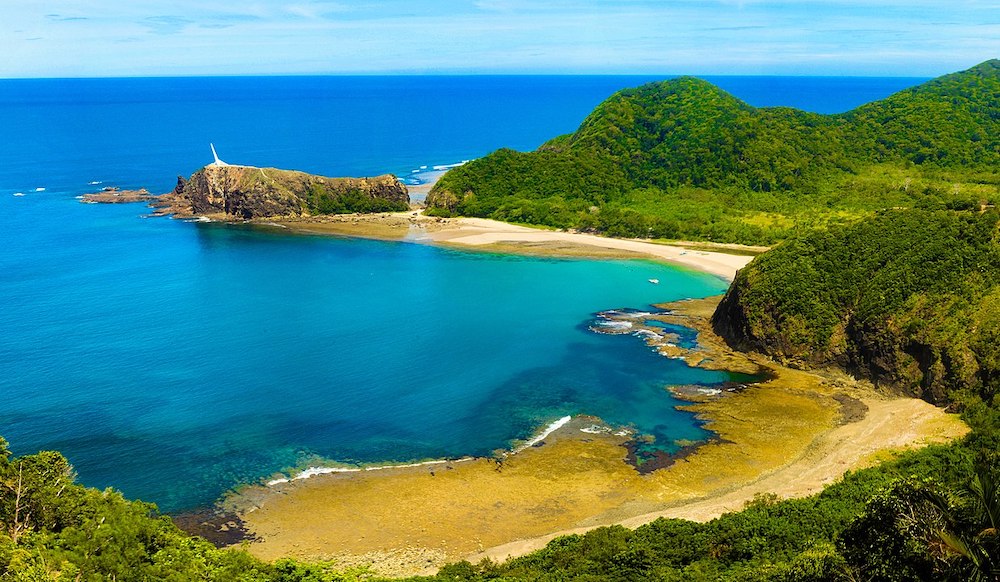
Dicasalarin Cove is a secluded, pristine beach north of Baler, known for its powdery white sand, clear turquoise waters, and peaceful atmosphere. It feels untouched and far from the crowds, making it perfect for travelers seeking solitude and natural beauty. To get there, you’ll need to arrange a guided trip or secure permission from the private caretakers, usually via local tour operators in Baler.
The journey involves a scenic drive followed by a short walk. Entrance or conservation fees typically range from P250 to P500 ($5–$9 USD). Activities include swimming, beachcombing, picnicking, photography, and relaxing under the shade of trees. Overall, Dicasalarin Cove offers a serene, postcard-perfect escape and is one of Baler’s most rewarding hidden gems.
3. Aniao Islet

Aniao Islet is a striking rock formation just off the coast of Baler, known for its rugged silhouette, crashing waves, and dramatic seascape views. It’s not a typical swimming destination, but rather a scenic stop for sightseeing, photography, and quiet reflection. To get there, ride a tricycle or motorbike from Baler town toward the northern beaches, often paired with a visit to Diguisit Beach.
Travel time is about 20–30 minutes. Access is usually free, though some locals may collect a small environmental fee of P20–P50 ($0.50–$1 USD). Activities include coastal walks, sunset watching, drone shots, and landscape photography. The overall experience is peaceful, raw, and visually stunning—perfect for travelers seeking dramatic coastal scenery.
4. Balete Tree (Millennium Tree)
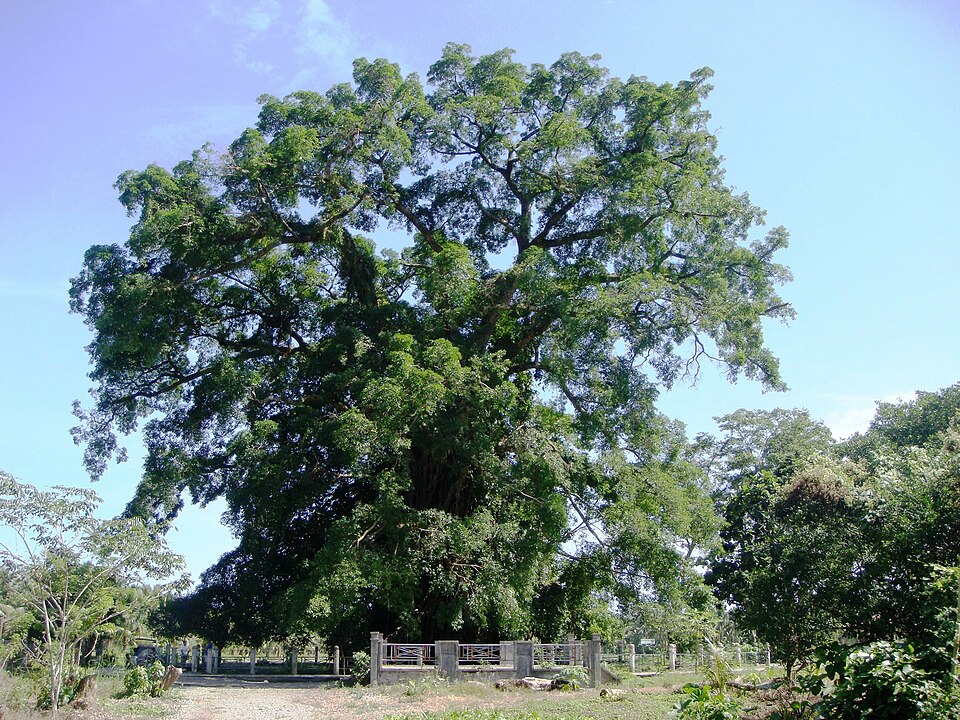
The Balete Tree in Baler, often called the Millennium Tree, is a massive, centuries-old tree known for its haunting beauty and sprawling roots. Surrounded by local legends and quiet forest scenery, it offers a peaceful stop for nature lovers and photographers. Visitors often take photos, relax under its shade, and admire the sheer scale of its trunk and tangled branches.
To get there, you can ride a tricycle or motorbike from Baler town proper, about 15–20 minutes away. The road is mostly paved and easy to navigate. A small environmental or entrance fee of around P20–P50 ($0.50–$1 USD) may be collected. Overall, the experience is calm, mystical, and refreshing.
Local Secret: Visit Diguisit Beach during low tide to safely explore its caves and rock pools.
For more activities and exciting things to do in Baler, read our Top Things to do in Baler, Aurora article.
Unique Experiences You Can Only Have in Baler
This Travel Guide goes beyond sightseeing—it helps you immerse yourself in local life.

Learn to Surf
Baler is one of the best places in Southeast Asia for beginner surfers due to its consistent, friendly waves and affordable lessons.
Typical prices:
Lessons: $10–15 per hour
Board rental: $5–8 per hour
Popular surf schools in Baler:
- Charlie Does Surf School
- Sabang Surf School
- Aliya Surf Camp
Sunrise Paddle-Out
Joining locals at dawn is peaceful, meditative, and unforgettable. The ocean is calm, and the sky often glows with soft pastels.
Beach Bonfire Nights
On weekends, spontaneous gatherings form along the beach with guitars, stories, and laughter. Tourists are often welcomed.
Waterfall Hopping
Aside from Ditumabo Falls, there are smaller, lesser-known cascades nearby. Ask locals for directions.
Stand-Up Paddleboarding
On calm mornings, the water near Sabang is perfect for paddleboarding.
Best Photography and Scenic Spots
Top spots include:
- Ermita Hill viewpoint
- Sabang Beach at sunset
- Ditumabo Falls
- Diguisit rock formations
- Baler Church courtyard
- Balete Tree
Photography tip: Overcast days often produce more dramatic skies and softer lighting.
4. Accommodation Guide – Where to Stay in Baler
Baler offers a wide range of accommodations, from budget surf hostels to private luxury villas. This section of the Baler Travel Guide helps you choose based on comfort, location, and travel style.
Budget-Friendly Stays ($50–100 per night)
Mid-Range Hotels ($100–250 per night)
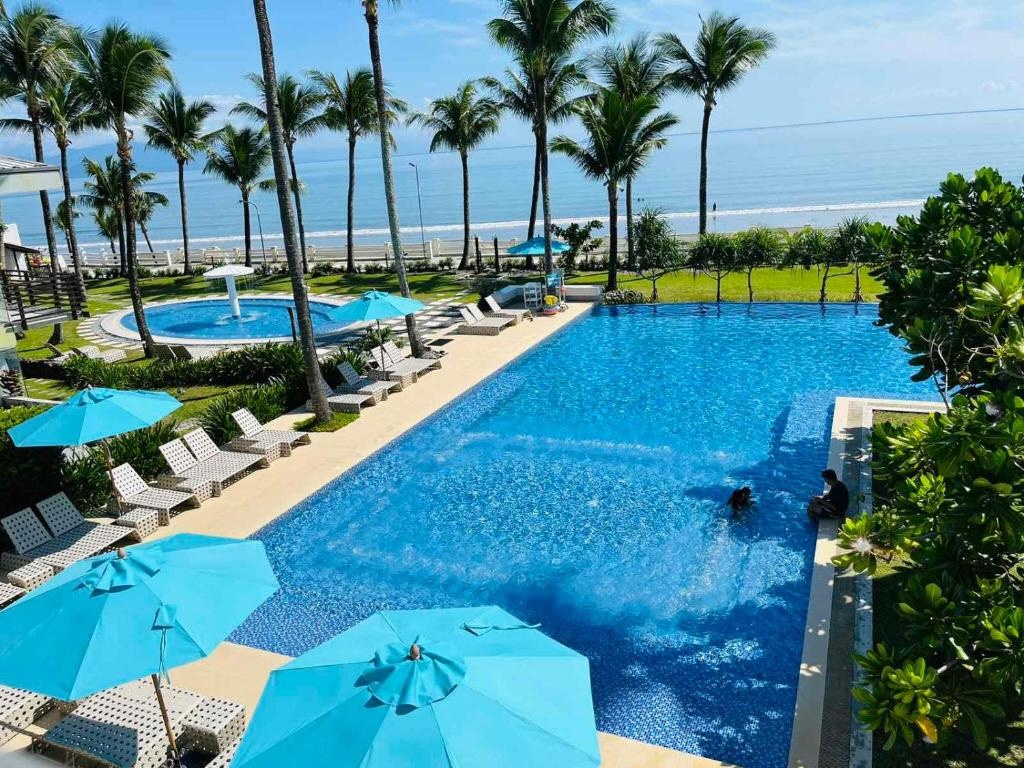
Costa Pacifica Resort
This is the most well-known resort in Baler. It features spacious rooms, a beachfront infinity pool, a spa, and an on-site restaurant. It feels luxurious without being overly formal.
Best for: Families, couples, comfort-seekers
Why stay here: Direct beach access, full amenities
Price range: $120–180 per night

L’Sirene Boutique Resort
L’Sirene Boutique Resort in Baler is a beachfront boutique resort offering relaxed coastal vibes just steps from the sea. Rooms are air-conditioned, modern, pool-facing, and feature private bathrooms, free Wi-Fi, and comfortable beds.
Facilities include outdoor swimming pools, private beach access, an on-site restaurant and bar, free parking, and water-sport options such as surfing and board rentals. Guests enjoy a peaceful ambiance, friendly staff, scenic views, and easy access to Baler’s famous waves for a laid-back getaway.
Best for: Honeymooners, couples
Why stay here: Quiet setting, personalized service
Price range: $130–200 per night
For more accommodation options, check our List of Best Hotels and Beach Resorts in Baler, Aurora.
Alternative Accommodations
Hostels
Popular options include Jam’s Surf Camp and Aliya Surf Camp. These are social, affordable, and ideal for solo travelers.
Airbnb and Homestays
You’ll find beachfront cottages, nipa huts, and family-run inns. Staying local directly supports the community, which this Baler Travel Guide strongly encourages.
Local Secret: Book early during long weekends, Holy Week, and surf competitions. Baler fills up quickly.
5. Food and Dining Guide – What to Eat in This Baler Travel Guide
Baler’s food scene is as relaxed and soulful as its surf culture. You’ll find a mix of traditional Filipino comfort food, fresh seafood, international café fare, and health-conscious surf camp menus. This Travel Guide focuses on dishes and spots that locals genuinely love.
Must-Try Local Dishes
Sinigang na Baboy (Sour Pork Soup)
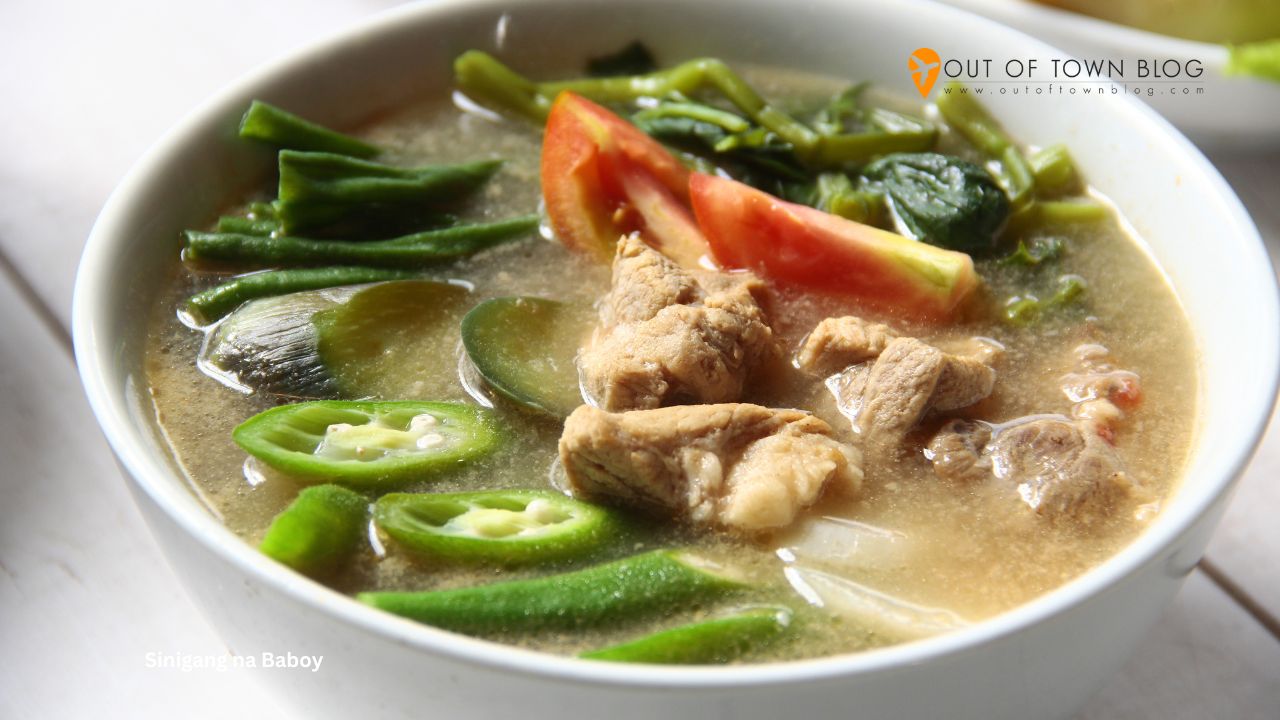
This iconic Filipino soup is made with pork simmered in a tamarind-based broth, giving it a tangy, savory flavor. It’s typically packed with vegetables like kangkong (water spinach), radish, and eggplant.
Why try it in Baler: After a long surf session or waterfall hike, locals often crave sinigang for its comforting warmth and refreshing sourness.
Where to try it: Local carinderias (small eateries) near the public market
Price: $3–5
Inasal-Style Grilled Chicken

Inspired by the famous Bacolod chicken, this version is marinated in calamansi, garlic, vinegar, and annatto oil, then grilled over charcoal. The result is smoky, juicy, and slightly tangy.
Why it’s special: It’s simple, bold, and deeply satisfying.
Price: $4–6
Kinilaw (Filipino Ceviche)
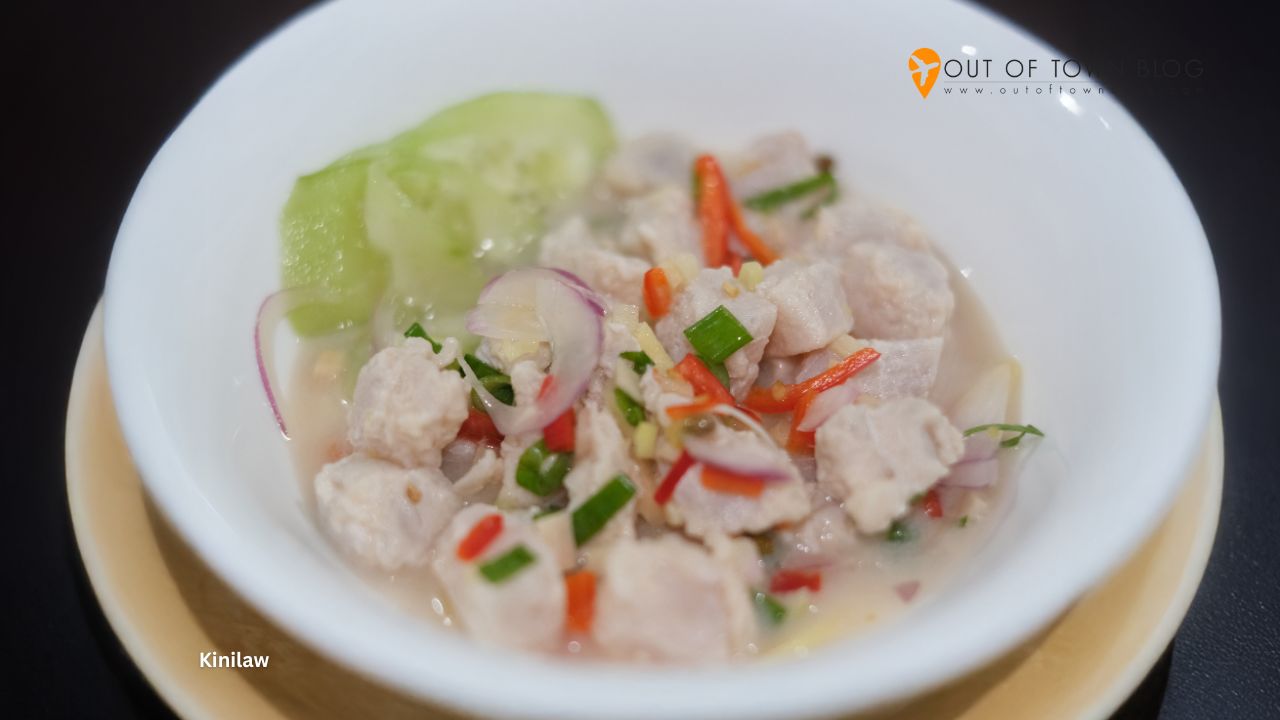
Kinilaw is made from fresh raw fish cured in vinegar or calamansi juice, mixed with ginger, onions, chili, and sometimes coconut milk. It’s refreshing, tangy, and slightly spicy.
Why try it here: Baler’s proximity to fishing communities means incredibly fresh seafood.
Price: $5–8
Choco-Banana Turon
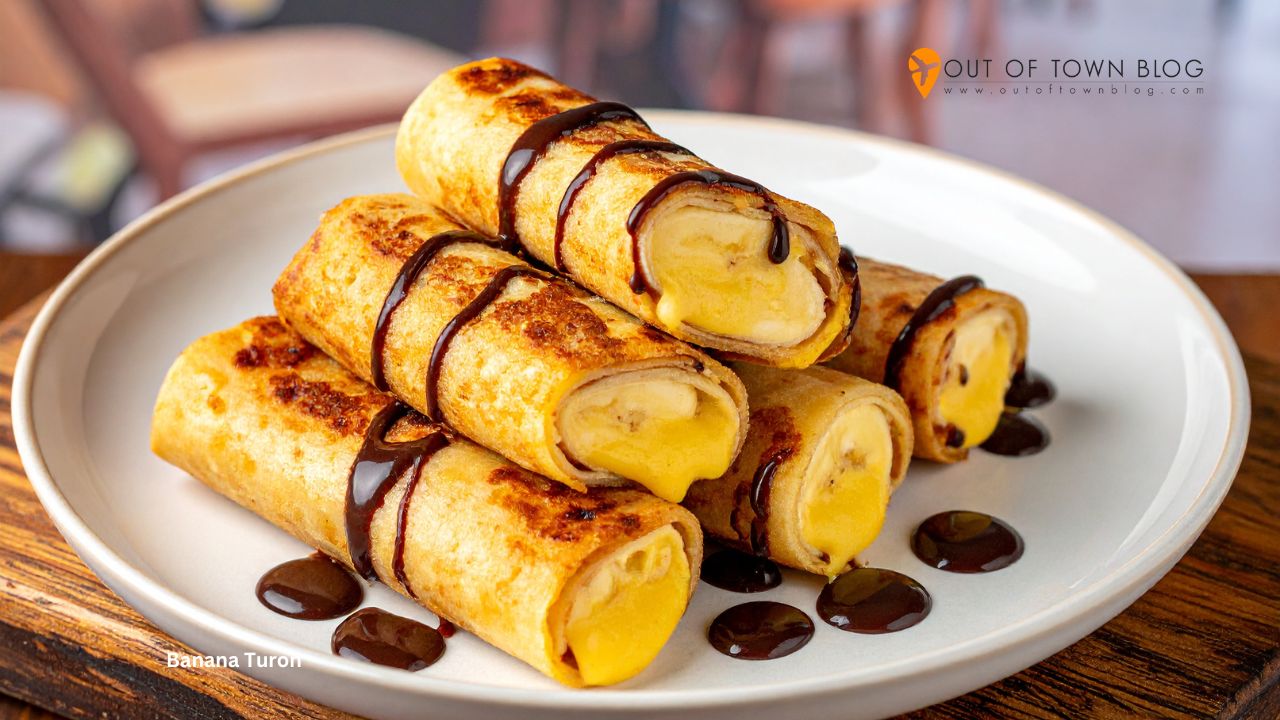
A local twist on the classic Filipino snack, this version of turon (fried banana rolls) is filled with chocolate and wrapped in crispy spring roll wrappers.
Why it’s popular: It’s cheap, filling, and perfect after a surf session.
Price: $1–2
Fresh Grilled Seafood
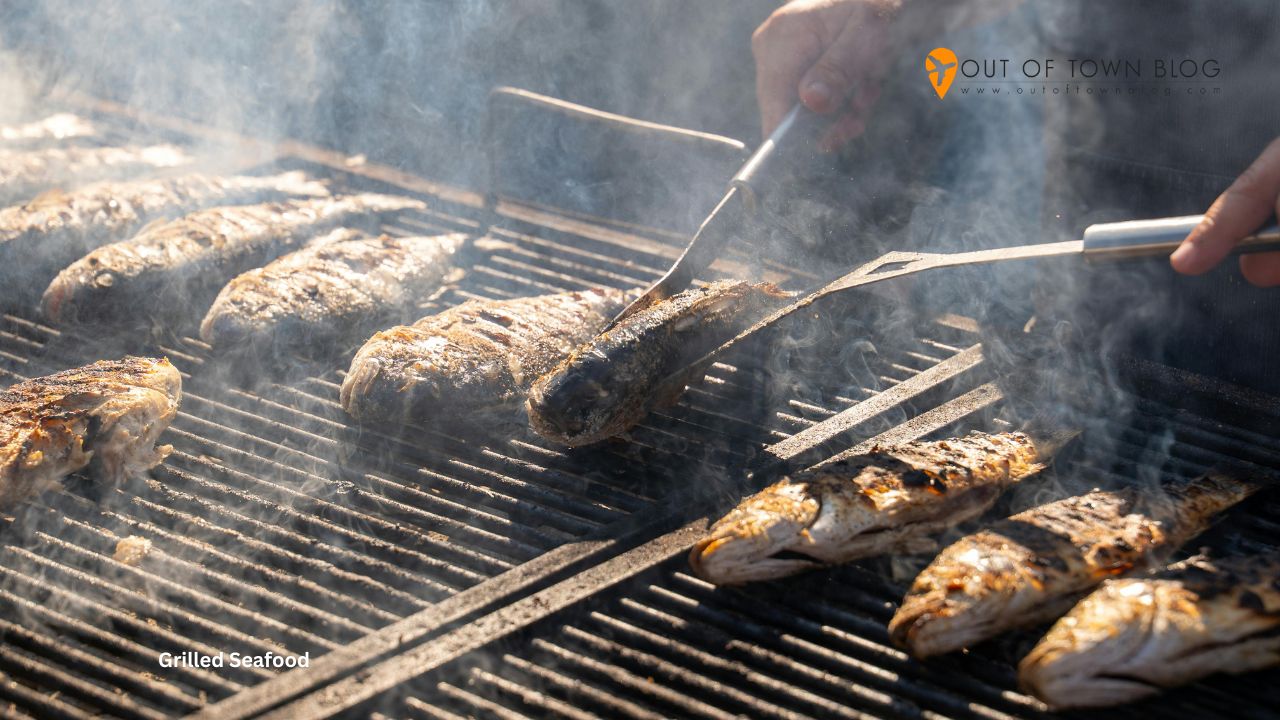
Expect simple preparations—salt, calamansi, and charcoal grilling. Popular options include squid, bangus (milkfish), shrimp, and tuna.
Where to find it: Small seaside eateries and weekend pop-up grills
Price: $8–15
Best Restaurants in Baler
Yellow Fin Bar and Grill
Yellow Fin is a favorite hangout for surfers and travelers. The menu leans toward Western comfort food—burgers, tacos, ribs, and cocktails.
Atmosphere: Casual, social, lively
What to order: Fish tacos, baby back ribs, mojitos
Price range: $8–12 per dish
Location: Sabang Beach area
Kubli Bistro
Kubli blends Filipino flavors with international influences. The interior is rustic and stylish, and it becomes a social hotspot at night.
Atmosphere: Cozy, creative, romantic
What to order: Seafood pasta, pork belly dishes, craft cocktails
Price range: $10–15 per dish
Location: Central Baler
Aliya Surf Camp Café
Aliya is known for its health-conscious menu, making it a popular stop for yogis, surfers, and digital nomads.
Atmosphere: Chill, bohemian
What to order: Smoothie bowls, vegetarian curries, fresh juices
Price range: $6–10
Location: Sabang
Charlie Does
This all-day breakfast spot is popular among locals and tourists alike.
Atmosphere: Bright, casual, friendly
What to order: Pancakes, silog meals (Filipino breakfast plates), coffee
Price range: $5–9
Location: Near Sabang Beach
Local Carinderias
Small, family-run eateries serve authentic Filipino meals at affordable prices.
What to expect: Rice meals with stews, grilled meats, and vegetables
Price range: $2–4
Local Secret: Follow the construction workers, tricycle drivers, and students—those carinderias usually serve the best food.
Street Food Safety and Where to Find It
Street food is a big part of Baler’s charm. You’ll find banana cue, fish balls, kwek-kwek (battered quail eggs), and grilled snacks in the evenings.
Safety tips:
- Choose stalls with high turnover
- Avoid food sitting out too long
- Watch food being freshly cooked
Best areas:
Public market area
Sabang Beach evenings
Dietary Restrictions and Alternatives
Vegetarian-friendly: Aliya Café, Secret Spot Café
Vegan options: Limited but available—ask for vegetable curries and tofu dishes
Gluten-free: Grilled seafood, rice meals, and fresh fruit
6. Local Culture and Etiquette – Understanding Baler Through This Travel Guide
Baler is laid-back, but cultural respect matters deeply. This section of the Baler Travel Guide helps you blend in.
Important Cultural Norms
- Respect for elders is fundamental. Adding “po” and “opo” to your sentences is seen as polite.
- Time is flexible. Don’t expect rigid schedules.
- Hospitality is sincere. If you’re invited into someone’s home, it’s a genuine gesture.
Do’s and Don’ts
Do greet people when entering small shops.
Do ask permission before photographing locals.
Dress modestly when visiting churches.
Do clean up after yourself on beaches.
Don’t litter—this is a serious issue in coastal towns.
Don’t be loud late at night in residential areas.
Don’t haggle aggressively.
Tipping Practices
Tipping is not mandatory but appreciated.
Tricycle drivers: Round up the fare
Restaurants: 5–10% if the service was great
Surf instructors: Optional but kind
Local Festivals and Seasonal Events
Aurora Foundation Day (February)
This celebrates the province’s founding. Expect parades, cultural shows, and food fairs.
Surf Competitions (October–November)
These bring surfers from all over the country and create a festive, energetic atmosphere.
Holy Week (March or April)
Baler becomes extremely busy. Many Filipinos travel during this time.
Local Secret: To experience Baler’s authentic daily rhythm, avoid long weekends and national holidays.
Responsible and Sustainable Travel in Baler
This Travel Guide strongly promotes responsible tourism. Baler’s natural beauty is its greatest asset—and its greatest vulnerability.
How You Can Help
- Use refillable water bottles
- Avoid single-use plastics
- Support locally owned businesses
- Don’t step on coral or disturb marine life
- Stick to established trails when hiking
When choosing accommodations, look for eco-conscious operations. When buying souvenirs, support local artisans.
7. Practical Tips and Safety – Essential Advice in This Baler Travel Guide
Baler is generally safe, relaxed, and welcoming. Still, like any destination, being prepared will help you avoid unnecessary stress. This Baler Travel Guide focuses on practical advice you can actually use.
Health and Safety Considerations
Baler has a small-town medical system, so basic precautions are important.
- Bring basic medications such as pain relievers, allergy pills, and motion sickness tablets. The mountain roads can be winding.
- Use insect repellent, especially in forested and waterfall areas.
- Wear reef-safe sunscreen. The sun can be intense, even on cloudy days.
- Avoid swimming during stormy weather. Strong Pacific currents can be dangerous.
- If you plan to surf, listen to your instructor. Pacific swells can be powerful.
What to Pack for Baler
This Baler Travel Guide recommends packing light but smart.
Essentials:
- Lightweight, breathable clothing
- Swimsuits
- Flip-flops or sandals
- Comfortable walking shoes
- Rash guard for surfing
- Small backpack or dry bag
- Power bank
- Reusable water bottle
- Travel towel
- Waterproof phone pouch
Optional but helpful:
- Snorkel mask
- Compact umbrella
- Portable fan
- Earplugs (if staying near the beach)
What to Wear
Baler is casual. No one expects fancy outfits.
During the day:
Shorts, tank tops, loose shirts, sundresses
In town and churches:
Modest clothing covering shoulders and knees
At night:
Light layers, as coastal breezes can be cool
When hiking or visiting waterfalls:
Quick-dry clothing, water shoes, and secure sandals
Money-Saving Tips
This Travel Guide is built for travelers who want value without sacrificing experience.
- Eat at local carinderias. You can enjoy authentic meals for under $4.
- Rent a motorbike instead of relying on tricycles for multiple trips.
- Book surf lessons in bundles.
- Travel during weekdays for lower accommodation prices.
- Share tricycle rides when possible.
- Bring snacks from town if you’re heading to remote beaches or waterfalls.
Emergency Contacts and Useful Information
Police and emergency hotline: 911
Baler Municipal Police Station: Ask locals for the current number
Baler Rural Health Unit: Located near the town center
It’s wise to save offline maps and contact numbers, as mobile data can be unreliable in remote areas.
Useful Local Phrases
This Travel Guide recommends learning a few phrases to connect with locals:
Salamat – Thank you
Magandang araw – Good day
Magkano ito? – How much is this?
Saan ang banyo? – Where is the bathroom?
Pwede po ba? – May I?
Adding “po” to your sentences shows respect.
8. Souvenir Shopping – What to Bring Home From Baler
Souvenirs in Baler are simple, meaningful, and often handmade.
Popular Local Souvenirs
Peanut brittle and yema
These sweet treats are locally made and easy to pack.
Woven bags and baskets
Crafted by local artisans, often from native fibers.
Surf-themed shirts and accessories
Support local surf shops instead of mass-produced items.
Handmade jewelry
Often made from shells, wood, or recycled materials.
Best Places to Buy Souvenirs
Baler Public Market
This is where you’ll find the most authentic and affordable items.
Sabang Beach stalls
Great for surf-themed souvenirs and handmade crafts.
Local pop-up shops
Appear during weekends and festivals.
Night Markets and Weekend Stalls
Baler doesn’t have permanent night markets, but pop-up food and souvenir stalls often appear near Sabang Beach during weekends and holidays.
Local Secret: Ask your tricycle driver where the current food and souvenir stalls are. They always know.
9. Suggested Itineraries – Planning Your Trip With This Baler Travel Guide
3-Day Express Itinerary
Day 1
Arrive in Baler
Check in to your accommodation
Walk along Sabang Beach
Sunset at Ermita Hill
Dinner at a beachfront restaurant
Day 2
Early morning surf lesson
Breakfast near Sabang
Visit Museo de Baler
Explore Baler Church
Afternoon trip to Ditumabo Falls
Evening bonfire or quiet dinner
Day 3
Visit Diguisit Beach
Stop by the Balete Tree
Souvenir shopping at the public market
Lunch in town
Departure
Off-the-Beaten-Path Alternative Route
This itinerary is ideal for travelers who want fewer crowds.
Day 1
Sunrise walk at Sabang
Hidden café breakfast
Visit a local fishing village
Quiet beach time
Day 2
Guided trip to Dicasalarin Cove
Waterfall hopping
Picnic lunch
Sunset photography session
Day 3
Local cooking experience or market visit
Journaling or yoga by the beach
Slow lunch
Departure
Baler is not just a destination—it is a rhythm, a feeling, a quiet kind of joy that sneaks up on you. It’s the sound of waves before sunrise, the smell of grilled seafood drifting through the air, the sight of surfers waiting patiently for the perfect set, and the gentle warmth of people who still greet strangers with sincerity.
This Baler Travel Guide was created to help you experience the town beyond the surface—to move more slowly, listen more, and travel with intention. When you choose local businesses, respect the land, and leave places better than you found them, you become part of the story rather than just a visitor.
Whether you came for the waves, the waterfalls, the history, or the peace, Baler has a way of staying with you. Long after you’ve left, you’ll find yourself thinking about its sunsets, its silence, and its simplicity.
Let this Baler Travel Guide be your companion as you explore one of the Philippines’ most soulful coastal towns. Pack lightly, travel kindly, and allow Baler to surprise you.
Manila Travel Tour Packages You Should Try
Follow and subscribe to OutofTownBlog.com on Facebook, Twitter, Instagram, Pinterest, and YouTube for more Travel-related updates.
Read:
- Top Road Trip Destinations in Luzon, Philippines
- National Museum of the Philippines–Baler: Discover Aurora’s Newest Cultural and Heritage Destination
- Iligan City Travel Guide
- Top 15 Things to Do in Misamis Oriental


