

 Melo Villareal
Discover Stavanger: 15 Best Attractions and Activities
There are plenty of reasons to put Stavanger on a Norway itinerary, but what makes the city especially appealing is how easily urban charm and wild nature come together. You can spend the morning strolling past centuries-old wooden houses, stop for coffee on a colorful street, and be surrounded by mountains and fjords before the day is over.

Best Things to Do in Stavanger
Stavanger, in southwestern Norway, is best known as the starting point for adventures into the Lysefjord, including the famous hike to Preikestolen. Yet the city has plenty to offer even when you are not wearing hiking boots. Its museums tell stories about fishing, shipping, canning, and the petroleum industry, while its restaurants, cafés, waterfront, and creative neighborhoods provide plenty of reasons to slow down.
Whether your idea of a perfect holiday involves a challenging hike, a scenic boat ride, historic architecture, photography, or simply wandering around without a strict schedule, Stavanger delivers. Here are 15 experiences worth adding to your trip.
1. Make the Hike to Preikestolen
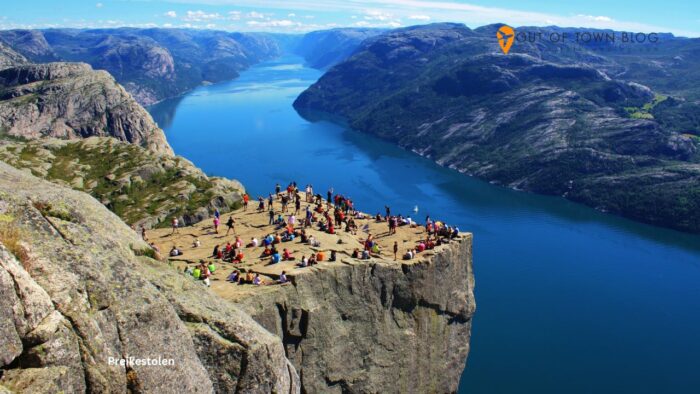
Preikestolen, or Pulpit Rock, is the attraction most closely associated with Stavanger, and for good reason. The spectacular cliff rises approximately 604 meters above the Lysefjord, creating one of Norway’s most recognizable viewpoints.
Reaching the viewpoint involves traveling outside Stavanger to the trailhead and then hiking through a varied landscape of woodland, exposed rock, and mountain terrain. It is not a technical climb, but it is still a proper hike, so comfortable hiking shoes, water, snacks, and weather-appropriate clothing are essential.
Then comes the moment that makes all the effort worthwhile. As the trail reaches the top, the landscape opens dramatically, revealing the Lysefjord stretching between steep mountains far below. It is an impressive view even for travelers who have already seen countless photographs of it.
Preikestolen has also attracted international attention because it featured in Mission: Impossible – Fallout. But the movie connection is really just an extra reason to visit. The combination of physical activity and spectacular scenery is what makes this hike so memorable.
For many visitors, reaching the summit becomes the defining moment of their trip to Stavanger. If your schedule allows only one major outdoor adventure, this is the one I would prioritize.
2. See the Lysefjord From the Water
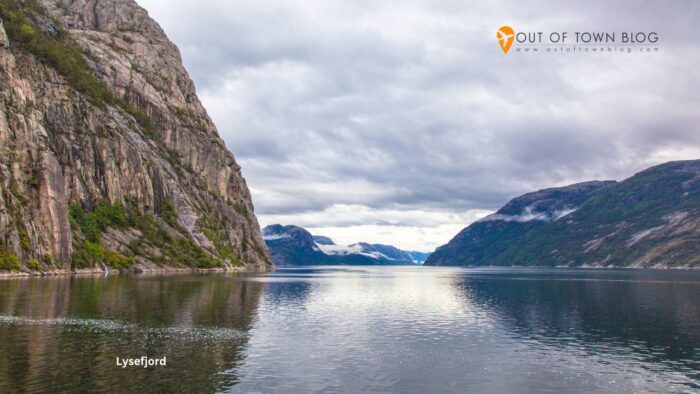
You can appreciate Norway’s famous fjord scenery without climbing a mountain. A boat trip through the Lysefjord offers a much more relaxed way to experience the dramatic landscape around Stavanger.
The fjord extends for roughly 42 kilometers, with steep mountains, waterfalls, rocky cliffs, and forested slopes lining its shores. Traveling through it by boat gives you a sense of scale that photographs simply cannot reproduce.
There are several ways to experience the fjord. Traditional sightseeing cruises are ideal if you want to sit comfortably, take photographs, and concentrate on the scenery. For something more energetic, RIB excursions provide a much faster ride and a more adventurous way to explore the water.
One of the highlights is seeing Preikestolen from below. Viewed from the fjord, the famous cliff looks even more imposing and gives you a completely different appreciation of the landscape.
A Lysefjord cruise is also a smart choice for travelers who are not interested in tackling a demanding hike. Families, older visitors, and anyone who simply prefers sightseeing from the water can enjoy the same extraordinary surroundings.
After spending time in Stavanger’s streets and museums, a day on the fjord is a wonderful change of pace. It is scenic, relaxing, and unmistakably Norwegian.
3. Get Lost in Gamle Stavanger
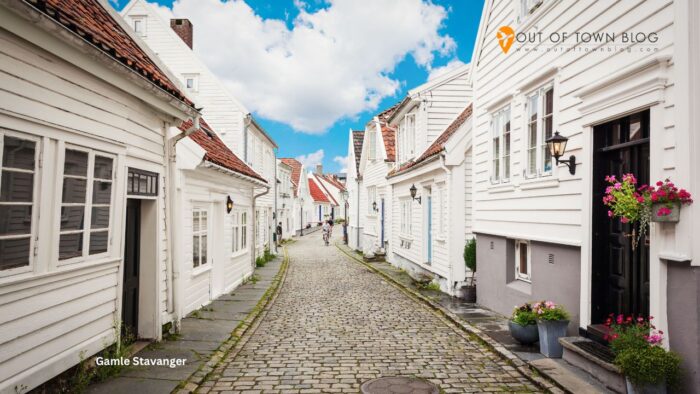
Gamle Stavanger is one of the most charming parts of the city, and it is best explored without rushing. The historic neighborhood contains about 173 wooden houses, creating one of the largest collections of its kind in Europe.
Most of the homes are painted white and sit along quiet streets lined with small gardens and flowers. The setting is remarkably photogenic, but the neighborhood is more than just a pretty backdrop.
Streets such as Øvre Strandgate offer a glimpse of what Stavanger looked like before the city became known internationally for its petroleum industry. The area was once home to working families connected with the fishing, shipping, and canning industries that helped build the local economy.
Take time to look beyond the architecture. Small details around the houses, gardens, doors, windows, and streets make the experience much more enjoyable than simply walking through and checking it off your sightseeing list.
The nearby Norwegian Canning Museum makes a natural companion to a visit here, particularly if you want to understand how the neighborhood fits into Stavanger’s industrial history.
What makes Gamle Stavanger so appealing is its atmosphere. There is no need to search for a dramatic landmark. The charm comes from the entire neighborhood and the pleasure of walking through streets that have retained their historic character.
4. Take Photos Along Fargegaten
If Gamle Stavanger represents the city’s traditional side, Fargegaten shows off a much more playful personality. Located along Øvre Holmegate, this colorful street has become one of Stavanger’s most well-known spots for photographs.
The façades are painted in bright colors, while cafés, restaurants, shops, and creative businesses bring the street to life. It is compact enough to explore on foot but interesting enough to keep you looking around for details.
Rather than treating Fargegaten as a quick photo stop, stay awhile. Find a café, browse the local businesses, and soak in the neighborhood’s rhythm. The colorful buildings make almost every corner photograph-friendly, especially for urban photographers.
Fargegaten also works well as part of a wider walking route through central Stavanger. You can combine it with the harbor, museums, historic streets, and other attractions without making a separate trip.
The contrast with Gamle Stavanger is part of its appeal. Within a relatively short distance, you can move from traditional white wooden homes to brightly colored contemporary architecture.
That combination captures something important about Stavanger itself. The city respects its history but is not afraid to experiment with its identity. For travelers looking for a lighter, more contemporary experience between museum visits and outdoor adventures, Fargegaten is an easy favorite.
5. Discover Stavanger’s Oil Story at the Norwegian Petroleum Museum
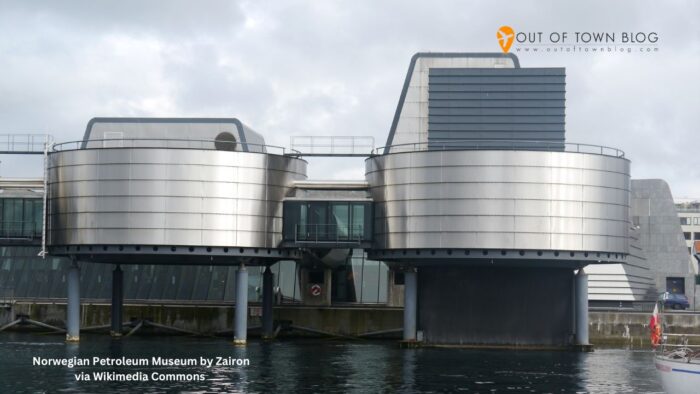
Stavanger’s modern identity is impossible to understand without learning about the petroleum industry, and the Norwegian Petroleum Museum is the best place to start.
The museum is located beside the waterfront, and its unusual exterior was designed to resemble an offshore oil platform. Inside, visitors can explore exhibits explaining everything from the formation of petroleum to offshore drilling, transportation, and the daily realities of working at sea.
There are models, equipment, photographs, interactive displays, and other exhibits that make the subject much easier to understand than you might expect.
The museum is particularly worthwhile because petroleum has had such a profound effect on Stavanger. The industry helped transform the city and played a major role in Norway’s modern economy. Seeing that story explained inside the museum adds context to what you will encounter elsewhere in Stavanger.
The museum does not simply present oil as an economic success story. It also considers wider questions about energy and climate change, giving visitors a more balanced understanding of the industry’s significance.
Even travelers who would normally skip an oil museum may find this one worthwhile because it explains so much about the place they are visiting. And if rain interrupts your outdoor plans, this is one of the city’s best indoor alternatives.
6. Step Inside Stavanger Cathedral
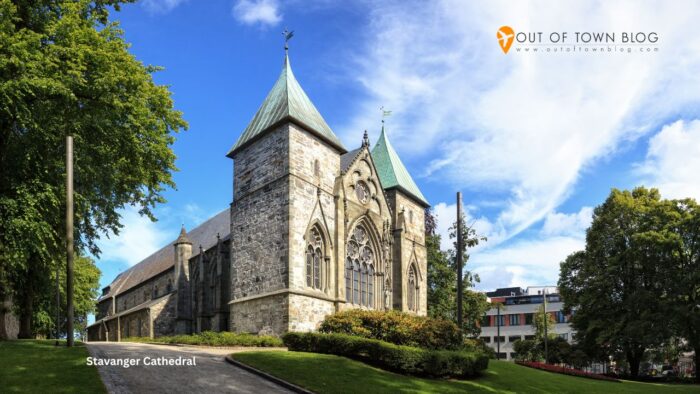
Stavanger Cathedral is impossible to miss when exploring the city center. Dating back to the Middle Ages, it is one of Stavanger’s most important historic landmarks and has an unusually long connection with the city’s religious life.
The cathedral is especially notable because it is the only medieval cathedral in Norway that has preserved its original architecture and remained in continuous use for worship.
Inside, the atmosphere is calm and distinctly different from the busy streets outside. Spend a little time looking at the architecture and historic details rather than treating the building as a quick photo opportunity.
Its central position also makes the cathedral convenient to visit while exploring other parts of Stavanger. You can easily work it into a walking day that includes the waterfront, historic neighborhoods, shopping streets, and museums.
The cathedral offers a useful reminder that Stavanger’s history stretches far beyond the modern petroleum era. Today, the city is known for business, tourism, restaurants, and outdoor adventures, but its roots go back hundreds of years.
You do not need to devote an entire afternoon to the cathedral. A short visit is enough to appreciate its significance and historic character. For anyone interested in architecture or Norwegian history, however, it is an essential stop in the city.
7. Visit the Swords in Rock at Hafrsfjord
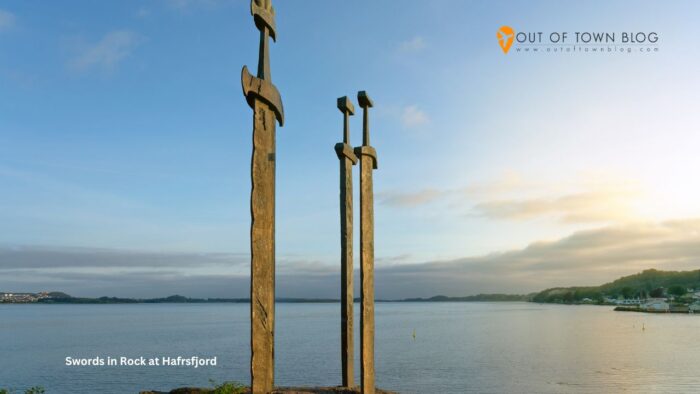
Three enormous swords rising from the rocks beside Hafrsfjord create one of the most unusual sights in the Stavanger area. Known as Sverd i fjell, or Swords in Rock, the monument commemorates the Battle of Hafrsfjord.
The battle is traditionally dated to around 872 and is associated with Harald Fairhair’s efforts to unite Norway into a single kingdom. The three swords represent peace, unity, and freedom.
The monument was created by sculptor Fritz Røed and unveiled in 1983. While the historical story is fascinating, the location itself is another reason to make the trip.
The swords stand beside the fjord, with hills and water providing a dramatic backdrop for photographs. Møllebukta, located nearby, is also a pleasant area for walking and enjoying the waterfront.
It is worth staying longer than the few minutes needed to take a photograph. If the weather cooperates, spend some time exploring the surrounding area and appreciating the view across Hafrsfjord.
History enthusiasts will naturally be drawn to the Viking Age connection, while other travelers may simply enjoy the unusual monument and beautiful setting.
The attraction is also relatively easy to fit into a Stavanger itinerary. It does not require a full-day excursion, making it a useful stop when you want to add a little history and scenery to your sightseeing.
8. Search for Stavanger’s Street Art
Stavanger has developed an impressive reputation for street art, giving visitors another reason to explore the city on foot. The city’s connection with the Nuart street-art festival helped establish it as an important destination for contemporary urban art.
The fun is that there is no single street-art attraction to visit. Instead, you have to keep looking as you walk around. Large murals can appear on building walls, while smaller works may be tucked into corners or side streets.
This makes exploring the street art feel a little like a treasure hunt. You might start around the city center and gradually discover pieces you had not planned to see.
The experience works particularly well alongside other sightseeing. Stop by Fargegaten, have coffee, wander toward the harbor, and keep your eyes open for artwork along the way.
It is also a great activity for photographers. The murals add bold visual elements to Stavanger’s historic architecture and create plenty of opportunities for interesting photographs.
What makes the street-art scene especially appealing is the way it contrasts with the city’s older buildings. Stavanger can feel deeply historic in one street and distinctly contemporary in the next.
For travelers who like discovering the less traditional side of a destination, this is one of the most enjoyable ways to experience Stavanger.
9. Escape to Flor & Fjære

A visit to Flor & Fjære is unlike most of the other experiences on this list. Situated on Sor-Hidle island, the attraction combines beautifully landscaped gardens, unusual plants, food, and fjord scenery into a memorable day trip.
The journey begins with a boat ride from Stavanger, which already makes the outing feel like an adventure. Once you reach the island, the landscape changes dramatically. Instead of seeing only the rugged mountains and cool northern scenery associated with Norway, you find colorful gardens filled with flowers, palms, trees, and carefully designed landscapes.
Visitors explore the gardens as part of an organized experience that may include a guided tour and a meal. That makes Flor & Fjære more than a simple garden visit. It is an experience built around nature, design, food, and the surrounding fjord environment.
It is particularly appealing after a strenuous day of hiking. Here, you can take things slowly, stroll through the gardens, take photographs, enjoy a meal, and appreciate the scenery without worrying about reaching a mountain summit.
Flor & Fjære is also a reminder that the Stavanger region has plenty of variety. The area may be famous for dramatic cliffs and fjords, but this colorful garden destination offers a completely different experience.
If you appreciate gardens, photography, food, or beautiful landscape design, this is one day trip you should seriously consider.
10. Hike Up Dalsnuten
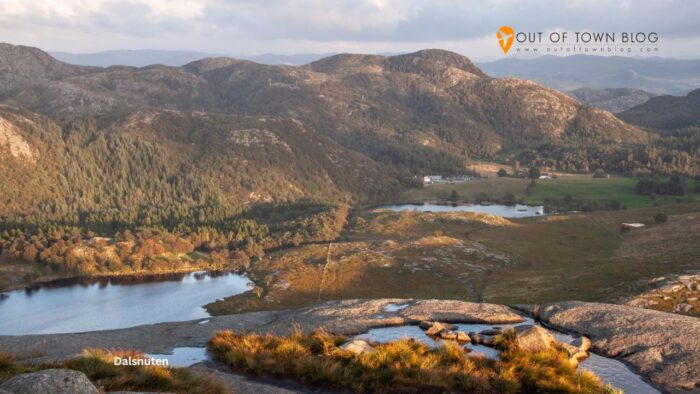
Not every mountain experience around Stavanger has to involve a major expedition. Dalsnuten, near Sandnes, is a great option if you want to get outdoors and enjoy panoramic views without taking on one of the region’s most demanding hikes.
The mountain reaches approximately 324 meters and offers sweeping views across the surrounding countryside, including mountains, lakes, fjords, and urban areas.
The trail passes through varied terrain, including woodland and rocky sections, before opening up toward the summit. The changing scenery keeps the walk interesting, and the views become increasingly impressive as you climb.
Dalsnuten is particularly useful for travelers with limited time. You can enjoy a proper mountain outing without dedicating an entire day to it, leaving room for other Stavanger attractions.
That does not mean you should treat it casually. Good footwear and preparation for changing weather are still important, but the hike is a more approachable choice than some of the region’s major adventures.
Once you reach the top, take a break and enjoy the scenery instead of immediately heading back down. Bring a few snacks and make the most of the viewpoint.
For travelers who want to experience the outdoors, get some exercise, and enjoy beautiful views without committing to an extremely demanding hike, Dalsnuten is a very good choice.
11. Learn About Stavanger’s Canning Heritage
The Norwegian Canning Museum is one of those attractions that can completely change the way you understand a destination. Located inside a former canning factory in Gamle Stavanger, it tells the story of an industry that once played a major role in the city’s economy.
The exhibits explore how seafood, particularly sardines, was processed and packed for export. More importantly, the museum introduces visitors to the people whose lives were connected with the industry.
Because the museum is housed in a former factory, the experience feels much more tangible than reading about canning in a textbook. You can get a better sense of how the workplace functioned and why the industry mattered to Stavanger.
The location also makes it easy to combine a visit to the museum with a trip to Gamle Stavanger. After admiring the historic houses, you can learn about the working communities and industries that helped shape the neighborhood.
This is an important part of Stavanger’s story because the city’s economic history did not begin with oil. Fishing, seafood processing, shipping, and trade were all important long before petroleum transformed the region.
The museum also includes a printing museum, giving visitors another opportunity to explore traditional industry and craftsmanship.
For travelers who enjoy discovering the stories behind a destination, this is a worthwhile stop. It may not have the instant visual appeal of Preikestolen, but it adds depth to your understanding of Stavanger.
12. Explore the Stavanger Maritime Museum
The sea has shaped Stavanger for centuries, and the Stavanger Maritime Museum explains just how important that relationship has been.
Located near the historic waterfront, the museum explores subjects including shipping, fishing, trade, and seafaring. Its setting is particularly appropriate because the harbor outside was once at the heart of the city’s commercial life.
Inside, exhibits provide insight into the people who depended on the sea, from sailors and merchants to shipbuilders and fishermen. The stories help explain how Stavanger developed from a maritime community into the modern city visitors encounter today.
One of the best ways to appreciate the museum is to visit the surrounding waterfront. After learning about the city’s maritime past, the historic buildings and boats outside become easier to understand.
The museum is also a practical choice when the weather is not cooperating. Rain is part of life in southwestern Norway, and having a few worthwhile indoor attractions can make your itinerary much easier to manage.
For anyone interested in local history, boats, architecture, or maritime culture, this museum is worth the time.
It also pairs naturally with the Norwegian Petroleum Museum. One explains the maritime and commercial foundations of Stavanger, while the other explores the petroleum industry that later transformed the city’s economy. Together, they tell a much more complete story of how Stavanger became the city it is today.
13. Experience the Iron Age at Jernaldergården
At Jernaldergården, or the Iron Age Farm, you can step much further back into Stavanger’s past. Located in the Ullandhaug area, the attraction recreates an Iron Age farm and provides an idea of how people in the region lived thousands of years ago.
Instead of simply looking at archaeological objects behind glass, visitors can explore reconstructed buildings and learn about everyday life, including farming, food, housing, tools, and traditions.
That makes the experience especially appealing to families. Children can see the type of homes people lived in and begin to imagine what daily life looked like before modern technology and conveniences.
Adults interested in archaeology and Norwegian history will also find the site worthwhile because it provides a physical connection to a period that can otherwise feel very distant.
The location is another bonus. Ullandhaug offers attractive views across the Stavanger area, so you can combine your visit with a walk and enjoy the surrounding landscape.
The Iron Age Farm is an excellent choice if you want to look beyond Norway’s familiar Viking Age stories. The region’s history stretches much further back, and this attraction provides a glimpse into that much older world.
It is educational without feeling overly formal, making it a good addition to an itinerary that already includes Stavanger’s museums, historic neighborhoods, and outdoor attractions.
14. Challenge Yourself With the Kjerag Hike
For travelers who want something more demanding after visiting Preikestolen, Kjerag offers a serious mountain adventure.
Located at the head of the Lysefjord, Kjerag rises dramatically above the water and is famous for Kjeragbolten, the huge boulder wedged between two cliffs. Images of adventurous visitors standing on the rock have made it one of Norway’s most recognizable natural landmarks.
The experience requires more preparation than a casual sightseeing trip. Reaching the trailhead takes time, and the hike includes steep, rocky terrain. A reasonable level of fitness, proper footwear, and preparation for mountain conditions are important.
The reward is an extraordinary mountain landscape. From the trail and summit areas, you can look down toward the Lysefjord and across the surrounding peaks. On a clear day, the views are enormous.
Of course, Kjeragbolten is the feature everyone wants to photograph, but there is absolutely no need to take unnecessary risks to get the perfect picture. The mountain scenery itself is spectacular, and safety should always take priority.
Kjerag is best for travelers who are comfortable with challenging hikes and want a more adventurous experience than Preikestolen.
For those prepared for the effort, it can become one of the most memorable days of a Stavanger trip, combining physical challenge, dramatic scenery, and one of Norway’s most famous natural formations.
15. Relax Around Vågen and Stavanger’s Harbor
After filling your itinerary with mountains, museums, and sightseeing, spend some time doing absolutely nothing ambitious around Vågen.
Stavanger’s central harbor is one of the best places to experience the city’s everyday atmosphere. Historic buildings line the waterfront, while restaurants, cafés, shops, boats, and pedestrians give the area a lively but relaxed feel.
The harbor is also a convenient starting point for many boat excursions, so it is a useful place to explore when you first arrive. From here, you can easily walk toward several of the city’s major attractions, including the cathedral, Gamle Stavanger, Fargegaten, and the Norwegian Petroleum Museum.
The waterfront is particularly enjoyable later in the day. After spending hours sightseeing, find a café or restaurant, order something to eat, and take some time simply to watch the harbor.
You will see locals meeting friends, visitors preparing for fjord trips, boats moving across the water, and restaurants gradually becoming busier as evening approaches.
Vågen may not have the dramatic wow factor of Preikestolen or Kjerag, but it provides something equally important: a chance to experience Stavanger as a living city rather than simply a collection of tourist attractions.
Sometimes sitting beside the water with a good meal and nowhere else to rush is exactly what a holiday needs.
Final Thoughts
Stavanger works particularly well as a Norwegian destination because you never have to choose between city experiences and outdoor adventures. Within a relatively compact area, you can explore historic wooden houses, colorful streets, fascinating museums, and a lively harbor before heading out toward some of the country’s most spectacular natural scenery.
For first-time visitors, Preikestolen and the Lysefjord are obvious priorities, but they should not be the only things on your list. Gamle Stavanger, Fargegaten, the cathedral, Swords in Rock, and the city’s museums reveal the history and personality behind the postcard views.
If you have several days, consider mixing demanding activities with slower experiences. Follow a mountain hike with a relaxed waterfront evening. Spend a morning in a museum before taking a boat trip. And leave some unscheduled time for wandering because some of Stavanger’s nicest moments happen when you are simply exploring without trying to see everything at once.
Whether you arrive in search of Norway’s famous fjords, want an active hiking holiday, or are simply curious about Scandinavian cities, Stavanger offers a satisfying mix of nature, history, culture, and everyday Norwegian life. The fjords may be what gets you there, but the city itself gives you plenty of reasons to stay.
Follow and subscribe to OutofTownBlog.com on Facebook, Twitter, Instagram, Pinterest, and YouTube for more Travel-related updates.
Read:
- 10 Best Places to Visit in Norway
- The Most Beautiful Cruise Destinations in the World
- The Most Beautiful Sceneries in Japan