
 Melo Villareal
Arctic Wildlife, Glaciers, and Expedition Cruises
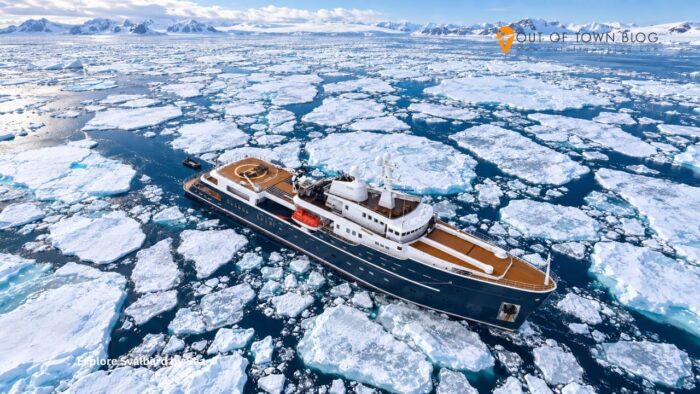
Paper charts look clean under the wheelhouse lamp. The shoreline around Spitsbergen doesn’t. Scree drops straight into shallow mud, and glacier walls shed house-sized blocks of blue ice into the swell whenever the temperature shifts. Steel hulls get hammered out here. Swells roll down off the polar cap and smash into drifting floes, turning an easy four-hour run between fjords into an overnight standoff with the wind. The ice runs the clock. Either the bridge team alters course to chase a fresh lead through the pack, or the ship burns heavy oil idling in the soup until the weather shifts.
Explore Svalbard by Sea
Navigating the Outer Sounds and Shifting Ice
The shelter drops out the second a vessel clears Isfjorden’s outer points. Open water takes over immediately. Swells break hard across the shelf, soaking the forward decks in brine that freezes on contact. The horizon disappears in minutes.
Mountain mist spills straight down into the troughs, wiping out contrast until the sea looks like dirty cloud. On the bridge, radar scanners throw back weak returns against loose slush. Compass cards stick and drag under extreme high-latitude dip, forcing navigators to run manual calculations against satellite drift just to hold a true heading through the chop.
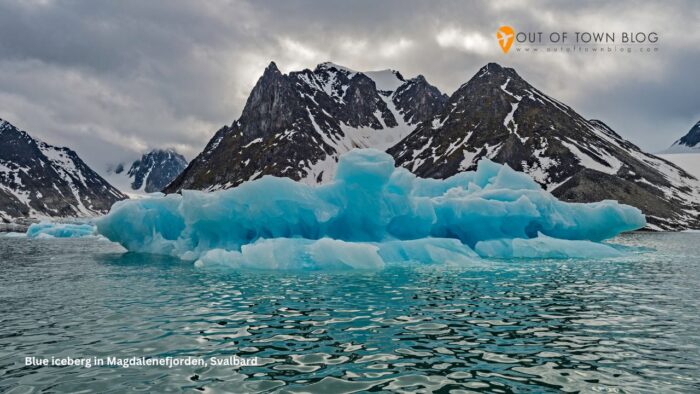
Gravel spits along the western fjords show how brutal this place was. At Magdalenefjorden, 1600s whaling crews put up rough shore camps on freezing shale, boiling bowhead blubber in open rock fire pits while mountain gales hammered their anchored ships.
Rusty barrel hoops still sit in the dirt today. Wood crosses rotted to nothing centuries back, but you can still spot the piles of beach stones where they buried their dead. The isolation of these inlets hasn’t changed a bit since the Dutch first mapped them.
Life Aboard Through Unbroken Daylight
Above seventy-eight north, the sun refuses to drop between May and late August. It tracks low over the peaks in a flat loop, throwing shadows across the scree at midnight as at noon. Sleep gets messy fast.
Natural body clocks collapse, so the bridge relies on rigid four-hour watch rotations simply to keep people sharp on the helm. Down below, heavy blackout blinds try to keep the cabins dark. Dates lose meaning. Routine narrows down to watch changes, engine noise, and watching the barograph on the chart table.
Mass-market liners stay out in deep channels because of uncharted moraine mud, while a boutique Arctic private cruise uses a shallow draft to push right up the rock faces of Liefdefjorden and Hornsund. Small vessels change everything out here.
Instead of looking through binoculars from a top deck a half-mile away, you drop heavy cruises directly off the side, dodge brash ice, and step onto bare gravel beaches where large hulls would scrape the bottom.
Icefall and Shallows in the Glacial Fjords
Approaching a tidewater glacier takes a lot of clutch work. Deep inside bays like Samarinvågen, blue ice faces groan under their own weight before shearing off with a crash like artillery. The wave hits fast.
A four-foot surge rushes over the gravel banks, filling the anchorage with sharp rubble and forcing the skipper to keep the engines in gear to stay head-to-sea. Glacial rivers dump tons of ground-up rock into the fjords all summer. That runoff puts up blind sandbars right where old nautical soundings promise safe water.
Loose ice sits low in the gray chop. Growlers—the heavy, ancient chunks that are basically floating concrete—show only inches of surface, dense enough to twist a bronze propeller blade if you hit them at five knots. A lookout stays posted on the bow rail whenever the ship pushes through brash fields. Radar has its limits; nothing replaces eyes searching the water.
Conclusion
Up on the edge of the multi-year pack, everything slows down. Flat sheets of ice scrape and groan against the side plates, vibrating right through the steel as the tide pulls them south. Seals just sit on the slush near their breathing holes, ignoring the ship entirely.
Bears follow the scent line along the ridges. You can stare right at one through the bridge glass and see nothing; their coats look like dirty summer ice, and they cross miles of broken pack without making a sound.
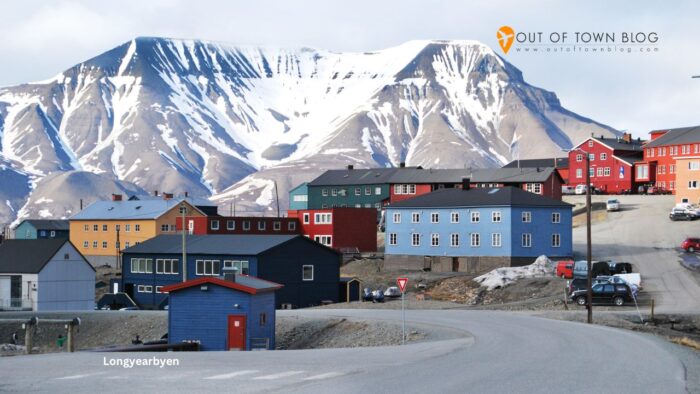
Tying off on the timber piers at Longyearbyen breaks the silence instantly. Heavy trucks haul coal past the old gantry towers, forklifts rattle across the tarmac, and phone screens light up with days of unread messages.
Out past the mouth of the sound, that noise doesn’t exist. Glaciers crash into the tide, walruses shove each other across the gravel, and the waterways follow their own ancient rhythm, indifferent to whether anyone happens to be passing through.
Want more Updates? Please follow #TeamOutofTown on Facebook, Twitter, Instagram, and Pinterest for more travel ideas.
Also Read:
- 15 Ways to Save Hundreds on Your Next Cruise
- The Ultimate First-Time Cruise Guide: Everything You Need to Know
- The Ultimate Guide to Choosing the Best Cruise for Your Next Trip
- A Mediterranean Cruise Itinerary Built Around Italy’s Beach Towns
- Schengen Visa for a Mediterranean Cruise: What Filipinos Need to Know
- What Is the Best Month for a Mediterranean Cruise?
- Best Mediterranean Cruise Ports You Should Not Miss