
 Melo Villareal
15 Essential Tips for First-Timers in Madrid: Your Complete Guide to Spain’s Vibrant Capital
Madrid welcomes millions of visitors each year with its mix of art museums, parks, food scenes, and historic neighborhoods. If you’re planning your first trip to Spain’s capital, you’ll want to know how to navigate the city, when to eat meals, which areas to stay in, and how to avoid common tourist mistakes. The city has its own rhythm and customs that differ from those of other European capitals.
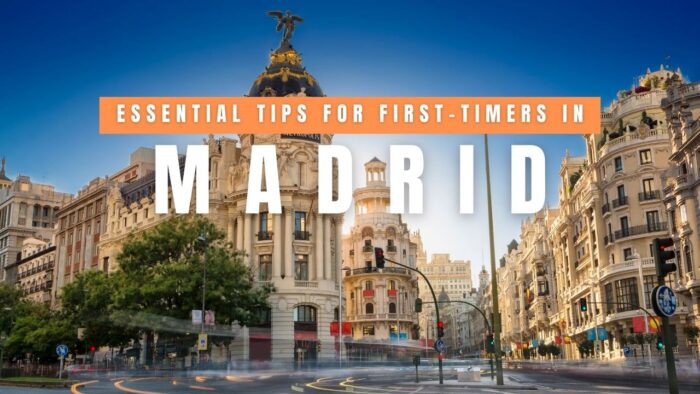
Essential Tips for First-Timers in Madrid
This guide covers practical tips to help you navigate Madrid confidently, experience authentic local culture, and make the most of your time in the city. You’ll learn about transportation options, cultural habits, safety considerations, and where to find the best experiences. These tips will prepare you to handle everything from museum visits to neighborhood exploration while respecting local ways of doing things.
1) Learn basic Spanish phrases for easier communication
Learning a few Spanish phrases will make your Madrid trip smoother. While many people in tourist areas speak English, locals appreciate it when you try to speak their language.
Start with simple greetings like “Hola” (hello) and “Gracias” (thank you). Learn “Por favor” (please) and “Disculpe” (excuse me) for polite interactions.
You should know how to ask “¿Dónde está…?” (Where is…?) when you need directions. “¿Cuánto cuesta?” (How much does it cost?) helps when shopping or ordering food.
Practice saying “No hablo español” (I don’t speak Spanish) if you get stuck. Most locals will switch to simpler words or find someone who speaks English.
Download a translation app as backup, but try speaking first. Even basic attempts at Spanish show respect and often lead to friendlier interactions with Madrid residents.
2) Avoid dining before 9 PM to experience local meal times

Madrid operates on a different schedule than most cities. Locals eat dinner late, typically after 9 PM and often closer to 10 PM.
If you show up at a restaurant at 6 or 7 PM, you’ll likely find it empty or be surrounded by other tourists. The real energy and atmosphere start much later.
Madrileños follow a specific daily rhythm. They have a light breakfast, possibly a second small meal mid-morning, then a substantial lunch between 2 and 4 PM. Around 5 or 6 PM, many enjoy merienda, a light snack or a cup of coffee.
This late lunch means dinner naturally shifts later. Restaurants fill up between 9 and 11 PM when locals actually go out to eat.
Adjust your schedule to match theirs. You’ll get better service, an authentic atmosphere, and a chance to see how Madrid truly dines.
3) Use the Metro system for efficient city travel
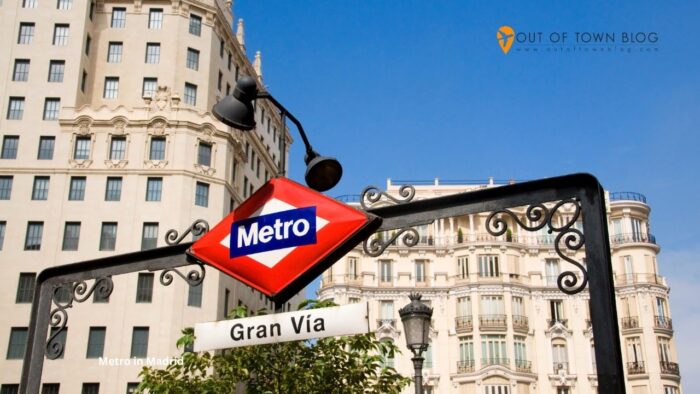
The Metro is the best way to get around Madrid. It’s fast, affordable, and connects all major areas of the city.
You can buy single tickets or get a multi-day pass. A tourist travel pass saves you money if you plan to use public transport frequently during your visit.
The Metro runs from 6:00 AM to 1:30 AM most days. Download the official Metro Madrid app to check routes and plan your trips. Google Maps also works well for navigation.
Avoid rush hours between 8:00 and 9:30 AM and 6:00 and 8:00 PM when trains get crowded. Keep your belongings secure and watch for pickpockets, especially on busy lines.
The system uses color-coded lines that make it easy to understand. Signs in stations are clear and often include English translations.
4) Reserve tickets in advance for the Prado Museum
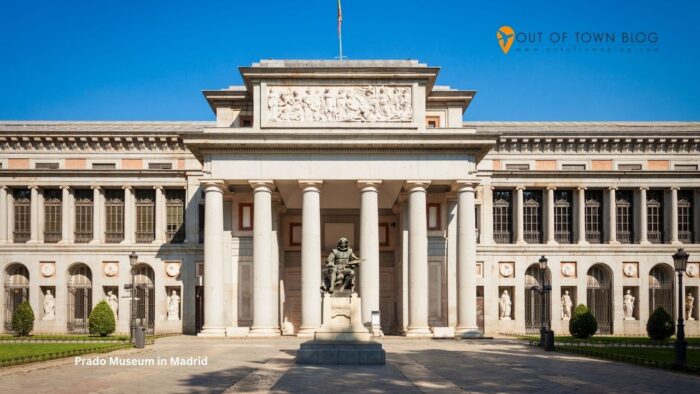
Buying your Prado Museum tickets in advance is one of the smartest moves you can make. The museum is huge and popular, so lines at the entrance can get long, especially during peak tourist season.
You can purchase tickets online through the museum’s official website. This lets you pick a specific time slot and walk right in when you arrive. General admission includes both the permanent collection and temporary exhibitions.
Special exhibitions often sell out quickly, so booking early is important if there’s something specific you want to see. You can buy tickets at the door, but you’ll likely wait in line.
The Prado lets you choose your entry time when booking online. Morning slots and weekday visits tend to be less crowded than afternoons and weekends. Having your ticket ready on your phone or printed out saves time and stress on the day of your visit.
5) Carry a copy of your passport at all times
You should always keep a photocopy of your passport with you when exploring Madrid. Leave your actual passport locked in your hotel safe or with the front desk.
Spanish law requires you to carry identification, but a copy is usually enough for routine checks. If police stop you, they can verify your identity with the copy and your hotel information.
Keep the photocopy separate from your valuables in a different pocket or bag. This way, if something gets lost or stolen, you still have the copy to help with replacements.
Take a picture of your passport with your phone as a backup. Store it in your email or cloud storage so you can access it anywhere.
If your passport gets stolen, having copies makes getting help from your embassy much faster and easier.
6) Try traditional tapas in the La Latina neighborhood

La Latina is Madrid’s oldest neighborhood and the best place to experience authentic tapas culture. The district sits near Plaza Mayor and features narrow cobblestone streets filled with casual bars where locals gather to eat and drink.
The area is known for its mix of traditional taverns and modern tapas spots. You’ll find everything from no-frills establishments to creative restaurants redefining classic dishes. Cava Baja street is the main hub for tapas bars.
The best way to enjoy La Latina is by doing a tapas crawl. This means hopping from bar to bar and trying small plates at each stop. Most locals pair their tapas with vermouth or wine.
Visit on a Sunday to catch El Rastro, the famous outdoor market, then grab tapas afterward when the neighborhood is at its liveliest.
7) Visit Retiro Park for a relaxing break
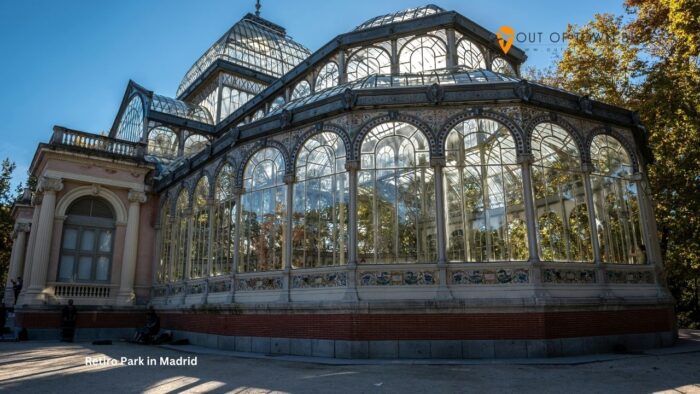
Retiro Park covers more than 125 hectares in the heart of Madrid. It offers a peaceful escape from the busy city streets.
You can rent a rowboat on the large pond or simply walk along the tree-lined paths. The park features beautiful gardens, statues, and monuments throughout its grounds.
The Crystal Palace is one of the park’s most popular spots. This glass structure often hosts art exhibitions and provides great photo opportunities.
Local people use the park for jogging, cycling, and skating on its flat pathways. You’ll find plenty of shaded benches where you can rest and watch street performers.
The park is free to enter and open daily. You can easily spend a few hours here between other Madrid activities, especially if you’re staying near Atocha station.
8) Stay cautious of pickpockets in crowded areas

Pickpockets target busy tourist spots in Madrid, especially around major attractions and on public transportation. These thieves often work in teams to distract you while another person takes your belongings.
Keep your valuables in front pockets or wear bags close to your body. Close all zippers and buckles on your bags before entering crowded spaces.
Watch for common distraction tactics. Someone might ask for directions, bump into you, or spill something on your clothes while their partner steals from you.
Step away from crowds when you need to check your phone or pull out your wallet. Look around first to make sure no one is watching you too closely.
Avoid speaking loudly in English or acting like an obvious tourist. Dress simply and stay aware of what’s happening around you to reduce your chances of being targeted.
9) Experience a flamenco show at Casa Patas
Casa Patas is one of Madrid’s most respected flamenco venues. The tablao has been showcasing authentic performances for over thirty years.
You’ll watch passionate dancers, guitarists, and singers perform in an intimate setting. Each week brings different artists to the stage, so every show offers something unique.
Book your tickets ahead of time. Popular show times often sell out, especially during peak tourist seasons. You can reserve seats online or by phone.
The venue combines dinner service with performances, though you can choose to watch the show without dining. Shows typically run late in the evening, in line with Spanish cultural traditions.
Casa Patas attracts both locals and visitors, which speaks to the quality of its performances. The atmosphere stays welcoming while maintaining high artistic standards. This is your chance to see real flamenco in Spain’s capital.
10) Book accommodation near Sol or the Gran Via for convenience

Staying near Puerta del Sol or the Gran Via puts you at the center of Madrid’s action. These areas offer easy access to major attractions, restaurants, and public transportation.
Sol has the central Sol Metro station and plenty of bus stops. You can reach most parts of the city quickly from here. Gran Via runs through the heart of Madrid and connects to several metro lines.
Both neighborhoods have accommodations for different budgets. You’ll find luxury hotels on the Gran Via and affordable hostels near the Sol. The areas stay busy, so expect street noise at night.
These locations save you travel time during your trip. You can walk to many popular sites instead of taking the metro. Museums, shops, and restaurants are all within a short distance.
11) Use Sunday mornings to explore local markets like El Rastro
El Rastro is Madrid’s most famous open-air flea market. It takes place every Sunday morning in the La Latina neighborhood.
You’ll find over 3,000 stalls selling everything from antiques and vintage clothing to artwork and handmade crafts. The market also features second-hand goods, live music, and food stands.
Arrive early, ideally before 10 AM, to avoid the largest crowds. The market gets extremely busy by midday.
Bring cash since many vendors don’t accept cards. You can haggle on prices, which is expected and part of the experience.
Watch your belongings carefully as pickpockets target crowded areas. Keep your bag in front of you and avoid carrying valuables you don’t need.
The market runs from around 9 AM to 3 PM. Plan to spend at least two hours exploring the different streets and stalls.
12) Take a guided walking tour to understand Madrid’s history

A guided walking tour helps you understand Madrid’s story from its medieval beginnings to today. Expert guides share important events, local legends, and historical facts that you might miss if you explore alone.
Most tours cover major landmarks in the historic center. You’ll visit places like Plaza de España, the Royal Palace, and Calle Mayor while learning what makes each site significant.
Tours typically last between 90 minutes and two hours. This gives you enough time to see key sights without feeling rushed.
Many companies offer free walking tours where you pay what you think the experience was worth. These budget-friendly options work well if you’re trying to save money.
Book a tour during your first few days in Madrid. The knowledge you gain will help you appreciate the city more as you continue exploring on your own.
13) Drink water regularly to stay hydrated during summer visits

Madrid’s summer temperatures often reach 95°F or higher, making hydration crucial for your comfort and safety. Your body loses water quickly in the heat, especially when walking between attractions or waiting in outdoor lines.
Carry a refillable water bottle with you throughout the day. You can fill it at public fountains found in many parks and plazas around the city.
Drink water before you feel thirsty. Thirst means you’re already starting to become dehydrated. Aim to take small sips regularly rather than waiting until you need a large amount.
Watch for signs of dehydration, such as headaches, dizziness, or fatigue. These symptoms can quickly worsen in Madrid’s summer heat and ruin your travel plans.
If plain water gets boring, you can add fruit slices for flavor. Many local cafés also serve agua con gas (sparkling water) as a refreshing alternative.
14) Plan visits to major attractions early in the morning
Getting to Madrid’s popular sites early can save you significant time. The Prado Museum, Royal Palace, and Retiro Park all see fewer visitors in the first hours after opening.
Early morning visits offer better conditions for your experience. You’ll find cooler temperatures during the summer months and better natural light for photos. The crowds at the Royal Palace and Plaza Mayor start building around mid-morning, so arriving right when they open gives you more space to explore.
Most major attractions in Madrid open between 9 and 10 AM. Plan to arrive within the first hour of opening. This strategy works especially well on weekends when tourist traffic increases throughout the day.
You can book timed entry tickets online for many attractions. This lets you skip ticket lines and enter directly during the quieter morning hours.
15) Respect local customs, such as greeting with a light handshake
Madrid locals appreciateit when visitors show respect for their social customs. A light handshake is the standard greeting in professional settings and when meeting someone for the first time.
Unlike firm handshakes common in some countries, Spaniards prefer a gentler grip. Maintain eye contact and smile to show warmth and openness.
Among friends and acquaintances, you’ll notice locals greet with two kisses on alternating cheeks. Start with the right cheek first. This applies to both men greeting women and women greeting each other.
Men typically stick to handshakes when greeting other men unless they’re close friends. Wait for locals to initiate the kiss greeting before you follow their lead.
Using polite phrases like “buenos días” (good morning) or “buenas tardes” (good afternoon) alongside your greeting shows cultural awareness. These small gestures help you connect better with locals during your Madrid visit.
Navigating Madrid Like a Local
Madrid’s public transport system connects every corner of the city efficiently, and knowing a few key Spanish phrases will help you interact confidently with locals and navigate daily situations.
Using Public Transportation Effectively
The Metro is your best option for getting around Madrid quickly. It runs from 6:00 AM to 1:30 AM, with extended hours until 2:00 AM on Fridays and Saturdays. You can buy a Multi Card for €2.50, load it with credit, and reuse it throughout your trip.
A single Metro ticket costs €1.50- €2, depending on the zone. If you plan to use public transport frequently, the Tourist Travel Pass gives you unlimited rides on Metro, buses, and local trains for 1-7 days.
Buses complement the Metro system and run through areas the Metro doesn’t reach. Night buses (búhos) operate from midnight to 6:00 AM. They all pass through Plaza de Cibeles.
Download the official Metro de Madrid app to plan routes and check real-time schedules. Keep your ticket or card until you exit the station, as inspectors check randomly and fines are steep.
Essential Spanish Phrases for Travelers
Most Madrid locals appreciate when you attempt Spanish, even if your pronunciation isn’t perfect. Start conversations with “Hola” (hello) and “por favor” (please).
Here are phrases you’ll use daily:
- ¿Cuánto cuesta? – How much does it cost?
- La cuenta, por favor – The check, please
- No entiendo – I don’t understand
- ¿Dónde está…? – Where is…?
- Gracias – Thank you
Learn “perdón” (excuse me) for navigating crowded spaces and getting someone’s attention. When ordering food, “quiero” (I want) plus the item name works well at casual spots.
Many restaurants don’t automatically bring the check. You need to ask for it. Waiters consider bringing it too soon to be rude, as meals are meant to be relaxed experiences.
Frequently Asked Questions
Madrid’s top attractions include the Prado Museum, Royal Palace, and Retiro Park, while the Metro system offers the fastest way to get around the city. Traditional dishes like cocido madrileño and churros con chocolate are best enjoyed during local dining hours, typically after 9 PM for dinner.
What are the must-visit attractions for first-time visitors to Madrid?
The Prado Museum stands as one of the world’s finest art galleries and requires advance ticket reservations to avoid long lines. You should plan to spend at least 3 hours exploring its extensive collection of Spanish masters.
The Royal Palace offers guided tours of its lavish rooms and is Europe’s largest royal palace by floor area. The Retiro Park provides a peaceful green space where you can rent a rowboat on the lake or visit the Crystal Palace.
Plaza Mayor serves as Madrid’s main square and features traditional architecture dating back to the 17th century. The nearby Puerta del Sol marks the symbolic center of Spain and draws crowds throughout the day and night.
How should I navigate public transportation in Madrid?
The Madrid Metro operates as the most efficient way to travel across the city, with 12 lines connecting all major neighborhoods and attractions. A single ticket costs around €1.50, while a 10-trip ticket offers better value at approximately €12.20.
You can purchase tickets at automated machines in every station that accept both cash and cards. Keep your ticket until you exit the station, as inspectors occasionally check for proof of payment.
The Metro runs from 6 AM to 1:30 AM most days, and until 2 AM on Fridays and Saturdays. Buses complement the Metro system but generally take longer due to traffic.
Can you recommend some traditional Spanish dishes to try while in Madrid?
Cocido madrileño is the city’s signature stew made with chickpeas, vegetables, and various meats served in separate courses. Most restaurants offer this hearty dish during lunch service from October through April.
Bocadillo de calamares features fried squid rings on a crusty bread roll and has become an iconic Madrid street food. You’ll find the best versions around Plaza Mayor, where locals queue at small bars.
Churros con chocolate make the perfect breakfast or late-night snack, with crispy fried dough sticks dipped in thick, hot chocolate. San Ginés operates 24 hours and has served this treat since 1894.
Huevos rotos translates to “broken eggs” and consists of fried eggs over crispy potatoes with jamón or chorizo. The runny yolk mixes with the potatoes to create a simple but satisfying dish.
What tips do you have for budget travelers to Madrid?
Free museum entry happens during specific hours at major attractions like the Prado (6-8 PM Monday-Saturday, 5-7 PM Sunday) and Reina Sofía (7-9 PM Monday-Saturday, 12:30-2:30 PM Sunday). You’ll need to arrive early, as free-admission times attract large crowds.
The menu del día at lunch offers a complete meal with starter, main course, dessert, and drink for €10-15 at most restaurants. This prix-fixe option provides the best value compared to ordering items separately.
City parks, including Retiro, Casa de Campo, and Madrid Río, offer free entertainment and relaxation. Street performers and musicians frequently provide impromptu shows in these areas.
Supermarkets like Mercadona and Día sell fresh produce, bread, and prepared foods at much lower prices than restaurants. You can assemble picnic meals for a fraction of the cost of dining out.
What local customs or etiquette should I be aware of in Madrid?
Spanish dining times differ significantly from those in other countries, with lunch typically served between 2-4 PM and dinner starting around 9 PM or later. Restaurants may turn you away or identify you as a tourist if you try to eat dinner before 8 PM.
Greetings involve two kisses on alternating cheeks when meeting friends or being introduced in social settings. Business situations usually call for handshakes instead.
Speaking louder than you might at home is completely normal in Madrid as locals engage in animated conversations. Don’t interpret raised voices as arguments since this reflects the typical Spanish communication style.
Learning basic Spanish phrases shows respect and helps with daily interactions since English proficiency varies outside tourist areas. Simple words like “por favor” (please) and “gracias” (thank you) go a long way.
Tipping isn’t mandatory, as service charges are included in the bill, but rounding up or leaving 5-10% for excellent service is appreciated. Bartenders don’t expect tips for simple drink orders.
What’s the best time of year to travel to Madrid?
Spring months from March through May bring mild temperatures between 60 and 75°F and fewer tourists than in summer. The city’s parks bloom with flowers and outdoor terraces open for the season.
Fall, from September through November, offers pleasant weather and lower hotel rates after the summer rush ends. You’ll experience local life as madrileños return from vacation and cultural events resume.
Summer temperatures regularly exceed 95°F in July and August, making sightseeing uncomfortable during midday hours. Many locals leave the city for vacation, and some smaller restaurants close for the entire month of August.
Winter sees fewer crowds and the lowest accommodation prices, but temperatures can drop to 40°F. The Christmas season, from late November through early January, features holiday lights and markets throughout the city.
Madrid Travel Tour Packages You Should Try
Follow and subscribe to OutofTownBlog.com on Facebook, Twitter, Instagram, Pinterest, and YouTube for more Travel-related updates.
Read:
- 12 of the Best Madrid Luxury Hotels
- Explore Madrid: Traveling around Madrid
- How to Travel in the Philippines Cheaply but Safely
- Things You Need to Do When You’re In a New City
- First Time in Barcelona? 15 Clever Hacks to Own the City Like a Local