

 Melo Villareal
Travel to Madrid, Spain: Itinerary, Tips & Local Secrets
Madrid is a city that reveals itself slowly. At first it looks stately — wide boulevards, royal buildings, elegant plazas — but spend a day here and the rhythm changes. Cafés fill at midnight. Grandmothers debate football beside street artists. Office workers linger over long lunches instead of rushing back to work. This Madrid travel guide is designed not just to help you see the city, but to help you understand it — because the real magic begins when you stop sightseeing and start living like a Madrileño.

Madrid Travel Guide
If you plan to travel to Madrid, Spain, expect a destination built around lifestyle rather than landmarks. The city rewards patience: long walks, shared plates, late dinners, and spontaneous conversations. Rushing through Madrid is the only way to do it wrong.
Madrid Travel Guide: Destination Overview & Best Time to Visit

Madrid (Madrid), Spain’s capital, sits almost exactly in the geographic center of the Iberian Peninsula and is Europe’s second-highest capital city (667 m above sea level). Despite its lack of coastline, it’s one of the world’s most-visited cities because it blends royal grandeur, nonstop street life, and world-class art in a very livable atmosphere.
The city forms the famous Golden Triangle of Art — Museo del Prado, Reina Sofía Museum, and Thyssen-Bornemisza Museum — where visitors can see works from Velázquez to Picasso’s Guernica. Nearby stands the vast Royal Palace of Madrid, Western Europe’s largest functioning royal residence.
Interesting facts: locals eat dinner around 9–11 PM, the symbol of Madrid is a bear eating from a strawberry tree, and the city has more bars per capita than almost anywhere in Europe.
Madrid ranks among the top destinations because it offers culture, nightlife, cuisine, and walkability year-round — plus easy day trips to historic towns like Toledo and Segovia.
Why Visit Madrid, Spain (Highlights)
- World-class art museums within walking distance of each other
- Elegant parks and royal architecture
- Legendary tapas and wine culture
- Europe’s most social nightlife scene
- Excellent base for historic day trips
Best Time to Travel to Madrid, Spain
Spring (April–June) — Best overall
Weather: 15–27 °C, sunny and comfortable
Why go: Parks bloom, terraces open, long walking days
Events: San Isidro Festival (May)
This is Madrid at its most beautiful. El Retiro Park is filled with flowers and locals picnicking, and sightseeing is pleasant without the extreme heat. Perfect for museums, food tours, and day trips.
Best for: First-time visitors, photographers, walking tours
Fall (September–October) — Best weather + fewer crowds
Weather: 14–26 °C
Why go: Warm days, cool nights, cheaper hotels
Arguably, the most comfortable season. The summer crowds leave, but restaurant and nightlife energy stays high. Great time for tapas hopping in La Latina.
Best for: Couples, relaxed sightseeing, food travelers
Summer (July–August) — Hot but festive
Weather: 30–40 °C daytime
Why go: Festivals, nightlife, late sunsets
Many locals leave, but nights are lively — dinner starts late, and plazas stay active until morning. Expect museum breaks during midday heat.
Best for: Nightlife lovers, budget travelers (lower hotel prices)
Winter (November–March) — Cheapest & quietest
Weather: 5–15 °C
Why go: Christmas markets, minimal crowds
Decorations around Puerta del Sol and cozy cafés make it charming, though shorter daylight limits outdoor sightseeing.
Summary:
Best months: May, June, September, October
Avoid heat: Late July–mid-August
Best budget: January–February
Local Secret: The city truly wakes up at 8 PM. Plan your schedule around evenings rather than mornings.
How Many Days in Madrid (Trip Duration)
Difficulty: Easy
Ideal stay: 4–5 days
Minimum: 3 days
Perfect combined Spain itinerary: 8–10 days, including Toledo or Segovia
Travel to Madrid, Spain: Essential Travel Information
Spain Visa Requirements for Tourists (Schengen Visa)
Filipino citizens require a Schengen visa.
Documents typically required:
- Passport valid for 6 months
- Bank statements (3–6 months)
- Certificate of employment or business
- Round-trip flight reservation
- Hotel bookings
- Travel insurance (€30,000 coverage)
- Detailed itinerary
Processing time: 15–30 days
Visa fee: about $90
Visa-free travelers (US, UK, Singapore, Japan): 90-day stay allowed
Madrid Travel Budget & Daily Costs
Currency: Euro (€)
Average daily budget:
Budget traveler: $70–110
Mid-range: $140–220
Comfortable: $250–400
Luxury: $450+
Typical costs:
Coffee $2
Tapas $4–8
Restaurant meal $15–30
Museum entry $15–18
Metro ride $1.70–2.20
Language Tips for Travelers in Madrid
Spanish is spoken everywhere, but basic English works in tourist areas.
Useful phrases:
Hola – Hello
Gracias – Thank you
La cuenta – The bill
Sin carne – No meat
Agua sin gas – Still water
How to Get to Madrid Spain
By Air (Most common)
You’ll arrive at Adolfo Suárez Madrid–Barajas Airport, Spain’s largest international airport, about 12 km from the city center.
Airport to City Center options:
- Metro Line 8: ~35 min to Nuevos Ministerios (connect to downtown lines)
- Cercanías Train (C1/C10): ~25 min to Atocha or Chamartín stations
- Airport Express Bus: 24/7, ~40 min to Atocha Station
- Taxi: Fixed fare ~30€ to central Madrid
- Ride apps: Uber, Cabify, and Bolt are available
Best for international travelers from Asia, the Americas, and long-haul Europe routes.
By High-Speed Train (AVE)
Spain’s AVE trains connect Madrid with major cities:
- Barcelona — 2.5–3 hrs
- Seville — 2.5 hrs
- Valencia — 1 h 50 min
- Córdoba — 1 h 45 min
Most trains arrive at Atocha Station in the south or Chamartín Station in the north. Comfortable, punctual, and often faster than flying domestically.
By Bus
Long-distance buses arrive at Estación Sur de Autobuses.
Cheaper than trains but slower — useful for smaller towns and budget travel.
By Car
Madrid sits at the center of Spain’s radial highway network. Driving is well-suited for regional road trips, but parking in the historic center is limited and regulated.
Tip: For most visitors, fly into Madrid, then take trains to explore the rest of Spain.
Getting Around Madrid – Public Transport Guide
Madrid has one of Europe’s easiest transport systems: clean, safe, inexpensive, and fully integrated (one ticket works across metro, buses, and local trains).
Metro (Subway) — Fastest way
The Madrid Metro has 12 main lines and reaches almost every neighborhood and attraction.
Good to know
- Runs ~6:00 AM – 1:30 AM
- Trains every 2–5 minutes in central areas
- Stations near major sights: Puerta del Sol, Royal Palace of Madrid, Prado Museum
Tickets
- Multi Card (reusable transport card) + 10-trip ticket = best value
- Airport supplement required when traveling to/from the airport
Best for: sightseeing days and longer distances
City Buses — Scenic & easy
Operated by Empresa Municipal de Transportes de Madrid (EMT)
- Runs everywhere the metro doesn’t
- Air-conditioned and comfortable
- Night buses (“Búhos”) run after the metro closes
Best for: short rides and neighborhoods above ground
Cercanías Trains — Regional & fast
The Cercanías Madrid commuter trains connect the city to the suburbs and nearby cities such as Toledo and Alcalá de Henares.
Main hub: Atocha Station
Best for: airport, day trips, and long cross-city travel
Walking
Central Madrid is compact—Sol, Gran Vía, Plaza Mayor, and the museums are within a 15–25-minute walk.
Quick Tips
- Stand right on the escalators
- Validate the ticket before entering the platforms
- Avoid rush hour (8–9:30 AM, 6–7:30 PM)
Bottom line: Metro and walking account for 90% of tourist travel in Madrid.
Local Secret: If your hotel is in the Centro district, you may use public transport only 1–2 times per day — the city is highly walkable.
Things to Do in Madrid: Attractions & Experiences
Top Tourist Attractions in Madrid
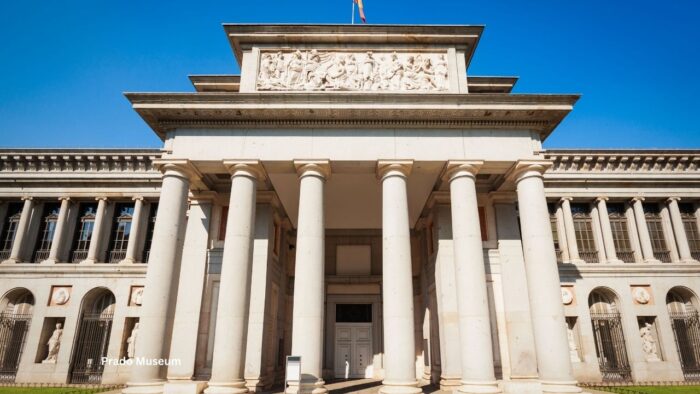
Prado Museum
The Museo del Prado is Madrid’s most celebrated art museum, located along the elegant Paseo del Prado near El Retiro Park in central Madrid. Founded in 1819, it houses one of the world’s finest collections of European painting, especially Spanish masters such as Velázquez, Goya, and El Greco.
Visitors can admire iconic works such as Las Meninas, explore Flemish and Italian galleries, and join guided tours or audio tours to learn the stories behind the art. The museum generally opens Monday–Saturday, 10:00–20:00, and Sundays, 10:00–19:00.
It is easily reached by metro (Banco de España or Atocha stations), by city bus, or by a short walk from the historic center.

Royal Palace
The Royal Palace of Madrid stands on the western edge of central Madrid beside Plaza de la Armería, overlooking the Campo del Moro gardens. Spain’s largest royal residence features grand staircases, chandeliers, frescoed ceilings, and richly decorated rooms, including the Throne Room, Royal Armory, and Royal Chapel. Visitors can watch the ceremonial changing of the guard and stroll nearby Sabatini Gardens for views.
Opening hours generally run daily from about 10:00 AM to 6:00 PM in winter and until 7:00 PM in summer (shorter on holidays).
Getting there is easy: take the metro to Ópera station (Lines 2 and 5) or walk 10 minutes from Puerta del Sol through the historic center.

Retiro Park
El Retiro Park is Madrid’s grand green oasis located beside the city center near the Prado Museum. Once a royal retreat, it’s now the city’s favorite escape for locals and visitors. Stroll tree-lined promenades, row a boat on the central lake, relax by the Crystal Palace, watch street performers, or picnic under shady lawns. You’ll also find rose gardens, sculptures, fountains, and weekend art markets.
Hours: Open daily — roughly 6:00 AM to 10:00 PM (winter) and until midnight in summer.
Getting there: Take the Madrid Metro to Retiro (Line 2) or Ibiza (Line 9), or walk 10 minutes from Puerta del Sol.

Plaza Mayor
The Plaza Mayor sits in the historic center of Madrid, a short walk from Puerta del Sol. Built in the 17th century, this grand rectangular square is enclosed by uniform red-brick buildings and 237 balconies, once used for royal ceremonies, markets, and bullfights. Today, visitors stroll under its arcades, watch street performers, browse souvenir shops, and try the famous calamari sandwich at traditional cafés.
The central statue of King Philip III is a popular meeting point. The plaza is open 24 hours a day, while restaurants and shops generally operate from morning until late evening.
To get there, take the Metro to Sol or Ópera stations, then walk about five minutes into the old quarter.

Puerta del Sol
Puerta del Sol sits in the very heart of Madrid, Spain — the symbolic “kilometer zero” from which all national roads are measured. This lively square buzzes day and night with street performers, shops, cafés, and historic landmarks. Visitors come to see the famous Bear and Strawberry Tree statue, the Royal Post Office clock, where Spaniards celebrate New Year’s Eve, and to start walking toward Plaza Mayor or the Gran Vía.
The square is open 24 hours, though shops generally operate 10:00 AM–10:00 PM.
How to get there:
Take Metro lines 1, 2, or 3 to Sol Station, or Cercanías commuter trains directly to the underground Sol hub — the city’s main transport crossroads.
Hidden Gems in Madrid Spain

Lavapiés
Lavapiés (Lavapiés) is Madrid’s most multicultural and artistic district, located just south of Puerta del Sol and east of La Latina in the Centro district. Historically a working-class quarter, it’s now known for street art, indie theaters, vintage shops, and global food from Indian, African, and Middle Eastern communities.
Visit Mercado de San Fernando for tapas and local life, explore contemporary exhibitions at La Casa Encendida, and wander murals around Tabacalera cultural center. The neighborhood is active all day but liveliest from late afternoon to midnight.
How to get there: Take Madrid Metro Line 3 to Lavapiés station or walk 10 minutes from Sol.

Temple of Debod
The Temple of Debod is an authentic ancient Egyptian temple, surprisingly set in western Madrid beside Parque del Oeste near Plaza de España. Gifted to Spain in 1968, it dates to the 2nd century BC and was rebuilt stone by stone overlooking the city. Visitors come for its reflecting pools, sunset views, and illuminated night atmosphere — among the best photo spots in Madrid. Inside, small exhibits explain Egyptian rituals and hieroglyphs.
Hours: Generally Tuesday–Sunday, from morning to evening (closed Mondays; hours vary seasonally).
How to get there: Metro lines 3 or 10 to Plaza de España, or a short walk from Príncipe Pío station.

Chamberí Ghost Station
The Andén 0 – Estación de Chamberí, often called Madrid’s Ghost Station, is a preserved 1919 metro platform located beneath Plaza de Chamberí in the Chamberí district. Closed in 1966 when trains became longer, it was later restored as a free museum featuring original tiles, vintage ads, ticket booths, and early-20th-century design. Visitors walk through dimly lit corridors and platforms frozen in time, offering a rare glimpse into the birth of the Madrid Metro.
Hours: Typically Thu–Sun (morning to early evening; hours vary seasonally).
Things to see: Historic signage, turnstiles, advertising posters, audiovisual exhibits.
How to get there: Take Metro Line 1 to Iglesia station; the entrance is a short walk away.

Mercado de Antón Martín
The Mercado de Antón Martín sits in Madrid’s multicultural Lavapiés district at Calle de Santa Isabel, 5, a short walk from Puerta del Sol. Unlike tourist-heavy markets, it feels local and creative: a mix of traditional produce stalls, tapas counters, international food stands, and even a flamenco school upstairs. Visitors can snack on Spanish olives, Japanese ramen, craft beer, or fresh pastries while watching everyday neighborhood life unfold.
Hours: generally Monday–Saturday, about 9:30 AM–9:30 PM (some food stalls open later).
How to get there: take the Madrid Metro Line 1 to Antón Martín station — the entrance is directly outside the market — or walk 10 minutes from Sol or the Prado area.
Las Vistillas Garden
Las Vistillas Garden (Jardín de Las Vistillas) is a scenic hillside park in Madrid’s historic La Latina district, just behind San Francisco el Grande Basilica. It offers some of the best sunset views over the Manzanares River valley and the Casa de Campo. Locals gather here to relax on benches, watch street performers, or enjoy festivals during the San Isidro celebrations in May.
The atmosphere is laid-back, especially in the evening when musicians and food stalls appear. The garden is open daily, generally from morning until late at night.
To reach it, take the Madrid Metro to La Latina or Puerta de Toledo and walk about 5–10 minutes uphill through the old quarter.
Pro Tip: Most museums are free the last two hours before closing — arrive early to line up.
For more activities and places to see in Madrid, read our list of The Best Things to See and Do in Madrid for Free.
Best Day Trips from Madrid (Toledo & Segovia)
Toledo (30 min train, ~$25): medieval city of three religions
Segovia (1-hour train, ~$20): Roman aqueduct and castle, inspiration for Disney
Read: Top 15 Best Day Trips From Madrid
Unique Madrid Experiences
- Tapas crawl in the La Latina neighborhood
- Late-night churros after midnight
- Flamenco performance ($25–50)
- Sunday El Rastro flea market browsing
- Rooftop sunset drinks overlooking the Gran Vía
Madrid Photography Tips & Best Instagram Spots
Madrid blends royal architecture, lively streets, and warm sunsets — ideal for both phone and camera photography.
1. Temple of Debod — Best sunset
Why shoot here: Golden reflections with skyline views
Best time: 45 minutes before sunset through blue hour
Tip: Shoot low near the water for mirror reflections
2. Gran Vía — Classic city vibe
Why shoot here: Dramatic buildings and neon nightlife
Best time: Night or blue hour
Tip: Try long exposure to capture traffic light trails
3. El Retiro Park — Elegant greenery
Why shoot here: Crystal Palace glass reflections and lake boats
Best time: Early morning
Tip: Misty mornings create soft cinematic photos
4. Plaza Mayor — Historic symmetry
Why shoot here: Perfect geometry and warm colors
Best time: Sunrise
Tip: Stand under the arches to frame the square
5. Jardín de las Vistillas — Hidden viewpoint
Why shoot here: Local skyline scenes and sunset atmosphere
Best time: Dusk
Tip: Capture street musicians and silhouettes
Quick Photography Tips
- Golden hour works best in Madrid
- Blue hour enhances monuments
- Rooftops provide skyline compositions
- Streets are empty after midnight
- In summer, shoot mornings and evenings to avoid harsh light
Best sunrise: Royal Palace courtyard
Best sunset: Temple of Debod
Best night shots: Gran Vía lights
Best morning streets: Malasaña neighborhood
Where to Stay in Madrid: Hotels & Neighborhoods
Budget ($50–100)

Hostal Persal
Hostal Persal (Hostal Persal) is a well-located budget hotel in Madrid’s historic Barrio de las Letras, just steps from Puerta del Sol and Plaza Mayor. Rooms are simple yet comfortable, with private bathrooms, air conditioning, Wi-Fi, and daily housekeeping.
The property offers a 24-hour reception, luggage storage, elevator access, and a breakfast room; vending machines and nearby cafés provide additional dining options. Guests appreciate its quiet street despite the central location.
Within walking distance are the Prado Museum, the Royal Palace of Madrid, theaters, tapas bars, and metro stations, making it a practical base for sightseeing without needing frequent transport.

Room007 Ventura Hostel
Room007 Ventura Hostel (Room007 Ventura Hostel) sits at Ventura de la Vega 5 in Madrid’s central Barrio de las Letras, about a short walk from Puerta del Sol. The modern, design-focused hostel offers air-conditioned rooms and dorms with private bathrooms, lockers, reading lights, free Wi-Fi, linens, and towels. Facilities include a 24-hour reception, luggage storage, tour assistance, restaurant, bar, breakfast service, and airport transfers.
Guests can relax in the lounge or on the terrace after exploring nearby streets full of tapas bars and theaters. Within walking distance are the Prado Museum, Plaza Mayor, Gran Vía, and El Retiro Park, making it ideal for sightseeing.
Mid-Range ($100–250)

Hotel Europa
Hotel Europa (Hotel Europa Madrid) sits directly on Puerta del Sol, placing guests at the geographic and social center of Madrid. The classic mid-range hotel offers bright rooms, balconies overlooking the square, free Wi-Fi, air conditioning, and a traditional café-restaurant serving Spanish breakfasts and tapas. The reception operates 24 hours, and the metro is steps away.
Within a short walk, you can reach Plaza Mayor, the Royal Palace of Madrid, the Gran Vía, and the Museums District. It’s ideal for travelers seeking convenience, nightlife, and easy sightseeing without having to arrange transportation.
Only YOU Boutique Hotel

Only YOU Boutique Hotel Madrid is a stylish 19th-century mansion hotel in the lively Chueca district, steps from the Gran Vía. Its interior mixes classic architecture with contemporary design, creating a relaxed, upscale atmosphere. Facilities include a restaurant, cocktail lounge, fitness area, meeting rooms, and concierge services. Rooms feature rainfall showers, luxury bedding, soundproofing, smart TVs, and fast Wi-Fi.
Guests enjoy a strong breakfast and vibrant social spaces popular with locals. Within a 10–15-minute walk are Puerta del Sol, El Retiro Park, and major museums, making it ideal for sightseeing without extensive transportation.
Luxury ($250+)

The Principal Madrid Hotel
The Principal Madrid Hotel is a stylish boutique hotel located on Madrid’s iconic Gran Vía, placing guests in the heart of the historic and shopping district. The property features elegant rooms, a rooftop terrace with panoramic city views, a fine-dining restaurant, a bar and lounge, and a fitness area. Amenities include concierge service, airport transfers, and modern comfort-focused interiors.
Within walking distance are Puerta del Sol, Plaza Mayor, and the Prado Museum, making it ideal for sightseeing without transport. The atmosphere blends classic Madrid architecture with contemporary luxury, appealing to couples and first-time visitors wanting central convenience and rooftop ambiance.

Mandarin Oriental Ritz
The Mandarin Oriental Ritz, Madrid, sits beside El Retiro Park and the Prado Museum in Madrid’s elegant Retiro district. This Belle Époque palace hotel offers refined rooms, marble bathrooms, and classic-modern décor. Facilities include a luxury spa, an indoor pool, a fitness center, and a landscaped garden terrace. Dining features fine Spanish cuisine and afternoon tea beneath a glass dome.
Guests enjoy attentive concierge service and limousine transfers. Nearby are the Reina Sofía Museum, the Thyssen-Bornemisza Museum, and the leafy Paseo del Prado boulevard — making it ideal for art lovers and first-time visitors seeking central access for sightseeing.
Alternative Stays
- Airbnb apartments in Malasaña for nightlife lovers
- La Latina apartments for food lovers
- Coliving spaces for digital nomads
Local Secret: Avoid Sol if you sleep early — nightlife lasts until dawn.
For more accommodation options in Madrid, read our Ultimate List of the Best Hotels in Madrid
Madrid Food Guide: What to Eat & Where to Eat
Must-Try Dishes

Jamón Ibérico
Jamón Ibérico is Spain’s prized cured ham made from Iberian pigs fed mainly on acorns and natural pasture. The leg is salted and air-cured for 24–48 months. It has a deep, nutty aroma, a buttery texture, and a sweet-savory flavor that melts on the tongue, with rich umami notes.
Enjoy it sliced paper-thin at traditional taverns or markets such as Mercado de San Miguel, or at specialty jamonerías around central Madrid.

Patatas Bravas
Patatas bravas is one of Spain’s most iconic tapas: crispy fried potato cubes topped with a bold, slightly spicy tomato-paprika sauce (salsa brava), often paired with creamy garlic aioli. The exterior is crunchy while the interior remains fluffy, providing a satisfying contrast.
The flavor is savory, smoky, tangy, and gently spicy rather than hot. In Madrid, locals often order it at Casa Lucio or at traditional taverns around La Latina.

Tortilla Española
Tortilla Española is Spain’s classic potato omelet, made with eggs, olive oil, potatoes, and often onions, and cooked slowly until tender, then set into a thick golden round. The texture is creamy inside and lightly firm on the outside, tasting rich, savory, and comforting, with gentle sweetness from the onions.
You can try excellent versions at Casa Dani, Bodega de la Ardosa, or many neighborhood bars across Madrid, where it’s served as a tapa or sandwich filling.

Cocido Madrileño
Cocido madrileño is Madrid’s hearty chickpea stew made with chorizo, morcilla blood sausage, pork belly, beef shank, ham bone, potatoes, cabbage, and vegetables simmered for hours. It’s served in courses: first a rich broth soup with noodles, then chickpeas and vegetables, and finally the meats.
The taste is deep, savory, and comforting — like Spanish comfort food on a cold day. Classic places to try it include La Bola, Casa Carola, and Malacatín.

Churros con Chocolate
Churros con chocolate is Madrid’s most beloved comfort snack: long, ridged dough fritters made from flour, water, and salt, deep-fried until crisp, then dusted lightly with sugar. They’re dipped into a cup of thick hot chocolate made from cocoa and milk, almost pudding-like in texture.
The contrast defines the experience — crunchy on the outside, airy on the inside, and rich, bittersweet creaminess coating each bite.
Locals eat it for breakfast or late at night after going out. Classic places to try it include Chocolatería San Ginés near Puerta del Sol and traditional cafés around Plaza Mayor.
Restaurant Recommendations

1. Sobrino de Botín
Address: C. de Cuchilleros, 17, Centro, 28005 Madrid
What to eat: Roast suckling pig (cochinillo), garlic soup
Ambiance:
Sobrino de Botin, the world’s oldest restaurant, feels like dining inside a museum: brick cellars, wooden beams, candlelight, and waiters in classic uniforms. Expect traditional Castilian comfort food and a very authentic Madrid atmosphere. Perfect first-night dinner in Spain.
2. Casa Lucio
Address: C. de la Cava Baja, 35, Centro, 28005 Madrid
What to eat: Huevos rotos (fried eggs over potatoes with jamón)
Ambiance:
Bustling tavern energy with politicians, celebrities, and locals mixing together. Loud, warm, and social — the essence of a Spanish lunch. You come here for tradition, not innovation.
3. DiverXO
Address: NH Eurobuilding, C. del Padre Damián, 23, Chamartín
What to eat: Tasting menu (Asian-Spanish fusion)
Ambiance:
Madrid’s most theatrical dining experience — playful, surreal, and artistic. Dishes arrive like edible sculptures. Expensive but unforgettable; closer to performance art than a meal.
4. Bodega de la Ardosa
Address: C. de Colón, 13, Centro, 28004 Madrid
What to eat: Spanish omelet (tortilla), vermouth, croquettes
Ambiance:
Standing-room tapas bar with tiles, barrels, and chatter. Locals crowd shoulder-to-shoulder — the real Madrid nightlife. Casual, lively, and perfect for an evening snack crawl.
5. Sala de Despiece
Address: C/ de Ponzano, 11, Chamberí, 28010 Madrid
What to eat: Tuna loin, truffled steak tartare
Ambiance:
Industrial butcher-shop aesthetic: stainless steel counters, minimalist plating, and modern tapas. Trendy but still relaxed — popular with young Madrileños and foodies.
Street Food Safety
Madrid street food is generally safe — choose busy stalls and freshly cooked items.
Markets to visit:
- Mercado San Miguel
- Mercado de San Ildefonso
- Mercado de Antón Martín
Vegetarian tip: search for “vegetariano” or Middle Eastern restaurants in Lavapiés.
Madrid Culture & Etiquette for Visitors
Madrid is friendly and relaxed, but daily rhythms differ from those in many countries. Knowing a few local habits helps you blend in easily.
Daily Schedule (Very Important)
- Breakfast: light and quick (coffee + pastry)
- Lunch: 2:00–4:00 PM (main meal of the day)
- Dinner: 9:00–11:30 PM
- Many shops close mid-afternoon, especially smaller businesses
Tip: Restaurants may look empty at 7 PM — they’re not open yet.
Greetings & Social Behavior
- Say “Hola” when entering a shop or elevator
- Handshakes are standard; friends use two cheek kisses
- Personal space is smaller than in Northern Europe — normal, not rude
- Conversations are lively and expressive
Dining Etiquette
- Bread and olives may appear automatically — usually charged
- Tipping isn’t mandatory; rounding up or 5–10% is appreciated
- Don’t rush meals — tables are yours for the evening
- Tapas are shared, not individual plates
Public Behavior
- Quiet on public transport, louder in bars — this is a normal contrast
- Jaywalking is common, but still watch the traffic
- Dress neat-casual; athletic wear outside gyms is uncommon at night
Cultural Tips
- Sundays are family days; parks like El Retiro Park get busy
- Late nightlife is part of culture — even on weekdays
- Respect siesta hours in residential areas
Key mindset: Madrid values social life over speed — slow down and enjoy the moment.
Madrid Travel Tips & Safety Advice
Madrid is one of Europe’s safest capitals, but like any major city, awareness makes your trip smoother.
Safety Basics
- Violent crime is rare; pickpocketing is the main concern
- Watch bags in crowded places like Puerta del Sol and Gran Vía
- Keep phone and wallet in front pockets or a zipped bag
- Avoid placing phones on restaurant tables outdoors
Common trick: Someone distracts you while another grabs your bag.
Transport Safety
- The Madrid Metro is safe even late at night
- Stand on the right side of the escalators
- Validate the ticket before entering the platforms
- Watch belongings when doors open (pickpocket moment)
Money & Documents
- Carry a photocopy of your passport; leave the original in the hotel safe
- Use ATMs inside banks or malls
- Contactless payment is widely accepted
Neighborhood Awareness
- The city center is safe at night due to the nightlife crowds
- Quiet outskirts are safe but empty late evening — just stay aware
Practical Tips
- Tap water is excellent and drinkable
- Summer heat can exceed 38°C — hydrate constantly
- Emergency number in Spain: 112
SIM Cards for Tourists
- Major providers: Movistar, Orange, Vodafone, Yoigo/MásMóvil
- Price: about €10–€45 for 1 month prepaid (data + calls, EU roaming usually included)
- Buy at the airport for convenience, or in city shops for cheaper deals
- Passport required for registration; activation takes a few minutes
- eSIM available if your phone supports it
Tip: Get one immediately if you need navigation on arrival; otherwise, purchase in town to save money.
Bottom line: Madrid is comfortable and welcoming — just guard your valuables in tourist zones, and you’ll likely have zero problems.
Shopping in Madrid: Souvenirs & Markets
Here are the best places to hunt for keepsakes, local crafts, and lively market finds—without getting lost in tourist traps.
1) El Rastro — iconic Sunday flea market
A must-see for vintage, quirky, and budget souvenirs. It sprawls around Plaza de Cascorro and nearby streets in La Latina, running Sunday and public holiday mornings from about 9:00 to 15:00.
What to look for: second-hand books, vinyl, clothing, antiques, small décor, and artisanal pieces. Great for unexpected gifts and people-watching.
Tip: go early to beat crowds, haggle lightly, and carry small bills for quick purchases.
2) Mercado de San Antón — modern food market with shopping flair
Located in the Chueca area, this three-floor market mixes everyday groceries, tapas, and a rooftop vibe. Opening hours on the main floors are generous: the market area is roughly 10:00–22:00, the tapas level is open to midnight, and the restaurant level stays open into the night.
What to look for: gourmet foods, Spanish sweets, wine, and small packaged goods that make tidy souvenirs. It’s also easy to sample items on site before buying.
Tip: Use it as a daytime shopping stop, then stay for a quick bite or drink upstairs.
3) Casa de Diego — historic artisan fans and classic accessories
One of Madrid’s oldest specialty shops, in Puerta del Sol, is known for handcrafted fans, umbrellas, shawls, combs, and more—true traditional souvenirs rather than mass-produced trinkets. Founded in the 1800s and still operating today.
Location: Puerta del Sol, 12.
Hours: Mon–Sat roughly 09:30–20:00.
Tip: a single, elegant item here—especially a painted fan—can be a standout souvenir or gift.
4) Mercado de San Miguel — premium food market, iconic but currently limited
Near Plaza Mayor, historically a gourmet destination with dozens of stands and a cast-iron market hall famous among visitors. It’s noted for high-quality tapas, cheeses, and regional specialties. Recent official info indicates it’s temporarily closed for work, so check the status before planning a visit.
What to look for when open: premium packaged foods, gift-worthy treats, and beautifully presented snacks.
Quick shopping tips for souvenirs
- Small, packable items win: fans, ceramics, sweets, tinned seafood, saffron, local olive oil, or small textiles.
- Bring a reusable tote for market browsing—many sellers bag items quickly, but it’s handy to avoid plastic.
- Watch your belongings in crowded markets, especially El Rastro, while you inspect goods or bargain.
- Combine a market stop with a nearby café: it turns shopping into a relaxed local outing rather than a chore.
Madrid Itinerary Suggestions / 3-Day Express Itinerary
A compact but immersive plan covering landmarks, art, neighborhoods, and food — paced realistically for first-time visitors.
Day 1 — Royal Madrid & Old Town
| Time | Plan | Details |
|---|---|---|
| 08:30 | Start at Puerta del Sol | See Kilometer Zero and the Bear & Strawberry Tree statue before crowds |
| 09:00 | Walk to Plaza Mayor | Historic arcaded square; grab coffee nearby |
| 10:00 | Royal Palace of Madrid | Tour the throne room, royal armory (~1.5 hr) |
| 11:45 | Almudena Cathedral | Climb the dome for city views |
| 13:30 | Lunch — La Latina | Tapas streets Cava Baja/Cava Alta |
| 15:00 | Mercado de San Miguel | Snack crawl: jamón, olives, vermouth |
| 18:45 | Temple of Debod | Best sunset viewpoint |
| 21:00 | Dinner near Opera | Traditional Spanish cuisine |
Day 2 — Art & Green Spaces
| Time | Plan | Details |
|---|---|---|
| 09:00 | Prado Museum | Velázquez, Goya masterpieces |
| 11:30 | Reina Sofía Museum | Picasso’s Guernica |
| 14:00 | Lunch — Barrio de las Letras | Literary quarter cafés |
| 15:30 | El Retiro Park | Rowboat Lake + Crystal Palace |
| 19:30 | Gran Vía walk | Architecture + shopping |
| 21:30 | Flamenco show | Traditional performance night |
Day 3 — Local Neighborhoods & Views
| Time | Plan | Details |
|---|---|---|
| 10:00 | Brunch in Malasaña | Vintage shops & cafés |
| 12:30 | Explore Chueca | Boutiques & markets |
| 15:00 | Tapas in La Latina | Local taverns |
| 17:30 | Jardín de las Vistillas | Scenic viewpoint over the river valley |
| 20:30 | Farewell dinner — Plaza Santa Ana | Lively terraces |
Tip: Madrid days start late — plan long evenings and relaxed mornings for the best experience.
Why Visit Madrid Now?
Madrid works for almost every type of traveler. Art lovers get one of the highest concentrations of world-class museums in Europe within walking distance. Food travelers can find affordable, authentic cuisine without needing to make reservations weeks in advance. First-time visitors to Europe appreciate how easy the city is to navigate, while experienced travelers use it as a base for historic day trips like Toledo and Segovia. Prices remain more reasonable than in Paris or Rome, public transport is simple, and the airport connects directly to the center in under 40 minutes.
Another advantage is flexibility: you can plan a structured sightseeing trip or a relaxed lifestyle getaway. You don’t need to overschedule — many of Madrid’s best experiences happen naturally in neighborhoods, markets, and late dinners. That makes it ideal whether you have three days or a full week in Spain.
If Madrid is on your list, start planning now. Hotel prices rise quickly in spring and fall, museum tickets sell out during peak seasons, and the best centrally located accommodations disappear months ahead. Booking early gives you better rates and better locations. A clear Madrid travel guide helps, but securing flights and lodging early makes the difference between a convenient trip and a stressful one.
Madrid Travel Guide FAQs
Q1: How many days do you need in Madrid?
Most travelers need 3 to 4 days in Madrid to comfortably explore the city. Three days cover the historic center, the Royal Palace area, the major art museums (Prado and Reina Sofía), and relaxing time in El Retiro Park, plus evenings for tapas and nightlife. A fourth day lets you slow down, explore neighborhoods like Malasaña or La Latina, shop, or take a half-day trip to nearby towns such as Toledo or Segovia. If you love art, food, and café culture, 4–5 days feels ideal; if Madrid is just a stop between other Spanish cities, 2 full days can still hit the main highlights but will feel rushed.
Q2: What is the best time to travel to Madrid, Spain?
The best time to visit Madrid is spring (April–June) and fall (September–October) when temperatures are mild, parks bloom, and sightseeing is comfortable. Summer is very hot but lively at night, while winter is cooler, cheaper, and festive. For ideal weather and manageable crowds, May, June, and September are the most pleasant months overall.
Q3: Is Madrid expensive for tourists?
Compared with major Western European capitals, Madrid is moderately priced and often cheaper than Paris, London, or Amsterdam. Budget travelers can manage on €60–90 per day using hostels, metro transport, and tapas bars, while mid-range visitors spend about €120–200 with hotels and restaurant meals. Museums are affordable (some free hours daily), public transport is inexpensive, and food offers great value — especially lunch menus (menú del día). The main splurge is accommodation in central districts, but overall Madrid delivers excellent value for the money, making it a good-value European destination.
Q4: What are the must-see attractions in Madrid?
The must-see attractions in Madrid include the grand Royal Palace of Madrid and nearby Almudena Cathedral, the historic Plaza Mayor and lively Puerta del Sol, plus the world-class art at the Prado Museum and Reina Sofía Museum. Relax in El Retiro Park, stroll through the architecture of Gran Vía, and catch the sunset at the Temple of Debod — together, they capture Madrid’s royal history, culture, and everyday life.
Q5: Is Madrid safe for travelers?
Yes — Madrid is considered one of the safest major capitals in Europe. Violent crime is rare, and visitors generally feel comfortable walking even at night in central areas. The main issue is pickpocketing in crowded areas such as Puerta del Sol and on the Madrid Metro, so keep your valuables secure and stay alert to distractions. Public transport is reliable and well-policed, and tourist zones remain lively late into the evening, which adds to the sense of safety. With basic precautions, most travelers experience no problems during their stay.
Q6: Where should first-time visitors stay in Madrid?
For first-time visitors, the best base in Madrid is the historic center—especially Sol, Gran Vía, and nearby neighborhoods—because you’ll be within walking distance of major sights like Puerta del Sol, Plaza Mayor, Royal Palace of Madrid, and Prado Museum, plus countless tapas bars and metro connections; if you want something quieter but still central, stay in Barrio de las Letras (charming streets and cafés) or La Latina (great food and nightlife), while Salamanca suits travelers who prefer upscale shopping and elegant boulevards, and Malasaña/Chueca is ideal if you want a younger, trendier vibe—overall, anywhere within or just around the old center gives the easiest, most enjoyable first Madrid experience.
Q7: What food is Madrid famous for?
Madrid is famous for hearty Castilian comfort food, especially cocido madrileño, a rich chickpea-and-meat stew traditionally served in courses, and the iconic fried calamari sandwich bocadillo de calamares you’ll find around Plaza Mayor; locals also love callos a la madrileña (slow-cooked tripe with chorizo), tortilla española (potato omelet) served in bars, and late-night treats like thick hot chocolate with churros—overall, the city’s cuisine leans rustic, filling, and perfect for sharing over tapas and wine.
Q8: Are day trips from Madrid worth it?
Yes—day trips from Madrid are absolutely worth it because Spain’s historic heartland sits just 30–70 minutes away by fast train: the medieval walled city of Ávila, the dramatic hilltop fortress-city Toledo, and elegant royal retreat Segovia (famous for its Roman aqueduct and roast suckling pig) all feel completely different from the capital and are easy to visit in a single day; you can even add El Escorial for grand monastery-palace history—so basing yourself in Madrid while exploring these nearby UNESCO-rich towns gives you a much fuller experience of central Spain without changing hotels.
Madrid Travel Tour Packages You Should Try
Follow and subscribe to OutofTownBlog.com on Facebook, Twitter, Instagram, Pinterest, and YouTube for more Travel-related updates.
Read:


