

 Melo Villareal
Bayanan Ruins in Baco, Oriental Mindoro
A picture stuck in time: Visiting the aftermath of Typhoon Nona in Baco Village, Barangay Bayanan, Oriental Mindoro
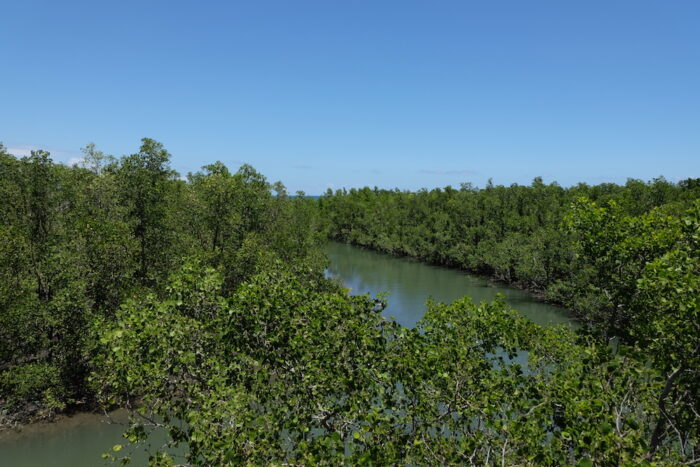
Silonay Mangrove Conservation Area
Human actions on the environment cause devastating consequences for the planet. Global warming, climate change, and the increased intensity of natural disasters are among the results of the adverse effects of human actions. One evident example of this is the wrath of Typhoon Nona on the village of Bayanan in Baco, Oriental Mindoro. And with a familiarization tour, I, along with the Department of Tourism (DOT) MIMAROPA Regional Director, Atty. Minerva Morada, and other writers, went to the outskirts of Mindoro to see for ourselves the effects of these.
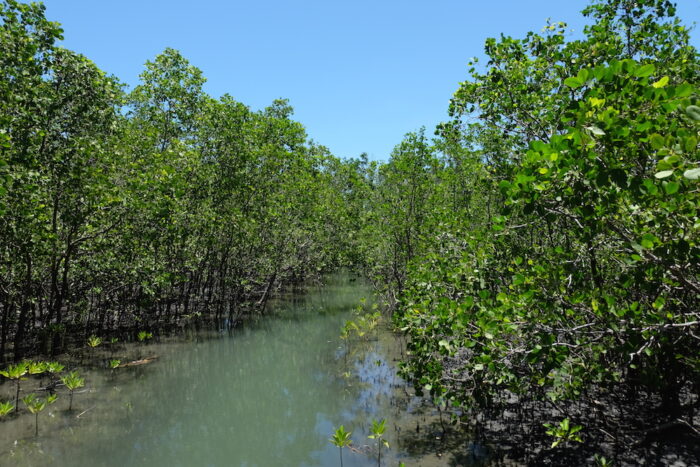
We first made a brief stop at the Silonay Mangrove Conservation Area in Calapan City, Oriental Mindoro. We took a brief tour of the place and saw its tourism potential. After that, we had lunch at Parang Beach Resort.

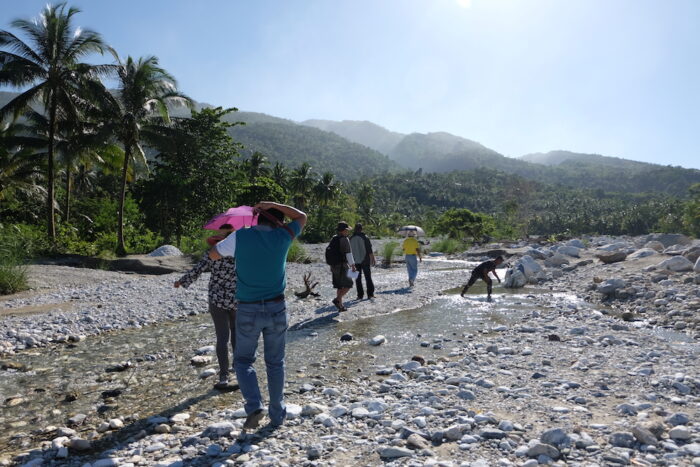
After having a sumptuous lunch, we readied ourselves for our main destination for the day—the town of Baco. After lunch in the town center, we traveled to the riverbanks of Barangay Bayanan, our jump-off point for Bayanan Village. The river did not have paved concrete roads, so we crossed it by jumping from one stone to another. And when we finally got to Bayanan Ruins, we could only look around in silence, shock, and awe.
The village of Bayanan was neither naturally created nor manmade. It was a village that, as mentioned earlier, was destroyed by the wrath of Typhoon Nona on December 15, 2015. The effects of the natural disaster were still so fresh, and we stood there silently as we offered silent prayers. The frozen aftermath of the typhoon in the village, it seems, was tourism-worthy, not because it was classy or anything of the sort, but rather because it was so still, silent, and meaningful.
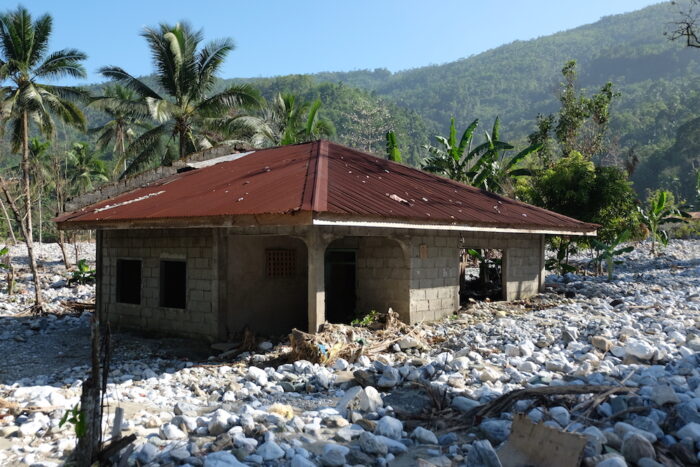
Most of the houses in the village were either destroyed or covered by stone, trees, mud, and other debris. A few months ago, this village was literally turned into a river by the typhoon. Typhoon Nona (with the international name of Melor), with its strong winds and relentless rains, turned the homes of the people into unrecognizable pieces of buried debris.
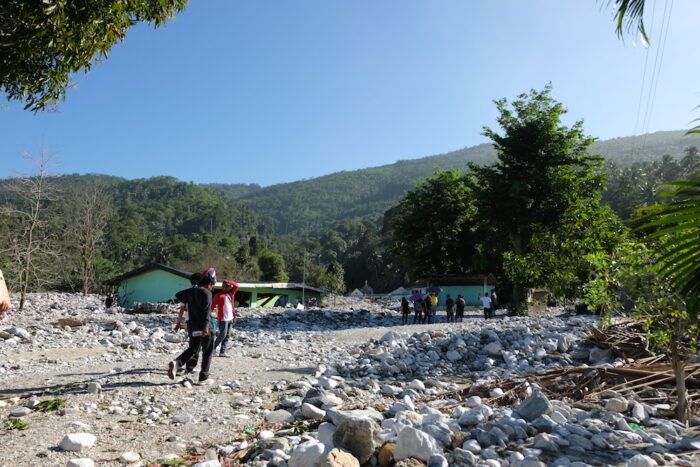
Fortunately, although the village was completely destroyed, nobody in the village was hurt. They were able to evacuate on time and head towards higher land before Nona totally destroyed the village.
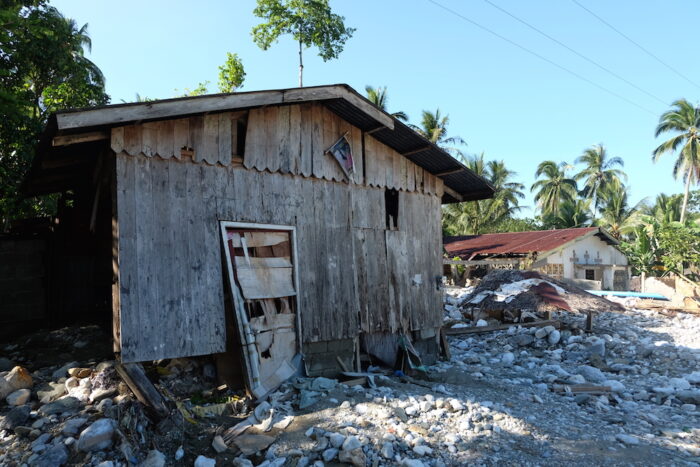
We got to talk to some of the locals who used to live in the village. They shared their experiences with us in vivid detail, as if they were describing their memories like a movie. They told us that all they could hear during Nona’s onslaught was the sound of splashing, rushing waters, and crashing mountain rocks, which sounded like thunder.
The nearby Kantuhan and Mayabig rivers, they said, ravaged the village as if they were angry. The rushing waters, accompanied by the strong winds and rain, eventually destroyed all 80 houses in the small community.
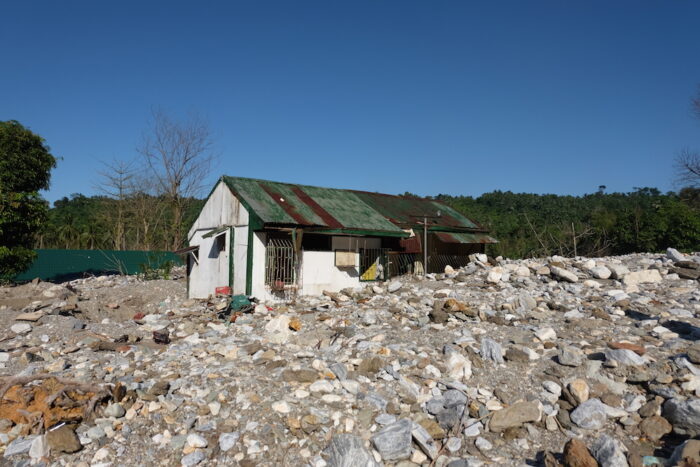
Their sharing got quite emotional when they told us how they got up the next day to see what had happened to their village. They said that all they saw was mud and excessive rainwater.
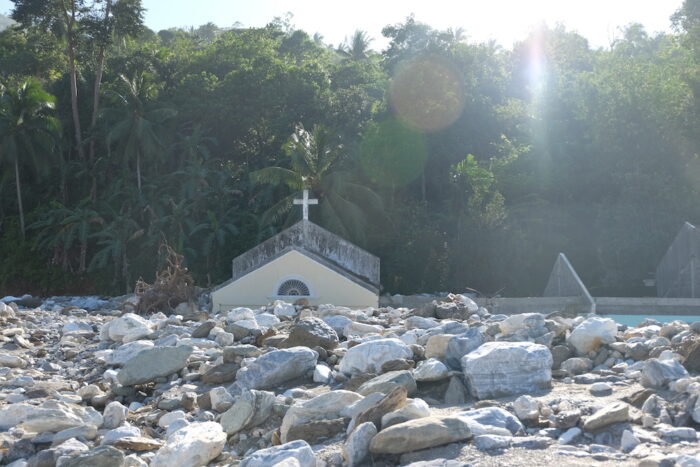
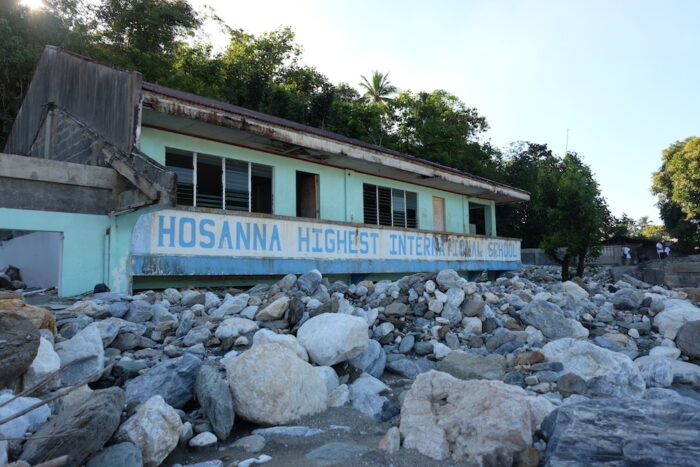
It was almost as if the village wasn’t there in the first place. And along with their houses, the community school and church were also destroyed. They told us, sorrowfully, that they couldn’t recognize their own village anymore.
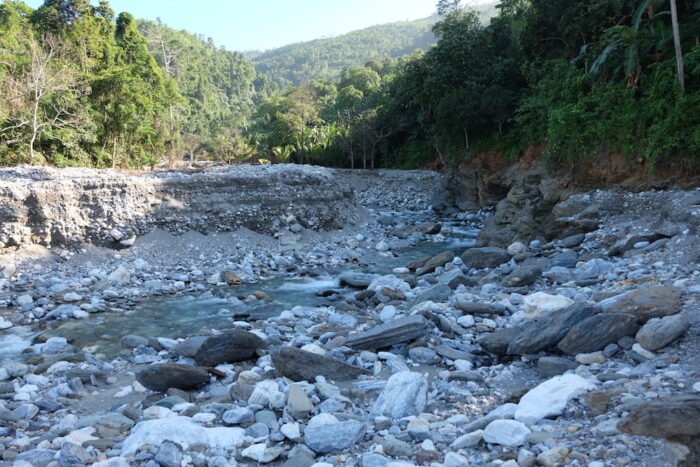
I learned later on that Barangay Bayanan was turned into a rock quarry. Although local officials claim that there is no mining or illegal logging in the area, it is evident in Bayanan Village that innocent residents are paying the severe price for the harsh actions being done to the environment.
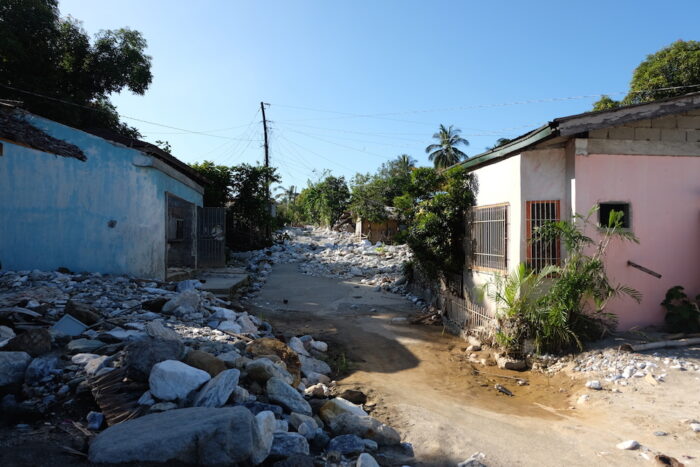
Bayanan Village in Baco is now a ghost town, and the local government and DOT are planning to turn it into a tourist attraction for educational purposes.
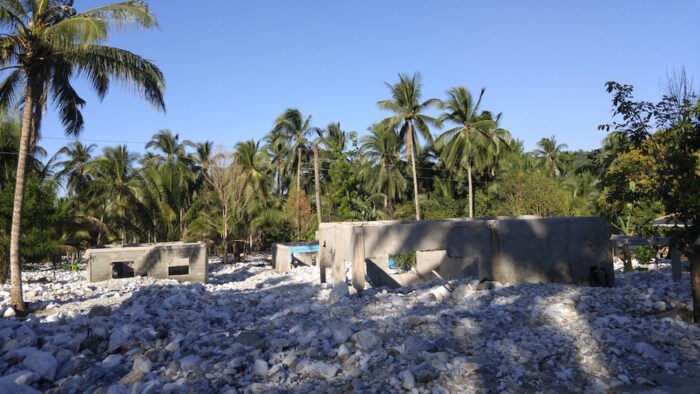
I was deeply moved after conversing with the locals. As a traveler, I now want to advocate for taking care of our environment. What happened in Bayanan Village in the town of Baco can also happen anywhere. We must all unite and make efforts to protect the environment and reduce the damage we humans cause to it.
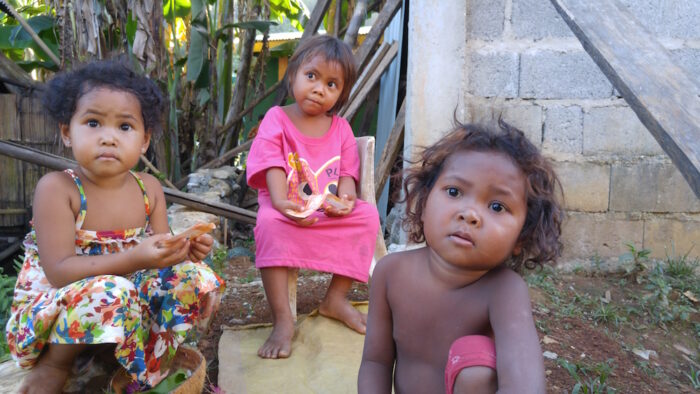
As I took a few more pictures of the Nona’s aftermath in Barangay Bayanan, I mumbled a short prayer before finally turning to leave the village as it was.
Follow the Out of Town Travel Blog on Facebook, Twitter, Instagram, and Pinterest if you want more travel and food-related updates.
Read:
- Infinity Farm | Amazing Natural Pools with Cascading Waterfalls in Oriental Mindoro
- Top 12 Best Things to Do in Butuan City
- THE RUINS in Talisay City (Near Bacolod City)