

 Melo Villareal
Best Time for Manaslu Circuit Trek: Best Months, Weather Conditions, and Larkya La Pass Tips
Choosing the best time for the Manaslu Circuit Trek can make a significant difference to your Himalayan adventure. This challenging route in Nepal takes you through traditional mountain villages, forested valleys, glacial landscapes, Buddhist monasteries, and spectacular views of Mount Manaslu. The trek also crosses Larkya La Pass at approximately 5,106 meters, where cold temperatures, strong winds, snow, and poor visibility can affect your plans.
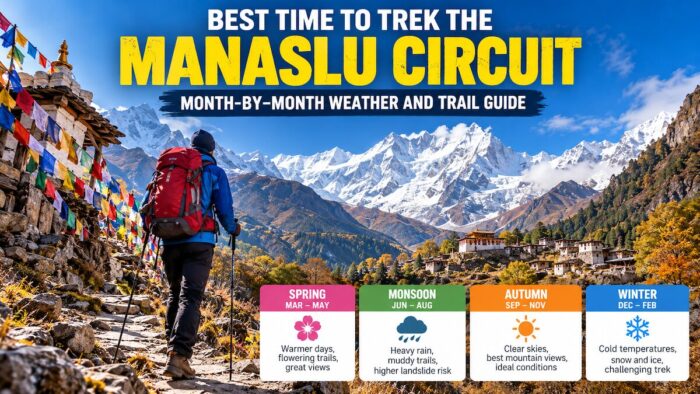
Best Time to Trek the Manaslu Circuit: Month-by-Month Weather and Trail Guide
The two main trekking seasons are spring (March to May) and autumn (September to November). October is generally the best overall month for clear mountain views and relatively stable conditions. April is an excellent alternative for warmer days and blooming rhododendrons, while early November appeals to trekkers who prefer crisp skies and fewer people on the trail.
However, the best month depends on your priorities. You might prefer colorful forests, quieter trails, dry weather, or a better chance of crossing Larkya La Pass safely. This month-by-month guide explains typical Manaslu Circuit Trek weather, seasonal advantages, potential challenges, and practical considerations to help you plan your trip.
When Is the Best Time for the Manaslu Circuit Trek?
For most trekkers, October offers the best overall combination of weather, visibility, and trail conditions. April is the strongest spring alternative, particularly for travelers who enjoy greener landscapes and spring flowers.
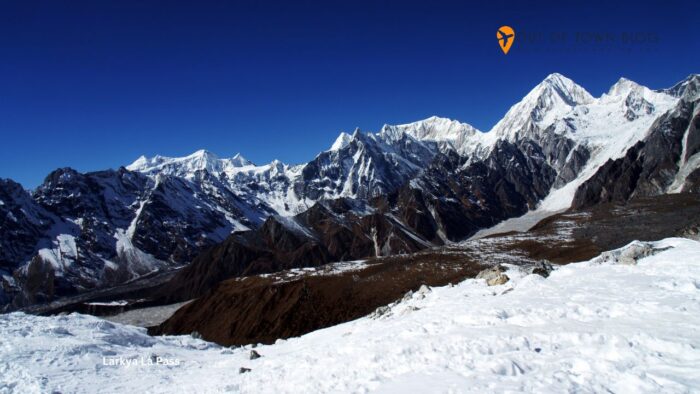
October: Best Overall
October is generally the top choice for the Manaslu Circuit Trek. The monsoon has usually retreated, trails tend to be drier, and clear skies can provide excellent views of the Himalayas. The weather is often favorable for planning the Larkya La crossing.
Expect more trekkers and higher demand for accommodation during this popular month. Nights at higher elevations can still be extremely cold.
April: Best Spring Option
April brings milder daytime conditions at lower elevations, flowering rhododendrons, and attractive mountain scenery. It is a strong option for trekkers who prefer spring landscapes.
Snow and freezing temperatures can still occur at higher elevations, particularly near Larkya La Pass.
Early November: Best for Crisp Views
Early November often brings clear skies and a quieter atmosphere after the October peak. However, temperatures continue to fall as winter approaches. Snow and ice can affect the high trail, so trekkers need to monitor conditions carefully.
These are seasonal patterns, not guarantees. Weather can change quickly in the Himalayas, and conditions around Larkya La Pass may differ considerably from those in lower villages.
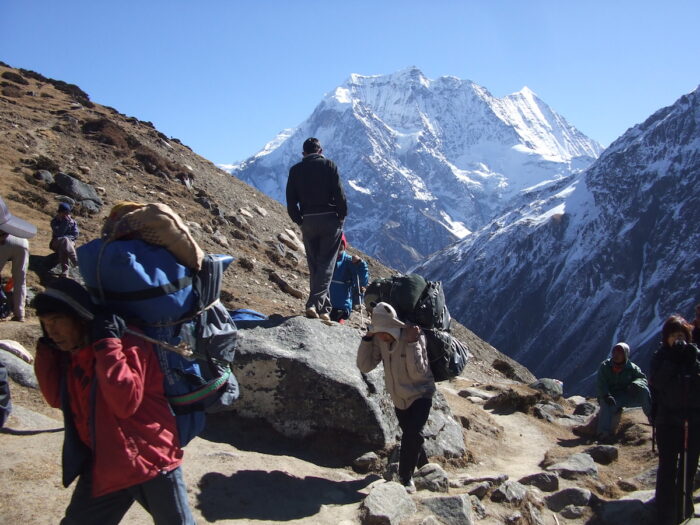
Manaslu Circuit Trek Weather by Season
| Season | Months | Typical Conditions | Overall Suitability |
|---|---|---|---|
| Spring | March to May | Warmer days, flowering forests, occasional snow or showers at altitude | Excellent, especially April |
| Summer and monsoon | June to August | Heavy rain, clouds, muddy trails, landslide risk on some approach roads | Generally not recommended |
| Autumn | September to November | Improving skies, drier trails, excellent mountain visibility | Best overall, especially October |
| Winter | December to February | Freezing temperatures, snow and ice, possible pass or lodge access problems | Challenging, best for experienced trekkers with local support |
Spring and autumn are the preferred seasons for most visitors. The monsoon can disrupt lower trails and transportation, while winter brings serious cold and snow-related challenges around the high pass.
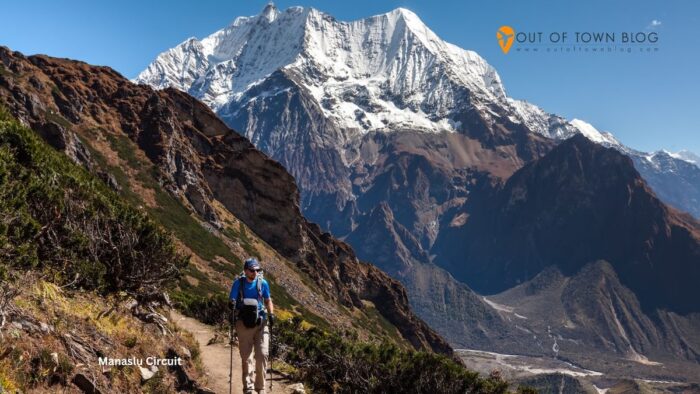
Month-by-Month Guide to Manaslu Circuit Trek Weather
January: Deep Winter Conditions
January is one of the coldest months on the Manaslu Circuit. Lower valleys may still be accessible, but temperatures fall sharply at higher elevations. Snow and ice can make the approach to Larkya La Pass difficult or unsafe, and some high-altitude teahouses may close or operate with limited services.
Trail advice: January is generally unsuitable for a standard Manaslu Circuit itinerary. Consider it only if you have substantial winter trekking experience, appropriate cold-weather equipment, and reliable local support. Confirm accommodation and pass conditions before committing to the route.
February: Cold Weather and Possible Snow
February remains a winter trekking month. Days gradually lengthen, but high-altitude mornings and nights can be extremely cold. Snow may remain on shaded trails and around the pass, and conditions can change quickly after a storm.
Trail advice: February is not a dependable choice for first-time trekkers. If you plan a late-February departure, ask an experienced local guide about snow accumulation, lodge availability, and whether crossing Larkya La is feasible before finalizing your itinerary.
March: The Start of Spring
March marks the transition into spring. Temperatures begin to improve at lower elevations, and forests start showing signs of new growth. However, early March can still bring winter-like conditions at higher altitudes, including snow and icy sections near Larkya La Pass.
Trail advice: The second half of March is generally more attractive than the beginning of the month. Pack warm layers, allow extra time for weather delays, and check recent pass conditions with your trekking guide.
April: One of the Best Months for Manaslu Trek
April is one of the strongest choices for the Manaslu Circuit Trek. Daytime conditions are often comfortable at lower and middle elevations, and spring flowers add color to forested sections of the route. Rhododendrons may bloom at suitable elevations, depending on the weather and local conditions.
Mountain views can be excellent, although afternoon clouds and occasional precipitation are possible. The higher sections remain cold, especially before sunrise and around the Larkya La crossing.
Trail advice: Choose April for spring scenery and relatively comfortable trekking temperatures. Carry insulated clothing, gloves, a warm hat, and waterproof layers. April is popular, so arrange a licensed guide, permits, transport, and accommodation in advance.
May: Warmer Days Before the Monsoon
May brings warmer conditions at lower elevations and can be a good time for trekkers who want to avoid the busiest autumn period. Early May is often preferable to late May because pre-monsoon clouds and showers tend to become more common as the season progresses.
At high elevations, temperatures can still drop below freezing. Afternoon clouds may also limit mountain views, and weather systems can bring fresh snow to the pass.
Trail advice: If you choose this month, aim for early May. Build flexibility into your schedule and avoid assuming that warm weather in the valley means safe conditions at Larkya La.
June: The Monsoon Approaches
June marks the transition toward Nepal’s summer monsoon. Rain becomes more frequent, particularly in lower valleys, and clouds can obscure mountain views. Wet trails, leeches in some forested sections, and landslides along approach roads can complicate the journey.
Higher elevations may experience different conditions, so a dry forecast for one village does not guarantee good weather throughout the route.
Trail advice: June is generally not the best time for the Manaslu Circuit Trek. If you have a compelling reason to travel, consult a local trekking operator about current road access, rainfall, trail conditions, and the latest forecast.
July: Peak Monsoon Challenges
July is typically one of the wettest months in Nepal’s monsoon-affected regions. Lower sections of the Manaslu route can become muddy, streams may rise, and landslides can disrupt road journeys. Persistent cloud often reduces visibility and can make route planning more difficult.
The high pass also requires careful monitoring because poor visibility, wind, and changing precipitation can create dangerous conditions.
Trail advice: Most trekkers should avoid July for a standard Manaslu Circuit trip. If you travel during the monsoon, use experienced local support and be prepared to change plans or turn back when conditions become unsafe.
August: Wet Trails and Unpredictable Weather
August continues the monsoon season. Heavy rainfall can affect the Budhi Gandaki valley and access roads, while cloudy skies can limit views of Manaslu and surrounding peaks. Flooding, trail damage, and landslides may create delays.
Even when rain temporarily stops, saturated ground and unstable slopes can remain hazards. Transportation to and from the trailhead may also take longer than expected.
Trail advice: August is generally a poor choice for trekkers seeking reliable trail conditions and clear mountain views. Prioritize safety over a fixed schedule, and do not rely on old trail reports when planning a monsoon departure.
September: A Transition Toward Autumn
September marks the transition from monsoon to autumn. Conditions often improve as the month progresses, but early September may still bring rainfall, cloud, muddy trails, and lingering landslide risks. Late September can offer greener landscapes and increasingly clear mountain views.
The exact timing of the monsoon’s withdrawal varies from year to year, so September conditions are less predictable than those in the heart of autumn.
Trail advice: Late September can be a worthwhile option if you want to start the autumn trekking season before October’s busiest weeks. Check recent rainfall, road access, and pass conditions before departure.
October: The Best Overall Month
October is widely regarded as the best time for the Manaslu Circuit Trek. After the monsoon, skies are often clearer, trails tend to be drier, and mountain visibility can be excellent. The season is ideal for photography, village walks, and views of the surrounding Himalayan peaks.
October is also a popular month for trekking. Teahouses and transport services may see higher demand, particularly around major trekking dates. Cold mornings and freezing conditions at higher elevations remain possible, especially during the Larkya La crossing.
Trail advice: For the best balance of visibility and seasonal reliability, consider the first three weeks of October. Reserve services early, allow acclimatization days, and check local conditions shortly before crossing the pass.
November: Clear Skies and Colder Nights
November can be an excellent month for experienced trekkers who want clear mountain views and a quieter atmosphere than peak October. Early November is generally more practical than late November because temperatures continue to fall as winter approaches.
Expect cold mornings and nights in upper villages. Snow and ice can affect the high trail, and late-season changes may limit lodge availability or make the pass more difficult to cross.
Trail advice: If you plan the Manaslu Trek in November, aim for the first half of the month if possible. Carry serious cold-weather gear, confirm accommodation availability, and keep dates flexible in case snow or strong winds delay your crossing.
December: The Beginning of Winter
December brings winter conditions to the higher sections of the circuit. Lower elevations can still have sunny days, but that does not reflect the temperatures or snow conditions near Larkya La. Snowfall and ice may make the pass difficult, and some lodges may reduce services or close.
Shorter daylight hours also leave less margin for delays on long trekking days.
Trail advice: December is a challenging option for most trekkers. Attempt the circuit only with experienced local guidance, appropriate winter equipment, current trail information, and a realistic backup plan if the pass becomes unsafe.
October vs. November vs. April: Which Month Should You Choose?
These three months are among the most attractive options for the Manaslu Circuit Trek, but each offers a different experience.
| Factor | October | November | April |
|---|---|---|---|
| Weather pattern | Generally stable and dry | Often clear, progressively colder | Mild spring conditions, occasional cloud |
| Mountain views | Excellent in favorable conditions | Often excellent | Good to excellent |
| Trail conditions | Usually dry | Usually dry, with increasing snow or ice risk at altitude | Generally favorable, snow still possible high up |
| Temperature | Cool to cold at altitude | Colder, especially late in the month | Often milder during the day |
| Crowds | Usually busiest | Often quieter after the October peak | Popular spring season |
| Scenery | Clear mountain panoramas | Crisp late-autumn landscapes | Spring flowers and greener forests |
| Best for | First-time visitors seeking classic autumn conditions | Trekkers who prefer quieter trails and can handle cold | Travelers who enjoy spring scenery |
October is the best all-round choice for most visitors. April is ideal for a spring trek, while early November offers clear views and less crowded trails. All three months can bring snow, wind, or poor visibility at high elevations, so local advice remains essential.
How Manaslu Circuit Trek Weather Changes With Altitude
The Manaslu Circuit crosses several climate zones. You can experience warm conditions in the lower Budhi Gandaki valley and freezing temperatures on the same trek.
- Lower valleys: Expect relatively warmer days, humid conditions in the rainy season, and forested trails. Rain can make paths slippery and affect access to roads.
- Middle elevations: Temperatures cool, and the landscape shifts to alpine forests, terraced fields, and traditional mountain settlements. Weather can shift quickly.
- Upper villages: Nights are much colder, and snow or ice can affect exposed trails. Warm clothing becomes essential.
- Larkya La Pass, approximately 5,106 meters: Conditions can include freezing temperatures, strong winds, snowfall, and poor visibility. A clear morning in a lower village does not guarantee a safe crossing.
Altitude matters as much as the calendar. Plan your clothing and itinerary for the coldest conditions you may encounter, rather than packing only for the weather at the trailhead.
How Long Should You Allow for the Manaslu Circuit Trek?
Many Manaslu Circuit itineraries take about 12 to 16 days of trekking, plus time for travel to the trailhead, return transport, and acclimatization. The exact duration depends on your starting point, walking pace, side trips, and the itinerary your trekking operator arranges.
Build flexibility into your schedule, especially before the Larkya La crossing. A storm, altitude-related symptoms, or trail closure can delay progress. Avoid booking an onward flight immediately after you expect to return from the mountains.
A sensible itinerary includes time to adjust to altitude and an extra buffer for weather-related delays. Your guide should help you set a safe pace and decide whether conditions allow you to continue.
What to Pack for Different Trekking Seasons
Your packing list should reflect both the month and the highest elevations on your itinerary.
For October and November:
- Insulated jacket and warm mid-layers
- Thermal base layers for cold mornings and nights
- Waterproof jacket and trousers
- Gloves, warm hat, and neck covering
- Sturdy trekking boots with good grip
- Sleeping bag suitable for freezing conditions
- Sunglasses, sunscreen, and sun protection
- Headlamp, water bottles, and personal medication
For March and April:
Bring the same essential cold-weather equipment, plus breathable layers for warmer afternoons. Waterproof clothing remains useful because spring weather can change, and snow is still possible at high elevations.
For the monsoon months:
Waterproof bags, rain protection, quick-drying clothing, and footwear with good traction become particularly important. However, equipment alone cannot eliminate the risks of landslides, flooding, or unsafe trail conditions.
Ask your trekking operator for an equipment list based on the current forecast, itinerary, and expected overnight temperatures.
Important Safety Tips Before You Trek Manaslu
1. Check Conditions Before Crossing Larkya La
Ask your guide about recent snowfall, wind, visibility, and the pass’s condition. Be prepared to delay or abandon the crossing if conditions become unsafe.
2. Allow Time for Acclimatization
The route reaches a high altitude, where altitude sickness can affect fit trekkers as well as beginners. Follow a gradual ascent plan, take recommended acclimatization days, and tell your guide immediately if you develop symptoms.
A severe headache accompanied by vomiting, confusion, difficulty walking, or breathlessness at rest requires urgent medical assessment and descent when appropriate. Never continue ascending with worsening symptoms.
3. Arrange the Required Permits and Guide
The Manaslu region has restricted-area trekking requirements. Confirm current permits, entry conditions, and guide requirements with an authorized trekking operator before departure. Do not assume that rules or fees remain unchanged from previous years.
4. Keep Your Itinerary Flexible
Weather, landslides, transport delays, and trail conditions can disrupt even a carefully planned trip. Build in spare days and don’t treat the expected Larkya La crossing date as guaranteed.
5. Check Travel Insurance
Choose travel insurance that explicitly covers high-altitude trekking at your planned elevation. Confirm whether it includes emergency evacuation, medical treatment, and delays caused by trekking conditions. Standard travel insurance may exclude certain high-altitude activities.
Frequently Asked Questions About the Best Time for Manaslu Circuit Trek
1. What is the best time for Manaslu Circuit Trek?
October is generally the best month for the Manaslu Circuit Trek because it often offers dry trails, clear Himalayan views, and relatively stable autumn weather. April is another excellent option for travelers who prefer spring flowers and milder daytime conditions at lower elevations. Early November can also be rewarding, although temperatures fall as winter approaches. Weather varies year to year, so check recent trail reports and conditions at Larkya La before you go.
2. Is October better than April for the Manaslu Circuit Trek?
October is usually the stronger choice for trekkers who prioritize post-monsoon visibility and generally dry trails. April appeals to travelers who want spring scenery, flowering rhododendrons, and comfortable daytime walking conditions at lower elevations. Both months can offer excellent trekking, but neither guarantees clear skies or a snow-free pass. Your decision should also consider crowds, accommodation availability, temperature preferences, and the latest forecast for the route’s high-altitude sections.
3. Is Manaslu Trek November a good idea?
Yes, especially in the first half of November, when mountain views can remain excellent and the October crowds may have eased. The main disadvantage is the increasing cold at higher elevations. Snow and ice can make the Larkya La crossing more demanding, especially later in the month. If you choose November, bring appropriate cold-weather gear, confirm teahouse availability, and stay flexible in case your guide recommends delaying the pass crossing.
4. Is Manaslu Trek April suitable for beginners?
April can be a good month for beginners who are reasonably fit, properly prepared, and trekking with qualified local support. Spring weather is often favorable, and the forests can be especially attractive when rhododendrons bloom. However, the Manaslu Circuit remains a demanding high-altitude trek, regardless of season. Beginners should train for consecutive walking days, follow a gradual acclimatization schedule, carry suitable cold-weather gear, and understand that snow, altitude sickness, and rapidly changing weather can affect the itinerary.
5. Can you trek the Manaslu Circuit during the monsoon?
Trekking during the June to August monsoon period is generally less suitable for most visitors. Heavy rain can create muddy trails, increase landslide risk, and delay transportation, while persistent cloud may limit mountain views. Some sections can become difficult to access, and conditions vary considerably between lower valleys and higher elevations. Travelers considering a monsoon trek should consult experienced local operators, check recent road and trail reports, and be prepared to change their plans if conditions become unsafe.
6. Is the Manaslu Circuit Trek possible in winter?
Winter trekking is possible under certain conditions, but December through February brings significant challenges. Temperatures can fall well below freezing at higher elevations, snow may accumulate around Larkya La, and some teahouses may close or reduce services. Crossing the pass can become unsafe depending on snowfall, wind, and visibility. Winter is best considered by experienced trekkers with appropriate equipment, reliable local support, and flexible schedules. Confirm current conditions before departure rather than relying on a previous year’s itinerary.
7. How cold does it get at Larkya La Pass?
Larkya La Pass sits at about 5,106 meters, where temperatures can drop below freezing, especially before sunrise and during strong winds. The exact temperature depends on the season, weather system, and time of day. October and April can still bring very cold conditions, while November and the winter months increase the likelihood of snow and ice. Carry insulated layers, gloves, a warm hat, and suitable footwear, and follow your guide’s assessment of whether the crossing is safe.
8. How far in advance should I plan the Manaslu Circuit Trek?
Plan several months ahead if you intend to trek during the popular October or April periods. Early arrangements give you more time to organize the required permits, a qualified guide, transport, accommodation, equipment, and travel insurance. Peak-season demand can make preferred dates and lodging harder to secure. Before paying deposits, confirm the current permit requirements and cancellation terms. Also allow spare days in your itinerary for weather delays, acclimatization, or changes to the planned Larkya La crossing.
Final Recommendation
For most travelers, October is the best time for the Manaslu Circuit Trek, with April offering an excellent alternative for spring scenery and milder daytime conditions at lower elevations. Early November is also worth considering if you prefer a quieter trail and are prepared for colder nights.
Whichever month you choose, plan around the conditions at Larkya La Pass, not only the weather in the lower valleys. Check local forecasts, arrange the necessary permits and guide, prepare for freezing temperatures, and allow enough flexibility to respond to changing mountain conditions.
Want more updates about new package tours and tourist spots in Nepal? Follow #TeamOutofTown on Facebook, Twitter, Instagram, and Pinterest for more travel ideas.
Read:

