

 Melo Villareal
Sarok Festival: Experience Consolacion’s Colorful Celebration of Cebuano Heritage
As a frequent traveler who loves returning to Cebu, I have learned that some of the island’s most memorable cultural experiences happen beyond the usual tourist hotspots. One of these is the Sarok Festival in Consolacion, a colorful annual celebration that brings together street dancing, local history, traditional craftsmanship, and community pride.
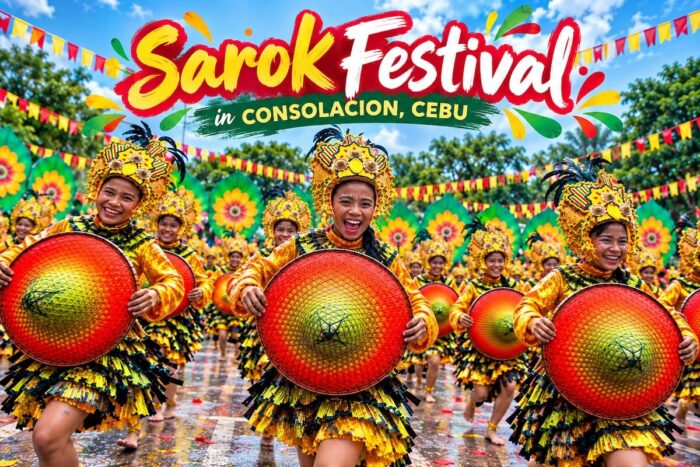
Sarok Festival in Consolacion, Cebu
Located just north of Cebu City, Consolacion transforms during the festival into a lively showcase of the sarok, the traditional wide-brimmed hat associated with the town’s agricultural heritage. For travelers who want to experience a more local side of Cebu, the Sarok Festival offers an energetic and meaningful alternative to the island’s larger and more internationally known celebrations.
What Is the Sarok Festival?
The Sarok Festival is one of Consolacion’s most important cultural celebrations. It honors the sarok, a traditional protective hat historically worn by farmers while working outdoors.
The sarok is traditionally made from natural materials such as woven bamboo strips and dried banana leaves. Its wide brim helps protect the wearer from the intense heat of the sun and heavy tropical rain. Beyond its practical purpose, the hat became an important symbol of the agricultural lifestyle and craftsmanship of the people of Consolacion.
During the festival, this humble farming hat becomes an impressive cultural centerpiece. Dancers carry, wear, decorate, and creatively incorporate saroks into colorful costumes and choreographed performances.
The result is a festival that feels both traditional and contemporary: rooted in the town’s history while constantly being reimagined by a new generation of dancers and artists.
History of the Sarok Festival
The story of the festival is closely connected to Consolacion’s agricultural past and its history of sarok weaving.
Sarok-making became an important livelihood for residents, particularly in the village of Tulotulo, where the traditional craft developed into a cottage industry. Women were among those involved in making and selling the hats, while the sarok itself eventually reached markets beyond Consolacion. The craft became an important representation of local creativity and livelihood.
The Sarok Festival was launched in 1996, following efforts to establish a cultural celebration to commemorate the livelihoods and traditions of Consolacion’s early settlers. The festival became associated with the municipality’s founding anniversary celebrations and helped preserve awareness of sarok weaving and the town’s agricultural identity.
Over the years, the festival schedule has changed at different times. It was traditionally associated with February celebrations, was moved to October for a period, and later returned to February. Travelers planning a visit should always check the latest municipal announcements, as exact festival dates and activity schedules can change from year to year.
What to See at the Sarok Festival
The Grand Street Dancing
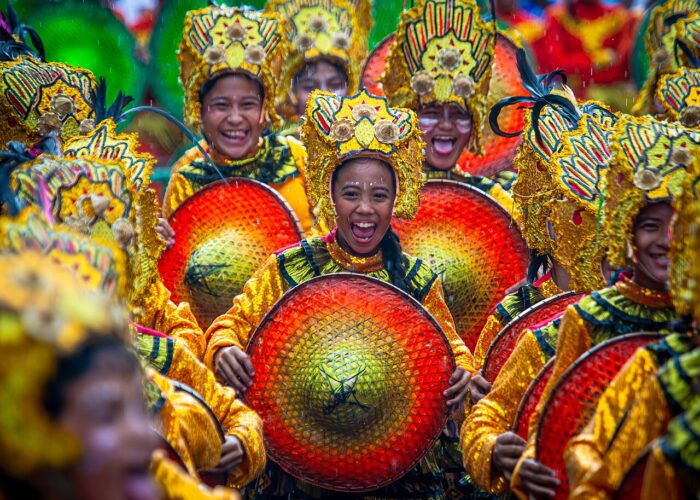
For me, the street dancing competition is the biggest reason to visit.
Schools and community groups from different parts of Consolacion perform elaborate routines inspired by the town’s history, farming traditions, craftsmanship, and the sarok itself. Expect energetic choreography, synchronized formations, large props, and costumes filled with colorful interpretations of traditional materials.
The 2026 celebration featured multiple school-based contingents competing in both street dancing and the grand ritual showdown, demonstrating how important the younger generation has become in keeping the festival tradition alive.
Creative Sarok Costumes and Props
The sarok is not simply an accessory during the festival. It becomes part of the visual storytelling.
Some performers use enormous decorative versions of the hat, while others incorporate it into costumes, stage props, and dance movements. Watching the different interpretations is one of the most enjoyable parts of the event, as each contingent brings its own artistic style.
The Grand Ritual Showdown
After the street performances, selected groups compete in more elaborate cultural presentations.
These performances combine dance, music, theatrical storytelling, costumes, and local themes. They often provide a deeper interpretation of Consolacion’s identity and allow visitors to see how traditional heritage can be expressed through modern choreography.
Miligoy de Cebu
The Sarok Festival is also associated with the Miligoy de Cebu, a traditional dance from Consolacion. The dance is performed by pairs and is traditionally accompanied by bamboo castanets.
For travelers interested in Cebuano folk traditions, seeing local dances incorporated into festival activities adds another layer to the experience.
Local Community Celebrations
Depending on the year’s official program, festival celebrations may also include community activities, competitions, trade fairs, entertainment programs, pageants, and other anniversary events.
This makes the Sarok Festival more than a single parade. It becomes a town-wide celebration where visitors can experience the strong sense of community that smaller Cebu festivals often offer.
Sarok Festival Schedule of Activities
The exact program changes each year, but visitors can generally expect festival celebrations to include:
- Opening and founding anniversary activities
- Cultural programs
- Street dancing competition
- Festival parade
- Grand ritual showdown
- Festival queen or pageant-related events
- Community and school competitions
- Trade and local product activities
- Awarding ceremonies
- Evening entertainment and celebrations
The 2026 Sarok Festival Grand Parade was held on February 7, 2026, in connection with Consolacion’s 106th Founding Anniversary. The event had originally been affected by weather-related scheduling changes, demonstrating why travelers should confirm the official schedule shortly before traveling.
Best Time to Arrive
I recommend arriving well before the main street dancing begins. The best viewing areas can become crowded, and road closures or heavy traffic may affect travel times.
If possible, plan to spend most of the day in Consolacion so you can watch both the parade and later cultural activities.
How to Get to Consolacion from Cebu City
Consolacion is located north of Cebu City and is easily accessible by road.
By Public Transportation
One of the most practical options is to take a northbound bus or jeepney from Metro Cebu to Consolacion. Travelers can also find public transportation options heading toward the northern towns of Cebu.
The journey time depends heavily on traffic. On ordinary days, the trip may be relatively straightforward, but during major celebrations and peak hours, traffic along the northern corridor can significantly increase travel time.
By Taxi or Ride-Hailing Service
A taxi or ride-hailing service is more convenient if you are traveling in a group or carrying photography equipment.
However, during the festival, expect possible road closures, traffic diversions, and difficulty finding a vehicle immediately after major events end.
From Mactan-Cebu International Airport
Travelers arriving through the airport can travel by private car, taxi, or ride-hailing service toward Consolacion. The route requires crossing into mainland Cebu and can take considerably longer during rush hour.
If you are visiting specifically for the Sarok Festival, I recommend allowing plenty of extra time rather than planning your arrival close to the start of the parade.
Things to Do While Visiting Consolacion
Watch the Festival Like a Local
Find a comfortable viewing position along the parade route and stay long enough to watch several contingents. Each group usually has its own interpretation of the festival theme, so watching only one performance means missing much of the creative variety.
Explore Local Food Options
Festival days are a great opportunity to explore local eateries and food stalls. After spending several hours standing and watching performances, taking a break for a proper Cebuano meal is essential.
Support Local Crafts
Because the festival celebrates sarok-making and traditional craftsmanship, look for opportunities to learn more about locally made products and community artisans.
Buying locally made items, when available, is also a more meaningful souvenir option than purchasing generic tourist merchandise.
Combine the Trip with Cebu City
Because Consolacion is within Metro Cebu’s northern corridor, visitors can easily combine the festival with a stay in Cebu City.
I would recommend spending the festival day in Consolacion and then returning to Cebu City for dinner, sightseeing, or an overnight stay.
Important Travel Tips for the Sarok Festival
Arrive Early
Festival routes can become crowded, especially near major performance areas. Arriving early gives you more flexibility when choosing where to stand.
Prepare for Heat and Rain
Cebu’s weather can change quickly. Bring:
- Drinking water
- Sunscreen
- A cap or hat
- A compact umbrella or rain protection
- Comfortable footwear
It is particularly appropriate to remember the original purpose of the sarok: protection from both the sun and rain.
Wear Comfortable Shoes
Festival viewing often involves standing for long periods and walking between viewing areas.
Avoid wearing footwear that will become uncomfortable after several hours.
Expect Traffic
The northern roads connecting Cebu City and Consolacion can experience heavy traffic even on regular days. Festival crowds and road closures can slow travel.
Give yourself a generous allowance of time.
Bring Cash
While digital payments are increasingly common, small vendors and temporary festival stalls may still prefer cash.
Carry small bills for food, transportation, and purchases.
Keep Your Belongings Secure
Large crowds are exciting but require basic travel awareness. Keep phones, wallets, cameras, and other valuables secure, especially when moving through crowded areas of the festival.
Check the Official Schedule Before Traveling
This is perhaps the most important tip.
Festival dates, parade routes, start times, and activity schedules may change due to weather, local government decisions, or other circumstances. The 2026 celebration itself had its schedule adjusted due to Tropical Storm Basyang.
Sarok Festival FAQ
When is the Sarok Festival held?
The festival has traditionally been associated with February and Consolacion’s founding anniversary celebrations. Exact dates can vary, so travelers should confirm the current year’s official schedule before making plans.
Where is the Sarok Festival held?
The festival takes place in Consolacion, Cebu, north of Cebu City. Activities may include performances along major roads and designated municipal event areas.
What does “sarok” mean?
A sarok is a traditional wide-brimmed protective hat historically associated with farmers. It is made using natural materials such as bamboo and dried plant leaves and helps shield the wearer from the sun and rain.
Is the Sarok Festival worth visiting?
Absolutely, especially if you enjoy cultural festivals and want to see a more local side of Cebu.
While it may not have the enormous crowds and international profile of Sinulog, that is part of its appeal. The Sarok Festival offers a more community-centered experience, with the town’s history and traditions as the focus.
How long should I spend in Consolacion during the festival?
I recommend allowing at least half a day, although a full day is better if you want to watch both daytime street dancing and later activities.
Is the festival family-friendly?
Yes. The colorful costumes, dancing, music, and community atmosphere make it an enjoyable event for families. Parents traveling with children should still prepare for heat, crowds, and long periods of standing.
Why the Sarok Festival Is Worth Experiencing
After visiting Cebu repeatedly, I have come to appreciate that the province’s cultural identity extends far beyond its most famous destinations.
The Sarok Festival is a celebration of something wonderfully simple: a traditional hat used by farmers. Yet that object carries stories of agriculture, livelihood, craftsmanship, resilience, and community.
Today, the sarok has become much more than protection from the weather. During the festival, it becomes a symbol of Consolacion itself.
For travelers looking beyond Cebu’s beaches, resorts, and major city attractions, the Sarok Festival is a chance to experience the island through its people and traditions. It is colorful, energetic, deeply local, and a reminder that some of the best travel experiences happen when you follow a community as it celebrates its own heritage.
If you time your Cebu trip around the festival, arrive early, stay curious, and give yourself time to watch the performances, you may discover one of the province’s most underrated cultural celebrations.
Follow and subscribe to OutofTownBlog.com on Facebook , Twitter, Instagram, Pinterest, and YouTube for more Travel-related updates.
Read:
- Tuna Festival in General Santos City
- Discover Pulau Pangkor: A Guide to Its Best Beaches and Hidden Gems
- The Old San Fernando Train Station in Pampanga
- Top 21 Best PAMPANGA TOURIST SPOTS + Things to Do
- Rakuh A Payaman: Marlboro Country in Mahatao, Batanes
- Humba Festival in Ronda, Cebu: History, Things to Do, Schedule, Travel Guide and Tips