

 Team Out of Town
Before You Board: Essential Tips First-Time Cruisers Wish They Knew
For a lot of travelers, that first cruise feels like the ultimate dream vacation. You unpack once, wake up somewhere new almost every day, catch live shows at night, and have more food options than you could possibly try in a week—all without hopping between hotels or rushing to the airport.

Things Nobody Tells You Before Your First Cruise
But after sailing on several cruise ships around Asia, Europe, and beyond, I’ve learned that cruising comes with a few surprises that glossy brochures don’t always mention. Cruise lines are great at showing off luxurious cabins, sparkling pools, and dreamy tropical ports, but they tend to skip the practical details that can shape your entire experience.
If you’re getting ready for your first voyage, here are ten things nobody tells you before your first cruise—and why knowing them in advance can help you cruise like a pro.
1. The Cruise Ship Is the Destination—Not Just the Transportation
A lot of first-time cruisers think of the ship as a floating hotel that simply takes you from one port to another.
In reality, the ship itself is often the star of the trip.
Modern cruise ships are packed with things to do: Broadway-style shows, ice skating rinks, surf simulators, water parks, escape rooms, zip lines, casinos, spas, specialty restaurants, comedy clubs, rooftop bars, and endless entertainment venues. Some ships are so huge they feel like small cities at sea.
Many first-time passengers get so focused on shore excursions that they barely explore the ship. They spend every port day rushing around and every sea day catching up on sleep.
Instead, set aside time to explore. On embarkation day, walk through the decks, study the daily schedule, and note the attractions you really want to try before they get crowded.
Some of the best moments happen while the ship is simply sailing—watching the sunset from the top deck, listening to live music by the pool, or reading a book with nothing but open ocean around you.
Your cruise isn’t just about where you’re going—it’s about enjoying the journey itself.
2. You’ll Walk Much More Than You Expect
Cruise ships can be surprisingly massive.
The newest mega-ships stretch more than 350 meters long and carry over 6,000 passengers. Just walking from your cabin to dinner can easily take 10 to 15 minutes, depending on where you’re staying.
On a typical cruise day, it’s easy to rack up 10,000 to 20,000 steps without even trying.
You’ll walk to breakfast. Then to the theater. Back to your cabin. To the pool. To lunch. To another show. Then ashore. Then back onboard.
Comfortable shoes quickly become one of the most important things you pack.
Many first-time cruisers bring stylish sandals or stiff leather shoes, and by day two, they’re regretting it.
Supportive sneakers or cushioned walking shoes will make every day much more enjoyable—and your feet will thank you.
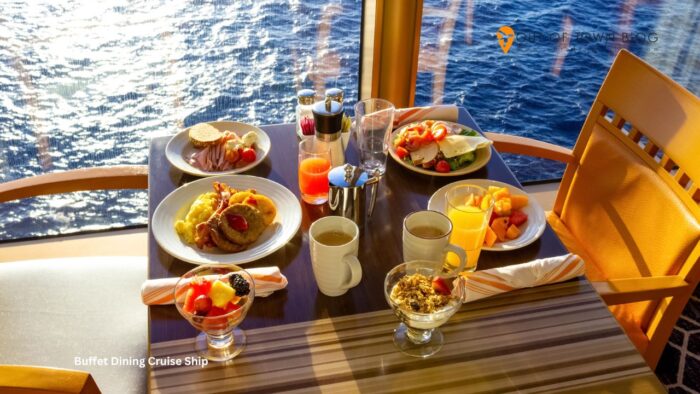
3. The Best Food Isn’t Always Included
Cruise ads love to highlight “unlimited dining.”
Technically, that’s true, but many passengers don’t realize that some of the most tempting restaurants on the ship come with an extra charge.
Your cruise fare usually includes:
- Main dining rooms
- Buffet restaurants
- Poolside grills
- Pizza counters
- Selected cafés
But premium steakhouses, sushi bars, French bistros, seafood restaurants, chef’s tables, and tasting menus often cost extra.
The good news? The complimentary dining is usually very good.
You don’t have to spend more money to eat well.
If your budget allows, consider picking one or two specialty restaurants for a special night instead of booking them every evening. That way, you get a memorable experience without adding too much to your overall vacation cost.

4. Embarkation Day Can Feel Surprisingly Stressful
Marketing photos show smiling passengers with cocktails in hand minutes after boarding.
Reality is usually a little less glamorous.
Embarkation day can involve:
- Airport or hotel transfers
- Security checks at the terminal
- Passport and document verification
- Check-in procedures
- Dropping off luggage
- Long walks through the terminal and gangways
- Waiting for cabins to be ready
Thousands of guests are boarding around the same time, so lines and crowds are almost guaranteed.
The best mindset is to expect a bit of chaos and stay patient.
Once you’re onboard, grab lunch, walk around, and explore the ship instead of expecting your room and luggage to be ready right away.
Your suitcases might not show up at your cabin until late afternoon or early evening.
Pack a small carry-on with your essentials: medications, valuables, chargers, swimsuits, and a change of clothes. That way, you can start enjoying the ship as soon as you step on board.

5. You Might Lose Track of Time
Life on a cruise ship runs on a completely different rhythm from everyday life.
Meals are available almost all day. Entertainment goes late into the night. Pools stay busy. Bars remain open. There are no commutes, no office meetings, and no chores.
Before you know it, you may have no idea what time—or even what day—it is.
Afternoons blend into evenings, and sea days blend into port days. Many experienced cruisers joke that “cruise time” feels like its own time zone.
Ironically, that’s part of the magic.
A cruise is one of the few vacations where you’re encouraged to slow down, forget the clock, and just enjoy the moment instead of racing from one commitment to the next.
6. Sea Days Can Become Your Favorite Days
Before my first cruise, I was sure the port days would be the highlight.
I was wrong.
Sea days—those days when the ship doesn’t stop anywhere and simply sails—often turn out to be the most relaxing and memorable part of the trip.
There’s no alarm clock. No excursion meeting time. No rush to get back to the ship before all-aboard.
Instead, you can:
- Linger over a long breakfast
- Watch the sun rise over the ocean
- Join a cooking class or demonstration
- Spend time in the spa
- Read by the pool
- Catch a matinee show or live performance
- Play trivia or join a game
- Simply sit and watch the endless sea
These slower days let you really feel the rhythm of life at sea and remind you that the journey itself is part of the vacation.
7. Motion Sickness Can Surprise Even Experienced Travelers
A lot of first-timers assume they’ll instantly know whether they get seasick.
But sea conditions change all the time.
Calm Caribbean waters feel very different from the Pacific Ocean or the Bay of Biscay, for example.
Even travelers who never get sick on planes, buses, or cars can feel a bit off during choppy seas.
The upside is that modern cruise ships are built with powerful stabilizers that greatly reduce the amount of motion you feel.
Still, it’s smart to come prepared with:
- Motion sickness tablets or patches
- Ginger candies or tablets
- Motion sickness wristbands
If you’re worried, choosing a cabin midship on a lower deck can also help, since those areas usually move less than the front or back of the ship.
It’s much better to have what you need on hand than to be hunting for remedies at the medical center once the waves pick up.
8. You Don’t Need to Book Every Shore Excursion
First-time cruisers often feel pressure to book an excursion in every single port.
In reality, some of the best experiences happen when you explore at your own pace.
Many cruise ports are close to:
- Historic old towns and city centers
- Beaches and waterfronts
- Museums and galleries
- Local markets
- Promenades and parks
- Cozy cafés and local restaurants
Do a bit of research on each destination before you sail.
Some ports are easy and safe to explore on foot or by local transport, while others are better suited to organized excursions.
A mix of guided tours and independent wandering often leads to a more relaxed—and sometimes more budget-friendly—cruise.
Just remember one golden rule: always get back to the ship well before the all-aboard time. Unlike planes, cruise ships generally don’t wait for late passengers unless they’re on an official ship-sponsored excursion.

9. You Won’t Experience Everything
Cruise lines design their daily schedules so there’s always something happening.
Every day, you might see:
- Fitness classes and dance lessons
- Wine tastings and cooking demos
- Theater productions and live music
- Trivia contests and game shows
- Movies under the stars
- Sports tournaments and deck games
- Art auctions and enrichment talks
There’s no way to do it all—and that’s okay.
Many first-time cruisers over-plan their days, running from one activity to another and ending up more exhausted than they expected.
Seasoned cruisers usually take the opposite approach.
Pick the shows, events, and experiences that genuinely excite you, and let the rest go.
Leave space in your schedule for last-minute decisions and unexpected moments.
Very often, your favorite memory won’t be from anything on the program—it might be spotting dolphins from your balcony, stumbling upon a quiet spot on deck, or sharing stories with fellow travelers over coffee.

10. You’ll Probably Start Planning Your Next Cruise Before This One Ends
Almost every seasoned cruiser remembers saying something like:
“Let’s just try one cruise.”
Then another one happens. And another.
Cruising has a way of turning casual travelers into repeat guests.
Each cruise line has its own personality, every ship feels a little different, and every itinerary opens the door to new places and experiences.
You might find yourself researching Alaska before you’ve even finished your Mediterranean cruise.
Or comparing Japan, Norway, Australia, and the South Pacific while you’re still enjoying your final sea day.
Cruise lines know this, which is why many of them offer special deals or future cruise credits if you book your next trip while you’re still onboard.
For a lot of people, that “one-time” cruise ends up being the start of a new favorite way to travel.
Final Thoughts
Your first cruise is unlike just about any other vacation. It combines the excitement of visiting multiple destinations with the comfort of sleeping in the same bed every night, all while introducing you to a slower, more relaxed way of seeing the world.
The key to enjoying it isn’t trying to do everything—it’s understanding how cruising works and embracing its easygoing pace.
Go in with realistic expectations, pack smart, and leave room in your schedule for spontaneity. Don’t stress about seeing every show, eating at every venue, or joining every activity.
Some of the most meaningful moments at sea aren’t in the daily program at all. They’re in quiet mornings on your balcony, golden-hour sunsets on the open ocean, and conversations with fellow travelers you never would have met anywhere else.
By knowing these ten often-overlooked truths before you board, you’ll skip many of the usual first-timer mistakes and spend less time worrying about logistics—and more time simply enjoying the journey. And chances are, by the time your ship returns to port, you’ll already be thinking about where your next cruise might take you.
Follow and subscribe to OutofTownBlog.com on Facebook , Twitter, Instagram, Pinterest, and YouTube for more Travel-related updates.
Read:
- The Ultimate Guide to Choosing the Best Cruise for Your Next Trip
- Exploring Ha Long Bay by Traditional Junk Boat
- Top 3 Reasons to Take a Mediterranean Cruise
- Why Being on a Luxury Power Yacht Is the Ultimate Exclusive Escape
- Why More Filipino Travelers Are Choosing Cruises for Their Next Vacation
- The Most Beautiful Cruise Destinations in the World
- 15 Cruise Mistakes First-Time Travelers Always Make (And How to Avoid Them)


