

 Melo Villareal
Invoicing is essential to running a business, but traditional methods often involve time-consuming paperwork and manual processes. As more businesses adopt digital tools, electronic invoicing offers a more efficient way to manage transactions. It is also becoming increasingly important in the Philippines as the Bureau of Internal Revenue (BIR) introduces new digital compliance requirements.
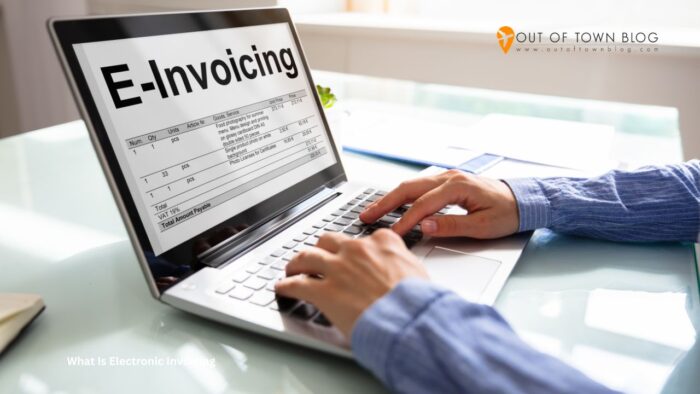
What Is Electronic Invoicing
Particular to this, electronic invoicing or e-invoicing refers to the creation, issuance, and processing of invoices using structured digital information that computer systems can automatically read. Unlike ordinary PDF invoices or scanned documents, electronic invoices contain data that accounting systems can extract and process. In the Philippines, the BIR’s Electronic Invoicing System (EIS) facilitates electronic sales reporting, although issuing electronic invoices and transmitting sales data are separate compliance obligations.
For your business, adopting electronic invoicing and becoming BIR EIS compliant can mean more than replacing paper documents. It can also simplify administrative work, improve financial recordkeeping, and support regulatory compliance. With covered taxpayers required to implement electronic invoicing by December 31, 2026, understanding its benefits and requirements can help you prepare for the transition.
Benefits of Electronic Invoicing for Philippine Businesses
Reduced Administrative Costs
Electronic invoicing can help your business reduce expenses associated with printing, paper, physical storage, and document delivery. By automating repetitive tasks, such as entering customer information and preparing invoices, you can also free up employees to focus on other, more nuanced responsibilities. Although adopting electronic invoicing may require an initial investment in software or system upgrades, these improvements can lead to lower administrative costs over time.
Faster and More Efficient Invoice Processing
With electronic invoicing, you can generate and send invoices directly through your accounting or sales system instead of preparing each document manually. Automated processes can retrieve transaction details, populate invoice fields, and deliver invoices electronically, reducing the time spent on routine billing tasks. This can be particularly helpful if your business handles large volumes of transactions or regularly issues invoices to multiple customers.
Improved Accuracy and Tax Compliance
In many instances, manual data entry can result in incorrect amounts, missing details, and inconsistent records. Electronic invoicing helps minimize these errors by standardizing invoice information and reducing repeated encoding. It also makes invoices easier to organize, retrieve, and reconcile during financial reviews or tax audits. While electronic invoicing does not automatically guarantee BIR compliance, a properly configured system can help you maintain more accurate and reliable tax records.
Better Cash Flow Management
Electronic invoicing can give you greater visibility into your business’s billing activities and outstanding receivables. When integrated with accounting or payment systems, it can help you keep track of unpaid invoices, identify overdue accounts, and follow up with customers more efficiently. Issuing invoices on time may also help prevent unnecessary billing delays; this then allows you to plan expenses and manage working capital with more reliable financial information.
Requirements for BIR EIS Compliance
Determine Whether Your Business Is Covered
Under Revenue Regulations (RR) No. 11-2025, as amended by RR No. 26-2025, mandatory electronic invoicing applies to (1) small, medium, and large taxpayers engaged in e-commerce; (2) taxpayers under the BIR’s Large Taxpayers Service; (3) businesses classified as large taxpayers under the Ease of Paying Taxes Act; and (4) taxpayers using covered computerized accounting or invoicing systems. If your business falls under these categories, you must comply by December 31, 2026. Micro taxpayers are generally exempt from the initial mandate.
Use a Compliant Electronic Invoicing System
Your business must use a registered, approved, or accredited system that generates structured electronic invoices, delivers them digitally to customers, and allows invoice data to be extracted for BIR reporting. You can develop an in-house solution or purchase commercial software. You may also choose to work with an electronic invoicing service provider. Take note that invoices manually created using Word, Excel, or similar applications do not qualify simply because you send them electronically.
Obtain a Permit to Issue Electronic Invoice
Before issuing electronic invoices, you must secure a Permit to Issue (PTI) Electronic Invoice from the BIR. Under Revenue Memorandum Circular (RMC) No. 98-2026, you must submit your application and supporting documents to your registered Revenue District Office or Large Taxpayer Office. The BIR evaluates complete applications within 20 working days. An important detail: an existing permit or acknowledgment for your computerized accounting system does not automatically authorize electronic invoice issuance.
Complete EIS Certification
You must also obtain EIS Certification to demonstrate that your invoicing system can extract, process, and transmit sales information according to BIR technical standards. This involves testing your system through the BIR’s EIS Certification Portal. Under RMC No. 98-2026, you have six months from the issuance of your PTI Electronic Invoice to secure this certification. Failure to meet this requirement may result in the revocation of your permit, so timely preparation is essential.
Meet Applicable Sales Reporting and Recordkeeping Requirements
Electronic invoice issuance and electronic sales reporting are separate obligations. Under RMC No. 98-2026, the broader sales reporting mandate will take effect through separate BIR guidelines, while taxpayers already subject to specific reporting requirements must continue complying. A separate Permit to Transmit (PTT) may also be required when directed by the BIR. Meanwhile, you must maintain accurate invoice records, follow prescribed procedures for corrections, and use BIR-authorized manual invoices during system outages.
The opportunity to adopt electronic invoicing gives you the chance to assess whether your current financial processes can keep up with your business’s changing needs. Rather than treating compliance as a one-time obligation, consider how your invoicing practices can support greater efficiency as your operations grow. The improvements you make today could help establish a stronger foundation for managing your business in the years ahead.
Follow and subscribe to OutofTownBlog.com on Facebook , Twitter, Instagram, Pinterest, and YouTube for more Travel-related updates.
Read:
- Bangkok is back as World’s Top Travel Destination
- Metrobank and Mastercard Turn Everyday Spending into Priceless Planet Impact
- Before Spending Your 13th Month Pay, Build an Emergency Fund First