

 Melo Villareal
Top 24 Tourist Spots in Vigan, Ilocos Sur
Vigan, a charming city in the Ilocos Sur province of the Philippines, is a popular tourist destination known for its well-preserved Spanish colonial-era architecture. In 1999, Vigan was declared a UNESCO World Heritage Site, making it a must-see destination for history buffs and architecture enthusiasts.
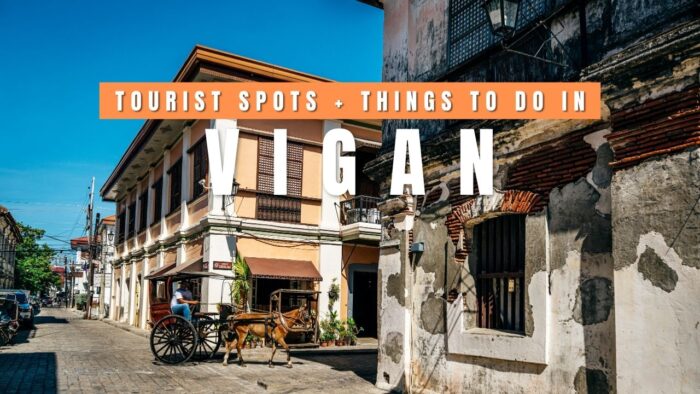
Tourist Spots in Vigan, Ilocos Sur
Visitors to Vigan can stroll along the cobblestone streets of the Vigan Heritage Village, a picturesque neighborhood featuring Spanish-inspired architecture. The highlight of this area is Calle Crisologo, a street lined with old-fashioned houses, antique shops, and restaurants serving authentic Ilocano cuisine. The Bantay Bell Tower, a historical landmark that served as a watchtower during the Spanish colonial period, offers panoramic views of the city and the surrounding countryside.
Vigan has also been recognized as one of the New7Wonders Cities, cementing its status as a top tourist spot in the Philippines. With its rich history, unique culture, and stunning architecture, Vigan is a destination not to be missed for anyone visiting the Ilocos region.
Historical Landmarks
Vigan is a city with a rich history; its historical landmarks are a testament to its past. Here are some of the must-visit historical landmarks in Vigan:

Walking Tour of Calle Crisologo
Take a journey back in time and explore the stunning cobblestone street of Calle Crisologo, one of the most beloved tourist attractions in Vigan. This iconic street is lined with ancestral houses dating back to the Spanish colonial era, each with a unique blend of Chinese and Spanish architectural influences.
As you stroll along the street, you can feel the nostalgia of the Ilustrado lifestyle and explore the many shops, restaurants, hotels, bars, souvenir shops, and cafes. Named after the renowned Mena Crisologo, a politician, poet, writer, and playwright, Calle Crisologo is a historic and cultural destination.
No vehicles are allowed on this street, making it the perfect place to take photos of the stunning Spanish architecture. Open 24 hours a day, there’s no need to rush to get there, although most of the shops close after 8 p.m.

Visit Syquia Mansion
Syquia Mansion is one of Vigan’s most iconic heritage houses, offering a glimpse into the city’s rich Spanish-era past. Built in the early 19th century, it was once the residence of President Elpidio Quirino, the sixth President of the Philippines, whose wife belonged to the prominent Syquia family. The mansion reflects classic bahay na bato architecture, blending Filipino, Chinese, and Spanish influences.
Inside, visitors can explore well-preserved rooms filled with antique furniture, vintage photographs, religious icons, and personal memorabilia of President Quirino. Highlights include the elegant living areas, spacious bedrooms, a traditional dining room, and a charming garden.
Syquia Mansion is a popular tourist spot because it combines history, culture, and architectural beauty in one place. Its authentic ambiance and rich stories make it a must-visit for anyone wanting to understand Vigan’s heritage and colonial past.
 Crisologo Museum photo by Eugene via Flickr CC
Crisologo Museum
Crisologo Museum in Vigan is a historic house museum that offers a vivid window into the life and legacy of the influential Crisologo family, particularly Congressman Floro S. Crisologo. Housed in the family’s ancestral mansion along Vigan’s heritage district, the museum preserves original furniture, personal clothing, antiques, and memorabilia that reflect both private life and local political history. Iconic displays include an antique calesa, household items, and artifacts connected to significant events in the family’s story.
Entrance is technically free, though visitors are encouraged to make a donation to help maintain the privately run museum. The museum typically operates daily in morning and afternoon sessions and takes about 30–60 minutes to explore.
Its location in Vigan’s cobblestone heritage zone and rich, personal historical narratives make it one of the most popular tourist spots in the city—especially for history buffs seeking authentic insights into local culture and politics.

Vigan Cathedral
Vigan Cathedral, officially known as the Metropolitan Cathedral of the Conversion of St. Paul the Apostle, is one of the most iconic landmarks in Vigan, Ilocos Sur. Built in the late 18th century, the Baroque-style church reflects Spanish colonial architecture, featuring massive buttresses, a grand brick façade, and a separate bell tower designed to withstand earthquakes.
Inside, visitors can admire the high ceilings, ornate altar, and religious artworks that showcase the city’s deep Catholic heritage. The cathedral is free to enter, though donations are welcome for maintenance and preservation.
It remains an active place of worship, so guests are encouraged to dress modestly. Vigan Cathedral is popular not only for its beauty but also for its location near Calle Crisologo, making it a central stop for tourists exploring the historic city.

Bantay Church Bell Tower
The Bantay Church Bell Tower, located just outside Vigan City, is one of Ilocos Sur’s most iconic landmarks. Built in 1591 by Spanish missionaries, the tower originally served as a watchtower to guard against pirates and invaders coming from the West Philippine Sea. Over time, it became part of the nearby St. Augustine Parish Church, also known as Bantay Church.
Visitors can climb the tower’s narrow steps to enjoy a panoramic view of Vigan, the Abra River, and the surrounding countryside. Inside, you’ll find historical markers, old bells, and photo-worthy stone walls that reflect Spanish-era architecture. A small entrance fee is usually charged for maintenance, making it accessible to most travelers.
The bell tower is popular for its rich history, scenic views, and romantic reputation—locals believe it grants wishes to those seeking love and good fortune.

Padre Jose Burgos House
Padre Burgos House is a treasured heritage site in Vigan City, Ilocos Sur, and a must-visit for history buffs. Built in 1788, this two-storey ancestral home was the birthplace and childhood residence of Fr. José Burgos, one of the martyred priests of the GOMBURZA, whose execution in 1872 inspired the Philippine nationalist movement.
Today it operates as a museum showcasing period furniture, Ilocano artifacts, family memorabilia, and historical exhibits, including paintings depicting the Basi Revolt and rare objects that provide insight into colonial life. Visitors can explore traditional bahay-na-bato architecture and absorb the cultural and spiritual legacy of Burgos’ fight for equality within the Church.
Admission is free, with typical hours from 9 am–4 pm (Mon–Fri), and weekend visits are by appointment. Its rich history, cultural value, and authentic setting make it one of Vigan’s most popular attractions.

Arce Mansion
Arce Mansion in Vigan City is a beautifully preserved ancestral house and historical museum that offers a window into Philippine colonial life. Built in the Spanish era and owned by the family of Dr. Alejandro Arce, the mansion showcases traditional Spanish-colonial architecture, complete with timber floors, antique furnishings, and period décor that reflect how affluent Filipinos lived in the 19th century.
Visitors can explore its grand living areas, and one of the mansion’s highlights is the opportunity to dress in historic costumes representing various social classes for photos—a fun way to step back in time. Some tours also include traditional Ilocano meals served by staff in period attire.
While there isn’t always a set online admission fee, interactive experiences such as costume photoshoots and dinner packages start at around P150, depending on the package.
Arce Mansion is popular for blending living history with immersive fun, making it a must-see in the UNESCO-listed heritage city of Vigan.
Cultural Experiences
Vigan is a city in the Philippines known for its rich history and culture. Tourists who visit Vigan can immerse themselves in the city’s cultural experiences. Here are some of the must-try cultural experiences in Vigan:

Visit Pagburnayan
Pagburnayan is a traditional pottery workshop in Vigan, Ilocos Sur, celebrated for preserving the centuries-old craft of burnay jar-making. Rooted in the city’s Spanish colonial past and influenced by Chinese artisans who settled in the area, Pagburnayan showcases how earthenware jars were once essential for storing rice, water, and bagoong.
Visitors can watch skilled potters shape clay by hand on wooden wheels, using age-old techniques passed down through generations. You can try molding your own pot, purchase authentic burnay jars, and explore the small gallery displaying finished works. A minimal entrance or activity fee may apply, especially for hands-on experiences.
Pagburnayan is one of Vigan’s most popular attractions because it offers an immersive cultural experience, allowing travelers to witness living heritage, interact with local artisans, and deepen their appreciation of Ilocano craftsmanship in an authentic, historic setting.

Abel Weaving
A visit to an Abel Weaving place in Vigan immerses you in one of the Philippines’ oldest and most cherished textile traditions — the art of creating inabel, the sturdy, colorful handwoven fabric of the Ilocano people. At the weaving center, you’ll observe skilled artisans at wooden looms, demonstrating the time-honored process of transforming threads into patterned textiles using techniques passed down through generations. Learn about the cultural significance of abel weaving, which dates back to pre-Spanish trade and has survived colonial-era shifts and modernization through local efforts to preserve it.
Visitors can see the weaving process up close, ask questions, and often purchase authentic handwoven products as souvenirs. Fees vary by workshop; many offer free observation and optional paid add-ons or workshops, depending on the studio. This experience is one of Vigan’s most popular activities because it celebrates living heritage, connecting travelers with traditional crafts, local history, and the enduring spirit of Filipino artisans.

Experience Vigan Kalesa Ride
The Vigan Kalesa Ride offers a charming journey through time in the historic city of Vigan, Ilocos Sur. Riding a horse-drawn carriage, or kalesa, allows visitors to explore the cobblestone streets of Calle Crisologo, lined with well-preserved Spanish colonial houses dating back to the 18th century. This traditional mode of transport reflects Vigan’s rich heritage, once a bustling trading hub during the Spanish era.
Along the route, tourists can see ancestral homes, local craft shops, museums, and churches while listening to stories from the kutsero (coachman). Some tours include stops for souvenir shopping, photo opportunities, and local delicacies. Fees vary by route and duration, typically charged per ride or per hour.
The kalesa ride remains one of Vigan’s most popular activities because it offers an immersive, romantic, and educational way to experience the city’s timeless charm and cultural legacy.
 National Museum of the Philippines – Ilocos
Ilocos Museum Regional Complex
The National Museum of the Philippines Ilocos Regional Complex in Vigan City is a cultural treasure that immerses visitors in the rich heritage of the Ilocos region. Established in 2015 through the restoration of historic structures, the complex comprises three key sites: the Old Carcel Museum (formerly the provincial jail), the Padre Burgos House (an 18th-century ancestral home), and the Magsingal Museum, each highlighting pivotal facets of local history and identity.
Here you can explore exhibits on the Basi Revolt, Ilocano traditions, memorabilia of President Elpidio Quirino, and Spanish colonial life, all housed in beautifully preserved architecture. Entry is free for all visitors, in line with the National Museum’s access policy, making it both educational and accessible.
Its historical significance, engaging displays, and location within the UNESCO-recognized heritage city of Vigan make this complex one of the most popular cultural activities for tourists seeking to understand Filipino and Ilocano history.
Local Cuisine
Vigan is not only famous for its historical landmarks and cultural heritage but also for its flavorful local cuisine. The city offers a wide variety of Ilocano dishes that will surely satisfy any gastronomic adventure. Here are some of the must-try dishes when visiting Vigan.

Empanada
Vigan empanada is a beloved Ilocano street food known for its bold flavors and vibrant orange color. Unlike its Latin counterparts, this empanada uses a thin, crispy wrapper made from rice flour and achuete (annatto), giving it a distinct crunch and hue. Inside, it’s filled with grated green papaya, mung bean sprouts, and a local longganisa sausage, then topped with a freshly cracked egg before being deep-fried to perfection. The result is a savory, slightly sweet, and smoky bite with a satisfying crunch, balanced by the freshness of the vegetables and the richness of the egg.
You can find the best Vigan empanadas at Plaza Salcedo and along Calle Crisologo, where vendors cook them fresh right before your eyes. Served with spiced sukang Iloko (local vinegar), this snack is a must-try and one of the most iconic food experiences in Vigan.

Vigan Longganisa
Vigan longganisa is one of the most iconic delicacies of Ilocos, known for its bold, garlicky flavor and distinct sour note. Unlike the sweet versions found in other parts of the Philippines, Vigan longganisa is made with coarsely ground pork, lots of native garlic, black pepper, salt, and sukang Iloko (local cane vinegar). It contains no preservatives, giving it a rustic, homemade taste that reflects traditional Ilocano cooking.
When cooked, it is juicy, savory, and intensely aromatic, with a tangy kick that balances the meat’s richness. It is usually served for breakfast with garlic rice (sinangag) and a sunny-side-up egg, known as longsilog.
You can find authentic Vigan longganisa at the Vigan Public Market, local eateries along Calle Crisologo, and popular spots like Café Leona and Kusina Felicitas, making it a must-try food experience for visitors.

Bagnet
Bagnet is Vigan’s iconic deep-fried pork dish, famous for its irresistibly crunchy skin and tender, flavorful meat. Made from pork belly, it is first boiled with garlic, bay leaves, peppercorns, and salt until tender. After drying, the meat is deep-fried twice to achieve its signature crackling exterior while keeping the inside juicy. The result is a rich, savory bite with a satisfying crunch, often described as similar to lechon kawali but thicker, meatier, and more indulgent.
Bagnet is usually served chopped into bite-sized pieces and paired with sukang Iloko (local sugarcane vinegar), bagoong, or tomatoes to balance its richness. In Vigan, you can find excellent bagnet at local favorites like Café Leona, Kusina Felicitas, Irene’s Empanada, and along Calle Crisologo, where many restaurants proudly feature this Ilocano specialty. Its bold flavor and texture make it a must-try for every visitor.

Sinanglaw
Sinanglaw is a traditional Ilocano soup beloved in Vigan City, known for its bold, rustic flavors and use of beef offal. The dish features various beef innards—such as tripe, intestines, and pancreas, and sometimes skin or tendon—simmered slowly in a broth seasoned with kamias (sour fruit) and occasionally beef bile, giving it a sour yet slightly bitter profile unique among Filipino soups. Aromatics such as garlic, ginger, and onions add depth, and it’s typically served hot with rice or as pulutan (beer match).
The taste is hearty and tangy, with a rich umami from the offal and a refreshing tang from kamias that balances the deeper flavors.
In Vigan, you can get authentic sinanglaw at local favorites like First Sinanglaoan, where early queues form for their flavorful bowls—often enjoyed as breakfast or lunch with generous servings at affordable prices.

Eat at Café Leona
Cafe Leona in Vigan City is one of the town’s most frequented restaurants thanks to its prime location along historic Calle Crisologo and diverse menu that blends Ilocano, Filipino, Japanese, and Italian flavors.
At Café Leona, you can try local favorites like Vigan longganisa, crispy bagnet, pinakbet, and the Vigan sampler platter—a great way to taste classic Ilocano dishes in one meal. They also serve creative twists such as bagnet-bacon maki, pinakbet pizza, sushi, and more.
The ambiance is welcoming and cozy, with both indoor seating in a heritage-style space and al fresco dining, ideal for people-watching along the cobblestone street, especially in the evening.
Its combination of authentic local cuisine, fusion options, and scenic heritage atmosphere makes Café Leona a popular must-visit stop for tourists exploring Vigan.
Address: 1 Crisologo, Brgy 2, Vigan City, 2700 Ilocos Sur
Hours: open daily from 11am to 8pm
Phone: 0922 879 1833 / 0920 906 8144
Outdoor Activities
Vigan offers a variety of outdoor activities for tourists. Two popular spots are Mindoro Beach and Baluarte Zoo.

Mindoro Beach
Mindoro Beach is one of Vigan’s most popular seaside escapes, known for its wide stretch of golden sand, gentle waves, and laid-back atmosphere. Historically, the area served as a quiet fishing community, supporting local livelihoods long before tourism flourished. Today, it blends local culture with leisure, offering visitors a refreshing contrast to Vigan’s cobblestone streets and heritage houses.
Tourists can enjoy swimming, beachcombing, and relaxing under nipa huts, while food stalls serve fresh seafood and local snacks. Sunset watching is a favorite activity, with the sky painted in dramatic hues of orange and pink. For the more adventurous, horseback riding along the shore and ATV rides add excitement.
Mindoro Beach remains popular because it offers a peaceful coastal experience that complements Vigan’s historic charm, making it a must-visit for those seeking both culture and relaxation.

Baluarte Zoo
Baluarte Zoo is a popular open-air zoological park in Vigan, Ilocos Sur, founded by former governor and businessman Luis “Chavit” Singson. Originally created as a private collection of animals, it later opened to the public and has since become one of the city’s most-visited attractions. What makes Baluarte unique is its safari-like setting, where many animals roam in spacious enclosures, giving visitors a more natural and immersive experience.
Guests can see a wide variety of animals, including deer, ostriches, peacocks, snakes, tigers, lions, and exotic birds. There are interactive areas where visitors can feed animals, take photos, and watch educational shows. The park also features scenic viewpoints, gardens, and a mini-museum.
Baluarte Zoo is popular for its free or affordable admission, family-friendly activities, and a refreshing break from Vigan’s historic streets, making it both entertaining and educational.
Visit the Mestizo River
Mestizo River is a scenic waterway that winds through the historic city of Vigan, offering visitors a peaceful glimpse into its rich colonial past. Once an important trade route during the Spanish era, the river connected Vigan to nearby coastal areas, helping the city flourish as a center of commerce and culture. Today, it is best known for its charming river cruises, where travelers can relax on bamboo rafts while listening to live local music and learning about Vigan’s history from friendly guides.
Along the way, guests can admire ancestral houses, lush riverbanks, and traditional fishing scenes that reflect local life. Some tours also include cultural performances and storytelling. The gentle pace, romantic ambiance, and immersive cultural experience make the Mestizo River cruise one of the most popular tourist activities in Vigan, offering a unique way to connect with the city’s heritage.
Festivals and Events
Vigan is known for its rich cultural heritage and history, and it celebrates this through various festivals and events throughout the year. Here are two of the most popular ones:
Vigan Town Fiesta
The Vigan Town Fiesta is celebrated every January 25th in honor of the town’s patron saint, St. Paul. The fiesta is a religious celebration where devotees gather to offer prayers and participate in various religious activities. The festival also includes a colorful parade, street dancing, and a beauty pageant.
Visitors can witness the traditional “kalesa” parade during the fiesta, where decorated horse-drawn carriages roam around the town’s streets. The town’s residents also showcase their creativity through competitions such as “kakanin” (rice cake) and “empanada” (savory pastry) making.
Viva Vigan Festival of Arts
The Viva Vigan Festival of Arts is a week-long celebration held every May in honor of the town’s UNESCO World Heritage Site status. The festival showcases the town’s rich cultural heritage through music, dance, theater, and visual arts.
Visitors can witness the “calesa” parade during the festival, where decorated horse-drawn carriages roam around the town’s streets. The town’s residents also showcase their creativity through competitions such as “kakanin” (rice cake) and “empanada” (savory pastry) making.
The festival also features cultural performances, including “buklod” (folk dance) and “kabinnulig” (unity dance). Visitors can also attend art exhibits and workshops showcasing the town’s traditional crafts, such as pottery, weaving, and woodcarving.
Shopping and Souvenirs
When it comes to shopping and souvenirs in Vigan, there are a few places that visitors should definitely check out. Plaza Burgos and RG Jar Factory are two popular destinations for those looking to bring home a piece of Vigan.
Plaza Burgos
Plaza Burgos is a bustling market in the heart of Vigan, where visitors can find a variety of souvenirs and local products. The market is particularly known for its chichacorn, a popular snack made from fried corn kernels and seasoned with garlic and salt. Visitors can also find other local delicacies, such as bagnet (deep-fried pork belly) and empanada (a pastry filled with meat, vegetables, and egg).
In addition to food, Plaza Burgos offers a range of handmade crafts and souvenirs, including woven bags, hats, and baskets. Visitors can also find traditional clothing, such as barongs and Filipiniana dresses, as well as locally made jewelry and accessories.
RG Jar Factory
For those seeking unique souvenirs, RG Jar Factory is a must-visit. The factory produces a range of handmade pottery, including jars, vases, and plates. Visitors can watch the pottery-making process and even try their hand at making their own piece.
In addition to pottery, RG Jar Factory offers a range of handmade crafts, including woven baskets and bags. Visitors can also pick up locally made snacks and delicacies, such as biscocho (butter cookies) and tupig (a sweet rice cake).

Antique and Jewelry Hunting
Vigan’s rich history has enabled it to amass a vast collection of antiques and jewelry, which some local stores now sell. Patient tourists can find old coins, clothing, and other collectibles during this souvenir hunt. One of the best-selling items in antique stores in Vigan is miniature antiques.
Accommodation
If you’re planning to visit Vigan, you’ll need a place to stay. Fortunately, there are plenty of options available, ranging from budget-friendly Airbnb rentals to luxurious hotels. In this section, we’ll explore some of the best accommodation options in Vigan.
Vigan Hotels
Several hotels in Vigan offer comfortable, convenient stays for tourists. One of the most popular hotels is Hotel Felicidad, which is located in the heart of Vigan’s historic district. This hotel offers well-appointed rooms, a restaurant, and a rooftop terrace with stunning views of the city.

Another great option is Hotel Luna, a boutique hotel that combines modern amenities with traditional Filipino design. This hotel is also located in the historic district, just a few steps away from Calle Crisologo, one of Vigan’s most famous tourist spots.
Other notable hotels in Vigan include Paradores de Vigan, Vigan Plaza Hotel, and Ciudad Fernandina Hotel. These hotels offer a range of amenities, including swimming pools, restaurants, and spacious rooms.
Read: Ultimate List of the Best Hotels in Vigan, Ilocos Sur
Airbnb in Vigan
Airbnb rentals are a great option in Vigan for those who prefer a more homey feel. Several Airbnb listings are available in the city, ranging from cozy apartments to spacious villas.
One popular Airbnb rental is a traditional Filipino house located in the historic district. This house has been renovated to include modern amenities while still retaining its traditional charm. It can accommodate up to six guests and is located just a few minutes’ walk from Calle Crisologo.
Another great option is a modern apartment located in the city center. This apartment accommodates up to four guests and features a fully equipped kitchen, a comfortable living room, and a balcony with city views.
Travel Information
Manila to Vigan
If you plan to visit Vigan, here is some travel information to help you get there.
By Bus
The easiest way to get to Vigan from Manila is by taking a bus. Several bus companies operate daily trips from Manila to Vigan, including Partas, Dominion, and Viron. The journey takes around 8-10 hours, depending on traffic and road conditions. Buses depart from several terminals in Manila, including Cubao and Pasay.
By Car
You can rent a car in Manila and drive to Vigan if you prefer to drive. The journey takes around 8-10 hours, depending on traffic and road conditions. The most common route is via the North Luzon Expressway (NLEX) and the Subic-Clark-Tarlac Expressway (SCTEX), which leads to La Union and then to Vigan.
By Plane
The nearest airport to Vigan is Laoag International Airport, approximately 80 kilometers away. From there, you can take a bus or a taxi to Vigan. Alternatively, you can fly to Manila and take a bus or a car to Vigan.
Other Travel Tips
- If you are traveling from Baguio to Vigan, you can take a bus to La Union and then transfer to a bus bound for Vigan.
- If you are traveling from Ilocos Norte or Pagudpud to Vigan, take a bus to Laoag and transfer to a bus to Vigan.
- There are several ATMs in Vigan where you can withdraw cash. However, bringing sufficient cash is recommended, especially if you are traveling to remote areas.
- English is widely spoken in Vigan, so you won’t have trouble communicating with the locals.
Contact Info
DOT Regional Office 1
Oasis Country Resort Hotel
National Highway Baranggay Sevilla
San Fernando City, 2500 La Union
Tel. No. (6372) 888 2411 / 242 1656
Fax: (6372) 888 2098
Email: dot1@tourism.gov.ph
Frequently Asked Questions
How many days should I spend in Vigan to explore its tourist spots?
To thoroughly explore Vigan’s tourist spots, spending at least two to three days in the city is recommended. This will give visitors enough time to visit the most popular attractions, such as Calle Crisologo, the Vigan Cathedral, the Syquia Mansion, and some lesser-known spots.
What are some must-visit museums in Vigan?
Vigan is home to several museums that showcase the city’s rich history and culture. The most popular museums include the Crisologo Museum, which features the family’s collection of antique furniture and memorabilia, and the Burgos Museum, which houses artifacts related to the Philippine Revolution.
Where is the best place to stay in Vigan to access the city’s tourist attractions?
The best place to stay in Vigan is in Poblacion (the City Center), particularly around Calle Crisologo. This area is where most of the attractions are located, and it is also where visitors can find a wide range of accommodations, from budget-friendly guesthouses to luxurious hotels.
What is Vigan City known for, and what are some of its famous attractions?
Vigan City is known for its well-preserved Spanish colonial architecture, which earned it a spot on UNESCO’s World Heritage List. Its most famous attraction is Calle Crisologo, a cobblestone street lined with ancestral houses that date back to the 18th century. Other popular attractions include the Vigan Cathedral, the Syquia Mansion, and the Plaza Salcedo.
What are some popular tourist spots in Ilocos Sur besides Calle Crisologo?
Aside from Calle Crisologo, Ilocos Sur has many other tourist attractions worth visiting. These include the Bantay Bell Tower, a historic tower offering panoramic views of the city; the Baluarte Zoo, a wildlife sanctuary featuring a variety of animals; and the Hidden Garden, a lush botanical garden showcasing local flora.
Follow and subscribe to OutofTownBlog.com on Facebook, Twitter, Instagram, Pinterest, and YouTube for more Travel-related updates.
Read:
- Vigan Travel Guide: DIY Itinerary, Activities, Places to Stay and more
- Travel Guide: 5 Things you cannot miss in Vigan
- 6 Out of Town Destinations for Families
- Adventure Up North: 5 Places You Should Visit