

 Melo Villareal
Rainy Day Commute? Here’s How to Ride Angkas Safely During the Wet Season
If you’ve lived in Metro Manila long enough, you know that a sudden downpour can completely change your commute. A trip that normally takes 30 minutes can easily stretch into an hour, public transport becomes more crowded, and booking a ride suddenly feels like winning the lottery.
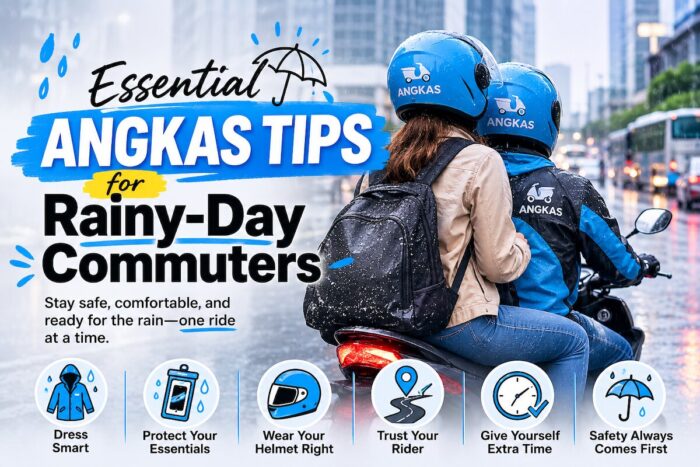
Angkas Riding Tips During the Wet Season
Before the first drop of rain even falls, many Filipino commuters already know what kind of day it’s going to be—long queues, gridlocked traffic, and the challenge of simply getting from point A to point B. As someone who commutes regularly around Metro Manila, I’ve found that motorcycle taxis like Angkas can still be one of the quickest ways to travel during the wet season. But rainy-day rides are different. They require a little more preparation, a little more patience, and a lot more awareness.
That’s why many commuters turn to Angkas during the rainy season. Motorcycle taxis can often navigate heavy traffic more efficiently than larger vehicles, helping you get where you need to go without spending hours stuck on the road. Still, riding in the rain is a different experience, and a little preparation can make your trip much safer and more comfortable.
Book Your Ride Early
One thing I’ve learned is not to wait until it’s already pouring before opening the app.
As soon as dark clouds appear, more people start booking rides, which means demand quickly goes up. You may also find fewer riders available since some choose to wait until conditions improve or avoid areas affected by flooding.
If you have an important meeting or appointment, it’s always better to book ahead and give yourself extra time.
Expect Your Trip to Take Longer
Even if you’re on a motorcycle, rain changes everything.
Wet roads are more slippery, visibility is lower, and riders naturally become more cautious. Don’t expect your usual travel time during a heavy downpour.
Personally, I’d rather arrive ten or fifteen minutes later than rush through dangerous road conditions.
Dress for the Weather
You don’t have to wear full rain gear every time, but choosing the right clothes makes a huge difference.
Quick-drying shirts, comfortable pants, and waterproof footwear can save you from spending the rest of the day in damp clothes. If you’re heading to work, bringing an extra shirt or socks in your bag is never a bad idea.
Keep Your Gadgets Dry
Our phones, laptops, and cameras usually travel with us wherever we go, so protecting them should be a priority.
A waterproof backpack is ideal, but even simple zip-lock bags or waterproof pouches can protect your gadgets from unexpected rain. It takes only a few minutes of heavy rain to damage electronics if they’re not properly covered.
Keep Your Phone Within Reach
You’ll probably need your phone before the ride starts—to contact your rider, confirm your pickup location, or check updates.
Instead of digging through your bag while it’s raining, keep your phone inside a waterproof pouch that’s easy to access.
Always Wear Your Helmet Properly
It sounds obvious, but it’s worth repeating.
Before the ride begins, make sure the helmet fits properly and that you’ve securely fastened the strap. If the visor gets wet, wipe it clean whenever it’s safe to do so so you can see clearly throughout the ride.
Let Your Rider Do Their Job
One thing I appreciate about Angkas riders is that they know when to slow down.
You might notice your rider braking earlier, avoiding sudden turns, or choosing a different route than usual. These aren’t delays—they’re smart decisions that prioritize everyone’s safety.
Trust their judgment, especially when road conditions become unpredictable.
Be Patient During Heavy Rain
Sometimes the rain becomes so intense that continuing the ride isn’t the safest option.
Don’t be surprised if your rider decides to stop under a covered area for a few minutes while waiting for the rain to ease. It might add a little time to your journey, but it’s a much better option than riding through poor visibility or slippery roads.
Flooded Roads Aren’t Worth the Risk
Floodwater can hide potholes, open manholes, and other hazards that aren’t visible from the surface.
If your rider takes a longer route to avoid flooded streets, it’s usually because it’s the safer choice. A few extra minutes is a small price to pay for a safer trip.
Secure Everything Before the Ride
Loose umbrellas, shopping bags, and even caps can easily fly off once you’re moving.
Before putting on your helmet, make sure everything is safely stored inside your backpack. It makes the ride more comfortable and saves you from worrying about losing your belongings along the way.
Bring a Small Towel
This is one rainy-day essential that many experienced commuters swear by.
A small microfiber towel comes in handy for drying your face, wiping your hands, cleaning your glasses, or drying your phone before using it. It barely takes up space in your bag but can make your commute much more comfortable.
Have a Backup Payment Option
Although digital payments are convenient, heavy rain can sometimes affect your phone’s battery or internet connection.
Keeping a small amount of cash in your wallet gives you peace of mind in case you run into connectivity issues.
Check the Weather Before You Leave
Before heading out, spend a minute checking the weather forecast.
If severe weather or typhoon warnings are in effect, motorcycle taxi services may temporarily suspend operations for everyone’s safety. Knowing what to expect helps you plan your trip better and avoid unnecessary stress.
Safety Always Comes First
It’s understandable to want to get home quickly, especially after a long day at work. But if your rider decides that the weather has become too dangerous to continue, respect that decision.
Heavy rain, strong winds, and poor visibility can make even familiar roads risky. No appointment or schedule is worth compromising your safety.
Final Thoughts
Rainy days are simply part of life in the Philippines, and while they often make commuting more challenging, they don’t have to make it miserable.
A little preparation goes a long way. Dress appropriately, protect your belongings, allow extra travel time, and trust your rider’s experience on wet roads.
At the end of the day, the goal isn’t just to arrive quickly—it’s to arrive home safely.
Frequently Asked Questions
Is it safe to ride Angkas when it’s raining?
Yes, as long as weather conditions are safe enough for riders to operate. Riders are trained to adjust their speed and riding style when roads are wet.
Will it take longer to reach my destination?
Usually, yes. Wet roads and heavier traffic mean travel times are often longer than usual.
Should I bring my own raincoat?
If you have one, it’s always a good idea. Having your own rain gear ensures a better fit and added comfort during the ride.
Can Angkas ride through flooded streets?
Riders generally avoid flooded roads whenever possible because floodwater can conceal potholes, debris, and other hazards.
What if it suddenly starts raining during my ride?
Stay calm, follow your rider’s instructions, and protect your belongings. If the rain becomes too heavy, your rider may stop temporarily at a safe location until it’s safe to continue.
Follow and subscribe to OutofTownBlog.com on Facebook , Twitter, Instagram, Pinterest, and YouTube for more Travel-related updates.
Read:
- 15 Angkas Tips That Can Save You Time, Money, and Stress in Metro Manila
- Metro Manila Traffic Survival Guide: When Angkas Is Faster Than Driving
- 12 Tourist Mistakes Everyone Makes in Singapore
- Hong Kong Airport Transfer Guide
- Is Angkas Safe? Safety Features Every Passenger Should Know
- Can Foreign Tourists Use Angkas in the Philippines? A Complete Guide for First-Time Visitors