

 Team Out of Town
Discover Moldova: 15 Best Activities and Places to Visit
Moldova is one of Europe’s most underrated destinations. It’s a country where time appears to slow, traditions remain strong, and the landscapes quietly awe visitors. Nestled between Romania and Ukraine, this small nation boasts a rich mix of history, wine traditions, Orthodox spirituality, and rural charm. Unlike more tourist-heavy countries, Moldova offers an authentic experience—family-owned wineries, ancient monasteries carved into cliffs, and villages where life still follows the seasons. The capital, Chisinau, is a vibrant starting point, but the true magic often lies beyond the city’s borders.

Things to do in Moldova
Moldova provides a travel experience that is both intimate and full of surprises, from the world’s largest wine cellars to hidden monasteries and Soviet relics. Whether you love wine, history, or just want to explore a different part of Europe, Moldova offers depth without the crowds. Here are the top 15 must-see attractions and activities that showcase this captivating country.
1. Explore the Wine Labyrinths of Cricova Winery

Cricova Winery stands as one of Moldova’s premier attractions and a must-see for those interested in wine culture or distinctive travel adventures. Situated just outside Chi?in?u, this extensive underground winery features a labyrinth spanning over 120 kilometers, with tunnels named after renowned grape varieties. Visitors can explore the cool, dimly lit passages via electric train, pausing at grand tasting halls that resemble underground palaces more than traditional cellars.
The experience goes beyond simple wine tasting—it’s an immersion into Moldova’s identity. Cricova houses an impressive collection of rare wines, including bottles reserved for political leaders and historical figures. The sparkling wines produced here follow the traditional French method, giving them a refined quality that rivals better-known regions.
What makes Cricova special is its scale and atmosphere. The silence, the steady temperature, and the sense of history create an almost surreal environment. It’s not just a winery—it’s a subterranean city dedicated entirely to wine, making it one of Moldova’s most unforgettable attractions.
2. Wander Through the Capital, Chisinau

Chisinau offers a mix of Soviet heritage, green parks, and emerging modern culture. At first glance, it may seem understated, but the city reveals its charm through slow exploration. Wide boulevards lined with trees lead to cozy cafés, local markets, and cultural landmarks.
Start with a walk through Stefan cel Mare Central Park, where locals gather to relax and socialize. Visit the National Museum of History to understand Moldova’s complex past, from ancient times to Soviet influence. The city’s architecture reflects its history, blending neoclassical buildings and Soviet-era structures.
Chisinau is also a gateway to Moldovan cuisine. Traditional dishes like placinte and mamaliga can be found in local restaurants, offering a taste of the country’s culinary heritage. The nightlife scene is growing, with wine bars and lounges showcasing local vintages.
What makes Chisinau special is its authenticity. It doesn’t try to impress with grandeur—instead, it offers a genuine glimpse into everyday Moldovan life, making it a meaningful and enriching place to visit.
3. Discover the Massive Cellars of Milestii Mici

Milestii Mici holds the Guinness World Record for the largest wine collection on Earth, making it a must-visit for wine enthusiasts. Its underground tunnels extend over 200 kilometers, filled with millions of bottles stored under ideal conditions.
Visitors can drive through the tunnels, which are wide enough for vehicles, creating a unique experience unlike any other winery in the world. Each section is carefully organized, with wines aging for decades in perfect humidity and temperature. Tastings here highlight Moldova’s rich winemaking tradition, with robust reds and crisp whites that reflect the country’s fertile soil.
The scale of Milestii Mici is astonishing, but it’s the dedication to craftsmanship that truly stands out. Every bottle tells a story of patience and tradition.
This destination is more than just a record holder—it’s a testament to Moldova’s identity as a wine-producing nation. Visiting Milestii Mici offers both awe and appreciation, making it one of the most impressive places in the country.
4. Step Back in Time at Orheiul Vechi

Orheiul Vechi is one of Moldova’s most iconic and picturesque destinations. This open-air complex combines natural beauty with centuries of history, set along a dramatic bend of the Raut River.
The site features ancient cave monasteries carved into limestone cliffs, offering panoramic views of the surrounding countryside. Visitors can explore archaeological remains from different eras, including Dacian fortresses and medieval settlements. The highlight is the cave monastery still used by monks today, where spirituality and history merge seamlessly.
Walking through Orheiul Vechi feels like stepping into another time. Traditional villages nearby preserve old customs, with locals maintaining a simple, rural lifestyle.
What makes this place truly special is its atmosphere. The silence, the sweeping landscapes, and the sense of continuity create a powerful experience. It’s not just a historical site—it’s a living testament to Moldova’s cultural and spiritual heritage.
5. Visit the Sacred Capriana Monastery

Capriana Monastery is one of the oldest and most important religious sites in Moldova. Nestled in a forested valley, it offers a peaceful retreat from the bustle of city life.
The monastery dates back to the 15th century and has been a center of spiritual life for centuries. Its beautifully restored churches feature intricate frescoes and traditional Orthodox architecture. Visitors can walk through the serene grounds, surrounded by greenery and quiet reflection.
Capriana is not just a historical monument—it remains an active monastery, giving visitors a chance to witness daily religious practices. The atmosphere is calm and contemplative, making it an ideal place for introspection.
What sets Capriana apart is its combination of history, spirituality, and natural beauty. It’s a place where time feels suspended, offering a deeper understanding of Moldova’s religious traditions and cultural roots.
6. Experience Soviet Nostalgia in Transnistria

Transnistria is one of Europe’s most unusual travel destinations—a self-declared republic that feels like a step back into the Soviet era. Though not internationally recognized, it offers a fascinating glimpse into a frozen moment in history.
The main city, Tiraspol, features Soviet symbols, statues of Lenin, and architecture that has changed little since the 20th century. Visitors can explore museums, parks, and local markets while observing a unique political and cultural environment.
Traveling here requires some preparation, but the experience is unlike anywhere else in Europe. It’s both surreal and educational, offering insight into regional tensions and identity.
What makes Transnistria special is its authenticity—it hasn’t been reshaped for tourism. Instead, it presents itself as it is, making it a compelling destination for curious travelers seeking something different.
7. Relax at Valea Morilor Park

Valea Morilor Park is one of the most beloved green spaces in Chisinau, known for its scenic lake, wide staircases, and relaxed atmosphere. Originally developed in the 1950s during the Soviet era, the park was designed as a recreational hub for residents, centered around an artificial lake that remains its focal point today. After a period of neglect in the 1990s, it underwent major restoration in the 2010s, revitalizing its pathways, amphitheater, and public spaces.
Visitors can enjoy lakeside walks, jogging, cycling, or renting boats during warmer months. The iconic cascading staircase offers panoramic views, especially at sunset, while the beach area attracts swimmers and sunbathers in summer. Cultural events and local gatherings are also frequently held here.
The park is located just a short distance from the city center and is easily accessible by taxi, public bus, or even on foot from central Chi?in?u. Its blend of nature, history, and accessibility makes it a must-visit destination.
8. Taste Tradition in Butuceni Village

Butuceni Village is a picturesque rural settlement nestled within the dramatic limestone cliffs of the Orheiul Vechi region of Moldova. With roots dating back to ancient Dacian and medieval periods, the area has long been inhabited due to its natural defenses and fertile surroundings. Traditional stone houses, many of which are preserved or restored, reflect Moldova’s deep rural heritage.
Visitors can explore cave monasteries carved into cliffs, hike scenic trails overlooking the Raut River, and experience authentic Moldovan culture through homestays offering local cuisine and wine. Folk crafts, seasonal festivals, and quiet countryside walks make it especially appealing for slow travel.
Butuceni is about an hour’s drive from Chisinau, accessible by car or on organized tours, with limited public transport options that require transfers.
What makes Butuceni a must-visit is its blend of history, nature, and living traditions, offering an immersive escape into Moldova’s past and rural way of life.
9. Admire the Architecture of Soroca Fortress

Soroca Fortress is one of Moldova’s most impressive medieval landmarks, located on the banks of the Dniester River in the city of Soroca. Built in the late 15th century during the reign of Stephen the Great, the fortress was later rebuilt in stone in the 16th century to strengthen defenses against Ottoman invasions. Its perfectly circular design with five bastions makes it unique among Eastern European fortifications.
Visitors can explore the interior courtyard, climb the towers for panoramic river views, and learn about Moldova’s medieval history through exhibits and guided tours. Walking along the fortress walls and the nearby riverbank offers scenic photo opportunities.
Soroca Fortress is about 160 km north of Chisinau. Travelers can reach it by car in around 2.5–3 hours, or by bus and minibus services departing regularly from the capital.
What makes it a must-visit is its remarkable preservation, strategic riverside setting, and deep historical significance, all of which offer an authentic glimpse into Moldova’s past.
10. Visit Tipova Monastery
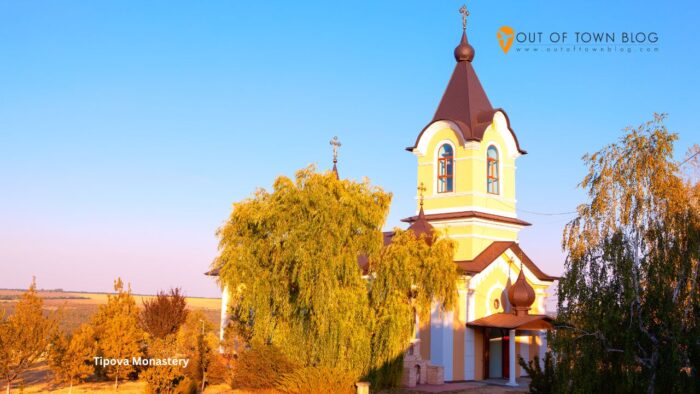
Tipova Monastery is one of Moldova’s most remarkable spiritual and natural landmarks, dramatically carved into limestone cliffs along the Dniester River. Dating back to at least the 10th–13th centuries, it is among Eastern Europe’s oldest cave monasteries, once sheltering monks seeking isolation and devotion. Legend even suggests that medieval ruler Stephen the Great was married nearby, adding to its mystique.
Visitors can explore a network of cave chapels, narrow passageways, and ancient prayer rooms still bearing traces of frescoes. The surrounding Tipova Reserve offers scenic hiking trails, waterfalls, and panoramic river views, making it ideal for nature lovers and photographers.
To get there, travel about 100 km north of Chisinau by car or taxi, heading toward the Rezina district; public transport is limited, so guided tours are a convenient option.
What makes Tipova Monastery a must-visit is its unique blend of history, spirituality, and raw natural beauty—an unforgettable, off-the-beaten-path experience in Moldova.
11. Discover Saharna Monastery
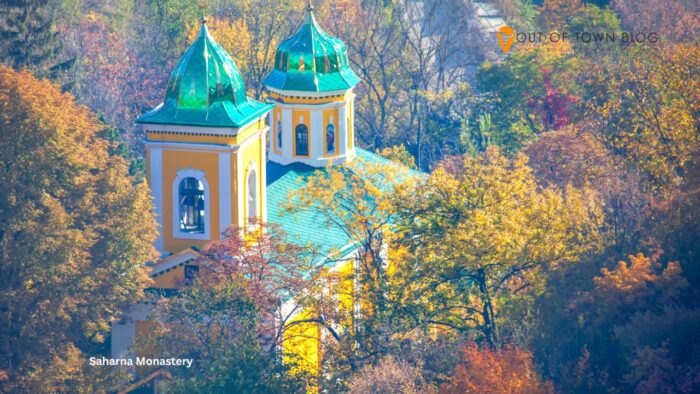
Saharna Monastery is one of the most revered spiritual sites in Moldova, nestled along the scenic Dniester River. Founded in the 18th century, the monastery is known for its peaceful atmosphere, religious significance, and connection to a miracle-working icon of the Virgin Mary. It has long been a pilgrimage destination, drawing visitors seeking both spiritual reflection and natural beauty.
Things to do at Saharna include exploring the main monastery complex, visiting the cave chapel carved into the hillside, and hiking the surrounding trails. A highlight is the “Holy Trinity” waterfall, which locals believe has healing properties. Visitors can also see the footprint of Saint Mary, said to be imprinted on a rock nearby.
To get there, travelers typically drive about 100 kilometers from Chisinau or take a bus to the village of Saharna, then walk a short distance.
Saharna Monastery stands out for its blend of spirituality, legend, and stunning landscapes, making it a must-visit destination in Moldova.
12. Enjoy Wine at Purcari Winery
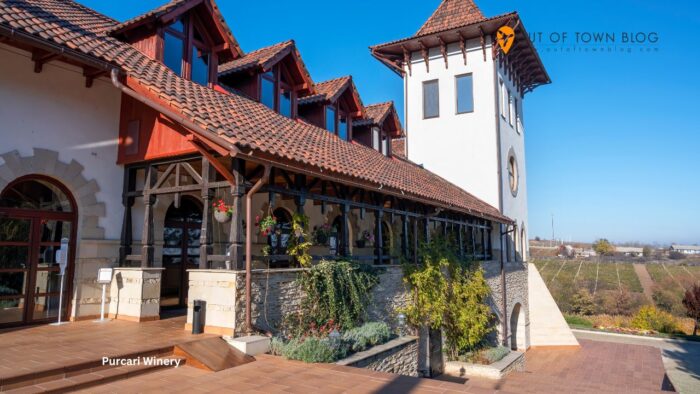
Purcari Winery is one of the oldest and most prestigious wineries in Moldova, with a history dating back to 1827 when it was founded under a Russian imperial decree. Known for producing award-winning wines, including the famous Negru de Purcari, the estate blends centuries-old traditions with modern winemaking techniques.
Visitors can enjoy guided tours of the vineyards and cellars, learning about the production process from grape to bottle. Wine tastings are the highlight, often paired with local cuisine for a full sensory experience. The winery also offers a boutique hotel, allowing guests to stay overnight in a scenic countryside setting.
Purcari Winery is located about 120 kilometers southeast of Chisinau. The easiest way to get there is by car or private transfer, though organized tours are also available from the capital.
Its rich heritage, high-quality wines, and picturesque landscape make it a must-visit destination for anyone exploring Moldova.
13. Explore Gagauzia
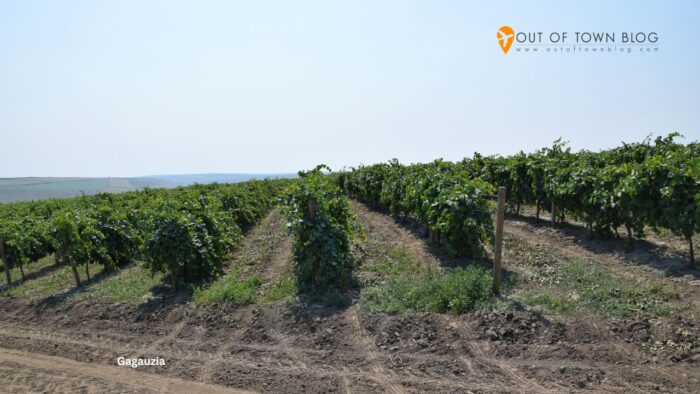
Gagauzia is a unique autonomous region in southern Moldova, known for its Turkic-speaking Gagauz people and distinct cultural identity. Its history reflects a blend of Ottoman influence, Russian Empire settlement, and later incorporation into the Soviet Union. In 1994, Gagauzia gained autonomy within Moldova, preserving its language, traditions, and local governance.
Visitors are drawn to its off-the-beaten-path charm. In the regional capital, Comrat, you can explore local museums, Orthodox churches, and lively markets. Wine tourism is a highlight, with family-run wineries offering tastings of regional varieties. Traditional cuisine—hearty, meat-based dishes with Balkan and Turkish influences—is another draw.
Getting there is straightforward: Gagauzia is about 2–3 hours by car or bus from Chisinau, Moldova’s capital. Public transport runs regularly, though renting a car provides more flexibility.
What makes Gagauzia special is its authenticity. It offers a rare glimpse into a lesser-known culture, warm hospitality, and a slower pace of life—making it a must-visit for travelers seeking something truly different in Moldova.
14. Visit Comrat
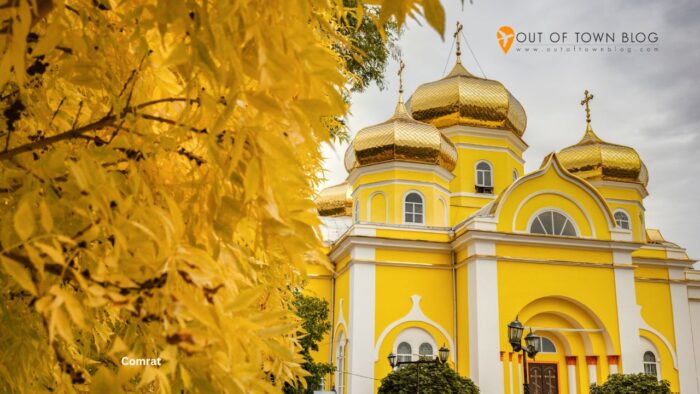
Comrat is the capital of Gagauzia, a unique region known for its Turkic-speaking Gagauz people. Founded in the 18th century, Comrat grew from a small settlement into a cultural and political center, especially after Gagauzia gained autonomy in 1994. The city reflects a blend of Moldovan and Gagauz traditions, visible in its architecture, language, and local customs.
Visitors can explore the Comrat Regional History Museum to understand local heritage, stroll through the central park, and visit the Cathedral of St. John the Baptist. Wine lovers can enjoy tastings at nearby wineries, as the region is known for its rich winemaking traditions.
Comrat is accessible by road from Chisinau, about a two-hour drive south, with regular buses and minibusses available.
What makes Comrat special is its distinct cultural identity within Moldova. It offers travelers a chance to experience a lesser-known ethnic culture, warm hospitality, and authentic traditions, making it a must-visit destination beyond the usual tourist routes.
15. Walk Through Dendrariu Park
Dendrariu Park is one of the most beloved green spaces in Moldova’s capital, offering a peaceful retreat from the city’s bustle. Established in 1973 as an extension of a botanical garden, it was designed to showcase diverse plant species while serving as a recreational park for locals and visitors. Over time, it has evolved into a scenic landscape featuring wooded areas, walking paths, and small lakes.
Visitors can enjoy leisurely strolls, jogging, or relaxing picnics under the shade of trees. The park is also popular for cycling, photography, and birdwatching, especially during spring and autumn when the foliage is vibrant. Families often gather here thanks to its open lawns and calm atmosphere.
Located in the Buiucani district of Chisinau, Dendrariu Park is easily accessible from the city center by public buses, trolleybuses, or taxis, typically within 10–15 minutes.
Its blend of natural beauty, accessibility, and tranquil ambiance makes it a must-visit destination for anyone exploring Moldova.
Why Visit Moldova?
Moldova may not be the first destination that comes to mind when planning a European trip, but that’s precisely what makes it so rewarding. It offers a rare combination of authenticity, cultural depth, and unspoiled beauty. From vast underground wineries to serene monasteries and vibrant traditions, every experience feels personal and genuine.
What truly defines Moldova is its quiet charm. It doesn’t rely on grand attractions or crowded landmarks—instead, it invites you to slow down, connect, and discover. Whether you’re sipping wine in ancient cellars, exploring cliffside monasteries, or sharing a meal in a village, Moldova leaves a lasting impression.
For travelers willing to venture off the beaten path, Moldova reveals itself as a destination full of surprises, warmth, and unforgettable moments.
Follow and subscribe to OutofTownBlog.com on Facebook , Twitter, Instagram, Pinterest, and YouTube for more Travel-related updates.
Read:
- Things You Need to Do When You’re In a New City
- 11 Best Places to Visit in Vietnam
- Secret Corners of Dubai Most Visitors Never Discover
- Top 10 Luxury Resorts in Bali for an Unforgettable Escape
- Nacpan Beach Travel Guide: Things to Do, How to get there + More
- Four Architecturally Magnificent Monasteries around the World