

 Team Out of Town
Airbnb in New York City: Is It Legal or Banned? What Every Traveler Needs to Know
If you are planning a trip to New York City, one of the most common questions you may have is whether Airbnb is still legal. News headlines over the past few years have led many travelers to believe that Airbnb has been completely banned in New York City. The reality is more nuanced.
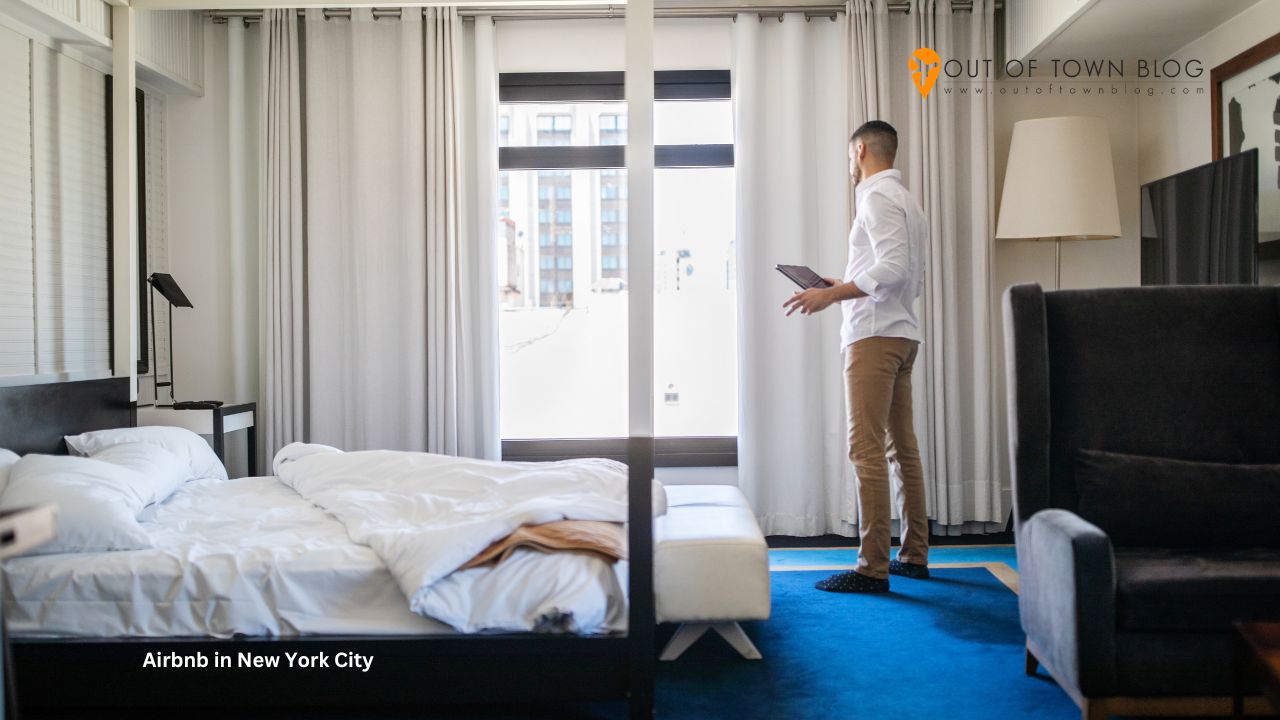
Airbnb in New York City
Airbnb is not banned in New York City, but it is heavily regulated under some of the strictest short-term rental laws in the United States. While travelers can still book legal Airbnb accommodations, thousands of listings have disappeared due to new regulations designed to protect housing availability, improve safety, and prevent illegal hotel operations.
Understanding these rules can help visitors avoid canceled reservations, illegal accommodations, and unexpected travel problems.
Is Airbnb Legal in New York City?
Yes.
Airbnb is still legal in New York City, but only when certain conditions are met.
Many apartments that were once listed on Airbnb are now illegal unless they meet strict legal requirements. Most legal listings today involve hosts who are present during a guest’s stay or operate in buildings specifically permitted for short-term rentals.
In short:
- Airbnb itself is legal.
- Many traditional Airbnb listings are no longer legal.
- Travelers should verify that the property complies with New York City’s regulations before booking.
Why Did New York City Crack Down on Airbnb?
New York City has faced a significant housing shortage for years. City officials claimed that thousands of apartments meant for long-term residents were being converted into year-round vacation rentals.
This created several concerns:
Reduced Housing Supply
Entire apartments that could have been used for long-term rental purposes were taken off the market entirely.
As more property owners opt to earn higher profits by converting their units into short-term rentals, the availability of homes for permanent residence for New Yorkers has significantly decreased.
This shift in the housing market contributed to a persistent rise in rental prices, leading to higher rents across the entire city.
Illegal Hotels
Some investors acquired multiple apartments with the primary intent of operating them as hotels, often without obtaining the necessary licenses or permits.
These buildings frequently lacked essential hotel-level fire safety systems, such as smoke detectors, sprinkler systems, and fire alarms.
They also often did not have accessibility features mandated by law, including ramps, elevators, or accessible bathrooms, making it difficult for guests with disabilities to stay comfortably.
Emergency exits were frequently inadequate or improperly marked, posing serious safety risks in the event of an emergency. Additionally, these properties often bypassed proper inspection protocols, avoiding regular safety and health checks.
Regulatory authorities identified many of these properties as illegal hotels, operating outside the scope of standard hospitality regulations and without proper oversight.
Neighborhood Quality of Life
Residents expressed concerns about the high turnover of tourists frequently visiting the area, which disrupts the community atmosphere. They also complained about excessive noise from nearby establishments, often late into the night, and about frequent parties that disturb the peace.
Security issues were highlighted, including an increase in unauthorized entry into apartment buildings by strangers, raising safety concerns among residents.
Many neighborhoods argued that these residential buildings were no longer solely homes but had begun to function as unofficial hotels, attracting short-term renters and tourists, thereby altering the character of their communities.
Guest Safety
Hotels are required to adhere to a wide range of safety regulations designed to protect guests and ensure secure accommodations. In contrast, many illegal short-term rentals fail to meet these strict standards, leading to significant safety hazards and increasing the risks faced by guests staying in these unregulated properties.
The Key Law: New York City’s Local Law 18
The most significant regulation affecting Airbnb is Local Law 18, which took full effect in September 2023.
This law established a mandatory registration system for short-term rental hosts.
Under the law:
- Hosts must register with the city.
- Booking platforms must verify registration numbers.
- Platforms cannot process reservations for unregistered properties.
- Violations can result in substantial fines.
As a result, Airbnb removed thousands of listings that did not comply with the law.
The Multiple Dwelling Law
Another important regulation is New York’s Multiple Dwelling Law.
The law generally prohibits renting an entire apartment in most multi-unit residential buildings for fewer than 30 consecutive days unless specific legal requirements are met.
This law has existed for years but has been enforced much more aggressively alongside Local Law 18.
What Types of Airbnb Stays Are Still Legal?
Several types of stays remain legal.
1. Shared Apartments
A host may rent out a room while remaining in the apartment during the guest’s stay.
This is the most common type of legal Airbnb in New York City today.
2. One or Two Guests
Most legal short-term rentals allow no more than two paying guests at one time.
3. Host Must Be Present
The permanent resident must stay in the home while guests are there.
Hosts cannot simply hand over the keys and leave.
4. Guests Must Have Access Throughout
Guests should have free access to all parts of the residence unless certain private areas are clearly restricted.
Hosts cannot lock guests into isolated portions of an apartment.
5. Registered Properties
Hosts must have an approved city registration if their rental falls under Local Law 18.
What Is Generally Illegal?
Many listings that were once common are now prohibited.
These include:
- renting an entire apartment for a weekend while the host is away
- operating multiple Airbnb apartments in residential buildings
- renting unregistered apartments
- using apartments solely as vacation rentals
- advertising illegal short-term rentals
What About Stays Longer Than 30 Days?
Long-term stays remain much less restricted.
Rentals lasting 30 days or longer generally fall outside the city’s short-term rental regulations.
Many travelers staying for work assignments, internships, or extended vacations continue to use Airbnb for month-long stays.
How Has This Affected Travelers?
Visitors have noticed several changes.
Fewer Listings
Thousands of apartments disappeared after Local Law 18 took effect.
Higher Prices
Due to a reduction in the number of legal listings available in the market, the average nightly prices for accommodations frequently experienced an upward trend. Consequently, many travelers have opted to return to traditional hotels, perceiving them as more reliable or offering better value.
More Shared Spaces
Instead of entire apartments, many legal listings now offer private bedrooms within occupied homes.
Earlier Booking
Because supply has decreased, travelers often need to reserve accommodations much earlier than before.
How Has This Affected Hosts?
Many hosts who previously rented entire apartments stopped offering short-term stays.
Some switched to:
- long-term rentals
- monthly furnished leases
- owner-occupied hosting
- licensed hospitality businesses
Professional operators managing dozens of apartments were among those most affected.
Benefits of the Regulations
Supporters argue that the regulations have led to numerous benefits for communities and stakeholders.
These advantages include safeguarding the availability of affordable housing for local residents by preventing displacement from illegal rentals, reducing the prevalence of illegal hotels operating outside the legal framework, and enhancing guest safety by adhering to official standards.
Additionally, the regulations increase accountability among hosts and operators, help preserve the unique character and charm of neighborhoods, and promote fair competition by leveling the playing field with licensed hotels that comply with established laws and standards.
Criticism of the Regulations
Critics argue the rules have also created challenges.
Some concerns include:
- fewer affordable lodging options
- higher hotel prices
- reduced income for homeowners
- fewer choices for families and larger groups
- increased travel costs during peak seasons
The debate over balancing tourism and housing continues.
Tips for Travelers Booking Airbnb in New York City
Before making a reservation:
- Verify that the listing is properly registered if registration is required.
- Read recent guest reviews carefully.
- Confirm whether the host will remain on-site.
- Be cautious of listings that seem unusually inexpensive.
- Avoid offers asking for payment outside the Airbnb platform.
- Have a backup accommodation plan during busy travel periods.
Should You Still Use Airbnb in New York City?
Yes, provided you choose a legal listing.
For solo travelers and couples, Airbnb can still provide unique local experiences, especially when staying with knowledgeable hosts.
However, travelers seeking an entire apartment for a short vacation may find hotels, licensed apartment hotels, or extended-stay accommodations easier to book and more widely available.
As New York City continues to enforce its regulations, visitors should expect fewer but more compliant Airbnb options.
Frequently Asked Questions
Is Airbnb banned in New York City?
No. Airbnb is not banned. It is legal but subject to strict regulations governing short-term rentals.
Why did New York City restrict Airbnb?
The city sought to address housing shortages, reduce illegal hotel operations, improve safety, and preserve residential neighborhoods.
Can I rent an entire apartment through Airbnb for a weekend?
In most residential apartment buildings, this is generally not allowed unless the rental complies with applicable laws and regulations. Many entire-home weekend rentals are no longer legal.
Can a host rent out a spare bedroom?
Yes. A host may generally rent a room in their primary residence for a short stay if they comply with city requirements, including being present during the guest’s stay when required.
Does the host have to stay in the apartment?
Yes. For most legal short-term rentals in residential buildings, the permanent resident must remain on-site while guests are staying.
Are long-term Airbnb stays allowed?
Yes. Rentals of 30 consecutive days or more are generally treated differently under New York City’s short-term rental rules and remain widely available.
Why are there fewer Airbnb listings in New York City now?
Thousands of listings were removed after the implementation of Local Law 18, which requires many short-term rental hosts to register with the city and limits the types of rentals that can legally operate.
Can Airbnb still operate in New York City?
Yes. Airbnb continues to operate in New York City by listing accommodations that comply with local laws and regulations.
Are hotels now a better option?
For many visitors seeking an entire private space for a short stay, hotels often offer greater availability, predictable amenities, and fewer legal uncertainties. Airbnb remains a good option for travelers who prefer shared accommodations or longer stays and book listings that comply with city regulations.
Final Thoughts
Airbnb has not been outlawed in New York City, but the era of easily renting entire apartments for a few nights has largely ended. Through measures such as Local Law 18 and the enforcement of the Multiple Dwelling Law, the city has reshaped the short-term rental market to prioritize housing availability, resident safety, and neighborhood stability.
For travelers, this means planning ahead, understanding the rules, and booking only legitimate listings. While the selection may be smaller than it once was, legal Airbnb accommodations remain available and can still provide an authentic New York experience when chosen carefully.
Follow and subscribe to OutofTownBlog.com on Facebook , Twitter, Instagram, Pinterest, and YouTube for more Travel-related updates.
Read:
- 10 Airbnb Habits That Instantly Annoy Hosts—and How to Be the Guest Everyone Appreciates
- 8 Reasons Why the Travel Industry Needs to Work with Travel Bloggers
- 7 Surprising Ways Food and Local Culture Turn Trips Into Lifelong Memories
- Airbnb Etiquette Matters: A Wake-Up Call for Hosts Who Want to Earn Five-Star Reviews


