

 Melo Villareal
A Travel Guide to the Natural Wonders of Alishan, Taiwan
Alishan is a mountainous region in Taiwan that is renowned for its breathtaking beauty and cultural significance. The region boasts a wide range of natural wonders, such as towering peaks, lush forests, and cascading waterfalls. Visitors to Alishan can explore numerous hiking trails, admire the stunning views from the mountaintops, and learn about the unique traditions and customs of the local indigenous people.

Sea of Clouds – Alishan Travel Guide
One of Alishan’s most popular attractions is the Alishan Forest Railway, a narrow-gauge line that winds through the mountains and offers stunning views of the surrounding landscape. The railway was built by the Japanese during their occupation of Taiwan and has since become a beloved symbol of the region’s history and heritage. Other must-see sights in Alishan include the Sacred Tree, a towering red cypress over 2,000 years old, and the Alishan National Scenic Area, which encompasses more than 140 square kilometers of pristine wilderness.
Whether you’re a nature lover, a history buff, or just looking for a peaceful retreat from the hustle and bustle of everyday life, Alishan will delight and inspire you. With its stunning scenery, rich cultural heritage, and endless opportunities for adventure, Alishan offers something for everyone.
How to Get to Alishan, Taiwan
Alishan, located in Chiayi County, is one of Taiwan’s most popular mountain destinations. It is known for sunrise views, a sea of clouds, ancient cypress trees, cherry blossoms, and the historic Alishan Forest Railway.
If you are traveling from Taipei, Taichung, or Kaohsiung, one of the most convenient ways to reach Alishan is to go to Chiayi first, then take a direct bus or arrange a private transfer to the mountain.
1. Take the HSR and Bus from Chiayi
The Taiwan High Speed Rail (HSR) is one of the most convenient ways to travel to Alishan from Taipei or Taichung.
Take the HSR to Chiayi HSR Station, then transfer to the Taiwan Tourist Shuttle Alishan Route A, Bus 7329, which connects the station to Alishan Bus Station. Some services operate via Fenqihu.
Allow several hours for the mountain bus journey. Check departure schedules and reserve seats in advance, especially during weekends, public holidays, and cherry blossom season.
2. Take the Regular Train to Chiayi, Then a Bus
For travelers looking for a potentially more affordable option, take a Taiwan Railways (TRA) train to Chiayi Railway Station.
From there, transfer to an Alishan-bound bus, such as the scheduled Alishan Route B service. Check the latest timetable to confirm the available departure times and connections.
This option suits travelers who prefer conventional rail services over the HSR. However, the journey from northern Taiwan will generally take longer.
3. Ride the Alishan Forest Railway
The historic Alishan Forest Railway is a major attraction for travelers who want to experience Taiwan’s mountain scenery by train.
However, the railway does not currently operate its main line all the way from Chiayi to Alishan. Travelers can take the train from Chiayi to Fenqihu, then continue by bus to the Alishan National Forest Recreation Area.
Check the official railway schedule before your trip because operating sections and departure times can change.
4. Travel by Private Car or Chartered Vehicle
Hiring a private car or chartered vehicle from Chiayi is a convenient option for families, groups, and travelers who want more flexibility.
The journey follows Provincial Highway 18, also known as the Alishan Highway. Driving from the Chiayi area to the Alishan National Forest Recreation Area generally takes around two hours, depending on traffic, weather, and road conditions.
A private transfer also allows you to plan stops at scenic viewpoints and nearby attractions. Keep in mind that the mountain roads are winding, and fog or rain may affect driving conditions.
How to Get to Alishan from Different Cities
| Starting point | Recommended route |
|---|---|
| Taipei | HSR to Chiayi -> Alishan Route A bus |
| Taichung | HSR to Chiayi -> Alishan Route A bus |
| Kaohsiung | HSR or TRA train to Chiayi -> Alishan bus |
| Chiayi City | Direct Alishan bus or private transfer |
| Sun Moon Lake | Check the direct Alishan-Sun Moon Lake bus, Route 6739 |
The direct bus between Sun Moon Lake and Alishan is useful for travelers planning to visit both destinations on the same trip. Confirm the schedule and reserve seats before you travel.
Practical Travel Tips for Visiting Alishan
Stay overnight if you want to see the sunrise. Staying near the recreation area makes it easier to reach designated sunrise viewing spots early in the morning.
Reserve bus tickets in advance. Seats may be limited during weekends, holidays, and peak travel seasons.
Bring warm clothing. Alishan’s mountain climate is cooler than Taiwan’s major cities, particularly early in the morning.
Allow extra travel time. Fog, rain, traffic, and mountain-road conditions can affect transportation schedules.
Check the railway’s operating status. Do not assume that the Alishan Forest Railway runs directly from Chiayi to Alishan.
For official transportation information, consult the Taiwan Tourist Shuttle website at taiwantrip.com.tw, the Taiwan Forest Recreation website at recreation.forest.gov.tw, and the Taiwan Tourism Administration website at eng.taiwan.net.tw.
What Is the Best Way to Get to Alishan?
For first-time visitors, taking the HSR to Chiayi and transferring to the direct Alishan bus is one of the most convenient options. Travelers who want a more scenic experience can incorporate the Alishan Forest Railway into their itinerary, while families and groups may prefer a private transfer.
Plan to stay at least one night to experience the sunrise, explore the forest trails, and enjoy Alishan without rushing.
Getting Around Alishan
Getting around Alishan is relatively easy, especially if you plan to explore the Alishan National Forest Recreation Area. Visitors can walk along forest trails, ride the area’s sightseeing railway, or use electric shuttle buses to reach selected attractions and sunrise viewing points.
1. Walk Along the Forest Trails
Walking is one of the best ways to explore Alishan. The recreation area has well-marked paths that lead through ancient cypress forests, scenic viewpoints, historic railway stations, and the famous Sacred Tree area.
Many attractions are within walking distance of the visitor center and nearby railway stations. Walking routes vary in length, so allow extra time for photographs and rest stops. Wear comfortable shoes, bring a rain jacket, and be prepared for cool, damp conditions.
2. Ride the Alishan Forest Railway
The Alishan Forest Railway offers a scenic way to travel between selected stations within the recreation area. The local railway is particularly useful for reaching areas around Zhaoping and Zhushan, depending on the operating service.
The main railway line from Chiayi to Alishan is not fully operational, so do not confuse the local sightseeing trains with the full mountain route. Check the official timetable before your visit.
3. Take the Electric Shuttle Bus
Electric shuttle buses connect selected stops within the recreation area, including the visitor center, Zhaoping area, and Xianglin service area. They are useful if you want to reduce walking or save time between attractions.
The park’s official information lists daytime services on the Numahei, Xianglin, and Zhushan lines. The Zhushan service is particularly useful for sunrise excursions, although departure times and ticket arrangements may vary. Confirm schedules locally before setting out.
4. Use the Sunrise Shuttle
If you plan to watch the sunrise, check the Zhushan sunrise shuttle or railway service. Departures adjust to the expected sunrise time, and you may need to buy tickets in advance.
Arrive at the designated boarding point early and dress warmly. Sunrise visibility depends on weather conditions, so allow for fog or cloud cover.
5. Explore the Area Around Alishan Village on Foot
The area near the main entrance has accommodation, restaurants, shops, and transport facilities. You can walk between many of these establishments, making it convenient to buy meals, arrange transport, or return to your hotel after exploring the forest.
If your accommodation is outside the main recreation area, check whether it offers a shuttle service or requires a separate transfer.
Practical Tips for Getting Around Alishan
- Wear comfortable walking shoes. Forest paths can be damp, uneven, or slippery.
- Check train and shuttle schedules. Services do not necessarily run continuously throughout the day.
- Plan sunrise transportation in advance. Early-morning services may require tickets purchased in advance.
- Bring warm clothing and rain protection. Alishan’s mountain weather can change quickly.
- Allow time for walking. Some attractions are connected by trails rather than direct transport.
- Check the official park map. The Taiwan Forest Recreation website provides route information and visitor guidance.
For current operating information, visit the official Alishan National Forest Recreation Area website.
Booking Tips & Important Info
Useful Apps & Websites
- Taiwan Bus+ app – real-time bus info
- KKday / Klook – tours and tickets
- Google Maps – works well in Taiwan
Booking Advice
- Book buses 1-2 weeks ahead during peak season
- Book 1-2 months ahead for cherry blossom season
- Buy round-trip tickets together
- Arrive 15-20 minutes early
Costs Summary
- Budget: Bus from Chiayi – ~NT$280
- Mid-range: HSR + Bus from Taipei – ~NT$1,500
- Comfortable: Private tour – NT$2,500-5,000
- Luxury: Private car charter – NT$3,000-6,000
Things to Know
- Roads can be closed during typhoons or heavy rain
- Mountain sickness is rare but possible at this elevation
- Limited ATMs in Alishan – bring cash
- Mobile signal can be weak in some areas
- Last buses down the mountain leave around 2:30-3:30 PM
Sample Itinerary: Day Trip from Chiayi
- 6:30 AM – Catch the early bus from Chiayi
- 9:00 AM – Arrive at Alishan, store luggage
- 9:30 AM – Explore forest trails
- 11:00 AM – Alishan Forest Railway experience
- 12:30 PM – Lunch
- 2:00 PM – Visit tea plantations or temples
- 3:30 PM – Catch the bus back to Chiayi
- 6:00 PM – Arrive in Chiayi
Better option: Stay overnight to catch the famous sunrise!
Exploring Alishan
Alishan is a mountainous region in central Taiwan, offering a unique blend of natural beauty, cultural heritage, and outdoor activities. Here are some of the top spots to explore in Alishan:

Alishan National Forest Recreation Area
Experience the breathtaking beauty of Alishan National Forest Recreation Area, a 140-square-kilometer expanse of lush forests and rolling mountains. Explore the winding trails, enjoy the fresh mountain air, and admire the stunning scenery.
Journey through the Tsou aboriginal villages, renowned for their tea production, and ride the Alishan Forest Railway, a narrow-gauge train that passes through high-altitude forests. Don’t forget to stroll along the Giant Tree Plank Trail boardwalk, where you can marvel at the ancient cypress trees, including the fallen Alishan Sacred Tree. Visiting this incredible area is an absolute must!

Alishan National Scenic Area
Alishan, a 415-square-kilometer (41,500 ha) wonderland of mountain wilderness, four villages, waterfalls, high-altitude tea plantations, and numerous hiking trails, is a popular destination for tourists and mountain climbers. A major landmark in Taiwan, it is renowned for producing high-mountain tea and wasabi, and the Alishan National Scenic Area is a must-see for its spectacular sea of clouds, sunrises, and sunsets.
The Alishan Forest Railway, a narrow-gauge railway that winds through the forest, offers breathtaking views of the mountains and valleys. Visitors should not miss the awe-inspiring sunrises, sunsets, and sea of clouds between Alishan and Yüshan, the railway station, and the sacred trees.
Ciyun Temple
Visiting Ciyun Temple, formerly known as Alishan Temple, can be a truly magical experience. Built in 1919 by the Japanese, this Buddhist temple was constructed in an area they believed was rich in spiritual energy.
As the sun sets, you can witness a sea of clouds and a beautiful sunset glow radiating across the sky. Inside the temple, you can find the 1000-year-old Karmuni Buddha statue, made of bronze on the outside and gold sand on the inside. The temple is also the starting point for the trail leading to Shenben, which is worth exploring in the evening.
The sunset afterglow, the golden sea of clouds, and the flying waves make for a captivating view. Don’t forget to see the tall, handsome Taiwan cedar tree next to Ciyun Temple, a special product of Taiwan and a rarity among the country’s trees.
Alishan Sacred Tree Relics
Discover the ancient wonder of the Sacred Tree of Alishan, a giant red cypress tree over 3,000 years old, discovered in 1906. With a circumference of 25 meters and a height of 50 meters, this sacred tree is a symbol of cultural heritage to the local indigenous people. Take a stroll around the tree and learn about its history and significance.
Sadly, lightning struck it twice in the 1950s, and it was dumped on the railway in 1997. However, the authorities arranged to return the tree to nature, planting red cypress saplings on the spot to honor its spirit and symbolize the Sacred Tree of Alishan’s eternal life. Visit the tree’s ruins at the Shenmu station on the small forest train and experience Alishan’s spiritual symbol for yourself.

Hiking Trails
Alishan is also home to a network of hiking trails offering various difficulty levels and scenic views. Visitors can choose from short walks to longer hikes that take them through the forest, along mountain ridges, and to scenic viewpoints. Popular trails include the Tashan Trail, the Zhushan Trail, and the Shermuh Trail.
Experiencing Alishan
Alishan offers a unique experience for travelers. Here are some of the best things to do and see in Alishan.

Tea Plantations
Alishan is famous for its tea plantations. Visitors can tour the plantations and learn about the tea-making process. Tea grown in Alishan is known for its high quality and distinctive flavor. Many tea shops in the area offer tastings and sell tea leaves to take home.
Cherry Blossoms
In the spring, Alishan is covered in beautiful cherry blossoms. Visitors can take a stroll through the cherry blossom gardens and enjoy the stunning scenery. Cherry blossoms bloom from late March to early April.
Sunrise and Sunset
One of Alishan’s most popular activities is watching the sunrise and sunset. The sunrise at Alishan is especially beautiful, with the sun rising above the sea of clouds. Visitors can take a train to the mountain summit to watch the sunrise or sunset. Arrive early to get a good spot.
Local Cuisine
Alishan, in central Taiwan’s mountains, offers distinctive local cuisine shaped by indigenous culture and high-altitude agriculture. Here are some highlights:
Traditional Dishes & Specialties
Indigenous Foods:
- Bamboo Rice – Sticky rice cooked in bamboo tubes with local ingredients
- Wild Boar – Grilled or stewed mountain game meat
- Aiyu Jelly – A refreshing local jelly dessert made from fig seeds
Mountain Vegetables:
- Fresh mountain greens and ferns
- Wild mushrooms
- High-altitude tea leaves
Famous Alishan Products
Tea:
- Alishan High Mountain Tea – World-famous oolong tea grown at high elevations
- Tea houses offer tastings and tea-based dishes
Local Snacks:
- Mochi and sweet potato treats
- Wasabi products (locally grown)
- Mountain honey
Where to Eat
- Alishan Forest Recreation Area – Various restaurants and food stalls
- Fenqihu Old Street – Famous for railroad bento boxes
- Local guesthouses often serve traditional meals
Tip: The cool mountain climate means hearty, warming dishes are popular. Don’t miss trying the famous Alishan tea and local bamboo rice!
Accommodation in Alishan
When it comes to accommodation in Alishan, you have several options. Below are some of the most popular options.

Alishan House
Perched atop the majestic Alishan Forest Recreation Area in Chiayi County, Taiwan, Alishan House is a luxurious hotel offering guests unparalleled comfort and convenience. Set at 2,200 meters above sea level, this majestic location offers visitors stunning natural scenery, high-mountain tea plantations, and breathtaking cherry blossoms.
In the heart of Alishan, the hotel is within walking distance of popular attractions, and its rooms are spacious and well-appointed. Guests can also enjoy a range of amenities, including a restaurant, bar, and spa. Alishan House is the perfect place to experience this unique area’s beauty and culture.

Shermuh Hotel
Stay at Alishan Shermuh Int’ Tourist Hotel and immerse yourself in Alishan National Park’s beauty. Just steps away from the Alishan National Forest Recreation Area and a short drive from Mount Ali, this hotel offers fantastic views of the surrounding mountains.
Enjoy a comfortable stay in well-equipped rooms, featuring a restaurant, bar, and spa. Explore the nearby Shouzhen Temple and Zhaoping Park, both within easy reach.

Kaofeng Hotel
Immerse yourself in nature at Kaofeng Hotel, a budget-friendly option located in the Alishan National Scenic Area. Just 7 minutes from Alishan train station and 18 km from Lulin Observatory, the elegant building offers guests comfortable, unfussy rooms with wood floors, flat-screen TVs, and floor-to-ceiling windows. Upgrade to a fireplace room for a truly cozy experience.
Enjoy a range of amenities, including a Chinese breakfast buffet in the restaurant, free Wi-Fi, and a rooftop terrace with panoramic mountain views. Make the most of your stay in Alishan with easy access to many popular attractions.

Wankou Hotel
Wankou Hotel is a comfortable, affordable place to stay in the beautiful Alishan National Scenic Area. Located just a 6-minute walk from the Alishan station for Forest Railway rides and 2 km from Mount Daito, this mid-range hotel offers spacious, well-appointed rooms with wood-clad walls, flat-screen TVs, tea and coffee-making facilities, and even balconies with stunning mountain views.
Guests can enjoy a range of amenities, including a restaurant, free Wi-Fi, parking, and breakfast. Make your stay at the Wankou Hotel in the Alishan National Forest Recreation Area unforgettable.

Dafong Hotel
Dafong Hotel is a popular choice for Alishan visitors. Located in the Alishan National Forest Recreation Area, the hotel offers guests stunning views of the surrounding mountains. The rooms are comfortable and well-equipped, and guests can enjoy a range of amenities, including a restaurant, bar, and spa.

Chinshan Hotel
Located just a 7-minute walk from Alishan Station, Chinshan Hotel is a budget-friendly option for visitors to the Alishan National Scenic Area. From the hotel’s red brick facade, guests can explore the area’s attractions, including the Lulin Observatory, 18 km away. Inside, the cozy rooms offer all the essentials, including cable TV, tea and coffee-making facilities, and free Wi-Fi.
Larger groups can stay in one room, which accommodates up to 8 people, and all rooms feature amenities such as sitting areas, low tables, and floor cushions. The hotel also features a restaurant for guests.
Nearby Attractions
Alishan is a wonderful place to visit, with many nearby attractions worth exploring. Here are a few of the most popular destinations:
Fenqihu
Fenqihu is a small village near Alishan, known for its traditional architecture and cuisine. Visitors can ride the historic Fenqihu Railway, which winds through the mountains and offers stunning views of the surrounding landscape. The village is also home to several tea plantations, where visitors can learn about the tea-making process and sample local teas.

Sun Moon Lake
Sun Moon Lake is a picturesque lake in central Taiwan, about a two-hour drive from Alishan. Lush green mountains surround the lake, making it a popular spot for boating, hiking, and cycling. Visitors can also explore nearby temples and pagodas or take a cable car to the mountain top for breathtaking views.

Taroko Gorge
Taroko Gorge is a stunning natural wonder located on Taiwan’s east coast, about a four-hour drive from Alishan. The gorge is known for its steep cliffs, rushing rivers, and crystal-clear waterfalls. Visitors can explore the many hiking trails that wind through the gorge or take a guided tour to learn more about the local flora and fauna.
Yushan
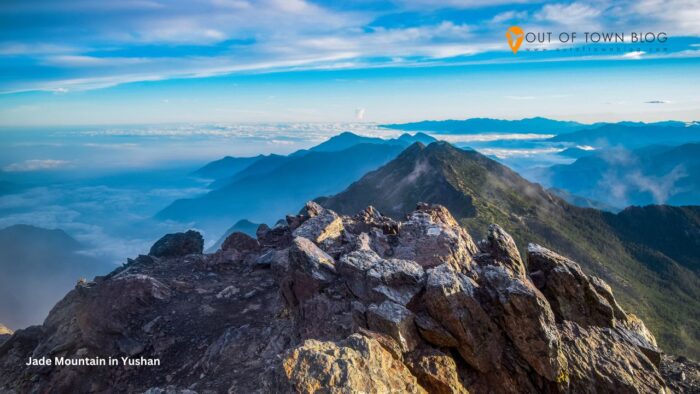
Yushan, also known as Jade Mountain, is Taiwan’s highest peak and is about a three-hour drive from Alishan. The mountain is a popular destination for hikers and mountaineers who come to tackle challenging trails and enjoy stunning views from the summit. Visitors can also explore the nearby hot springs and soak in the healing waters.
Practical Information
Best Time to Visit
Alishan, one of Taiwan’s most famous mountain resort areas, offers a range of experiences year-round. Here’s a guide to help you plan your visit:
Best Overall Time: March to May (Spring)
Spring (March – May) BEST SEASON
- Cherry blossoms bloom (mid-March to mid-April)
- Pleasant temperatures (10-20°C / 50-68°F)
- Famous sea of clouds
- Spectacular sunrises
- Yoshino cherry trees create stunning pink landscapes
Summer (June – August)
- Pros: Escape from Taiwan’s heat (cooler mountain climate)
- Cons: Rainy season, typhoon risk, more crowds
- Temperature: 15-25°C (59-77°F)
- Suitable for hiking if the weather permits
Fall (September – November)
- Beautiful autumn foliage (October-November)
- Clear skies and excellent visibility
- Comfortable temperatures (10-20°C / 50-68°F)
- Less crowded than spring
- Great for photography
Winter (December – February)
- Coldest season (can drop to 0°C / 32°F)
- Occasional frost or light snow
- Fewer tourists
- Clear skies are suitable for sunrise viewing
- Need warm clothing
Tips for Any Season:
- Book sunrise viewing tickets in advance
- Reserve Alishan Forest Railway tickets early
- Accommodation fills quickly during the cherry blossom season
- Bring layers – temperatures drop significantly at elevation
- Mornings are best for viewing the sea of clouds
Avoid Typhoon season (July-September) and major Taiwanese holidays, when crowds are heaviest.
Weather and Climate
Alishan sits at a high elevation (approximately 2,200-2,600 meters / 7,200-8,500 feet), creating a subtropical highland climate with cool temperatures year-round and distinct seasonal variations.
Temperature Overview
| Season | Temperature Range | Feels Like |
|---|---|---|
| Spring (Mar-May) | 10-20°C (50-68°F) | Cool & Pleasant |
| Summer (Jun-Aug) | 15-25°C (59-77°F) | Mild & Comfortable |
| Fall (Sep-Nov) | 10-20°C (50-68°F) | Cool & Crisp |
| Winter (Dec-Feb) | 0-15°C (32-59°F) | Cold, occasional frost |
Monthly Climate Details
Spring (March – May)
- Average temp: 12-18°C (54-64°F)
- Moderate rainfall
- Morning fog common
- The cherry blossom season brings temperature fluctuations
Summer (June – August)
- Average temp: 18-23°C (64-73°F)
- Wettest season – heavy rainfall
- High humidity (80-90%)
- Typhoon season (July-September)
- Afternoon thunderstorms common
Fall (September – November)
- Average temp: 12-18°C (54-64°F)
- Rainfall decreases
- Clearer skies
- Lower humidity
- Best visibility for mountain views
Winter (December – February)
- Average temp: 5-12°C (41-54°F)
- Driest season
- It can drop below freezing at night
- Rare light snow possible
- Crisp, clear days
Key Climate Features
Sea of Clouds
- Best months: March-April, October-November
- Forms when temperature and humidity conditions align
- Most common in the early morning
Sunrise Viewing
- Year-round attraction
- Best visibility: October-April (drier months)
- The summer months have more cloud interference
Rainfall
- Annual rainfall: ~4,000 mm (157 inches)
- Wettest months: June-September
- Driest months: November-February
- Quick weather changes are common at elevation
Wind & Fog
- Mountain winds can be strong
- Morning fog is characteristic
- Wind chill factor is significant in winter
What to Pack
Year-Round Essentials:
- Layered clothing (temperature varies by altitude)
- Light jacket or fleece
- Rain gear/umbrella
- Comfortable walking shoes
- Sunglasses and sunscreen
Additional Winter Items:
- Heavy jacket or down coat
- Warm hat and gloves
- Thermal layers
Additional Summer Items:
- Waterproof jacket
- Quick-dry clothing
- Insect repellent
Daily Temperature Variations
Important: Temperatures can vary 10-15°C (18-27°F) between day and night due to the high elevation. Morning temperatures are significantly cooler than afternoon temperatures.
Best Weather for Activities
| Activity | Best Conditions | Ideal Months |
|---|---|---|
| Sunrise viewing | Clear, dry weather | Oct-Apr |
| Hiking | Mild, low rainfall | Mar-May, Sep-Nov |
| Photography | Clear skies, sea of clouds | Mar-Apr, Oct-Nov |
| Cherry blossoms | Spring weather | Mid-Mar to Mid-Apr |
| Forest Railway | Any (covered train) | Year-round |
Climate Comparison
Unlike lowland Taiwan (hot and humid), Alishan offers:
- Cooler temperatures (10-15°C cooler than Taipei)
- Fresher mountain air
- Escape from summer heat
- More dramatic weather phenomena
Pro tip: Check the weather forecast before your visit, but be prepared for rapid changes. Mountain weather can shift quickly, and conditions may vary significantly even within the same day!
Language
The official language of Taiwan is Mandarin Chinese, but many Taiwanese people also speak English. In Alishan, most signs and announcements are in both Mandarin and English, so communication should not be a problem for English-speaking visitors.
Currency
Taiwan uses the New Taiwan Dollar (TWD). Visitors can exchange their currency at banks, hotels, and airports. Credit cards are widely accepted in major cities but may not be accepted in smaller towns and rural areas. It is advisable to carry cash when traveling to Alishan.
Travel Tips
Traveling to Alishan can be an exciting and memorable experience. Here are some useful travel tips to help make your trip even more enjoyable:
- Plan your itinerary in advance: Alishan offers a lot, and doing so will help you make the most of your trip. Consider visiting popular attractions such as the Alishan National Forest Recreation Area, the Tashan Trail, and Jiemei (Sister) Ponds.
- Travel as a team: If you’re traveling in a group, consider renting a shuttle bus or purchasing a tour package to streamline transportation and logistics.
- Know your gate: If you’re taking the train to Alishan, make sure you know which gate to enter at the train station. The Alishan Forest Railway has two gates: the Main Gate and the North Gate.
- Watch Alishan on YouTube: Before your trip, watch videos to get a better idea of what to expect. You can find videos of the Alishan Forest Railway, the sunrise, and more.
- Choose your lodging carefully: Alishan Township offers many options, including hotels, guesthouses, and homestays. Consider staying in the highlands for a more peaceful and scenic experience.
- Prepare for downhill hiking: If you plan to hike downhill from Alishan, make sure you have sturdy shoes and plenty of water. The downhill hike can be steep and challenging.
- Respect the forest park: Alishan National Forest Recreation Area is protected, so respect the environment and follow park rules. Don’t litter, stay on designated trails, and avoid damaging plants or wildlife.
- Learn some Taiwanese Min-nan: Taiwanese Min-nan is the local language in Alishan, so learning a few basic phrases can be helpful and respectful. Consider learning how to say hello, thank you, and excuse me.
Alishan is in a remote area, so plan ahead and be prepared for your trip. By following these travel tips, you can enjoy a safe, memorable trip in one of Taiwan’s most beautiful mountain ranges.
Frequently Asked Questions
1. What is Alishan famous for?
Alishan is famous for spectacular mountain sunrises, a sea of clouds, ancient cypress forests, cherry blossoms, and a historic forest railway. Located in Chiayi County, Taiwan, the Alishan National Forest Recreation Area attracts visitors year-round for its scenic walking trails, mountain landscapes, and cool climate. Popular experiences include watching the sunrise at Zhushan, exploring the Sacred Tree area, riding the Alishan Forest Railway, and visiting nearby tea plantations. Alishan is also known for its high-mountain oolong tea, making it an excellent destination for nature lovers, photographers, and travelers seeking a different side of Taiwan.
2. How do I get to Alishan from Taipei?
The most convenient way to get from Taipei to Alishan is to take the Taiwan High Speed Rail (HSR) to Chiayi HSR Station, then transfer to an Alishan-bound bus. The mountain bus journey takes several hours, depending on the service and road conditions. Alternatively, you can take a Taiwan Railways train to Chiayi Railway Station and continue by bus. Travelers who prefer flexibility can arrange a private transfer. Check the latest train and bus schedules before departure, especially on weekends and during peak travel seasons, because connections and seat availability can affect your itinerary.
3. How many days should I spend in Alishan?
One to two days is generally sufficient to explore the main attractions within the Alishan National Forest Recreation Area. A one-day visit allows you to walk through the cypress forest, visit historic railway stations, and enjoy scenic viewpoints. However, staying overnight is recommended if you want to watch the sunrise without rushing to catch an early bus from Chiayi. A two-day itinerary also gives you more time to explore nearby tea plantations, enjoy local food, and experience the mountain atmosphere. If you plan to combine Alishan with Fenqihu or Sun Moon Lake, consider adding extra travel time.
4. What is the best time to visit Alishan?
Alishan is a year-round destination, but the best time to visit depends on your interests. Spring, particularly March and April, is popular for cherry blossoms, although flowering dates vary with weather and elevation. Summer offers lush forests and cooler temperatures than many Taiwanese cities, making it appealing for outdoor activities. Autumn suits scenic walks and mountain photography, while winter can bring particularly cold mornings and mist. Sunrise and sea-of-clouds views depend on the weather in every season. Check seasonal forecasts and flowering updates before your trip, and bring layers because temperatures can change significantly throughout the day.
5. Can I see the sunrise at Alishan?
Yes. Watching the sunrise is one of Alishan’s signature experiences. Zhushan is a popular sunrise viewing area, where visitors gather to watch the sun emerge over the surrounding mountains. Depending on the season and operating arrangements, travelers can reach the viewing area by railway, shuttle service, or designated walking routes. Sunrise departure times change throughout the year, so check the latest schedule and ticket requirements before visiting. Arrive prepared for cold temperatures and possible crowds. Clear skies are not guaranteed, and fog or cloud cover may obscure the view, but the mountain scenery can still make an early-morning excursion worthwhile.
6. How do I get around Alishan National Forest Recreation Area?
Visitors can explore much of the main recreation area on foot using its network of forest trails and pathways. Local Alishan Forest Railway services connect selected stations, while electric shuttle buses provide transportation to designated stops and attractions. These options are particularly useful for visitors who want to reduce walking or travel to sunrise viewing points. Service availability and operating hours vary, so check current schedules before setting out. Wear comfortable shoes, carry water, and allow extra time for uphill sections and photography stops. If your accommodation is outside the main recreation area, ask whether you need a hotel shuttle or a separate transfer.
7. Is Alishan suitable for families and older travelers?
Alishan can suit families and older travelers, but the itinerary should account for uneven paths, stairs, inclines, and cool weather. Shuttle buses and local railway services can reduce walking, while shorter trails let visitors enjoy the forest without completing longer routes. Families traveling with young children should bring appropriate outerwear and plan regular breaks. Older visitors or anyone with mobility limitations should check accessibility information for specific attractions before visiting, as not every trail or railway station offers step-free access. Staying overnight can also make the trip more comfortable by avoiding a rushed return journey.
8. What should I wear when visiting Alishan?
Wear comfortable walking shoes with good grip, long trousers, and layers you can add or remove throughout the day. Alishan’s mountain climate is generally cooler than in Taipei, Taichung, or Kaohsiung, especially before sunrise and after sunset. A warm jacket is advisable for early-morning excursions, while a waterproof jacket or compact umbrella can help during rainy conditions. Bring extra clothing if you plan to spend extended periods outdoors. In winter, you may need extra insulation. Even in warmer months, temperatures can drop quickly at higher elevations, so check the forecast before leaving your hotel.
9. Can I ride the Alishan Forest Railway from Chiayi all the way to Alishan?
The Alishan Forest Railway is one of Taiwan’s best-known scenic railways, but travelers should not assume that trains currently run directly from Chiayi to the Alishan National Forest Recreation Area. The main mountain line operates in sections, and service may change due to maintenance, weather, or restoration work. Visitors can use the available railway sections and, when needed, connect to Alishan by bus. Local sightseeing trains also operate within the recreation area, depending on the schedule. Before booking, consult the official Alishan Forest Railway website to verify the operating sections, departure times, and connections for your travel dates.
10. What food should I try in Alishan?
Alishan is known for its high-mountain tea, especially oolong tea grown in the surrounding tea-producing areas. Visitors can sample freshly brewed tea, purchase locally produced tea leaves, and visit tea shops near the recreation area or in nearby villages. Local restaurants also serve Taiwanese dishes, including noodle soups, rice meals, vegetable dishes, and mushroom-based specialties. Some establishments offer meals featuring regional ingredients and mountain produce. Restaurant choices may be more limited than in Taiwan’s larger cities, particularly late at night, so check opening hours if you are staying overnight. Buying tea directly from local producers can also be a memorable souvenir of your visit.
11. Is Alishan worth visiting on a Taiwan trip?
Alishan is worth visiting if you enjoy mountain scenery, forest walks, photography, and a different experience from Taiwan’s urban attractions. Its ancient trees, historic railway, sunrise viewpoints, and local tea culture make it a distinctive stop on a Taiwan itinerary. However, reaching Alishan requires additional travel time from major cities, and mountain weather can affect visibility and outdoor plans. Travelers with limited time may prefer an overnight stay rather than attempting a rushed day trip. Combining Alishan with Chiayi or Fenqihu can make the journey more rewarding, especially for visitors interested in Taiwan’s landscapes and regional food culture.
12. What should I pack for an Alishan trip?
Pack layered clothing, a warm jacket, comfortable walking shoes, rain protection, and a small day bag for exploring the forest. Bring a reusable water bottle, personal medications, a portable charger, and any camera equipment you need for sunrise photography. If you plan to visit Zhushan before dawn, carry extra warm clothing because temperatures can be considerably lower than in Taiwan’s cities. Keep your transportation reservations and accommodation details accessible, and bring some cash for small purchases where electronic payments may not be accepted. Before departure, check the weather forecast, railway and shuttle schedules, and any visitor notices that could affect your planned activities.

Alishan Travel Tour Packages You Should Try
Follow and subscribe to OutofTownBlog.com on Facebook , Twitter, Instagram, Pinterest, and YouTube for more Travel-related updates.
Read:
- Top 10 Best Things to Do in Chiayi, Taiwan
- Ruins of Century-Old Dagupan Railway Station
- The Old San Fernando Train Station in Pampanga
- 8 Best Scenic Attractions To Visit in Bangkok, Thailand
- Top 27 Best Things to do in Kaohsiung, Taiwan


