

 Melo Villareal
Most Delicious Fruits in the Philippines + Guide to Exotic Fruits You Should Try in PH
As a tropical country, the Philippines is recognized as a major exporter of fruits such as mangoes, bananas, and pineapples worldwide. Throughout the year, Filipinos harvest a variety of fruits with different flavors, sizes, and shapes. Fruits in the Philippines are one of the best reasons why you should visit and explore the country soon.

Durian – Exotic Fruits in the Philippines
The Philippines is home to a wide variety of delicious fruits that locals and tourists enjoy. From sweet and juicy mangoes to tangy calamansi, the country’s tropical climate supports the growth of some of the world’s most flavorful fruits. In this article, we will explore some of the most delicious fruits in the Philippines and what makes them so special.
If you’re a fan of fruits, we’ve listed some of the most exotic fruits you can find here in the archipelago!
Popular Fruits in the Philippines
The Philippines has a tropical climate that is ideal for fruit-bearing trees. The country is home to a wide variety of delicious fruits enjoyed by locals and tourists alike. From sweet and juicy mangoes to creamy durian, here are some of the most popular fruits in the Philippines.

Philippine Mangoes
At the top of the list is the ever-popular Philippine mango. We have a variety of mango varieties in the country. Still, the standout is the sweet variety called Carabao Mangoes, named after the national animal of the Philippines.
This sweet variety was recognized by the Guinness Book of World Records in 1955 as the sweetest in the world. Carabao mangoes usually grow from late May to early July. Mangoes are considered the national fruit of the Philippines and are valued for their sweet, juicy flesh.
The most popular variety is the carabao mango, known for its rich flavor and creamy texture. Mangoes are widely used in Filipino cuisine and are a common ingredient in desserts, salads, and smoothies.
Bananas
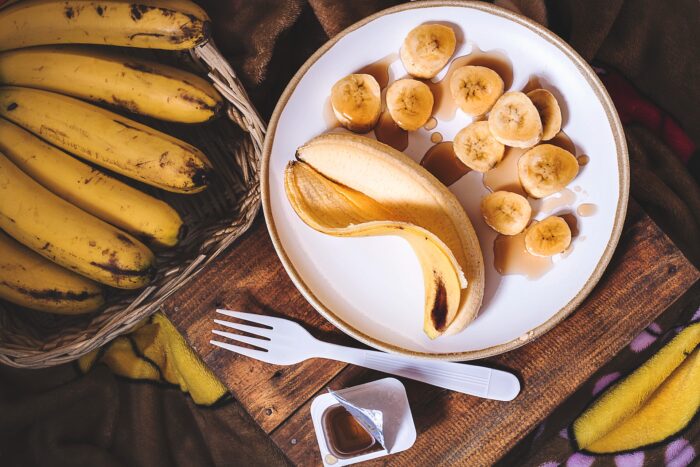
The Philippines is a tropical paradise where the sweet, golden fruit of the banana tree is abundant. The country is the world’s second-largest exporter of bananas, behind only Ecuador, with popular varieties including Lacatan, Latundan, Bungulan, and Saba. Bananas are a versatile fruit that can be enjoyed on their own or used as an ingredient in a variety of dishes.
Not only delicious, but bananas also offer numerous potential health benefits, making them the most important fruit crop in the Philippines. The Philippine Banana Industry comprises a variety of players, from farmers and cooperatives to traders, exporters, and manufacturers, and is largely dominated by large multinational companies.
Pineapples
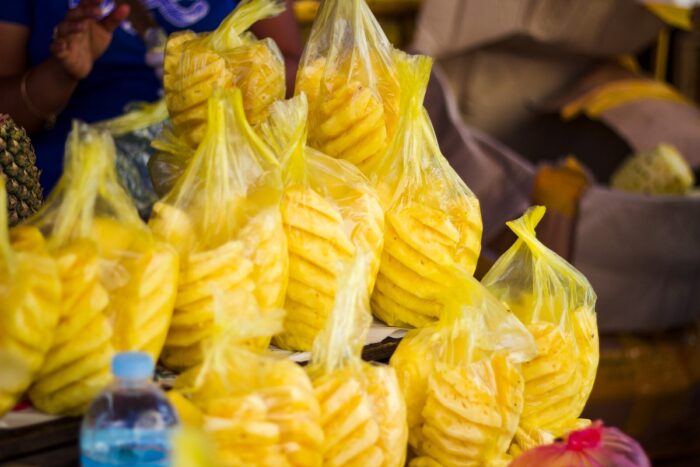
The Philippines is renowned for its sweet and succulent pineapples, particularly the Smooth Cayenne variety. Not only do they add a delicious flavor to a variety of dishes, such as desserts, salads, and savory dishes like pork humba, but they also yield by-products, including wine, vinegar, and gelatinous nata.
The most sought-after cultivar in the country is the Smooth Cayenne (Hawaiian) variety, known for its weight of 2.5 to 3 kilos. The Del Monte Plantation in Bukidnon is one of the world’s largest pineapple plantations and the largest in the country, offering a wide range of pineapple-related activities and experiences.

Durian
The divisive durian fruit is a beloved staple in Philippine culture and cuisine, renowned as the “King of Fruits” for its nutrient-richness and numerous health benefits. With a spiky exterior and pungent aroma, durian is a polarizing delicacy that captivates adventurous eaters with its unique blend of sweet and savory flavors, ranging from creamy to slightly bitter. The most popular varieties include Chanee, monthong, Alcon fancy, arancillo, and puyat, each with different shapes and colors, including green, brown, yellow, and gold.
Grown in abundance in the Davao region, durian production in the Philippines is booming, with 16,573 hectares planted and 1,387,628 bearing trees in 2021. This tropical fruit is often enjoyed fresh but also plays a key role in Filipino dishes and desserts, contributing to the country’s rich culinary tapestry and traditions.

Lanzones
Lanzones is a unique and delicious fruit native to Southeast Asia, with a sweet, slightly tangy flavor. The fruit grows in clusters on a lanzones tree, with its light yellow skin protecting the juicy flesh beneath. There are three varieties of Lanzones, but the most popular in the country is the Paete variety, grown in Laguna, and the Lanzones of Camiguin Island in Mindanao.
Renowned for its distinct sweet flavor. Lanzones is a popular snack eaten fresh, but can also be used in various desserts, candies, jams, and preserves.

Rambutan
The unique and flavorful rambutan has been captivating Filipinos for generations. Its hairy, spiny skin gives way to a sweet, tangy flesh reminiscent of lychee. Not only is it a delicious treat enjoyed fresh or in salads and desserts, but it’s also a symbol of the country’s biodiversity and agricultural richness. In 1912, rambutans were first introduced to the Philippines from Indonesia, and further introductions were made in 1920 and 1930.
However, it wasn’t until the 1950s that its distribution was widely available in Southern Luzon (Laguna and Mindanao) and some parts of Northern and Southern Mindanao. Today, it’s a beloved tropical fruit that continues to be cultivated and enjoyed by many.
Coconuts
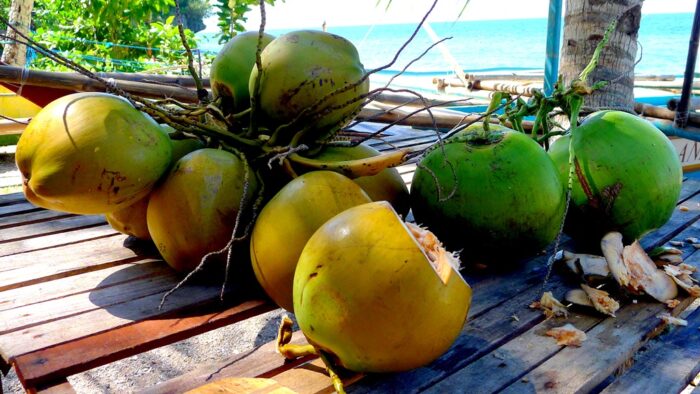
Coconuts are integral to Philippine culture and cuisine and crucial in traditional Filipino practices and celebrations. Not only are they a staple fruit in the country, but they are also a significant source of income, with the Philippines being the second-largest producer of coconuts in the world.
From CALABARZON to Zamboanga Peninsula, Davao, and Northern Mindanao, the country’s various regions harvest the “tree of life,” exporting its products such as virgin coconut oil (VCO) and desiccated coconut. Beyond their economic value, coconuts are a nutrient-dense fruit with a range of health benefits, and coconut water is a popular beverage.

Guyabano
The spiky green exterior of the guyabano fruit hides a soft, white, fiber-rich pulp that tantalizes the taste buds with its unique balance of sweetness and tanginess. But it’s not just its delicious flavor that has made it a beloved fruit in the Philippines – it’s also believed to have powerful medicinal properties, such as being an antioxidant and immune booster.
As such, it’s often transformed into juices, ice cream, and tea for everyone to enjoy. Unfortunately, its consumption is also accompanied by controversies over unverified health claims. Nevertheless, guyabano remains popular among those seeking a delicious and nutritious treat.

Pakwan / Watermelon
Nothing beats a cold, juicy slice of watermelon on a hot summer day! Not only is it incredibly refreshing, but it’s also packed with essential vitamins and minerals. Filipinos have long been fans of this sweet and succulent fruit, known locally as pakwan. Every January, the municipality of Bani in Pangasinan celebrates its annual Pakwan Festival to honor the bountiful harvest of watermelons and other crops.
Varieties commonly grown in the Philippines include Valencia, Meak, Klondyke, Northern Hybrid, Tender Sweet, Honey Cream, and Mallorca. Western Visayas is one of our country’s biggest producers of watermelons, so next time you’re looking to beat the heat, why not grab a wedge of pakwan?

Langka / Jackfruit
Jackfruit is a unique and sweet treat native to Southeast Asia, including the Philippines. Its juicy and succulent flesh is often used as a meat substitute in vegetarian dishes, as well as in various desserts and candies.
In the Philippines, unripe jackfruit, or langka, is usually cooked in coconut milk and served with rice, creating a popular dish called ginataang langka. Ripe jackfruit is also used in various local desserts, such as halo-halo and the Filipino turon, making it a truly versatile fruit!

Pomelo
The juicy and sweet-tangy pomelo, locally known as Suha, is a beloved citrus fruit of the Philippines, especially in Davao, where the Magallanes variety is grown. This variety is highly sought after by Filipinos for its sweet pink flesh and can be harvested from November to January. Despite its popularity, the production volume of pomelo in the Philippines has been steadily declining since 2015, reaching 27.8 thousand metric tons in 2022.
However, with agronomic practices, the Magallanes variety can reach a Brix level of 13, and the oldest trees on the farm can produce up to 600 kg per plant. Rich in vitamin C and full of flavor, the pomelo is a staple of Filipino cuisine and deserves celebration.
Mangosteen
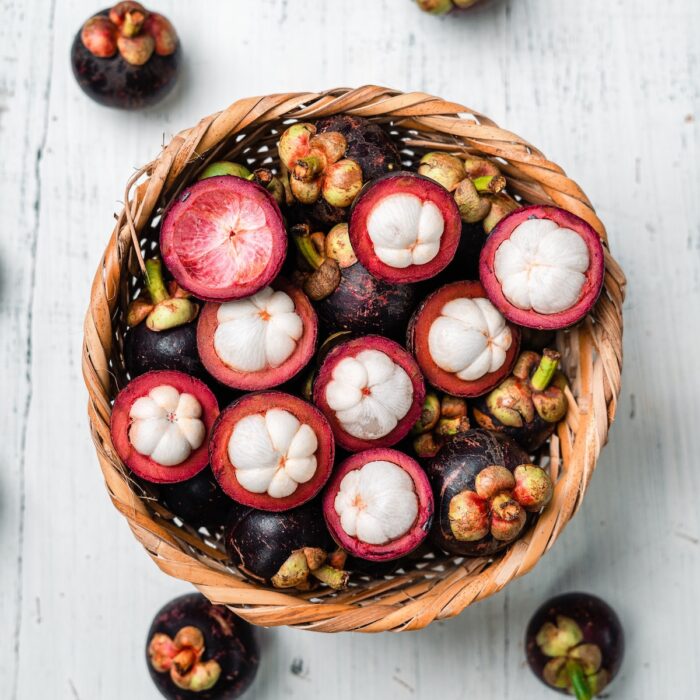
Mangosteen, an exotic fruit native to Southeast Asia, is a delicacy prized for its juicy, delicate texture and slightly sweet, sour flavor. This delectable treat is typically in season only from August to October, but with increasing demand for this fruit, the Philippines has begun exploring off-season production.
Buy why is Mangosteen expensive? Growing mangosteen is challenging, as the ideal environment for these finicky plants is within 20 degrees of the Equator, with temperatures between 40 and 100 degrees Fahrenheit and the right elevation, humidity, and rainfall. Despite the challenge, the Philippines is determined to make this delicious fruit more accessible worldwide.
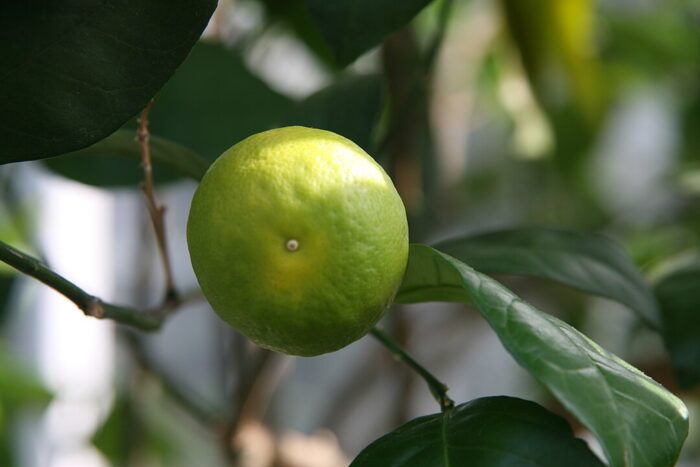
Dalandan
Dalandan oranges, or the Philippine Orange, are beloved in the Philippines for their tart yet sweet flavor. These citrus fruits, scientifically known as Citrus aurantium, are a late-season variety that grows on small, erect trees and belongs to the Rutaceae family. Also known as Kahel in Tagalog and Green Mandarin in Central America,
Dalandan is derived from the Spanish word naranja, meaning “orange.” Dalandan oranges add a zesty note to baked goods, cocktails, and marinades for both sweet and savory dishes.

Melon
The Philippines’ hot climate is ideal for melon, a refreshing and aromatic fruit that bursts with sweetness. Whether you’re snacking on cantaloupe or honeydew or using it to create a salad or dessert, its juicy flesh and vibrant colors make it a popular choice during the hot season.
Not only is melon a great way to cool off, but it also features in traditional Filipino dishes and modern culinary creations, reflecting the country’s rich agricultural heritage and flavors.

Avocado
The Philippines is known for its diverse fruit range, including the avocado. Two distinct types of avocados are found in the Philippines: green- and purple-fruited varieties. Due to its unique flavor and texture, the purple-fruited variety is the preferred choice of many Filipino consumers.
It is often used in salads, sandwiches, and even desserts. The purple-fruited avocado is also known to contain more nutrients than its green-fruited counterpart, including vitamins A, C, and E. The purple-fruited avocado is a popular choice among many Filipino households, as it is an affordable and nutritious fruit that all can enjoy.
Unique and Exotic Fruits of the Philippines
The Philippines is home to a wide variety of unique and exotic fruits that are not commonly found elsewhere in the world. From the sweet and succulent atis to the tangy and tart sampaloc, there is no shortage of flavors to explore.

Kamias / Bilimbi
The tangy and sour kamias, or bilimbi, are a beloved fruit in Filipino cuisine, where they are used to add a unique flavor to dishes, pickles, and other preserves. Beyond its culinary uses, kamias have traditionally been used in Indonesia and the Philippines to treat piles, scurvy, fever, internal bleeding, and rectal inflammation.
In the kitchen, it is primarily used as a souring agent for fish stew and other local Filipino dishes, and also makes a delicious addition to fruit shakes.
Chesa
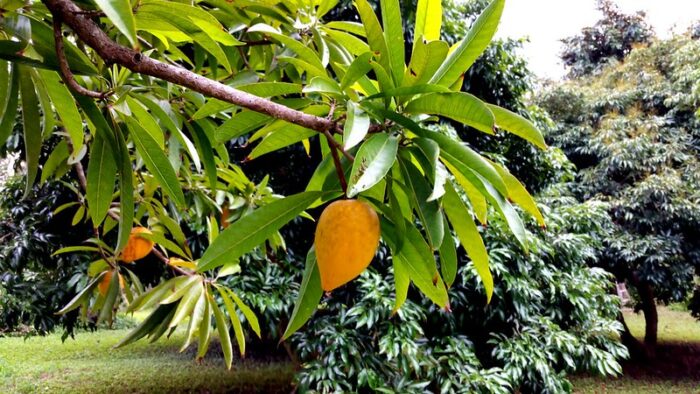
Canistel, also known as Eggfruit, Yellow Sapote, or Tiesa, is a distinctive tropical fruit tree related to the Mamey Sapote. It is native to Central America and Mexico and is widely grown in other regions worldwide. The tree is small and evergreen, growing to 10-20 feet tall. It has glossy green leaves and produces clusters of yellow-orange fruits that are about 2-3 inches in diameter when ripe.
The fruit has a distinctive flavor that is reminiscent of sweet potatoes and maple syrup. It has a unique texture that is both dense and soft yet simultaneously smooth, dry, creamy, and flaky. When ripe, the flesh is orange-yellow and filled with soft, jelly-like pulp that is sweet and juicy. The flavor is sweet and tart, making it a delight. The seeds are also edible and have a nutty, slightly bitter taste.

Kaimito / Star Apple
The exotic kaimito, otherwise known as the star apple or cainito, is an intriguing fruit that has captured the hearts of many. Its deep purple skin yields to sweet, juicy flesh often likened to cotton candy. Not only is it a delightful snack when eaten fresh, but it can also be used in jams and other preserves to add an extra touch of sweetness.
Its star-shaped seed pattern gives the fruit its name, while its taste is reminiscent of applesauce, with hints of tropical fruits and grapes. Grown in provinces from Batanes to Sulu, the kaimito is found in backyards and orchards nationwide, making it a popular choice for those seeking something unique and delicious.
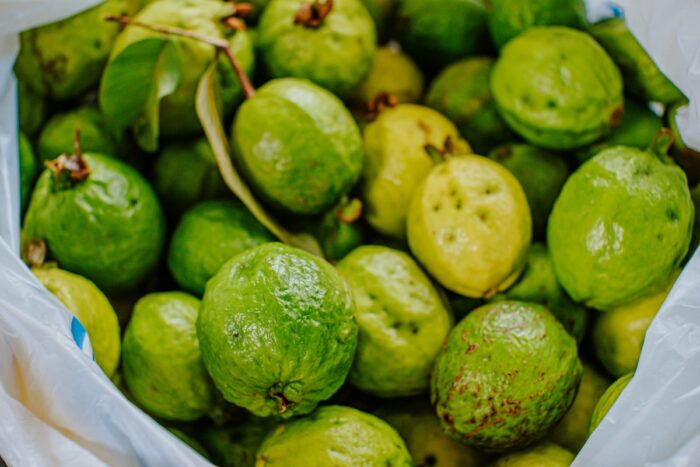
Bayabas / Guava
The sweet, fragrant flavor of bayabas (guava) makes it a popular fruit in the Philippines. Not only is it enjoyed as a snack, but it’s also used to make beverages such as juice. But where did the guava (Psidium guajava L., family Myrtaceae) come from?
It’s believed to have been introduced to the West Indies by the Spaniards in 1526, and later to the Philippines and India by the Portuguese in the early 17th century.
Aratiles / Jamaican Cherry

If you’re looking to take a trip down memory lane, there’s no better way than to indulge in the sweet, juicy taste of aratiles! These tiny cherries, known as aratilis or Muntingia, are a childhood favorite, easy to find and climb from trees around the neighborhood. Not only are they a delicious treat, but they are also packed with health benefits. Studies have shown that aratiles contain antidiabetic and anti-inflammatory compounds that may benefit the human body.
As if that wasn’t enough, the Philippines is also home to other amazing tropical fruits like the pinya, or pineapple. This sweet, juicy fruit is a popular choice, often used in desserts and drinks. The energy fruit, also known as muntingia, is another small, red fruit that is packed with vitamins and other nutrients. It has a sweet, tangy flavor and is a great addition to smoothies and other drinks.
Santol

If you’re looking for a unique taste experience, you should try santol! This tropical fruit, also known as cotton fruit, is in season in the Philippines from July to October and offers a unique flavor profile of sour and sweet.
While the outer skin can taste slightly bitter, the inner flesh is soft and delicious. Many locals like to dip the fruit in salt to enhance the flavor. Cooks also use santol as an alternative to sampalok in sinigang, a sour stew. If you’re not into eating it raw, you can also try santol-based products like jam and candy.
Originally native to Indochina, Malaya, India, the Andaman Islands, Malaysia, Indonesia, the Moluccas, Mauritius, and the Philippines, santol has become naturalized in these regions and is a must-try for anyone who loves sour-tasting fruits!
Balimbing / Starfruit

The star-shaped balimbing, also known as carambola or starfruit in Filipino, is a highly nutritious fruit with a unique flavor. Not only is it packed with iron, vitamins B and C, and potassium, but it also has a variety of uses.
Its juice can be used for seasoning, and the fruit can be eaten as is or made into pickles or sweets. Its crunchy outer skin and tart, citrusy flavor make it perfect for adding to salads and other dishes. Not only is it a delicious snack, but it’s also highly nutritious.
Duhat

Duhat is a unique and delicious fruit in season from March to July. This dark purple-to-black oval-shaped fruit is a true delight, with a flavor reminiscent of grapes. Not only is it low in calories, but it’s also incredibly easy to eat – just rinse and enjoy!
It’s no wonder that this fruit, also known as Java Plum, is a popular choice in the Philippines. Not only is it delicious, but it’s also known to help with digestion and is even used in folk medicine for diabetes. So if you’re looking for a tasty and healthy snack, look no further than duhat!
Chico / Sapodilla

Tempt your taste buds with the sweet and exotic Chico fruit, otherwise known as Sapodilla. This small, round fruit is native to countries in Southeast Asia and grows on trees. To enjoy this delicious treat, simply peel off the outer layer and savor the buttery and succulent inner flesh. Don’t forget to remove the tiny black seeds before you indulge!
Not only is Chico a delectable dessert, but it is also high in antioxidants, making it a healthy snack. Studies have even shown that eating fresh Chico can help to lower blood pressure and reduce the risk of heart disease. This amazing fruit was introduced to the Philippines during Spanish colonization and has been enjoyed ever since.
Atis / Sugar Apple

Not only is the sugar apple a delicious and healthy snack, but it is also a favorite of Philippine fruit bats! This unique fruit is available only for a few months each year, from September to December, so be sure to try it when you visit the Philippines.
The sugar apple contains vitamin C and is easily identified by its knobby skin. When ripe, the fruit can easily be broken open to reveal its creamy, custard-like interior.

Sampaloc / Tamarid
Tamarind (Tamarindus indica) is a fruit that has been part of the local diet in the Philippines for centuries, with different names in different dialects – sampalok or sampaloc in Filipino and sambag in Cebuano. It was from here that the Spaniards took saplings and brought the fruit to Mexico, and today, its natural sour taste has made it a universal favorite.
In the Philippines, it is used in the traditional dish sinigang to add a distinctive sour flavor, rather than in vinegar-based dishes. In some provinces, the ripe tamarind is used to make candy, making it a truly versatile fruit!

Camachile / Manila Tamarind
The Camachile tree has been part of the Pacific’s cultural heritage for centuries. It has a unique, sweet, musky, acidic taste reminiscent of desiccated coconut meat, and some people also detect astringent and metallic notes. It is known as kamachile in Tagalog, kamunsil in Hiligaynon, and damortis or kamantiris in Ilokano.
Native to the Pacific Coast and adjacent highlands of Mexico, Central America, and northern South America, Pithecellobium dulce, commonly known as the Manila tamarind, Madras thorn, or Camachile tree, is a flowering plant that has been part of Filipino culture since the Spanish period.

Calamansi
The zesty and delightful calamansi is a must-have in the Filipino kitchen! Whether you call it the Philippine lime, calamondin, or kalamansi, this citrus fruit is a unique hybrid of a kumquat and an orange that packs a punch of sweet and tart flavors.
Not only is it delicious but also incredibly nutritious, containing antioxidants such as potassium, limonene, calcium, and Vitamins A and C. Grown in countries throughout Southeast Asia, especially the Philippines, calamansi is a versatile pantry staple that is sure to add a special touch to any dish.
Geographical Significance of Fruits in the Philippines
The Philippines is a tropical country located in Southeast Asia, known for its beautiful beaches and islands. It is also known for its diverse and delicious fruits. Due to the country’s warm and humid climate, it is an ideal place to grow fruit. Many regions in the country are known for their unique fruits.
Davao, in the southern Philippines, is the country’s largest fruit producer. It is known for its sweet and juicy durian, often called the “king of fruits.” Davao is also known for its pomelo, a citrus fruit similar to grapefruit.
Camiguin, a small island province in northern Mindanao, is known for its sweet lanzones. This fruit has a thin yellowish-brown skin and a translucent white flesh that is sweet and juicy. Guimaras, a province in the Western Visayas region, is known for its sweet and succulent mangoes. These mangoes are considered one of the best in the world and are often exported to other countries.
Zambales, a province in Central Luzon, is known for its sweet and juicy chico. This fruit has a brown, fuzzy exterior and a creamy white flesh that is sweet and slightly tangy. Laguna, a province in Calabarzon, is known for its sweet and aromatic buko (young coconut). The water and flesh of this fruit are often used in many Filipino desserts.
Bukidnon, a province in Mindanao, is known for its sweet and juicy pineapples. These pineapples are often used in many Filipino dishes and exported to other countries.
Fruits and Filipino Cuisine
Fruits play a significant role in Filipino cuisine. They are used in various dishes, desserts, snacks, and beverages. The tropical climate of the Philippines makes it an ideal place for growing a wide variety of fruits, many of which are unique to the region.
One of the most popular dishes in Filipino cuisine that incorporates fruits is Sinigang. It is a sour soup with tamarind, tomatoes, onions, and various meats or seafood. Other fruits used in Sinigang include guava, calamansi, and green mango. The tartness of these fruits adds a tangy flavor to the soup, making it a refreshing and comforting meal.
Another popular fruit in the Philippines is the Philippine Mango. It is known for its sweet and juicy flesh and is often used in desserts, such as Mango Float, Mango Sago, and Mango Ice Cream. The Guimaras Island is famous for producing the sweetest mangoes in the country. These mangoes are so delicious that they are often eaten as a snack.
Calamansi is another fruit that is commonly used in Filipino cuisine. It is a small citrus fruit similar to a lime but sweeter. It is often used as a condiment for dipping sauces, marinades, and dressings. It is also used to flavor drinks, such as Calamansi Juice, and to desserts, such as Calamansi Bars.
Lychee is not native to the Philippines, but it remains popular in the region. It is often used in candies and ice creams and is a common ingredient in salads. The sweet and fragrant flavor of lychee adds a unique twist to traditional Filipino dishes.
Other fruits commonly used in Filipino cuisine include Java Plum, Duhat, and buko (young coconut). Java Plum is often used in jams and preserves, while Buko is used in various desserts, such as Buko Pie and Buko Salad.
Fruits in Local Markets and Street Food
The Philippines is known for its vibrant, bustling markets and street food scene. When it comes to fruits, these markets offer a wide variety of delicious and exotic options.
One popular fruit found in local markets is the mango. Known as the national fruit of the Philippines, the mango is sweet and juicy, making it a perfect snack on a hot day. Another popular fruit is the pineapple, commonly sold pre-sliced and ready to eat.
In addition to these well-known fruits, local markets offer more exotic options, such as rambutan, which has a spiky red exterior and a sweet, juicy interior. Another exotic option is the durian, which has a strong odor but a delicious, creamy texture.
Regarding street food, fruits are often used in popular snacks and desserts. One popular option is the banana cue, a skewered banana coated in brown sugar and then fried. Another popular option is halo-halo, a dessert typically featuring jackfruit, coconut, and sweet beans.
Seasonality of Fruits in the Philippines
The Philippines has a tropical climate that supports a wide variety of fruits year-round. However, some fruits are seasonal and available only during certain months. If you want to enjoy the freshest and most delicious fruits in the Philippines, it’s important to know when they are in season.
One of the most popular fruits in the Philippines is the mango. Mangoes are available year-round, but the peak season runs from March to May. During this period, you can find various mango varieties, including Carabao, Pico, and Indian mangoes. The Carabao mango is the most popular variety in the Philippines and is known for its sweet and juicy flavor.
Another fruit that is in season during the summer months is the rambutan. Rambutan is a small, red fruit with soft, spiky hairs on the outside. The fruit is sweet and juicy and is often eaten as a snack or used in desserts. Rambutan season runs from June to August.
If you’re looking for a refreshing fruit during the rainy season, consider the lanzones. Lanzones are small, round fruits with a sweet and tangy flavor. The fruit is in season from September to November and is often eaten fresh or used in desserts.
Other seasonal fruits in the Philippines include durian, mangosteen, and pomelo. Durian season runs from June to August, while mangosteen season runs from May to August. Pomelo season runs from October to February.
It’s important to note that seasonal fruit availability varies by location and weather conditions. Some fruits may be available earlier or later than usual. If you’re unsure about the availability of a certain fruit, it’s best to check with the local markets or farmers.
What’s your favorite exotic fruit? Have you tried one from the Philippines? Share it with us below in the comments section!
Frequently Asked Questions
What are some of the most popular fruits in the Philippines?
The Philippines is home to a variety of delicious and exotic fruits. Some of the most popular fruits in the country include mangoes, bananas, pineapples, papayas, and coconuts. These fruits are widely available and are commonly used in Filipino cuisine.
What is the most sought-after fruit in the Philippines?
One of the most sought-after fruits in the Philippines is the durian. This fruit is known for its strong aroma and distinctive flavor. Despite its pungent odor, durian is a favorite among many Filipinos and visitors to the country.
What are some rare fruits that are native to the Philippines?
The Philippines is home to several rare and exotic fruits native to the country. Some of these fruits include the rambutan, lanzones, and santol. These fruits are not commonly found elsewhere and are a must-try for anyone visiting the Philippines.
What are some of the unique small fruits found in the Philippines?
The Philippines is also home to a variety of small fruits that are unique to the country. These include the bignay, aratiles, and duhat. These small fruits are often used in local desserts and are a favorite among Filipinos.
What are some wild fruits that can be found in the Philippines?
The Philippines is home to numerous wild fruits found in its forests and mountains. Some of these fruits include the wild mango, wild passion fruit, and wild berries. These fruits are often foraged by locals and are a rare treat for visitors to the country.
What is the national fruit of the Philippines?
The national fruit of the Philippines is the mango. This delicious fruit is widely grown nationwide and a favorite among Filipinos. The Philippines is known for producing some of the world’s best mangoes, and the fruit is an important part of the country’s culture and cuisine.
Follow #TeamOutofTown on Facebook, Twitter, Instagram, Bloglovin, and Pinterest for more travel and food updates.
Read:
- 3 Tips for Making Abroad Travel Affordable
- 28 BEST Filipino Desserts You Need to Try
- 10 Best Filipino Restaurants in Doha, Qatar


