Melo Villareal
15 Best Places to Visit in Bangkok for First-Time Travelers
Bangkok is one of Southeast Asia’s most exciting destinations, combining centuries-old Buddhist temples, royal landmarks, bustling street markets, modern shopping malls, riverside communities, and an internationally celebrated food scene. Thailand’s capital offers a diverse range of experiences for first-time visitors, returning travelers, families, couples, solo explorers, and budget-conscious tourists.
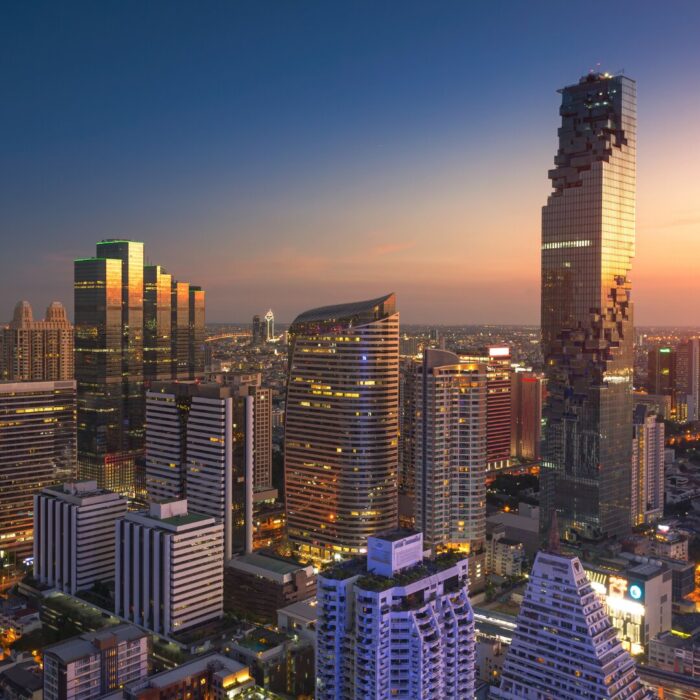
Bangkok photo via Eastwest Bank
The best places to visit in Bangkok include the magnificent Grand Palace, the reclining Buddha at Wat Pho, the riverside temple of Wat Arun, and the lively streets of Chinatown. Visitors can also explore traditional floating markets, browse local products at Chatuchak Weekend Market, enjoy panoramic city views, and discover Thailand’s cultural heritage through its temples, museums, and historic neighborhoods.
Bangkok also serves as a convenient starting point for day trips to destinations such as Ayutthaya, the former capital of the Kingdom of Siam, and the famous floating markets outside the city. Its extensive public transportation network makes many attractions accessible, although traffic congestion can affect travel times.
This travel guide highlights 15 of the best places to visit in Bangkok and nearby destinations. It includes practical sightseeing information, transportation advice, local food experiences, cultural etiquette, a sample three-day itinerary, and essential tips for planning a memorable trip to Thailand.
Quick Travel Tips for Visiting Bangkok
Bangkok is relatively easy to explore with some advance planning. Understanding local customs, choosing suitable transportation, and preparing for Thailand’s tropical climate can make sightseeing more comfortable.
- Currency: Thailand uses the Thai baht (THB). Keep some cash available for small food stalls, traditional markets, and independent vendors.
- Mobile internet: A local SIM card or travel eSIM can help with navigation, translation, ride-hailing, and checking public transportation routes.
- Temple dress code: Wear clothing that covers the shoulders and knees when visiting important religious sites. Some attractions enforce specific entry requirements.
- Cashless payments: Many established businesses, shopping malls, and hotels accept digital payments and bank cards. Smaller vendors may prefer cash.
- Transportation: Use the BTS Skytrain and MRT subway when convenient. River boats can provide an enjoyable alternative for attractions along the Chao Phraya River.
- Weather: Bangkok is hot and humid for much of the year. Bring breathable clothing, comfortable walking shoes, sunscreen, and an umbrella.
- Temple visits: Remove shoes when required, speak quietly, and follow posted photography rules. Avoid touching Buddha images or climbing on religious structures.
- Traffic: Allow extra time for road journeys, especially during morning and evening rush hours.
- Food safety: Choose busy food stalls with freshly prepared dishes and high customer turnover. Carry drinking water during long sightseeing days.
- Travel insurance: Consider coverage for medical emergencies, travel disruptions, and lost belongings before departure.
1. The Grand Palace

The Grand Palace is one of Bangkok’s most important historical landmarks and a highlight of almost every first-time visitor’s itinerary. Built in 1782, the royal complex served as the official residence of Thai kings for generations. Today, it remains a significant symbol of Thailand’s monarchy, architectural heritage, and national identity.
The palace grounds feature elaborate roofs, golden stupas, intricate mosaics, decorative guardians, and richly ornamented buildings. Its most celebrated religious attraction is Wat Phra Kaew, or the Temple of the Emerald Buddha, which houses a revered Buddha image carved from jade or jasper-like stone.
Visitors should allow several hours to explore the complex. The architecture rewards close attention, from the elaborate murals to the carefully decorated pillars and rooftops. Modest clothing that covers the shoulders and knees is essential, and visitors should check the current admission arrangements before arriving.
- Best time to visit: Early morning, when temperatures are generally more manageable.
- Opening hours: Typically during daytime hours, with schedules subject to change.
- Transportation: Take the MRT to Sanam Chai and walk the rest of the way, or take a river boat to reach the historic district.
- Nearby attractions: Wat Pho, Wat Arun across the river, and the Museum of Siam.
- Travel tip: Check the entrance arrangements on the day of the visit. Ignore unsolicited offers from strangers who claim the palace is closed.
The Grand Palace is especially worthwhile for travelers interested in Thai history, royal traditions, religious art, and traditional architecture.
2. Wat Pho and the Reclining Buddha

Wat Pho is famous for its enormous Reclining Buddha, a gold-covered statue measuring approximately 46 meters long. The image represents the Buddha entering parinirvana and is one of Bangkok’s most recognizable religious attractions.
The temple complex offers much more than the reclining statue. Visitors can explore courtyards, decorated chedis, traditional Thai architectural details, and quiet spaces used for worship. The grounds offer a glimpse into the importance of Buddhism in daily Thai life.
Wat Pho is also closely associated with traditional Thai massage and healing practices. Its massage school helped preserve knowledge of traditional bodywork, making the temple an interesting destination for visitors interested in Thai wellness traditions.
The Reclining Buddha’s enormous size can make photography challenging, so visitors should also take time to appreciate the surrounding details. Respectful behavior is expected throughout the complex, particularly near worshippers and sacred images.
- Best time to visit: Morning or late afternoon.
- Opening hours: Generally open during daytime hours. Confirm the current schedule before traveling.
- Transportation: Walk from the Grand Palace or take the MRT to Sanam Chai.
- Nearby attractions: The Grand Palace, Museum of Siam, and Tha Tien riverside area.
- Travel tip: Allow around one to two hours for a comfortable visit. Traditional massage services may be available separately from general sightseeing.
Wat Pho is an excellent addition to the Grand Palace because the two attractions are close enough to visit on the same morning.
3. Wat Arun, the Temple of Dawn

Wat Arun stands on the western bank of the Chao Phraya River and is among Bangkok’s most photographed temples. Its central tower, known as a prang, rises above the surrounding structures and features intricate decoration made with porcelain and ceramic fragments.
Unlike the predominantly gold-colored temple imagery associated with Thailand, Wat Arun has a distinctive appearance, with pale surfaces and detailed patterns. Visitors can admire the architecture from the grounds or view the temple from across the river, where its silhouette becomes particularly striking.
The temple is associated with dawn, though its riverside setting also makes it attractive in the late afternoon and at sunset. Changing light creates different photographic opportunities, while the river adds movement and atmosphere.
Visitors should dress appropriately and exercise care on steep stairways where access is permitted. Some areas may be restricted, depending on maintenance and temple arrangements.
- Best time to visit: Early morning or late afternoon.
- Opening hours: Generally open during the day, subject to local arrangements.
- Transportation: Cross the Chao Phraya River by local ferry from the Tha Tien area, or approach using other river transport.
- Nearby attractions: Wat Pho, the Grand Palace area, and riverside cafés.
- Travel tip: Visit in the afternoon and enjoy views from the opposite riverbank afterward.
Wat Arun is an essential stop for architecture enthusiasts, photographers, and travelers seeking a classic Bangkok riverside experience.
4. Wat Traimit and the Golden Buddha

Near the entrance to Bangkok’s Chinatown, Wat Traimit is known for housing the Golden Buddha, a remarkable solid-gold statue. The image weighs about five and a half tonnes and has a fascinating history, including a plaster covering that concealed its true material for centuries.
The statue’s discovery revealed an extraordinary example of how historical objects can survive through periods of political and social change. Its story adds depth to a visit, particularly for travelers interested in Thai religious heritage and Buddhist art.
The temple also sits within a neighborhood shaped by generations of Chinese migration and commerce. This makes it easy to combine the visit with a walk through Chinatown, where traditional shops, gold merchants, Chinese shrines, and street food stalls reflect Bangkok’s multicultural character.
- Best time to visit: Morning, followed by lunch or an afternoon exploration of Chinatown.
- Opening hours: Generally open during daytime hours. Confirm access to the museum and other facilities separately.
- Transportation: Take the MRT to Hua Lamphong and walk to the temple.
- Nearby attractions: Yaowarat Road, Chinatown markets, and historic commercial streets.
- Travel tip: Check whether the museum exhibits are open if you want to learn about the Golden Buddha’s discovery.
Wat Traimit is a rewarding stop for travelers who want to combine cultural sightseeing with one of Bangkok’s most celebrated food destinations.
5. Jim Thompson House Museum

The Jim Thompson House Museum offers a different perspective on Bangkok through traditional Thai architecture, Asian art, and the history of the silk industry. The museum occupies a collection of traditional-style wooden houses assembled by American businessman Jim Thompson, who helped introduce Thai silk to international markets.
The property stands out for its teakwood architecture, tropical garden, antique furnishings, and Southeast Asian art collection. Guided visits provide context about the house, its collection, and Thompson’s influence on the international appreciation of Thai silk.
The museum is especially useful for visitors seeking a quieter cultural experience after exploring Bangkok’s larger temples and busy shopping districts. It also provides insight into how traditional design can coexist with the modern city surrounding it.
- Best time to visit: Morning or early afternoon.
- Opening hours: Typically open during the day; guided visits and admission arrangements may change.
- Transportation: Take the BTS Skytrain to the National Stadium area and walk to the museum.
- Nearby attractions: MBK Center, Siam shopping district, and Bangkok Art and Culture Centre.
- Travel tip: Check available tour languages and entry arrangements before you arrive. Allow extra time if you plan to browse the museum shop.
Jim Thompson House is an excellent choice for art lovers, design enthusiasts, history buffs, and travelers interested in Thailand’s silk traditions.
6. Yaowarat Road and Bangkok Chinatown
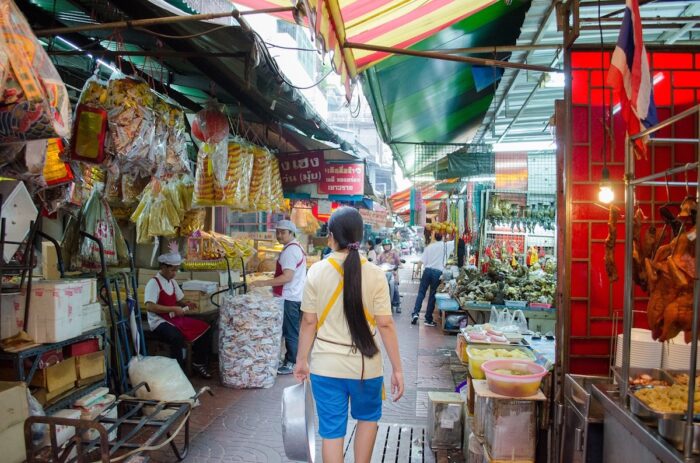
Yaowarat Road is the main artery of Bangkok’s Chinatown, a district famous for its food stalls, traditional Chinese shops, gold merchants, shrines, and busy commercial streets. The neighborhood offers one of the most memorable ways to experience the city after sunset.
Chinatown’s food scene combines Thai and Chinese influences. Popular choices include grilled seafood, noodle soups, roasted meats, dim sum, traditional desserts, and freshly prepared stir-fried dishes. Vendors specialize in different recipes, so a food-focused visit may involve several small stops rather than one large meal.
The neighborhood also rewards daytime exploration. Historic shophouses, narrow lanes, Chinese temples, and traditional businesses reveal a different side of Bangkok’s development. Visitors can discover quieter streets off the main road and see how the area still functions as a working commercial district.
- Best time to visit: Late afternoon through evening for the lively food scene.
- Opening hours: Chinatown is an active neighborhood throughout the day, but individual vendors and restaurants keep different schedules.
- Transportation: Take the MRT to Wat Mangkon and walk through the district.
- Nearby attractions: Wat Traimit, Sampeng Lane Market, and historic Chinese shrines.
- Travel tip: Bring some cash, expect crowds on popular evenings, and check food stall availability before making a special trip for a particular dish.
Chinatown is a must-visit destination for food lovers. It offers an opportunity to sample Bangkok’s street food culture while discovering the Chinese heritage that helped shape the city.
7. Chatuchak Weekend Market

Chatuchak Weekend Market is one of Bangkok’s best places for travelers who enjoy shopping, browsing local products, and sampling casual food. Its extensive network of stalls sells clothing, accessories, handicrafts, home décor, artwork, plants, souvenirs, and vintage items.
The market’s scale can feel overwhelming, so a loose shopping plan helps. Visitors may want to prioritize specific sections, compare prices, and carry a reusable shopping bag. Bargaining is appropriate for some products, but keep it polite, and remember not every seller will negotiate.
Chatuchak is also a destination for casual dining. Food vendors serve Thai snacks, grilled dishes, refreshing drinks, and desserts, making it easier to take breaks between shopping sessions.
The market is busiest on major shopping days, particularly weekends. Some sections and individual businesses may operate on different schedules, so visitors should confirm product or stall availability before traveling.
- Best time to visit: Early morning on a market day, before the strongest midday heat.
- Opening hours: Primarily weekend shopping, with selected sections and other market activities open on other days.
- Transportation: Take the BTS to Mo Chit or the MRT to Chatuchak Park or Kamphaeng Phet, depending on the entrance.
- Nearby attractions: Chatuchak Park, Queen Sirikit Park, and the Or Tor Kor fresh market.
- Travel tip: Wear comfortable shoes, keep valuables secure, and agree on the price before you buy.
Chatuchak is particularly appealing to souvenir hunters, independent shoppers, and travelers who want to discover locally made products alongside everyday Thai merchandise.
8. Damnoen Saduak Floating Market

The Damnoen Saduak Floating Market is one of Thailand’s best-known floating markets and a popular excursion from Bangkok. Located outside the capital in Ratchaburi Province, it showcases traditional commerce associated with the country’s canal communities.
Visitors can watch vendors sell fruit, snacks, souvenirs, and prepared meals from wooden boats or stalls along the waterways. Boat rides offer a different view of the market, although conditions can become crowded during peak visiting periods.
The market is strongly tourist-focused, so prices and experiences can vary. Visitors should confirm boat fares before boarding, check the total cost of any tour, and avoid assuming that every advertised package includes the same activities.
Getting there independently can require more planning than visiting attractions in central Bangkok. Organized excursions are convenient for travelers who want transportation arranged in advance, while private transfers can provide more flexibility.
- Best time to visit: Early morning, when market activity is generally livelier.
- Opening hours: The market is primarily a morning destination. Confirm operating days and current schedules before departure.
- Transportation: Join an organized excursion, arrange a private transfer, or combine public transport with local connections.
- Nearby attractions: Other canal communities and rural destinations in Ratchaburi Province.
- Travel tip: Compare tour inclusions carefully, especially boat rides, transfers, shopping stops, and waiting times.
Damnoen Saduak suits travelers who want a classic floating-market experience and have enough time to leave central Bangkok for a half-day or full-day excursion.
9. Ayutthaya Historical Park

Ayutthaya Historical Park is one of the most rewarding day trips from Bangkok. Ayutthaya served as the capital of the Kingdom of Siam for centuries before it was destroyed in 1767. Today, its temple ruins, brick stupas, Buddha images, and historic remains reveal the scale of the former royal city.
The park contains several notable landmarks, including Wat Mahathat, known for the Buddha head entwined in tree roots, and Wat Phra Si Sanphet, a former royal temple recognized for its distinctive chedis. Each site offers a different view of Ayutthaya’s religious architecture and political history.
Because the historic attractions are spread across a broad area, visitors benefit from planning transportation between sites. Cycling can work for some travelers, but the tropical heat makes air-conditioned vehicles or organized tours attractive alternatives.
Ayutthaya is also known for local food, including boat noodles and traditional sweets. A day trip can therefore combine historical sightseeing with regional cuisine.
- Best time to visit: Early morning, especially during cooler months.
- Opening hours: Individual temples and heritage sites have different schedules. Check each site before visiting.
- Transportation: Travel by train, intercity transport, private car, or organized day tour from Bangkok.
- Nearby attractions: Wat Mahathat, Wat Phra Si Sanphet, and other historic temples within the former capital.
- Travel tip: Bring sun protection, drinking water, and comfortable footwear. Respect barriers and avoid climbing fragile ruins.
Ayutthaya is an excellent choice for history enthusiasts, photographers, and visitors who want to understand Thailand beyond its modern capital.
10. ICONSIAM
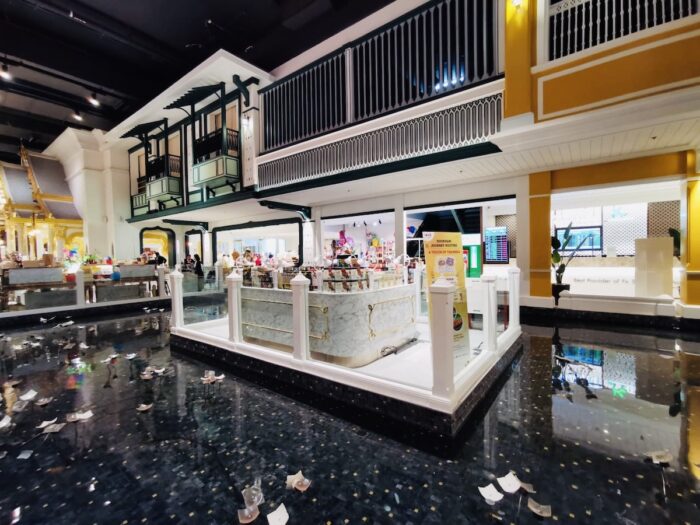
ICONSIAM represents Bangkok’s modern retail and lifestyle scene. This large riverside complex combines international luxury brands, Thai designers, restaurants, entertainment, and spaces for events and cultural displays.
One distinctive feature is SookSiam, an area designed to showcase food, crafts, and products inspired by Thailand’s different regions. Visitors can discover regional snacks and dishes in a comfortable indoor environment, making it a convenient introduction to Thai cuisine for travelers who prefer a more structured setting than a roadside food stall.
ICONSIAM also offers river views and access to the surrounding waterfront. The complex is a good break from outdoor sightseeing, especially during hot afternoons or rainy weather.
Shopping ranges from luxury retail to accessible gifts and local products. Prices vary widely, so visitors can enjoy the experience even without planning a major shopping trip.
- Best time to visit: Late afternoon or evening, especially for the waterfront atmosphere.
- Opening hours: Generally open daily, although individual businesses and attractions may have different schedules.
- Transportation: Use the BTS Gold Line connection or river services that stop near the complex.
- Nearby attractions: Chao Phraya River piers, riverside restaurants, and other waterfront developments.
- Travel tip: Check river shuttle schedules and the mall’s event calendar before planning an evening visit.
ICONSIAM is a good choice for families, shoppers, food enthusiasts, and travelers looking to experience contemporary Bangkok alongside its traditional landmarks.
11. Mahanakhon SkyWalk

Mahanakhon SkyWalk provides elevated views of Bangkok from the King Power Mahanakhon building. Its observation areas offer a broad perspective of the city’s skyline, including high-rise developments, road networks, and distant neighborhoods.
The experience appeals to visitors who want to see Bangkok’s scale from above. Where available and accessible, the rooftop glass-floor area adds an extra element for those comfortable with heights. Indoor observation spaces also provide a place to enjoy the view when outdoor conditions are less favorable.
Clear weather makes a substantial difference to the experience. Visitors hoping to photograph the skyline should consider visibility, cloud cover, and the possibility of rain. Sunset is popular, so plan ahead to secure preferred entry slots.
- Best time to visit: Late afternoon for daylight views and sunset, depending on weather and visibility.
- Opening hours: Typically offers daytime and evening admission, subject to current operating schedules.
- Transportation: Take the BTS Skytrain to Chong Nonsi and walk to the building.
- Nearby attractions: Silom, Sathorn, and the surrounding business district.
- Travel tip: Check weather conditions and ticket arrangements before booking. Confirm rooftop access and any clothing or safety restrictions.
Mahanakhon SkyWalk is an excellent addition to a Bangkok itinerary for photographers, couples, architecture enthusiasts, and visitors who enjoy panoramic city views.
12. Lumphini Park

Lumphini Park offers a welcome change of pace from Bangkok’s busy roads and shopping districts. Its green spaces, walking paths, lake, and shaded areas provide room for exercise, relaxation, and casual sightseeing.
Local residents often walk, jog, exercise outdoors, and spend time with family. A visit offers a chance to see everyday urban life away from the major tourist attractions.
Early morning is particularly pleasant because temperatures are usually lower than at midday. The park can also be a useful stop for travelers who want a slower activity between temple visits and shopping.
Wildlife sightings, including large monitor lizards, sometimes attract visitors’ attention. Observe these animals from a respectful distance rather than approaching or feeding them.
- Best time to visit: Early morning or late afternoon.
- Opening hours: Generally open daily from early morning until evening. Verify the current park schedule before visiting.
- Transportation: Take the MRT to Lumphini or Si Lom, or use the BTS and walk from a convenient station.
- Nearby attractions: Silom, Sathorn, and nearby shopping and dining districts.
- Travel tip: Bring water, use sun protection, and avoid scheduling a long outdoor walk during the hottest part of the day.
Lumpini Park is especially suitable for families, walkers, photographers, and travelers who want a free outdoor activity in the city centre.
13. Khao San Road

Khao San Road is famous for its lively atmosphere, inexpensive eateries, travel services, souvenir shops, and nightlife. The area has long attracted backpackers and independent travelers, but it also draws visitors who simply want to explore one of Bangkok’s most recognizable entertainment streets.
During the day, the neighborhood is generally calmer and easier to explore on foot. In the evening, food stalls, bars, music, and crowds transform the area into a busy social destination.
Khao San Road is a good place to sample casual Thai dishes, browse inexpensive souvenirs, or find travel services. However, visitors should compare prices and read service details carefully, particularly when arranging tours, transportation, or activities through street vendors.
The surrounding historic district also contains temples and traditional neighborhoods, making it possible to combine daytime sightseeing with an evening visit.
- Best time to visit: Late afternoon and evening.
- Opening hours: The street is accessible throughout the day, while individual businesses follow their own schedules.
- Transportation: Take a taxi, bus, or suitable river service and continue on foot. The area is not directly served by a BTS or MRT station.
- Nearby attractions: Wat Bowonniwet, the Democracy Monument, and the historic Rattanakosin district.
- Travel tip: Keep valuables secure in crowds, and confirm transport arrangements before staying out late.
Khao San Road is ideal for travelers who enjoy lively streets and casual nightlife. Visitors seeking a quieter evening may prefer the nearby historic lanes or riverside dining areas.
14. Bangkok Art and Culture Centre

Bangkok Art and Culture Centre offers a look at Thailand’s contemporary creative scene. Its galleries and exhibition spaces host changing displays that may feature painting, photography, sculpture, design, film, and multimedia art.
The center provides an interesting contrast to Bangkok’s historic temples. Rather than focusing on royal and religious heritage, it highlights contemporary perspectives and artists responding to modern Thai society and international influences.
Its indoor location makes it especially useful during hot afternoons or rainy days. Visitors can explore exhibitions, browse creative retail spaces when available, and enjoy the building’s distinctive interior architecture.
Because exhibitions change, the experience depends on what is scheduled during the visit. Travelers interested in a particular artist, medium, or cultural event should check the current program before making a special trip.
- Best time to visit: Late morning or afternoon.
- Opening hours: Generally open during daytime hours on operating days, with some weekly closures and holiday changes.
- Transportation: Take the BTS to National Stadium and use the connected pedestrian access.
- Nearby attractions: MBK Center, Siam Discovery, and Jim Thompson House Museum.
- Travel tip: Review current exhibitions and photography rules. Allow extra time if a temporary exhibition is of particular interest.
The center is a worthwhile stop for art lovers, design enthusiasts, students, and travelers seeking cultural experiences beyond the major temples.
15. Wat Saket and the Golden Mount

Wat Saket is a historic Buddhist temple best known for the Golden Mount, an elevated structure crowned by a golden chedi. Reaching the summit involves climbing a series of steps through a landscaped setting with bells, greenery, and places to pause along the way.
The ascent rewards visitors with views across Bangkok’s older neighborhoods. Compared with the city’s tallest modern observation decks, the experience feels more closely connected to the historic landscape surrounding the temple.
Wat Saket also offers a quieter opportunity to observe religious architecture and local worship. Visitors should be respectful around prayer areas and follow posted instructions throughout the complex.
The climb is manageable for many travelers, but the heat and steps may be challenging for some people. Those with mobility concerns should check access arrangements before visiting.
- Best time to visit: Early morning or late afternoon.
- Opening hours: Generally open during daytime hours, subject to temple schedules.
- Transportation: Take a taxi, local bus, or another suitable connection to the old city, then walk to the temple.
- Nearby attractions: The Giant Swing, historic Rattanakosin, and other old-city temples.
- Travel tip: Wear comfortable shoes and bring water. Allow extra time for photographs and breaks during the climb.
Wat Saket is a strong choice for travelers who want a historic temple experience with elevated views and a less conventional stop on a Bangkok sightseeing route.
Getting Around Bangkok: A Practical Transportation Guide
Bangkok’s transportation system includes elevated trains, underground trains, buses, river boats, taxis, and app-based ride services. Choosing the right option can save time, especially when traveling between the modern shopping districts and the historic riverside.
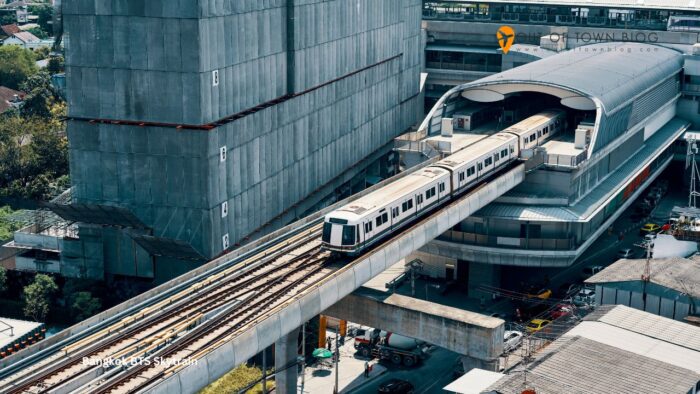
BTS Skytrain
The Bangkok BTS is especially useful for reaching shopping malls, business districts, and modern attractions. Stations serve areas such as Siam, National Stadium, Chong Nonsi, and Mo Chit. It is often more predictable than road transport during peak traffic.
MRT Subway
The MRT provides access to several historic and commercial districts, including Chinatown and the Grand Palace area. Stations such as Wat Mangkon and Sanam Chai are useful starting points for exploring nearby attractions on foot.
Chao Phraya River Boats
River transport is particularly convenient for sightseeing around the Grand Palace, Wat Pho, and Wat Arun. Services and stopping patterns differ, so check the route and destination before boarding. A river journey can also provide attractive views of Bangkok’s historic waterfront.
Taxis and Ride-Hailing Apps
Taxis and ride-hailing services can be useful for destinations that lack convenient rail access. Road traffic can make travel times unpredictable, so allow extra time for airport transfers, scheduled tours, and evening plans. Confirm the destination and fare arrangements before you start your journey.
Walking and Local Connections
Many old-city attractions are close enough to combine on foot. The Grand Palace and Wat Pho, for example, are convenient to visit together. Comfortable footwear, sun protection, and drinking water are essential, particularly when walking between temples.
Practical advice: Plan sightseeing by neighborhood. Group nearby attractions together rather than crossing Bangkok repeatedly in a single day.
Best Time to Visit Bangkok
Bangkok has a tropical climate, with hot conditions throughout much of the year. The most comfortable sightseeing period is generally November to February, when temperatures are more manageable, and rainfall tends to be lower than during the main rainy season.
March through May can be particularly hot. Visitors traveling during these months should schedule outdoor attractions early in the day, take breaks in air-conditioned locations, and carry drinking water.
The rainy season generally runs from around May through October, although rainfall varies. Showers can be heavy, and traffic may slow during wet weather. Indoor attractions, museums, shopping malls, and flexible itineraries help travelers adapt to changing conditions.
Major Festivals and Seasonal Events
- Songkran: Thailand’s traditional New Year celebration takes place in April. Bangkok hosts lively water festivities, but crowds and road closures can affect transportation.
- Loy Krathong: Usually held around November, this festival involves floating decorated offerings on waterways and other designated locations.
- Cool-season travel: November through February is popular for sightseeing, so plan ahead for holidays and major events.
Festival dates, activities, and local arrangements can vary from year to year. Travelers should confirm the schedule before organizing a trip around a specific celebration.
Sample 3-Day Bangkok Itinerary
This three-day itinerary groups attractions by location to reduce unnecessary travel. It combines cultural landmarks, local food, shopping, and contemporary city experiences.
Day 1: Temples and Historic Bangkok
Morning: Visit the Grand Palace and Wat Phra Kaew, then head to Wat Pho.
Afternoon: Cross the river to Wat Arun and explore the surrounding waterfront.
Evening: Enjoy a riverside dinner or head to Chinatown for street food if energy and timing permit.
Day 2: Culture, Shopping, and City Views
Morning: Explore Jim Thompson House Museum and its traditional Thai-style architecture.
Afternoon: Visit the Bangkok Art and Culture Centre and the nearby Siam shopping district.
Evening: Choose ICONSIAM for waterfront shopping and dining, or visit Mahanakhon SkyWalk for panoramic views, subject to weather and opening schedules.
Day 3: Choose a Day Trip or Local Exploration
Option A: Take a day trip to Ayutthaya for ancient temples, historical landmarks, and regional food.
Option B: Join an early excursion to Damnoen Saduak Floating Market, with additional rural stops if time allows.
Option C: Stay in Bangkok and explore Wat Traimit, Chinatown, Wat Saket, and Lumphini Park, adjusting the order to suit opening hours and transportation.
Itinerary planning tip: Ayutthaya and Damnoen Saduak are separate excursions in different directions. Treat them as alternatives for Day 3 rather than combining them into one rushed day.
Frequently Asked Questions About Visiting Bangkok
1. What are the best places to visit in Bangkok for first-time travelers?
First-time travelers should prioritize the Grand Palace, Wat Pho, and Wat Arun for their historical and cultural importance. Chinatown offers great food, while Chatuchak Weekend Market provides a wide range of shopping options. ICONSIAM and Mahanakhon SkyWalk provide a look at modern Bangkok. Travelers with three or more days can also explore Jim Thompson House Museum, Wat Saket, and Lumphini Park. The ideal selection depends on interests, available time, weather, and preferred pace.
2. How many days are enough to explore Bangkok?
Three days is a useful starting point for exploring Bangkok’s major attractions. Day one can focus on the Grand Palace, Wat Pho, and Wat Arun. The second can cover museums, shopping districts, and modern landmarks. Reserve the third day for Chinatown, markets, parks, or a day trip. Travelers who enjoy museums, food tours, shopping, or slower cultural experiences may prefer four to five days. Those planning trips outside the capital should allow additional time.
3. What is the best time of year to visit Bangkok?
November through February is generally a comfortable time for sightseeing because temperatures are more manageable and rainfall is often lower than during the rainy season. March through May can be very hot, so plan early-morning visits for outdoor attractions. Rain is more frequent from around May through October, although conditions vary. Songkran in April and Loy Krathong around November offer distinctive cultural experiences. Travelers should consider weather, crowd levels, and festival schedules when choosing dates.
4. Is Bangkok easy to explore using public transportation?
Bangkok has several convenient transportation options, including the BTS Skytrain, MRT subway, river boats, buses, taxis, and ride-hailing services. The BTS and MRT are particularly useful for avoiding road congestion when traveling between shopping areas and selected historic districts. River boats can be convenient for temples along the Chao Phraya River. Some attractions require a walk or an additional connection from the nearest station. Planning destinations by neighborhood and checking routes in advance can make daily sightseeing easier.
5. What should visitors wear when visiting Bangkok temples?
Visitors should dress respectfully when entering Buddhist temples and royal religious sites. Clothing that covers the shoulders and knees is generally appropriate, although individual attractions may impose specific rules. Some sites require visitors to remove shoes before entering designated buildings. Lightweight trousers, longer skirts, and sleeved shirts are practical choices in Bangkok’s tropical climate. Visitors should also avoid clothing with offensive imagery and follow posted instructions around sacred objects. Checking the dress code before visiting major royal sites can prevent delays at the entrance.
6. Is Bangkok suitable for families traveling with children?
Bangkok offers many family-friendly activities, including parks, cultural attractions, shopping complexes, river journeys, and food experiences. Lumpini Park provides space for outdoor recreation, while ICONSIAM offers dining and shopping in an air-conditioned environment. Temple visits can be educational, although heat and walking distances may tire younger children. Families should plan regular breaks, carry water, and use public transportation where convenient. A balanced itinerary with fewer attractions each day usually works better than attempting to cover the entire city in a short visit.
7. What local foods should travelers try in Bangkok?
Bangkok is an excellent place to sample Thai dishes and regional food traditions. Popular options include pad Thai, tom yum soup, green curry, som tam papaya salad, mango sticky rice, and boat noodles. Chinatown is known for its Chinese-Thai food culture, including noodle dishes, roasted meats, seafood, and traditional desserts. Food courts and established restaurants offer alternatives for travelers who prefer indoor dining. Visitors should check ingredient lists when managing allergies, choose freshly prepared food, and remember that spice levels can vary considerably between vendors.
8. Is Bangkok safe for tourists?
Travelers from around the world visit Bangkok, but visitors should use ordinary precautions in crowded markets, busy streets, and nightlife districts. Keep phones, wallets, and passports secure, and be cautious if strangers approach with unsolicited tour offers or claim an attraction is closed. Confirm taxi or ride-hailing arrangements before departure and check prices before agreeing to optional services. Travelers should also stay aware of road traffic when walking. Keeping emergency contacts accessible and securing appropriate travel insurance can provide additional peace of mind.
9. Can Bangkok be explored on a budget?
Bangkok can accommodate a range of travel budgets. Public transportation, local food stalls, casual restaurants, markets, and public parks can help keep daily expenses down. Some attractions charge admission, while others let you explore neighborhoods or enjoy city views without a major ticket expense. Shopping malls and food courts offer convenient dining choices at different price levels. Travelers should compare transportation options, confirm tour inclusions, and avoid booking unnecessary excursions. A well-planned itinerary can combine free activities, cultural attractions, and selected paid experiences.
10. Which Bangkok attractions are best for photography?
The Grand Palace is known for its elaborate royal architecture, while Wat Arun offers distinctive temple views beside the Chao Phraya River. Chinatown provides colorful street scenes and food photography opportunities, particularly in the evening. Mahanakhon SkyWalk offers panoramic views of the modern skyline on clear days. Ayutthaya is especially rewarding for photographing historic ruins and ancient chedis. Visitors should respect photography restrictions in temples and museums, avoid disrupting worshippers, and check whether tripods or commercial photography require separate permission.
11. Is Ayutthaya worth visiting on a day trip from Bangkok?
Ayutthaya is well worth considering for travelers interested in Thai history, architecture, and archaeological sites. Its former capital status shows in ancient temples, brick ruins, and historic religious structures that contrast with Bangkok’s modern skyline. A day trip lets visitors explore several key sites and try regional food. However, the attractions are spread across a broad area, so transportation planning is important. Travelers who prefer a slower pace or want to explore additional ruins may benefit from staying overnight rather than returning to Bangkok the same day.
12. What should Filipino travelers know before visiting Bangkok?
Filipino travelers should check the latest entry requirements for Philippine passport holders before departure, along with any required arrival forms or travel documents. A valid passport, confirmed accommodation details, and a return or onward travel plan can help with travel preparation. The Thai baht is the local currency, so it is useful to carry some cash for small purchases. A travel eSIM or local SIM can assist with navigation and communication. Visitors should also prepare for hot weather, observe temple dress codes, and arrange suitable travel insurance.
Final Travel Planning Advice
Bangkok offers enough variety to suit almost every type of traveler. Its royal palaces and Buddhist temples introduce Thai history, while Chinatown and Chatuchak Weekend Market showcase the city’s food and shopping culture. Modern destinations such as ICONSIAM and Mahanakhon SkyWalk reveal another side of the capital, and nearby Ayutthaya offers an opportunity to explore Thailand’s historical legacy beyond the city.
For a first visit, three days is a practical starting point. Travelers with more time can explore additional neighborhoods, join a floating-market excursion, or spend a full day exploring Ayutthaya’s historic ruins.
Before departure, confirm attraction schedules, transportation arrangements, and applicable entry requirements. A flexible itinerary that accounts for heat, traffic, and opening hours will help visitors make better use of their time in Bangkok.
Bangkok Travel Tour Packages You Should Try
Follow and subscribe to OutofTownBlog.com on Facebook , Twitter, Instagram, Pinterest, and YouTube for more Travel-related updates.
Read:
- Top 10 Best Hotels and Resorts in Chiang Mai, Thailand
- These captivating vintage photos of Manila showcase its timeless charm, despite its dark past.
- Best Night Markets in Bangkok: Ultimate Guide to Street Food, Shopping & Nightlife
- Bangkok BTS Guide: How to Use the Skytrain, Routes, Fares, and Travel Tips
- Bangkok 4 Day Itinerary: The Ultimate Guide to Exploring Thailand’s Capital