

 Melo Villareal
Best Camiguin Pasalubong: A Guide to the Island’s Must-Buy Local Products
Camiguin is famous for its volcanic landscapes, beautiful waterfalls, natural springs, white-sand beaches, and the sweet lanzones that have become part of the island’s identity. Beyond its natural attractions, the province also offers plenty of local products, traditional delicacies, and handcrafted souvenirs worth bringing home.
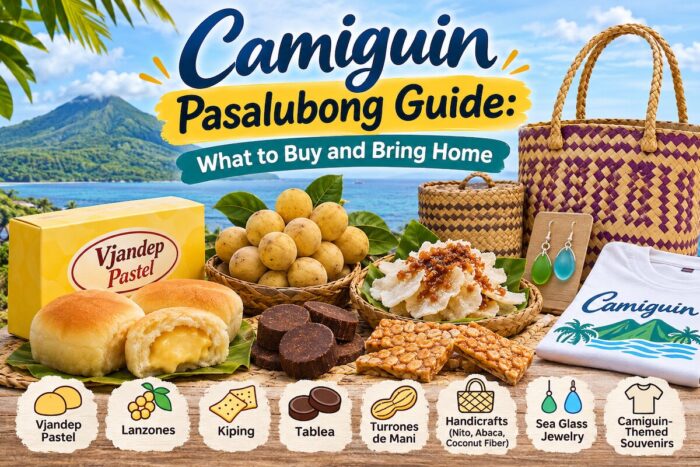
Camiguin Pasalubong Guide: What to Buy and Bring Home
For travelers exploring the Island Born of Fire, shopping for pasalubong is an enjoyable way to discover another side of Camiguin. From the well-loved Vjandep Pastel and seasonal lanzones to traditional cassava snacks, local tablea, woven handicrafts, and handmade accessories, there are plenty of choices for family, friends, colleagues, and fellow food lovers.
Buying local products also supports Camiguin’s farmers, small businesses, food producers, and artisans. Instead of buying generic souvenirs, choose items made by local communities and independent producers.
This Camiguin pasalubong guide covers what to buy, where to find local products, and how to bring your purchases home responsibly.
1. Famous Camiguin Food and Delicacies to Bring Home
Food is among the best reasons to go pasalubong shopping in Camiguin. The island’s food products reflect its agricultural heritage, local ingredients, and traditional cooking practices.
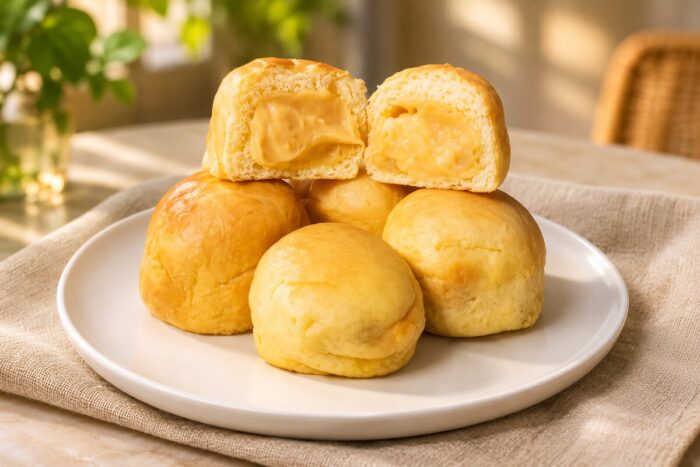
Vjandep Pastel
Vjandep Pastel is arguably one of Camiguin’s most recognizable food souvenirs. These soft, fluffy buns traditionally contain a creamy yema filling. They are popular gifts for family members, friends, and colleagues.
The original yema flavor remains a favorite, but other varieties are worth trying, too. These include langka, blueberry, pineapple, strawberry, macapuno, cheese, and chocolate.
If you are bringing pastel home, purchase it closer to your departure date. Check the packaging, storage instructions, and recommended consumption period before buying several boxes.

Fresh Camiguin Lanzones
Lanzones are one of Camiguin’s most celebrated agricultural products. The fruit is known for its sweet, juicy flesh and is closely associated with the province’s annual Lanzones Festival.
The best time to buy fresh lanzones is generally during the harvest season, around September to November, with October especially tied to the island’s festivities. You can find fresh fruit at local markets and roadside stalls, where purchasing directly from growers helps support farming families.
Choose firm, intact bunches with healthy-looking skin. Avoid fruits with excessive bruising, mold, or signs of spoilage.
Kiping
Kiping is a traditional Camiguin snack made from sun-dried cassava paste. It is fried until crispy and traditionally served with latik, a sweet topping prepared using muscovado sugar and coconut milk.
This local delicacy is particularly associated with Catarman. The municipal government identifies Sto. Niño Cold Spring Resort and Bura Soda Water Park as places where visitors can find kiping.
If you enjoy discovering regional Filipino snacks, kiping is an interesting addition to your pasalubong collection. If you plan to bring them home rather than eat them immediately, look for properly packaged cassava crisps.
Lanzones-Based Products
Beyond fresh fruit, look for locally produced lanzones-inspired treats and preserved products when available.
Possible finds include:
- Lanzones candies and sweets.
- Fruit preserves and jams.
- Locally produced fruit beverages.
- Other seasonal food products made by small producers.
Availability varies, so ask the seller about the ingredients and where the product was made. Do not assume that every product labeled lanzones is manufactured in Camiguin.
Suman and Other Traditional Rice Snacks
Suman is a familiar Filipino delicacy that you may encounter in local markets and roadside food stalls. Made from glutinous rice and commonly wrapped in banana leaves, it is a convenient snack for travelers who enjoy traditional Filipino merienda.
Look for freshly prepared suman and ask how long it can safely be kept without refrigeration. Since it is perishable, it is better suited for short trips home.
Tablea and Local Chocolate Products
Tablea is another interesting product to look for when browsing local food stores. These traditional cacao tablets are used to prepare Filipino hot chocolate, particularly sikwate.
You can also look for locally produced chocolate products and cacao-based treats. One product listed by the Mambajao Pasalubong Center is Mama Jita’s Tablea. Check the packaging and producer information to establish its local origin.
Turrones de Mani
For travelers who enjoy traditional sweets, turrones de mani is another product worth checking out. This peanut-based confection makes a convenient gift because it is generally easier to transport than fresh pastries and rice cakes.
La Salud Turrones de Mani is among the delicacies listed by the Mambajao Pasalubong Center. Check the ingredients if you are buying gifts for people with peanut allergies.
2. Camiguin Handicrafts and Locally Made Products
Food is not the only thing worth bringing home. Camiguin also has local crafts and handmade products that make thoughtful souvenirs.
Nito, Abaca, and Coconut Fiber Handicrafts
One of the more interesting local crafts to look for is handwoven merchandise made from natural fibers.
The Municipality of Catarman identifies NAGPAKABANA in Mainit as a handicraft maker using nito, abaca, and coconut fibers.
Depending on availability, look for:
- Woven baskets.
- Decorative pieces.
- Small storage containers.
- Handmade accessories.
- Other functional woven products.
These products offer an opportunity to support local craftsmanship while bringing home something more distinctive than mass-produced souvenirs.
Bayong Bags and Woven Accessories
A bayong is a practical Filipino shopping bag that can also serve as a travel souvenir. Its reusable design makes it a useful alternative to disposable shopping bags.
Look for well-finished pieces and ask whether the bag was made locally. Before purchasing, check for natural materials, neat weaving, and sturdy handles.
Sea Glass Jewelry
If you prefer wearable souvenirs, consider handmade sea glass jewelry. These accessories can include necklaces, earrings, and other decorative pieces made using sea glass.
The Mambajao Pasalubong Center lists Natalia Sea Glass jewelry among its featured merchandise. Ask about the maker and materials to support the artisan behind the product.
Camiguin-Themed Shirts, Caps, and Tote Bags
Clothing and accessories are convenient gifts for friends and fellow travelers. Look for shirts, caps, tote bags, and other merchandise featuring Camiguin’s landmarks, natural attractions, endemic wildlife, and island identity.
For example, the Mambajao Pasalubong Center lists Camiguin-themed tote bags and other locally marketed merchandise.
Whenever possible, choose products designed or produced by local artists and small businesses.
3. Other Local Products Worth Looking For
Beyond the better-known pasalubong items, look out for these products when visiting local shops and markets.
| Product | Why consider buying it |
|---|---|
| Cassava crisps | A convenient alternative to fresh snacks |
| Coconut-based products | Useful food souvenirs and local specialties |
| Dried agricultural products | Easier to transport than fresh produce |
| Local coffee products | Practical gifts for coffee lovers |
| Handmade accessories | Distinctive gifts from local makers |
| Native woven products | Functional souvenirs that support artisans |
| Local food preserves | Convenient alternatives to fresh fruit |
Product availability will depend on the seller and production schedule. Ask whether an item is genuinely made in Camiguin or simply sold on the island.
4. Where to Buy Pasalubong in Camiguin
Shopping for pasalubong is relatively convenient if you know where to look. Mambajao is the province’s main commercial center, while other municipalities offer opportunities to discover community-produced goods.
Mambajao Public Market
The public market is a good place to start for everyday local products. Browse the stalls for seasonal fruits, traditional snacks, agricultural products, and other food items.
October is particularly interesting because of the lanzones harvest and festival activities.
Vjandep Pastel and GASA by VjANDEP
For travelers specifically looking for pastel, Vjandep is a must-stop.
GASA by VjANDEP has listed branches in two convenient locations:
- Mambajao: E. Neri corner J.P. Rizal Streets, Mambajao.
- Benoni: Purok Alguatbi, Benoni, Mahinog.
The branches are particularly useful for travelers departing through Benoni Port. GASA also carries other pasalubong products and local treats. Confirm current operating hours and product availability before visiting.
Mambajao Pasalubong Center
Another place to explore is the Mambajao Pasalubong Center, which features various Camiguin products, including food delicacies, dried goods, pastries, nito handicrafts, and sea glass accessories.
It is located in Lakas, Mambajao. The center also has an online storefront, making it worth checking when planning your purchases.
Roadside Lanzones Stalls
During harvest season, roadside vendors offer fresh lanzones, sometimes directly from family-owned farms.
Buying from these sellers is a simple way to support local growers. Ask about the harvest date and choose fruit that is in good condition.
Local Shops in Catarman
Catarman is worth exploring for traditional kiping and handmade fiber crafts.
The municipal government identifies the Sto. Niño area and Bura as locations where visitors can find kiping. It also identifies the NAGPAKABANA handicraft organization in Mainit as a local craft producer. Contact the municipality or ask local tourism staff about current availability before making a special trip.
Pasalubong Opportunities Across Camiguin’s Municipalities
Camiguin has five municipalities, not six: Mambajao, Catarman, Sagay, Guinsiliban, and Mahinog.
Each municipality offers opportunities to explore local businesses, food establishments, agricultural products, and community enterprises. However, not every municipality has a verified dedicated pasalubong center or permanent souvenir shop.
Consider visiting local markets and asking tourism personnel about current community products and producers. During the Lanzones Festival, the Ugmad Agro-Industrial Trade Fair is another opportunity to discover locally made goods and agricultural products.
5. When Is the Best Time to Shop for Camiguin Pasalubong?
The best time depends on what you want to buy.
September to November: Lanzones season
This is an excellent period to visit Camiguin if you want to experience its famous fruit harvest. October is particularly exciting because of the annual Lanzones Festival, which celebrates the island’s agricultural heritage, farmers, and local culture.
October: Lanzones Festival
The Lanzones Festival offers a chance to discover local delicacies, agricultural products, handicrafts, and community enterprises. The Ugmad Agro-Industrial Trade Fair is particularly worth visiting for travelers interested in locally produced goods.
Year-round: Pastel and handicrafts
Products such as Vjandep Pastel, tablea, woven crafts, and handmade accessories aren’t limited to the harvest season. However, individual product availability varies.
6. Tips for Bringing Camiguin Pasalubong Home
Shopping is only half the experience. Make sure your purchases arrive home safely, especially if you are traveling by airplane or ferry.
Here are practical tips to consider.
Buy Perishable Products Near Your Departure
Purchase pastel, suman, and other freshly prepared delicacies closer to your departure date. This minimizes the time these products spend outside their recommended storage conditions.
Check Packaging and Expiration Dates
Before buying packaged food, inspect the label for the manufacturing date, expiration date, ingredients, and storage instructions.
Choose products with properly sealed packaging, especially when purchasing gifts for people who will consume them several days later.
Protect Fragile Souvenirs
Wrap sea glass jewelry, decorative items, and other delicate purchases individually. Use protective packaging to prevent scratches and breakage during transportation.
Check Airline Baggage Restrictions
If you are flying home, check your airline’s current baggage policies before purchasing liquids, sauces, jams, and other food products.
Remember these basic considerations:
- Liquids and gels in carry-on baggage may be subject to airport security restrictions.
- Fresh food products may have additional restrictions depending on your destination.
- Fragile souvenirs are better protected inside appropriately packed baggage.
- Check the rules for agricultural products when traveling internationally.
Prepare Fresh Lanzones Properly
If you are bringing fresh lanzones home, avoid packing damaged or overripe fruit. Use suitable packaging that allows ventilation and prevents crushing.
For international travel, check the destination country’s agricultural import rules before purchasing fresh fruit. Some countries prohibit or restrict fresh produce from entering.
7. Responsible and Sustainable Shopping in Camiguin
Pasalubong can feel more meaningful when your purchases support the local economy and responsible tourism.
Camiguin’s agricultural sector, small businesses, and community enterprises are central to the island’s identity. Travelers can help sustain these livelihoods by shopping thoughtfully.
Here are ways to shop for pasalubong more responsibly.
Buy directly from local producers. Whenever possible, purchase fresh lanzones from farmers, handmade crafts from artisans, and food products from small businesses. This allows more of your spending to benefit the people who make or grow the products.
Choose locally made products. Look beyond generic souvenirs and choose items that reflect Camiguin’s food culture, agricultural heritage, and traditional craftsmanship.
Bring reusable shopping bags. Carry a reusable bag when visiting public markets and pasalubong shops to reduce unnecessary packaging.
Avoid products made from protected wildlife. Do not purchase souvenirs made from endangered species, protected marine life, or other materials obtained through illegal harvesting.
Respect traditional craftsmanship. Handmade products require time and skill. Support artisans by paying fair prices rather than bargaining excessively.
Avoid unnecessary food waste. Purchase quantities that you can realistically consume or share with family and friends. This is particularly important for perishable delicacies.
Responsible shopping allows visitors to take home meaningful souvenirs while helping preserve the local traditions and livelihoods that make Camiguin special.
8. Frequently Asked Questions About Camiguin Pasalubong
1. What is the most famous pasalubong from Camiguin?
Vjandep Pastel is one of Camiguin’s most recognizable pasalubong products. It is a soft bread roll traditionally filled with sweet yema custard. The pastry has become closely associated with the island and is a popular gift among domestic travelers. Fresh Camiguin lanzones are another highly recognizable product, particularly during the harvest season around September to November. Both are excellent choices if you want to bring home something that represents the island’s food culture.
2. What food is Camiguin famous for?
Camiguin is particularly famous for its sweet lanzones and Vjandep Pastel. These two products are closely tied to the island’s agricultural and culinary identity. Other local delicacies worth discovering include kiping, suman, traditional sweets, tablea, and locally produced food preserves. Availability varies by season and producer, so explore public markets and independent food shops. If you visit in October, take time to explore the Lanzones Festival and its agricultural trade exhibits.
3. Where can I buy Vjandep Pastel in Camiguin?
You can find Vjandep Pastel at local outlets and GASA by VjANDEP branches in Mambajao and Benoni. The Benoni location is particularly convenient if you are catching a ferry to leave the island. These outlets also offer other pasalubong products, depending on available stock. Before visiting, check the latest store hours and product availability. If you are buying several boxes for family and friends, consider purchasing them on your last day to minimize storage time.
4. When is the best time to buy fresh lanzones in Camiguin?
The best time to buy fresh Camiguin lanzones is during harvest season, generally September to November. October is particularly popular because it coincides with the annual Lanzones Festival. During this period, travelers can find fruit at public markets, roadside stalls, and agricultural trade fairs. Buying directly from local farmers is a good way to support the island’s agricultural communities. Outside the harvest season, availability may be limited, and the quality and freshness can vary.
5. What is kiping, and where can I buy it in Camiguin?
Kiping is a traditional Camiguin delicacy made from sun-dried cassava paste, fried until crispy and served with a sweet latik topping. It is a distinctive snack for visitors who want to discover something beyond the island’s famous pastel and lanzones. According to the Municipality of Catarman, kiping can be found around Sto. Niño Cold Spring Resort and Bura Soda Water Park. Ask vendors whether they have properly packaged versions suitable for travel if you plan to bring some home.
6. What souvenirs can I buy in Camiguin besides food?
Camiguin offers several non-food souvenirs worth considering. Look for woven handicrafts made from nito, abaca, and coconut fibers, plus bayong bags, sea glass jewelry, locally designed tote bags, shirts, and caps. The municipal government identifies the NAGPAKABANA organization in Mainit, Catarman, as a local handicraft producer. You can also explore the Mambajao Pasalubong Center for locally marketed accessories and merchandise. Whenever possible, choose products made by identifiable local artisans.
7. Are there pasalubong shops near Benoni Port?
Yes. GASA by VjANDEP has a branch in Benoni, Mahinog, which is convenient for travelers departing through Benoni Port. It offers Vjandep Pastel and other pasalubong products, although the available selection may change. Buying near the port is useful if you do not want to carry food purchases throughout your island tour. Nevertheless, confirm operating hours and product availability before you leave, especially during holidays and busy travel periods.
8. Can I bring Camiguin pastel and lanzones on an airplane?
Generally, properly packaged solid food products may be transported in checked baggage or permitted cabin baggage, subject to airline and airport security rules. Pack pastel according to the manufacturer’s storage recommendations, and ensure fresh lanzones comply with your destination’s agricultural restrictions. International travelers should be particularly careful because many countries impose strict rules on bringing fresh fruit and agricultural products across their borders. Always check the latest airline, airport, and destination-country requirements before purchasing food for your flight.
9. How should I pack Camiguin food pasalubong for a long trip?
The best packing method depends on the food product. Pack dry snacks and sealed delicacies in sturdy containers or protective packaging to prevent crushing. Keep pastel and other perishable pastries within their recommended storage conditions, and avoid leaving them in hot vehicles for extended periods. Protect fresh lanzones from excessive pressure and spoilage. If you are traveling for several hours, consider the time between purchase and arrival, especially if your food products require refrigeration.
10. Are Camiguin pasalubong products available throughout the year?
Many Camiguin products, including pastel, tablea, handicrafts, accessories, and packaged delicacies, are available year-round, though availability depends on individual producers and shops. Fresh lanzones are seasonal and are best purchased during the harvest period. Some agricultural products and homemade delicacies may also have limited production schedules. If you visit outside the festival season, ask local vendors and tourism personnel about what’s currently available and which community enterprises are operating.
11. How can I make sure that the pasalubong I buy is genuinely made in Camiguin?
Check the product label, manufacturer’s address, packaging information, and seller’s description before purchasing. For handmade souvenirs, ask about the artisan, materials, and where it was made. When shopping at local markets, buying directly from farmers and producers can help you understand where the product originated. Remember, a product sold in Camiguin does not automatically mean it was manufactured there. Supporting verified local producers is a better way to ensure that your purchases contribute to the island’s economy.
12. How can travelers support sustainable tourism when buying pasalubong in Camiguin?
Travelers can support sustainable tourism by purchasing directly from local farmers, independent food producers, artisans, and community businesses. Choose handmade products, locally grown agricultural goods, and souvenirs that reflect the island’s culture instead of generic mass-produced merchandise. Bring reusable shopping bags, avoid unnecessary packaging, and never purchase souvenirs made from protected wildlife or illegally collected marine materials. Most importantly, pay fair prices for local craftsmanship. These small decisions help sustain livelihoods while encouraging the preservation of Camiguin’s agricultural traditions and cultural heritage.
Final Thoughts: Bring Home a Piece of Camiguin
Shopping for pasalubong is one of the enjoyable parts of visiting Camiguin. Beyond its famous pastel and sweet lanzones, the island offers traditional delicacies, agricultural products, handmade crafts, and locally designed souvenirs worth exploring.
Whether you are buying boxes of Vjandep Pastel for your family, fresh lanzones for friends, kiping for fellow food enthusiasts, or handmade accessories as personal keepsakes, choose products that reflect the island’s identity.
More importantly, make your purchases count by supporting local farmers, food producers, artisans, and small businesses. A thoughtfully chosen pasalubong is more than a souvenir. It is also a way to share Camiguin’s culture, flavors, and local livelihood with the people back home.
Follow and subscribe to OutofTownBlog.com on Facebook , Twitter, Instagram, Pinterest, and YouTube for more Travel-related updates.
Read: