
 Team Out of Town
Experience Abra: A Traveler’s Guide to the Kawayan Festival
For travelers who love the highlands, cultural festivals, and destinations that feel a little farther from the usual tourist trail, the Kawayan Festival in Abra is an excellent reason to head north.

Kawayan Festival in Abra
Held every March in the provincial capital of Bangued, the celebration combines Abra’s foundation anniversary with a showcase of its bamboo industry, Indigenous traditions, agriculture, crafts, food, music, and community life. The festival’s name comes from kawayan, the Filipino word for bamboo—an abundant resource that has long been woven into the province’s livelihoods and creative traditions.
For travelers, however, the appeal goes beyond the festival grounds. A trip to Abra can be paired with mountain landscapes, waterfalls, heritage sites, local food, and quiet highland communities, making the Kawayan Festival a rewarding cultural road trip.
What Is the Kawayan Festival?
The Abrenian Kawayan Festival is Abra’s annual provincial celebration, centered on the province’s bamboo resources, cultural heritage, agricultural communities, and identity.
The festival takes place around March 9, the anniversary of Abra’s establishment as a separate province. March 9 is recognized as a special working holiday and a no-class day in Abra, in observance of the province’s foundation anniversary and the culmination of the Abrenian Kawayan Festival.
The celebration has evolved into a multi-day event featuring street dancing, cultural performances, agricultural activities, trade fairs, food bazaars, bamboo displays, competitions, community programs, and a grand parade.
The festival also provides an opportunity to see the province’s towns represented through creative floats and performances. Recent celebrations have featured bamboo floats incorporating local products such as woven abel textiles, coffee, rice, corn, tobacco, fish, and other agricultural products.
A Brief History of the Kawayan Festival
The history of the festival is closely tied to Abra’s identity as a province and to its abundant bamboo resources.
The celebration was previously known as the Arya Abra Festival, a name associated with the advancement of Abra. It was renamed the Abrenian Kawayan Festival in 2009, placing greater emphasis on bamboo and the province’s bamboo-related industries and crafts.
Abra’s foundation anniversary falls on March 9. The festival has subsequently grown into a major provincial celebration. Rather than focusing solely on bamboo products, it has become a showcase for the wider identity of Abra—including its Indigenous traditions, farmers, artisans, local enterprises, food producers, and municipalities.
The festival’s trade fairs have also become opportunities for local entrepreneurs to showcase handwoven textiles, bamboo handicrafts, bags, hats, agricultural products, local delicacies, and other products.
When Is the Kawayan Festival Held?
The festival is traditionally celebrated in early March, culminating on March 9.
The exact lineup changes from year to year, so travelers should check the latest official announcement before booking transportation and accommodations.
A typical festival program may include activities throughout the week, with the biggest celebrations concentrated around the weekend and March 9.
Sample Schedule of Activities
Because individual events change annually, the following should be viewed as a typical festival itinerary rather than a guaranteed annual schedule:
| Day/Period | Typical Activities |
|---|---|
| Early March | Festival opening, cultural programs and community activities |
| March 4–6 | Abrenio Fair, food bazaar, trade and agricultural exhibits |
| March 5 | Farmers’ and agricultural activities |
| March 6–7 | Cultural programs, competitions and community events |
| March 7 | Street dancing and ground demonstrations |
| March 8 | Concerts, cultural presentations and entertainment |
| March 9 | Foundation Day, Grand Parade, bamboo float competition and culmination activities |
Travelers should verify the year’s official schedule because dates, venues, competitions, and performances may change.
Things to See and Do at the Kawayan Festival
1. Watch the Grand Bamboo Float Parade
One of the festival’s most anticipated attractions is the Grand Parade and bamboo float competition.
Municipalities and participating groups create elaborate floats incorporating bamboo and other locally significant materials. These aren’t simply decorative displays. They often tell stories about Abra’s communities, industries, agriculture, traditions, and natural resources.
Recent parades have featured numerous bamboo floats representing different municipalities and local industries.
Travel tip: Arrive early on parade day. Find a good viewing spot before the streets become crowded, and bring sun protection and drinking water.
2. Experience the Street Dancing
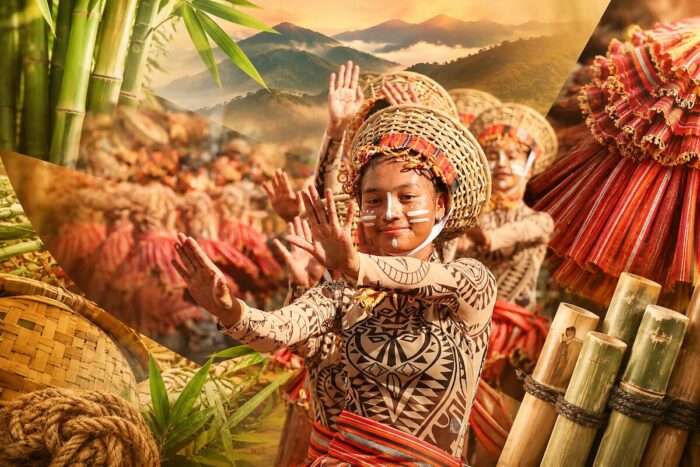
Street dancing brings together choreography, traditional influences, colorful costumes, percussion, and community storytelling.
The performances provide travelers with a lively introduction to Abra’s cultural traditions and allow visitors to experience the festival’s energy rather than simply viewing exhibits.
If you’re interested in photography, street dancing can also provide excellent opportunities to capture costumes, movement, expressions, and colorful festival scenes.
3. Explore the Abrenio Fair
Make time for the festival’s trade and agricultural exhibits.
The fair is particularly worthwhile for travelers who prefer buying locally made souvenirs rather than mass-produced items.
Depending on the year’s participants, visitors may find:
- Bamboo handicrafts
- Woven products
- Abel textiles
- Locally produced food
- Agricultural products
- Native delicacies
- Coffee
- Hats and bags
- Handmade souvenirs
It’s also an excellent opportunity to meet local entrepreneurs and learn more about the products and traditions of Abra’s municipalities.
4. Eat Your Way Around the Food Bazaar
Festival food is part of the experience.
Food bazaars during the Kawayan Festival offer opportunities to sample dishes and products from different parts of Abra without having to travel between municipalities.
Instead of sticking exclusively to familiar fast-food restaurants, use the festival as an opportunity to try local specialties, native delicacies, agricultural products, and regional snacks.
5. Discover Abra’s Bamboo Craftsmanship
The word kawayan is central to the celebration because bamboo is more than a decorative theme in Abra.
Bamboo has long been used for crafts, household items, structures, musical instruments, displays, and other practical purposes. During the festival, visitors can see how an abundant natural resource can support local livelihoods and creative industries.
For travelers, buying a locally made bamboo product is also a meaningful way to bring home a souvenir connected to the destination.
Things to See Beyond the Festival
One of the biggest advantages of visiting Abra for the Kawayan Festival is the opportunity to turn the trip into a broader highland adventure.

Kaparkan Falls
Kaparkan Falls in Tineg is one of Abra’s best-known natural attractions. Its distinctive cascading terraces and natural pools make it an unforgettable destination for travelers who enjoy waterfalls and outdoor adventures.
Access can be challenging, and conditions may be seasonal, so arrange transportation and check local access conditions before making the trip.
Apao Rolling Hills
For travelers who love highland landscapes, Apao Rolling Hills in Tineg offers a completely different experience from the busy festival grounds.
The expansive hills and open scenery make this a worthwhile addition to an Abra itinerary for travelers interested in landscape photography, road trips, nature, and quieter outdoor experiences.
Ar-Arbis Falls
Ar-Arbis Falls in Lagayan is known for its curtain-like cascade and surrounding natural scenery.
The attraction also has cultural significance within the ancestral domain of the Adasen people. This makes it particularly interesting for travelers who want to combine sightseeing in nature with cultural learning.
Victoria Park
For a more relaxed sightseeing stop in Bangued, Victoria Park offers a place to enjoy the surrounding landscape and experience a quieter side of the provincial capital.
It can be a convenient stop before or after festival activities, particularly for travelers who want a break from the crowds.
Where to Stay in Bangued
Since many of the major festival activities are centered in Bangued, staying in the provincial capital is generally the most convenient option.
Accommodations range from hotels and resorts to smaller inns and guesthouses. Travelers planning to visit specifically for the festival should reserve accommodations as early as possible, particularly if the trip coincides with March 9 and the Grand Parade.
If you’re traveling with a car, you can also consider accommodations in nearby municipalities, though staying farther from Bangued will require additional travel time.
How to Get to Abra for the Kawayan Festival
From Manila by Bus
For travelers coming from Metro Manila, land travel is one of the most practical options.
Bus services connect Metro Manila with northern Luzon destinations, including routes serving Abra. Depending on the current schedule, travelers may find direct services or routes requiring a transfer.
Travel time can be lengthy, making an overnight bus a practical option for travelers who want to maximize their time in Abra.
Always confirm the current departure schedule, fare, terminal, and destination before traveling because bus routes and timetables can change.
From Vigan or Laoag
If you’re already exploring Ilocos, Abra can easily become part of a broader northern Luzon itinerary.
This is an appealing option for travelers who want to combine the Kawayan Festival with destinations in Ilocos Norte, Ilocos Sur, and Abra.
A road trip also gives you greater flexibility to explore attractions outside Bangued.
By Private Car
Driving your own vehicle gives you considerably more freedom, especially if your itinerary includes waterfalls, rolling hills, heritage attractions, food stops, and rural communities.
However, some attractions outside Bangued involve rougher roads or more challenging access. For remote destinations, ask local tourism authorities or experienced local guides about current road and weather conditions.
Suggested 3-Day Kawayan Festival Itinerary
Day 1: Arrive and Explore Bangued
- Travel to Bangued
- Check into your accommodation
- Explore the town
- Visit festival exhibits
- Explore the Abrenio Fair
- Sample local food
- Shop for bamboo and woven products
Day 2: Experience the Culture
- Watch street dancing
- Visit cultural exhibits
- Explore food stalls
- Meet local artisans
- Shop for locally made products
- Attend evening cultural or entertainment activities
Day 3: Grand Festival Day
- Wake up early
- Find a good viewing location
- Watch the Grand Parade
- See the bamboo floats
- Experience Foundation Day activities
- Continue exploring Bangued or begin your journey home
If you have four or five days, consider adding Kaparkan Falls, Apao Rolling Hills, Ar-Arbis Falls, or other attractions depending on current accessibility.
Important Travel Tips
Book your accommodation early
The festival attracts visitors from different parts of the country. Room availability can be limited around the Grand Parade and Foundation Day celebrations.
Expect crowds
Major events can become busy, particularly the Grand Parade and street dancing. Keep valuables secure and establish a meeting point if traveling with family or friends.
Wear comfortable shoes
You’ll likely spend hours walking and standing. Comfortable footwear is essential.
Prepare for the heat
March can be warm. Bring sunscreen, sunglasses, a hat, a reusable water bottle, and light clothing.
Carry enough cash
Digital payments are becoming more common, but smaller vendors, local eateries, markets, and roadside establishments may still prefer cash.
Respect local culture
Abra is home to Indigenous communities with distinctive cultural traditions. Ask permission before photographing people, particularly during cultural activities and ceremonies.
Buy local
Consider purchasing bamboo crafts, woven products, abel textiles, local food, coffee, bags, hats, and other products made by local entrepreneurs.
Don’t stay only in Bangued
The festival is a gateway to Abra, not the destination itself. If your schedule permits, explore the province’s waterfalls, mountains, rivers, heritage attractions, and rural communities.
Check conditions before visiting remote attractions
Weather and road conditions can affect access to waterfalls and mountain destinations. Arrange local transportation or guides when appropriate.
Practice responsible tourism
Dispose of trash properly, avoid damaging natural areas, respect private and ancestral lands, and follow local tourism guidelines.
Frequently Asked Questions About the Kawayan Festival
When is the Kawayan Festival in Abra?
The Abrenian Kawayan Festival is held every March and traditionally culminates on March 9, Abra’s foundation anniversary.
Where is the Kawayan Festival held?
Major festival activities are centered in Bangued, Abra, while municipalities throughout the province participate in various activities and competitions.
Why is it called the Kawayan Festival?
Kawayan is the Filipino word for bamboo. The name reflects Abra’s abundant bamboo resources and the importance of bamboo craftsmanship and related industries to the province.
What are the main attractions?
Major highlights include the Grand Parade, bamboo float competition, street dancing, cultural performances, trade fairs, agricultural exhibits, food bazaars, bamboo products, and community activities.
Is the festival suitable for families?
Yes. Families can enjoy the parade, cultural performances, food stalls, exhibits, and community activities. Parents should prepare for crowds, heat, and extended periods outdoors.
What should I buy in Abra?
Good souvenir options include bamboo handicrafts, woven products, abel textiles, locally produced food, coffee, hats, bags, and other handmade products.
Can I visit Kaparkan Falls during the festival?
It may be possible, but travelers should not assume that access is always available. Conditions can vary by season, weather, and local regulations. Check current accessibility before planning the trip.
How many days should I spend in Abra?
Two to three days can be enough for the major festival activities. Travelers who want to explore natural attractions and surrounding communities should consider four to five days.
Is March a good time to visit Abra?
March is particularly appealing if you want to experience the Kawayan Festival. It also gives travelers an opportunity to explore Abra during one of the province’s most lively periods of the year.
What makes the Kawayan Festival worth visiting?
The festival combines culture, bamboo craftsmanship, food, agriculture, Indigenous heritage, community celebrations, and highland scenery. It offers travelers a chance to experience a side of northern Luzon that feels more intimate and community-centered than many mainstream tourist destinations.
Final Thoughts
The Abrenian Kawayan Festival is more than a celebration of bamboo. It is a window into Abra’s living culture—a celebration of its farmers, artisans, Indigenous traditions, local products, municipalities, and natural resources.
For travelers who love the highlands, it offers a compelling combination of cultural festivities in Bangued, mountain scenery, waterfalls, countryside landscapes, local food, and communities that remain relatively outside the mainstream tourist circuit.
If you’re planning a northern Luzon road trip, make the Kawayan Festival the centerpiece rather than simply a stopover. Arrive early, explore the fair, watch the street dancers, experience the Grand Parade, meet local makers, sample Abrenian food, and leave enough time to explore beyond Bangued.
That’s when the Kawayan Festival becomes more than an event—it becomes a gateway to discovering Abra.
Follow and subscribe to OutofTownBlog.com on Facebook, Twitter, Instagram, Pinterest, and YouTube for more Travel-related updates.
Read:
- Lubi-Lubi Festival in Gingoog City
- Diyandi Festival in Iligan City
- KALINGA TRAVEL GUIDE: Things to do, How to Get There + More
- Naneng Heritage Village: A Cultural Travel Experience in Tabuk, Kalinga
- Mambabatok: Reviving Tribal Tattoo Traditions of Kalinga
- Teofilo Garcia: A National Living Treasure Awardee from Abra
- Iligan City Travel Guide: Ultimate Waterfall Adventure, Nature Escapes, and Cultural Experiences in the City of Majestic Waterfalls