

 Team Out of Town
Agawan Festival of Sariaya, Quezon: History, Things to Do, Schedule and Travel Guide
If you are looking for a Philippine festival that combines faith, agriculture, heritage, food, and a little bit of friendly chaos, the Agawan Festival of Sariaya, Quezon, is one celebration worth experiencing.

Agawan Festival of Sariaya
Held every May 15, the Agawan Festival honors San Isidro Labrador, the patron saint of farmers, and celebrates thanksgiving for a plentiful harvest. What makes Sariaya’s celebration particularly memorable is its tradition of giving away—and playfully “snatching”—food, fruits, agricultural products, and other goodies displayed along the procession route. The Department of Tourism describes the celebration as a kind of “happy pandemonium.”
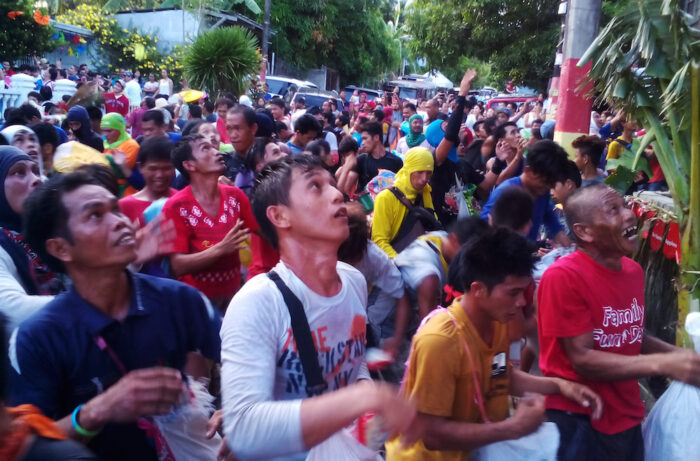
Unlike festivals where visitors simply watch a parade, Agawan encourages people to participate. As the procession of San Isidro Labrador passes through Sariaya’s streets, residents throw or hand down goodies to the crowd while festivalgoers reach for the items hanging from decorated houses and bamboo structures.
For travelers who enjoy cultural festivals, photography, local food and authentic community celebrations, Agawan offers a fascinating glimpse into Sariaya’s agricultural traditions and strong sense of community.
What Is the Agawan Festival?
Agawan Festival is Sariaya’s annual celebration of the Feast of San Isidro Labrador. It is essentially a harvest thanksgiving festival, with the town’s agricultural heritage at its heart.
The word “agawan” means “grabbing” or “snatching” and refers to the playful tradition during the procession. Residents decorate their homes with agricultural products, food, and other items. When the image of San Isidro Labrador passes, these offerings are shared with the people gathered along the route.
The Municipality of Sariaya explains that the agricultural products decorating the participating houses are not merely displays. They are eventually given or thrown to people after the procession, making generosity and sharing an important part of the celebration.
History of Agawan Festival
The Thanksgiving tradition associated with San Isidro Labrador in Sariaya predates the modern festival. Local agricultural communities have long regarded San Isidro as their patron and celebrated his feast in thanksgiving for good harvests.
The modern Agawan Festival emerged as a distinct festival in the 1990s. The name “Agawan” was later associated with the town’s unique tradition of grabbing the goodies displayed along the procession route. Historical accounts also credit former parish priest Rev. Fr. Raul Enriquez with formally using the name Agawan in connection with the 1999 celebration.
Today, it has become one of Quezon’s signature May festivals. It is celebrated alongside other San Isidro Labrador festivities in the province, including Pahiyas in Lucban, Mayohan in Tayabas and Araña’t Baluarte in Gumaca.
The common thread among these celebrations is thanksgiving for agricultural abundance, but Sariaya has developed its own distinctive identity through the “agawan” tradition.
Why Is It Called “Agawan”?
The name comes from the playful act of snatching or grabbing the goodies displayed during the procession.
Before the parade, participating households decorate their facades with colorful agricultural produce and other items. Some goodies are attached to bamboo branches or structures known locally as bagakay. As the procession passes, people in the crowd reach for the hanging treats, while residents also throw food, fruit, and other items toward the spectators.
The result is energetic, noisy, and wonderfully unpredictable.
But there is a deeper meaning behind the fun. Giving away produce represents generosity and thanksgiving. What might look like a chaotic scramble to visitors is actually rooted in the idea of sharing blessings with the community.
What Can You See During the Agawan Festival?
Decorated Ancestral Houses
One of the best reasons to visit Sariaya during Agawan is to see its historic houses.
Sariaya is known for its collection of grand ancestral homes, museums, and heritage structures. The municipality itself promotes its grand ancestral houses, museums, heirlooms, and antiques as attractions.
During the festival, some homes along the procession route become particularly impressive as residents decorate them with fruits, vegetables, bamboo, colorful hats, and other materials.
For photographers, the combination of heritage architecture and festival decorations creates some of the most interesting visual scenes in Quezon.

Bagakay and Hanging Goodies
Look up as you walk through the festival route, and you will see one of Agawan’s most distinctive features: bamboo branches and structures loaded with goodies.
Traditional decorations can include fruits, vegetables, candies, snacks, and other items. The Department of Tourism notes that buntal hats, string beans, and banana plants are also traditionally used to decorate houses.
The San Isidro Labrador Procession
The religious procession is the centerpiece of the celebration.
The image of San Isidro Labrador is carried through the streets, accompanied by devotees and festival participants. Its arrival signals the beginning of the famous sharing and “agawan” activity.
For first-time visitors, this is the moment when the atmosphere changes dramatically—from a colorful street celebration to the energetic pandemonium that gives the festival its reputation.
Local Food and Quezon Delicacies
Agawan is also a good opportunity to explore Sariaya’s local food scene.
Look for traditional Quezon dishes and snacks, including local rice cakes, kakanin, pancit, and coconut-based dishes. Quezon’s cuisine is strongly influenced by its agricultural environment, so coconut, rice, seafood, and locally grown produce feature prominently in many dishes.
Instead of limiting yourself to festival stalls, explore local eateries around town to experience what Sariaya residents actually eat.
Sariaya’s Heritage District
Give yourself time to explore beyond the festival route.
The town’s historic architecture is one of its major attractions, and walking around Sariaya can reveal beautiful bahay na bato-style residences, old commercial buildings, and other reminders of the town’s past.
The festival provides a particularly lively backdrop for heritage photography.
Things to Do During Agawan Festival
1. Watch the San Isidro Labrador procession
Make this your main activity. Find a safe spot along the procession route and watch the decorated houses and crowds come alive as the image of San Isidro passes by.
2. Experience the “agawan”
If you want to participate, do so respectfully. The objective is not to overpower other people or aggressively grab items. Join the fun while remaining conscious of children, elderly visitors, and other festivalgoers around you.
3. Photograph the decorated houses
Arrive early when possible. The streets are generally easier to explore before the biggest crowds gather, and you’ll have more opportunities to photograph decorations without obstructing residents.
4. Explore Sariaya’s ancestral houses
Combine the festival with a heritage walk. Sariaya is particularly interesting for travelers who enjoy architecture and history.
5. Try local Quezon food
Use the festival as an opportunity to sample local specialties rather than sticking exclusively to familiar fast food.
6. Attend the religious activities
Agawan is not simply a street party. Its foundation is religious thanksgiving to San Isidro Labrador. Attending Mass or observing the religious portions of the celebration gives you a better understanding of its cultural meaning.
7. Visit other Quezon festivals
If you are spending several days in the province, consider combining Agawan with other May celebrations. Quezon’s official festival calendar lists Agawan in Sariaya, Pahiyas in Lucban, Mayohan in Tayabas, and Araña’t Baluarte in Gumaca on May 15.
Agawan Festival Schedule of Activities
The main Agawan Festival celebration is held every May 15. The Provincial Government of Quezon currently lists May 15 as the date of the Agawan Festival in Sariaya.
Historically, tourism materials have described the broader Agawan celebration as running from May 13 to 15, with activities leading up to the main feast day.
A typical festival experience can therefore be planned around the following:
| Date | Typical Activities |
|---|---|
| May 13 | Pre-festival activities, community preparations, and cultural events |
| May 14 | Religious activities, Flores de Mayo-related events, and final preparations for decorated houses |
| May 15 | Feast of San Isidro Labrador, Mass, procession, decorated houses, and the main Agawan activity |
Important: Specific programs, parade times, procession routes, contests, and accompanying activities can change from year to year. Travelers should confirm the official program with the Municipality of Sariaya or local tourism authorities before traveling.
For 2026, May 15 was declared a special non-working day in Sariaya to celebrate the Agawan Festival.
Best Time to Visit Agawan Festival
If the main purpose of your trip is to experience Agawan, May 15 is the essential date.
However, arriving a day or two earlier can be better if you want a more relaxed experience. You can see residents preparing their houses, explore Sariaya’s heritage sites, and avoid trying to do everything on the busiest day of the festival.
For photographers, early morning is particularly useful. The light is better, temperatures are more comfortable, and the streets are generally less crowded.
How to Get to Sariaya, Quezon
From Manila by Bus
The easiest option for most travelers is to take a bus from Metro Manila heading toward Quezon Province.
Depending on the route and traffic, travel time can vary considerably. Look for buses traveling toward Lucena or other destinations in Quezon that pass through or near Sariaya.
During festival season, expect significantly heavier traffic and larger crowds.
By Private Car
From Manila, take SLEX southbound and continue toward the Southern Tagalog/Quezon route. Follow the road toward Lucena and Sariaya.
A private vehicle gives you greater flexibility, particularly if you want to explore Sariaya’s heritage attractions and nearby destinations.
However, parking can be challenging during the festival. Do not expect to drive directly into the busiest parts of the celebration.
From Lucena City
Sariaya is relatively close to Lucena City, making Lucena a practical base for travelers who prefer more accommodation choices.
From Lucena, you can use buses, jeepneys, vans or other local transportation heading toward Sariaya.
Where to Stay
If you want to experience Agawan without rushing, consider staying in Sariaya or nearby Lucena City.
Staying in Sariaya allows you to explore the town early in the morning and experience the festival atmosphere more fully. Lucena, meanwhile, generally offers a wider selection of hotels, restaurants, and transportation options.
Book accommodations well ahead of May 15, particularly if you are traveling with a group. The simultaneous celebration of several major Quezon festivals can increase demand for transportation and accommodation throughout the province.
Important Travel Tips for Agawan Festival
Arrive Early
Do not arrive shortly before the procession. The best spots can become crowded, and road closures or traffic restrictions may affect access.
Wear Comfortable Clothes
This is not the festival for your best white outfit.
Wear lightweight clothing and comfortable shoes because you may spend several hours walking and standing in crowded streets.
Bring a Small Backpack
A compact bag is more practical than a large shoulder bag. Keep valuables secure because crowds can become dense.
Bring an Eco-Bag
If you participate in the agawan, you may receive snacks, fruit, or other goodies. A reusable eco-bag is much more practical than carrying everything by hand.
Protect Your Phone and Camera
If you plan to photograph the action, use a secure camera strap or wrist strap. Keep your smartphone in a secure pocket when you are moving through crowded areas.
Expect Flying Food
The whole point of Agawan is sharing—and some of that sharing happens through the air.
If you are standing close to the procession, expect people to throw goodies toward the crowd. Protect your camera equipment and avoid bringing delicate items that could easily be damaged.
Stay Hydrated
May in Quezon can be hot and humid. Bring drinking water and take regular breaks.
Respect Private Homes
Many decorated houses are private residences. Do not enter someone’s property simply because it looks like an attractive photo location.
Ask permission before photographing people closely or entering private areas.
Don’t Push
Agawan is playful, but safety should come first. Do not shove children, elderly people, or other festivalgoers to get food.
Keep the Streets Clean
If you receive food wrappers or other items, keep your trash until you find a proper disposal point. A festival celebrating agricultural abundance should also respect the community and the environment.
Bring Cash
Small vendors may not accept cards or digital payments. Carry enough Philippine pesos in smaller denominations for food, transportation, and small purchases.
What to Bring
For a comfortable festival experience, pack:
- Comfortable walking shoes
- Lightweight clothing
- Hat or cap
- Sunscreen
- Reusable water bottle
- Small backpack
- Reusable eco-bag
- Power bank
- Smartphone or camera
- Waterproof pouch for valuables
- Cash in small denominations
- Personal medication and basic essentials
Is Agawan Festival Worth Visiting?
Absolutely—especially if you enjoy festivals that feel genuinely connected to the community.
Agawan Festival is not simply about colorful decorations or a parade. Its appeal comes from the interaction between residents and visitors, the devotion to San Isidro Labrador, Sariaya’s agricultural traditions, and the playful sharing of harvests.
It is also a good alternative for travelers who want to experience a Quezon harvest festival but are looking for something different from the better-known Pahiyas Festival in Lucban.
The experience can be loud, crowded, and chaotic, but that is precisely what makes Agawan memorable.
Agawan Festival vs. Pahiyas Festival
Both celebrations take place around the Feast of San Isidro Labrador and celebrate agricultural abundance, but the experiences are different.
Pahiyas in Lucban is particularly famous for elaborate house decorations featuring kiping, fruits, vegetables, and other artistic displays.
Agawan in Sariaya, meanwhile, is defined by the interaction between the decorated homes and the crowd. The produce and goodies are meant to be shared, creating the energetic “agawan” that gives the festival its name.
If you have time, experiencing both can be an excellent way to understand the different ways Quezon communities celebrate the same patron saint and agricultural tradition.
Agawan Festival FAQ
When is Agawan Festival celebrated?
Agawan Festival is celebrated every May 15 in Sariaya, Quezon, in honor of San Isidro Labrador.
What is Agawan Festival known for?
It is known for its decorated houses, agricultural displays, religious processions, and the playful tradition of grabbing or receiving food, fruits, and other goodies from the decorated houses.
Why is it called Agawan?
“Agawan” refers to the act of grabbing or snatching the goodies displayed along the procession route.
Who is San Isidro Labrador?
San Isidro Labrador is traditionally regarded as the patron saint of farmers and is honored during agricultural thanksgiving celebrations across the Philippines.
Is Agawan Festival a religious festival?
Yes. Its central religious component is the celebration of the Feast of San Isidro Labrador. The street festivities and agricultural displays are expressions of thanksgiving and community sharing.
What time does the Agawan Festival start?
The exact schedule varies from year to year. The main celebration takes place on May 15, but travelers should check the official municipal program for the current year’s Mass, procession, and other activities.
Can tourists participate in the agawan?
Yes. Visitors can experience the tradition, but participation should always be respectful. Avoid pushing and be especially careful around children and elderly people.
What should I wear to Agawan Festival?
Wear comfortable, lightweight clothes and shoes. Avoid expensive or delicate clothing because the streets can become crowded, and food or other items may be thrown toward the crowd.
Is Sariaya worth visiting outside the festival?
Yes. Sariaya has ancestral houses, heritage attractions, museums, heirlooms, and nearby natural attractions. The municipality also highlights Mt. Banahaw and beach resorts among its tourist destinations.
Can I combine Agawan Festival with Pahiyas Festival?
Yes. Both are held on May 15, although the towns are different and travel between festival locations can be affected by crowds and traffic. If you want to experience both, plan transportation carefully and consider staying overnight in the area.
Is Agawan Festival suitable for children?
Families can enjoy the celebration, but crowded areas require extra care. Keep children close and avoid the densest parts of the agawan if they are uncomfortable with crowds.
How many days should I spend in Sariaya?
A two-day trip is enough for a focused festival experience, while three days give you more time to explore Sariaya’s heritage attractions and nearby destinations in Quezon.
Final Thoughts
Agawan Festival captures something distinctly Filipino: faith, food, agriculture, generosity, and community coming together in one celebration.
For travelers, the most rewarding approach is not simply to chase the biggest crowd or collect as many goodies as possible. Take time to understand why the houses are decorated, why San Isidro Labrador is important to the community, and why sharing the harvest is at the heart of the celebration.
Come early, explore Sariaya’s heritage, try the local food, photograph the decorations respectfully, and then join the crowd when the procession arrives.
You may leave Sariaya with a bag of snacks and souvenirs, but the real takeaway is a better appreciation of one of Quezon’s most colorful and community-centered traditions.
Follow and subscribe to OutofTownBlog.com on Facebook, Twitter, Instagram, Pinterest, and YouTube for more Travel-related updates.
Read:
- Top 12 Best Things to do in Sariaya, Quezon
- List of Resorts in Sariaya, Quezon
- 5 Heritage Towns in the Philippines That Feel Like Time Travel